Training Through Your Cycle: What the Research Actually Supports
Cycle-syncing is everywhere on social media. Here's what good studies (and good coaches) actually say.
For informational purposes only. This article is educational and is not a substitute for professional medical advice, diagnosis, or treatment. Always consult a qualified healthcare provider about anything affecting your health. Read full disclaimer.
Introduction
The concept of "cycle-syncing" training with the menstrual cycle has gained considerable attention, proposing that individuals adjust their exercise routines based on hormonal fluctuations. This approach suggests optimizing physical performance and reducing adverse symptoms by aligning specific types of workouts with different phases of the menstrual cycle. While intuition suggests that hormonal shifts could influence physical capabilities, it's crucial to examine the scientific evidence supporting these claims. This article delves into what research actually supports regarding the impact of the menstrual cycle on exercise performance and how individuals might practically navigate training through their cycle without relying on unsubstantiated rigid protocols.
What causes it (evidence-based)
The menstrual cycle is a complex biological process regulated by a dynamic interplay of hormones, primarily estrogen and progesterone, produced by the ovaries. These hormones fluctuate throughout the cycle, influencing various physiological systems beyond the reproductive organs, including metabolism, body temperature, cardiovascular function, and even mood and sleep patterns.
Hormonal Fluctuations and Their Potential Impact
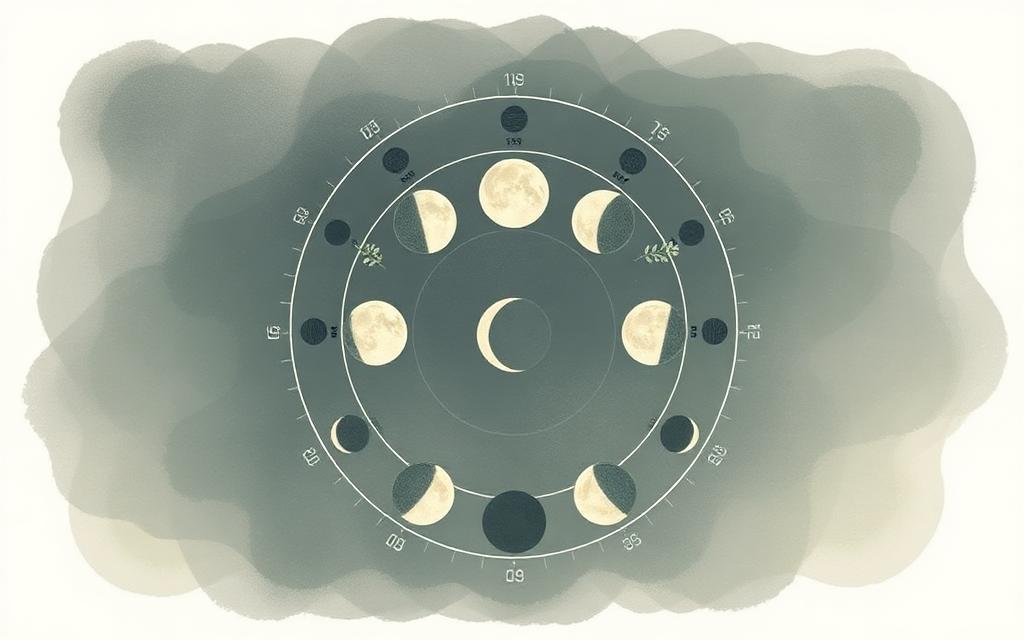
- Follicular Phase (Days 1-14, roughly): This phase begins with menstruation and ends with ovulation. Estrogen levels gradually rise, peaking just before ovulation. Estrogen is generally associated with anabolic (tissue-building) effects, increased pain tolerance, and potentially improved insulin sensitivity. Some research suggests that the rising estrogen levels in the late follicular phase might be conducive to higher-intensity training and strength development.
- Ovulatory Phase (Around Day 14): A surge in luteinizing hormone (LH) and a further peak in estrogen characterize this short phase. While it marks the release of an egg, its direct impact on athletic performance compared to the follicular and luteal phases is less distinct in current research. Some studies discuss a potential, albeit small, increase in injury risk (e.g., ACL tears) during this phase, possibly due to ligament laxity influenced by hormonal changes, although this area requires further robust investigation.
- Luteal Phase (Days 15-28, roughly): Following ovulation, both estrogen and progesterone levels rise significantly. Progesterone is associated with a slight increase in basal body temperature, a catabolic (tissue-breaking down) state, and can cause mild fluid retention. Towards the end of the luteal phase, if pregnancy does not occur, both hormone levels drop sharply, leading to menstruation. The elevated progesterone in this phase is often linked to symptoms such as fatigue, bloating, and mood changes, which some individuals report can impact exercise capacity or motivation.
Underlying Mechanisms
The physiological changes driven by these hormones can theoretically affect exercise performance through several mechanisms:
- Substrate Utilization: Estrogen can promote fat oxidation and spare glycogen, potentially benefiting endurance activities. Progesterone, on the other hand, might slightly shift metabolism towards carbohydrate utilization.
- Thermoregulation: The elevated body temperature in the luteal phase due to progesterone can increase physiological strain during exercise, especially in hot environments, potentially leading to earlier fatigue.
- Fluid Balance: Hormonal fluctuations can influence fluid retention and electrolyte balance, which can indirectly affect performance and comfort.
- Neuromuscular Function: Some evidence suggests hormonal influence on neuromuscular control and muscle contractile properties, although the practical significance for most individuals is debated.
- Mood and Cognitive Function: Hormonal changes can influence neurotransmitters, impacting mood, motivation, and perceived exertion, which are critical components of exercise performance.
It's important to note that while these physiological changes occur, their actual impact on measurable exercise performance in real-world scenarios is often subtle and highly individualized. (Source: NIH, American College of Obstetricians and Gynecologists)
Symptoms and warning signs
While objective measures of performance may show only trivial variations across the menstrual cycle for many, subjective symptoms can significantly impact an individual's ability and willingness to train. Listening to these symptoms is a valid and often practical approach to managing training.
Common Symptoms That May Affect Training
- Menstrual Phase (Days 1-5, roughly):
- Abdominal Cramps (Dysmenorrhea): Painful uterine contractions can range from mild discomfort to severe, debilitating pain, significantly affecting exercise capacity and motivation.
- Fatigue: Hormonal shifts and blood loss can contribute to feelings of tiredness and low energy.
- Headaches: Hormonal fluctuations can trigger headaches or migraines in some individuals.
- Mood Swings: Irritability or low mood can reduce the desire to exercise.
- Late Luteal Phase / Premenstrual Phase (Days 20-28, roughly):
- Premenstrual Syndrome (PMS): A collection of symptoms including bloating, breast tenderness, mood swings (irritability, anxiety, sadness), fatigue, and headaches. These symptoms can be distressing and understandably impact exercise.
- Premenstrual Dysphoric Disorder (PMDD): A more severe form of PMS characterized by significant mood disturbances, severe irritability, depression, or anxiety that can profoundly disrupt daily life, including exercise routines.
- Sleep Disturbances: Insomnia or restless sleep can occur due to hormonal changes, leading to daytime fatigue and reduced recovery.
- Reduced Coordination or Concentration: Some individuals report feeling less coordinated or focused, potentially affecting complex or high-skill exercises.
Warning Signs Requiring Attention
While typical menstrual cycle symptoms are generally manageable, certain warning signs suggest a need for clinical evaluation:
- Severe or Debilitating Pain: Menstrual cramps that are consistently severe, interfere significantly with daily activities, or are unresponsive to over-the-counter pain relievers. This could indicate conditions like endometriosis or fibroids.
- Irregular Periods: Cycles that are consistently shorter than 21 days or longer than 35 days, or highly unpredictable, may warrant investigation for hormonal imbalances, Polycystic Ovary Syndrome (PCOS), or other underlying health issues.
- Absence of Periods (Amenorrhea): Missing three or more consecutive periods (after puberty) without pregnancy can be a sign of significant hormonal disruption, excessive exercise, extreme caloric restriction, or other medical conditions. This requires prompt medical evaluation.
- Excessive Bleeding: Menstrual flow that is unusually heavy (soaking through pads/tampons every hour for several hours), lasts longer than 7 days, or includes large clots can indicate issues like anemia, fibroids, or clotting disorders.
- New or Worsening Symptoms: Any significant change in the nature or severity of menstrual symptoms, especially if accompanied by other concerning signs like fever, unexplained weight loss, or persistent fatigue.
Recognizing these warning signs and seeking timely medical advice is crucial for maintaining overall health and addressing potential underlying conditions. (Source: American College of Obstetricians and Gynecologists, Mayo Clinic)
When to see a clinician
It is important to understand that while a certain degree of discomfort is common during the menstrual cycle, severe or persistent symptoms are not normal and warrant medical attention. Consulting a clinician can help rule out underlying conditions and provide strategies for managing symptoms effectively.
You should consult a clinician if you experience any of the following:
- Severe Menstrual Pain: If your menstrual cramps are consistently severe, debilitating, and interfere significantly with your daily activities, including exercise, despite using over-the-counter pain relief. This could be a symptom of conditions like endometriosis, adenomyosis, or uterine fibroids.
- Irregular Periods: If your menstrual cycles are consistently shorter than 21 days or longer than 35 days, or if they are highly unpredictable, varying significantly in length from month to month. Irregularity can be a sign of hormonal imbalances, Polycystic Ovary Syndrome (PCOS), thyroid dysfunction, or other health issues.
- Absence of Periods (Amenorrhea): If you are not pregnant and have missed three or more consecutive menstrual periods (after having previously established regular cycles), or if you have not started menstruating by age 15. This requires immediate medical evaluation as it can indicate significant hormonal disruption, excessive exercise, insufficient caloric intake, or other medical conditions that require intervention.
- Abnormally Heavy or Prolonged Bleeding: If you experience unusually heavy bleeding (e.g., soaking through one or more pads or tampons every hour for several consecutive hours), if your period lasts longer than seven days, or if you pass large blood clots. This can lead to anemia and may be a sign of fibroids, polyps, or bleeding disorders.
- New or Worsening Premenstrual Symptoms: If you experience severe mood swings, depression, anxiety, or irritability in the premenstrual phase that significantly impacts your quality of life, relationships, or work/school performance (e.g., symptoms characteristic of PMDD).
- Symptoms Interfering with Daily Life: If any symptoms related to your menstrual cycle consistently prevent you from performing your usual activities, including training, working, or social engagements.
- Unusual Vaginal Discharge, Itching, or Odor: These symptoms might indicate an infection or other gynecological issue unrelated to the cycle phases but important to address.
- Concerns About Fertility: If you are planning pregnancy and have concerns about your menstrual cycle regularity.
A clinician can provide a diagnosis, discuss potential causes, and recommend appropriate management strategies, which may include lifestyle adjustments, medication, or further investigations. (Source: American College of Obstetricians and Gynecologists, Mayo Clinic)
Treatment and management options
Managing the impact of the menstrual cycle on training involves a combination of strategies, ranging from self-care and lifestyle adjustments to medical interventions for severe symptoms. The goal is to alleviate discomfort and optimize well-being, allowing for consistent and effective engagement in physical activity.
Lifestyle and Self-Care Approaches
- Pain Management for Cramps:
- Over-the-counter pain relievers: Non-steroidal anti-inflammatory drugs (NSAIDs) such as ibuprofen or naproxen are often effective for reducing prostaglandin-induced uterine contractions and pain when taken at the onset of symptoms.
- Heat therapy: Applying a heating pad or hot water bottle to the lower abdomen can help relax uterine muscles and alleviate cramps.
- Gentle exercise and stretching: While intense exercise during acute pain might be difficult, light activity like walking or gentle stretching can often improve blood flow and reduce discomfort.
- Hydration and Nutrition:
- Adequate hydration: Especially important during the luteal phase when body temperature slightly increases, and during menstruation to compensate for fluid loss.
- Balanced diet: High in fruits, vegetables, whole grains, and lean proteins. Limiting caffeine, alcohol, and high-sodium foods can help reduce bloating and mood disturbances for some individuals.
- Iron intake: During menstruation, especially with heavy bleeding, maintaining adequate iron intake through diet (red meat, spinach, lentils) or supplementation (under medical guidance) is crucial to prevent iron-deficiency anemia, which can cause fatigue.
- Stress Management: High stress levels can exacerbate menstrual symptoms. Techniques such as mindfulness, meditation, yoga, or spending time in nature can be beneficial.
- Sleep Hygiene: Prioritizing consistent and adequate sleep is crucial for recovery and managing fatigue, particularly during phases when sleep might be disrupted by symptoms.
- Individualized Training Adjustments:
- Symptom-led approach: Instead of rigidly following a cycle-syncing plan based on average hormonal effects, prioritize listening to your body. On days with severe cramps or fatigue, it's reasonable and beneficial to reduce intensity, shorten workouts, or opt for lower-impact activities (e.g., walking, swimming, gentle yoga) or rest.
- Flexibility in programming: Be willing to adjust your training schedule. If you have a particularly demanding workout planned but feel unwell, swap it for an easier day or postpone it.
- Tracking: Keeping a log of your cycle, symptoms, and perceived exertion during training for 2-3 months can help you identify personal patterns and anticipate when you might need to adjust.
Medical Interventions
For individuals experiencing severe or persistent symptoms, a clinician may recommend various medical treatments:
- Hormonal Birth Control: Oral contraceptives, patches, rings, or hormonal IUDs can regulate hormone levels, often reducing painful cramps, heavy bleeding, and severe PMS/PMDD symptoms by preventing ovulation.
- NSAIDs (Prescription-strength): If over-the-counter NSAIDs are insufficient, a clinician may prescribe a stronger dose.
- Antidepressants (SSRIs): For severe premenstrual dysphoric disorder (PMDD), selective serotonin reuptake inhibitors (SSRIs) can be highly effective in managing mood symptoms, often taken daily or only in the luteal phase.
- Diuretics: For severe bloating and fluid retention, a clinician might prescribe mild diuretics, although these are typically used cautiously.
- Treating Underlying Conditions: If conditions like endometriosis, PCOS, fibroids, or thyroid disorders are diagnosed, specific treatments for those conditions will be initiated, which can dramatically improve menstrual-related symptoms. This might include medication, lifestyle changes, or in some cases, surgery.
- Iron Supplementation: For documented iron-deficiency anemia due to heavy periods, iron supplements will be prescribed, often requiring several months to restore iron stores.
Working with a healthcare provider is essential to determine the most appropriate and effective management plan based on individual symptoms, health status, and goals. The aim is to empower individuals to continue their desired physical activities with less discomfort and fewer disruptions. (Source: American College of Obstetricians and Gynecologists, Mayo Clinic, NIH)
Prevention and daily habits
While the hormonal fluctuations of the menstrual cycle are natural and unpreventable, certain daily habits and preventive measures can significantly mitigate the severity of symptoms and improve overall well-being, thus supporting more consistent training. These strategies focus on promoting general health, which in turn can positively influence menstrual health.
- Maintain a Balanced and Nutrient-Rich Diet:
- Whole Foods: Prioritize whole, unprocessed foods, including a variety of fruits, vegetables, whole grains, and lean proteins. This provides essential vitamins, minerals, and fiber.
- Omega-3 Fatty Acids: Found in fatty fish (salmon, mackerel), flaxseeds, and walnuts, omega-3s possess anti-inflammatory properties that may help reduce menstrual pain and general inflammation.
- Calcium and Vitamin D: Adequate intake of these nutrients is important for bone health and may also play a role in reducing PMS symptoms for some individuals. Dairy products, fortified plant milks, leafy greens, and sunlight exposure are good sources.
- Magnesium: Found in leafy greens, nuts, seeds, and whole grains, magnesium may help alleviate muscle cramps and improve mood.
- Limit Processed Foods, Sugar, and Excessive Sodium: These can exacerbate bloating, inflammation, and energy crashes, negatively impacting comfort and performance.
- Moderate Caffeine and Alcohol Intake: Especially in the premenstrual and menstrual phases, these can worsen sleep, anxiety, and cramps for some individuals.
- Ensure Adequate Hydration:
- Drinking sufficient water throughout the day is crucial for overall bodily function, helps reduce bloating, and can mitigate headaches related to dehydration.
- Prioritize Consistent Sleep:
- Aim for 7-9 hours of quality sleep per night. Hormonal changes can sometimes disrupt sleep, making it even more important to maintain a regular sleep schedule, create a conducive sleep environment, and practice good sleep hygiene. Sufficient rest is vital for physical and mental recovery, directly impacting energy levels and training capacity.
- Regular Physical Activity (Appropriate to Symptoms):
- While intense training might need adjustment during symptomatic periods, maintaining a regular exercise routine throughout the month can actually help reduce the severity of menstrual symptoms. Physical activity can improve circulation, reduce stress, and release endorphins, which are natural pain relievers.
- Even light activities like walking, cycling, or yoga can be beneficial when experiencing discomfort. The key is consistency and adaptation.
- Stress Management Techniques:
- Chronic stress can influence hormonal balance and exacerbate menstrual symptoms. Incorporate stress-reducing practices into your daily routine, such as meditation, deep breathing exercises, mindfulness, spending time in nature, or engaging in hobbies.
- Track Your Cycle and Symptoms:
- Using a calendar or a cycle-tracking app to monitor your menstrual cycle, associated symptoms (cramps, fatigue, mood), and how you feel during workouts can provide valuable insights into your individual patterns. This personal data allows for proactive adjustments to your training schedule and self-care routines. Knowing when to expect certain symptoms can help you prepare and be more compassionate with yourself.
- Consult a Clinician for Persistent Concerns:
- As highlighted in the "When to see a clinician" section, do not hesitate to seek medical advice for severe, persistent, or worsening symptoms. Early intervention for conditions like PMDD, endometriosis, or PCOS can significantly improve quality of life and enable more consistent engagement in physical activity.
By integrating these preventive measures and daily habits, individuals can often reduce the negative impact of menstrual symptoms, fostering a more sustainable and enjoyable relationship with their training. (Source: American College of Obstetricians and Gynecologists, Mayo Clinic)
Frequently asked questions
Will cycle syncing give me a performance advantage?
Current research suggests that for most individuals, the direct impact of menstrual cycle phases on objective exercise performance markers (like strength, power, or endurance) is trivial on average. While some studies might show small statistical differences, they are often not practically significant enough to warrant a rigid cycle-syncing approach for performance enhancement. Individual variability is vast, meaning some might experience slight changes, while others feel no difference. The largest impact is often on subjective feelings and symptoms, not necessarily maximal output.
Is it safe to train intensely during my period?
Yes, for most healthy individuals, it is generally safe to train intensely during menstruation. There is no evidence suggesting that intense exercise during your period is harmful. Some individuals may actually find that exercise helps alleviate menstrual discomfort, such as cramps or bloating, due to the release of endorphins and improved blood circulation. However, if you experience significant pain, heavy bleeding, or severe fatigue, it is advisable to listen to your body and adjust the intensity or type of exercise to what feels comfortable and sustainable.
How do hormones affect my energy levels during my cycle?
Hormonal fluctuations, particularly estrogen and progesterone, can influence energy levels. In the follicular phase (leading up to ovulation), rising estrogen levels are often associated with higher energy and a sense of well-being. During the luteal phase (after ovulation), higher levels of progesterone, coupled with varying estrogen, can lead to feelings of fatigue, irritability, and reduced motivation in some individuals. The rapid drop in both hormones just before menstruation can also contribute to lower energy and premenstrual symptoms. However, these effects are highly individual, and not everyone experiences significant energy shifts.
Can my menstrual cycle affect my strength training?
While some theories suggest that the high estrogen during the follicular phase might be more favorable for strength and power due to its anabolic properties, and the luteal phase less so due to progesterone's catabolic effects and increased core body temperature, the scientific evidence for significant, consistent impacts on maximal strength performance is limited. A meta-analysis found only a trivial effect on average. Most individuals will still be able to perform effectively during strength training throughout their entire cycle, though subjective feeling may vary. Adjustments should primarily be made based on how you feel rather than rigid cycle-phase dictates.
What should I do if I experience severe fatigue or cramps during my cycle?
If you experience severe fatigue or debilitating cramps, or any other menstrual symptoms that significantly impact your ability to train or function daily, it's advised to: 1) Listen to your body: It is perfectly acceptable and often beneficial to reduce the intensity of your workout, switch to a lower-impact activity, or take a rest day. Pushing through severe pain can be counterproductive and lead to burnout. 2) Consider pain relief: Over-the-counter NSAIDs (like ibuprofen) and heat therapy can help. 3) Focus on recovery: Prioritize sleep, hydration, and nutrient-dense foods. 4) Consult a clinician: If your symptoms are consistently severe, worsen over time, or don't respond to self-care, a healthcare provider can rule out underlying conditions (e.g., endometriosis, fibroids, iron deficiency) and discuss effective management strategies, including hormonal treatments or other medications.
Key takeaways
- Individual Variability is Key: The impact of the menstrual cycle on training performance and symptoms is highly individual. What one person experiences may be vastly different from another.
- Scientific Evidence for Performance Effects is Trivial: While physiological changes occur, rigorous meta-analyses suggest that the average effect of menstrual cycle phase on objective exercise performance (strength, power, endurance) is minimal and often not practically significant. Rigid "cycle-syncing" protocols based on performance enhancement are generally oversold.
- Symptoms are Valid and Impact Training: Subjective symptoms like cramps, fatigue, bloating, and mood changes can significantly affect an individual's motivation, comfort, and ability to train effectively. These symptoms are real and listening to them is a valid strategy.
- Adopt a Symptom-Led Approach: Instead of blindly following generalized cycle-syncing plans, prioritize tuning into your own body. Train hard when you feel good and have high energy. Be prepared to reduce intensity, modify workouts, or take rest when symptoms are severe or energy is low.
- Focus on General Health Habits: Consistent good sleep, adequate hydration, a nutrient-rich diet, and effective stress management are powerful tools to mitigate menstrual symptoms and support overall training consistency and well-being.
- Track Your Cycle and Symptoms: Gaining personal insight into your unique patterns of symptoms and energy fluctuations throughout your cycle can empower you to make informed, personalized adjustments to your training.
- Know When to Seek Clinical Advice: Severe or debilitating pain, irregular periods, absent periods, abnormally heavy bleeding, or severe mood disturbances are not normal and warrant a consultation with a healthcare professional to rule out underlying medical conditions and discuss appropriate management.
- Safety of Training During Your Period: For most healthy individuals, training intensely during menstruation is safe and can even be beneficial for symptom relief. Adjustments should be based on how you feel.
Sources
- American College of Obstetricians and Gynecologists (ACOG)
- Mayo Clinic
- National Institutes of Health (NIH) - National Institute of Child Health and Human Development (NICHD)
- Cochrane Library
Related reading
- How Much Protein Do You Actually Need? A Look at the Best Evidence — The RDA is for survival, not for thriving. Here's what protein research from the last decade really shows.
- Balance Training for All Ages — Balance work reduces fall risk, improves athletic performance, and supports joint health across the lifespan.
- Managing Social Media Comparison — Curated feeds fuel comparison. Curated following, time limits, and mindful use reduce impact on self-worth.
- Blue Light and Sleep: What the Research Says — Evening blue-light exposure suppresses melatonin. Dimming screens and warm lighting after sunset supports circadian heal…
- Ginger as Natural Medicine — Ginger, a common spice, boasts a long history in traditional medicine for its potential to alleviate various ailments. M…
Written by
Health Hub Pro Editorial
Health writer at Health Hub Pro, focused on evidence-based, Sharia-conscious wellness.
View author profile →Medically reviewed by
Dr. James Okafor, MD
MD, sports medicine
Last reviewed on