
The Mind Body Connection
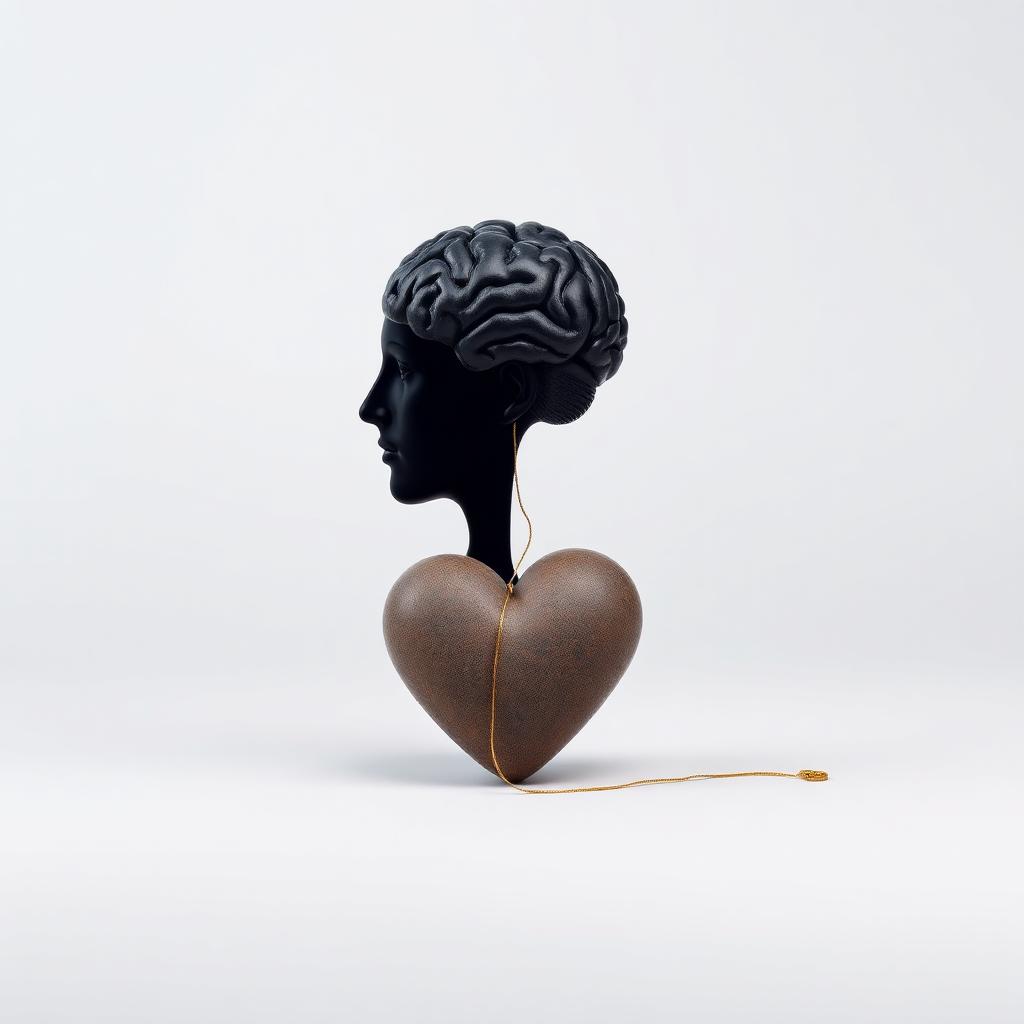
Explore the profound link between our mental and physical health, revealing how emotional states impact bodily functions and vice versa. Understanding this connection is key to holistic well-being.
For informational purposes only. This article is educational and is not a substitute for professional medical advice, diagnosis, or treatment. Always consult a qualified healthcare provider about anything affecting your health. Read full disclaimer.
Introduction
For centuries, human understanding often separated the mind and the body. However, modern scientific evidence increasingly demonstrates that these are not distinct entities but rather profoundly interconnected aspects of a singular, dynamic system. The concept of the mind-body connection refers to the continuous and intricate interplay between our psychological states—our thoughts, emotions, and beliefs—and our physiological functions, bodily sensations, and overall physical health. This connection highlights how mental and emotional experiences can directly influence the body's health, and conversely, how physical conditions can impact mental and emotional well-being. Understanding this relationship is fundamental to adopting a holistic perspective on health and well-being.
What causes it (evidence-based)
The mind-body connection is rooted in complex biological pathways and systems that enable constant communication between the brain, which orchestrates mental processes, and the rest of the body. Key systems involved include the nervous system, the endocrine (hormonal) system, and the immune system. These systems do not operate in isolation but form an integrated network, allowing psychological states to exert significant physiological effects.
The Neurobiological Bridge
The brain, serving as the central command center for mental activity, exerts widespread influence over bodily functions through its extensive neural networks. This communication is bidirectional:
- Stress Response System: A prime example is the body's response to psychological stress. When an individual perceives a threat or experiences stress, the brain activates the hypothalamic-pituitary-adrenal (HPA) axis and the sympathetic nervous system. This triggers the release of stress hormones like cortisol and adrenaline. These hormones prepare the body for a "fight or flight" response, leading to immediate physiological changes such as increased heart rate, elevated blood pressure, altered digestion, and modulated immune function (Mayo Clinic). While acute activation is an adaptive survival mechanism, chronic activation due to prolonged stress can lead to sustained imbalances.
- Impact on Organ Systems: Long-term exposure to stress hormones can contribute to a range of physical ailments, including cardiovascular diseases (e.g., hypertension, heart disease), gastrointestinal disorders (e.g., irritable bowel syndrome, ulcers), metabolic issues (e.g., insulin resistance, weight gain), and musculoskeletal problems (e.g., chronic muscle tension, pain).
- Immune System Modulation: The nervous and endocrine systems are tightly linked with the immune system. Psychological stress can suppress immune function, making an individual more susceptible to infections and potentially exacerbating autoimmune conditions. Conversely, positive emotional states may enhance immune responses. (National Institutes of Health - NIH)
Emotions as Physiological Signals
Emotions are not merely abstract feelings; they are accompanied by distinct physiological changes and neurochemical releases.
- Positive Emotions: Experiences like joy, contentment, and love can trigger the release of neurotransmitters such as endorphins, dopamine, and oxytocin, which are associated with feelings of well-being, pain relief, and enhanced social bonding. These neurochemicals can have beneficial effects on cardiovascular health, immune function, and stress reduction.
- Negative Emotions: Prolonged negative emotional states, such as chronic anger, sadness, anxiety, or fear, are associated with sustained activation of the stress response. This can lead to increased inflammation, hormonal imbalances, and a higher risk of various health conditions. Research consistently indicates a correlation between psychological distress and the onset or exacerbation of conditions like chronic pain, migraine headaches, and autoimmune diseases. For instance, individuals frequently experiencing anger or hostility may have an increased risk of heart disease (American Heart Association - AHA).
The Gut-Brain Axis
Emerging evidence highlights the significance of the gut-brain axis, a bidirectional communication system linking the central nervous system with the enteric nervous system of the gut. The vast community of microorganisms residing in the gut (the gut microbiome) plays a crucial role in this axis.
- Microbiome Influence: The gut microbiome produces various neuroactive compounds and influences immune function, which in turn can affect brain chemistry, mood, and cognitive function. Imbalances in the gut microbiome have been linked to conditions such as anxiety, depression, and certain neurological disorders. (National Institutes of Health - NIH)
- Dietary Impact: The saying "you are what you eat" applies to brain health as well. A healthy, balanced diet rich in fiber, prebiotics, and probiotics can support a diverse and healthy gut microbiome, which may positively influence mental and emotional well-being. Conversely, diets high in processed foods, sugar, and unhealthy fats can negatively impact gut health and contribute to systemic inflammation, potentially affecting mood and cognitive function.
Bidirectional Influence
The mind-body connection is inherently bidirectional. Just as mental states influence physical health, physical conditions significantly impact mental and emotional well-being.
- Physical Illness and Mental Health: Chronic pain, debilitating illnesses, sleep deprivation, and even nutritional deficiencies can profoundly affect mental health, leading to increased rates of anxiety, depression, irritability, and impaired cognitive function. For example, a lack of adequate sleep not only causes physical fatigue but also compromises emotional regulation and increases susceptibility to stress. (Centers for Disease Control and Prevention - CDC)
- Lifestyle Factors: Habits such as physical inactivity, poor diet, and insufficient sleep can contribute to both physical ailments and mental health challenges, reinforcing the interconnectedness.
(Sources: World Health Organization - WHO, Centers for Disease Control and Prevention - CDC, National Institutes of Health - NIH, American Heart Association - AHA, Mayo Clinic)
Symptoms and warning signs
Recognizing the symptoms and warning signs of an imbalanced mind-body connection can help individuals seek appropriate support and make lifestyle adjustments. These indicators often manifest as a combination of physical and psychological changes that may not have an immediate or obvious medical cause.
Physical Manifestations of Psychological Distress
When the mind is under prolonged stress or experiencing chronic emotional turmoil, the body often responds with a range of physical symptoms:
- Chronic Pain Syndromes: Persistent headaches (tension headaches, migraines), back pain, neck pain, or generalized muscle aches without a clear physical injury. Conditions like fibromyalgia and temporomandibular joint disorder (TMJ) are often exacerbated by psychological stress.
- Digestive Issues: Frequent stomach upset, indigestion, acid reflux, nausea, diarrhea, or constipation. Irritable Bowel Syndrome (IBS) symptoms are frequently triggered or worsened by stress.
- Cardiovascular Symptoms: Palpitations, chest pain not related to cardiac disease, or unexplained increases in blood pressure.
- Fatigue and Sleep Disturbances: Chronic fatigue, difficulty falling asleep (insomnia), waking frequently during the night, or non-restorative sleep, even after adequate hours of rest.
- Immune System Dysfunction: Frequent colds, flu, or other infections, slower wound healing, or flare-ups of autoimmune conditions.
- Skin Conditions: Exacerbation of skin conditions like eczema, psoriasis, and acne.
- Autonomic Nervous System Symptoms: Dizziness, lightheadedness, shortness of breath or hyperventilation, excessive sweating, and a feeling of being constantly "on edge."
- Appetite and Weight Changes: Significant unplanned weight loss or gain, or changes in eating patterns (e.g., emotional eating, loss of appetite).
Psychological and Emotional Indicators
The mind also sends clear signals when the connection is strained:
- Persistent Feelings of Stress or Anxiety: Constant worry, nervousness, panic attacks, or difficulty relaxing.
- Mood Disturbances: Chronic irritability, sadness, feelings of hopelessness, loss of interest or pleasure in activities (anhedonia), or persistent low mood.
- Cognitive Difficulties: Problems with concentration, memory, decision-making, and general mental clarity (often referred to as "brain fog").
- Emotional Dysregulation: Difficulty managing emotions, frequent mood swings, or feeling overwhelmed by everyday challenges.
- Social Withdrawal: A tendency to isolate oneself from friends, family, and social activities.
- Increased Irritability or Anger: Reacting disproportionately to minor annoyances or feeling constantly frustrated.
It is important to note that while these symptoms can be indicative of a mind-body imbalance, they can also be signs of underlying medical conditions. Therefore, professional medical evaluation is crucial to determine the cause and appropriate course of action.
When to see a clinician
While various self-care strategies can help foster a healthier mind-body connection, there are specific situations when it is important to seek professional medical advice. Consulting a clinician can help rule out underlying medical conditions, provide an accurate diagnosis, and guide appropriate treatment plans.
You should consider seeing a clinician if you experience any of the following:
- Persistent or Worsening Physical Symptoms: If you have chronic pain, digestive issues, severe headaches, unexplained fatigue, or frequent infections that do not improve with self-care or lifestyle changes, or if they worsen over time. These symptoms require medical evaluation to rule out specific diseases.
- Significant Changes in Mood or Behavior: If you experience prolonged sadness, hopelessness, severe anxiety, panic attacks, thoughts of self-harm, extreme irritability, or a significant loss of interest in activities you once enjoyed. These could be signs of a mood disorder or other mental health conditions requiring professional intervention.
- Impaired Daily Functioning: If your physical or emotional symptoms are interfering with your work, relationships, sleep, or ability to perform daily tasks. This indicates that the imbalance is significantly impacting your quality of life.
- Difficulty Coping: If you feel overwhelmed by stress, grief, or life challenges and find yourself unable to cope effectively despite your best efforts.
- Sleep Disturbances: If you consistently struggle with insomnia, excessive daytime sleepiness, or other sleep problems that affect your well-being.
- Changes in Appetite or Weight: If you experience unexplained, unintentional significant weight loss or gain, or develop disordered eating patterns.
- Concerns About Substance Use: If you are using alcohol, drugs, or other substances as a coping mechanism for stress, anxiety, or other emotional distress.
- Acute Stress or Trauma: If you have recently experienced a traumatic event, a significant loss, or are facing an intensely stressful period, and are struggling to process these experiences.
- Existing Chronic Conditions: If you have a pre-existing chronic health condition (e.g., heart disease, diabetes, asthma, autoimmune disease) and notice that stress or emotional states are frequently triggering flare-ups or worsening your symptoms.
A clinician can provide a comprehensive assessment, conduct necessary diagnostic tests, and offer evidence-based treatments, refer you to specialists (e.g., a mental health professional, nutritionist, physical therapist), or suggest integrated approaches that address both your physical and psychological needs.
Treatment and management options
Addressing imbalances in the mind-body connection often involves a multi-faceted approach that integrates various disciplines. Treatment and management options aim to reduce stress, improve emotional regulation, alleviate physical symptoms, and foster overall well-being. The selection of strategies should be individualized, often guided by a clinician (Mayo Clinic, NHS).
Medical and Clinical Interventions
- Psychotherapy (Talk Therapy):
- Cognitive Behavioral Therapy (CBT): Helps individuals identify and change negative thought patterns and behaviors that contribute to stress, anxiety, and depression. It's effective for a wide range of conditions, including chronic pain and IBS.
- Mindfulness-Based Stress Reduction (MBSR): Teaches mindfulness and meditation techniques to increase awareness and reduce reactivity to stressful thoughts and sensations.
- Acceptance and Commitment Therapy (ACT): Focuses on accepting difficult thoughts and feelings while committing to actions aligned with one's values.
- Psychodynamic Therapy: Explores unconscious patterns and past experiences that may influence current emotional and relational difficulties.
- Pharmacotherapy: In some cases, medication may be prescribed by a clinician to manage severe symptoms of anxiety, depression, chronic pain, or sleep disorders, especially when other interventions are insufficient. This is often used in conjunction with psychotherapy and lifestyle changes.
- Physical Therapy: For pain-related conditions, physical therapy can help improve mobility, strength, and reduce physical discomfort, which in turn can positively impact mental outlook.
- Nutritional Counseling: A registered dietitian can provide guidance on dietary changes to support brain health, gut microbiome balance, and overall physical well-being, recognizing the role of the gut-brain axis.
- Sleep Medicine: For persistent sleep disorders, specialists can offer diagnostics and interventions such as CBT for insomnia (CBT-I).
Mind-Body Practices
These practices are designed to cultivate awareness, relaxation, and emotional balance:
- Mindfulness and Meditation: Regular practice can alter brain structure and function, reducing activity in stress response centers and enhancing areas related to attention and emotional regulation (NIH).
- Yoga and Tai Chi: These practices combine physical postures, breathing techniques, and meditation, promoting flexibility, strength, balance, and mental calm. They have been shown to reduce stress, anxiety, and improve mood.
- Deep Breathing Exercises: Techniques like diaphragmatic breathing activate the parasympathetic nervous system, promoting relaxation and counteracting the "fight or flight" response.
- Guided Imagery and Visualization: Involves focusing the mind on positive images and scenarios to promote relaxation, reduce stress, and manage pain.
- Progressive Muscle Relaxation (PMR): Systematically tensing and relaxing different muscle groups to release physical tension and promote bodily awareness.
- Biofeedback: Uses electronic sensors to provide real-time information about physiological functions (e.g., heart rate, muscle tension), allowing individuals to learn to control these responses to reduce stress and pain.
Lifestyle and Self-Care Strategies
These are foundational to supporting a healthy mind-body connection:
- Regular Physical Activity: Exercise releases endorphins, reduces stress hormones, improves sleep, and boosts overall mood and cognitive function. The CDC recommends at least 150 minutes of moderate-intensity aerobic activity per week.
- Adequate Sleep Hygiene: Prioritizing 7-9 hours of quality sleep per night is crucial for physical and mental recovery. Establishing a consistent sleep schedule and creating a conducive sleep environment can help.
- Balanced Nutrition: A diet rich in whole foods, fruits, vegetables, lean proteins, and healthy fats supports brain health and helps regulate mood and energy.
- Social Connection: Fostering strong relationships and engaging in meaningful social interactions can provide emotional support, reduce feelings of isolation, and act as a buffer against stress (NIH).
- Stress Management Techniques: Identifying personal stressors and developing effective coping strategies (e.g., time management, setting boundaries, delegating tasks) is crucial.
- Engaging in Hobbies and Creative Pursuits: Activities that bring joy and a sense of accomplishment can serve as outlets for stress and promote positive emotions.
- Spending Time in Nature: Research suggests that exposure to natural environments can reduce stress, improve mood, and enhance cognitive function.
Treatment plans are often most effective when they draw from several of these categories, acknowledging the holistic nature of the mind-body system.
(Sources: Mayo Clinic, National Institutes of Health - NIH, American Psychological Association - APA, Centers for Disease Control and Prevention - CDC, NHS)
Prevention and daily habits
Cultivating a healthy mind-body connection is an ongoing process that benefits from consistent daily habits and preventive strategies. By integrating these practices into your routine, you can build resilience against stress, enhance emotional well-being, and support overall physical health (WHO, CDC).
Prioritize Rest and Sleep
- Consistent Sleep Schedule: Aim for 7-9 hours of quality sleep per night for adults. Go to bed and wake up around the same time each day, even on weekends.
- Create a Restful Environment: Ensure your bedroom is dark, quiet, and cool.
- Rethink Evening Habits: Avoid screens emitting blue light for at least an hour before bed. Limit heavy meals, caffeine, and alcohol in the evening.
Engage in Regular Physical Activity
- Move Your Body Daily: Incorporate at least 30 minutes of moderate-intensity exercise most days of the week. This could include brisk walking, jogging, cycling, swimming, or dancing.
- Find Enjoyable Activities: Choose physical activities that you genuinely enjoy to make it easier to maintain consistency.
- Incorporate Strength and Flexibility: Include exercises that build muscle strength and improve flexibility, like yoga or resistance training.
Nourish Your Body
- Balanced Diet: Consume a variety of whole foods, including fruits, vegetables, lean proteins, whole grains, and healthy fats.
- Stay Hydrated: Drink plenty of water throughout the day.
- Limit Processed Foods: Reduce intake of added sugars, unhealthy fats, and highly processed foods, which can contribute to inflammation and mood swings.
- Consider Gut Health: Include fermented foods (e.g., yogurt, kefir, sauerkraut) or consider probiotic supplements if advised by a clinician, to support a healthy gut microbiome.
Practice Mindfulness and Relaxation
- Daily Mindfulness: Dedicate a few minutes each day to mindfulness meditation, deep breathing exercises, or simply paying attention to your senses in the present moment.
- Stress Reduction Techniques: Learn and practice techniques like progressive muscle relaxation, guided imagery, or gentle stretching to manage acute stress.
- Journaling: Regularly writing down your thoughts and feelings can help process emotions, gain perspective, and reduce psychological load.
Foster Social Connections
- Nurture Relationships: Invest time in connecting with family and friends.
- Seek Social Support: Reach out to trusted individuals when you need support or are going through a difficult time.
- Engage in Community: Participate in group activities, volunteer, or join clubs to build a sense of belonging and community.
Manage Stress Proactively
- Identify Stressors: Recognize what triggers your stress response.
- Set Boundaries: Learn to say no to commitments that overextend you and protect your time and energy.
- Time Management: Develop effective strategies for prioritizing tasks and managing your schedule.
- Problem-Solving Skills: Develop practical approaches to confronting and resolving challenging situations.
- Seek Hobbies and Passion Projects: Engage in activities that bring you joy, creativity, and a sense of purpose to balance responsibilities.
Limit Exposure to Negative Influences
- Mindful Media Consumption: Be judicious about your news and social media intake, especially content that causes significant distress.
- Positive Environment: Surround yourself with positive influences, whether people, books, or environments.
By consistently applying these daily habits, individuals can reinforce the positive feedback loops between their mind and body, leading to greater resilience, improved health outcomes, and a more fulfilling life.
Frequently asked questions
What is the mind-body connection, and why is it important for health?
The mind-body connection refers to the profound and continuous interaction between our thoughts, emotions, beliefs, and our physical health. It's important because it highlights that mental and emotional well-being directly influence physiological functions, such as immune response, hormone regulation, and cardiovascular health, and vice-versa. Understanding this connection allows for a holistic approach to health, recognizing that treating one aspect often impacts the other.
How does stress physically affect the body?
When under stress, the brain signals the release of stress hormones like cortisol and adrenaline. These hormones can lead to increased heart rate, elevated blood pressure, muscle tension, digestive issues, and suppressed immune function. Chronic stress can contribute to a range of physical ailments, including heart disease, chronic pain, gastrointestinal disorders, and increased susceptibility to infections.
Can positive thinking improve physical health?
While positive thinking alone may not cure diseases, adopting a positive outlook and practicing optimism can indirectly contribute to better physical health. Positive emotions are associated with lower levels of stress hormones, enhanced immune function, and better cardiovascular health. These emotional states can also motivate individuals to engage in healthier lifestyle behaviors, further supporting overall well-being.
What are some practical ways to strengthen the mind-body connection?
Key strategies to strengthen the mind-body connection include practicing mindfulness and meditation, engaging in regular physical activity, ensuring adequate quality sleep, maintaining a balanced and nutritious diet, fostering strong social connections, and implementing effective stress management techniques like deep breathing or journaling. These practices help create a harmonious balance between mental and physical states.
When should I seek professional help for mind-body symptoms?
You should consider seeing a clinician if you experience persistent or worsening physical symptoms without a clear medical cause, significant changes in mood or behavior (e.g., severe anxiety, prolonged sadness), if your symptoms impair your daily functioning, or if you are struggling to cope despite self-care efforts. A clinician can help rule out underlying conditions and guide appropriate treatment, which may include therapy, medication, or specialized referrals.
Key takeaways
- The mind and body are intricately interlinked, continuously influencing each other through complex biological pathways, including the nervous, endocrine, and immune systems.
- Psychological states, such as stress, anxiety, and depression, can significantly impact physical health, contributing to conditions like cardiovascular disease, digestive disorders, and a weakened immune system.
- Conversely, physical conditions like chronic pain, illness, and sleep deprivation can profoundly affect mental and emotional well-being.
- Recognizing symptoms such as chronic pain, digestive issues, fatigue, mood disturbances, and cognitive difficulties, both physical and psychological, can indicate an imbalance in the mind-body connection.
- It is crucial to seek professional medical advice if symptoms are persistent, severe, or interfere with daily life, to rule out underlying conditions and receive appropriate care.
- Effective management involves a holistic approach, which may include psychotherapy, medication, physical therapy, nutritional counseling, and various mind-body practices like mindfulness, yoga, and guided imagery.
- Preventive measures and daily habits are vital for maintaining a healthy mind-body connection, including prioritizing adequate sleep, engaging in regular physical activity, eating a balanced diet, practicing stress management, and fostering strong social connections.
- By consciously nurturing both mental and physical health, individuals can enhance resilience, promote well-being, and achieve a more integrated and fulfilling life.
Sources
- World Health Organization (WHO)
- Centers for Disease Control and Prevention (CDC) [www.cdc.gov]
- National Institutes of Health (NIH) [www.nih.gov]
- American Heart Association (AHA) [www.heart.org]
- Mayo Clinic [www.mayoclinic.org]
- NHS (National Health Service, UK) [www.nhs.uk]
Related reading
- Sleep and Mental Wellness — Discover the profound connection between sleep and mental health. Learn how prioritizing sleep can significantly improve…
- The Role of Social Connection in Health — Discover how strong social connections are vital for both mental and physical health, going beyond mere friendship to im…
- The Role of Therapy in Wellness — Therapy plays a crucial role in enhancing mental wellness by providing tools and strategies for navigating life's challe…
- Healthy Aging Fundamentals — Embrace a proactive approach to aging with foundational strategies for physical health, mental well-being, and social co…
- Journaling for Mental Health — Discover how journaling can be a powerful tool for improving mental well-being, offering benefits like stress reduction,…
Written by
Health Hub Pro Editorial
Health writer at Health Hub Pro, focused on evidence-based, Sharia-conscious wellness.
View author profile →