Animal Behavior and Welfare: The Five Domains Explained
A practical, evidence-informed guide to animal welfare — what matters, what works, common mistakes, and when to consult a professional.
For informational purposes only. This article is educational and is not a substitute for professional medical advice, diagnosis, or treatment. Always consult a qualified healthcare provider about anything affecting your health. Read full disclaimer.
Animal Behavior and Welfare: The Five Domains Explained
(Not medical or veterinary advice — consult a qualified clinician or veterinarian for personal guidance.)
Introduction
Understanding animal welfare is crucial for anyone involved with animals, whether as a caregiver, professional, or advocate. It moves beyond simply providing food and shelter to encompass an animal's complete physical and mental state. While earlier concepts like the "Five Freedoms" provided a foundational framework, the "Five Domains Model" offers a more comprehensive and nuanced approach to assessing and managing animal welfare. This model emphasizes both physical and mental aspects, recognizing that an animal's subjective experiences are integral to its overall well-being. By exploring nutrition, environment, health, behavior, and mental state, the Five Domains provide a practical tool for evaluating and enhancing the lives of animals under human care. This article will delve into each of these domains, explaining their significance and offering evidence-informed insights into how they can be effectively managed to promote optimal animal welfare.
Why this matters
Prioritizing animal welfare is not merely a matter of ethical responsibility; it has far-reaching implications for individual animals, human society, and even economic considerations. For the animals themselves, good welfare means a life free from undue suffering, where they can express natural behaviors and experience positive mental states. This contributes to their physical health, resilience, and overall quality of life. Animals living in environments that meet their needs are often less stressed, exhibit fewer behavioral problems, and are more likely to thrive.
From a human perspective, our interactions with animals are enriched when we understand and respect their welfare needs. For professionals in fields such as veterinary medicine, animal agriculture, zoology, and animal rescue, applying welfare principles is fundamental to their practice. It leads to more effective care, better management practices, and improved outcomes. For animal caregivers, understanding these principles fosters stronger bonds and a more fulfilling relationship with their animals.
Furthermore, societal expectations regarding animal treatment are evolving. There is growing public awareness and demand for ethical animal care, influencing consumer choices, industry standards, and policy development. Organizations like the World Organisation for Animal Health (OIE/WOAH) develop international standards and guidelines for animal welfare, recognizing its importance in areas such as animal health, food safety, and trade. The Food and Agriculture Organization of the United Nations (FAO) also highlights the integral role of animal welfare in sustainable livestock production and food security. Ultimately, a proactive approach to animal welfare safeguards the well-being of animals and reflects a responsible and compassionate society.
Key principles (evidence-informed)
The Five Domains Model, developed by Professor David Mellor and colleagues, offers a robust framework for assessing and promoting animal welfare. It shifts the focus from simply preventing negative states (as in the Five Freedoms) to actively promoting positive experiences. The model is structured into four physical/functional domains that influence a fifth, overarching mental domain.
1. Nutrition: This domain addresses not only the quantity but also the quality and accessibility of food and water. It's about providing appropriate nourishment that meets an animal's physiological needs, considering species, age, activity level, and health status. Malnutrition, undernutrition, or overnutrition can lead to health problems and negative mental states. For instance, inadequate diets can cause deficiencies, while excessive feeding can lead to obesity and associated diseases. Animals should have reliable access to clean, fresh water. The World Organisation for Animal Health (OIE/WOAH) and the Food and Agriculture Organization (FAO) both emphasize the critical role of appropriate nutrition in animal welfare and health, particularly in farmed animals.
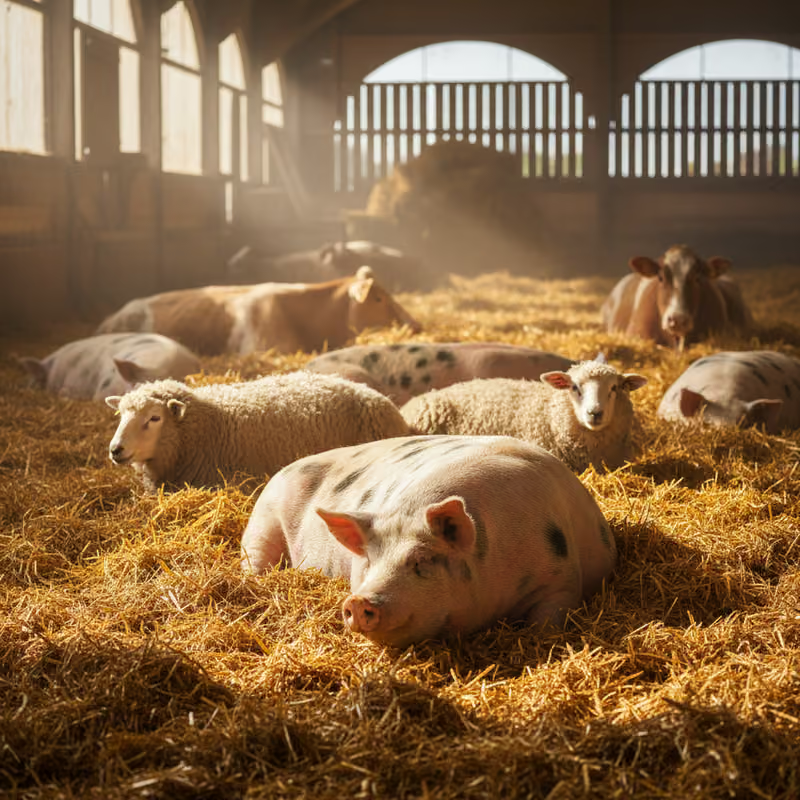
2. Physical Environment: This domain encompasses the animal's surroundings, including space, shelter, temperature, air quality, substrate, and sensory stimuli. An appropriate environment allows animals to express natural behaviors, provides comfort, and protects them from adverse conditions. For example, social animals need space to interact, while solitary species require privacy. Thermoregulation is vital, with appropriate temperatures and humidity. Enclosure design should facilitate exploration, rest, and escape routes if needed. Lack of environmental complexity or constant exposure to stressors (e.g., loud noises, bright lights) can induce boredom, frustration, or fear. The American Veterinary Medical Association (AVMA) and the World Small Animal Veterinary Association (WSAVA) provide guidelines that highlight the importance of environmental enrichment for companion animals.
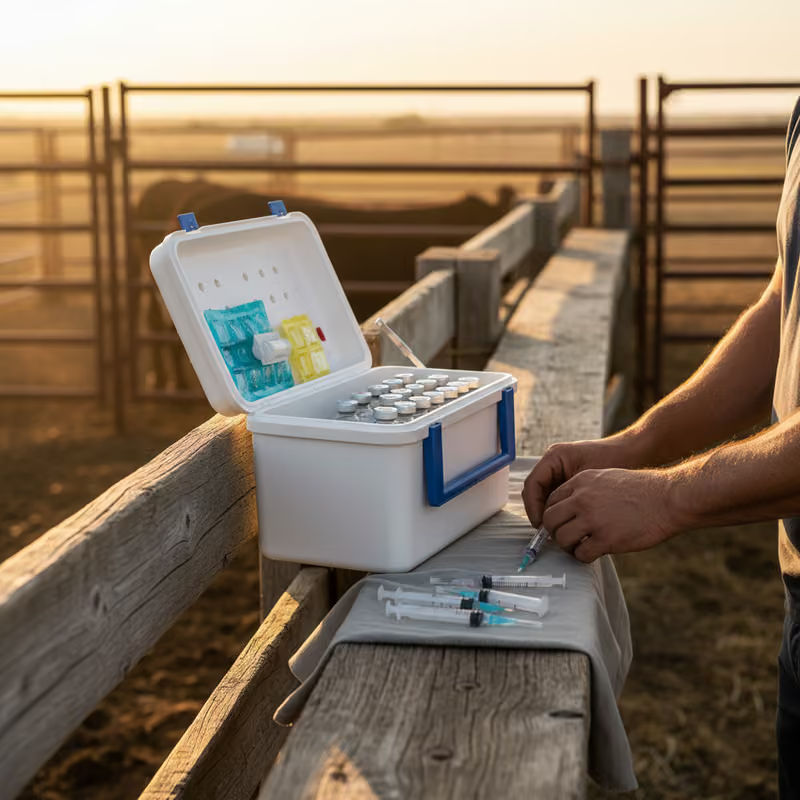
3. Health: This domain focuses on the animal's physical health, including injury, disease, and functional impairment. It involves preventing illness through vaccination and biosecurity, detecting health problems early, and providing prompt and effective veterinary care. Pain, discomfort, or disease can severely compromise an animal's welfare, leading to negative mental states. Regular health checks, appropriate parasite control, and access to skilled veterinary professionals are crucial. The recognition and alleviation of pain are paramount. Organizations like the World Health Organization (WHO) (in a broader context of One Health) and the OIE/WOAH consistently underline the importance of disease prevention and control for animal welfare.
4. Behavioral Interactions: This domain considers the opportunities for an animal to express natural behaviors and to interact with its environment, other animals, and humans in a positive manner. It addresses issues like social grouping, opportunities for play, foraging, exploration, and the absence of undesirable behaviors such (e.g., aggression, excessive fear). Restricting natural behaviors can lead to frustration and stress. For social species, appropriate social structures are vital, while solitary animals require the ability to avoid others. Positive human-animal interactions are also a key component, reducing fear and stress associated with handling. For example, the AVMA promotes understanding species-specific behavioral needs for appropriate care.
5. Mental State: This overarching domain is the ultimate outcome of the other four. It refers to the animal's subjective experiences, encompassing feelings such as pleasure, comfort, contentment, anxiety, fear, pain, and frustration. The first four domains directly influence this fifth domain. For instance, good nutrition contributes to comfort, a stimulating environment fosters engagement, good health alleviates pain, and opportunities for natural behavior lead to contentment. The goal is to minimize negative mental states and promote positive ones. While we cannot directly ask an animal how it feels, we can infer its mental state by observing its behavior, physiological responses, and the conditions in the other four domains. This emphasis on subjective experience is what makes the Five Domains Model particularly powerful for assessing and improving welfare.
Practical daily habits
Incorporating the Five Domains into daily routines can significantly enhance an animal's welfare. Here are practical habits organized by domain:
For Nutrition:
- Consistent, Appropriate Feeding: Provide a balanced diet formulated for the animal's species, age, and activity level. Consult veterinary guidance (e.g., from organizations like WSAVA for companion animals) on appropriate portion sizes and feeding frequency.
- Constant Water Access: Ensure a continuous supply of fresh, clean water. For some animals, multiple water sources in different locations can be beneficial. Clean water bowls daily.
- Enrichment Feeding: Use puzzles, slow feeders, or scatter feeding to stimulate natural foraging behaviors and prevent boredom. This aligns with behavioral needs as well.
For Physical Environment:
- Species-Appropriate Housing: Provide adequate space, shelter from extreme weather, and a safe, clean living area. Research the specific needs of the species you care for (e.g., vertical space for arboreal animals, burrowing opportunities for others).
- Environmental Enrichment: Regularly introduce new, safe items, scents, or sounds to stimulate exploration and reduce monotony. For companion animals, this could mean new toys, rotating existing toys, or different walking routes.
- Comfortable Resting Areas: Offer multiple comfortable resting spots that allow the animal to feel secure, whether it's a soft bed, a quiet hideaway, or a raised perch.
For Health:
- Regular Observation: Develop a keen eye for subtle changes in behavior, appetite, activity level, or physical appearance, which can be early indicators of illness or injury.
- Preventative Care: Adhere to a veterinarian-recommended schedule for vaccinations, parasite control, and regular health check-ups. This aligns with guidelines from the AVMA or OIE/WOAH.
- Hygiene: Maintain cleanliness in their living area, bedding, and food/water dishes to prevent disease. Grooming (e.g., brushing, nail trims) is also part of routine health maintenance for many species.
For Behavioral Interactions:
- Positive Reinforcement Training: Use reward-based methods to encourage desired behaviors and build a positive relationship, reducing stress and fear.
- Social Opportunities: For social species, ensure appropriate interaction with conspecifics (if safe and compatible). For companion animals, structured play with caregivers or other animals can be beneficial.
- Respectful Handling: Learn and practice gentle, predictable handling techniques that minimize fear and stress. Avoid force or punishment.
- Opportunity for Natural Behaviors: Provide outlets for species-specific behaviors such as digging, climbing, chewing, playing, or exploring.
For Mental State:
- Predictable Routines: Establish consistent daily routines for feeding, exercise, and interaction, which can reduce anxiety and provide a sense of security.
- Minimize Stressors: Identify and mitigate sources of stress in the animal's environment, such as loud noises, sudden changes, or unwanted social pressure.
- Encourage Positive Experiences: Actively seek opportunities for the animal to experience joy, comfort, curiosity, and engagement through play, enrichment, and positive interactions.
Common mistakes to avoid
Even with good intentions, several common mistakes can inadvertently compromise an animal's welfare. Being aware of these can help caregivers provide better care.
- Humanizing Animal Needs: Assuming animals share the same needs, preferences, or emotional responses as humans can lead to inappropriate care. For example, dressing a dog in elaborate clothing might seem appealing to a person but could restrict the dog's movement, cause overheating, or hinder natural communication. Similarly, forcing social interaction on a naturally solitary animal can cause significant stress. Understanding species-specific behaviors and biological needs is paramount, as highlighted by veterinary associations like AVMA.
- Inadequate Environmental Enrichment: Providing a basic cage or enclosure without varied textures, objects to manipulate, or opportunities for exploration often leads to boredom, frustration, and the development of stereotypic behaviors (repetitive, functionless actions). A common mistake is to provide one-time enrichment rather than rotating items or continuously seeking new stimuli.
- Ignoring Subtle Behavioral Cues: Animals communicate discomfort, pain, or stress through subtle behavioral changes before overt signs appear. Missing these cues—such as changes in posture, appetite, vocalization, or hiding behavior—can delay intervention and prolong suffering. A classic example is a cat hiding more than usual, which can indicate pain or illness.
- Reliance on Punishment: Using punishment-based training methods or reactive punishment for unwanted behaviors can damage the human-animal bond, increase fear and anxiety, and suppress natural behaviors without addressing the underlying cause. Evidence-informed approaches, supported by organizations like the WSAVA, advocate for positive reinforcement methods.
- Overfeeding or Inappropriate Diet: Feeding an animal "table scraps" or an imbalanced diet not formulated for its species and age can lead to obesity, nutritional deficiencies, digestive issues, and other health problems. Overfeeding, even with appropriate food, is a common mistake contributing to the widespread issue of animal obesity, particularly in companion animals.
- Lack of Regular Veterinary Care: Neglecting routine check-ups, vaccinations, and parasite control can allow preventable diseases to progress or pain to go unaddressed. Waiting until an animal is visibly ill often means the condition is more advanced and harder to treat, leading to greater suffering. This contradicts the preventative approach recommended by bodies like the OIE/WOAH.
- Insufficient Social Interaction (for social species) or Lack of Solitude (for solitary species): For social animals, prolonged isolation can lead to loneliness and behavioral problems. Conversely, forcing constant interaction on naturally solitary animals can be highly stressful. Understanding the species' natural social structure is crucial.
- Unsafe Handling Practices: Handling animals in a rough, unpredictable, or fearful manner can create negative associations, stress, and even aggression, compromising trust and safety. Learning proper, gentle handling techniques is essential for both the animal's welfare and the handler's safety.
When to see a professional
Recognizing when professional help is needed is a critical aspect of responsible animal care. While many welfare issues can be addressed through careful management, certain situations warrant the expertise of a veterinarian, a certified animal behaviorist, or another specialist.
Consult a Veterinarian (for Health and some Behavioral Concerns):
- Any Signs of Illness or Injury: This includes changes in appetite or thirst, lethargy, vomiting, diarrhea, limping, difficulty breathing, unresponsiveness, visible wounds, or any new lumps/bumps.
- Sudden or Significant Behavioral Changes: While some behavioral changes might require a behaviorist, a veterinarian should always rule out underlying medical causes first. Examples include sudden aggression, extreme fear or anxiety, inappropriate urination/defecation, excessive grooming leading to skin lesions, or significant changes in activity level.
- Persistent Pain or Discomfort: If an animal is vocalizing, guarding a body part, showing reluctance to move, or exhibiting other signs of chronic pain, veterinary assessment is crucial.
- Monitoring Chronic Conditions: Animals with ongoing health issues (e.g., diabetes, arthritis, kidney disease) require regular veterinary check-ups and management as directed by the clinician.
- Preventative Care: Regular check-ups, vaccinations, deworming, and parasite prevention are best managed under veterinary guidance.
Consult a Certified Animal Behaviorist (for Behavioral Concerns):
- Severe Behavioral Problems: For complex and persistent issues that are not medically related, such as severe aggression towards other animals or people, separation anxiety, phobias, compulsive disorders (e.g., excessive tail chasing, pacing), or significant house-soiling problems after medical causes are ruled out.
- Inability to Manage a Specific Behavior: If you've tried various positive, humane methods to address a behavior issue without success, a behaviorist can provide tailored strategies.
- Ensuring Appropriate Socialization: Especially for young animals, a behaviorist can provide guidance on appropriate socialization to prevent future behavioral issues.
- Enrichment Design: For complex cases, a behaviorist can help design comprehensive environmental enrichment programs to address specific behavioral needs or challenges.
Consult a Qualified Animal Welfare Specialist (for broader welfare assessments):
- Facility Design and Management: For large-scale animal operations (farms, shelters, zoos), an animal welfare specialist can provide expert advice on facility design, operational procedures, and policies to optimize welfare across all Five Domains, aligning with guidelines from organizations like the OIE/WOAH or FAO.
- Developing Welfare Protocols: For organizations caring for multiple animals, a welfare specialist can help establish comprehensive welfare assessment and improvement protocols.
- Complex Ethical Dilemmas: When faced with difficult decisions regarding an animal's long-term welfare, a specialist can offer objective, evidence-based guidance.
Always seek professionals who are certified, licensed, and have a strong reputation, ensuring their methods are humane and evidence-based. Organizations like the AVMA or WSAVA can often provide resources for finding qualified professionals.
Frequently asked questions
What are the Five Freedoms and how do they differ from the Five Domains?
The Five Freedoms (freedom from hunger and thirst; freedom from discomfort; freedom from pain, injury, or disease; freedom to express normal behavior; and freedom from fear and distress) provided an initial, foundational framework for animal welfare, focusing on preventing negative states. The Five Domains Model builds upon this by emphasizing the promotion of positive experiences and acknowledging the animal's subjective mental state as the ultimate outcome of its physical and functional conditions. While the Freedoms are about preventing negatives, the Domains are about providing for positives and assessing the animal's overall feelings.
Can the Five Domains Model be applied to all types of animals?
Yes, the Five Domains Model is designed to be applicable across all animal species under human care, from companion animals and livestock to zoo animals and laboratory animals. While the specific requirements within each domain will vary greatly depending on the species (e.g., a fish's nutritional needs differ from a bird's), the underlying principles of nutrition, environment, health, behavior, and mental state remain universally relevant for assessing and improving welfare.
How can I tell if my animal is experiencing a positive mental state?
While animals cannot verbally communicate their feelings, we can infer their mental state by observing their behavior and physical cues within the context of the Five Domains. Signs of a positive mental state might include relaxed body posture, engaging in play, exploring their environment, resting peacefully, interacting positively with others (if social), and demonstrating normal appetite and activity. Conversely, signs of negative mental states include hiding, aggression, excessive vocalization, repetitive behaviors (stereotypies), loss of appetite, or signs of pain/discomfort. A holistic assessment across all domains helps build a complete picture.
Is environmental enrichment only about providing toys?
No, environmental enrichment goes far beyond just providing toys. It encompasses modifying an animal's environment to increase physical activity, stimulate cognitive function, and allow for the expression of species-typical behaviors. This can include varied substrates, climbing structures, hiding spots, scent enrichment, puzzle feeders, social opportunities (for social species), and even varied human-animal interactions. The goal is to prevent boredom, reduce stress, and promote mental stimulation.
What is the role of human-animal interaction in the Five Domains?
Human-animal interaction plays a significant role, particularly within the "Behavioral Interactions" domain, and consequently, influences the "Mental State." Positive, predictable, and gentle interactions can foster trust, reduce fear, and provide emotional comfort. Conversely, negative, unpredictable, or harsh interactions can induce fear, anxiety, and stress. For many animals under human care, humans are a crucial part of their social and environmental landscape, making the quality of these interactions vital for their overall welfare.
Key takeaways
- The Five Domains Model offers a comprehensive framework for assessing animal welfare, moving beyond just preventing negatives to actively promoting positive experiences.
- The model considers four physical/functional domains—Nutrition, Physical Environment, Health, and Behavioral Interactions—which collectively influence the animal's overarching Mental State.
- Nutrition: Focuses on providing appropriate, accessible, and high-quality food and water to meet physiological needs.
- Physical Environment: Encompasses suitable housing, space, temperature, and sensory stimuli that allow for comfort and natural behaviors.
- Health: Addresses the prevention of injury and disease, and the provision of prompt and effective veterinary care to minimize pain and discomfort.
- Behavioral Interactions: Emphasizes opportunities for animals to express natural behaviors, and to engage in positive interactions with their environment, other animals, and humans.
- Mental State: The ultimate goal, aiming to minimize negative subjective experiences (e.g., fear, pain, frustration) and promote positive ones (e.g., pleasure, comfort, contentment).
- Implementing daily habits informed by the Five Domains, such as appropriate feeding, environmental enrichment, preventative healthcare, and positive interaction, is crucial for optimal welfare.
- Avoiding common mistakes like humanizing needs, ignoring subtle cues, or relying on punishment is essential for effective care.
- Professional consultation with a veterinarian or certified animal behaviorist is necessary for significant health issues, persistent behavioral problems, or complex welfare assessments.
Related reading
Keep exploring this topic with our related, evidence-reviewed guides:
- How Much Exercise Does Your Dog Really Need by Breed and Age — A practical, evidence-informed guide to dog exercise needs — what matters, what works, common mistakes, and when to consult a prof…
- Cat Vaccination and Deworming Timelines Explained — A practical, evidence-informed guide to cat vaccination schedule — what matters, what works, common mistakes, and when to consult …
- Puppy and Kitten Socialization Windows: Building Resilient Animals — A practical, evidence-informed guide to puppy socialization — what matters, what works, common mistakes, and when to consult a pro…
- Recognizing Illness in Cats: Behavior Changes That Matter — A practical, evidence-informed guide to sick cat signs — what matters, what works, common mistakes, and when to consult a professi…
- Stray and Community Animal Health: Feeding, Vaccination, and Ethics — A practical, evidence-informed guide to stray animal care — what matters, what works, common mistakes, and when to consult a profe…
- Understanding Cholesterol Panels: LDL, HDL, and Triglycerides — A practical, evidence-informed guide to cholesterol test — what matters, what works, common mistakes, and when to consult a profes…
Sources
- World Organisation for Animal Health (OIE/WOAH): Provides international standards and guidelines for animal welfare, including principles related to nutrition, health, and environmental management.
- Food and Agriculture Organization of the United Nations (FAO): Addresses animal welfare within the context of sustainable livestock production and food security.
- American Veterinary Medical Association (AVMA): Offers policies and guidelines on animal welfare, veterinary care, and ethical treatment of animals.
- World Small Animal Veterinary Association (WSAVA): Provides guidelines for the care of companion animals, including nutrition, environmental enrichment, and behavioral health.
- Mellor, D. J., & Beausoleil, N. J. (2015). Extending the “Five Freedoms” to an animals’ quality of life framework. Animal Welfare, 24(3), 241-255. (This is the foundational work for the Five Domains Model, referenced generally, not as a direct link or specific statistic).
Sources
Evidence & citations
- Every claim in this animal health guide is backed by primary data — browse the zoonotic and one-health statistics in our sourced statistics library.
- Writing about this topic? Researchers, journalists and educators can cite our animal health guidance with ready-made APA, MLA and Chicago references.
My notes on this one
The short version of 15 minutes of reading — what stuck with me while writing “Animal Behavior and Welfare: The Five Domains Explained”, what the sources back up, and what I'd actually do about it.
What I'd take away
01 · Why this matters
For the animals themselves, good welfare means a life free from undue suffering, where they can express natural behaviors and experience positive mental states.
02 · Key principles
Organizations like the World Health Organization (WHO) (in a broader context of One Health) and the OIE/WOAH consistently underline the importance of disease prevention and control for animal welfare.
03 · Practical daily habits
Constant Water Access: Ensure a continuous supply of fresh, clean water. For some animals, multiple water sources in different locations can be beneficial. Clean water bowls daily.
04 · Common mistakes to avoid
Even with good intentions, several common mistakes can inadvertently compromise an animal's welfare.
What the sources I read actually say
Organizations like the World Organisation for Animal Health (OIE/WOAH) develop international standards and guidelines for animal welfare, recognizing its importance in areas such as animal health…
World Health OrganizationFor instance, inadequate diets can cause deficiencies, while excessive feeding can lead to obesity and associated diseases.
Centers for Disease Control and Prevention
Questions I kept coming back to
What are the Five Freedoms and how do they differ from the Five Domains?+
The Five Freedoms (freedom from hunger and thirst; freedom from discomfort; freedom from pain, injury, or disease; freedom to express normal behavior; and freedom from fear and distress) provided an initial, foundational framework for animal welfare, focusing on preventing negative states…
Can the Five Domains Model be applied to all types of animals?+
Yes, the Five Domains Model is designed to be applicable across all animal species under human care, from companion animals and livestock to zoo animals and laboratory animals. While the specific requirements within each domain will vary greatly depending on the species (e.g., a fish's nutritional needs differ from a bird's), the underlying principles of nutrition, environment, health, behavior…
How can I tell if my animal is experiencing a positive mental state?+
While animals cannot verbally communicate their feelings, we can infer their mental state by observing their behavior and physical cues within the context of the Five Domains. Signs of a positive mental state might include relaxed body posture, engaging in play, exploring their environment, resting peacefully, interacting positively with others (if social), and demonstrating normal appetite and activity. Conversely…
Is environmental enrichment only about providing toys?+
No, environmental enrichment goes far beyond just providing toys. It encompasses modifying an animal's environment to increase physical activity, stimulate cognitive function, and allow for the expression of species-typical behaviors. This can include varied substrates, climbing structures, hiding spots, scent enrichment, puzzle feeders, social opportunities (for social species)…
What is the role of human-animal interaction in the Five Domains?+
Human-animal interaction plays a significant role, particularly within the "Behavioral Interactions" domain, and consequently, influences the "Mental State." Positive, predictable, and gentle interactions can foster trust, reduce fear, and provide emotional comfort. Conversely, negative, unpredictable, or harsh interactions can induce fear, anxiety, and stress. For many animals under human care…
Was this article helpful?
Be the first to rate this article.
Written by
FaizRuh
I write Health Hub Pro on my own — no clinical licence, no anonymous review panel. Just the published guidance, read carefully and explained plainly.
More about me →How this page was checked
Every claim above is checked against the sources listed at the bottom of this article — WHO, CDC, NIH, NHS, Cochrane and major clinical guidelines. Drafting is AI-assisted; the editing, fact-checking and final wording are mine. It's information, not medical advice. Spotted an error? Tell me and I'll fix it.
Last checked on