Protein Requirements by Age and Activity Level, Explained
A practical, evidence-informed guide to protein needs — what matters, what works, common mistakes, and when to consult a professional.
For informational purposes only. This article is educational and is not a substitute for professional medical advice, diagnosis, or treatment. Always consult a qualified healthcare provider about anything affecting your health. Read full disclaimer.
Protein Requirements by Age and Activity Level, Explained
(Not medical or veterinary advice — consult a qualified clinician or veterinarian for personal guidance.)
Introduction
Protein is a fundamental macronutrient, essential for virtually every cellular process in the human body. Often referred to as the building block of life, it plays a critical role in the structure and function of tissues, organs, hormones, and enzymes. From the growth and repair of muscles and bones to the synthesis of antibodies and the transportation of oxygen, adequate protein intake is indispensable for maintaining health, promoting recovery, and supporting overall physiological well-being throughout all stages of life.
The human body is in a constant state of protein turnover, meaning existing proteins are broken down and new ones are synthesized. To maintain this balance and support various bodily functions, a continuous supply of amino acids, derived from dietary protein, is required. The quality of dietary protein, determined by its amino acid profile, is also important. Complete proteins, typically found in animal sources and some plant combinations, provide all nine essential amino acids that the body cannot synthesize on its own. Incomplete proteins, found in many plant sources, may lack one or more essential amino acids, necessitating a varied dietary approach for those relying primarily on plant-based diets.
However, the "right" amount of protein is not a one-size-fits-all figure. It varies significantly based on individual factors such as age, activity level, health status, and life stage. Understanding these nuances is key to optimizing dietary choices for health and performance. This article will delve into evidence-informed guidelines for protein requirements, provide practical strategies for meeting these needs, highlight common pitfalls, and guide individuals on when to seek professional advice.
Why this matters
The significance of meeting appropriate protein requirements extends across various dimensions of health and quality of life. Insufficient protein intake can lead to a cascade of negative health consequences, while optimized intake can support resilience and well-being.
For children and adolescents, adequate protein is crucial for proper growth and development. It supports the rapid synthesis of new tissues, including bones, muscles, and organs, and plays a vital role in immune system development. Deficiencies during these formative years can impair growth, lead to delayed development, and compromise immune function, increasing susceptibility to illness.
In adults, protein is essential for maintaining muscle mass, bone health, and metabolic function. As individuals age, a phenomenon known as sarcopenia – the age-related loss of muscle mass and strength – becomes a significant concern. Sufficient protein intake, coupled with physical activity, can help mitigate sarcopenia, preserve functional independence, and reduce the risk of falls and fractures. Protein also contributes to satiety, which can be beneficial in weight management efforts, and plays a role in blood sugar regulation.
For active individuals and athletes, protein requirements are elevated due to increased muscle turnover and the need for repair and adaptation following exercise. It is critical for muscle protein synthesis, which is the process by which muscles grow and repair themselves after physical stress. Without adequate protein, recovery can be hindered, performance may suffer, and the risk of injury might increase.
Beyond specific physiological roles, protein contributes to a robust immune system by forming antibodies and immune cells. It also supports skin, hair, and nail health, and is involved in enzyme and hormone production, which regulate countless bodily processes. Maintaining an optimal protein balance is thus a cornerstone of preventive health and an integral component of dietary recommendations across the lifespan. Addressing these needs proactively can contribute to enhanced vitality, reduced risk of chronic diseases, and improved overall quality of life.
Key principles (evidence-informed)
Understanding protein requirements involves considering several factors, with recommendations often expressed as grams of protein per kilogram of body weight per day (g/kg/day).
General Adult Population (WHO)
For most healthy, sedentary adults, the World Health Organization (WHO) and other leading health bodies generally recommend a protein intake of 0.8 grams of protein per kilogram of body weight per day (g/kg/day). This amount is considered the minimum necessary to prevent deficiency and maintain basic physiological functions. For an adult weighing 70 kg (approximately 154 lbs), this would translate to about 56 grams of protein per day. This recommendation serves as a baseline, but individual needs can vary widely.
Active Adults and Athletes (WHO, CDC, NIH, Mayo Clinic)
Individuals engaged in regular physical activity, especially those involved in strength training, endurance sports, or high-intensity interval training, have higher protein requirements to support muscle repair, adaptation, and growth.
- Endurance Athletes: Recommendations typically range from 1.2 to 1.4 g/kg/day. This helps repair muscle damage from prolonged exercise and supports immune function.
- Strength and Power Athletes: These individuals often benefit from higher intakes, generally between 1.4 to 2.0 g/kg/day. This range supports muscle protein synthesis, hypertrophy (muscle growth), and strength gains. Some research suggests that up to 2.2 g/kg/day might be beneficial during periods of intense training or energy restriction.
- Recreational Exercisers: For those who exercise regularly but not intensely, an intake closer to 1.0 to 1.2 g/kg/day may be appropriate to support recovery and overall muscle health.
The timing of protein intake, particularly around workouts, is also considered relevant, with consuming protein within a few hours before and after exercise potentially optimizing muscle protein synthesis.
Older Adults (NIH, Mayo Clinic)
As individuals age, their protein needs often increase due to anabolic resistance, a phenomenon where older muscles become less responsive to anabolic stimuli like protein and exercise. To counteract age-related muscle loss (sarcopenia) and preserve strength and function, many experts recommend higher protein intake for older adults, typically ranging from 1.0 to 1.2 g/kg/day. Some may even benefit from up to 1.5 g/kg/day, especially if they are recovering from illness or injury. Distributing protein intake evenly throughout the day can also enhance its effectiveness in this demographic.
Children and Adolescents (WHO, NIH)
Protein is critical for growth and development in younger populations. Requirements per kilogram of body weight are generally higher in infancy and early childhood, gradually decreasing as growth rates slow.
- Infants (0-6 months): Require the highest relative protein intake, primarily from breast milk or formula.
- Children (1-3 years): Around 1.05 g/kg/day.
- Children (4-13 years): Around 0.95 g/kg/day.
- Adolescents (14-18 years): Requirements are influenced by growth spurts and activity levels, often similar to adult recommendations but can be on the higher end of the range for active teens, around 0.85-1.0 g/kg/day.
These values are general guidelines, and individual needs can fluctuate based on growth spurts, activity, and health status.
Pregnancy and Lactation (WHO, NIH)
During pregnancy, protein needs increase to support the growth of the fetus, placenta, and maternal tissues. The WHO recommends an additional 1 to 25 grams of protein per day during different trimesters, with a general recommendation often settling around 1.1 g/kg/day based on pre-pregnancy weight. During lactation, protein requirements remain elevated to support milk production. An additional 25 grams of protein per day above pre-pregnancy needs is commonly recommended, often bringing the total to around 1.3 g/kg/day for breastfeeding mothers.
Individuals with Certain Health Conditions (Mayo Clinic, NIH)
Specific health conditions can significantly alter protein requirements.
- Weight Loss: During periods of calorie restriction for weight loss, a higher protein intake (e.g., 1.2 to 1.6 g/kg/day) can help preserve lean muscle mass, enhance satiety, and support metabolic rate.
- Recovery from Injury or Surgery: Individuals recovering from burns, major surgery, or severe trauma often have significantly elevated protein needs (e.g., 1.5 to 2.0 g/kg/day) to support tissue repair and immune function.
- Chronic Diseases: Some chronic diseases, like kidney disease, liver disease, or certain malabsorption disorders, may require carefully adjusted protein intake, sometimes lower and sometimes higher, necessitating individualized medical supervision. For instance, in some stages of kidney disease, lower protein intake may be recommended, while in others, adequate protein is crucial to prevent malnutrition.
- Malnutrition: For individuals experiencing malnutrition, higher protein intake is often critical for repletion and recovery.
Protein Quality and Distribution (NIH, Mayo Clinic)
Beyond the total amount, the quality of protein and its distribution throughout the day are also important.
- Protein Quality: Complete proteins, found in animal products (meat, poultry, fish, eggs, dairy) and some plant sources (soy, quinoa), provide all nine essential amino acids. Plant-based diets can achieve adequate essential amino acid intake by consuming a variety of plant proteins throughout the day (e.g., legumes with grains).
- Distribution: Spreading protein intake relatively evenly across meals (e.g., 20-40 grams per meal, depending on total daily needs) can optimize muscle protein synthesis throughout the day, particularly beneficial for older adults and athletes.
These principles collectively form a comprehensive framework for understanding and meeting protein needs across diverse populations and life stages.
Practical daily habits
Incorporating adequate protein into daily life does not require drastic dietary overhauls but rather mindful choices and simple habits.
Prioritize Protein at Each Meal
Instead of concentrating protein in just one meal, aim to distribute it across breakfast, lunch, and dinner, and potentially snacks. This approach helps maintain muscle protein synthesis throughout the day and supports satiety. For instance, instead of a carbohydrate-heavy breakfast, consider eggs, Greek yogurt, or a protein smoothie. For lunch and dinner, ensure a lean protein source is a central component of the plate.
Choose High-Quality Protein Sources
Focus on nutrient-dense protein sources that provide a full spectrum of essential amino acids.
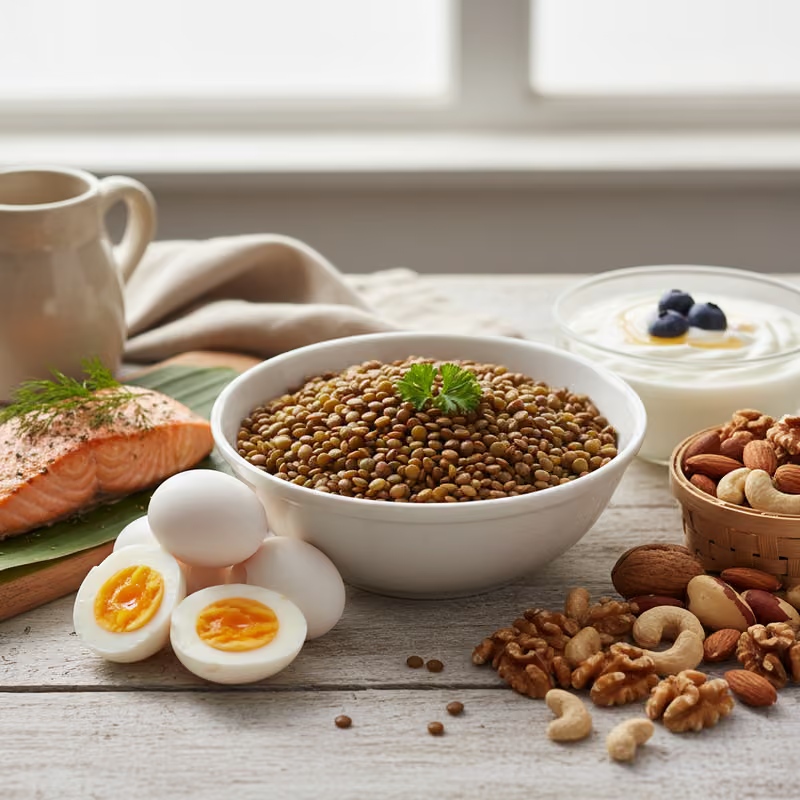
- Animal Sources: Lean meats (chicken breast, turkey, lean beef cuts), fish (salmon, tuna, cod), eggs, dairy products (milk, yogurt, cottage cheese) are excellent complete protein sources.
- Plant Sources: Legumes (lentils, beans, chickpeas), tofu, tempeh, edamame, quinoa, nuts, and seeds are valuable plant-based protein options. Combining different plant proteins throughout the day (e.g., rice and beans) can ensure a complete amino acid profile.
Incorporate Protein-Rich Snacks
If your main meals aren't providing enough protein, or if you need an energy boost between meals, incorporate protein-rich snacks.
- Greek yogurt
- Hard-boiled eggs
- A handful of nuts or seeds
- Cottage cheese with fruit
- Edamame
- A small piece of cheese
- Protein bar (choose options with minimal added sugars) or protein shake.
Read Food Labels
Become accustomed to checking the nutrition labels on packaged foods to understand their protein content. This helps in making informed choices and tracking your daily intake, especially when trying to reach specific protein targets.
Include Protein in Breakfast
Starting the day with protein can help manage appetite and energy levels. Options include:
- Scrambled eggs or an omelet with vegetables.
- Greek yogurt with berries and a sprinkle of nuts.
- Oatmeal mixed with protein powder or served with cottage cheese.
- Whole-wheat toast with avocado and a hard-boiled egg.
Plan Meals and Snacks
Meal prepping can be highly effective. Dedicate some time to plan your meals and snacks for the week, ensuring each includes a sufficient protein component. This reduces the likelihood of resorting to less nutritious, lower-protein options when time is short. Cook larger batches of protein sources like chicken, lentils, or ground meat to use in various meals.
Utilize Protein Powders Mindfully
For individuals with high protein needs (e.g., athletes, older adults struggling with appetite) or those following specific dietary patterns (e.g., plant-based), protein powders (whey, casein, soy, pea, rice) can be a convenient supplement. However, they should complement, not replace, whole food sources. Consult with a professional to determine if a supplement is appropriate for your individual needs.
Hydration is Key
While not directly related to protein intake, staying well-hydrated is crucial for overall health and supports the metabolic processes involved in protein digestion and utilization.
Cooking Methods
Opt for healthier cooking methods for protein sources, such as baking, grilling, broiling, or steaming, over deep-frying. This helps in controlling overall fat and calorie intake while preserving the nutritional value of the protein.
By adopting these practical habits, individuals can effectively meet their protein requirements and support their health goals without feeling overwhelmed.
Common mistakes to avoid
Navigating protein intake can sometimes lead to common pitfalls that hinder optimal health or performance. Being aware of these can help individuals make more informed dietary choices.
Underestimating Protein Needs
One of the most frequent mistakes is assuming the general recommendation of 0.8 g/kg/day applies universally. For many individuals, especially active adults, older adults, or those with specific health goals (like muscle gain or weight loss), this amount may be insufficient. Failing to meet increased needs can lead to suboptimal recovery, muscle loss, and impaired immune function. It's important to assess individual requirements based on age, activity level, and health status.
Over-reliance on a Single Protein Source
While convenient, consuming the same protein source repeatedly can lead to a monotonous diet and potentially an imbalanced intake of amino acids or other micronutrients. For instance, solely relying on chicken breast might lead to missing out on the omega-3 fatty acids found in fish or the fiber in legumes. A diverse intake of protein sources (meat, poultry, fish, eggs, dairy, legumes, nuts, seeds) ensures a broader spectrum of nutrients.
Neglecting Protein at Breakfast
Many traditional breakfast options are low in protein and high in refined carbohydrates (e.g., pastries, sugary cereals). This can lead to mid-morning energy crashes and increased hunger later in the day. Skipping protein at breakfast means missing an opportunity to kickstart muscle protein synthesis early and sustain satiety.
Ignoring Protein Quality
Not all proteins are created equal in terms of their amino acid profile. Plant-based diets, while healthy, require careful planning to ensure intake of all essential amino acids. Simply eating "protein" without considering its quality (i.e., whether it's a complete protein or offers a complementary amino acid profile when combined with other foods) can lead to deficiencies in essential amino acids over time.
Excessive Protein Intake Without Purpose
While higher protein intake is generally safe for healthy individuals, consuming extremely high amounts (e.g., consistently over 2.2 g/kg/day) without a specific physiological need or professional guidance might not offer additional benefits and could potentially lead to discomfort or, in rare cases for individuals with pre-existing kidney conditions, complications. While the body can typically process excess protein, it's converted to glucose or fat and stored, and may not lead to greater muscle gain than optimal levels.
Relying Solely on Supplements
Protein supplements (powders, bars) can be convenient tools, but they should complement, not replace, whole food protein sources. Whole foods offer a wider array of nutrients, including vitamins, minerals, fiber, and beneficial phytochemicals, which are often lacking in isolated protein supplements. Over-reliance on supplements can lead to a less nutrient-dense diet.
Improper Timing of Protein Intake
For athletes and older adults, distributing protein intake throughout the day, particularly around exercise, can be more effective for muscle protein synthesis than consuming one large protein meal. Consuming a significant portion of daily protein in a single meal might not maximize its anabolic effects compared to spreading it out.
Neglecting Other Macronutrients and Micronutrients
Focusing intensely on protein can sometimes lead to overlooking the importance of carbohydrates for energy and fats for hormone production and nutrient absorption, or essential vitamins and minerals. A balanced diet incorporating all macronutrients and a variety of micronutrients is crucial for overall health and optimal protein utilization.
Failing to Adjust for Lifestyle Changes
Protein requirements are dynamic. A person's needs will change with age, activity level, health status, and life stages (e.g., pregnancy, illness). Failing to adjust protein intake as these factors evolve can lead to inadequate or excessive consumption. Regular reassessment of dietary needs is important.
By consciously avoiding these common mistakes, individuals can optimize their protein intake, supporting their health and performance goals more effectively.
When to see a professional
While general guidelines can provide a good starting point, several situations warrant consulting a qualified healthcare professional, such as a registered dietitian, physician, or sports nutritionist, for personalized guidance on protein requirements.
Specific Health Conditions
If you have any chronic health conditions, especially kidney disease, liver disease, diabetes, or digestive disorders, your protein needs may be altered. For example, individuals with advanced kidney disease may need to restrict protein intake, while others might need increased amounts due to malabsorption. A professional can help tailor recommendations to manage your condition safely and effectively.
Significant Lifestyle Changes
If you are undergoing significant lifestyle changes, such as starting a new intense exercise regimen, training for an athletic event, or dramatically altering your dietary pattern (e.g., transitioning to a vegan diet), a professional can help you adjust your protein intake to support your new goals and prevent deficiencies.
Pregnancy or Lactation
During pregnancy and breastfeeding, nutritional needs, including protein, are significantly elevated. Consulting with a dietitian or your obstetrician can ensure you are meeting these increased demands to support both your health and the development of your baby.
Older Adults or Those Experiencing Sarcopenia
If you are an older adult concerned about muscle loss, weakness, or recovery from illness, a professional can provide tailored advice on protein intake and physical activity to help maintain muscle mass and functional independence.
Unexplained Weight Changes or Symptoms
If you are experiencing unexplained weight loss, muscle wasting, chronic fatigue, frequent illness, or other concerning symptoms that might suggest nutritional deficiencies, seeking professional advice is crucial. These symptoms could indicate inadequate protein intake or other underlying health issues.
Planning a Weight Loss or Muscle Gain Program
For those embarking on a structured program for weight management (loss or gain) or muscle building, a dietitian or sports nutritionist can provide individualized protein targets, meal planning strategies, and advice on protein quality and timing to optimize results and ensure sustainability.
Dietary Restrictions or Allergies
If you have food allergies (e.g., dairy, soy, nuts) or are following a highly restrictive diet (e.g., very low-calorie, specific elimination diets), ensuring adequate protein intake can be challenging. A professional can help identify suitable alternative protein sources and create a balanced meal plan.
Digestive Issues Related to Protein
If you experience digestive discomfort (e.g., bloating, gas, constipation) after consuming protein-rich foods or supplements, a professional can help identify the cause and suggest appropriate adjustments to your diet.
Supplement Use Guidance
If you are considering using protein supplements, a healthcare professional can advise on whether they are necessary for your goals, recommend appropriate types and dosages, and ensure they don't interact negatively with any medications or conditions.
A professional can provide evidence-based, personalized advice, clarify misconceptions, and help you develop a sustainable dietary plan that meets your unique protein requirements and overall health objectives.
Frequently asked questions
Q: What are the main signs of protein deficiency?
A: Signs of protein deficiency can vary but often include muscle wasting, weakness, fatigue, swelling (edema), stunted growth in children, brittle hair and nails, skin lesions, and a weakened immune system leading to frequent infections. Chronic protein deficiency can have serious long-term health consequences.
Q: Can too much protein be harmful?
A: For healthy individuals, consistently high protein intake (e.g., up to 2.2 g/kg/day or more) is generally considered safe. The body efficiently processes excess protein, converting it into glucose or fat for energy or storage. However, chronically excessive intake can lead to increased calcium excretion, though this link to bone health is complex and not definitively established as harmful. For individuals with pre-existing kidney disease, high protein intake can potentially exacerbate their condition, necessitating careful medical supervision.
Q: Are plant-based proteins as effective as animal proteins for muscle building?
A: Plant-based proteins can be effective for muscle building, provided the overall intake is sufficient in quantity and variety to ensure all essential amino acids are consumed. While many plant proteins are considered "incomplete" (lacking one or more essential amino acids), combining different sources throughout the day (e.g., legumes with grains, or nuts with seeds) can create a complete amino acid profile. Some plant proteins like soy and quinoa are complete on their own. Studies show that with careful planning and potentially slightly higher overall intake, plant-based diets can support muscle growth and repair comparable to animal-based diets.
Q: Is protein timing important for everyone, or just athletes?
A: Protein timing, especially around exercise, is often highlighted for athletes to optimize muscle protein synthesis and recovery. However, spreading protein intake fairly evenly throughout the day can also benefit older adults by combating anabolic resistance and helping maintain muscle mass. For the general population, ensuring adequate protein at each meal is often more critical than strict timing, as it helps with satiety and consistent amino acid supply.
Q: How much protein can the body absorb in one sitting?
A: The concept of a "maximum" amount of protein the body can absorb in one sitting is often misunderstood. The digestive system is highly efficient at breaking down and absorbing amino acids over several hours. What is more relevant is the amount of protein needed to maximally stimulate muscle protein synthesis (MPS) in one sitting, which is often cited as around 20-40 grams, depending on age, activity level, and body size. Consuming more than this in one meal doesn't mean it's wasted; the amino acids are simply absorbed over a longer period or used for other bodily functions, or converted to glucose or fat. The total daily intake and distribution across meals are generally more important than hitting a specific per-meal maximum.
Key takeaways
- Protein is essential for overall health: It supports growth, repair, immune function, and various metabolic processes across all life stages.
- Requirements vary significantly: Age, activity level, health status, and life stage (e.g., pregnancy, lactation) all influence individual protein needs.
- General recommendations are a starting point: While 0.8 g/kg/day is a baseline for sedentary adults, many groups, including athletes and older adults, benefit from higher intakes (1.0-2.2 g/kg/day).
- Prioritize quality and distribution: Opt for diverse, high-quality protein sources (both animal and plant-based) and aim to distribute protein intake relatively evenly across meals to optimize muscle protein synthesis and satiety.
- Practical habits make a difference: Incorporating protein into every meal, choosing protein-rich snacks, and reading food labels can help meet daily targets effectively.
- Avoid common pitfalls: Be mindful of underestimating needs, over-relying on single sources or supplements, neglecting breakfast protein, and failing to adjust intake with lifestyle changes.
- Seek professional guidance when needed: For specific health conditions, major lifestyle changes, pregnancy/lactation, older age, or any significant concerns, consult a registered dietitian or healthcare professional for personalized advice.
Related reading
Keep exploring this topic with our related, evidence-reviewed guides:
- How Much Protein Do You Actually Need? A Look at the Best — The RDA is for survival, not for thriving. Here's what protein research from the last decade really shows.
- Plant-Based Protein Sources: Evidence-Based Guide — Beans, lentils, tofu, tempeh, and nuts can meet protein needs when combined thoughtfully.
- How Much Exercise Does Your Dog Really Need by Breed and Age — A practical, evidence-informed guide to dog exercise needs — what matters, what works, common mistakes, and when to consult a prof…
- Fiber and Gut Health: How to Reach Your Daily Target — A practical, evidence-informed guide to dietary fiber — what matters, what works, common mistakes, and when to consult a professio…
- Hydration Explained: How Much Water You Really Need Each Day — A practical, evidence-informed guide to how much water per day — what matters, what works, common mistakes, and when to consult a …
- Healthy Breakfast Ideas: Evidence-Based Guide — Discover a variety of nutritious and delicious breakfast ideas to fuel your day, improve energy levels, and support overall health…
Sources
- World Health Organization (WHO): Various publications on nutrient requirements, including protein, across the life course.
- Centers for Disease Control and Prevention (CDC): Dietary guidelines and information on macronutrients.
- National Institutes of Health (NIH): National Library of Medicine (PubMed) for research articles, MedlinePlus for health information.
- National Health Service (NHS): UK-based health information and dietary guidelines.
- Cochrane Library: Independent systematic reviews of healthcare interventions.
- Mayo Clinic: Health information and dietary recommendations for various conditions and populations.
Sources
Evidence & citations
- Every claim in this nutrition & diet guide is backed by primary data — browse the nutrition and diet health statistics in our sourced statistics library.
- Writing about this topic? Researchers, journalists and educators can cite our nutrition research with ready-made APA, MLA and Chicago references.
My notes on this one
The short version of 17 minutes of reading — what stuck with me while writing “Protein Requirements by Age and Activity Level, Explained”, what the sources back up, and what I'd actually do about it.
What I'd take away
01 · Why this matters
Sufficient protein intake, coupled with physical activity, can help mitigate sarcopenia, preserve functional independence, and reduce the risk of falls and fractures.
02 · Key principles
Understanding protein requirements involves considering several factors, with recommendations often expressed as grams of protein per kilogram of body weight per day (g/kg/day).
03 · General Adult Population
For most healthy, sedentary adults, the World Health Organization (WHO) and other leading health bodies generally recommend a protein intake of 0.8 grams of protein per kilogram of body weight per day (g/kg/day…
04 · Active Adults and Athletes
Recreational Exercisers: For those who exercise regularly but not intensely, an intake closer to 1.0 to 1.2 g/kg/day may be appropriate to support recovery and overall muscle health.
05 · Older Adults
To counteract age-related muscle loss (sarcopenia) and preserve strength and function, many experts recommend higher protein intake for older adults, typically ranging from 1.0 to 1.2 g/kg/day.
What the sources I read actually say
For most healthy, sedentary adults, the World Health Organization (WHO) and other leading health bodies generally recommend a protein intake of 0.8 grams of protein per kilogram of body weight per day…
World Health OrganizationAddressing these needs proactively can contribute to enhanced vitality, reduced risk of chronic diseases, and improved overall quality of life.
Centers for Disease Control and PreventionNational Institutes of Health (NIH): National Library of Medicine (PubMed) for research articles, MedlinePlus for health information.
National Institutes of Health
If you only do one thing this week
- For an adult weighing 70 kg (approximately 154 lbs), this would translate to about 56 grams of protein per day.
- Endurance Athletes — Recommendations typically range from 1.2 to 1.4 g/kg/day. This helps repair muscle damage from prolonged exercise and supports immune function.
- Recreational Exercisers — For those who exercise regularly but not intensely, an intake closer to 1.0 to 1.2 g/kg/day may be appropriate to support recovery and overall muscle heal…
- To counteract age-related muscle loss (sarcopenia) and preserve strength and function, many experts recommend higher protein intake for older adults…
- Some may even benefit from up to 1.5 g/kg/day, especially if they are recovering from illness or injury.
Pick the one that fits your week. None of this replaces advice from a clinician who can actually examine you.
Questions I kept coming back to
What are the main signs of protein deficiency?+
Signs of protein deficiency can vary but often include muscle wasting, weakness, fatigue, swelling (edema), stunted growth in children, brittle hair and nails, skin lesions, and a weakened immune system leading to frequent infections. Chronic protein deficiency can have serious long-term health consequences.
Can too much protein be harmful?+
For healthy individuals, consistently high protein intake (e.g., up to 2.2 g/kg/day or more) is generally considered safe. The body efficiently processes excess protein, converting it into glucose or fat for energy or storage. However, chronically excessive intake can lead to increased calcium excretion, though this link to bone health is complex and not definitively established as harmful…
Are plant-based proteins as effective as animal proteins for muscle building?+
Plant-based proteins can be effective for muscle building, provided the overall intake is sufficient in quantity and variety to ensure all essential amino acids are consumed. While many plant proteins are considered "incomplete" (lacking one or more essential amino acids), combining different sources throughout the day (e.g., legumes with grains, or nuts with seeds) can create a complete amino acid profile…
Is protein timing important for everyone, or just athletes?+
Protein timing, especially around exercise, is often highlighted for athletes to optimize muscle protein synthesis and recovery. However, spreading protein intake fairly evenly throughout the day can also benefit older adults by combating anabolic resistance and helping maintain muscle mass. For the general population, ensuring adequate protein at each meal is often more critical than strict timing…
How much protein can the body absorb in one sitting?+
The concept of a "maximum" amount of protein the body can absorb in one sitting is often misunderstood. The digestive system is highly efficient at breaking down and absorbing amino acids over several hours. What is more relevant is the amount of protein needed to maximally stimulate muscle protein synthesis (MPS) in one sitting, which is often cited as around 20-40 grams, depending on age, activity level…
Was this article helpful?
Be the first to rate this article.
Written by
FaizRuh
I write Health Hub Pro on my own — no clinical licence, no anonymous review panel. Just the published guidance, read carefully and explained plainly.
More about me →How this page was checked
Every claim above is checked against the sources listed at the bottom of this article — WHO, CDC, NIH, NHS, Cochrane and major clinical guidelines. Drafting is AI-assisted; the editing, fact-checking and final wording are mine. It's information, not medical advice. Spotted an error? Tell me and I'll fix it.
Last checked on