
How Much Protein Do You Actually Need? A Look at the Best Evidence
The RDA is for survival, not for thriving. Here's what protein research from the last decade really shows.
For informational purposes only. This article is educational and is not a substitute for professional medical advice, diagnosis, or treatment. Always consult a qualified healthcare provider about anything affecting your health. Read full disclaimer.
Introduction
Protein is a fundamental macronutrient essential for virtually every bodily function. It serves as the building block for muscles, bones, skin, and hormones, and plays a crucial role in enzymatic reactions, fluid balance, and immune system function. While the importance of protein is widely recognized, the precise amount an individual needs can be a source of confusion. This article delves into the evidence-based recommendations for protein intake, distinguishing between the minimum required to prevent deficiency and the optimal amounts for various health goals, including muscle maintenance, weight management, and healthy aging. We will also explore the significance of protein timing and distribution, as well as the nuances of protein sources, to provide a comprehensive understanding of how much protein you truly need.
What causes it (evidence-based)
The "amount of protein needed" isn't caused by a medical condition, but rather is a recommendation based on physiological requirements and health objectives. Insufficient protein intake, however, can lead to various physical symptoms and health issues. These issues arise when the body lacks the necessary amino acids to perform its vital functions.
Factors influencing protein needs:
- Basal Metabolic Rate (BMR): The energy expended by the body at rest requires a baseline level of protein for cellular repair and maintenance.
- Physical Activity Level: Exercise, especially resistance training, increases protein turnover and the need for amino acids to repair and rebuild muscle tissue.
- Growth and Development: Periods of rapid growth, such as childhood, adolescence, and pregnancy, significantly increase protein requirements.
- Healing and Recovery: After injury, surgery, or illness, the body's need for protein increases to facilitate tissue repair and immune function.
- Aging: As individuals age, a phenomenon known as anabolic resistance can occur, meaning more protein is needed to stimulate muscle protein synthesis and counteract age-related muscle loss (sarcopenia).
- Dietary Quality: The digestibility and amino acid profile of the protein sources consumed can influence the net amount of protein required. Not all protein sources are created equal in terms of their amino acid completeness.
The Recommended Dietary Allowance (RDA) vs. Optimal Intake:
- RDA (Recommended Dietary Allowance): The current RDA for protein for healthy adults is 0.8 grams of protein per kilogram of body weight per day (0.8 g/kg/day). This recommendation is established by organizations like the Food and Nutrition Board of the Institute of Medicine and is designed to meet the nutritional needs of nearly all healthy individuals, preventing deficiency. It represents the minimum amount required to avoid negative health consequences like muscle wasting and impaired immune function in sedentary individuals.
- Optimal Intake: Research consistently suggests that for many individuals, particularly those who are active, older adults, or those seeking specific health outcomes like muscle gain or weight loss, higher protein intakes beyond the RDA may be more beneficial. These higher intakes are considered "optimal" because they support various physiological processes more effectively than the minimum RDA.
(Sources: National Institutes of Health, Institute of Medicine)
Symptoms and warning signs
While acute protein deficiency is rare in developed countries, chronic insufficient intake can manifest in a variety of subtle and more pronounced symptoms. These warning signs indicate that the body is not receiving enough building blocks to maintain its structures and functions effectively:
- Muscle Loss (Sarcopenia) and Weakness: Protein is crucial for muscle maintenance. Insufficient intake can lead to a gradual decline in muscle mass and strength, particularly with age or inactivity. This may result in difficulty performing daily tasks or increased fatigue.
- Edema (Swelling): Proteins, particularly albumin, play a critical role in maintaining fluid balance within the blood vessels. Low protein levels can lead to fluid leaking into interstitial spaces, causing swelling, often noticeable in the ankles, feet, or abdomen.
- Thinning Hair, Brittle Nails, and Skin Problems: Hair, nails, and skin are largely composed of proteins like keratin and collagen. A lack of adequate protein can result in hair loss, thin or brittle nails, and dry, flaky, or easily damaged skin.
- Increased Susceptibility to Infections: Antibodies, which are essential components of the immune system, are made of protein. Insufficient protein intake can impair immune function, leading to a weakened ability to fight off infections and longer recovery times from illnesses.
- Slow Wound Healing: Protein is vital for tissue repair and regeneration. A deficiency can significantly slow down the healing process of cuts, scrapes, and other injuries.
- Fatigue and Weakness: When the body doesn't get enough protein, it may break down muscle tissue to obtain necessary amino acids for energy. This can lead to persistent fatigue, general weakness, and a lack of energy.
- Changes in Appetite and Cravings: Protein is known for its satiety-inducing properties. A diet low in protein may lead to increased hunger, frequent cravings, and often a higher intake of less nutritious foods.
- Stunted Growth in Children: For children and adolescents undergoing rapid growth, insufficient protein intake can impair proper development, leading to stunted growth and cognitive impairments.
(Source: Mayo Clinic)
When to see a clinician
While occasional fluctuations in diet are normal, persistent symptoms related to insufficient protein intake warrant a consultation with a healthcare professional. It is particularly important to seek medical advice if you experience any of the following:
- Unexplained Muscle Loss or Weakness: If you notice a significant decrease in muscle mass or strength that is not attributable to a lack of exercise or an identifiable cause.
- Persistent Fatigue and Low Energy: Chronic fatigue that doesn't improve with rest, especially if accompanied by other symptoms, could indicate an underlying nutritional deficiency.
- Recurrent Infections or Slow Healing: If you find yourself getting sick frequently, or if cuts and wounds take an unusually long time to heal.
- Sudden or Unexplained Swelling (Edema): Persistent swelling in your legs, ankles, or other body parts should always be evaluated by a clinician to rule out serious underlying conditions.
- Significant Changes in Hair, Skin, or Nails: Noticeable deterioration in the quality of your hair (e.g., severe thinning), nails (e.g., extreme brittleness), or skin (e.g., persistent dryness or lesions) without a clear cause.
- Concerns about Dietary Adequacy: If you follow a restrictive diet (e.g., vegan, vegetarian, or certain allergy-restrictive diets) and are worried about meeting your protein needs, a clinician or registered dietitian can provide guidance.
- Underlying Health Conditions: Individuals with chronic diseases (e.g., kidney disease, liver disease, digestive disorders) or those recovering from surgery or trauma often have altered protein requirements and should consult their healthcare provider for personalized recommendations.
- Planning Pregnancy or are Pregnant/Lactating: Protein needs increase significantly during these periods, and a clinician can ensure adequate intake for both maternal health and fetal/infant development.
- Older Adults: As metabolic changes occur with aging, older adults often require more protein to counteract sarcopenia. Discussing protein intake with a clinician can help optimize muscle health and functional independence.
A clinician can assess your symptoms, conduct appropriate tests (such as blood work to check albumin levels or a dietary recall), and rule out other medical conditions that might mimic protein deficiency. They can also refer you to a registered dietitian for a more comprehensive nutritional assessment and tailored dietary plan.
(Source: World Health Organization)
Treatment and management options
Managing and optimizing protein intake involves a combination of dietary adjustments and, in some cases, lifestyle modifications. The approach depends on individual needs, health goals, and any underlying conditions.
1. Dietary Adjustments:
- Prioritize Whole, Unprocessed Foods: Focus on obtaining protein from nutrient-dense whole foods.
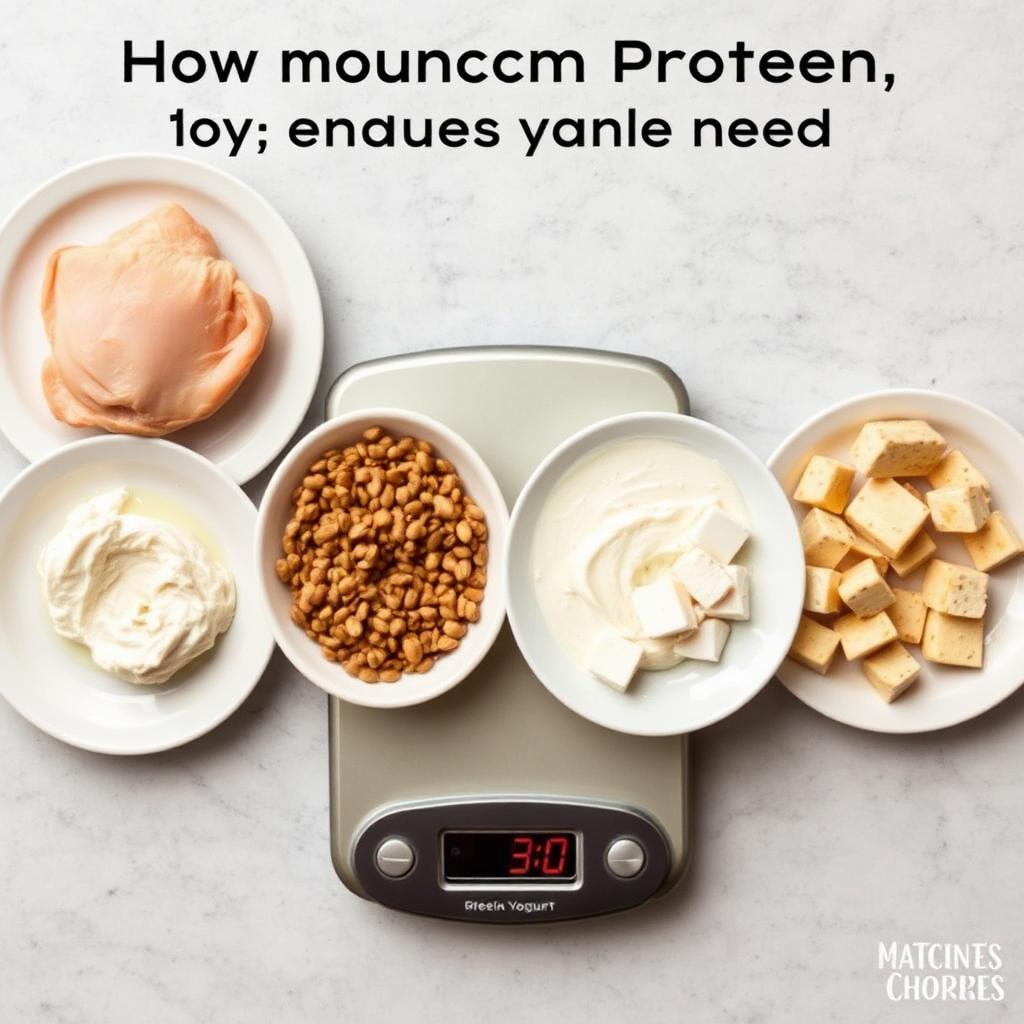
- Animal Sources: Lean meats (chicken, turkey, beef, pork), fish (salmon, tuna, cod), eggs, dairy products (milk, yogurt, cheese). These sources typically provide all essential amino acids (complete proteins).
- Plant Sources: Legumes (beans, lentils, chickpeas), tofu, tempeh, edamame, quinoa, nuts, seeds, and various vegetables. Plant-based proteins can be combined throughout the day to ensure adequate intake of all essential amino acids.
- Increase Protein at Each Meal: Instead of front-loading or back-loading protein, aim to distribute it relatively evenly across your meals. Research suggests that consuming approximately 25-40 grams of protein per major meal can effectively stimulate muscle protein synthesis in adults, depending on individual body weight and activity. For smaller individuals or those with lower caloric needs, slightly less may be appropriate.
- Snack Smart: Incorporate protein-rich snacks between meals if necessary to meet daily targets or to manage hunger. Examples include Greek yogurt, hard-boiled eggs, a handful of nuts, or cottage cheese.
2. Optimal Protein Targets:
Varying protein needs for different populations:
- Sedentary Adults (RDA): 0.8 g/kg/day. This is the minimum to prevent deficiency.
- Most Active Adults / General Health: For most adults aiming for general health, muscle maintenance, and satiety, intakes between 1.2-1.6 g/kg/day are often recommended. This range supports basic activity, tissue repair, and can aid in weight management.
- Those Training Hard / Athletes / Weight Loss: Individuals engaged in intense physical training, endurance sports, or resistance training, as well as those actively trying to lose weight while preserving muscle mass, may benefit from higher intakes, typically in the range of 1.6-2.2 g/kg/day. For weight loss, higher protein helps with satiety and minimizes muscle loss during calorie restriction.
- Older Adults: Due to anabolic resistance, older adults (generally 65+) may require higher protein intakes, often recommended at 1.0-1.2 g/kg/day, potentially up to 1.6 g/kg/day to effectively counteract sarcopenia and maintain functional independence. Some studies even suggest higher for those with acute illness.
3. Strategic Distribution:
- Even Spread: As mentioned, distributing protein intake across 3-4 meals daily, aiming for about 30-40 grams per meal (depending on total daily requirement), appears to be more effective for maximizing muscle protein synthesis throughout the day compared to consuming most of the protein in one large meal. This helps maintain a consistent supply of amino acids for the body's needs.
4. Considering Supplements (with caution and medical guidance):
- Protein supplements (e.g., whey, casein, soy, pea protein powder) can be a convenient way to increase protein intake when dietary sources are insufficient, or when convenience is a priority (e.g., post-workout).
- Important Note: Supplements should be used to supplement a balanced diet, not replace whole food sources. Always discuss the use of supplements with a clinician or registered dietitian, especially if you have underlying health conditions. They can help determine if a supplement is necessary and recommend appropriate types and dosages.
5. Monitoring and Adjustment:
- Track Intake: Temporarily tracking your protein intake can help you understand your current consumption and identify areas for improvement.
- Observe Symptoms: Pay attention to energy levels, muscle strength, satiety, and overall well-being. Adjust your protein intake as needed based on your body's response and guidance from healthcare professionals.
(Sources: American Heart Association, Mayo Clinic, National Institutes of Health)
Prevention and daily habits
Proactive habits and dietary choices are key to ensuring adequate protein intake and preventing protein-related deficiencies or suboptimal health outcomes. Integrating these practices into your daily routine can support overall health, muscle maintenance, and healthy aging.
1. Make Protein a Priority at Every Meal: Instead of an afterthought, plan your meals around a quality protein source. This ensures you start with sufficient protein and build other food groups around it.
2. Diversify Your Protein Sources: Consume a variety of protein sources, both animal and plant-based, to ensure you receive a full spectrum of essential amino acids and other nutrients.
- Lean Meats and Poultry: Opt for skinless chicken breast, lean cuts of beef, turkey, and pork.
- Fish and Seafood: Include fatty fish like salmon, mackerel, and sardines for omega-3s, and lean options like cod and tilapia.
- Eggs: A versatile and complete protein source, easy to incorporate into breakfast, lunch, or even dinner.
- Dairy Products: Milk, yogurt (especially Greek yogurt), and cheese provide high-quality protein and calcium.
- Legumes: Lentils, chickpeas, black beans, kidney beans, and other legumes are excellent plant-based protein sources, also rich in fiber.
- Soy Products: Tofu, tempeh, and edamame offer complete plant-based protein.
- Nuts and Seeds: Almonds, walnuts, chia seeds, flax seeds, and pumpkin seeds contribute protein and healthy fats.
- Whole Grains: Quinoa, oats, and brown rice contain more protein than refined grains.
3. Distribute Protein Strategically Throughout the Day: Aim for approximately 25-40 grams of protein per major meal (breakfast, lunch, dinner), depending on your total daily needs. This helps to optimize muscle protein synthesis and promote sustained satiety. Avoid concentrating most of your protein intake into one meal.
4. Incorporate Protein-Rich Snacks: If you struggle to meet your daily protein targets with just main meals, include protein-rich snacks. Examples:
- Greek yogurt (plain) with berries
- A handful of almonds or walnuts
- Cottage cheese
- Hard-boiled eggs
- Edamame
- A small serving of lean deli meat (if consumed)
- Protein bar (choose options with minimal added sugars)
5. Stay Hydrated: While not directly related to protein intake, adequate hydration is essential for all metabolic processes, including protein metabolism and waste product excretion.
6. Engage in Regular Physical Activity: Especially for muscle maintenance, particularly as you age, incorporate resistance training (e.g., weightlifting, bodyweight exercises) into your routine. Exercise increases the body's need for protein and makes muscle tissue more responsive to protein intake.
7. Plan Your Meals in Advance: Meal planning can help ensure you have protein sources readily available and prevent reliance on less nutritious, convenient options.
8. Read Food Labels: Pay attention to the protein content listed on nutrition labels of packaged foods to make informed choices.
9. Consult with a Registered Dietitian: If you have specific dietary concerns, health conditions, or are looking to optimize your protein intake for athletic performance or significant weight changes, a registered dietitian can provide personalized guidance and meal strategies.
(Sources: Centers for Disease Control and Prevention, Mayo Clinic)
Frequently asked questions
Q: Is it possible to consume too much protein, and are there risks?
A: For healthy individuals, consuming protein above the recommended levels is generally safe up to a certain point. However, extremely high protein intakes (e.g., consistently exceeding 2.5-3.0 g/kg/day) can potentially strain the kidneys over a long period in susceptible individuals, although evidence for healthy kidneys is mixed. It can also lead to issues like dehydration and can displace other important macronutrients like carbohydrates and fats, potentially leading to nutrient deficiencies. Individuals with pre-existing kidney disease should strictly adhere to their clinician's protein recommendations.
Q: Does the type of protein (animal vs. plant) really matter?
A: Both animal and plant-based proteins can contribute to meeting protein needs. Animal proteins are generally considered "complete" as they contain all nine essential amino acids in sufficient quantities. Many plant-based proteins are "incomplete," meaning they may be low in one or more essential amino acids. However, by consuming a variety of plant-based protein sources throughout the day (e.g., combining legumes with grains), individuals on plant-based diets can easily obtain all necessary amino acids. The overall diet quality and total protein intake are often more critical than the source alone.
Q: Can protein help with weight loss, and if so, how much is needed?
A: Yes, protein can significantly aid in weight loss. It promotes satiety, which can lead to reduced overall calorie intake. Higher protein intake also helps preserve lean muscle mass during calorie restriction, which is important for maintaining a healthy metabolism. For weight loss, a target of 1.6-2.2 grams of protein per kilogram of body weight per day spread across meals is often recommended to maximize these benefits.
Q: Do older adults need more protein than younger adults?
A: Yes, generally older adults (typically 65+) are advised to consume higher amounts of protein compared to the standard RDA for younger adults. This is due to a phenomenon called "anabolic resistance," where older muscles require a larger stimulus (more protein) to initiate muscle protein synthesis and counteract sarcopenia (age-related muscle loss). Recommendations often range from 1.0-1.2 g/kg/day, potentially up to 1.6 g/kg/day, to maintain muscle mass and function.
Q: Is there an optimal time to consume protein, such as after a workout?
A: While the concept of an immediate "anabolic window" post-workout has been debated, consuming protein somewhat close to exercise (within a few hours before or after) can support muscle repair and growth. More importantly, consistent protein intake throughout the day, distributing protein across multiple meals (e.g., 25-40 grams per meal), appears to be more effective for maximizing muscle protein synthesis over a 24-hour period than concentrating intake at one specific time.
Key takeaways
- RDA is Minimum, Not Optimal: The Recommended Dietary Allowance (RDA) of 0.8 g/kg/day is the minimum to prevent protein deficiency in sedentary adults, but not necessarily optimal for various health goals.
- Higher Intake for Specific Goals: Active adults, those aiming for muscle gain or weight loss, and older adults generally benefit from higher protein intakes, typically ranging from 1.2-2.2 g/kg/day, to support muscle maintenance, satiety, and counter sarcopenia.
- Distribution Matters: Spreading protein intake relatively evenly across 3-4 meals, aiming for approximately 25-40 grams per meal, appears more effective for maximizing muscle protein synthesis and satiety throughout the day than consuming most protein in one sitting.
- Source Variety is Key: While animal proteins are "complete," a varied intake of plant-based protein sources can also adequately meet essential amino acid needs. Focus on diverse whole food protein sources.
- Listen to Your Body and Seek Guidance: Pay attention to symptoms of insufficient protein and consult a clinician or registered dietitian if you have concerns about your intake or have specific health conditions that impact protein needs.
Sources
- American Heart Association. (www.heart.org)
- Centers for Disease Control and Prevention. (www.cdc.gov)
- Institute of Medicine. (www.nationalacademies.org)
- Mayo Clinic. (www.mayoclinic.org)
- National Institutes of Health. (www.nih.gov)
- World Health Organization. (www.who.int)
Disclaimer: This article is for informational purposes only and does not constitute medical advice. Always consult with a qualified healthcare professional before making any decisions about your health, diet, or treatment.
Sources
Related reading
- Managing Anxiety: 6 Evidence-Based Tools That Actually Work — Beyond the breathing apps — what cognitive behavioral therapy, exercise, and the right kind of exposure can really do.
- Training Through Your Cycle: What the Research Actually Supports — Cycle-syncing is everywhere on social media. Here's what good studies (and good coaches) actually say.
- Ashwagandha: Uses, Evidence, and Safety — Ashwagandha shows promise for stress and sleep in small studies; not recommended in pregnancy.
- HIIT for Beginners: A Safe Starter Plan — HIIT alternates short bursts of effort with recovery. Research shows it improves VO2 max, insulin sensitivity, and cardi…
- The Sleep Hygiene Checklist: 12 Habits That Move the Needle — What sleep researchers actually do at home — ranked by how much each habit moves the needle.
Written by
Health Hub Pro Editorial
Health writer at Health Hub Pro, focused on evidence-based, Sharia-conscious wellness.
View author profile →Medically reviewed by
Dr. Priya Anand, MD
MD, sports medicine
Last reviewed on