
Healthy Breakfast Ideas
Discover a variety of nutritious and delicious breakfast ideas to fuel your day, improve energy levels, and support overall health and well-being. This article provides balanced, evidence-based options for a healthy start.
For informational purposes only. This article is educational and is not a substitute for professional medical advice, diagnosis, or treatment. Always consult a qualified healthcare provider about anything affecting your health. Read full disclaimer.
Healthy Breakfast Ideas
Breakfast, often hailed as the most important meal of the day, plays a crucial role in kick-starting your metabolism, providing essential nutrients, and setting a positive tone for your energy levels and cognitive function throughout the morning. Skipping this meal can lead to energy dips, increased cravings later in the day, and potentially poorer dietary choices. This article explores a range of healthy breakfast options, emphasizing balance, nutrient density, and sustainability.
The Importance of a Balanced Breakfast
A truly healthy breakfast goes beyond simply eating something; it involves consuming a balanced mix of macronutrients: complex carbohydrates, lean protein, and healthy fats. This combination helps to stabilize blood sugar, promote satiety, and provide sustained energy. Complex carbohydrates, found in foods like whole grains, provide fiber and a steady release of glucose. Protein is vital for muscle repair and growth, and contributes significantly to feeling full. Healthy fats, such as those found in avocados, nuts, and seeds, support hormone production and nutrient absorption.
Research consistently supports the benefits of breakfast consumption. Studies indicate that individuals who regularly eat breakfast tend to have lower body mass indexes (BMIs), better concentration, and improved athletic performance. Conversely, skipping breakfast has been associated with an increased risk of type 2 diabetes and cardiovascular disease. Therefore, making time for a nutritious morning meal is a valuable investment in your health.
Nutrient-Dense Breakfast Options
1. Oatmeal with Berries and Nuts
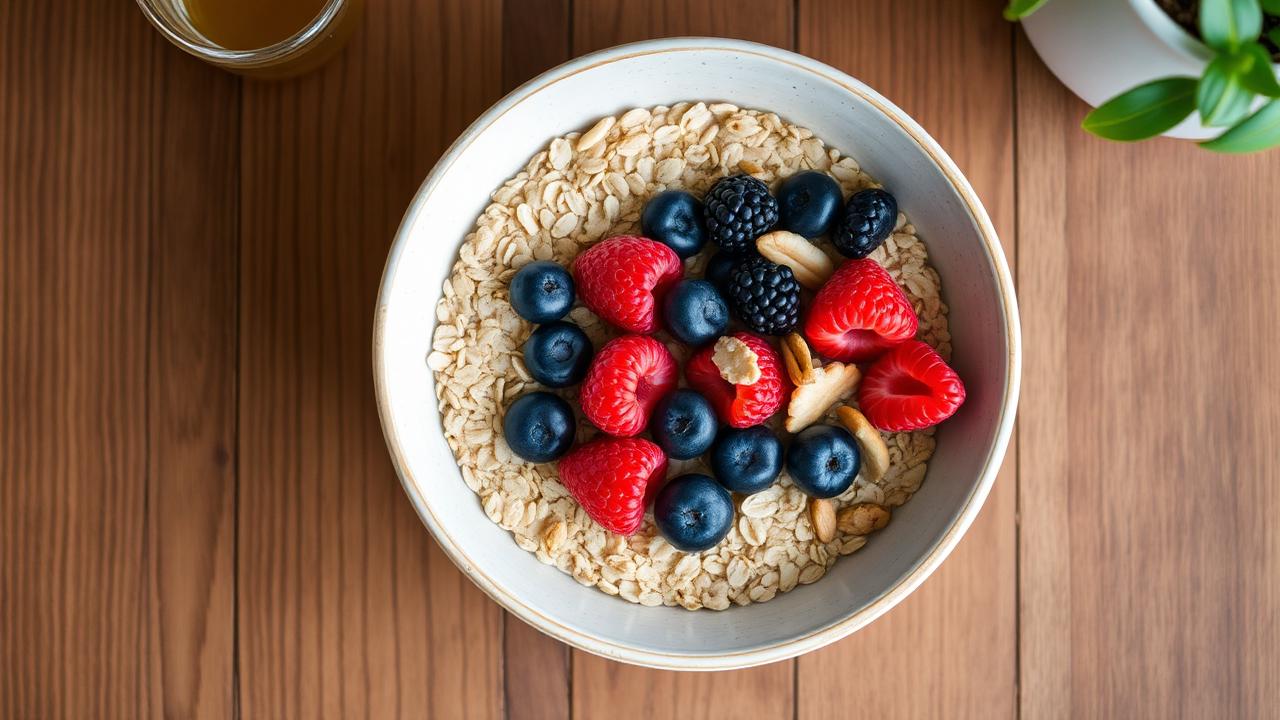
Oatmeal, particularly steel-cut or rolled oats, is an excellent source of complex carbohydrates and soluble fiber (beta-glucan), which can help lower cholesterol levels and regulate blood sugar. Combining it with a handful of fresh or frozen berries adds antioxidants, vitamins, and natural sweetness without excessive added sugars. A sprinkle of nuts (like almonds or walnuts) or seeds (chia, flax) provides healthy fats and protein, further enhancing satiety and nutritional value. Avoid instant flavored oatmeals, which often contain high amounts of sugar and artificial ingredients.
2. Greek Yogurt with Fruit and Granola (Unsweetened)
Greek yogurt is a protein powerhouse, offering substantially more protein than regular yogurt, making it excellent for muscle health and prolonged fullness. Opt for plain, unsweetened varieties to avoid added sugars. Pair it with a serving of fresh fruit like peaches, blueberries, or kiwi for vitamins and fiber. For a touch of crunch and extra fiber, add a small portion of low-sugar, whole-grain granola. Be mindful of granola serving sizes, as it can be calorically dense.
3. Eggs with Whole-Wheat Toast and Avocado
Eggs are incredibly versatile and a complete protein source, providing all nine essential amino acids. Whether scrambled, poached, or boiled, two eggs offer substantial protein and beneficial nutrients like choline, important for brain health. Serve them with a slice of whole-wheat toast for complex carbohydrates and fiber, and a quarter to a half an avocado for healthy monounsaturated fats, potassium, and additional fiber. This combination is highly satisfying and nutrient-rich.
4. Smoothie with Protein Powder, Spinach, and Fruit
For those who are short on time, a well-constructed smoothie can be a fantastic option. Combine a scoop of protein powder (whey, casein, or plant-based) with a handful of spinach (you won't even taste it!), a serving of fruit (like a banana, mixed berries, or mango), and a liquid base such as unsweetened almond milk, water, or dairy milk. Adding a tablespoon of chia seeds or flax seeds can boost fiber and omega-3 fatty acids. Be cautious of pre-made smoothies, which often contain excessive sugars.
5. Cottage Cheese with Sliced Tomatoes or Fruit
Cottage cheese is another excellent source of slow-digesting protein, particularly casein, which helps keep you full for longer. It's also rich in calcium. Enjoy it savory with sliced tomatoes, a sprinkle of black pepper, and a dash of olive oil, or sweet with a side of berries or melon. Choose lower-sodium or low-fat versions if appropriate for your dietary needs.
Tips for Sustainable Breakfast Habits
- Meal Prep: Prepare ingredients the night before. Chop fruits, pre-portion oats, or boil eggs ahead of time to streamline your morning routine.
- Listen to Your Body: While these are healthy options, everyone’s needs are different. Adjust portion sizes and ingredients based on your activity level, hunger cues, and dietary preferences.
- Limit Processed Foods: Aim to minimize cereals high in sugar, pastries, and processed breakfast meats, which offer little nutritional value and can lead to energy crashes.
- Hydrate: Don't forget to pair your breakfast with water, or an unsweetened beverage like green tea, to start your day fully hydrated.
Incorporating a healthy, balanced breakfast into your daily routine is a powerful way to support your overall health and well-being. By focusing on whole, unprocessed foods rich in protein, complex carbohydrates, and healthy fats, you can ensure you're providing your body with the fuel it needs for a productive and energetic day.
Disclaimer: This article provides general health information and is not a substitute for professional medical advice. Always consult with a qualified healthcare professional or registered dietitian before making significant changes to your diet, especially if you have underlying health conditions or specific dietary needs.
Related reading
- Chamomile Tea Benefits — Discover the soothing benefits of chamomile tea, a popular herbal remedy known for its calming properties. This article …
- Mindfulness for Beginners — Discover how mindfulness can reduce stress, improve focus, and enhance overall well-being. This beginner's guide provide…
- How to Create a Healthy Home — Transform your living space into a sanctuary of well-being with these practical, evidence-based tips for a healthy home …
- Building a Sustainable Morning Routine — Discover how to build a sustainable morning routine that fosters well-being and productivity. This article provides evid…
- Stress Reduction Techniques — Discover effective, evidence-based stress reduction techniques to improve your mental well-being and navigate life's cha…
Written by
Health Hub Pro Editorial
Health writer at Health Hub Pro, focused on evidence-based, Sharia-conscious wellness.
View author profile →