Cinnamon and Blood Sugar
Ceylon cinnamon in small amounts may support glucose control alongside diet and exercise.
For informational purposes only. This article is educational and is not a substitute for professional medical advice, diagnosis, or treatment. Always consult a qualified healthcare provider about anything affecting your health. Read full disclaimer.
Cinnamon and Blood Sugar: An Evidence-Based Review
Introduction
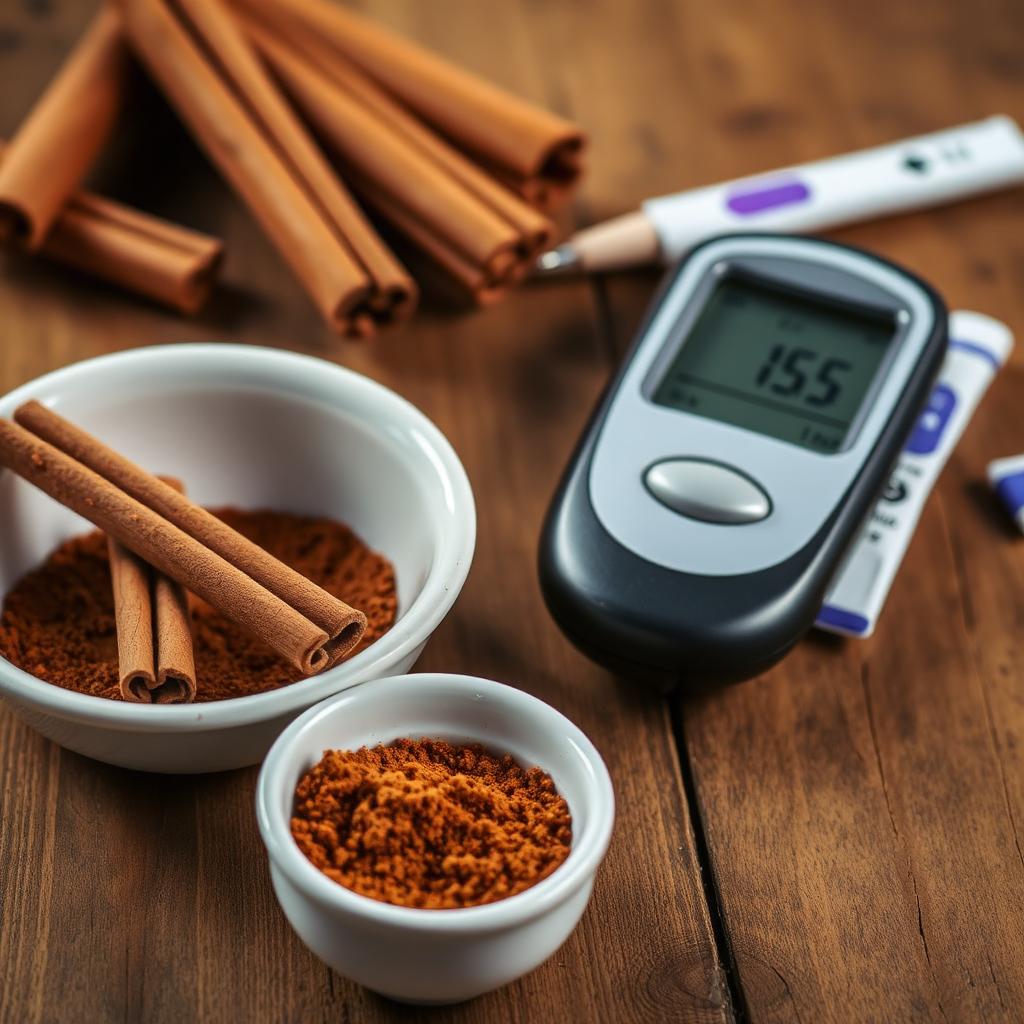
Cinnamon, a spice derived from the inner bark of Cinnamomum trees, has been used for centuries in both culinary and traditional medicine practices. Its distinctive flavor and aromatic properties make it a popular addition to various dishes and beverages worldwide. Beyond its culinary appeal, cinnamon has garnered significant interest for its potential effects on blood sugar regulation. This article provides an evidence-based overview of the relationship between cinnamon and blood sugar, exploring its purported mechanisms, current scientific findings, and practical considerations for individuals interested in incorporating it into their health regimen. It's crucial to understand that while cinnamon may offer certain benefits, it is not a substitute for conventional medical treatment, and any dietary changes should be discussed with a qualified healthcare professional.
What causes it (evidence-based)
The potential for cinnamon to influence blood sugar levels is attributed to several bioactive compounds, predominantly cinnamaldehyde and various polyphenols. Research suggests multiple mechanisms through which these compounds might exert their effects:
- Improved Insulin Sensitivity: Insulin resistance is a hallmark of type 2 diabetes, where the body's cells do not respond effectively to insulin, leading to elevated blood glucose. Some studies suggest that compounds in cinnamon may enhance insulin sensitivity, allowing glucose to be more efficiently transported from the bloodstream into cells where it can be used for energy. This action helps lower blood glucose levels.
- Reduced Glucose Absorption: Cinnamon may interfere with digestive enzymes, such as alpha-glucosidase, which are responsible for breaking down carbohydrates into simpler sugars that can be absorbed into the bloodstream. By slowing this process, cinnamon could help reduce the rate and amount of glucose absorbed after a meal, leading to a more stable blood sugar response.
- Stimulation of Glucose Uptake by Cells: Certain components of cinnamon may mimic insulin or stimulate insulin receptors, thereby promoting glucose uptake into cells independently or in conjunction with insulin. This mechanism would contribute to lowering blood glucose concentrations.
- Antioxidant and Anti-inflammatory Effects: Chronic inflammation and oxidative stress are implicated in the development and progression of insulin resistance and type 2 diabetes. Cinnamon is rich in antioxidants, which can help combat oxidative stress, and it possesses anti-inflammatory properties that may reduce systemic inflammation, potentially contributing to improved glucose metabolism.
- Modulation of Liver Glucose Production: The liver plays a crucial role in maintaining blood glucose homeostasis by producing and releasing glucose into the bloodstream. Some evidence suggests that cinnamon may help modulate liver glucose production, particularly by reducing gluconeogenesis (the creation of new glucose from non-carbohydrate sources) and glycogenolysis (the breakdown of stored glycogen into glucose).
It is important to differentiate between types of cinnamon. Ceylon cinnamon (true cinnamon) and Cassia cinnamon are the most common varieties. Cassia cinnamon contains higher levels of a compound called coumarin, which can be hepatotoxic (damaging to the liver) in large amounts. For this reason, if considering regular consumption, Celyon cinnamon is generally preferred due to its lower coumarin content.
(Source: National Institutes of Health (NIH), Cochrane Library)
Symptoms and warning signs
Fluctuations in blood sugar, particularly consistently elevated levels, can lead to a range of symptoms. While cinnamon is discussed for its potential role in managing blood sugar, it's vital to recognize the symptoms of blood sugar imbalances themselves, as these warrant medical attention. Symptoms of high blood sugar (hyperglycemia) can develop gradually and may include:
- Increased Thirst (Polydipsia): Excessive thirst is a common sign as the kidneys try to excrete excess sugar, leading to dehydration.
- Frequent Urination (Polyuria): High blood sugar causes the kidneys to work harder to filter and absorb glucose. When they can't keep up, excess glucose is excreted in the urine, drawing more fluid from the body.
- Increased Hunger (Polyphagia): Despite eating, cells may not be getting enough glucose for energy, leading to persistent hunger.
- Fatigue: Lack of sufficient glucose in cells for energy can cause extreme tiredness and weakness.
- Blurred Vision: High blood sugar can cause fluid to be pulled from the lenses of the eyes, affecting their ability to focus.
- Slow-Healing Sores or Wounds: Poor circulation and nerve damage due to prolonged high blood sugar can impair the body's healing process.
- Frequent Infections: High blood sugar can weaken the immune system, making individuals more susceptible to infections, especially skin, gum, and urinary tract infections.
- Unexplained Weight Loss: Despite increased hunger, the body may break down fat and muscle for energy if it cannot use glucose effectively.
These symptoms are general indicators and can be associated with various health conditions. If you experience any of these persistently, it is crucial to consult a clinician for an accurate diagnosis and appropriate management. Self-treating these symptoms without professional guidance can lead to serious health complications.
(Source: Centers for Disease Control and Prevention (CDC), Mayo Clinic)
When to see a clinician
While lifestyle modifications, including diet and exercise, are foundational for blood sugar management, it is critical to know when to seek professional medical advice. You should see a clinician if you experience:
- Persistent Symptoms of High Blood Sugar: As detailed above (increased thirst, frequent urination, fatigue, blurred vision, etc.), if these symptoms do not resolve or worsen, prompt medical evaluation is necessary.
- New or Worsening Health Conditions: If you have been diagnosed with prediabetes or diabetes and your blood sugar levels are consistently outside the target range, or if your condition seems to be worsening despite adhering to your current treatment plan.
- Before Starting New Supplements or Significant Dietary Changes: If you are considering using cinnamon or any other supplement for blood sugar management, especially if you are already taking medications for diabetes or other conditions. Supplements can interact with medications or have adverse effects, and a clinician can advise on safety and appropriateness.
- If You Have Existing Medical Conditions: Individuals with liver disease, kidney disease, or other chronic health issues should consult a clinician before making significant dietary changes, including increasing cinnamon intake, due to potential risks or interactions.
- Before Modifying Prescription Medications: Never adjust your prescribed diabetes medication dosages or discontinue them without explicit guidance from your prescribing clinician. Doing so can lead to dangerous fluctuations in blood sugar.
- For Regular Screening and Monitoring: If you have risk factors for type 2 diabetes (e.g., family history, obesity, gestational diabetes history, sedentary lifestyle), regular screening and monitoring of blood glucose levels are important, as recommended by your clinician.
- If You Experience Hypoglycemia (Low Blood Sugar): Symptoms like shakiness, sweating, confusion, rapid heartbeat, and dizziness can indicate low blood sugar, which can be dangerous. A clinician can help identify the cause and adjust your treatment plan.
A qualified healthcare professional can provide a diagnosis, create a personalized treatment plan, and monitor your progress safely and effectively.
(Source: American Diabetes Association (ADA), World Health Organization (WHO))
Treatment and management options
Managing blood sugar effectively often involves a multi-faceted approach. While cinnamon may play a supportive role for some individuals, it is never a primary or standalone treatment. The core strategies for blood sugar management include:
1. Medical Nutrition Therapy (Dietary Management)
- Balanced Diet: Emphasizes whole, unprocessed foods, including fruits, vegetables, lean proteins, and whole grains. Limiting refined carbohydrates, added sugars, and unhealthy fats is crucial.
- Portion Control: Managing meal sizes to prevent spikes in blood sugar.
- Consistent Meal Times: Regular eating patterns can help stabilize blood sugar levels throughout the day.
- Carbohydrate Counting: For individuals with diabetes, understanding carbohydrate intake and its impact on blood sugar is often a key component of dietary management.
- Fiber Intake: Foods rich in soluble fiber can help slow down glucose absorption.
2. Physical Activity
- Regular Exercise: Engages muscles, which helps improve insulin sensitivity and glucose uptake from the blood.
- Aerobic and Resistance Training: A combination of both types of exercise is generally recommended for optimal benefits.
- Consistency: Aim for at least 150 minutes of moderate-intensity aerobic exercise per week, along with muscle-strengthening activities on 2 or more days a week, as advised by a clinician.
3. Medications
- Oral Hypoglycemic Agents: Various oral medications are available to improve insulin sensitivity, reduce glucose production by the liver, or increase insulin secretion from the pancreas.
- Insulin Therapy: For some individuals, particularly those with type 1 diabetes or advanced type 2 diabetes, insulin injections are necessary to control blood sugar.
- Newer Classes of Drugs: Medications such as GLP-1 receptor agonists and SGLT2 inhibitors offer additional benefits, including cardiovascular and renal protection for specific patient populations.
4. Blood Glucose Monitoring
- Self-Monitoring of Blood Glucose (SMBG): Regularly checking blood sugar levels at home provides valuable information for adjusting diet, exercise, and medication.
- Continuous Glucose Monitoring (CGM): Offers real-time glucose readings, providing a more comprehensive view of blood sugar trends.
5. Cinnamon Supplementation (Adjunctive Therapy)
- Consider Ceylon Cinnamon: If considering cinnamon for blood sugar support, Ceylon cinnamon is generally preferred due to its lower coumarin content compared to Cassia cinnamon.
- Dosage: Effective doses in studies have varied widely, typically ranging from 1 to 6 grams per day. However, optimal dosage is not firmly established, and high doses could pose risks, especially with Cassia cinnamon.
- Integration with Medical Advice: Cinnamon should only be used as a complementary approach under the guidance of a clinician, never as a replacement for prescribed medications or established medical advice. It is essential to monitor blood sugar levels closely if incorporating cinnamon, as it may interact with antidiabetic medications and lead to dangerously low blood sugar (hypoglycemia) if dosages are not appropriately managed.
(Source: American Heart Association (AHA), Mayo Clinic, National Health Service (NHS))
Prevention and daily habits
Adopting healthy daily habits is crucial for preventing the onset of type 2 diabetes and managing blood sugar levels effectively. These habits often require consistency and commitment but yield significant long-term health benefits.
1. Prioritize a Balanced Diet
- Whole Foods Focus: Base your diet on whole, unprocessed foods like vegetables, fruits, lean proteins, and whole grains. These are rich in fiber, vitamins, and minerals.
- Limit Added Sugars and Refined Carbohydrates: Reduce sugary drinks, desserts, and white bread/pastas. These can cause rapid spikes in blood sugar.
- Control Portion Sizes: Even healthy foods can impact blood sugar if consumed in large quantities. Learn appropriate portion sizes.
- Increase Fiber Intake: Soluble fiber (found in oats, legumes, apples, nuts) can help slow glucose absorption.
- Stay Hydrated: Drink plenty of water throughout the day.
2. Engage in Regular Physical Activity
- Aim for Consistency: Incorporate at least 150 minutes of moderate-intensity aerobic activity (e.g., brisk walking, swimming) per week, spread across most days.
- Include Strength Training: Engage in muscle-strengthening activities at least twice a week. Muscle tissue uses glucose more efficiently.
- Reduce Sedentary Time: Break up long periods of sitting with short walks or stretching.
3. Maintain a Healthy Weight
- Weight Management: Losing even a modest amount of weight (5-7% of body weight) can significantly reduce the risk of developing type 2 diabetes and improve blood sugar control.
- Combine Diet and Exercise: A sustainable approach to weight management involves both dietary changes and increased physical activity.
4. Ensure Adequate Sleep
- Quality Sleep: Aim for 7-9 hours of quality sleep per night. Poor sleep can negatively impact insulin sensitivity and increase appetite.
- Establish a Routine: Go to bed and wake up at consistent times, even on weekends.
5. Manage Stress
- Stress Reduction Techniques: Chronic stress can elevate blood sugar levels. Practice stress-reducing activities like meditation, yoga, deep breathing exercises, or hobbies.
- Mindfulness: Be present and aware of your body's signals, including hunger and satiety.
6. Regular Health Check-ups and Screening
- Know Your Numbers: Regularly check your blood pressure, cholesterol, and blood glucose levels, especially if you have risk factors for diabetes.
- Communicate with Your Clinician: Discuss any concerns about your health, diet, or exercise routine.
7. Mindful Use of Cinnamon
- Moderate Consumption: If incorporating cinnamon into your diet, use it in moderation as a spice.
- Choose Ceylon: Opt for Ceylon cinnamon, particularly if consuming it regularly, due to its lower coumarin content.
- Not a Cure: Remember that cinnamon is a spice, not a treatment for diabetes or high blood sugar. It should complement, not replace, proven preventative and management strategies.
Frequently asked questions
Q1: Can cinnamon cure diabetes?
A1: No, cinnamon cannot cure diabetes. While some research suggests it may help improve blood sugar control and insulin sensitivity, it is not a substitute for prescribed medications, a balanced diet, and regular exercise. Diabetes is a chronic condition that requires ongoing management under the guidance of a healthcare professional.
Q2: How much cinnamon is safe to consume daily for blood sugar benefits?
A2: There is no universally agreed-upon safe or effective dosage established for blood sugar management through cinnamon. Studies have used varying amounts, typically ranging from 1 to 6 grams per day. However, consuming large quantities of Cassia cinnamon regularly can be risky due to its high coumarin content, which may cause liver damage. If you choose to incorporate cinnamon, particularly in higher-than-spice amounts, opt for Ceylon cinnamon and discuss appropriate quantities with your clinician.
Q3: Does cinnamon interact with diabetes medications?
A3: Yes, cinnamon can potentially interact with diabetes medications. Because cinnamon may lower blood sugar, combining it with antidiabetic drugs (such as insulin or oral hypoglycemics) could lead to an excessive drop in blood sugar, known as hypoglycemia. It is crucial to consult your clinician before adding cinnamon supplements to your routine if you are on diabetes medication, so they can monitor your blood sugar and adjust medication dosages if necessary.
Q4: Which type of cinnamon is best for blood sugar?
A4: Ceylon cinnamon (often labeled "true cinnamon") is generally considered preferable for health purposes, especially if consumed regularly or in larger amounts, due to its significantly lower coumarin content compared to Cassia cinnamon. Coumarin, found in higher concentrations in Cassia cinnamon, can be harmful to the liver in large doses. While both types contain compounds that may affect blood sugar, Ceylon cinnamon poses less risk for potential adverse effects.
Q5: Can I just add cinnamon to my food and expect blood sugar benefits?
A5: Adding cinnamon as a spice to your food can be part of a healthy diet, but relying solely on culinary amounts of cinnamon to significantly impact blood sugar is unlikely. The amounts typically used in cooking are often much smaller than those used in scientific studies. For any potential therapeutic effect, often larger, specific doses are studied. However, incorporating cinnamon into a diet rich in whole foods and coupled with an active lifestyle is a positive strategy for overall health.
Key takeaways
- Complementary, Not a Cure: Cinnamon, particularly Ceylon cinnamon, shows promise in supporting blood sugar control by potentially improving insulin sensitivity and reducing glucose absorption. However, it is a complementary approach and not a substitute for medical treatment of diabetes or prediabetes.
- Type Matters: Be aware of the difference between Ceylon (true) cinnamon and Cassia cinnamon. Ceylon cinnamon is generally preferred for regular or higher consumption due to its lower coumarin content, which may be hepatotoxic in large amounts from Cassia cinnamon.
- Consult a Clinician: Always discuss the inclusion of cinnamon supplements or significant dietary changes with a qualified healthcare professional, especially if you have an existing medical condition, are pregnant, or are taking medications. This is crucial to avoid interactions, particularly with diabetes medications, which could lead to hypoglycemia.
- Holistic Approach: Effective blood sugar management relies on a comprehensive strategy including Medical Nutrition Therapy (a balanced, whole-food diet), regular physical activity, maintaining a healthy weight, adequate sleep, and stress management. Cinnamon can be a part of a healthy lifestyle but should not overshadow these foundational elements.
- Monitor Symptoms: Be vigilant for symptoms of high or low blood sugar and seek immediate medical attention if you experience persistent or concerning changes.
Sources
- American Diabetes Association (ADA): www.diabetes.org
- American Heart Association (AHA): www.heart.org
- Centers for Disease Control and Prevention (CDC): www.cdc.gov
- Cochrane Library: www.cochranelibrary.com
- Mayo Clinic: www.mayoclinic.org
- National Health Service (NHS): www.nhs.uk
- National Institutes of Health (NIH): www.nih.gov
- World Health Organization (WHO): www.who.int
Disclaimer: This article is for informational purposes only and does not constitute medical advice. Always consult with a qualified healthcare professional before making any decisions about your health or treatment. Do not discontinue or alter any prescribed medication without the guidance of your clinician.
Related reading
- Whole Grains: Choosing the Right Ones — Intact whole grains — oats, barley, quinoa — support gut health, blood sugar, and cardiovascular markers.
- Green Tea and Everyday Antioxidants — Green tea polyphenols may support cardiovascular and metabolic health as part of a balanced diet.
- Apple Cider Vinegar: Evidence and Safety — Small studies suggest modest glucose effects; enamel erosion is a real risk without dilution.
- Fiber: Why It Matters More Than You Think — Fiber feeds beneficial gut bacteria and supports cholesterol, blood sugar, and satiety.
- Bone Density and Osteoporosis Prevention — Weight-bearing exercise, adequate protein, calcium, and vitamin D support lifelong bone strength.
Written by
Health Hub Pro Editorial
Health writer at Health Hub Pro, focused on evidence-based, Sharia-conscious wellness.
View author profile →Medically reviewed by
Dr. A. Rahman, MD
Board-certified in Internal Medicine
Last reviewed on