
Whole Grains: Choosing the Right Ones
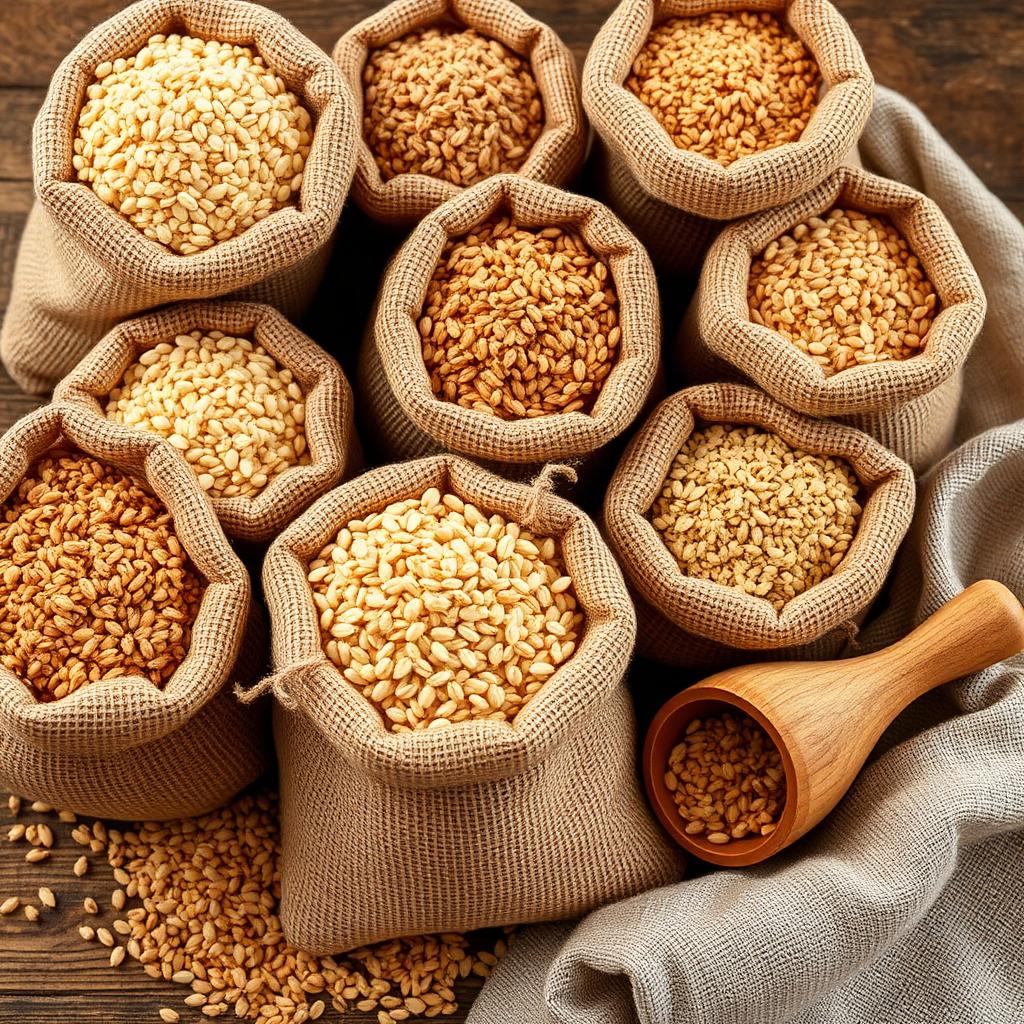
Intact whole grains — oats, barley, quinoa — support gut health, blood sugar, and cardiovascular markers.
For informational purposes only. This article is educational and is not a substitute for professional medical advice, diagnosis, or treatment. Always consult a qualified healthcare provider about anything affecting your health. Read full disclaimer.
Introduction
Whole grains are a cornerstone of a healthy diet, recognized for their comprehensive nutritional benefits. Unlike refined grains, which have had their bran and germ removed, whole grains retain all three parts of the grain kernel: the bran, germ, and endosperm. This structural integrity is crucial because each component provides distinct nutrients. The bran, the outer layer, is rich in fiber, B vitamins, and antioxidants. The germ, the embryo, contains healthy fats, vitamin E, B vitamins, and minerals. The endosperm, the largest part, primarily provides carbohydrates and protein.
The regular consumption of whole grains has been consistently linked to improved health outcomes by numerous scientific studies and health organizations. These benefits extend from better digestive health and blood sugar regulation to a reduced risk of chronic diseases. Understanding which whole grains to choose and why they matter can empower individuals to make informed dietary decisions that contribute to overall well-being. This guide will delve into the evidence-based reasons for incorporating whole grains into your diet, explore their mechanisms of action, and provide practical advice on how to select and consume them effectively.
What causes it (evidence-based)
The health benefits attributed to whole grains are primarily due to their unique nutritional profile and the synergistic effects of their components. These effects "cause" or contribute to positive physiological changes in the body.
Fiber Content
Whole grains are an excellent source of dietary fiber, including both soluble and insoluble types.
- Insoluble fiber adds bulk to stool, facilitating regular bowel movements and helping to prevent constipation. This mechanical action aids in maintaining a healthy digestive tract.
- Soluble fiber forms a gel-like substance in the digestive system, which can help lower blood cholesterol levels by binding to dietary cholesterol and preventing its absorption. It also plays a role in blood glucose regulation by slowing down the absorption of sugar, thereby preventing rapid spikes after meals. (Mayo Clinic)
Complex Carbohydrates
The carbohydrates in whole grains are complex, meaning they are digested slowly. This slow digestion provides a sustained release of energy, preventing sudden drops in blood sugar that can lead to fatigue and cravings. This steady energy supply is beneficial for overall metabolic health.
Vitamins and Minerals
Whole grains are packed with essential micronutrients:
- B Vitamins: Thiamine, riboflavin, niacin, and folate are crucial for energy metabolism, nerve function, and red blood cell formation.
- Minerals: Iron, magnesium, and selenium are vital for oxygen transport, muscle and nerve function, bone health, and antioxidant defense. Magnesium, in particular, is often found in higher concentrations in whole grains than in refined grains.
Phytonutrients and Antioxidants
Beyond vitamins and minerals, whole grains contain a variety of phytonutrients and antioxidants, such as phenolic acids, lignans, and ferulic acid. These compounds protect cells from damage caused by free radicals, which can contribute to chronic diseases like heart disease and certain cancers. The bran and germ layers are particularly rich in these protective compounds. (NIH)
Impact on Gut Microbiome
The fiber in whole grains acts as a prebiotic, feeding beneficial gut bacteria. A healthy gut microbiome is associated with improved digestion, enhanced immune function, and even better mood regulation. Short-chain fatty acids (SCFAs) produced by gut bacteria fermenting fiber may also contribute to lower inflammation and improved metabolic markers. (NIH)
Cardiovascular Health
Regular intake of whole grains has been strongly associated with a reduced risk of cardiovascular diseases. The mechanisms include:
- Lowering LDL ("bad") cholesterol: Soluble fiber plays a key role.
- Reducing blood pressure: Studies suggest a correlation between whole grain consumption and lower blood pressure.
- Improved endothelial function: Antioxidants and other compounds help maintain the health of blood vessel linings. (AHA)
Blood Sugar Regulation and Type 2 Diabetes
The low glycemic index of most whole grains, coupled with their fiber content, helps manage blood sugar levels more effectively than refined grains. This sustained blood glucose control is a critical factor in preventing and managing type 2 diabetes. (CDC)
Symptoms and warning signs
While whole grains are generally beneficial, there are no "symptoms" directly caused by consuming them. Instead, a lack of whole grains in the diet, or an overreliance on refined grains, can contribute to symptoms and warning signs associated with poor dietary choices and chronic disease risk factors. Conversely, incorporating whole grains can alleviate some of these issues.
Symptoms and Warning Signs of a Diet Lacking Whole Grains:
- Digestive Issues:
- Constipation: A diet low in fiber, often characteristic of high refined grain intake, can lead to infrequent or difficult bowel movements.
- Irregularity: Inconsistent bowel habits may indicate insufficient dietary fiber.
- Bloating and Gas: While fiber can initially cause some gas as the gut microbiome adjusts, a chronic lack of fiber can disrupt gut health, potentially leading to dysbiosis and associated digestive discomforts.
- Energy Fluctuations:
- Frequent Energy Crashes: Refined grains cause rapid spikes and drops in blood sugar, leading to energy slumps shortly after eating. Whole grains, with their complex carbohydrates, provide sustained energy.
- Difficulty Concentrating/Brain Fog: Poor blood sugar control can affect cognitive function.
- Weight Management Challenges:
- Increased Hunger and Cravings: Refined grains are less satiating than whole grains, often leading to overeating and difficulty in weight management.
- Weight Gain (especially around the abdomen): A diet rich in refined carbohydrates and low in fiber can contribute to increased visceral fat.
- Elevated Chronic Disease Markers (often discovered through medical check-ups):
- High LDL Cholesterol: A diet low in soluble fiber often contributes to unfavorable lipid profiles.
- Elevated Blood Pressure: Dietary patterns lacking whole grains may be associated with higher blood pressure.
- Insulin Resistance or Prediabetes: Frequent blood sugar spikes from refined grains can lead to the body becoming less responsive to insulin.
- Inflammation Markers: A diet low in anti-inflammatory components found in whole grains might contribute to chronic low-grade inflammation.
- Nutrient Deficiencies:
- Fatigue (due to B vitamin or Iron deficiency): Refined grains lack many of the B vitamins and iron present in whole grains.
- Muscle Weakness/Cramps (due to Magnesium deficiency): Magnesium is often stripped from refined grains.
These are not immediate, dramatic symptoms but rather subtle indicators that accumulate over time, often reflecting a broader pattern of dietary choices. Adopting a diet rich in whole grains can help mitigate these issues and support overall health.
When to see a clinician
While incorporating whole grains into your diet is a beneficial health strategy, it's important to recognize when certain symptoms or conditions warrant professional medical advice from a clinician.
Consult a clinician if you experience:
- Persistent Digestive Issues: If you introduce whole grains and continue to experience persistent symptoms like severe bloating, excessive gas, abdominal pain, chronic constipation, or diarrhea, it's important to rule out underlying digestive conditions such as irritable bowel syndrome (IBS), celiac disease (where gluten-containing grains must be avoided), inflammatory bowel disease (IBD), or other food sensitivities. A clinician can help determine the cause and provide appropriate management strategies.
- Unexplained Weight Changes: If you are experiencing significant and unintentional weight gain or loss, particularly when accompanied by other symptoms, seeking medical advice is crucial to identify any underlying health issues.
- Sudden Changes in Blood Sugar Levels: For individuals with diabetes, prediabetes, or those monitoring their blood sugar, unexpected or uncontrolled fluctuations in blood glucose despite dietary changes (including whole grain intake) should be discussed with a clinician to adjust medication or treatment plans.
- Symptoms of Nutrient Deficiencies: Persistent fatigue, weakness, dizziness, or changes in skin, hair, or nails could indicate nutrient deficiencies that may require medical evaluation and targeted interventions. While whole grains are nutrient-dense, a comprehensive nutritional assessment might be necessary.
- Suspected Allergies or Intolerances: If you suspect you have an allergy (e.g., wheat allergy) or intolerance to specific grains (e.g., gluten sensitivity), consult an allergist or gastroenterologist for proper diagnosis and dietary guidance. Self-diagnosis and unnecessary elimination of foods can lead to nutritional imbalances.
- Pre-existing Medical Conditions: If you have conditions such as kidney disease, diverticulitis, or certain metabolic disorders, dietary fiber intake, including from whole grains, may need to be adjusted under medical supervision. Your clinician can provide personalized recommendations based on your specific health needs.
- Medication Interactions: If you are taking medications, especially for diabetes, cholesterol, or blood thinners, discuss any significant dietary changes with your clinician or a registered dietitian. High fiber intake can sometimes affect medication absorption or efficacy.
- Uncertainty About Dietary Choices: If you are unsure how to incorporate whole grains into your diet safely and effectively, especially given existing health concerns or dietary restrictions, consulting a registered dietitian or nutritionist can provide tailored advice.
This information is for general knowledge and informational purposes only, and does not constitute medical advice. Always seek the advice of a qualified healthcare professional for any questions you may have regarding a medical condition or treatment.
Treatment and management options
Incorporating whole grains into one's diet is primarily a preventive and health-supportive strategy rather than a "treatment" for a specific disease. However, the consistent consumption of whole grains plays a significant role in the management of various health conditions and contributes to overall well-being. The "treatment and management options" related to whole grains revolve around dietary adjustments and lifestyle choices.
Dietary Adjustments and Progressive Integration:
- Gradual Introduction: For individuals not accustomed to high fiber intake, introducing whole grains gradually can help prevent digestive discomfort like bloating or gas. Start by replacing one refined grain serving with a whole grain option daily and slowly increase frequency.
- Diversify Whole Grain Choices: Don't stick to just one or two types. Explore a variety of whole grains (oats, barley, quinoa, brown rice, whole wheat, farro, millet, sorghum, rye) to ensure a broad spectrum of nutrients and phytonutrients. Each grain offers a slightly different nutritional profile.
- Read Food Labels: Look for products that list "whole grain" as the first ingredient. Terms like "multi-grain," "100% wheat," or "seven-grain" do not guarantee a whole grain product. Check the fiber content as well.
- Portion Control: While beneficial, whole grains still contribute calories. Adhere to recommended serving sizes, especially if managing weight.
Management of Specific Health Conditions:
- Type 2 Diabetes Management:
- Glycemic Control: Whole grains, particularly those with higher soluble fiber content, help slow glucose absorption, leading to more stable blood sugar levels. This is crucial for preventing hyperglycemia and reducing the risk of diabetic complications.
- Insulin Sensitivity: Regular whole grain intake may improve insulin sensitivity over time.
- Management Note: Individuals with diabetes should monitor their blood glucose when making dietary changes and consult their healthcare provider or a registered dietitian for personalized guidance. (CDC)
- Cardiovascular Disease Prevention and Management:
- Cholesterol Reduction: Soluble fiber in whole grains helps reduce LDL cholesterol levels.
- Blood Pressure Management: Whole grains are associated with lower blood pressure, a key factor in heart health.
- Weight Management: By promoting satiety, whole grains can aid in weight control, which indirectly benefits heart health.
- Management Note: Incorporate whole grains as part of a heart-healthy diet rich in fruits, vegetables, lean proteins, and healthy fats. (AHA)
- Digestive Health (Constipation, Diverticular Disease):
- Improved Bowel Regularity: The insoluble fiber in whole grains adds bulk and softens stool, promoting regular bowel movements and preventing constipation.
- Diverticular Disease: A high-fiber diet, including whole grains, is often recommended to manage symptoms and potentially prevent complications of diverticular disease.
- Management Note: Ensure adequate fluid intake when increasing fiber to maximize benefits and prevent worsening constipation. (Mayo Clinic)
- Weight Management:
- Increased Satiety: The fiber and protein in whole grains promote feelings of fullness, which can reduce overall calorie intake and support weight loss or maintenance efforts.
- Sustained Energy: Stable blood sugar levels from whole grains prevent energy crashes that can lead to unhealthy snacking.
- Management Note: Combine whole grains with other nutrient-dense foods and regular physical activity for effective weight management.
Lifestyle Integration:
- Hydration: Always increase fluid intake when increasing fiber to ensure smooth digestive transit.
- Balanced Diet: Whole grains should be part of a balanced diet that includes a variety of fruits, vegetables, lean proteins, and healthy fats. They are not a standalone solution.
- Physical Activity: Regular exercise complements the benefits of a whole grain-rich diet, further improving metabolic health, cardiovascular fitness, and weight management.
Specific Whole Grains to Consider:
- Oats (especially steel-cut or rolled): Excellent source of beta-glucan, a soluble fiber known for cholesterol-lowering properties.
- Barley: Another great source of beta-glucan, good for blood sugar and cholesterol.
- Quinoa: A complete protein, rich in fiber, iron, and magnesium. Naturally gluten-free.
- Brown Rice: A versatile staple, good source of fiber, manganese, and selenium.
- Whole Wheat: Found in whole-wheat bread, pasta, and flour. Ensures consumption of bran and germ.
- Farro: A chewy grain rich in fiber, protein, and B vitamins.
- Millet and Sorghum: Gluten-free options, offering various nutrients and antioxidants.
- Rye: Darker rye breads are often high in fiber, particularly good for digestive health.
The management approach for whole grains is largely educational, empowering individuals to make informed food choices that support their health goals and actively manage chronic disease risk factors.
Prevention and daily habits
Integrating whole grains into daily habits is a powerful preventive strategy against numerous chronic diseases and supports overall well-being. The key lies in consistent, mindful choices that gradually shift dietary patterns.
Strategic Meal Planning and Food Swaps:
- Breakfast Foundation: Start the day with whole grains. Opt for steel-cut or rolled oats instead of instant, or choose whole-grain cereals with low added sugar. Whole-wheat toast or whole-grain pancakes can replace refined versions.
- Lunch and Dinner Staples:
- Swap white rice for brown rice, wild rice, farro, or quinoa.
- Choose whole-wheat pasta over white pasta.
- Use whole-wheat bread for sandwiches.
- Incorporate grains like barley into soups and stews.
- Add whole grains such as quinoa or bulgur to salads for added texture and nutrients.
- Snack Smart: Select whole-grain crackers, air-popped popcorn, or whole-grain tortillas for snacks instead of refined options.
- Baking with Whole Grains: Experiment with substituting some or all of the all-purpose flour in recipes with whole-wheat flour, oat flour, or other whole-grain flours. Start with a 50/50 mix to adjust to texture differences.
Mindful Shopping Habits:
- Read Labels Carefully: Always check the ingredient list. Look for "whole grain" or "whole wheat" as the first ingredient. Phrases like "multi-grain," "stone-ground," or "100% wheat" can be misleading if they don't specify "whole."
- Prioritize Intact Grains: Whenever possible, choose whole grains in their most intact form (e.g., whole oat groats, brown rice, barley pearls) over heavily processed whole-grain products, as these retain more nutrients and fiber.
- Stock Your Pantry: Keep a variety of whole grains on hand to encourage regular consumption.
Hydration and Complementary Habits:
- Adequate Water Intake: As you increase fiber from whole grains, it's crucial to also increase your water intake. Fiber needs water to move efficiently through the digestive system; without it, increased fiber can lead to constipation.
- Pair with Fruits and Vegetables: Maximize the benefits by combining whole grains with an abundance of fruits and vegetables, which provide additional fiber, vitamins, minerals, and antioxidants.
- Lean Protein Integration: Pair whole grains with lean proteins to create balanced meals that promote satiety and support muscle health.
- Regular Physical Activity: A consistent exercise routine synergizes with a whole-grain rich diet, improving metabolic health, cardiovascular fitness, and aiding in weight management.
Education and Awareness:
- Understand Serving Sizes: Aim for at least three servings of whole grains per day, with a serving being about 1/2 cup cooked grain or 1 slice of whole-grain bread.
- Listen to Your Body: Pay attention to how different grains affect you. Some individuals may have sensitivities (e.g., gluten), and recognizing these can help in making appropriate choices.
- Consistency Over Perfection: Don't aim for immediate perfection. Small, consistent changes sustained over time yield the most significant long-term health benefits.
By embedding these prevention and daily habits, individuals can harness the full spectrum of benefits offered by whole grains, significantly contributing to a healthier lifestyle and reducing the risk factors for numerous chronic conditions.
Frequently asked questions
What are whole grains and why are they important?
Whole grains are grain kernels that retain all three of their original parts: the bran (outer layer), germ (embryo), and endosperm (starchy middle). This is important because each part contains essential nutrients, including fiber, vitamins, minerals, and antioxidants, which are largely removed during the refining process of white flour and other refined grains. Consuming whole grains is linked to improved heart health, better blood sugar control, and a healthier digestive system.
How do I know if a food product is truly whole grain?
To ensure a product is truly whole grain, always check the ingredient list. The first ingredient should clearly state "whole grain," "whole wheat," "whole oats," "brown rice," or another specific whole grain. Products labeled "multi-grain," "stone-ground," "100% wheat," or "bran" do not guarantee that all parts of the grain kernel are present. Look for the "Whole Grain Stamp" if available, as this indicates a significant amount of whole grain per serving.
Are gluten-free grains also whole grains?
Yes, many naturally gluten-free grains are also whole grains. Examples include quinoa, brown rice, wild rice, millet, sorghum, corn (including popcorn), and gluten-free oats (ensure certified gluten-free to avoid cross-contamination). These provide the same comprehensive nutritional benefits as other whole grains without containing gluten, making them excellent options for individuals with celiac disease or gluten sensitivity.
What is the recommended daily intake of whole grains?
Dietary guidelines, such as those from the U.S. Department of Agriculture (USDA), recommend consuming about 3-5 servings of whole grains per day for adults, depending on age, sex, and activity level. A serving is typically 1/2 cup cooked whole grain, 1 slice of whole-grain bread, or 1 ounce dry whole-grain pasta or cereal. It's advisable to replace at least half of your daily grain intake with whole grains.
Can eating too many whole grains cause digestive issues?
While whole grains are beneficial for digestive health due to their fiber content, suddenly increasing your intake significantly can sometimes lead to temporary digestive discomforts such as bloating, gas, or mild abdominal cramps. This is typically due to the gut microbiome adjusting to the increased fiber. To avoid this, introduce whole grains gradually, increasing your intake slowly over several weeks, and ensure you drink plenty of water, as fiber needs fluid to move through the digestive system efficiently.
Key takeaways
- Nutrient-Dense: Whole grains retain all three parts of the kernel—bran, germ, and endosperm—providing a rich source of fiber, B vitamins, minerals (iron, magnesium, selenium), and antioxidants.
- Health Benefits: Regular consumption is linked to better digestive health, more stable blood sugar levels, reduced risk of heart disease, and support for weight management.
- Fiber is Key: Both soluble and insoluble fibers in whole grains contribute to benefits like lower cholesterol, regulated blood sugar, and improved bowel regularity.
- Diverse Choices: Incorporate a variety of whole grains such as oats, barley, quinoa, brown rice, millet, sorghum, and whole wheat to maximize nutrient intake.
- Smart Swaps: Easily integrate whole grains by replacing refined grains (white bread, white pasta, white rice) with their whole-grain counterparts in daily meals.
- Read Labels: Always check ingredient lists to ensure "whole grain" or a specific whole grain is listed as the primary ingredient.
- Gradual Introduction: Increase whole grain and fiber intake slowly and ensure adequate hydration to avoid potential digestive discomfort.
- Consult a Clinician: Seek medical advice for persistent digestive issues, suspected allergies/intolerances, or if you have pre-existing conditions that might impact dietary choices.
Sources
Related reading
- Cinnamon and Blood Sugar — Ceylon cinnamon in small amounts may support glucose control alongside diet and exercise.
- Fiber: Why It Matters More Than You Think — Fiber feeds beneficial gut bacteria and supports cholesterol, blood sugar, and satiety.
- Balanced Plates for Every Meal — Half vegetables, a quarter protein, a quarter whole grains — a simple template that fits most cuisines.
- Dental Health and Whole-Body Wellness — Oral health is linked to cardiovascular and metabolic health. Brushing, flossing, and cleanings matter.
- Green Tea and Everyday Antioxidants — Green tea polyphenols may support cardiovascular and metabolic health as part of a balanced diet.
Written by
Health Hub Pro Editorial
Health writer at Health Hub Pro, focused on evidence-based, Sharia-conscious wellness.
View author profile →Medically reviewed by
Dr. A. Rahman, MD
Board-certified in Internal Medicine
Last reviewed on