Whole Grains: Choosing the Right Ones
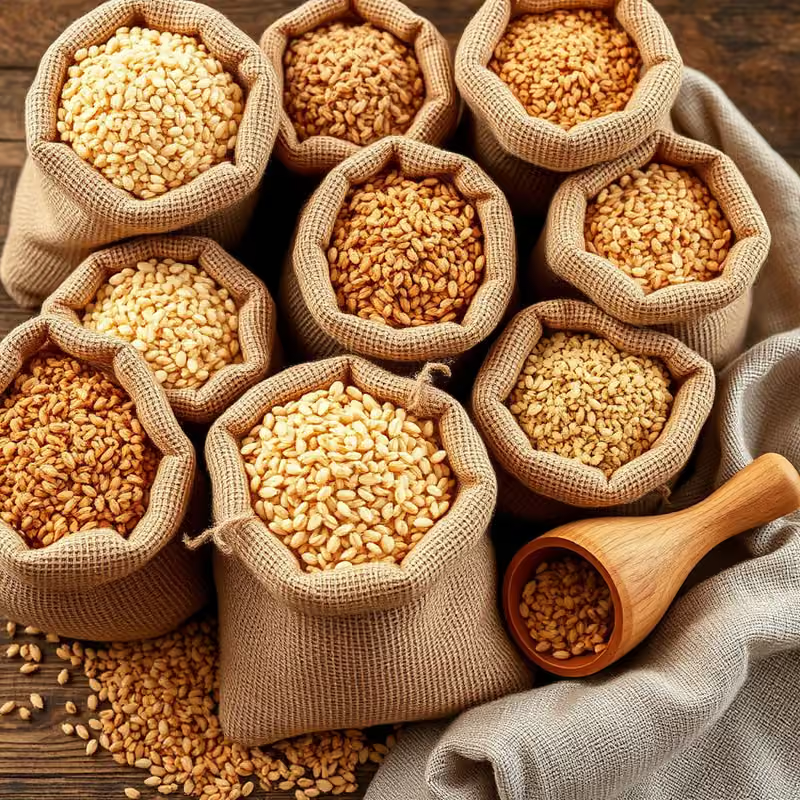
Intact whole grains — oats, barley, quinoa — support gut health, blood sugar, and cardiovascular markers.
For informational purposes only. This article is educational and is not a substitute for professional medical advice, diagnosis, or treatment. Always consult a qualified healthcare provider about anything affecting your health. Read full disclaimer.
Introduction
What causes it (evidence-based)
Fiber Content
Whole grains are an excellent source of dietary fiber, including both soluble and insoluble types.
- Insoluble fiber adds bulk to stool, facilitating regular bowel movements and helping to prevent constipation. This mechanical action aids in maintaining a healthy digestive tract.
- Soluble fiber forms a gel-like substance in the digestive system, which can help lower blood cholesterol levels by binding to dietary cholesterol and preventing its absorption. It also plays a role in blood glucose regulation by slowing down the absorption of sugar, thereby preventing rapid spikes after meals. (Mayo Clinic)
Complex Carbohydrates
The carbohydrates in whole grains are complex, meaning they are digested slowly. This slow digestion provides a sustained release of energy, preventing sudden drops in blood sugar that can lead to fatigue and cravings. This steady energy supply is beneficial for overall metabolic health.
Vitamins and Minerals
Whole grains are packed with essential micronutrients:
- B Vitamins: Thiamine, riboflavin, niacin, and folate are crucial for energy metabolism, nerve function, and red blood cell formation.
- Minerals: Iron, magnesium, and selenium are vital for oxygen transport, muscle and nerve function, bone health, and antioxidant defense.
Phytonutrients and Antioxidants
Beyond vitamins and minerals, whole grains contain a variety of phytonutrients and antioxidants, such as phenolic acids, lignans, and ferulic acid. These compounds protect cells from damage caused by free radicals, which can contribute to chronic diseases like heart disease and certain cancers. (NIH)
Impact on Gut Microbiome
The fiber in whole grains acts as a prebiotic, feeding beneficial gut bacteria. A healthy gut microbiome is associated with improved digestion, enhanced immune function, and even better mood regulation. Short-chain fatty acids (SCFAs) produced by gut bacteria fermenting fiber may also contribute to lower inflammation and improved metabolic markers. (NIH)
Cardiovascular Health
Regular intake of whole grains has been strongly associated with a reduced risk of cardiovascular diseases. The mechanisms include:
- Lowering LDL ("bad") cholesterol: Soluble fiber plays a key role.
- Reducing blood pressure: Studies suggest a correlation between whole grain consumption and lower blood pressure.
- Improved endothelial function: Antioxidants and other compounds help maintain the health of blood vessel linings. (AHA)
Blood Sugar Regulation and Type 2 Diabetes
The low glycemic index of most whole grains, coupled with their fiber content, helps manage blood sugar levels more effectively than refined grains. This sustained blood glucose control is a critical factor in preventing and managing type 2 diabetes. (CDC)
Symptoms and warning signs
Symptoms and Warning Signs of a Diet Lacking Whole Grains:
- Digestive Issues:
- Constipation: A diet low in fiber can lead to infrequent or difficult bowel movements.
- Energy Fluctuations:
- Frequent Energy Crashes: Refined grains cause rapid spikes and drops in blood sugar. Whole grains provide sustained energy.
- Weight Management Challenges:
- Increased Hunger and Cravings: Refined grains are less satiating, often leading to overeating.
- Elevated Chronic Disease Markers (often discovered through medical check-ups):
- High LDL Cholesterol: A diet low in soluble fiber often contributes to unfavorable lipid profiles.
- Elevated Blood Pressure: Dietary patterns lacking whole grains may be associated with higher blood pressure.
- Insulin Resistance or Prediabetes: Frequent blood sugar spikes from refined grains can lead to reduced insulin responsiveness.
- Nutrient Deficiencies:
- Fatigue (due to B vitamin or Iron deficiency): Refined grains lack many B vitamins and iron.
When to see a clinician
While incorporating whole grains into your diet is a beneficial health strategy, it's important to recognize when certain symptoms or conditions warrant professional medical advice from a clinician.
Consult a clinician if you experience:
- Persistent Digestive Issues: If you introduce whole grains and continue to experience persistent symptoms like severe bloating, excessive gas, abdominal pain, chronic constipation, or diarrhea, it's important to rule out underlying digestive conditions such as irritable bowel syndrome (IBS), celiac disease, or other food sensitivities. A clinician can help determine the cause and provide appropriate management strategies.
- Unexplained Weight Changes: If you are experiencing significant and unintentional weight gain or loss, particularly when accompanied by other symptoms, seeking medical advice is crucial.
- Sudden Changes in Blood Sugar Levels: For individuals with diabetes, prediabetes, or those monitoring their blood sugar, unexpected or uncontrolled fluctuations in blood glucose despite dietary changes should be discussed with a clinician to adjust medication or treatment plans.
- Symptoms of Nutrient Deficiencies: Persistent fatigue, weakness, dizziness, or changes in skin, hair, or nails could indicate nutrient deficiencies that may require medical evaluation.
- Suspected Allergies or Intolerances: If you suspect you have an allergy (e.g., wheat allergy) or intolerance to specific grains (e.g., gluten sensitivity), consult an allergist or gastroenterologist for proper diagnosis and dietary guidance.
- Pre-existing Medical Conditions: If you have conditions such as kidney disease or diverticulitis, dietary fiber intake may need to be adjusted under medical supervision. Your clinician can provide personalized recommendations.
- Medication Interactions: If you are taking medications, especially for diabetes, cholesterol, or blood thinners, discuss any significant dietary changes with your clinician or a registered dietitian. High fiber intake can sometimes affect medication absorption or efficacy.
- Uncertainty About Dietary Choices: If you are unsure how to incorporate whole grains into your diet safely and effectively, especially given existing health concerns, consulting a registered dietitian or nutritionist can provide tailored advice.
Treatment and management options
Dietary Adjustments and Progressive Integration:
- Gradual Introduction: Introduce whole grains gradually to prevent digestive discomfort. Start by replacing one refined grain serving with a whole grain option daily and slowly increase frequency.
- Diversify Whole Grain Choices: Explore a variety of whole grains (oats, barley, quinoa, brown rice, whole wheat, farro, millet, sorghum, rye) to ensure a broad spectrum of nutrients.
- Read Food Labels: Look for products that list "whole grain" as the first ingredient. Terms like "multi-grain" or "100% wheat" do not guarantee a whole grain product.
- Portion Control: Whole grains contribute calories. Adhere to recommended serving sizes, especially if managing weight.
Management of Specific Health Conditions:
- Type 2 Diabetes Management:
- Glycemic Control: Whole grains help slow glucose absorption, leading to more stable blood sugar levels.
- Insulin Sensitivity: Regular whole grain intake may improve insulin sensitivity.
- Management Note: Individuals with diabetes should monitor their blood glucose and consult their healthcare provider or a registered dietitian for personalized guidance. (CDC)
- Cardiovascular Disease Prevention and Management:
- Cholesterol Reduction: Soluble fiber in whole grains helps reduce LDL cholesterol levels.
- Blood Pressure Management: Whole grains are associated with lower blood pressure.
- Management Note: Incorporate whole grains as part of a heart-healthy diet. (AHA)
- Digestive Health (Constipation):
- Improved Bowel Regularity: Insoluble fiber in whole grains adds bulk and softens stool, promoting regular bowel movements.
- Management Note: Ensure adequate fluid intake when increasing fiber. (Mayo Clinic)
- Weight Management:
- Increased Satiety: Fiber and protein in whole grains promote feelings of fullness, which can reduce overall calorie intake.
Lifestyle Integration:
- Hydration: Always increase fluid intake when increasing fiber.
- Balanced Diet: Whole grains should be part of a balanced diet that includes fruits, vegetables, lean proteins, and healthy fats.
- Physical Activity: Regular exercise complements the benefits of a whole grain-rich diet.
Specific Whole Grains to Consider:
- Oats (especially steel-cut or rolled): Excellent source of beta-glucan, a soluble fiber known for cholesterol-lowering properties.
- Barley: Another great source of beta-glucan.
- Quinoa: A complete protein, rich in fiber, iron, and magnesium. Naturally gluten-free.
- Brown Rice: A versatile staple, good source of fiber, manganese, and selenium.
- Whole Wheat: Found in whole-wheat bread, pasta, and flour.
- Farro: A chewy grain rich in fiber, protein, and B vitamins.
- Millet and Sorghum: Gluten-free options, offering various nutrients and antioxidants.
- Rye: Often high in fiber, particularly good for digestive health.
The management approach for whole grains is largely educational, empowering individuals to make informed food choices that support their health goals and actively manage chronic disease risk factors.
Prevention and daily habits
Integrating whole grains into daily habits is a powerful preventive strategy against numerous chronic diseases and supports overall well-being. The key lies in consistent, mindful choices that gradually shift dietary patterns.
Strategic Meal Planning and Food Swaps:
- Breakfast Foundation: Start the day with whole grains. Opt for steel-cut or rolled oats instead of instant, or choose whole-grain cereals with low added sugar.
- Lunch and Dinner Staples:
- Swap white rice for brown rice, wild rice, farro, or quinoa.
- Choose whole-wheat pasta over white pasta.
- Use whole-wheat bread for sandwiches.
- Incorporate grains like barley into soups and stews.
- Add whole grains such as quinoa or bulgur to salads.
- Snack Smart: Select whole-grain crackers, air-popped popcorn, or whole-grain tortillas for snacks instead of refined options.
- Baking with Whole Grains: Experiment with substituting some or all of the all-purpose flour in recipes with whole-wheat flour, oat flour, or other whole-grain flours.
Mindful Shopping Habits:
- Read Labels Carefully: Always check the ingredient list. Look for "whole grain" or "whole wheat" as the first ingredient. Phrases like "multi-grain" can be misleading.
- Prioritize Intact Grains: Whenever possible, choose whole grains in their most intact form (e.g., whole oat groats, brown rice) over heavily processed whole-grain products, as these retain more nutrients and fiber.
- Stock Your Pantry: Keep a variety of whole grains on hand to encourage regular consumption.
Hydration and Complementary Habits:
- Adequate Water Intake: As you increase fiber from whole grains, it's crucial to also increase your water intake. Fiber needs water to move efficiently through the digestive system; without it, increased fiber can lead to constipation.
- Pair with Fruits and Vegetables: Maximize the benefits by combining whole grains with an abundance of fruits and vegetables, which provide additional fiber, vitamins, minerals, and antioxidants.
- Lean Protein Integration: Pair whole grains with lean proteins to create balanced meals that promote satiety and support muscle health.
- Regular Physical Activity: A consistent exercise routine synergizes with a whole-grain rich diet, improving metabolic health and aiding in weight management.
Education and Awareness:
- Understand Serving Sizes: Aim for at least three servings of whole grains per day, with a serving being about 1/2 cup cooked grain or 1 slice of whole-grain bread.
Frequently asked questions
What are whole grains and why are they important?
Whole grains are grain kernels that retain all three of their original parts: the bran, germ, and endosperm. This is important because each part contains essential nutrients, including fiber, vitamins, minerals, and antioxidants, which are largely removed during the refining process. Consuming whole grains is linked to improved heart health, better blood sugar control, and a healthier digestive system.
How do I know if a food product is truly whole grain?
To ensure a product is truly whole grain, always check the ingredient list. The first ingredient should clearly state "whole grain," "whole wheat," "whole oats," "brown rice," or another specific whole grain. Products labeled "multi-grain," "stone-ground," or "100% wheat" do not guarantee a whole grain product. Look for the "Whole Grain Stamp" if available, as this indicates a significant amount of whole grain per serving.
Are gluten-free grains also whole grains?
Yes, many naturally gluten-free grains are also whole grains. Examples include quinoa, brown rice, wild rice, millet, sorghum, and gluten-free oats. These provide comprehensive nutritional benefits as other whole grains without containing gluten, making them excellent options for individuals with celiac disease or gluten sensitivity.
What is the recommended daily intake of whole grains?
Dietary guidelines recommend consuming about 3-5 servings of whole grains per day for adults, depending on age, sex, and activity level. A serving is typically 1/2 cup cooked whole grain, 1 slice of whole-grain bread, or 1 ounce dry whole-grain pasta or cereal. It's advisable to replace at least half of your daily grain intake with whole grains.
Can eating too many whole grains cause digestive issues?
While whole grains are beneficial for digestive health due to their fiber content, suddenly increasing your intake significantly can sometimes lead to temporary digestive discomforts such as bloating, gas, or mild abdominal cramps. This is typically due to the gut microbiome adjusting to the increased fiber. To avoid this, introduce whole grains gradually, increasing your intake slowly over several weeks, and ensure you drink plenty of water, as fiber needs fluid to move through the digestive system efficiently.
Key takeaways
- Nutrient-Dense: Whole grains retain all three parts of the kernel—bran, germ, and endosperm—providing a rich source of fiber, B vitamins, minerals (iron, magnesium, selenium), and antioxidants.
- Health Benefits: Regular consumption is linked to better digestive health, more stable blood sugar levels, reduced risk of heart disease, and support for weight management.
- Fiber is Key: Both soluble and insoluble fibers in whole grains contribute to benefits like lower cholesterol, regulated blood sugar, and improved bowel regularity.
- Diverse Choices: Incorporate a variety of whole grains such as oats, barley, quinoa, brown rice, millet, sorghum, and whole wheat to maximize nutrient intake.
- Smart Swaps: Easily integrate whole grains by replacing refined grains (white bread, white pasta, white rice) with their whole-grain counterparts in daily meals.
- Read Labels: Always check ingredient lists to ensure "whole grain" or a specific whole grain is listed as the primary ingredient.
- Gradual Introduction: Increase whole grain and fiber intake slowly and ensure adequate hydration to avoid potential digestive discomfort.
- Consult a Clinician: Seek medical advice for persistent digestive issues, suspected allergies/intolerances, or if you have pre-existing conditions that might impact dietary choices.
Related reading
Keep exploring this topic with our related, evidence-reviewed guides:
- Dental Health and Whole-Body Wellness — Oral health is linked to cardiovascular and metabolic health. Brushing, flossing, and cleanings matter.
- Fiber: Why It Matters More Than You Think — Fiber feeds beneficial gut bacteria and supports cholesterol, blood sugar, and satiety.
- Vitamin D: Food, Sun, and Supplements — Vitamin D comes from sun, few foods, and supplements. Testing informs whether you need to supplement.
- Protein Requirements by Age and Activity Level, Explained — A practical, evidence-informed guide to protein needs — what matters, what works, common mistakes, and when to consult a professio…
- Lowering Blood Pressure Naturally: 5 Changes With the — From DASH to potassium to sleep apnea — the lifestyle moves that match a low-dose medication for many people.
- How Much Protein Do You Actually Need? A Look at the Best — The RDA is for survival, not for thriving. Here's what protein research from the last decade really shows.
Sources
Evidence & citations
- Every claim in this nutrition & diet guide is backed by primary data — browse the nutrition and diet health statistics in our sourced statistics library.
- Writing about this topic? Researchers, journalists and educators can cite our nutrition research with ready-made APA, MLA and Chicago references.
My notes on this one
The short version of 7 minutes of reading — what stuck with me while writing “Whole Grains: Choosing the Right Ones”, what the sources back up, and what I'd actually do about it.
What I'd take away
01 · Fiber Content
Insoluble fiber: adds bulk to stool, facilitating regular bowel movements and helping to prevent constipation. This mechanical action aids in maintaining a healthy digestive tract.
02 · Complex Carbohydrates
This slow digestion provides a sustained release of energy, preventing sudden drops in blood sugar that can lead to fatigue and cravings.
03 · Vitamins and Minerals
Minerals: Iron, magnesium, and selenium are vital for oxygen transport, muscle and nerve function, bone health, and antioxidant defense.
04 · Phytonutrients and Antioxidants
Beyond vitamins and minerals, whole grains contain a variety of phytonutrients and antioxidants, such as phenolic acids, lignans, and ferulic acid.
05 · Impact on Gut Microbiome
Short-chain fatty acids (SCFAs) produced by gut bacteria fermenting fiber may also contribute to lower inflammation and improved metabolic markers.
What the sources I read actually say
(CDC) While incorporating whole grains into your diet is a beneficial health strategy, it's important to recognize when certain symptoms or conditions warrant professional medical advice from a clinic…
Mayo Clinic
If you only do one thing this week
- Swap white rice for brown rice, wild rice, farro, or quinoa.
- Choose whole-wheat pasta over white pasta.
- Add whole grains such as quinoa or bulgur to salads.
- Pair with Fruits and Vegetables — Maximize the benefits by combining whole grains with an abundance of fruits and vegetables, which provide additional fiber, vitamins, minerals…
- Dietary guidelines recommend consuming about 3-5 servings of whole grains per day for adults, depending on age, sex, and activity level.
Pick the one that fits your week. None of this replaces advice from a clinician who can actually examine you.
Questions I kept coming back to
What are whole grains and why are they important?+
Whole grains are grain kernels that retain all three of their original parts: the bran, germ, and endosperm. This is important because each part contains essential nutrients, including fiber, vitamins, minerals, and antioxidants, which are largely removed during the refining process. Consuming whole grains is linked to improved heart health, better blood sugar control, and a healthier digestive system.
How do I know if a food product is truly whole grain?+
To ensure a product is truly whole grain, always check the ingredient list. The first ingredient should clearly state "whole grain," "whole wheat," "whole oats," "brown rice," or another specific whole grain. Products labeled "multi-grain," "stone-ground," or "100% wheat" do not guarantee a whole grain product. Look for the "Whole Grain Stamp" if available…
Are gluten-free grains also whole grains?+
Yes, many naturally gluten-free grains are also whole grains. Examples include quinoa, brown rice, wild rice, millet, sorghum, and gluten-free oats. These provide comprehensive nutritional benefits as other whole grains without containing gluten, making them excellent options for individuals with celiac disease or gluten sensitivity.
What is the recommended daily intake of whole grains?+
Dietary guidelines recommend consuming about 3-5 servings of whole grains per day for adults, depending on age, sex, and activity level. A serving is typically 1/2 cup cooked whole grain, 1 slice of whole-grain bread, or 1 ounce dry whole-grain pasta or cereal. It's advisable to replace at least half of your daily grain intake with whole grains.
Can eating too many whole grains cause digestive issues?+
While whole grains are beneficial for digestive health due to their fiber content, suddenly increasing your intake significantly can sometimes lead to temporary digestive discomforts such as bloating, gas, or mild abdominal cramps. This is typically due to the gut microbiome adjusting to the increased fiber. To avoid this, introduce whole grains gradually, increasing your intake slowly over several weeks…
Was this article helpful?
Be the first to rate this article.
Written by
FaizRuh
I write Health Hub Pro on my own — no clinical licence, no anonymous review panel. Just the published guidance, read carefully and explained plainly.
More about me →How this page was checked
Every claim above is checked against the sources listed at the bottom of this article — WHO, CDC, NIH, NHS, Cochrane and major clinical guidelines. Drafting is AI-assisted; the editing, fact-checking and final wording are mine. It's information, not medical advice. Spotted an error? Tell me and I'll fix it.
Last checked on