Fiber: Why It Matters More Than You Think
Fiber feeds beneficial gut bacteria and supports cholesterol, blood sugar, and satiety.

For informational purposes only. This article is educational and is not a substitute for professional medical advice, diagnosis, or treatment. Always consult a qualified healthcare provider about anything affecting your health. Read full disclaimer.
Fiber: Why It Matters More Than You Think
Introduction
Dietary fiber, often overlooked, plays a critical role in maintaining overall health and well-being. Far beyond simply regulating bowel movements, fiber acts as a foundational nutrient that supports various physiological processes, from digestive health to metabolic regulation. This comprehensive guide explores the multifaceted benefits of fiber, delves into its mechanisms of action, and provides evidence-based insights into incorporating adequate amounts into your daily diet. Understanding the importance of dietary fiber can empower you to make informed nutritional choices that contribute significantly to long-term health.
What causes it (evidence-based)
Dietary fiber refers to the indigestible parts of plant foods that pass through the digestive system largely intact. Unlike fats, proteins, or carbohydrates, fiber is not broken down and absorbed by the body. Instead, it serves several crucial functions. Fiber can be broadly categorized into two main types: soluble and insoluble fiber, each with distinct properties and health benefits.
Soluble Fiber
Soluble fiber dissolves in water to form a gel-like substance. This type of fiber is known for its ability to:
- Lower Cholesterol Levels: Soluble fiber binds to bile acids in the small intestine, preventing their reabsorption. To replenish these bile acids, the liver uses cholesterol from the blood, thereby helping to reduce low-density lipoprotein (LDL) cholesterol levels. (American Heart Association)
- Regulate Blood Sugar: By slowing down the absorption of sugar, soluble fiber helps prevent rapid spikes in blood glucose levels after meals, which is particularly beneficial for individuals with diabetes or those at risk of developing type 2 diabetes. (Mayo Clinic)
- Promote Satiety: The gel formed by soluble fiber can increase the viscosity of gut contents, leading to a feeling of fullness and potentially aiding in weight management by reducing overall calorie intake.
- Nourish Gut Microbiota: Soluble fiber acts as a prebiotic, fermenting in the large intestine to produce short-chain fatty acids (SCFAs) like butyrate, acetate, and propionate. These SCFAs are crucial for the health of colon cells, can have anti-inflammatory effects, and may influence immune function and appetite regulation. (National Institutes of Health)
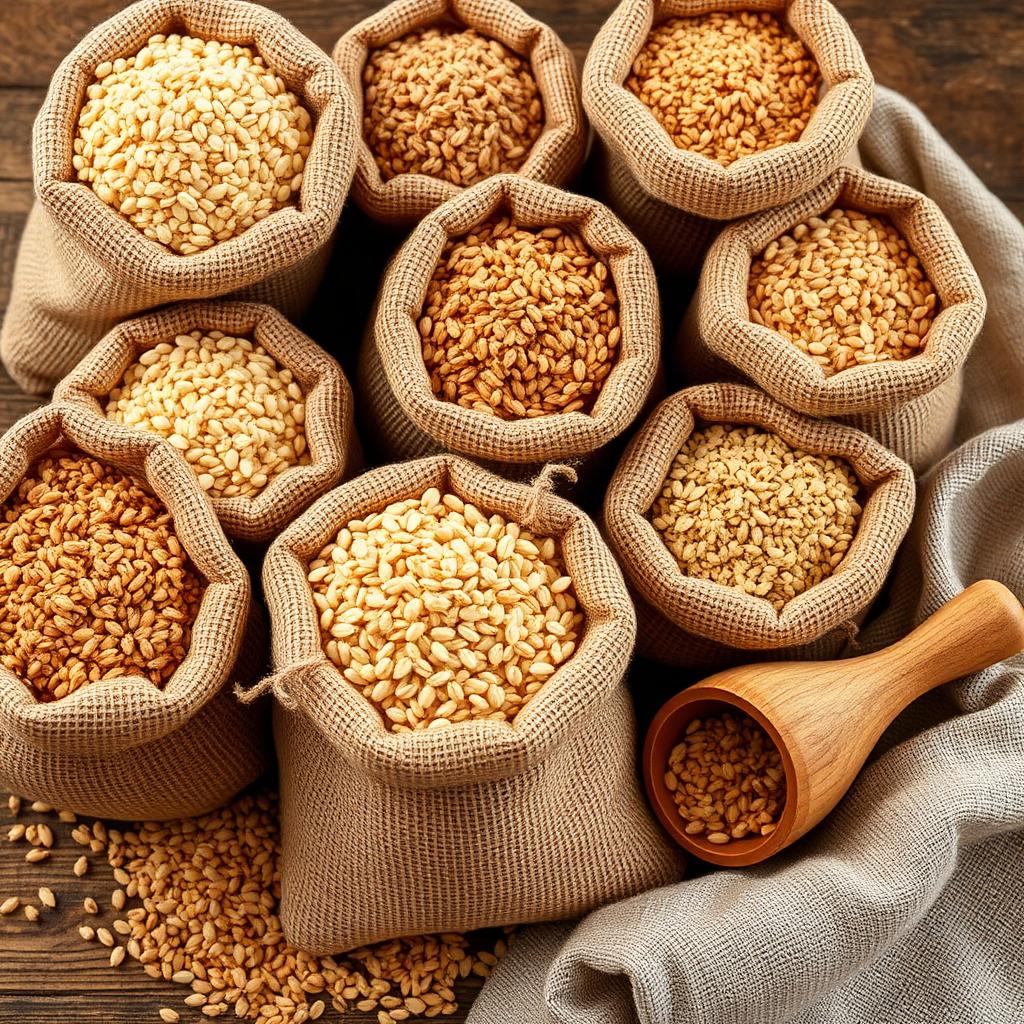
Sources of soluble fiber include oats, barley, nuts, seeds, beans, lentils, peas, and some fruits and vegetables (e.g., apples, citrus fruits, carrots).
Insoluble Fiber
Insoluble fiber does not dissolve in water. Its primary role is to add bulk to stool and help food pass more quickly through the stomach and intestines.
- Promote Regular Bowel Movements: By increasing stool bulk and softening it, insoluble fiber facilitates easier passage, helping to prevent constipation and promote regularity.
- Support Digestive Health: Regular bowel movements reduce the risk of diverticular disease and hemorrhoids.
- May Aid in Weight Management: While not directly contributing to satiety in the same way soluble fiber does, insoluble fiber adds bulk to meals, which can contribute to a feeling of fullness.
Sources of insoluble fiber include whole wheat flour, wheat bran, nuts, beans, and vegetables such as cauliflower, green beans, and potatoes.
Most plant-based foods contain a mix of both soluble and insoluble fibers, and it is beneficial to consume a variety of these foods to reap the full spectrum of benefits.
Recommended Daily Intake
The recommended daily fiber intake varies by age and sex. For adults, generally, the recommendations are:
- Men under 50: Around 38 grams per day.
- Women under 50: Around 25 grams per day.
- Men over 50: Around 30 grams per day.
- Women over 50: Around 21 grams per day. (Mayo Clinic)
However, most individuals in many Western countries consume far less than the recommended amounts.
Symptoms and warning signs
While fiber is essential for health, inadequate intake or, less commonly, excessive intake can lead to various symptoms.
Symptoms of Inadequate Fiber Intake
- Constipation: This is one of the most common and direct consequences of insufficient fiber. Stools are typically hard, dry, and difficult to pass.
- Irregular Bowel Movements: A lack of fiber can lead to unpredictable and infrequent defecation.
- Bloating and Gas (due to altered gut microbiota): While fiber can cause gas, a chronic lack of it can lead to dysbiosis (an imbalance in gut bacteria), which may also result in bloating and gas.
- Increased Hunger and Weight Gain: Fiber promotes satiety. Without adequate fiber, individuals may feel hungry sooner after meals, potentially leading to overeating and weight gain.
- Higher Cholesterol Levels: Low fiber intake, particularly soluble fiber, can contribute to elevated LDL cholesterol.
- Poor Blood Sugar Control: A diet low in fiber can lead to more rapid blood sugar spikes after meals.
- Fatigue: While not a direct symptom, chronic constipation and poor overall digestive health can contribute to discomfort and reduced energy levels.
Symptoms of Excessive Fiber Intake (less common)
While rare, suddenly consuming very large amounts of fiber, especially without adequate fluid intake, can lead to:
- Severe Bloating and Gas: Sudden increases in fiber can lead to increased fermentation by gut bacteria, causing significant gas and discomfort.
- Abdominal Cramping: Intense gas and stool bulk can cause abdominal pain.
- Diarrhea or Constipation (Paradoxical): In some cases, too much fiber without enough fluid can worsen constipation by creating a blockage. In others, particularly with a sudden increase, it can lead to loose stools.
- Nutrient Malabsorption: Very high fiber intake (e.g., over 50-60 grams consistently) could theoretically interfere with the absorption of certain minerals like iron, zinc, and calcium, though this is rare with typical food-based fiber intake.
- Dehydration: Fiber absorbs water. Without sufficient fluid intake, high fiber diets can contribute to dehydration symptoms.
It's important to increase fiber intake gradually and ensure ample hydration to prevent these uncomfortable symptoms.
When to see a clinician
While many fiber-related issues can be managed with dietary adjustments, certain symptoms warrant a consultation with a healthcare professional.
You should seek medical advice if you experience any of the following:
- Persistent Changes in Bowel Habits: Any new, persistent, or unexplained changes in your stool consistency, frequency, or appearance that last for more than a few days, including chronic constipation or diarrhea.
- Severe or Worsening Abdominal Pain: Intense abdominal cramps, sharp pains, or discomfort that doesn't resolve or worsens.
- Unintended Weight Loss: Significant weight loss without trying can be a sign of an underlying medical condition.
- Blood in Stool: Any presence of blood in your stool, whether bright red, dark red, or black and tarry, requires immediate medical evaluation.
- Difficulty Swallowing or Persistent Nausea/Vomiting: These symptoms, especially if new and persistent, should be investigated.
- Symptoms of Dehydration: Despite adequate fluid intake, experiencing persistent thirst, reduced urination, dry mouth, or dizziness.
- If You Have Existing Digestive Conditions: Individuals with conditions like Irritable Bowel Syndrome (IBS), Crohn's disease, ulcerative colitis, or celiac disease should consult their clinician before significantly altering fiber intake, as the type and amount of fiber can impact their symptoms.
- If You Are Taking Medications: Some medications, especially those for diabetes, cholesterol, or certain antidepressants, can interact with fiber intake or be affected by changes in digestion. Always discuss dietary changes with your clinician or pharmacist if you are on prescribed medication.
- Lack of Improvement with Dietary Changes: If you've tried gradually increasing fiber and fluids but your constipation or other digestive issues persist or worsen, a clinician can help rule out other causes and suggest further interventions.
A clinician can provide a proper diagnosis, rule out serious conditions, and offer personalized guidance on dietary modifications or other treatments. (Mayo Clinic, National Health Service)
Treatment and management options
Managing fiber intake primarily involves dietary adjustments. The goal is typically to increase fiber intake gradually to meet recommended daily amounts, focusing on whole, unprocessed foods.
Increasing Fiber Intake
- Prioritize Whole Grains: Replace refined grains (white bread, pasta, white rice) with whole grain alternatives (whole wheat bread, brown rice, quinoa, oats, whole grain pasta). Look for "whole" as the first ingredient on labels.
- Eat More Fruits and Vegetables: Aim for a variety of colors and types. Include fruits with edible skins and seeds, and eat vegetables raw or lightly cooked to retain their fiber content. Berries, apples, pears, broccoli, spinach, and carrots are excellent choices.
- Incorporate Legumes: Beans, lentils, chickpeas, and peas are powerhouses of both soluble and insoluble fiber. Add them to soups, stews, salads, or use them as a main protein source.
- Include Nuts and Seeds: Almonds, chia seeds, flax seeds, pumpkin seeds, and sunflower seeds are good sources of fiber and healthy fats. Sprinkle them on yogurt, salads, or oatmeal.
- Gradual Increase: The most crucial aspect of increasing fiber is to do it slowly over several weeks. A sudden surge can lead to uncomfortable gas, bloating, and cramping. Start by adding one or two high-fiber foods a day and gradually increase the portion sizes.
- Stay Hydrated: Fiber absorbs water. As you increase fiber, it is imperative to also increase your fluid intake, especially water. This helps the fiber move smoothly through your digestive system and prevents constipation. Aim for at least 8 glasses of water daily.
Fiber Supplements
For individuals who struggle to meet their fiber needs through diet alone, fiber supplements can be an option.
- Types: Common types include psyllium (Metamucil), methylcellulose (Citrucel), polycarbophil (FiberCon), and wheat dextrin (Benefiber).
- Usage: Always start with the lowest dose and increase gradually, just as you would with dietary fiber. Mix supplements with plenty of water.
- Considerations: Supplements should be seen as a complement to a fiber-rich diet, not a replacement. They may interact with certain medications by affecting their absorption, so take them at a different time of day than medications (e.g., 2 hours before or after). Consult a clinician before starting any supplement, especially if you have underlying health conditions.
Addressing Specific Symptoms
- Constipation: A diet rich in both soluble and insoluble fiber, combined with ample fluids and regular physical activity, is the cornerstone of preventing and treating constipation.
- Diarrhea (Fiber-related): While usually caused by other factors, if a sudden increase in fiber leads to diarrhea, reduce fiber temporarily and reintroduce it more slowly. Soluble fiber can sometimes help firm up stools in cases of mild diarrhea.
- Bloating and Gas: These are common initially when increasing fiber. They usually subside as your gut microbiota adapts. Peppermint tea, ginger, and certain over-the-counter anti-gas medications may help. If persistent, review your fiber intake and introduce foods more slowly.
Lifestyle Factors
- Regular Physical Activity: Exercise helps stimulate intestinal muscle contractions, aiding in bowel regularity.
- Mindful Eating: Eating slowly and chewing food thoroughly can aid digestion.
- Stress Management: Stress can significantly impact gut health and bowel function. Techniques like meditation, yoga, or deep breathing can be beneficial.
(World Health Organization, American Heart Association, National Institutes of Health)
Prevention and daily habits
Adopting consistent daily habits is key to ensuring adequate fiber intake and promoting overall gut health.
- Start Your Day with Fiber: Choose breakfast cereals that list whole grains as the first ingredient or opt for oatmeal, which is rich in soluble fiber. Add berries, flaxseeds, or chia seeds to yogurt or smoothies.
- Make Half Your Grains Whole Grains: Regularly choose brown rice over white rice, whole wheat pasta over refined pasta, and whole grain breads. Experiment with ancient grains like quinoa, farro, and bulgur.
- "Eat the Rainbow" of Fruits and Vegetables: Include a wide variety of colorful fruits and vegetables in your daily meals. Aim for at least 5-7 servings per day. Keep skins on where appropriate (e.g., apples, potatoes) as they are fiber-rich.
- Incorporate Legumes Regularly: Add beans, lentils, or chickpeas to at least 2-3 meals per week. They can be a hearty addition to salads, soups, stews, or even blended into dips like hummus.
- Snack Smart: Replace processed snacks with fruits, vegetables (e.g., carrot sticks, bell pepper strips), nuts, or seeds. A handful of almonds or an apple can provide a significant fiber boost.
- Read Food Labels: Pay attention to the "Dietary Fiber" content on packaged foods. Choose products with at least 3-5 grams of fiber per serving or more.
- Cook from Scratch More Often: Preparing meals at home allows you to control ingredients and ensure a higher intake of whole, fiber-rich foods compared to many processed or restaurant meals.
- Hydrate Consistently: Make water your primary beverage. Keep a water bottle handy and sip throughout the day, especially when increasing fiber intake.
- Listen to Your Body: Pay attention to how different foods affect your digestion. Some individuals might be more sensitive to certain types of fiber or quantities. Adjust your intake as needed.
- Consult a Registered Dietitian: For personalized guidance, especially if you have specific dietary needs, allergies, or health conditions, a registered dietitian can help you create a fiber-rich meal plan.
By integrating these habits into your daily routine, you can consistently meet your fiber needs, support digestive health, and contribute to your overall well-being.
Frequently asked questions
What is the difference between soluble and insoluble fiber?
Soluble fiber dissolves in water to form a gel-like substance. It helps lower cholesterol and blood sugar and acts as a prebiotic, feeding beneficial gut bacteria. Insoluble fiber does not dissolve in water; it adds bulk to stool, helping to prevent constipation and promote regularity. Both are crucial for health.
How much fiber do I need daily?
General recommendations for adults are around 38 grams per day for men under 50, 25 grams for women under 50, 30 grams for men over 50, and 21 grams for women over 50. However, individual needs may vary, and it's best to consult a healthcare professional for personalized advice.
Can too much fiber be harmful?
While generally beneficial, a sudden significant increase in fiber intake, especially without adequate fluid, can lead to uncomfortable symptoms such as bloating, gas, abdominal cramping, and either constipation or diarrhea. Very high intake could also theoretically impair the absorption of some minerals, though this is rare with food-based fiber.
What are good sources of fiber?
Excellent sources of fiber include whole grains (oats, brown rice, whole wheat), fruits (berries, apples, pears), vegetables (broccoli, spinach, carrots), legumes (beans, lentils, chickpeas), nuts (almonds, walnuts), and seeds (chia seeds, flax seeds). Aim for a variety of these foods.
How can I increase my fiber intake without causing discomfort?
The key is to increase your fiber intake gradually over several weeks. Start by adding one new high-fiber food or a small increase in portion size each day. Simultaneously, significantly increase your fluid intake, particularly water, to help the fiber pass smoothly through your digestive system.
Key takeaways
- Fiber is Essential for Health: More than just aiding digestion, fiber supports heart health, blood sugar control, gut microbiota, and satiety.
- Two Main Types: Soluble fiber (found in oats, beans, fruits) helps lower cholesterol and blood sugar, while insoluble fiber (whole grains, vegetables) promotes regularity.
- Gradual Increase is Key: To avoid discomfort like bloating and gas, increase fiber intake slowly and ensure adequate fluid intake.
- Food First Approach: Prioritize whole, unprocessed plant foods like whole grains, fruits, vegetables, legumes, nuts, and seeds over supplements.
- Personalized Needs: Recommended daily fiber intake varies. Consult a clinician or registered dietitian for tailored advice, especially if you have existing health conditions or take medications.
- When to Seek Medical Advice: Persistent changes in bowel habits, severe abdominal pain, blood in stool, or lack of improvement with dietary changes warrant a consultation with a healthcare professional.
Not Medical Advice: This article is for informational purposes only and does not constitute medical advice. Always consult with a qualified healthcare professional for any health concerns or before making any decisions related to your health or treatment.
Sources
- American Heart Association: www.heart.org
- Mayo Clinic: www.mayoclinic.org
- National Institutes of Health (NIH): www.nih.gov
- World Health Organization (WHO): www.who.int
- National Health Service (NHS): www.nhs.uk
Related reading
- Whole Grains: Choosing the Right Ones — Intact whole grains — oats, barley, quinoa — support gut health, blood sugar, and cardiovascular markers.
- Screening Tests After Age 40 — Cholesterol, blood pressure, colorectal cancer, and other screenings become important after 40.
- Cinnamon and Blood Sugar — Ceylon cinnamon in small amounts may support glucose control alongside diet and exercise.
- Understanding Depression Basics — Depression is a common, serious medical illness that negatively affects how you feel, think, and act. It's more than jus…
- Reading Nutrition Labels Confidently — Serving size, added sugars, sodium, and fiber tell you most of what you need in seconds.
Written by
Health Hub Pro Editorial
Health writer at Health Hub Pro, focused on evidence-based, Sharia-conscious wellness.
View author profile →Medically reviewed by
Dr. A. Rahman, MD
Board-certified in Internal Medicine
Last reviewed on