Your Gut Microbiome: What's Real, What's Sold, What's Worth Doing
Probiotics, prebiotics, fermented foods — separating the strong evidence from the supplement-aisle hype.

For informational purposes only. This article is educational and is not a substitute for professional medical advice, diagnosis, or treatment. Always consult a qualified healthcare provider about anything affecting your health. Read full disclaimer.
Introduction
The human gut microbiome, a complex community of trillions of microorganisms residing in our digestive tract, has garnered significant attention for its profound influence on overall health. Far from being mere passengers, these bacteria, viruses, fungi, and other microbes play crucial roles in nutrient absorption, immune system development, and even mood regulation. Understanding the intricacies of this internal ecosystem is key to separating evidence-based strategies from fleeting health trends. This article aims to clarify what current scientific research supports regarding the gut microbiome, what commercial products promise, and actionable steps you can take for its healthy maintenance.
What causes it (evidence-based)
The composition and function of an individual's gut microbiome are shaped by a complex interplay of various factors, beginning even before birth and continuously evolving throughout life.
Diet
Diet is arguably the most significant modifiable factor influencing gut microbiome diversity and activity. Different dietary components selectively promote the growth of specific microbial populations.
- Dietary Fiber: A high intake of diverse dietary fibers from fruits, vegetables, whole grains, and legumes is consistently associated with a richer and more diverse gut microbiome. Soluble fibers, in particular, are fermented by gut bacteria into short-chain fatty acids (SCFAs) like butyrate, propionate, and acetate. SCFAs are vital for colonic health, energy metabolism, and immune regulation. A limited intake of fiber can lead to a less diverse microbiome and an increased abundance of microbes that may degrade the protective mucus layer of the gut.
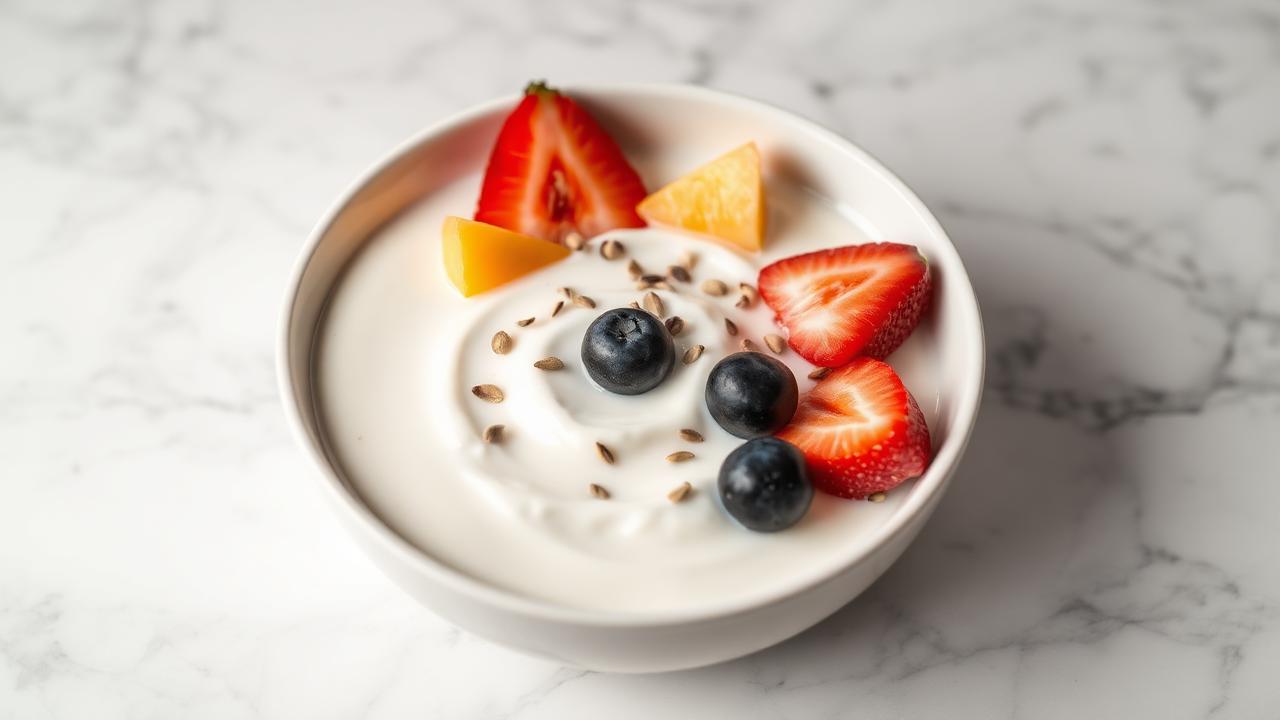
- Fermented Foods: Foods like yogurt, kefir, kimchi, sauerkraut, tempeh, and kombucha contain live beneficial microorganisms. Regular consumption can introduce new microbial species into the gut and may contribute to microbial diversity. Studies suggest that fermented foods can lead to modest reductions in inflammatory markers and improve immune responses.
- Processed Foods and Sugar: Diets high in processed foods, refined sugars, and unhealthy fats are often low in fiber and diverse nutrients. Such diets tend to reduce microbial diversity and may promote the growth of less beneficial bacteria, potentially contributing to inflammation and metabolic dysfunction.
Lifestyle Factors
Beyond diet, several other lifestyle elements impact the gut microbiome.
- Exercise: Regular physical activity has been linked to increased microbial diversity and the proliferation of beneficial bacteria species. The mechanisms are still being elucidated but may involve altered gut transit time and reduced inflammation.
- Stress: Chronic psychological stress can significantly alter gut microbiome composition through the gut-brain axis, potentially leading to increased gut permeability ("leaky gut") and inflammation.
- Sleep: Disrupted sleep patterns and insufficient sleep can negatively impact gut microbial balance, further influencing metabolic and immune functions.
- Smoking and Alcohol: Both smoking and excessive alcohol consumption are known to adversely affect gut microbiome diversity and contribute to dysbiosis (an imbalance in gut flora).
Medical Interventions
Certain medical exposures can profoundly influence the gut microbiome.
- Antibiotics: Antibiotics, while crucial for treating bacterial infections, can cause significant disruption to the gut microbiome. They indiscriminately kill both harmful and beneficial bacteria, often leading to reduced diversity and potential long-term alterations. Recovery can take weeks or even months.
- Medications: Beyond antibiotics, other medications such as proton pump inhibitors (PPIs), metformin, and non-steroidal anti-inflammatory drugs (NSAIDs) can also impact gut microbial composition and function.
- Hygiene and Environment: Modern hygiene practices, reduced exposure to diverse environmental microbes (e.g., through urban living), and less contact with natural environments may contribute to a less diverse microbiome compared to more traditional lifestyles.
Early Life Development
The foundational composition of the gut microbiome is established early in life.
- Birth Mode: Vaginally born infants typically acquire a microbiome rich in bacteria resembling the mother's vaginal and gut flora, whereas C-section born infants often harbor skin and environmental bacteria.
- Infant Feeding: Breastfeeding introduces beneficial bacteria (e.g., Bifidobacteria) and prebiotics (human milk oligosaccharides) that promote their growth, shaping a healthy infant microbiome. Formula-fed infants tend to have a different microbial profile.
- Exposure to Microbes: Early life exposure to diverse microbes through environment, siblings, and pets can contribute to a more robust and diverse microbiome.
(Sources: NIH, WHO, Mayo Clinic)
Symptoms and warning signs
While a healthy gut microbiome typically operates synergistically with the host, an imbalance (dysbiosis) can manifest in various symptoms. These signs are not exclusive to gut microbiome issues but can often be indicative of an underlying microbial imbalance.
Digestive Symptoms
These are the most direct indicators of potential gut issues.
- Persistent Digestive Discomfort: Frequent bloating, gas, abdominal pain, or cramping that is not easily explained by food choices.
- Changes in Bowel Habits: Chronic diarrhea, constipation, or alternating patterns of both. Irregular bowel movements can signal a disruption in gut motility and microbial balance.
- Acid Reflux/Heartburn: While often linked to diet, persistent acid reflux can sometimes be exacerbated by microbial imbalances.
- Bad Breath (Halitosis): In some cases, poor oral microbiome health or issues stemming from the gut can contribute to persistent bad breath.
Systemic Symptoms
The gut-brain axis and the gut's role in immune function mean that dysbiosis can impact distant body systems.
- Fatigue: Chronic tiredness or low energy levels, even after adequate sleep, can sometimes be linked to inflammation or nutrient malabsorption caused by an unhealthy gut.
- Skin Issues: Conditions like acne, eczema, or psoriasis sometimes show links to gut health, with improving gut flora potentially alleviating symptoms.
- Mood Disturbances: Anxiety, depression, and irritability have been increasingly linked to gut microbiome imbalances, due to the gut's role in producing neurotransmitters and its influence on brain chemistry.
- Difficulty Concentrating/Brain Fog: Impaired cognitive function can sometimes be a subtle sign of systemic inflammation originating from the gut.
- Unexplained Weight Changes: Difficulty losing weight, or unexplained weight gain, can sometimes be associated with microbial shifts that influence metabolism and appetite regulation.
- Frequent Infections: A significant portion of the immune system resides in the gut. Recurrent colds, flu, or other infections could indicate a compromised gut immunity.
- Food Sensitivities/Intolerances: New or worsening reactions to certain foods that were previously tolerated might suggest increased gut permeability or altered digestive capacity.
It is important to remember that these symptoms can also indicate other underlying medical conditions and should always prompt a discussion with a healthcare professional. Self-diagnosing based on gut microbiome trends alone is not advisable.
When to see a clinician
It is important to seek medical advice when symptoms are persistent, severe, or impact your quality of life. Do not attempt to self-diagnose or self-treat serious conditions based on general information about the gut microbiome.
Consult a clinician if you experience any of the following:
- Persistent or Worsening Digestive Symptoms: Chronic diarrhea (lasting more than a few days), severe constipation, bloody stools, black/tarry stools, unexplained abdominal pain, severe bloating that affects daily activities, or persistent nausea and vomiting.
- Unexplained Weight Loss or Gain: Significant weight changes without intentional dietary or activity modifications.
- New or Worsening Food Intolerances/Allergies: Especially if accompanied by other gastrointestinal symptoms or systemic reactions.
- Signs of Malabsorption: Such as steatorrhea (fatty stools), easy bruising, unexplained fatigue, or persistent nutrient deficiencies despite a balanced diet.
- Recurring Systemic Symptoms: Persistent skin rashes, joint pain, or other systemic inflammation that you suspect might be linked to gut health.
- Concerns about Antibiotic Use: If you are experiencing prolonged digestive issues after a course of antibiotics.
- Family History of Gut-Related Conditions: If you have a family history of inflammatory bowel disease (Crohn's disease, ulcerative colitis), celiac disease, or colon cancer, regular screening and prompt evaluation of symptoms are crucial.
- Any symptom that causes significant distress or disrupts your daily life.
A healthcare professional can conduct a thorough evaluation, which may include reviewing your medical history, performing a physical examination, and ordering diagnostic tests (e.g., stool tests, blood tests, colonoscopy, or endoscopy) to accurately diagnose the cause of your symptoms and recommend appropriate, evidence-based treatment.
Not medical advice. This information is for educational purposes only and does not replace professional medical advice, diagnosis, or treatment.
Treatment and management options
Managing the gut microbiome involves strategies that promote beneficial bacteria and reduce harmful ones, often focusing on diet and lifestyle interventions. For specific conditions, targeted medical therapies may be necessary.
Dietary Interventions
Diet is the cornerstone of gut microbiome management.
- Increase Dietary Fiber Diversity: Aim to consume a wide variety of plant-based foods, including fruits, vegetables, whole grains, nuts, seeds, and legumes. Each plant type offers different fibers that nurture distinct microbial populations. Incorporating 30 or more different plant foods per week is a common recommendation to promote microbial diversity.
- Include Fermented Foods: Regularly consuming fermented foods such as plain yogurt (with live active cultures), kefir, kimchi, sauerkraut, tempeh, and kombucha can introduce beneficial microbes and their metabolic byproducts to the gut. Evidence suggests a modest benefit in reducing inflammatory markers and improving immune response.
- Limit Processed Foods, Sugars, and Unhealthy Fats: These foods can promote the growth of pro-inflammatory bacteria and reduce microbial diversity.
- Hydration: Adequate water intake is essential for digestive function and can support healthy gut motility.
Probiotics and Prebiotics
- Probiotics: These are live microorganisms that, when administered in adequate amounts, confer a health benefit on the host. While many over-the-counter probiotic supplements are marketed for general "gut health," evidence for broad-spectrum benefits is often weak or strain-specific.
- Specific Strains for Specific Conditions: Certain probiotic strains have demonstrated efficacy for specific conditions. For example, some Lactobacillus and Bifidobacterium strains are useful in managing antibiotic-associated diarrhea, traveler's diarrhea, and certain types of irritable bowel syndrome (IBS). It is crucial to select products with specific, well-researched strains for a targeted purpose.
- Clinician Guidance: A clinician can help determine if a specific probiotic is warranted for a particular condition.
- Prebiotics: These are non-digestible food ingredients that selectively stimulate the growth and activity of beneficial gut bacteria (e.g., Bifidobacteria, Lactobacilli). Common prebiotics include inulin, fructo-oligosaccharides (FOS), galacto-oligosaccharides (GOS), and resistant starch, found naturally in foods like garlic, onions, leeks, asparagus, bananas, and whole grains.
Lifestyle Modifications
- Regular Physical Activity: Engaging in consistent exercise can positively influence gut microbiome diversity and reduce inflammation.
- Stress Management: Chronic stress can negatively impact gut health. Practices such as meditation, yoga, mindfulness, and adequate sleep can help mitigate stress.
- Adequate Sleep: Prioritizing 7-9 hours of quality sleep per night is crucial for overall health, including gut health.
- Avoid Smoking and Limit Alcohol: Both are detrimental to gut microbiome health.
Medical Interventions (under clinician supervision)
- Fecal Microbiota Transplantation (FMT): In specific, severe cases of recurrent Clostridioides difficile infection (CDI) that are unresponsive to conventional treatments, FMT (transferring stool from a healthy donor to the patient) has proven highly effective in restoring a healthy gut microbiome. This is a regulated medical procedure.
- Targeted Therapies for Dysbiosis-Related Conditions: For conditions like Small Intestinal Bacterial Overgrowth (SIBO), Irritable Bowel Syndrome (IBS), or Inflammatory Bowel Disease (IBD), clinicians may prescribe specific antibiotics, anti-inflammatory medications, or dietary interventions like the low-FODMAP diet, guided by diagnosis.
(Sources: NIH, Cochrane, Mayo Clinic)
Prevention and daily habits
Proactive measures and consistent daily habits play a crucial role in maintaining a healthy and diverse gut microbiome, thereby supporting overall health and potentially preventing various conditions.
Prioritize Diverse, Fiber-Rich Diet
- "Eat the Rainbow": Aim to consume a wide variety of plant foods across different colors daily. This ensures a broad spectrum of fibers and polyphenols, which feed different beneficial gut bacteria.
- Target 30+ Plant Foods Per Week: Try to incorporate at least 30 distinct types of plant foods (fruits, vegetables, legumes, whole grains, nuts, seeds, herbs, spices) into your diet each week. This diversity is strongly linked to a richer microbiome.
- Include Prebiotic Foods: Regularly consume foods naturally rich in prebiotics, such as asparagus, bananas, garlic, onions, leeks, chicory root, and oats.
- Choose Whole Grains: Opt for whole grains over refined grains to increase fiber intake.
- Legumes are Key: Incorporate beans, lentils, and chickpeas into your diet several times a week.
Incorporate Fermented Foods Regularly
- Daily or Near-Daily Consumption: Add one serving of traditionally fermented foods like plain yogurt (with live active cultures), kefir, kimchi, sauerkraut, tempeh, or kombucha to your diet. Check labels to ensure they contain "live and active cultures."
Stay Hydrated
- Drink Plenty of Water: Adequate fluid intake is essential for good digestion and helps maintain the integrity of the gut lining.
Adopt a Healthy Lifestyle
- Regular Physical Activity: Aim for at least 150 minutes of moderate-intensity aerobic activity per week. Exercise can positively influence gut microbial diversity.
- Manage Stress Effectively: Chronic stress can negatively impact the gut-brain axis and microbiome. Practice stress-reducing techniques such as meditation, deep breathing, yoga, or spending time in nature.
- Prioritize Quality Sleep: Aim for 7-9 hours of consistent, quality sleep per night. Sleep deprivation can disrupt gut microbial balance.
- Avoid Smoking: Smoking is detrimental to gut health, among many other organ systems.
- Moderate Alcohol Consumption: Excessive alcohol intake can disrupt the gut microbiome and compromise the gut barrier.
Prudent Use of Medications
- Antibiotics: Use antibiotics only when prescribed by a clinician for bacterial infections. Discuss with your clinician strategies to support your gut microbiome during and after antibiotic courses (e.g., specific probiotics).
- Other Medications: Be aware that certain medications can impact gut health. Discuss any concerns with your clinician.
Environmental Exposure
- Spend Time Outdoors: Exposure to natural environments and their diverse microbes may contribute to a more robust immune system and gut microbiome.
Frequently asked questions
Q: What is the gut microbiome and why is it important?
A: The gut microbiome is the community of trillions of microorganisms (bacteria, viruses, fungi) that live in your digestive tract. It's crucial for breaking down food, absorbing nutrients, synthesizing vitamins, training the immune system, and influencing brain function through the gut-brain axis. A healthy, diverse microbiome is associated with better overall health outcomes.
Q: Can gut microbiome testing kits accurately assess my gut health?
A: While commercial gut microbiome testing kits can provide a snapshot of the microbial populations present in your stool, the interpretation of these results is often limited. Current science does not have universally accepted definitions of a "healthy" or "unhealthy" microbiome profile that apply to everyone, nor clear-cut actionable insights for most individuals. These tests are generally not recommended for routine use outside of specific clinical research or medical conditions diagnosed by a clinician.
Q: Are probiotics always beneficial, and should I take them regularly?
A: Probiotics are live microorganisms that may offer health benefits when consumed adequately. However, the benefits are often strain-specific and condition-specific. There isn't strong evidence that general, multi-strain probiotics benefit healthy individuals for "gut health" broadly. They are most beneficial for targeted issues like antibiotic-associated diarrhea or specific types of IBS, under the guidance of a clinician. Always choose products with specific, well-researched strains.
Q: How quickly can I change my gut microbiome through diet?
A: The gut microbiome can respond remarkably quickly to dietary changes, often showing shifts in community structure within days to weeks of significant dietary alterations. For instance, increasing fiber and plant diversity can rapidly promote the growth of beneficial bacteria, while a diet high in processed foods can quickly reduce diversity. Sustained benefits, however, require consistent dietary habits.
Q: What's the main difference between probiotics and prebiotics?
A: Probiotics are live, beneficial microorganisms that you ingest, similar to adding "good" bacteria to your gut. Prebiotics are non-digestible food components (like certain fibers) that act as "food" for your existing beneficial gut bacteria, stimulating their growth and activity. Both can contribute to a healthy gut microbiome, but they work through different mechanisms.
Key takeaways
- Diet is paramount: A diverse, fiber-rich diet with abundant plant foods (aim for 30+ different types weekly) is the most robust and evidence-based strategy for fostering a healthy gut microbiome.
- Fermented foods offer benefits: Regular consumption of traditional fermented foods like yogurt, kefir, kimchi, and sauerkraut can introduce beneficial microbes and may modestly reduce inflammatory markers.
- Probiotics are often strain-specific: Most over-the-counter probiotic supplements lack strong evidence for general gut health. Specific strains may be beneficial for particular conditions (e.g., antibiotic-associated diarrhea), but seek clinician guidance.
- Lifestyle matters: Stress management, regular exercise, adequate sleep, and avoiding smoking and excessive alcohol are crucial for maintaining gut health.
- Be cautious with testing kits and general supplements: Many commercial gut microbiome tests and "gut health" supplements lack definitive clinical utility or strong evidence to support their broad claims. Focus on foundational dietary and lifestyle changes first.
- When in doubt, see a clinician: Persistent or severe digestive issues, unexplained weight changes, or other systemic symptoms warrant professional medical evaluation.
Sources
- National Institutes of Health (NIH)
- Centers for Disease Control and Prevention (CDC)
- Mayo Clinic
- World Health Organization (WHO)
- Cochrane Library
- American Heart Association (AHA)
- National Health Service (NHS)
Sources
Related reading
- Apple Cider Vinegar: Evidence and Safety — Small studies suggest modest glucose effects; enamel erosion is a real risk without dilution.
- Probiotics Foods Guide — Discover how probiotic-rich foods can enhance your gut health and overall well-being. This guide explores the best sourc…
- Vitamin D: Food, Sun, and Supplements — Vitamin D comes from sun, few foods, and supplements. Testing informs whether you need to supplement.
- Cognitive Behavioral Techniques You Can Try — Thought records, behavioral activation, and cognitive reframing are core CBT tools with strong evidence for anxiety and …
- Building Self Esteem — Discover how to cultivate a strong sense of self-worth and confidence. This article provides practical strategies for bu…
Written by
Health Hub Pro Editorial
Health writer at Health Hub Pro, focused on evidence-based, Sharia-conscious wellness.
View author profile →Medically reviewed by
Dr. Priya Anand, MD
MD, gastroenterology
Last reviewed on