Elderberry for Cold and Flu Season
Elderberry syrup may modestly shorten cold and flu duration; raw berries must be cooked.
For informational purposes only. This article is educational and is not a substitute for professional medical advice, diagnosis, or treatment. Always consult a qualified healthcare provider about anything affecting your health. Read full disclaimer.
Introduction
Elderberry ( Sambucus nigra ) has a long history of use in traditional medicine across various cultures. Its berries and flowers have been employed for their perceived health benefits, particularly in addressing symptoms associated with colds and influenza. In contemporary discussions, elderberry often emerges as a natural remedy for supporting immune health during seasonal illnesses. While its traditional use is well-documented, scientific research has begun to explore the mechanisms behind these claims and to assess the efficacy and safety of elderberry preparations. This article provides an evidence-based overview of elderberry, focusing on its potential role in the context of cold and flu season, what current research suggests, and important considerations for its use.
What causes it (evidence-based)
The common cold is primarily caused by viruses, with rhinoviruses being the most frequent culprits. Other viruses, such as coronaviruses, respiratory syncytial virus (RSV), and parainfluenza viruses, can also cause cold symptoms. These viruses spread through airborne droplets expelled by coughing or sneezing, or through direct contact with contaminated surfaces. When these viruses enter the body, they infect the cells lining the nose and throat, leading to inflammation and the characteristic symptoms of a cold.
Influenza, commonly known as the flu, is caused by influenza viruses (types A, B, C, and D). Influenza A and B viruses are responsible for seasonal epidemics. These viruses typically spread rapidly through respiratory droplets. Once inhaled, the influenza virus replicates in the respiratory tract, causing a more severe illness than the common cold, often accompanied by systemic symptoms.
Elderberry's proposed mechanisms of action against these viral infections are thought to be multifaceted. Research suggests that elderberry may:
- Inhibit viral replication: Some in vitro studies indicate that compounds in elderberry, such as flavonoids and anthocyanins, may interfere with the ability of influenza viruses to replicate within host cells. This could potentially reduce the viral load and the severity or duration of the illness.
- Block viral entry: Certain compounds in elderberry are hypothesized to bind to hemagglutinin, a protein on the surface of the influenza virus responsible for attaching to and entering host cells. By blocking this process, elderberry may prevent the virus from infecting cells.
- Modulate the immune response: Elderberry extracts have been observed to exert immunomodulatory effects. This includes potentially increasing the production of certain cytokines, which are signaling molecules that play a crucial role in initiating and regulating immune responses. A balanced immune response can help the body fight off infection more effectively.
- Antioxidant properties: Elderberry is rich in antioxidants, such as anthocyanins, quercetin, and phenolic acids. These compounds may help protect cells from oxidative stress caused by inflammation during an infection, potentially supporting overall recovery.
While these mechanisms have been explored in laboratory and some clinical settings, the exact process by which elderberry exerts its effects in humans with cold and flu remains an active area of research.
(Sources: National Institutes of Health (NIH), Centers for Disease Control and Prevention (CDC))
Symptoms and warning signs
The common cold and influenza share many overlapping symptoms, but influenza typically presents with more abrupt onset and greater severity. Understanding the differences can help in recognizing the illness and seeking appropriate care.
Common cold symptoms:
- Runny or stuffy nose: Often one of the first symptoms, with nasal discharge changing from clear to thicker and yellowish over time.
- Sore throat: Pain or irritation in the throat, especially when swallowing.
- Cough: Can be dry or produce mucus.
- Sneezing: Frequent, often accompanied by nasal irritation.
- Mild fatigue: General tiredness, but usually not debilitating.
- Headache (mild): Not as severe as with the flu.
- Low-grade fever (uncommon in adults, more common in children): Temperature may be slightly elevated.
Influenza (Flu) symptoms:
- Sudden onset: Symptoms typically appear abruptly.
- Fever or feeling feverish/chills: High fever (100°F/37.8°C or higher) is common and can last for several days.
- Muscle or body aches: Widespread pain and tenderness in muscles and joints.
- Headache (moderate to severe): Often more intense than a cold headache.
- Fatigue (considerable): Can be extreme and sudden, leading to significant weakness.
- Sore throat: Similar to a cold, but potentially more severe.
- Dry cough: Often develops early and can be persistent.
- Nasal congestion: Less prominent than with a cold, but can occur.
- Vomiting and diarrhea (more common in children than adults): May occur in some cases, especially with certain flu strains.
Warning signs that warrant immediate medical attention include:
For adults:
- Difficulty breathing or shortness of breath
- Persistent pain or pressure in the chest or abdomen
- Sudden dizziness or confusion
- Severe or persistent vomiting
- Flu-like symptoms that improve but then return with fever and worse cough
- Seizures or convulsions
- Weakness or paralysis in any part of the body
- New or worsening chronic medical conditions
For children:
- Fast breathing or trouble breathing
- Bluish lips or face
- Ribs pulling in with each breath
- Dehydration (no urine for 8 hours, dry mouth/no tears)
- Not interacting or waking up
- Being so irritable that the child does not want to be held
- Flu-like symptoms improve but then return with fever and worse cough
- Worsening of chronic medical conditions
(Sources: CDC, Mayo Clinic)
When to see a clinician
It is important to know when to seek professional medical advice for cold and flu symptoms, especially given the potential for complications. While many common colds resolve on their own, and mild flu cases can often be managed at home, certain situations warrant a clinician's evaluation.
You should consult a clinician if you experience any of the warning signs listed in the previous section, as these can indicate serious complications such as pneumonia, bronchitis, or other severe infections.
Additionally, consider seeing a clinician if:
- Symptoms worsen or do not improve after several days, or if they are unusually severe from the outset. A typical cold usually runs its course within 7-10 days, while flu symptoms can last longer.
- You are in a high-risk group for flu complications. This includes:
- Adults 65 years of age and older.
- Children younger than 5, especially those younger than 2 years old.
- Individuals with chronic medical conditions such as asthma, diabetes, heart disease, lung disease, kidney disease, or neurological conditions.
- Individuals with weakened immune systems due to diseases (e.g., HIV/AIDS) or medications (e.g., chemotherapy, chronic corticosteroid use).
- Pregnant women and women up to two weeks postpartum.
- Individuals who are morbidly obese (Body Mass Index [BMI] of 40 or higher).
- You suspect you have the flu and it is early in the course of the illness (within 48 hours of symptom onset). Antiviral medications for flu are most effective when started early.
- You have persistent fever (above 100.4°F or 38°C) for more than 3-4 days.
- You develop a bacterial secondary infection, which can manifest as new or worsening symptoms like sinus pain, earache, or a productive cough with thick, discolored mucus.
- You have underlying health concerns or are taking medications that might interact with over-the-counter remedies or elderberry products. A clinician can provide personalized advice.
Consulting a physician ensures accurate diagnosis, appropriate management, and timely intervention for potential complications.
(Sources: CDC, World Health Organization (WHO))
Treatment and management options
Managing cold and flu symptoms primarily focuses on alleviating discomfort, supporting the body's immune response, and preventing complications. While there is no cure for the common cold, and antibiotics are ineffective against viruses, various approaches can help.
Conventional Medical Treatments:
- Antiviral Medications (for Flu): For influenza, Prescription antiviral drugs (e.g., oseltamivir, zanamivir, peramivir, baloxavir marboxil) can shorten the duration of illness and reduce the risk of severe complications if started within the first 48 hours of symptom onset. These are typically reserved for individuals with confirmed or suspected flu who are at high risk of complications or have severe illness.
- Over-the-Counter (OTC) Medications:
- Pain relievers and fever reducers: Acetaminophen or ibuprofen can help manage fever, headache, and body aches. Adults should consult a healthcare professional regarding appropriate dosage and potential interactions.
- Decongestants: Nasal sprays or oral decongestants can relieve nasal stuffiness. Use nasal sprays for no more than a few days to avoid rebound congestion.
- Cough suppressants and expectorants: Dextromethorphan (suppressant) and guaifenesin (expectorant) may help with coughing.
- Antihistamines: May help with runny nose and sneezing, particularly if symptoms are allergy-like.
Elderberry for Cold and Flu: Research on elderberry for cold and flu symptoms has yielded promising, albeit sometimes mixed, results.
- Efficacy: Some studies, including a meta-analysis from Cochrane, suggest that elderberry may modestly reduce the duration and severity of cold and flu symptoms. For instance, a systematic review and meta-analysis published in Complementary Therapies in Medicine found that elderberry supplementation significantly reduced upper respiratory symptoms compared to a placebo. However, the existing studies are often small and vary in methodology, product formulations, and participant populations.
- Mechanism: It is believed that elderberry extract's antiviral properties, including its ability to inhibit viral replication and modulate the immune system, contribute to these effects.
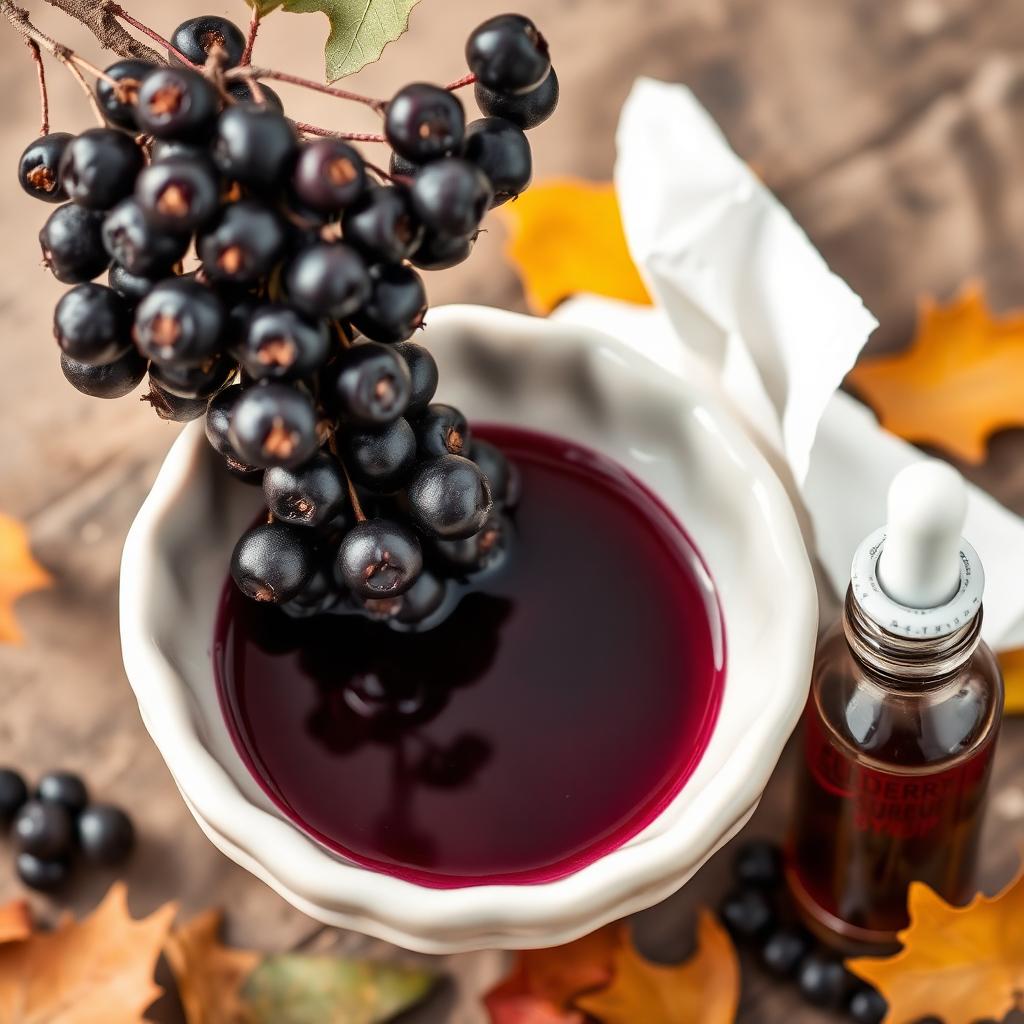
- Formulations: Elderberry is available in various forms, including syrups, lozenges, gummies, and capsules. It is crucial to note that raw elderberries contain cyanogenic glycosides and must be cooked to remove these potentially toxic compounds. Only processed and properly prepared elderberry products should be consumed.
- Safety: Elderberry is generally considered safe when consumed in appropriate doses of commercially prepared products. Possible side effects are typically mild and may include nausea, vomiting, or diarrhea. However, due to limited research, its safety in pregnant or breastfeeding individuals, young children, and those with autoimmune conditions or those undergoing transplant requiring immunosuppressants is less established. Consult a clinician before use, especially if you have underlying health conditions or are taking other medications.
Supportive Care and Home Remedies:
- Rest: Adequate rest is crucial for recovery.
- Hydration: Drink plenty of fluids (water, clear broths, herbal teas) to prevent dehydration and thin mucus.
- Humidifiers: A cool-mist humidifier can help soothe a sore throat and ease coughing and congestion, especially at night.
- Saline nasal sprays or rinses: Can help clear nasal passages and relieve congestion.
- Gargling: Warm salt water gargles can soothe a sore throat.
- Honey: For adults and children over one year old, honey can help relieve cough symptoms.
(Sources: Cochrane Library, National Center for Complementary and Integrative Health (NCCIH), Mayo Clinic)
Prevention and daily habits
Preventing the spread of cold and flu viruses and reinforcing your body’s natural defenses can significantly reduce your risk of illness. Consistent healthy habits are key to maintaining overall immunity.
Effective Prevention Strategies:
- Vaccination: The influenza vaccine is one of the most effective ways to prevent the flu and its complications. It is recommended annually for nearly everyone 6 months of age and older. While the flu vaccine does not protect against the common cold, it can significantly reduce your risk of severe flu illness.
- Hand Hygiene: Frequently wash hands with soap and water for at least 20 seconds, especially after coughing, sneezing, or blowing your nose, and before eating. If soap and water are not available, use an alcohol-based hand sanitizer with at least 60% alcohol.
- Avoid Touching Face: Try to avoid touching your eyes, nose, and mouth, as these are common entry points for viruses.
- Stay Home When Sick: If you are experiencing cold or flu symptoms, stay home from work, school, and public gatherings to prevent spreading the illness to others.
- Cover Coughs and Sneezes: Use a tissue to cover your mouth and nose when you cough or sneeze, then discard the tissue immediately. If a tissue isn't available, cough or sneeze into your upper sleeve or elbow, not your hands.
- Clean and Disinfect: Regularly clean and disinfect frequently touched surfaces at home, work, and school, especially during cold and flu season.
Daily Habits for Immune Support:
- Balanced Nutrition: Consume a diet rich in fruits, vegetables, whole grains, and lean proteins. These foods provide essential vitamins, minerals, and antioxidants that support immune function. Foods rich in Vitamin C (citrus fruits, bell peppers), Vitamin D (fatty fish, fortified foods), and Zinc (nuts, beans, meat) are particularly important.
- Adequate Sleep: Aim for 7-9 hours of quality sleep per night for adults. Lack of sleep can suppress the immune system, making you more susceptible to infections.
- Regular Physical Activity: Engage in moderate exercise most days of the week. Physical activity can boost immune cell circulation, but avoid overtraining, which can have the opposite effect.
- Stress Management: Chronic stress can weaken the immune response. Incorporate stress-reducing practices into your daily routine, such as meditation, yoga, deep breathing exercises, or spending time in nature.
- Hydration: Drink plenty of water throughout the day to keep mucous membranes moist, which can help trap and eliminate viruses.
- Avoid Smoking and Excessive Alcohol: Smoking damages respiratory airways and impairs immune function. Excessive alcohol consumption can also suppress the immune system.
(Sources: CDC, Mayo Clinic, American Heart Association (AHA))
Frequently asked questions
Will elderberry prevent me from getting the cold or flu?
Current evidence suggests that elderberry may help reduce the duration and severity of cold and flu symptoms if taken after symptoms begin. However, there is insufficient evidence to definitively state that elderberry can prevent you from contracting these viruses in the first place. Vaccination against influenza and consistent hygiene practices remain the most effective preventive measures.
Are there any risks associated with taking elderberry?
When consumed as a commercially prepared supplement, elderberry is generally considered safe. However, raw or unripe elderberries, along with other parts of the plant (leaves, stems, bark), contain cyanogenic glycosides that can cause nausea, vomiting, or diarrhea if ingested without proper processing and cooking. Mild side effects from processed elderberry products can include gastrointestinal upset. Individuals with autoimmune conditions, those on immunosuppressants, or pregnant/breastfeeding individuals should consult a clinician before use due to limited safety data.
How much elderberry should I take?
The appropriate dosage of elderberry can vary significantly depending on the specific product, its concentration, and the form (syrup, capsule, etc.). There is no universally established standard dose. It is crucial to follow the dosage instructions provided on the product label and to consult with a healthcare professional for personalized advice, especially for children.
Can children take elderberry for cold and flu?
Some elderberry products are specifically formulated and marketed for children. However, due to limited research on safety and efficacy in very young children, and the varying concentrations in products, it is essential to consult a pediatrician before giving elderberry to children. Raw elderberries or homemade preparations should never be given to children due to the risk of toxicity.
Can elderberry interact with medications?
Elderberry may have immunomodulatory effects, meaning it could potentially affect the immune system. Therefore, it might interact with certain medications, particularly immunosuppressants (used for organ transplant recipients or autoimmune diseases) or corticosteroids. There is also theoretical concern for interaction with diuretics due to elderberry's potential diuretic properties. Always inform your clinician about all supplements and medications you are taking to avoid potential adverse interactions.
Key takeaways
- Elderberry has a long history in traditional medicine for cold and flu-like symptoms.
- Scientific studies suggest elderberry may modestly reduce the duration and severity of cold and flu symptoms, primarily by inhibiting viral replication and modulating immune responses.
- Raw elderberries and other parts of the plant are toxic and must be cooked or processed appropriately before consumption. Use only commercially prepared elderberry products.
- Common cold symptoms are generally milder and include runny nose and sore throat, while influenza symptoms are more severe, with sudden onset, high fever, and body aches.
- Seek medical attention for warning signs like difficulty breathing, persistent chest pain, sudden dizziness, or if you are in a high-risk group for complications.
- Treatment for cold and flu focuses on symptom management with OTC medications; antiviral drugs are available for flu in certain cases.
- Prevention is paramount, including annual flu vaccination, frequent hand washing, avoiding touching the face, and staying home when sick.
- Daily habits like a balanced diet, adequate sleep, regular exercise, and stress management are vital for immune support.
- Consult a clinician before using elderberry, especially if you have underlying health conditions, are on medications, or are pregnant, breastfeeding, or considering it for children.
Sources
- Centers for Disease Control and Prevention (CDC). www.cdc.gov
- Cochrane Library. www.cochranelibrary.com
- Mayo Clinic. www.mayoclinic.org
- National Center for Complementary and Integrative Health (NCCIH). www.nccih.nih.gov
- National Institutes of Health (NIH). www.nih.gov
- World Health Organization (WHO). www.who.int
Related reading
- Cold Exposure Benefits Explained — Discover the potential health benefits of cold exposure, from boosting metabolism to improving mood and immune function.…
- Cinnamon and Blood Sugar — Ceylon cinnamon in small amounts may support glucose control alongside diet and exercise.
- Green Tea and Everyday Antioxidants — Green tea polyphenols may support cardiovascular and metabolic health as part of a balanced diet.
- Turmeric and Curcumin: Uses and Cautions — Curcumin has anti-inflammatory effects. Bioavailability is low without piperine; those on blood thinners should consult …
- Garlic as a Natural Antimicrobial — Allicin, released when garlic is crushed, has documented antimicrobial and cardiovascular effects.
Written by
Health Hub Pro Editorial
Health writer at Health Hub Pro, focused on evidence-based, Sharia-conscious wellness.
View author profile →Medically reviewed by
Dr. A. Rahman, MD
Board-certified in Internal Medicine
Last reviewed on