Goji Berries in Chinese Wellness: Eye Health, Energy, and
A practical, evidence-informed guide to goji berry benefits — what matters, what works, common mistakes, and when to consult a professional.
For informational purposes only. This article is educational and is not a substitute for professional medical advice, diagnosis, or treatment. Always consult a qualified healthcare provider about anything affecting your health. Read full disclaimer.
Goji Berries in Chinese Wellness: Eye Health, Energy, and Everyday Use
(Not medical or veterinary advice — consult a qualified clinician or veterinarian for personal guidance.)
Introduction
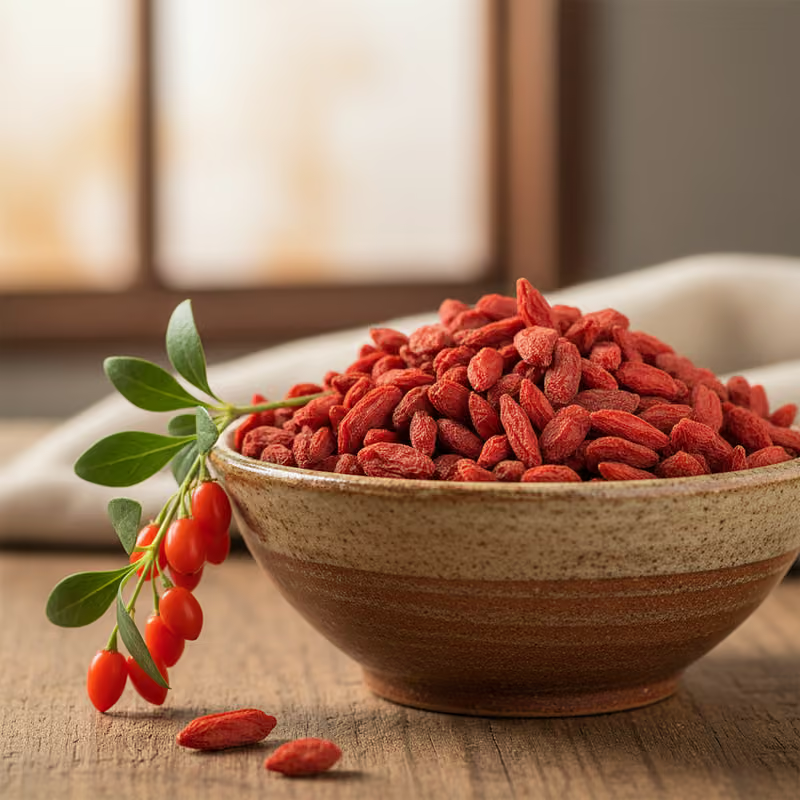
Goji berries, also known as wolfberries, are the vibrant red-orange fruits of Lycium barbarum and Lycium chinense plants. Native to China, these small, oval berries have been a staple in traditional Chinese wellness practices for centuries. Their use extends beyond culinary applications; they are often incorporated into health-supporting preparations, teas, and dishes, valued for their perceived contributions to overall vitality.
In traditional Chinese thought, goji berries are considered to nourish the "yin" and enrich the "blood," particularly impacting the "liver" and "kidney" meridians. These concepts, while distinct from modern Western physiological understanding, historically relate to various bodily functions, including vision, energy levels, and general well-being. Today, goji berries are globally recognized as a nutrient-dense food, attracting interest for their composition and potential benefits.
This article will explore the traditional and contemporary understanding of goji berries, focusing on their historical role in Chinese wellness, their nutritional profile, and their everyday applications. We will discuss their relevance to areas such as eye health and energy, while emphasizing evidence-informed principles and practical daily habits for their incorporation into a balanced lifestyle.
Why this matters
The increasing global interest in functional foods and traditional wellness practices highlights the importance of understanding ingredients like goji berries. For individuals seeking to integrate natural elements into their diet for perceived health advantages, accurate, evidence-informed information is crucial. Given the prevalence of eye strain in the digital age and the ongoing quest for sustained energy, the traditional associations of goji berries with eye health and vitality make them a subject of particular interest.
However, distinguishing between historical anecdotal use and modern scientific understanding is vital. While traditional practices offer valuable insights into long-standing uses, contemporary health decisions should ideally be supported by current research and expert consensus. This matters for several reasons:
- Informed Decision-Making: Providing balanced information empowers individuals to make informed choices about incorporating goji berries into their diet, understanding both their potential benefits and limitations.
- Safety and Efficacy: It helps to manage expectations regarding goji berries' effects and ensures that individuals do not rely on them as a substitute for professional medical care or proven treatments for serious health conditions.
- Nutritional Value: Highlighting their nutritional composition helps people understand how goji berries can contribute to a varied and balanced diet.
- Cultural Appreciation: Exploring their role in Chinese wellness offers insight into diverse health traditions, promoting a respectful understanding of global health perspectives.
- Avoiding Misinformation: In a world saturated with health claims, providing a reliable source of information helps counteract misinformation and promotes a responsible approach to health and nutrition.
Key principles (evidence-informed)
Goji berries are notable for their nutritional density, containing a range of vitamins, minerals, and antioxidants. While traditional Chinese wellness describes their properties through concepts like "yin" and "qi," modern nutritional science examines their chemical components.
Nutritional Profile: Goji berries are a source of:
- Vitamins: Notably Vitamin C and Vitamin A (in the form of beta-carotene).
- Minerals: Including iron, zinc, copper, selenium, and potassium.
- Antioxidants: Rich in carotenoids (like zeaxanthin and lutein, crucial for eye health), polysaccharides, and phenolic compounds. The goji berry's distinctive red color is largely due to these carotenoids.
- Fiber: Contributing to digestive health.
- Amino Acids: Providing a small amount of protein.
Eye Health: The traditional association of goji berries with eye health is a significant aspect of their use in Chinese wellness. Modern science has investigated this link, primarily focusing on the carotenoids zeaxanthin and lutein, which are abundant in goji berries.
- Zeaxanthin and Lutein: These carotenoids are known to accumulate in the macula of the human eye, where they act as natural filters against harmful blue light and as antioxidants. This protective role is of interest in research concerning age-related macular degeneration (AMD) and other eye conditions.
- Antioxidant Activity: The overall antioxidant capacity of goji berries, attributed to their various compounds, may contribute to protecting ocular tissues from oxidative stress.
(Reference: National Institutes of Health (NIH), specifically the National Eye Institute, for information on carotenoids and eye health.)
Energy and Vitality: In traditional Chinese wellness, goji berries are often considered to support "qi" (life force) and "kidney essence," which relate to sustained energy and vitality. While "energy" is a broad concept, modern research has explored different facets:
- Nutrient Contribution: As a nutrient-dense food, goji berries contribute essential vitamins and minerals that are important for metabolic processes and energy production at a cellular level. For example, B vitamins (though not highly concentrated in goji berries) and minerals like iron play roles in energy metabolism.
- Antioxidant Support: By helping to combat oxidative stress, the antioxidants in goji berries may support overall cellular health, which is foundational to energy levels.
- Adaptogenic-like Properties (Traditional View): Some traditional texts classify goji berries as a "superior tonic" herb, suggesting they can be consumed regularly for overall health support without adverse effects. This traditional view aligns with concepts of adaptogens, which are substances believed to help the body adapt to stressors and maintain balance.
General Well-being: The broad spectrum of nutrients and antioxidants in goji berries positions them as a beneficial addition to a balanced diet, contributing to overall health.
- Immune System Support: Vitamin C and other antioxidants play roles in supporting the immune system.
- Digestive Health: Their fiber content contributes to healthy digestion.
- Antioxidant Defense: Regular consumption of antioxidant-rich foods is part of a strategy to mitigate oxidative damage in the body.
(Reference: World Health Organization (WHO) for general nutritional guidelines and the importance of a varied diet rich in fruits and vegetables.)
Important Considerations:
- Dietary Supplement vs. Medicine: Goji berries are a food, not a medicine. While they offer nutritional benefits, they should not be seen as a cure for diseases or a substitute for medical treatments.
- Individual Variation: Nutritional needs and responses to foods can vary among individuals.
- Quality and Source: The nutritional content of goji berries can vary based on growing conditions, processing, and storage. Sourcing from reputable suppliers is important.
- Interaction with Medications: As with any food or supplement, potential interactions with medications should be considered, especially for individuals on blood thinners or diabetes medications.
(Reference: Mayo Clinic for information on general dietary interactions and supplement use.)
Practical daily habits
Incorporating goji berries into daily routines can be simple and enjoyable due to their versatile nature. Here are several practical habits, keeping in mind the aim to integrate them into a balanced diet rather than relying on them as a sole solution for health concerns.
- As a Snack: Dried goji berries can be eaten directly as a healthful snack, much like raisins or cranberries. A small handful (e.g., 10-20 grams) can be a convenient way to consume them.
- In Breakfast Foods:
- Oatmeal or Cereal: Sprinkle dried goji berries over your morning oatmeal, granola, or cold cereal. They add a chewy texture and a mildly sweet-tart flavor.
- Yogurt or Smoothies: Blend fresh or rehydrated goji berries into smoothies, or simply stir dried berries into yogurt or cottage cheese.
- In Teas and Infusions:
- Goji Tea: Steep dried goji berries in hot water for 5-10 minutes to make a simple, warming tea. The berries can be eaten after drinking the infusion.
- Herbal Blends: Combine goji berries with other herbs like chrysanthemum flowers or red dates (jujubes) for traditional Chinese wellness teas.
- In Cooked Dishes:
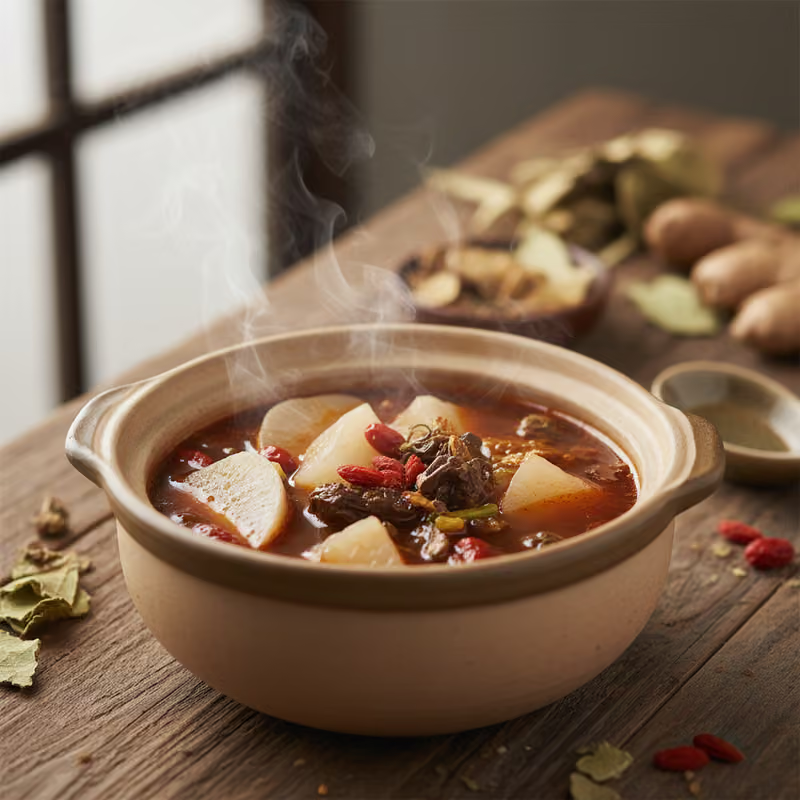
- Soups and Stews: Goji berries are commonly added to savory dishes in Chinese cuisine, such as chicken soup or congee (rice porridge), particularly those designed for general wellness support. Add them towards the end of the cooking process to retain their texture and nutrients.
- Rice and Grain Dishes: Incorporate them into pilafs, quinoa salads, or even stir-fries for a touch of sweetness and color.
- Baked Goods: Add dried goji berries to muffins, bread, or energy bars. Their natural sweetness can reduce the need for added sugars.
- Rehydrated: Soak dried goji berries in warm water for 10-15 minutes to rehydrate them. They become plumper and softer, suitable for adding to salads, desserts, or just eating on their own.
Portion Sizes: A typical daily intake in traditional uses might range from 10 to 30 grams (about a tablespoon or two) of dried goji berries. This provides a moderate amount of nutrients without overconsumption. As with any food, moderation and variety are key to a balanced diet.
Quality and Storage:
- Choose goji berries that are vibrant red, plump, and free from excessive clumping or discoloration.
- Store dried goji berries in an airtight container in a cool, dark place or refrigerate them to maintain freshness and prevent spoilage.
Common mistakes to avoid
While goji berries can be a nutritious addition to a balanced diet, certain approaches can diminish their benefits or lead to misconceptions. Being mindful of these common mistakes can help ensure a more effective and safe integration of goji berries into one's wellness routine.
- Viewing them as a "Miracle Cure": Goji berries are nutrient-dense foods, not magical cures. Relying solely on them to address serious health conditions or neglecting conventional medical treatments is a significant mistake. They are best understood as part of a holistic approach to health, alongside a balanced diet, regular physical activity, and appropriate medical care.
- Overconsumption: While generally safe, consuming excessively large quantities of goji berries is not necessarily better and could lead to digestive upset in some individuals due to their fiber content. Adhere to moderate portion sizes, typically 10-30 grams of dried berries per day.
- Neglecting Dietary Variety: Focusing too heavily on one "superfood" like goji berries and neglecting a diverse intake of fruits, vegetables, and other healthful foods can lead to an unbalanced diet. A wide range of plant-based foods provides a broader spectrum of nutrients and protective compounds.
- Ignoring Potential Interactions: Goji berries may interact with certain medications. For example, they contain compounds that might affect blood clotting, potentially interacting with anticoagulant medications (blood thinners) like warfarin. They might also influence blood sugar levels, which is relevant for individuals taking diabetes medications. Always consult a healthcare professional if you are on medication or have underlying health conditions before significantly increasing your intake of any new food or supplement. (Reference: Mayo Clinic for information on potential drug-food interactions.)
- Assuming All Products Are Equal: The quality and nutritional content of goji berries can vary significantly depending on their origin, cultivation methods, and processing. Opt for reputable sources and organic varieties when possible, especially if you are concerned about pesticide residues.
- Expecting Immediate or Dramatic Results: Like most dietary interventions, the benefits of incorporating goji berries into one's diet are typically subtle and accrue over time as part of a consistent healthy lifestyle. Expecting dramatic, immediate changes is unrealistic and can lead to disappointment.
- Cooking at Very High Temperatures for Extended Periods: While goji berries are often cooked in traditional soups, prolonged exposure to very high heat can reduce the content of some heat-sensitive nutrients like Vitamin C and certain antioxidants. For maximum nutritional retention, consider adding them towards the end of cooking or consuming them raw or lightly steeped.
- Disregarding Allergies: Although uncommon, some individuals might have allergic reactions to goji berries, especially those with allergies to other nightshade family plants (e.g., tomatoes, potatoes, bell peppers). Pay attention to any adverse symptoms upon initial consumption.
When to see a professional
While goji berries are generally considered safe for most people as a food item, there are specific situations where consulting a healthcare professional is strongly advisable. This ensures your safety and helps to integrate goji berries responsibly into your diet, especially if you have existing health conditions or are on medication.
Consult a healthcare professional if you:
- Are taking anticoagulant medications (blood thinners): Goji berries may have properties that affect blood clotting. If you are on medications like warfarin (Coumadin) or others that thin the blood, consuming goji berries could potentially increase your risk of bleeding or alter the effectiveness of your medication.
- Have diabetes or are taking blood sugar-lowering medications: Goji berries may affect blood glucose levels. If you are managing diabetes or taking medications to control blood sugar, it's important to monitor your levels and discuss goji berry consumption with your doctor to avoid potential complications.
- Are pregnant or breastfeeding: While generally considered safe as a food, there is limited specific research on the effects of concentrated goji berry intake during pregnancy and breastfeeding. It's prudent to consult with a clinician to ensure safety for both the individual and the baby.
- Have known allergies to nightshade plants: Goji berries are part of the nightshade family, which includes tomatoes, potatoes, and bell peppers. If you have known allergies to these plants, you might also be sensitive to goji berries.
- Are undergoing cancer treatment or taking immunosuppressant drugs: Some traditional claims about goji berries suggest immune-modulating effects. It's crucial to discuss their consumption with your oncologist or prescribing physician, as interactions could potentially interfere with treatment.
- Experience any adverse reactions: If you consume goji berries and experience symptoms such as hives, swelling, difficulty breathing, digestive upset, dizziness, or any other unusual or concerning reactions, stop consumption immediately and seek medical attention.
- Have a pre-existing medical condition: For any chronic health condition, it is always best practice to discuss significant dietary changes or the introduction of new foods with your primary care provider to ensure they align with your overall treatment plan and do not pose any risks.
- Are considering goji berry supplements or extracts: While this article focuses on whole goji berries, if you are contemplating taking concentrated goji berry supplements or extracts, professional guidance is even more critical due to the higher potency and potential for more pronounced effects or interactions.
Always remember that foods, even healthy ones, are not substitutes for professional medical advice, diagnosis, or treatment.
Frequently asked questions
What are the main benefits of goji berries traditionally?
In traditional Chinese wellness, goji berries are highly regarded for their perceived ability to nourish the "liver" and "kidney," which are believed to be interconnected with vision, energy, and overall vitality. They are often used to address concerns related to "yin" deficiency, such as blurred vision, fatigue, and weakness, and are traditionally consumed to support general well-being and longevity. These traditional uses stem from centuries of observational practice within Chinese culture.
How do goji berries support eye health?
Modern scientific interest in goji berries for eye health centers on their rich content of specific carotenoids, particularly zeaxanthin and lutein. These compounds are known to accumulate in the macula of the eye, where they act as natural filters against harmful blue light and contribute to antioxidant defense, helping to protect ocular tissues from oxidative stress. This aligns with traditional uses of goji berries to support vision.
Can goji berries truly boost energy?
Goji berries may contribute to general energy levels through their nutritional profile rather than providing an immediate "boost." They are a source of essential vitamins (like Vitamin C and A), minerals (iron, zinc), and antioxidants, all of which play roles in metabolic processes and cellular health, which are foundational to maintaining energy and vitality. In traditional Chinese wellness, they are considered to tonify "qi" and "kidney essence," concepts related to sustained energy.
What is the recommended daily intake of goji berries?
While there isn't a universally established "recommended daily allowance" for goji berries, a common traditional and practically observed intake for dried goji berries ranges from 10 to 30 grams per day (approximately 1-2 tablespoons). This amount allows for the intake of their beneficial nutrients as part of a balanced diet without overconsumption. It's important to start with smaller amounts and observe how your body responds.
Are there any side effects or interactions to be aware of?
Goji berries are generally safe for most people when consumed in moderate amounts as food. However, they may interact with certain medications, particularly anticoagulant medications (blood thinners like warfarin) and drugs for diabetes, potentially affecting their efficacy or increasing risks. Individuals with allergies to other nightshade plants might also be sensitive to goji berries. Pregnant or breastfeeding individuals and those with existing medical conditions should consult a healthcare professional before significantly increasing their intake.
Key takeaways
- Goji berries, or wolfberries, are nutrient-dense fruits with a long history of use in traditional Chinese wellness for supporting eye health, energy, and overall vitality.
- Their nutritional profile includes vitamins (C, A), minerals (iron, zinc), and a significant concentration of antioxidants, especially carotenoids like zeaxanthin and lutein, which are relevant to eye health.
- Traditional Chinese wellness views goji berries as nourishing for the "liver" and "kidney," influencing concepts of "yin," "qi," and "blood" related to vision and sustained energy.
- Practical daily habits for incorporating goji berries include snacking on them, adding them to breakfast foods, teas, soups, and baked goods. A moderate intake of 10-30 grams of dried berries per day is common.
- It is crucial to avoid common mistakes such as viewing goji berries as a "miracle cure," overconsuming them, neglecting dietary variety, or ignoring potential interactions with medications (especially blood thinners and diabetes medications).
- Always consult a healthcare professional, especially if you are pregnant, breastfeeding, on medication, or have pre-existing health conditions, to ensure safe and appropriate consumption of goji berries.
- Goji berries are a healthful food addition, not a substitute for professional medical advice, diagnosis, or treatment.
Related reading
Keep exploring this topic with our related, evidence-reviewed guides:
- Ginseng: What Chinese Tradition and Modern Studies Agree On — A practical, evidence-informed guide to ginseng benefits — what matters, what works, common mistakes, and when to consult a profes…
- Jujube, Longan, and Chinese Dried Fruits for Blood and Energy — A practical, evidence-informed guide to jujube benefits — what matters, what works, common mistakes, and when to consult a profess…
- Chinese Ginger Remedies for Colds, Nausea, and Cold Hands — A practical, evidence-informed guide to ginger remedies — what matters, what works, common mistakes, and when to consult a profess…
- Green Tea vs Oolong vs Pu-erh: Which Chinese Tea Fits Your Health Goal — A practical, evidence-informed guide to green tea vs oolong — what matters, what works, common mistakes, and when to consult a pro…
- Congee: Why China's Healing Breakfast Is Good for Digestion — A practical, evidence-informed guide to congee benefits — what matters, what works, common mistakes, and when to consult a profess…
- Chinese Mushroom Wisdom: Shiitake, Reishi, and Wood Ear for Immunity — A practical, evidence-informed guide to medicinal mushrooms — what matters, what works, common mistakes, and when to consult a pro…
Sources
- World Health Organization (WHO) – for general nutritional guidelines and the importance of a varied diet.
- National Institutes of Health (NIH), particularly the National Eye Institute – for information on carotenoids (zeaxanthin, lutein) and their role in eye health.
- Mayo Clinic – for information on general dietary interactions, supplement use, and potential drug-food interactions.
- Cochrane Library – for systematic reviews on various health topics and evidence-based information.
Sources
Evidence & citations
- Every claim in this chinese health wisdom guide is backed by primary data — browse the longevity and lifestyle health statistics in our sourced statistics library.
- Writing about this topic? Researchers, journalists and educators can cite our traditional Chinese health research with ready-made APA, MLA and Chicago references.
My notes on this one
The short version of 14 minutes of reading — what stuck with me while writing “Goji Berries in Chinese Wellness: Eye Health, Energy, and”, what the sources back up, and what I'd actually do about it.
What I'd take away
01 · Why this matters
While traditional practices offer valuable insights into long-standing uses, contemporary health decisions should ideally be supported by current research and expert consensus.
02 · Key principles
Antioxidants: Rich in carotenoids (like zeaxanthin and lutein, crucial for eye health), polysaccharides, and phenolic compounds. The goji berry's distinctive red color is largely due to these carotenoids.
03 · Practical daily habits
As a Snack: Dried goji berries can be eaten directly as a healthful snack, much like raisins or cranberries. A small handful (e.g., 10-20 grams) can be a convenient way to consume them.
04 · Common mistakes to avoid
(Reference: Mayo Clinic for information on potential drug-food interactions.)
What the sources I read actually say
Avoiding Misinformation: In a world saturated with health claims, providing a reliable source of information helps counteract misinformation and promotes a responsible approach to health and nutrition…
World Health OrganizationModern scientific interest in goji berries for eye health centers on their rich content of specific carotenoids, particularly zeaxanthin and lutein.
Centers for Disease Control and PreventionNational Institutes of Health (NIH), particularly the National Eye Institute – for information on carotenoids (zeaxanthin, lutein) and their role in eye health.
National Institutes of Health
If you only do one thing this week
- As a Snack — Dried goji berries can be eaten directly as a healthful snack, much like raisins or cranberries. A small handful (e.g.…
- Goji Tea — Steep dried goji berries in hot water for 5-10 minutes to make a simple, warming tea. The berries can be eaten after drinking the infusion.
- Rehydrated — Soak dried goji berries in warm water for 10-15 minutes to rehydrate them. They become plumper and softer, suitable for adding to salads, desserts…
- Choose goji berries that are vibrant red, plump, and free from excessive clumping or discoloration.
- Portion Sizes: A typical daily intake in traditional uses might range from 10 to 30 grams (about a tablespoon or two) of dried goji berries.
Pick the one that fits your week. None of this replaces advice from a clinician who can actually examine you.
Questions I kept coming back to
What are the main benefits of goji berries traditionally?+
In traditional Chinese wellness, goji berries are highly regarded for their perceived ability to nourish the "liver" and "kidney," which are believed to be interconnected with vision, energy, and overall vitality. They are often used to address concerns related to "yin" deficiency, such as blurred vision, fatigue, and weakness, and are traditionally consumed to support general well-being and longevity…
How do goji berries support eye health?+
Modern scientific interest in goji berries for eye health centers on their rich content of specific carotenoids, particularly zeaxanthin and lutein. These compounds are known to accumulate in the macula of the eye, where they act as natural filters against harmful blue light and contribute to antioxidant defense, helping to protect ocular tissues from oxidative stress…
Can goji berries truly boost energy?+
Goji berries may contribute to general energy levels through their nutritional profile rather than providing an immediate "boost." They are a source of essential vitamins (like Vitamin C and A), minerals (iron, zinc), and antioxidants, all of which play roles in metabolic processes and cellular health, which are foundational to maintaining energy and vitality. In traditional Chinese wellness…
What is the recommended daily intake of goji berries?+
While there isn't a universally established "recommended daily allowance" for goji berries, a common traditional and practically observed intake for dried goji berries ranges from 10 to 30 grams per day (approximately 1-2 tablespoons). This amount allows for the intake of their beneficial nutrients as part of a balanced diet without overconsumption…
Are there any side effects or interactions to be aware of?+
Goji berries are generally safe for most people when consumed in moderate amounts as food. However, they may interact with certain medications, particularly anticoagulant medications (blood thinners like warfarin) and drugs for diabetes, potentially affecting their efficacy or increasing risks. Individuals with allergies to other nightshade plants might also be sensitive to goji berries…
Was this article helpful?
Be the first to rate this article.
Written by
FaizRuh
I write Health Hub Pro on my own — no clinical licence, no anonymous review panel. Just the published guidance, read carefully and explained plainly.
More about me →How this page was checked
Every claim above is checked against the sources listed at the bottom of this article — WHO, CDC, NIH, NHS, Cochrane and major clinical guidelines. Drafting is AI-assisted; the editing, fact-checking and final wording are mine. It's information, not medical advice. Spotted an error? Tell me and I'll fix it.
Last checked on