Congee: Why China's Healing Breakfast Is Good for Digestion
A practical, evidence-informed guide to congee benefits — what matters, what works, common mistakes, and when to consult a professional.
For informational purposes only. This article is educational and is not a substitute for professional medical advice, diagnosis, or treatment. Always consult a qualified healthcare provider about anything affecting your health. Read full disclaimer.
Congee: Why China's Healing Breakfast Is Good for Digestion
(Not medical or veterinary advice — consult a qualified clinician or veterinarian for personal guidance.)
Introduction
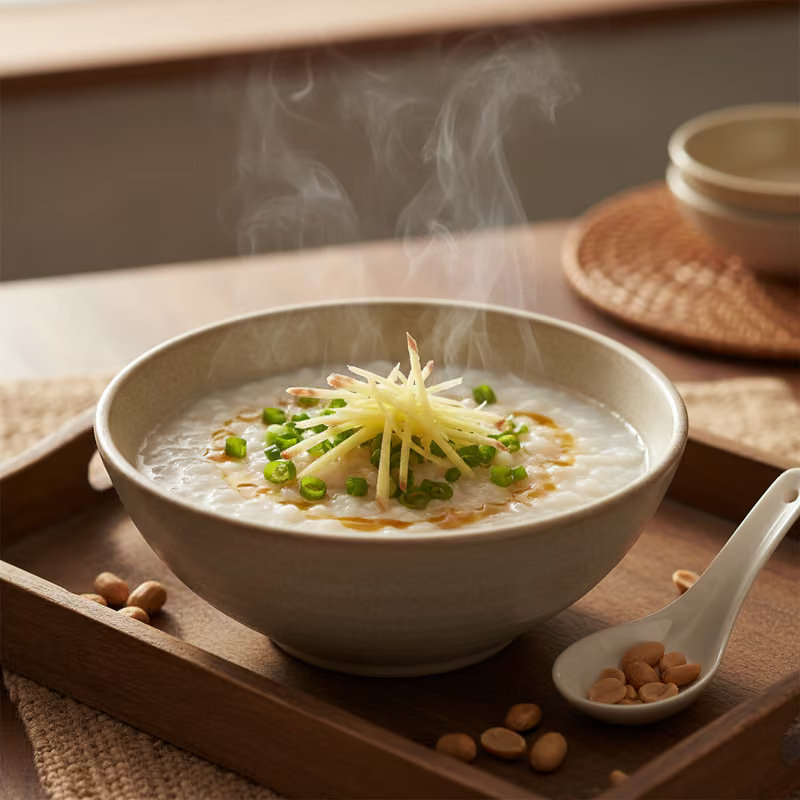
Congee, a humble rice porridge, holds a revered place in many East Asian culinary traditions, particularly in China. Far more than just a simple breakfast dish, it is often considered a staple food with deep roots in traditional dietary practices, frequently associated with comfort, nourishment, and digestive wellness. Its preparation involves simmering rice in a large amount of water or broth for an extended period until the grains break down into a smooth, creamy consistency. This process renders the rice highly digestible and makes congee a versatile base for a wide array of flavors and nutritional additions, from ginger and lean protein to various vegetables and herbs.
Historically, congee has been valued not only for its affordability and accessibility but also for its perceived therapeutic properties. It has long been a go-to food during periods of illness, recovery, or for individuals with sensitive digestive systems. Its gentle nature, warmth, and ease of assimilation are often highlighted as key attributes contributing to its reputation as a healing food. While specific health claims require scientific evaluation, the principles behind congee's digestive benefits are often linked to its soft texture, hydrating properties, and the inherent simplicity of its ingredients, which can be less taxing on the digestive tract compared to heavier or more complex meals.
This article explores the rationale behind congee's traditional use for digestion, delving into evidence-informed principles that support its gentle nature. It will also provide practical guidance on incorporating congee into daily habits, identify common pitfalls to avoid, and outline situations in which professional medical advice should be sought.
Why this matters
Digestive health is fundamental to overall well-being. A well-functioning digestive system enables the body to efficiently absorb nutrients, maintain energy levels, and support immune function. Conversely, digestive discomforts such as bloating, indigestion, or upset stomach can significantly impact an individual's quality of life. Many individuals seek gentle and supportive dietary options, especially during times of digestive sensitivity or recovery from illness.
In various traditional dietary practices, including those prevalent in East Asia, certain foods are emphasized for their role in promoting digestive comfort. Congee stands out in this context due to its preparation method, which transforms rice, a common staple, into a soft, easily digestible form. This matters because foods that are easy to digest can alleviate the workload on the gastrointestinal system, potentially reducing symptoms of irritation and allowing the digestive tract to rest and recover. For individuals experiencing acute digestive issues or those with chronic conditions that necessitate a mild diet, understanding and utilizing foods like congee can be a valuable part of dietary management.
Furthermore, the act of consuming a warm, nourishing meal like congee can contribute to a sense of comfort and well-being, which indirectly supports physiological processes, including digestion. The traditional emphasis on congee for healing and recovery underscores a long-held belief in the power of food as medicine, a concept that continues to resonate in modern holistic health approaches. By understanding the principles behind congee's digestive benefits, individuals can make informed dietary choices that support their gastrointestinal health and overall vitality.
Key principles (evidence-informed)
The traditional understanding of congee as a healing breakfast for digestion aligns with several evidence-informed principles related to nutritional science and gastrointestinal health.
-
Ease of Digestion (Soft Texture): The primary characteristic of congee is its extremely soft, almost liquid consistency. Through prolonged cooking, the starch molecules in rice absorb water and break down, making them more accessible to digestive enzymes. This contrasts with whole grains or more fibrous foods, which require more mechanical and enzymatic breakdown. For individuals with compromised digestive function, sensitive stomachs, or those recovering from illness, consuming easily digestible foods like congee can reduce the workload on the gastrointestinal tract, potentially minimizing discomfort such as bloating or indigestion. The Mayo Clinic often emphasizes the importance of soft, bland foods during digestive upset to allow the gut to rest and heal.
-
Hydration: Congee is essentially rice cooked with a large volume of water or broth. This high fluid content contributes significantly to hydration, which is crucial for digestive health. Adequate hydration helps maintain the fluidity of digestive secretions, facilitates the smooth passage of food through the digestive tract, and can help prevent constipation. For those experiencing vomiting or diarrhea, where fluid loss is a concern, congee can serve as a gentle way to replenish both fluids and some electrolytes, especially if prepared with broth.
-
Nutrient Delivery (Blandness and Versatility): The bland nature of plain congee makes it suitable for sensitive digestive systems, as it is less likely to irritate the gut lining compared to spicy, acidic, or highly seasoned foods. While plain congee is gentle, its versatility allows for the addition of easily digestible, nutrient-dense ingredients. Lean proteins (e.g., shredded chicken, fish), finely chopped cooked vegetables (e.g., spinach, carrots), and digestive-supportive herbs (e.g., fresh ginger) can be incorporated. This allows for a customized meal that provides essential nutrients without overburdening the digestive system. The World Health Organization (WHO) and the Centers for Disease Control and Prevention (CDC) often recommend bland, easily digestible foods, along with hydration, for managing acute gastrointestinal illnesses.
-
Gentle Energy Source: As a carbohydrate-rich food, congee provides a readily available source of energy. Because the carbohydrates are in a simple, broken-down form, they are quickly absorbed, offering energy without taxing the digestive system. This can be particularly beneficial for individuals with low energy levels due to illness or those who need sustained, gentle energy without the digestive effort required for complex meals.
-
Gut Microbiome Support (if incorporating fermented ingredients): While plain congee itself is not a probiotic food, its role as a gentle, digestible base makes it an ideal vehicle for gut-friendly additions. Traditionally, some congee preparations might include fermented vegetables or a dash of fermented soybean paste, which can introduce beneficial microbes. Even without direct fermented additions, providing easily digestible carbohydrates can indirectly support a healthy gut environment by feeding beneficial bacteria. The National Institutes of Health (NIH) emphasizes the complex role of diet in modulating the gut microbiome.
These principles collectively highlight why congee, in its traditional and adapted forms, is often considered a soothing and supportive food for digestive wellness.
Practical daily habits
Incorporating congee into daily habits, particularly for digestive support, can be a simple and beneficial practice. Here are some practical tips:
-
Choose the Right Rice: While white rice (like jasmine or long-grain white rice) is most commonly used for its quick breakdown and smooth texture, brown rice or other whole grains can also be used for a more fibrous option, though they will require longer cooking times and may be less suitable for very sensitive digestive systems. For general digestive wellness, the easily digestible nature of white rice congee is often preferred.
-
Soak the Rice (Optional, but Recommended): Soaking rice for at least 30 minutes, or even overnight, before cooking can help reduce cooking time and further break down the grains, resulting in an even silkier congee.
-
Use a High Water-to-Rice Ratio: The key to congee's texture is the large amount of liquid. A common ratio is 1 cup of rice to 8-12 cups of water or broth. For a thinner congee, use more liquid; for a thicker consistency, use less. Start with a higher ratio and adjust by adding more liquid if needed during cooking.
-
Slow and Steady Cooking: Congee requires simmering over low heat for an extended period, typically 1 to 2 hours, sometimes longer. This slow cooking allows the rice grains to fully bloom and break down. Stir occasionally to prevent sticking to the bottom of the pot. A slow cooker is an excellent tool for preparing congee with minimal supervision, especially overnight.
-
Incorporate Digestive-Friendly Additions:
- Ginger: Fresh ginger slices or grated ginger can be added during cooking or as a topping. Ginger is traditionally known for its digestive properties and can help soothe an upset stomach.
- Lean Protein: Cooked and shredded chicken breast, finely flaked fish, or silken tofu can add protein without being heavy.
- Soft Vegetables: Finely chopped and well-cooked vegetables like spinach, carrots, mushrooms, or winter melon can add nutrients and fiber in an easily digestible form. Avoid raw, fibrous, or cruciferous vegetables if digestion is sensitive.
- Herbs and Mild Seasonings: A dash of low-sodium soy sauce, a few drops of sesame oil, or fresh scallions (green parts only if sensitive) can enhance flavor without overwhelming the digestive system.
- Fermented Foods: A small amount of kimchi (well-cooked and finely chopped, if tolerated), miso paste, or plain yogurt (dairy or non-dairy) can be added as a topping to introduce beneficial microbes, but introduce these cautiously if digestion is very sensitive.
-
Consume Warm: Congee is best consumed warm. Warm foods are generally considered easier to digest than cold foods in many traditional dietary systems, as they are believed to be less shocking to the digestive system.
-
Portion Control: While congee is gentle, large portions can still lead to fullness. Eat until comfortably satisfied rather than overly full.
-
Regularity: For ongoing digestive support, consider making congee a regular part of your breakfast or a light dinner, especially when you feel your digestive system needs a break.
Common mistakes to avoid
While congee is generally a beneficial and gentle food, certain practices can undermine its digestive benefits or lead to discomfort. Avoiding these common mistakes can help ensure that congee truly serves as a healing breakfast.
-
Not Cooking it Long Enough: The defining characteristic of congee is its fully broken-down, creamy texture. If cooked for too short a time, the rice grains will remain too firm, making the congee less digestible and negating one of its primary benefits for sensitive stomachs. Always ensure the rice has fully bloomed and disintegrated into a smooth consistency.
-
Using Too Little Liquid: An insufficient water-to-rice ratio will result in a thick, sticky porridge rather than a loose, hydrating congee. This can make it heavier and less gentle on the digestive system. Aim for a generous amount of liquid (typically 8-12 cups of water or broth per 1 cup of rice) and adjust as needed during cooking.
-
Adding Irritating Ingredients for Sensitive Systems: While congee is versatile, adding overly spicy ingredients (e.g., hot chili oil, raw garlic), highly acidic components (e.g., excessive vinegar), or very fibrous, raw, or gas-producing vegetables (e.g., raw onions, broccoli florets) can counteract its soothing properties, especially for individuals with sensitive digestion or specific gut conditions. When seeking digestive comfort, keep additions mild and well-cooked.
-
Over-Seasoning or Using Heavy Additives: Piling on excessive salt, high-sodium sauces, or rich, fatty toppings (e.g., fried shallots, preserved meats high in fat) can make congee less gentle. The goal is nourishment and comfort, not to create a heavy meal. Opt for light, fresh, and mild seasonings.
-
Eating it Cold: While cold congee can be consumed, traditional practices often emphasize warm food for digestive ease. Cold foods are sometimes believed to "shock" the digestive system, potentially leading to discomfort. Reheating congee gently before consumption is generally recommended for optimal digestive comfort.
-
Ignoring Individual Tolerances: While ginger is often beneficial, not everyone tolerates all additions well. For example, some individuals might find even mild soy sauce irritating. It's crucial to listen to your body and adjust ingredients based on your personal digestive responses. Start with plain congee and gradually introduce additions to see what works best for you.
-
Treating Congee as a Complete Medical Solution: Congee is a supportive food, not a cure for serious digestive ailments. Relying solely on congee while neglecting professional medical advice for persistent or severe digestive symptoms can delay necessary treatment. It should be seen as part of a holistic approach to wellness, not a standalone remedy for serious health issues.
-
Not Stirring Frequently Enough (especially in early stages): Rice can easily stick to the bottom of the pot, particularly during the initial stages of cooking when the starch is breaking down. This can lead to burning and an unpleasant taste. Regular stirring, especially over direct heat, helps prevent sticking and ensures even cooking.
By avoiding these common mistakes, individuals can maximize the digestive benefits of congee and enjoy it as a truly comforting and healing meal.
When to see a professional
While congee can be a soothing and beneficial food for common digestive discomforts, it is important to recognize when symptoms warrant professional medical attention. Dietary interventions like congee are supportive measures and should not replace clinical evaluation and treatment for underlying health conditions. Consult a qualified clinician if you experience any of the following:
- Persistent or Worsening Digestive Symptoms: If digestive issues such as abdominal pain, bloating, indigestion, nausea, or changes in bowel habits (e.g., chronic diarrhea or constipation) persist for more than a few days, worsen over time, or recur frequently despite dietary adjustments like congee.
- Severe Abdominal Pain: Intense, localized, or radiating abdominal pain that is not relieved by home remedies. This could indicate a serious underlying condition requiring immediate medical evaluation.
- Unexplained Weight Loss: Significant and unintentional weight loss can be a symptom of various digestive or systemic diseases and requires prompt medical investigation.
- Blood in Stool or Vomit: Any presence of blood, whether bright red or dark and tarry (melena) in stool, or blood in vomit, is a medical emergency and requires immediate attention.
- Chronic Diarrhea or Constipation: If you experience prolonged bouts of diarrhea (more than a few days) or severe, persistent constipation that does not respond to dietary changes and increased fluid intake.
- Difficulty Swallowing (Dysphagia): Persistent trouble or pain when swallowing food or liquids should be evaluated by a healthcare professional.
- Recurrent Vomiting: Frequent or severe vomiting, especially if accompanied by dehydration symptoms (e.g., excessive thirst, reduced urination, dizziness).
- Fever Accompanied by Digestive Symptoms: A high fever along with digestive distress can indicate an infection or inflammation that requires medical treatment.
- Signs of Dehydration: If you are experiencing digestive upset and show signs of dehydration such as reduced urination, extreme thirst, dry mouth, weakness, or dizziness.
- Known Medical Conditions: If you have a pre-existing medical condition such as inflammatory bowel disease (IBD), celiac disease, diverticulitis, or other chronic gastrointestinal disorders, and experience a flare-up or new symptoms.
- Adverse Reactions to Food: If you suspect food allergies or intolerances and experience severe reactions after consuming certain foods.
A qualified clinician can properly diagnose the cause of your symptoms, recommend appropriate treatments, and provide personalized dietary guidance that extends beyond general recommendations. Early intervention can often prevent complications and lead to better health outcomes.
Frequently asked questions
Is congee suitable for all types of digestive issues?
Congee, particularly plain varieties, is generally well-tolerated and often recommended for acute digestive upsets like mild diarrhea or an upset stomach due to its bland, easily digestible nature and hydrating properties. However, for chronic or severe conditions such as irritable bowel syndrome (IBS) with specific triggers, or inflammatory bowel disease (IBD) during a flare-up, individual tolerance varies. While it can be a supportive food, it's crucial to consult a qualified clinician for personalized dietary advice, as certain additions or even the rice itself might not suit everyone.
Can congee help with acid reflux or heartburn?
Plain congee, due to its blandness and soft texture, can be a suitable food choice for individuals experiencing acid reflux or heartburn. It is low in fat, non-acidic, and generally less irritating to the esophageal lining compared to spicy, fatty, or acidic foods. Consuming it warm and in moderate portions may help alleviate symptoms. However, certain additions like acidic tomatoes, spicy ingredients, or high-fat meats should be avoided if you have reflux. Always monitor your own symptoms and consult a clinician for persistent reflux.
What is the best type of rice to use for congee for digestion?
For optimal digestibility and a traditional creamy texture, white rice varieties such as jasmine rice or medium-grain white rice are generally preferred. White rice has less fiber compared to brown rice, making it easier to break down and assimilate, which is beneficial for sensitive digestive systems. While brown rice offers more fiber and nutrients, it requires longer cooking and may not be as gentle for those seeking maximum digestive ease.
How often can I eat congee for digestive benefits?
Congee can be consumed daily, especially as a breakfast or a light dinner, particularly if you are seeking ongoing digestive comfort or recovery. Its gentle nature makes it suitable for frequent consumption. However, ensure that your overall diet remains balanced and includes a variety of nutrients from other food groups. For long-term use, consider adding diverse, easily digestible vegetables and lean proteins to ensure a broader spectrum of nutrients.
Can congee cause constipation or diarrhea?
Plain congee, especially made with white rice, is generally considered binding and may help firm up stools in cases of mild diarrhea due to its low fiber content. It typically does not cause constipation when consumed with adequate hydration. However, if your diet lacks sufficient fiber from other sources, or if you are prone to constipation, relying solely on very low-fiber foods might not be ideal. Conversely, if made with certain high-fiber ingredients, or if an individual is very sensitive to rice, digestive upset could occur. As with any food, individual reactions can vary.
Key takeaways
Congee, a traditional rice porridge, is valued in East Asian cultures for its gentle and nourishing properties, particularly for digestive wellness. Its benefits for digestion are rooted in several key principles:
- Ease of Digestion: The prolonged cooking process breaks down rice grains into a soft, creamy consistency, making it exceptionally easy for the digestive system to process, reducing digestive workload and potential discomfort.
- Hydration: Prepared with a high liquid-to-rice ratio, congee contributes significantly to fluid intake, which is essential for maintaining healthy digestive function and preventing issues like constipation.
- Blandness and Versatility: Plain congee is bland and gentle on sensitive stomachs, yet it serves as an excellent base for incorporating easily digestible, nutrient-dense additions like lean proteins, soft vegetables, and digestive-supportive herbs such as ginger.
- Gentle Energy Source: It provides a readily available and easily absorbable source of carbohydrates, offering energy without taxing the digestive system.
To harness congee's benefits, practical habits include using the right rice, soaking it, employing a high water ratio, slow cooking, and incorporating digestive-friendly additions while consuming it warm. Common mistakes to avoid include insufficient cooking time, too little liquid, adding irritating ingredients, over-seasoning, and ignoring individual tolerances.
While congee is a beneficial dietary support, it is crucial to recognize its limitations. Persistent, severe, or worsening digestive symptoms, unexplained weight loss, blood in stool or vomit, or recurrent vomiting necessitate prompt consultation with a qualified clinician. Congee is a complementary dietary choice, not a substitute for professional medical diagnosis and treatment for serious health conditions. When used thoughtfully, congee can be a comforting and supportive addition to a diet aimed at promoting digestive comfort and overall well-being.
Related reading
Keep exploring this topic with our related, evidence-reviewed guides:
- Why Chinese Families Drink Warm Water and What It Does for Digestion — A practical, evidence-informed guide to warm water benefits — what matters, what works, common mistakes, and when to consult a pro…
- Chinese Stress Wisdom: Calm, Patience, and the Practice of Slowness — A practical, evidence-informed guide to chinese stress management — what matters, what works, common mistakes, and when to consult…
- Chinese Calligraphy and Mindfulness: A Traditional Focus Practice — A practical, evidence-informed guide to calligraphy mindfulness — what matters, what works, common mistakes, and when to consult a…
- Chinese Approaches to Healthy Weight Without Dieting — A practical, evidence-informed guide to chinese weight management — what matters, what works, common mistakes, and when to consult…
- Chinese Gut Health Wisdom: Warm Foods, Chewing, and Meal Rhythm — A practical, evidence-informed guide to chinese gut health — what matters, what works, common mistakes, and when to consult a prof…
- Chinese Cooling Foods for Summer Heat and Dehydration — A practical, evidence-informed guide to chinese cooling foods — what matters, what works, common mistakes, and when to consult a p…
Sources
- Mayo Clinic: Provides information on diet for digestive health and specific conditions.
- World Health Organization (WHO): Offers guidance on nutrition and dietary recommendations, particularly in contexts of health and disease.
- Centers for Disease Control and Prevention (CDC): Provides public health information, including guidance on managing gastrointestinal illnesses and hydration.
- National Institutes of Health (NIH): Supports research on nutrition, digestive diseases, and the gut microbiome, offering evidence-based insights into dietary impacts on health.
- Cochrane Library: A collection of databases that contain high-quality, independent evidence to inform healthcare decision-making, including systematic reviews on dietary interventions.
- National Health Service (NHS), UK: Provides public health advice and information on diet and digestive issues.
Sources
Evidence & citations
- Every claim in this chinese health wisdom guide is backed by primary data — browse the longevity and lifestyle health statistics in our sourced statistics library.
- Writing about this topic? Researchers, journalists and educators can cite our traditional Chinese health research with ready-made APA, MLA and Chicago references.
My notes on this one
The short version of 15 minutes of reading — what stuck with me while writing “Congee: Why China's Healing Breakfast Is Good for Digestion”, what the sources back up, and what I'd actually do about it.
What I'd take away
01 · Why this matters
This matters because foods that are easy to digest can alleviate the workload on the gastrointestinal system, potentially reducing symptoms of irritation and allowing the digestive tract to rest and recover.
02 · Key principles
The traditional understanding of congee as a healing breakfast for digestion aligns with several evidence-informed principles related to nutritional science and gastrointestinal health.
03 · Practical daily habits
Soak the Rice (Optional, but Recommended): Soaking rice for at least 30 minutes, or even overnight, before cooking can help reduce cooking time and further break down the grains…
04 · Common mistakes to avoid
By avoiding these common mistakes, individuals can maximize the digestive benefits of congee and enjoy it as a truly comforting and healing meal.
What the sources I read actually say
World Health Organization (WHO): Offers guidance on nutrition and dietary recommendations, particularly in contexts of health and disease.
World Health OrganizationHowever, for chronic or severe conditions such as irritable bowel syndrome (IBS) with specific triggers, or inflammatory bowel disease (IBD) during a flare-up, individual tolerance varies.
Centers for Disease Control and PreventionNational Institutes of Health (NIH): Supports research on nutrition, digestive diseases, and the gut microbiome, offering evidence-based insights into dietary impacts on health.
National Institutes of Health
Questions I kept coming back to
Is congee suitable for all types of digestive issues?+
Congee, particularly plain varieties, is generally well-tolerated and often recommended for acute digestive upsets like mild diarrhea or an upset stomach due to its bland, easily digestible nature and hydrating properties. However, for chronic or severe conditions such as irritable bowel syndrome (IBS) with specific triggers, or inflammatory bowel disease (IBD) during a flare-up, individual tolerance varies…
Can congee help with acid reflux or heartburn?+
Plain congee, due to its blandness and soft texture, can be a suitable food choice for individuals experiencing acid reflux or heartburn. It is low in fat, non-acidic, and generally less irritating to the esophageal lining compared to spicy, fatty, or acidic foods. Consuming it warm and in moderate portions may help alleviate symptoms. However, certain additions like acidic tomatoes, spicy ingredients…
What is the best type of rice to use for congee for digestion?+
For optimal digestibility and a traditional creamy texture, white rice varieties such as jasmine rice or medium-grain white rice are generally preferred. White rice has less fiber compared to brown rice, making it easier to break down and assimilate, which is beneficial for sensitive digestive systems. While brown rice offers more fiber and nutrients…
How often can I eat congee for digestive benefits?+
Congee can be consumed daily, especially as a breakfast or a light dinner, particularly if you are seeking ongoing digestive comfort or recovery. Its gentle nature makes it suitable for frequent consumption. However, ensure that your overall diet remains balanced and includes a variety of nutrients from other food groups. For long-term use, consider adding diverse…
Can congee cause constipation or diarrhea?+
Plain congee, especially made with white rice, is generally considered binding and may help firm up stools in cases of mild diarrhea due to its low fiber content. It typically does not cause constipation when consumed with adequate hydration. However, if your diet lacks sufficient fiber from other sources, or if you are prone to constipation, relying solely on very low-fiber foods might not be ideal. Conversely…
Was this article helpful?
Be the first to rate this article.
Written by
FaizRuh
I write Health Hub Pro on my own — no clinical licence, no anonymous review panel. Just the published guidance, read carefully and explained plainly.
More about me →How this page was checked
Every claim above is checked against the sources listed at the bottom of this article — WHO, CDC, NIH, NHS, Cochrane and major clinical guidelines. Drafting is AI-assisted; the editing, fact-checking and final wording are mine. It's information, not medical advice. Spotted an error? Tell me and I'll fix it.
Last checked on