Chinese Cooling Foods for Summer Heat and Dehydration
A practical, evidence-informed guide to chinese cooling foods — what matters, what works, common mistakes, and when to consult a professional.
For informational purposes only. This article is educational and is not a substitute for professional medical advice, diagnosis, or treatment. Always consult a qualified healthcare provider about anything affecting your health. Read full disclaimer.
Chinese Cooling Foods for Summer Heat and Dehydration
(Not medical or veterinary advice — consult a qualified clinician or veterinarian for personal guidance.)
Introduction
As temperatures rise during the warmer months, the body naturally seeks ways to maintain its internal balance. In traditional Chinese thought, which encompasses dietary practices, certain foods are understood to possess properties that can help the body respond to heat and potentially support hydration. This approach to nutrition views foods not just for their macronutrient and micronutrient content, but also for their perceived energetic qualities—categorized, in part, as warming, cooling, or neutral. While modern scientific research focuses on the biochemical and physiological impacts of food, traditional perspectives offer a framework for understanding how different foods might be incorporated into a diet to promote comfort during hot weather. This article explores the concept of "cooling" foods within this traditional framework and discusses their potential role in dietary choices during summer.
Why this matters
Maintaining proper hydration and managing the body's response to environmental heat are essential for overall well-being, especially during hot summer months. Prolonged exposure to high temperatures or insufficient fluid intake can lead to discomfort. While modern science emphasizes the importance of electrolyte balance and fluid replacement, traditional dietary wisdom, such as that found in Chinese practices, has historically offered complementary strategies. By understanding how certain foods are traditionally believed to help the body address heat and support hydration, individuals can make informed dietary choices that align with established cultural practices. These traditional approaches often emphasize whole, minimally processed foods, which can contribute to a balanced diet.
Key principles (evidence-informed)
The concept of "cooling foods" in traditional Chinese thought is distinct from the scientific understanding of food temperature or caloric content. It refers to the perceived energetic effect a food has on the body after consumption. This system classifies foods along a spectrum from "cold" to "cool," "neutral," "warm," and "hot." Foods classified as "cooling" are traditionally believed to help dissipate internal heat, promote fluid balance, and soothe discomfort associated with warmth.
While the modern scientific community categorizes foods based on their nutritional composition, thermogenic effect, and impact on bodily systems, some traditional classifications might correlate with certain scientific observations. For instance, many traditionally "cooling" foods are high in water content, which naturally supports hydration. They are also often rich in vitamins, minerals, and antioxidants, contributing to overall health.
Characteristics of Traditionally Cooling Foods:
- High Water Content: Many traditionally cooling foods, such as cucumbers, watermelon, and certain leafy greens, are naturally high in water. Adequate water intake is crucial for thermoregulation and preventing dehydration, as recognized by organizations like the World Health Organization (WHO) and the Centers for Disease Control and Prevention (CDC).
- Refreshing Flavors: Foods with sour or slightly bitter flavors, like some fruits and green teas, are often considered cooling. These flavors can stimulate saliva production and provide a refreshing sensation.
- Specific Nutrients: While traditional thought focuses on energetic properties, these foods are also often good sources of electrolytes (like potassium in bananas or coconut water) and other beneficial compounds. For example, some leafy greens contain magnesium, which plays a role in numerous bodily functions.
Examples of Traditionally Cooling Foods and Their Potential Benefits:
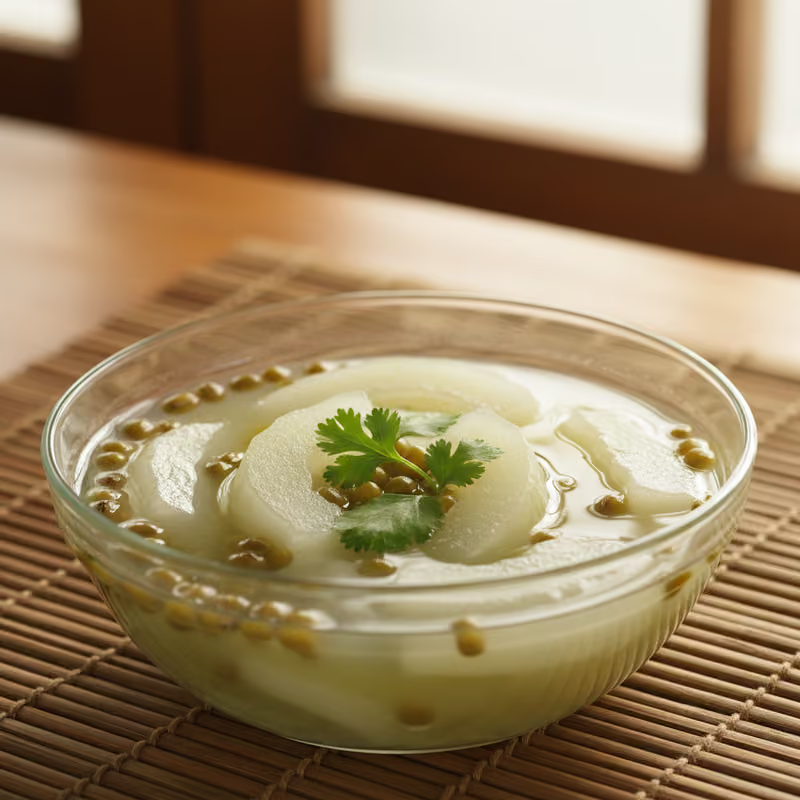
- Mung Beans: Widely considered a potent cooling food, mung beans are often consumed as a sweet soup in summer. From a nutritional perspective, they are a good source of protein, fiber, and various minerals. Their high fiber content can support digestive health.
- Watermelon: This fruit is extremely high in water content and provides natural sugars, electrolytes, and antioxidants like lycopene. Its hydrating properties are recognized by health bodies as beneficial for fluid balance.
- Cucumber: Primarily composed of water, cucumbers are hydrating and contain vitamins K and C, and potassium. They are often eaten raw or added to drinks for a refreshing effect.
- Leafy Greens: Many green leafy vegetables like bok choy, spinach, and lettuce are considered cooling. They are rich in vitamins, minerals, and fiber, contributing to overall nutritional intake.
- Melons (e.g., Cantaloupe, Honeydew): Similar to watermelon, these fruits are high in water, providing hydration, natural sugars, and various vitamins.
- Certain Fruits: Pears, apples, and oranges are traditionally considered cooling. They offer fiber, vitamins, and antioxidants.
- Herbs and Teas: Chrysanthemum tea, peppermint tea, and green tea are often consumed for their refreshing qualities and are considered cooling. Green tea, for example, is known for its antioxidant content.
Integrating Traditional and Modern Understanding: While traditional Chinese food theory operates on a different philosophical basis than modern nutritional science, there is often a convergence in practical recommendations. Eating high-water-content fruits and vegetables is a universally recognized strategy for staying hydrated and consuming essential nutrients, as advocated by organizations like the National Institutes of Health (NIH) and the Mayo Clinic. The traditional framework simply provides an additional lens through which to select these foods, emphasizing balance and harmony with environmental conditions.
Practical daily habits
Incorporating traditionally cooling foods into daily habits during summer can be a refreshing and potentially beneficial strategy. These practices often align with general dietary recommendations for healthy eating.
- Start the Day with Hydration: Begin with a glass of water, perhaps infused with cucumber slices or a few mint leaves, which are traditionally considered cooling. Consider a light breakfast that includes fruits like melon or berries.
- Embrace Soups and Broths: While warm, light vegetable or mung bean soups can be surprisingly effective. Mung bean soup, often sweetened lightly, is a classic summer refreshment in many East Asian cultures. The broth itself contributes to fluid intake.
- Focus on High-Water Content Foods: Make fruits like watermelon, cantaloupe, and honeydew staples for snacks or desserts. Incorporate cucumbers, lettuce, and other leafy greens into salads and main dishes. These foods contribute significantly to daily fluid intake.
- Choose Lighter Cooking Methods: Opt for steaming, blanching, or quick stir-frying over heavy, oil-laden dishes. These methods help preserve the fresh quality of vegetables and reduce the perceived "heat" of the meal.
- Incorporate Cooling Herbs: Fresh mint, cilantro, and basil can be added to salads, main courses, and beverages for a refreshing lift.
- Drink Cooling Beverages: Beyond plain water, consider traditional teas like chrysanthemum tea, green tea, or lightly sweetened iced herbal teas. Avoid excessive consumption of very cold, iced drinks, which some traditional perspectives suggest can constrict the digestive system. Room temperature or slightly cool beverages are often preferred.
- Mindful Snacking: Instead of processed snacks, reach for fresh fruit, a small bowl of mung bean jelly, or unsweetened yogurt (traditionally considered cooling in some systems) with berries.
- Balance with Grains and Proteins: While the focus is on cooling foods, ensure a balanced diet. Choose lighter grains like rice or millet. For proteins, fish, lean chicken, or tofu are often preferred over heavier red meats during hot weather.
By integrating these practical habits, individuals can naturally enhance their hydration and dietary comfort during the summer months, drawing upon time-honored traditions.
Common mistakes to avoid
While incorporating traditionally cooling foods can be beneficial, certain approaches or misconceptions might diminish their intended effects or lead to dietary imbalances.
- Excessive Consumption of Very Cold Drinks: While a cold drink might offer immediate relief, consuming too many heavily iced beverages in quick succession is traditionally believed by some to potentially shock the digestive system or lead to discomfort. Opt for cool or room-temperature drinks for consistent hydration. The body expends energy to warm very cold liquids to body temperature.
- Neglecting Essential Nutrients: Focusing solely on "cooling" attributes without considering the overall nutritional balance can be a mistake. Ensure that the diet still provides adequate protein, healthy fats, and a broad spectrum of vitamins and minerals. Relying only on a few select cooling foods could lead to nutrient deficiencies over time.
- Over-Reliance on Sweetened Cooling Foods: Many traditional cooling desserts, such as certain fruit juices or sweet mung bean soups, can contain significant amounts of added sugar. While refreshing, excessive sugar intake is not beneficial for health. Opt for naturally sweet fruits or prepare dishes with minimal added sweeteners.
- Ignoring Individual Body Constitution: Traditional Chinese thought often emphasizes individual differences in "body constitution." What is cooling for one person might be too cold for another, especially for those who inherently tend towards feeling cold. It is important to pay attention to one's own body's response rather than strictly adhering to generalized lists.
- Substituting Water with Other Beverages: While cooling teas and fruit juices can contribute to fluid intake, they should not entirely replace plain water. Water remains the most fundamental and effective hydrator.
- Assuming All Raw Foods are Better: While many cooling foods are consumed raw (like salads and fruits), some individuals, particularly those with sensitive digestive systems, might find large quantities of raw foods difficult to digest. Lightly cooked vegetables can be easier on the stomach while still providing beneficial nutrients.
- Ignoring Food Safety: In hot weather, food spoilage can occur more rapidly. Ensure proper storage, preparation, and consumption of fresh produce to prevent foodborne illnesses, as advised by organizations like the CDC.
- Disregarding Modern Medical Advice: Traditional dietary approaches are complementary to, not a replacement for, modern medical and public health guidance on hydration and heat safety. Always follow advice from recognized health authorities (like WHO, CDC) regarding managing heat-related conditions and fluid intake, especially for vulnerable populations.
By being mindful of these common pitfalls, individuals can more effectively and safely integrate traditional cooling food principles into their summer dietary habits.
When to see a professional
While dietary adjustments and traditional cooling foods can be part of a holistic approach to summer well-being, it is crucial to recognize when symptoms may indicate a more serious condition requiring professional medical attention. Self-treating or delaying professional assessment for heat-related illnesses can have severe consequences.
Seek Immediate Medical Attention (Emergency Services) If You or Someone Else Experiences Any of the Following Symptoms, Which May Indicate Heatstroke or Severe Dehydration:
- High Body Temperature: A core body temperature of 103°F (39.4°C) or higher.
- Altered Mental State: Confusion, disorientation, slurred speech, irritability, hallucinations, seizures, or loss of consciousness.
- Hot, Red, Dry, or Damp Skin: Skin may feel hot to the touch, and sweating may have stopped (though it can sometimes still be present).
- Rapid, Strong Pulse: Or a weak, rapid pulse.
- Throbbing Headache.
- Nausea and Vomiting.
Consult a Healthcare Professional If You Experience Symptoms of Heat Exhaustion or Significant Dehydration That Do Not Improve With Rest, Cooling Measures, and Fluid Intake, Including:
- Heavy Sweating: Excessive sweating for an extended period.
- Cold, Pale, Clammy Skin.
- Muscle Cramps: Often in the abdomen, arms, or legs.
- Fatigue, Weakness, or Dizziness.
- Headache.
- Nausea or Vomiting: Without signs of severe neurological impairment.
- Fainting: Especially if it occurs repeatedly.
- Persistent Thirst or Dry Mouth: That isn't relieved by drinking fluids.
- Decreased Urination: Or dark-colored urine.
Other Scenarios Requiring Professional Advice:
- Pre-existing Health Conditions: Individuals with chronic conditions such as heart disease, kidney disease, diabetes, or those taking certain medications (e.g., diuretics, antihistamines, blood pressure medications) are at higher risk for heat-related illnesses and dehydration. They should consult their healthcare provider about specific hydration needs and heat safety precautions.
- Infants and Young Children: They are particularly vulnerable to dehydration and heat stress. Any signs of heat-related illness or significant dehydration in a child warrant immediate medical evaluation.
- Elderly Individuals: Older adults may have a reduced ability to sense thirst and regulate body temperature, making them more susceptible. Any concerning symptoms should be discussed with a healthcare provider.
- Persistent Digestive Issues: If consuming certain "cooling" foods leads to persistent digestive discomfort, bloating, or other adverse reactions, a healthcare professional or a registered dietitian can offer personalized advice.
- Concerns About Dietary Balance: If you are significantly altering your diet based on traditional principles and have concerns about meeting all your nutritional needs, a registered dietitian can provide guidance.
Always prioritize your health and safety. When in doubt about any symptoms related to heat exposure or dehydration, err on the side of caution and seek professional medical guidance.
Frequently asked questions
What are "cooling foods" in traditional Chinese thought?
In traditional Chinese thought, "cooling foods" are those believed to have an energetic effect that helps the body dissipate internal heat and maintain balance, especially during warmer seasons. This classification is based on perceived effects on the body rather than literal temperature or modern nutritional science, although many such foods are high in water content and beneficial nutrients.
How do cooling foods help with dehydration during summer?
Many traditionally cooling foods, such as watermelon, cucumber, and leafy greens, are naturally rich in water. Consuming these foods contributes to overall fluid intake, which is essential for maintaining hydration and supporting the body's natural thermoregulation processes during hot weather, as recognized by health organizations like the World Health Organization.
Can I replace water with cooling teas or fruit juices?
While cooling teas (like chrysanthemum or green tea) and fruit juices can contribute to your daily fluid intake and offer beneficial compounds, plain water remains the most effective and essential fluid for hydration. It is generally recommended to prioritize water intake and consume other beverages in moderation, especially those that may contain added sugars.
Are there any scientific studies supporting the concept of cooling foods?
Modern scientific research typically focuses on the biochemical and physiological impacts of specific nutrients, compounds, and water content in foods rather than their "energetic" cooling or warming properties. However, many foods traditionally classified as cooling are indeed high in water, electrolytes, and antioxidants, which are scientifically recognized for their roles in hydration, thermoregulation, and overall health. For example, the hydrating benefits of high-water-content fruits and vegetables are well-established by bodies like the Centers for Disease Control and Prevention (CDC).
What are some easy ways to incorporate cooling foods into a daily diet?
To easily incorporate cooling foods, focus on high-water-content fruits like watermelon and melon as snacks or desserts. Add cucumbers and various leafy greens to salads. Prepare light vegetable soups or try a refreshing mung bean soup. Opt for lighter cooking methods like steaming and use fresh herbs like mint. Ensure regular intake of plain water alongside these dietary choices.
Key takeaways
- Traditional Perspective: "Cooling foods" in traditional Chinese thought are understood to possess energetic properties that help the body respond to heat and maintain balance, distinct from literal temperature.
- Hydration Benefits: Many traditionally cooling foods are naturally high in water content (e.g., watermelon, cucumber, leafy greens), contributing significantly to daily fluid intake—a scientifically recognized essential for preventing dehydration and supporting thermoregulation.
- Nutrient Rich: These foods often provide essential vitamins, minerals, and antioxidants, aligning with general healthy eating guidelines advocated by organizations like the National Institutes of Health (NIH).
- Practical Habits: Incorporate high-water-content fruits and vegetables, light soups, and herbal teas. Choose lighter cooking methods and use fresh herbs to enhance dishes.
- Avoid Common Mistakes: Be mindful of excessive consumption of very cold drinks, over-reliance on sweetened options, neglecting overall nutritional balance, and ignoring individual body responses.
- When to Seek Professional Help: While dietary choices are helpful, always seek immediate medical attention for symptoms of heatstroke or severe dehydration. Consult a healthcare professional for persistent heat exhaustion symptoms or if you have pre-existing health conditions.
- Complementary Approach: Traditional dietary practices serve as a complementary approach to modern public health recommendations for heat safety and hydration.
Related reading
Keep exploring this topic with our related, evidence-reviewed guides:
- Chinese Soups and Broths: Slow-Cooked Nutrition for Recovery — A practical, evidence-informed guide to chinese soup benefits — what matters, what works, common mistakes, and when to consult a p…
- Moxibustion in Chinese Medicine: Uses, Safety, and Modern Evidence — A practical, evidence-informed guide to moxibustion — what matters, what works, common mistakes, and when to consult a professiona…
- Fermented Chinese Foods: Pickles, Vinegar, and Gut Health — A practical, evidence-informed guide to fermented chinese food — what matters, what works, common mistakes, and when to consult a …
- Chinese Approaches to Back Pain: Movement, Heat, and Posture — A practical, evidence-informed guide to chinese back pain remedies — what matters, what works, common mistakes, and when to consul…
- Chinese Gut Health Wisdom: Warm Foods, Chewing, and Meal Rhythm — A practical, evidence-informed guide to chinese gut health — what matters, what works, common mistakes, and when to consult a prof…
- Chinese Herbal Medicine: 12 Classic Herbs and How They Are Used — A practical, evidence-informed guide to chinese herbal medicine — what matters, what works, common mistakes, and when to consult a…
Sources
- World Health Organization (WHO)
- Centers for Disease Control and Prevention (CDC)
- National Institutes of Health (NIH)
- NHS (National Health Service)
- Mayo Clinic
Sources
Evidence & citations
- Every claim in this chinese health wisdom guide is backed by primary data — browse the longevity and lifestyle health statistics in our sourced statistics library.
- Writing about this topic? Researchers, journalists and educators can cite our traditional Chinese health research with ready-made APA, MLA and Chicago references.
My notes on this one
The short version of 12 minutes of reading — what stuck with me while writing “Chinese Cooling Foods for Summer Heat and Dehydration”, what the sources back up, and what I'd actually do about it.
What I'd take away
01 · Why this matters
While modern science emphasizes the importance of electrolyte balance and fluid replacement, traditional dietary wisdom, such as that found in Chinese practices…
02 · Key principles
Eating high-water-content fruits and vegetables is a universally recognized strategy for staying hydrated and consuming essential nutrients…
03 · Practical daily habits
Start the Day with Hydration: Begin with a glass of water, perhaps infused with cucumber slices or a few mint leaves, which are traditionally considered cooling…
04 · Common mistakes to avoid
Ignoring Food Safety: In hot weather, food spoilage can occur more rapidly. Ensure proper storage, preparation, and consumption of fresh produce to prevent foodborne illnesses…
What the sources I read actually say
Eating high-water-content fruits and vegetables is a universally recognized strategy for staying hydrated and consuming essential nutrients…
World Health OrganizationFor example, the hydrating benefits of high-water-content fruits and vegetables are well-established by bodies like the Centers for Disease Control and Prevention (CDC).
Centers for Disease Control and PreventionNutrient Rich: These foods often provide essential vitamins, minerals, and antioxidants, aligning with general healthy eating guidelines advocated by organizations like the National Institutes of Heal…
National Institutes of Health
If you only do one thing this week
- Add cucumbers and various leafy greens to salads.
Pick the one that fits your week. None of this replaces advice from a clinician who can actually examine you.
Questions I kept coming back to
What are "cooling foods" in traditional Chinese thought?+
In traditional Chinese thought, "cooling foods" are those believed to have an energetic effect that helps the body dissipate internal heat and maintain balance, especially during warmer seasons. This classification is based on perceived effects on the body rather than literal temperature or modern nutritional science, although many such foods are high in water content and beneficial nutrients.
How do cooling foods help with dehydration during summer?+
Many traditionally cooling foods, such as watermelon, cucumber, and leafy greens, are naturally rich in water. Consuming these foods contributes to overall fluid intake, which is essential for maintaining hydration and supporting the body's natural thermoregulation processes during hot weather, as recognized by health organizations like the World Health Organization.
Can I replace water with cooling teas or fruit juices?+
While cooling teas (like chrysanthemum or green tea) and fruit juices can contribute to your daily fluid intake and offer beneficial compounds, plain water remains the most effective and essential fluid for hydration. It is generally recommended to prioritize water intake and consume other beverages in moderation, especially those that may contain added sugars.
Are there any scientific studies supporting the concept of cooling foods?+
Modern scientific research typically focuses on the biochemical and physiological impacts of specific nutrients, compounds, and water content in foods rather than their "energetic" cooling or warming properties. However, many foods traditionally classified as cooling are indeed high in water, electrolytes, and antioxidants, which are scientifically recognized for their roles in hydration, thermoregulation…
What are some easy ways to incorporate cooling foods into a daily diet?+
To easily incorporate cooling foods, focus on high-water-content fruits like watermelon and melon as snacks or desserts. Add cucumbers and various leafy greens to salads. Prepare light vegetable soups or try a refreshing mung bean soup. Opt for lighter cooking methods like steaming and use fresh herbs like mint. Ensure regular intake of plain water alongside these dietary choices.
Was this article helpful?
Be the first to rate this article.
Written by
FaizRuh
I write Health Hub Pro on my own — no clinical licence, no anonymous review panel. Just the published guidance, read carefully and explained plainly.
More about me →How this page was checked
Every claim above is checked against the sources listed at the bottom of this article — WHO, CDC, NIH, NHS, Cochrane and major clinical guidelines. Drafting is AI-assisted; the editing, fact-checking and final wording are mine. It's information, not medical advice. Spotted an error? Tell me and I'll fix it.
Last checked on