Chinese Gut Health Wisdom: Warm Foods, Chewing, and Meal
A practical, evidence-informed guide to chinese gut health — what matters, what works, common mistakes, and when to consult a professional.
For informational purposes only. This article is educational and is not a substitute for professional medical advice, diagnosis, or treatment. Always consult a qualified healthcare provider about anything affecting your health. Read full disclaimer.
Chinese Gut Health Wisdom: Warm Foods, Chewing, and Meal Rhythm
(Not medical or veterinary advice — consult a qualified clinician or veterinarian for personal guidance.)
Introduction
Across various cultures and traditions, the importance of gut health has long been recognized as central to overall well-being. In traditional Chinese thought, the digestive system, often referred to as the "middle jiao" or the "Spleen and Stomach" system, is considered the foundation of health. It is believed to be responsible for transforming food and drink into vital energy (Qi) and nourishing essences that circulate throughout the body, supporting all physiological functions. A well-functioning digestive system is thus seen as crucial for maintaining energy levels, supporting the immune system, and promoting mental clarity.
This perspective emphasizes a holistic approach, where dietary choices, eating habits, and even emotional states are interconnected with digestive function. Unlike a purely mechanistic view, traditional Chinese thought often focuses on concepts like "warmth," "balance," and "rhythm" to describe and maintain optimal gut health. This article explores key principles derived from this wisdom, focusing on practical, evidence-informed habits like consuming warm foods, thorough chewing, and maintaining regular meal rhythms, while adhering to modern scientific understanding where applicable. The aim is to provide general insights into these practices for supporting digestive comfort and overall vitality.
Why this matters
The digestive system plays a multifaceted role beyond simply processing food. It is intimately involved in nutrient absorption, waste elimination, and host defense. A significant portion of the body's immune cells reside in the gut, making its health directly relevant to immune function. Furthermore, the gut-brain axis, a bidirectional communication system between the digestive tract and the central nervous system, highlights the profound connection between gut health and mental well-being, influencing mood, stress responses, and cognitive functions.
Disruptions in digestive function, often termed "dysbiosis" in modern science, can manifest in various ways, from discomfort and irregular bowel movements to more systemic concerns impacting energy levels, skin health, and immune resilience. Therefore, prioritizing gut health is not merely about addressing digestive symptoms but about fostering a robust foundation for holistic health.
Traditional Chinese wisdom, through centuries of observation and practice, has developed a nuanced understanding of how daily habits influence the gut. The emphasis on "warmth" in food, for instance, is thought to support the digestive "fire" or metabolic processes. Thorough chewing is seen as the first crucial step in breaking down food, easing the burden on the stomach and intestines. Establishing a consistent meal rhythm is believed to regulate the digestive organs, allowing them to function efficiently and prevent stagnation.
While modern science may use different terminology and investigative methods, many of these traditional concepts align with contemporary understanding of digestive physiology. For example, the idea of "warming" foods can relate to reducing the energetic burden on the body to process extremely cold items, or the benefits of cooked versus raw foods in terms of digestibility for some individuals. The importance of chewing is universally recognized as vital for mechanical digestion and enzyme activation. Meal regularity supports the body's natural circadian rhythms, including those governing digestive enzymes and gut motility. Understanding these principles can offer practical, accessible ways to support digestive health in daily life.
Key principles (evidence-informed)
The traditional Chinese approach to gut health is built upon several foundational principles, many of which find resonance in contemporary scientific understanding.
1. The Spleen and Stomach as the Root of Post-Natal Qi: In traditional Chinese thought, the Spleen and Stomach are central to digestion and assimilation. The Stomach is responsible for "rotting and ripening" food, while the Spleen transforms and transports nutrients (Gu Qi) throughout the body, providing the energy for all physiological processes. The Spleen also governs the transformation of fluids, preventing dampness accumulation. A strong Spleen and Stomach are vital for abundant Qi and blood, supporting vitality and immune function.
(WHO, NIH, Mayo Clinic) Modern nutrition and physiology acknowledge the stomach's role in initial breakdown via acid and enzymes, and the small intestine's role in nutrient absorption. The concept of "energy" from food aligns with the biochemical processes of converting macronutrients into ATP (adenosine triphosphate), the body's energy currency. The immune system's reliance on adequate nutrition is also well-established.
2. Emphasis on Warmth and Cooked Foods: Traditional Chinese dietary wisdom often prioritizes warm, cooked foods and beverages. This is believed to support the "Spleen Yang" or digestive fire, making it easier for the body to break down and assimilate nutrients. Cold foods and drinks, especially in excess, are thought to dampen this digestive fire, potentially leading to stagnation, discomfort, and the accumulation of dampness.
(NIH, Mayo Clinic) While the concept of "digestive fire" is metaphorical, there are physiological underpinnings. The body expends energy to warm ingested food and liquids to body temperature. Consuming very cold items might temporarily divert blood flow or slow enzyme activity in some individuals, particularly those with sensitive digestive systems. Cooked foods often have cellular structures broken down, making them easier to digest and nutrients more bioavailable for certain plant and animal products compared to their raw counterparts. For some, especially those with compromised digestion or certain inflammatory conditions, raw foods can be harder to process, leading to symptoms like bloating or gas.
3. Importance of Thorough Chewing: This is a universal principle across many health traditions. In Chinese wisdom, adequate chewing (often advised to chew each mouthful 30-50 times) is seen as the critical first step in digestion. It not only mechanically breaks down food but also mixes it with saliva, initiating enzymatic digestion. Inadequate chewing is believed to overburden the Stomach and Spleen, leading to incomplete digestion and nutrient malabsorption.
(WHO, NIH, Mayo Clinic) Modern science strongly supports the importance of chewing. Mechanical breakdown reduces particle size, increasing the surface area for digestive enzymes to act upon. Saliva contains enzymes like amylase (for carbohydrates) and lipase (for fats), starting chemical digestion even before food reaches the stomach. Proper chewing also signals satiety more effectively, potentially aiding in weight management, and can reduce symptoms of acid reflux and bloating by decreasing air swallowing and improving the stomach's ability to process food.
4. Regular Meal Rhythm and Avoiding Overeating: Eating at consistent times is emphasized to regulate the digestive organs and allow them to function optimally. Irregular meals or skipping meals can disrupt the body's natural digestive rhythms. Similarly, overeating is considered highly detrimental, as it overburdens the Stomach and Spleen, leading to stagnation, accumulation, and dampness. Eating until one is about 70-80% full is a common recommendation.
(WHO, NIH, Mayo Clinic) The body's physiological processes, including digestion, operate on circadian rhythms. Regular meal times can synchronize these rhythms, optimizing enzyme secretion and gut motility. Studies suggest that irregular meal patterns can disrupt metabolic health. Overeating, especially large, infrequent meals, puts a strain on the digestive system, leading to discomfort, inefficient digestion, and potential long-term metabolic issues. The practice of "hara hachi bu" (eating until 80% full), though Japanese in origin, reflects a similar principle of moderate intake, which has been linked to better metabolic health and longevity.
5. Mindful Eating and Calm Environment: Eating in a relaxed state, free from stress and distractions, is considered essential. Stress and strong emotions are believed to directly impact the Liver Qi, which in turn can disrupt the Spleen and Stomach, leading to digestive issues. A calm eating environment allows the body to properly engage the "rest and digest" (parasympathetic) nervous system.
(NIH, Mayo Clinic) This principle is strongly supported by the understanding of the gut-brain axis. The enteric nervous system (ENS), often called the "second brain" in the gut, is highly sensitive to stress. When the body is in a "fight or flight" (sympathetic) state due to stress, digestive processes are often inhibited. Blood flow is diverted away from the digestive organs, enzyme production can decrease, and gut motility can be disrupted, leading to symptoms like indigestion, abdominal pain, and altered bowel habits. Mindful eating practices, by promoting relaxation and focus on the meal, can enhance digestion and nutrient absorption.
Practical daily habits
Integrating principles from Chinese gut health wisdom into daily life involves making conscious choices about food, eating patterns, and overall lifestyle. These habits are generally accessible and can contribute to digestive comfort and improved well-being.
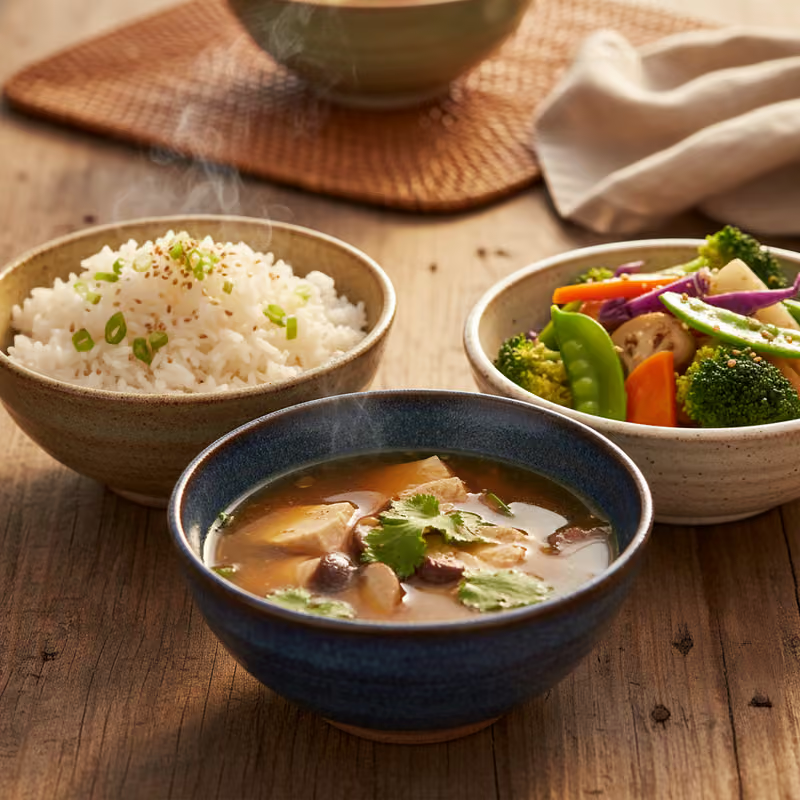
1. Prioritize Warm, Cooked Foods and Beverages: * Start the day warm: Instead of cold cereal or yogurt, consider a warm breakfast such as oatmeal, a gentle congee (rice porridge), or scrambled eggs. * Soups and stews: Incorporate nourishing broths, soups, and stews into your diet, especially during cooler months. These are hydrating and generally easy to digest. * Steamed or stir-fried vegetables: Opt for cooked vegetables over large quantities of raw salads, particularly if you experience digestive sensitivity. * Warm drinks: Choose warm water, herbal teas (ginger tea, fennel tea), or hot tea throughout the day instead of iced beverages. If you must consume cold drinks, sip them slowly and not immediately before or after a meal. * Avoid excessive cold foods: Minimize intake of very cold items like ice cream, large quantities of raw fruits (especially tropical fruits in colder climates), and chilled drinks, particularly on an empty stomach or with meals. If consuming fruits, opt for those closer to room temperature.
2. Practice Thorough Chewing: * Conscious chewing: Make an effort to chew each mouthful until the food is a paste-like consistency, or at least until it loses its texture. A common recommendation is 20-30 chews per mouthful, though some traditional sources suggest higher numbers. * Put down your fork: Between bites, place your utensil down. This naturally slows down your eating pace and encourages more mindful chewing. * Focus on the taste and texture: Engage your senses during chewing. This not only aids digestion but also enhances enjoyment of the meal and promotes satiety. * Cut food into smaller pieces: This can make chewing easier and more efficient, especially for tough meats or fibrous vegetables.
3. Establish a Regular Meal Rhythm: * Consistent meal times: Aim to eat your main meals (breakfast, lunch, dinner) at roughly the same times each day. This helps regulate your body's digestive clock. * Three balanced meals: Focus on consuming three moderate-sized meals rather than grazing continuously or skipping meals and then overeating. * Listen to your body: Eat when you are genuinely hungry, but try to maintain a general schedule. Avoid eating out of boredom or stress. * Light dinner: In traditional Chinese thought, the digestive "fire" is considered weaker in the evening. A lighter, earlier dinner (ideally a few hours before sleep) is often recommended to allow for adequate digestion before bed. * Avoid late-night snacking: Give your digestive system a break for several hours before bedtime to support repair and regeneration.
4. Cultivate Mindful Eating and a Calm Environment: * Eat in a relaxed setting: Create a peaceful atmosphere for meals. Turn off distractions like television, phones, and computers. * Sit down to eat: Avoid eating on the go or standing up, as this can signal stress to the body and impede digestion. * Take a few deep breaths: Before starting a meal, take a few slow, deep breaths to transition into a relaxed state, activating the parasympathetic nervous system. * Appreciate your food: Acknowledge the food before you. This simple act can foster mindfulness and gratitude, further aiding digestion. * Avoid intense discussions or work during meals: These can create stress and divert mental energy away from the digestive process.
5. Hydration with Warm Liquids: * Sip warm water: Throughout the day, especially between meals, sip warm or room-temperature water or herbal teas. This helps to hydrate and supports digestive regularity. * Avoid drinking large amounts with meals: While some fluid is fine, consuming excessive liquids with meals can dilute digestive enzymes and stomach acid, potentially hindering digestion. It's often recommended to drink mostly between meals.
By consistently applying these practices, individuals may experience improved digestive comfort, better nutrient absorption, and an overall sense of balance and vitality.
Common mistakes to avoid
While the principles of Chinese gut health wisdom offer valuable guidance, it's equally important to be aware of common pitfalls that can undermine digestive well-being. Avoiding these mistakes can enhance the effectiveness of positive habits.
1. Eating Too Quickly or Distractedly: * The Error: Rushing through meals, eating while working, watching TV, or scrolling on a phone. This leads to insufficient chewing and inadequate mixing of food with digestive enzymes in the mouth. It also keeps the body in a state of stress (sympathetic nervous system dominance), diverting resources away from digestion. * Impact: Overburdens the stomach and intestines, leading to incomplete digestion, potential nutrient malabsorption, gas, bloating, and discomfort. It can also disrupt satiety signals, leading to overeating.
2. Excessive Consumption of Cold or Raw Foods: * The Error: Regularly consuming large quantities of iced drinks, cold raw salads, ice cream, or very cold fruits, especially on an empty stomach or if one has a tendency towards digestive weakness. * Impact: In traditional thought, this "dampens the Spleen Yang" or digestive fire. From a physiological perspective, the body expends energy to warm these items to body temperature, which might tax a sensitive system. It can slow down enzymatic activity and may contribute to feelings of sluggishness, bloating, and loose stools in some individuals.
3. Irregular Meal Times and Skipping Meals: * The Error: Eating erratically, often skipping breakfast or lunch, and then compensating with large meals later in the day, or grazing frequently without structured meals. * Impact: Disrupts the body's natural circadian rhythms for digestion, which are crucial for optimal enzyme production and gut motility. It can lead to imbalances in blood sugar, increased cravings, and puts undue strain on the digestive organs, potentially causing digestive upset and metabolic dysregulation.
4. Overeating or Eating Too Late at Night: * The Error: Consuming meals that are too large, eating until feeling uncomfortably full, or having heavy meals close to bedtime. * Impact: Overburdens the digestive system, leading to stagnation, heartburn, acid reflux, discomfort, and disturbed sleep. Digestion is less efficient during sleep, and the body's energy should be directed towards repair and regeneration, not processing a heavy meal.
5. Ignoring Body Signals: * The Error: Eating when not hungry, continuing to eat past satiety, or consuming foods that consistently cause digestive upset without adjusting dietary choices. * Impact: Disconnects an individual from their body's innate wisdom. Persistent ignoring of signals like bloating, gas, pain, or fatigue after eating can exacerbate digestive issues and lead to chronic discomfort.
6. Consuming Highly Processed Foods and Artificial Ingredients: * The Error: A diet high in refined sugars, unhealthy fats, artificial additives, and low-fiber processed foods. * Impact: While not exclusively a Chinese wisdom concept, this aligns with the principle of nourishing the body with "clean" and easily digestible foods. Processed foods often lack vital nutrients, can disrupt the gut microbiome, and contain ingredients that are difficult for the body to recognize and process, contributing to inflammation and digestive dysfunction.
7. Excessive Worry, Stress, and Negative Emotions While Eating: * The Error: Eating while experiencing significant emotional distress, anger, frustration, or anxiety. * Impact: The gut-brain axis ensures that emotional states directly influence digestion. Stress activates the "fight or flight" response, diverting blood flow away from the digestive organs and inhibiting enzyme secretion and gut motility. This can lead to indigestion, stomach cramps, changes in bowel habits, and exacerbate conditions like irritable bowel syndrome (IBS).
By consciously avoiding these common errors and coupling this awareness with the positive daily habits mentioned previously, individuals can cultivate a more harmonious and efficient digestive system, aligning with both traditional wisdom and modern physiological understanding.
When to see a professional
While incorporating traditional wisdom into daily routines can support general digestive well-being, it is crucial to recognize when symptoms warrant professional medical attention. Self-treatment should not replace a proper diagnosis and management plan from a qualified healthcare provider.
Consult a healthcare professional if you experience:
- Persistent or severe abdominal pain: Especially if it is new, worsening, or accompanied by other concerning symptoms.
- Unexplained changes in bowel habits: This includes chronic diarrhea, persistent constipation, or alternating patterns of both, particularly if lasting more than a few weeks.
- Blood in stool (red or black) or rectal bleeding: Any presence of blood warrants immediate medical evaluation.
- Unintended weight loss: Losing weight without making conscious dietary changes or increasing physical activity can be a sign of an underlying health issue.
- Difficulty swallowing (dysphagia) or painful swallowing (odynophagia): These can indicate issues in the esophagus.
- Persistent nausea or vomiting: Especially if it's severe, frequent, or contains blood.
- Chronic heartburn or acid reflux that doesn't respond to over-the-counter remedies: While occasional heartburn is common, persistent symptoms can indicate gastroesophageal reflux disease (GERD) or other issues.
- New onset or worsening food sensitivities or allergies: While a professional may not be able to address all food sensitivities, they can help identify true allergies.
- Jaundice: Yellowing of the skin or eyes, which can indicate liver or gallbladder problems.
- Severe bloating, distension, or excessive gas: Especially if it's chronic and significantly impacts quality of life.
- Any other new, unusual, or concerning digestive symptoms: If you are worried about your symptoms or they are impacting your daily life, seeking professional advice is always recommended.
A medical doctor can evaluate your symptoms, conduct appropriate diagnostic tests (such as blood tests, stool tests, endoscopy, colonoscopy, or imaging studies), and provide an accurate diagnosis and evidence-based treatment plan. Depending on the diagnosis, they may refer you to a gastroenterologist, a specialist in digestive diseases. It is important to remember that general wellness practices are complementary to, not a replacement for, professional medical care when symptoms are persistent or severe.
Frequently asked questions
What are "warm foods" in traditional Chinese thought, and why are they important?
In traditional Chinese thought, "warm foods" refer not necessarily to their temperature when eaten, but to their energetic properties and how they are believed to influence the body's internal "digestive fire" or metabolic processes. Cooked foods, especially those that are gently simmered, steamed, or stir-fried, are generally considered energetically warming or neutral. Examples include root vegetables, grains like rice and oats, cooked meats, and warming spices like ginger and cinnamon. Very cold or raw foods, on the other hand, are considered energetically cooling and are believed to dampen the "Spleen Yang," making digestion more difficult. The importance lies in supporting the body's inherent ability to transform food into vital energy (Qi) and nutrients, which is thought to be more efficient when the digestive system is not stressed by processing cold items.
How does chewing properly aid digestion from a physiological perspective?
Thorough chewing is the first crucial step in mechanical digestion. It physically breaks down food into smaller particles, increasing the surface area for digestive enzymes to act upon. Simultaneously, chewing stimulates the production and mixing of saliva with food. Saliva contains enzymes such as amylase, which begins the chemical breakdown of carbohydrates, and lipase, which starts fat digestion. Proper chewing also signals to the stomach and pancreas to prepare for incoming food by releasing digestive acids and enzymes. Moreover, it can reduce the amount of air swallowed, thereby lessening gas and bloating, and supports the body's ability to sense satiety, potentially aiding in weight management.
Is it always better to eat warm foods, or are there exceptions?
While warm, cooked foods are generally emphasized in traditional Chinese wisdom for supporting digestion, there are exceptions and nuances. For individuals with robust digestive systems, or during very hot weather, small amounts of raw or cooler foods might be tolerated well. Some raw fruits and vegetables, when consumed in moderation and chewed thoroughly, can provide valuable enzymes and nutrients. However, for those with sensitive digestion, symptoms like bloating, gas, or discomfort after eating cold or raw items suggest that minimizing their intake and preferring cooked alternatives might be beneficial. It's about finding balance and observing individual responses, rather than rigidly adhering to a rule without considering one's specific circumstances or environment.
What is the ideal meal rhythm according to Chinese gut health principles?
The ideal meal rhythm generally involves three regular, moderate-sized meals a day, with a focus on consistency. Breakfast is often considered the most important meal, providing energy for the day after the body's overnight fast. Lunch is typically the largest and most substantial meal, as the digestive "fire" is believed to be strongest around midday. Dinner is usually advised to be lighter and consumed earlier in the evening, ideally a few hours before sleep, to allow the digestive system ample time to process food before the body enters its resting and repair phase. Avoiding late-night eating, skipping meals, or excessive snacking between meals is often recommended to maintain digestive harmony and prevent stagnation.
How does stress impact gut health, and how can mindful eating help?
Stress has a profound impact on gut health through the gut-brain axis, a complex communication network between the brain and the digestive system. When the body is under stress, the "fight or flight" (sympathetic) nervous system is activated, which can divert blood flow away from the digestive organs, slow down gut motility, decrease the production of digestive enzymes and stomach acid, and alter the gut microbiome. This can lead to symptoms like indigestion, abdominal pain, altered bowel habits, and exacerbate conditions like irritable bowel syndrome (IBS). Mindful eating, by contrast, activates the "rest and digest" (parasympathetic) nervous system. It involves paying full attention to the meal—its smells, tastes, and textures—eating slowly, and in a relaxed environment. This practice helps reduce stress, promotes optimal digestive enzyme release, improves nutrient absorption, and allows the body to process food more efficiently and comfortably.
Key takeaways
The wisdom of traditional Chinese approaches to gut health offers a comprehensive framework for nurturing digestive well-being, aligning with many aspects of modern physiological understanding. The core principles emphasize a holistic connection between diet, eating habits, and overall vitality.
- Warmth and Digestibility: Prioritizing warm, cooked foods and beverages is central. This practice is believed to support the body's inherent digestive capacity, making food easier to break down and assimilate nutrients.
- Thorough Chewing as the First Step: Adequate chewing is highlighted as crucial for initiating digestion, both mechanically and enzymatically, thereby reducing the burden on subsequent digestive organs and promoting nutrient absorption.
- Consistent Meal Rhythm: Establishing regular meal times and avoiding overeating or late-night meals helps synchronize the body's digestive rhythms, optimizing organ function and preventing stagnation.
- Mindful Eating: Cultivating a calm and focused environment during meals is paramount. Stress and distraction are recognized as impediments to efficient digestion, while mindfulness supports the body's natural "rest and digest" mechanisms.
- Listen to Your Body: A key underlying theme is developing an awareness of one's individual digestive responses and adapting practices accordingly, recognizing that what benefits one person may differ for another.
By integrating these evidence-informed habits into daily life, individuals can proactively support their gut health, potentially leading to improved digestive comfort, enhanced energy levels, and a stronger foundation for overall well-being. It is important to remember that these practices are complementary to, and not a replacement for, professional medical advice when dealing with persistent or severe digestive symptoms.
Related reading
Keep exploring this topic with our related, evidence-reviewed guides:
- Why Chinese Families Drink Warm Water and What It Does for Digestion — A practical, evidence-informed guide to warm water benefits — what matters, what works, common mistakes, and when to consult a pro…
- Fermented Chinese Foods: Pickles, Vinegar, and Gut Health — A practical, evidence-informed guide to fermented chinese food — what matters, what works, common mistakes, and when to consult a …
- Chinese Postnatal and Recovery Traditions: Rest, Warmth, and Nourishment — A practical, evidence-informed guide to chinese confinement — what matters, what works, common mistakes, and when to consult a pro…
- Congee: Why China's Healing Breakfast Is Good for Digestion — A practical, evidence-informed guide to congee benefits — what matters, what works, common mistakes, and when to consult a profess…
- Chinese Mushroom Wisdom: Shiitake, Reishi, and Wood Ear for Immunity — A practical, evidence-informed guide to medicinal mushrooms — what matters, what works, common mistakes, and when to consult a pro…
- Chinese Seasonal Eating: How to Match Your Plate to the Time of Year — A practical, evidence-informed guide to chinese seasonal eating — what matters, what works, common mistakes, and when to consult a…
Sources
- World Health Organization (WHO)
- National Institutes of Health (NIH)
- Centers for Disease Control and Prevention (CDC)
- Mayo Clinic
- National Health Service (NHS)
- Cochrane Library
Sources
Evidence & citations
- Every claim in this chinese health wisdom guide is backed by primary data — browse the longevity and lifestyle health statistics in our sourced statistics library.
- Writing about this topic? Researchers, journalists and educators can cite our traditional Chinese health research with ready-made APA, MLA and Chicago references.
My notes on this one
The short version of 18 minutes of reading — what stuck with me while writing “Chinese Gut Health Wisdom: Warm Foods, Chewing, and Meal”, what the sources back up, and what I'd actually do about it.
What I'd take away
01 · Why this matters
For example, the idea of "warming" foods can relate to reducing the energetic burden on the body to process extremely cold items…
02 · Key principles
The practice of "hara hachi bu" (eating until 80% full), though Japanese in origin, reflects a similar principle of moderate intake, which has been linked to better metabolic health and longevity.
03 · Practical daily habits
Hydration with Warm Liquids: By consistently applying these practices, individuals may experience improved digestive comfort, better nutrient absorption, and an overall sense of balance and vitality.
04 · Common mistakes to avoid
Impact: Overburdens the stomach and intestines, leading to incomplete digestion, potential nutrient malabsorption, gas, bloating, and discomfort. It can also disrupt satiety signals, leading to overeating.
What the sources I read actually say
Depending on the diagnosis, they may refer you to a gastroenterologist, a specialist in digestive diseases.
Centers for Disease Control and Prevention
If you only do one thing this week
- Start the day warm — Instead of cold cereal or yogurt, consider a warm breakfast such as oatmeal, a gentle congee (rice porridge), or scrambled eggs.
- Cut food into smaller pieces — This can make chewing easier and more efficient, especially for tough meats or fibrous vegetables.
- Avoid late-night snacking — Give your digestive system a break for several hours before bedtime to support repair and regeneration.
- Eat in a relaxed setting — Create a peaceful atmosphere for meals. Turn off distractions like television, phones, and computers.
- Avoid intense discussions or work during meals — These can create stress and divert mental energy away from the digestive process.
Pick the one that fits your week. None of this replaces advice from a clinician who can actually examine you.
Questions I kept coming back to
What are "warm foods" in traditional Chinese thought, and why are they important?+
In traditional Chinese thought, "warm foods" refer not necessarily to their temperature when eaten, but to their energetic properties and how they are believed to influence the body's internal "digestive fire" or metabolic processes. Cooked foods, especially those that are gently simmered, steamed, or stir-fried, are generally considered energetically warming or neutral. Examples include root vegetables…
How does chewing properly aid digestion from a physiological perspective?+
Thorough chewing is the first crucial step in mechanical digestion. It physically breaks down food into smaller particles, increasing the surface area for digestive enzymes to act upon. Simultaneously, chewing stimulates the production and mixing of saliva with food. Saliva contains enzymes such as amylase, which begins the chemical breakdown of carbohydrates, and lipase, which starts fat digestion…
Is it always better to eat warm foods, or are there exceptions?+
While warm, cooked foods are generally emphasized in traditional Chinese wisdom for supporting digestion, there are exceptions and nuances. For individuals with robust digestive systems, or during very hot weather, small amounts of raw or cooler foods might be tolerated well. Some raw fruits and vegetables, when consumed in moderation and chewed thoroughly, can provide valuable enzymes and nutrients. However…
What is the ideal meal rhythm according to Chinese gut health principles?+
The ideal meal rhythm generally involves three regular, moderate-sized meals a day, with a focus on consistency. Breakfast is often considered the most important meal, providing energy for the day after the body's overnight fast. Lunch is typically the largest and most substantial meal, as the digestive "fire" is believed to be strongest around midday…
How does stress impact gut health, and how can mindful eating help?+
Stress has a profound impact on gut health through the gut-brain axis, a complex communication network between the brain and the digestive system. When the body is under stress, the "fight or flight" (sympathetic) nervous system is activated, which can divert blood flow away from the digestive organs, slow down gut motility, decrease the production of digestive enzymes and stomach acid, and alter the gut microbiome…
Was this article helpful?
Be the first to rate this article.
Written by
FaizRuh
I write Health Hub Pro on my own — no clinical licence, no anonymous review panel. Just the published guidance, read carefully and explained plainly.
More about me →How this page was checked
Every claim above is checked against the sources listed at the bottom of this article — WHO, CDC, NIH, NHS, Cochrane and major clinical guidelines. Drafting is AI-assisted; the editing, fact-checking and final wording are mine. It's information, not medical advice. Spotted an error? Tell me and I'll fix it.
Last checked on