Chinese Postnatal and Recovery Traditions: Rest, Warmth, and
A practical, evidence-informed guide to chinese confinement — what matters, what works, common mistakes, and when to consult a professional.
For informational purposes only. This article is educational and is not a substitute for professional medical advice, diagnosis, or treatment. Always consult a qualified healthcare provider about anything affecting your health. Read full disclaimer.
Chinese Postnatal and Recovery Traditions: Rest, Warmth, and Nourishment
(Not medical or veterinary advice — consult a qualified clinician or veterinarian for personal guidance.)
Introduction
Postpartum recovery is a critical period for individuals who have given birth, offering a unique opportunity for physical healing and emotional adjustment. Across various cultures, distinct traditions have evolved to support this transition. In many East Asian societies, particularly in China, a comprehensive system known as "坐月子" (zuò yuè zi), or "sitting the month," has been practiced for centuries. This tradition encompasses a structured period of confinement and specific practices aimed at facilitating the birthing person's recovery, restoring their energy, and promoting well-being for both the individual and their newborn.
The core tenets of Chinese postnatal care traditions revolve around rest, maintaining warmth, and consuming specially prepared nourishing foods. These practices are deeply rooted in traditional Chinese medicine (TCM) principles, which emphasize balancing the body's 'qi' (vital energy) and blood, dispelling 'cold,' and supporting the replenishment of nutrients believed to be depleted during childbirth. While modern medical understanding has advanced significantly, many of these traditional practices continue to resonate and are adapted in contemporary settings, often integrated with conventional postpartum care. This article explores the historical context, key principles, practical habits, and potential considerations associated with Chinese postnatal recovery traditions, aiming to provide an evidence-informed perspective.
Why this matters
The postpartum period, often referred to as the "fourth trimester," is a time of profound physiological and psychological change. The birthing body undergoes significant recovery from childbirth, including uterine involution, hormone fluctuations, and the healing of any tears or incisions. Simultaneously, individuals navigate the demands of newborn care, sleep deprivation, and emotional adjustments that can include both joy and vulnerability. Without adequate support and care, the risk of postpartum complications, both physical and mental, can increase.
Traditional Chinese postnatal practices address these critical needs by providing a structured framework for recovery. This framework emphasizes:
- Optimal Physical Recovery: By mandating rest and limiting strenuous activity, these traditions aim to allow the uterus and other internal organs to heal properly, minimize bleeding, and prevent conditions such as uterine prolapse. The focus on warmth is believed to support circulation and deter perceived 'cold' influences that could hinder healing.
- Nutritional Replenishment: Specific dietary regimens are designed to replenish blood, boost energy, and support lactation. Ingredients often include nutrient-dense foods believed to aid healing and strengthen the body.
- Emotional and Mental Well-being: The confinement period, typically lasting 30 to 40 days, creates a dedicated space for the birthing individual to focus solely on recovery and bonding with their baby, often with extensive support from family members. This can potentially reduce stress and the risk of postpartum mood disorders by ensuring adequate rest and relief from household duties.
- Cultural Significance and Social Support: For many, adhering to these traditions is a way to honor cultural heritage and accept the support of their community and family. This social network can be a vital buffer against isolation and exhaustion.
Understanding and potentially adapting aspects of these traditions, in consultation with healthcare professionals, can contribute to a more holistic and supported postpartum experience, acknowledging the interconnectedness of physical, mental, and cultural well-being.
Key principles (evidence-informed)
Traditional Chinese postnatal practices are underpinned by several key principles, often rooted in Traditional Chinese Medicine (TCM) philosophy. While TCM concepts like 'qi' and 'cold' may differ from Western biomedical terms, many of the practical recommendations align with modern health guidance concerning rest, nutrition, and hygiene.
Rest and recuperation
This is perhaps the most fundamental principle. The birthing individual is encouraged to engage in minimal physical activity, often staying indoors and avoiding strenuous tasks, lifting heavy objects, or climbing stairs. The rationale is to conserve energy, allow the uterus to contract and return to its pre-pregnancy size (involution), and facilitate the healing of any perineal tears or C-section incisions.
- WHO (World Health Organization): Emphasizes the importance of adequate rest for postpartum individuals to recover from childbirth, cope with the demands of newborn care, and promote mental well-being.
- NIH (National Institutes of Health): General medical guidance supports rest for physical recovery following significant physiological events like childbirth, particularly to aid in wound healing and energy restoration.
Maintaining warmth and avoiding 'cold'
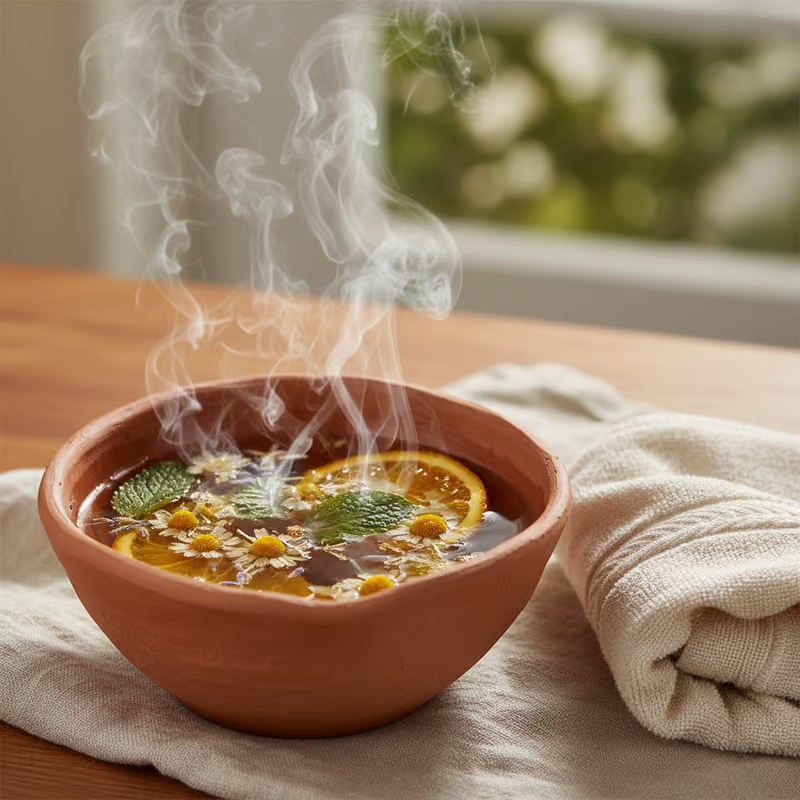
This principle suggests protecting the body from cold, both internally and externally. This includes avoiding cold foods and drinks, keeping the body well-covered, and sometimes refraining from bathing or washing hair for a period (or using only warm water). In TCM, 'cold' is often associated with stagnation, pain, and impaired circulation, which is believed to hinder recovery and potentially lead to future health issues.
- Modern interpretation: While avoiding cold water or drafts for weeks may not be directly supported by contemporary medical evidence as preventing specific postpartum complications, the concept of keeping comfortable and preventing chilling aligns with general well-being. Exposure to extreme cold can cause muscle tension and discomfort. Warm baths (once cleared by a professional, especially after C-section or perineal tears) can be soothing and aid relaxation. Warm foods and drinks are generally more comforting and easier to digest for many people.
Nutritional replenishment and specific dietary practices
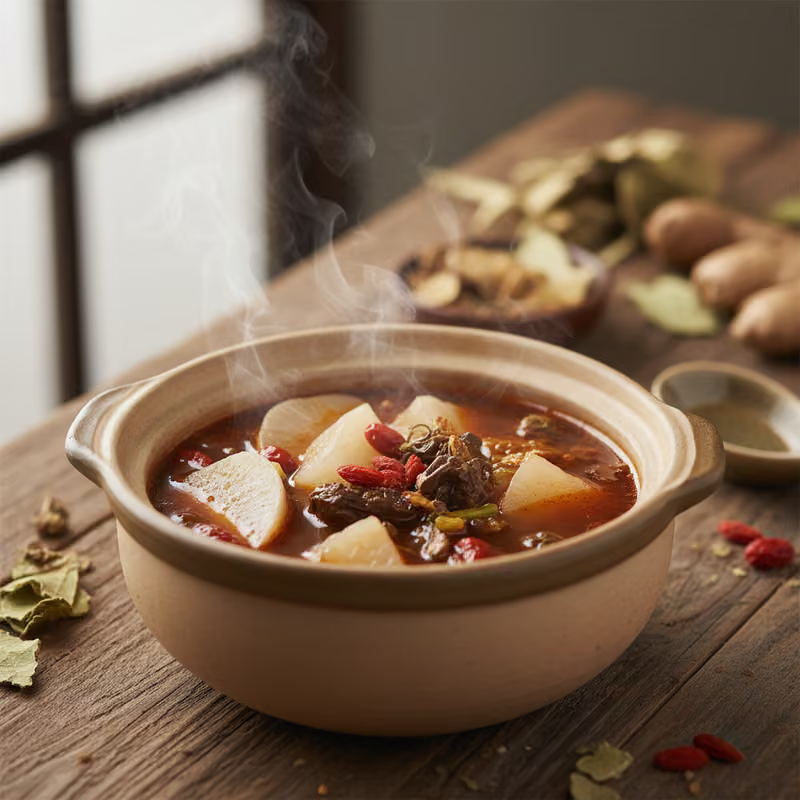
Diet plays a crucial role, focusing on warm, easily digestible, and nourishing foods. The diet is often rich in protein, iron, and warming spices. Specific ingredients like ginger, red dates, goji berries, black vinegar, and various herbs are commonly used. Meals are designed to replenish blood, boost 'qi', strengthen the body, and support milk production. Cold or raw foods, spicy foods, and sometimes certain fruits are often avoided.
- Mayo Clinic: Advocates for a nutritious, balanced diet postpartum, rich in whole grains, fruits, vegetables, lean proteins, and healthy fats, especially important for breastfeeding individuals. Specific cultural foods can be integrated into this framework.
- CDC (Centers for Disease Control and Prevention): Recommends maintaining adequate hydration and consuming a nutrient-dense diet to support recovery and lactation. Focus on iron-rich foods, especially if there was significant blood loss.
- NHS (National Health Service): Provides guidance on healthy eating postpartum, emphasizing iron, calcium, and vitamins, and ensuring sufficient fluid intake. Many traditional foods (e.g., soups, stews with lean meat and vegetables) fit well within these recommendations.
Hygiene practices (with modern adaptations)
Traditionally, bathing and hair washing were restricted to prevent exposure to 'cold' and conserve energy. In modern practice, this is often adapted. While prolonged exposure to cold water might still be avoided, gentle showers with warm water are generally considered safe and beneficial for hygiene and comfort, once cleared by a healthcare provider (especially after a C-section or significant tearing).
- ACOG (American College of Obstetricians and Gynecologists): Generally advises against douching or tub baths for a short period after delivery (usually 2-6 weeks, depending on delivery type and healing), but showering is typically permitted and encouraged for hygiene. Good perineal hygiene is critical to prevent infection.
Emotional and social support
While not explicitly a "principle" in the same vein as rest or diet, the very structure of "sitting the month" inherently provides a robust system of social support. Family members, particularly the mother's or husband's mother, often take on significant roles in cooking, household chores, and baby care, allowing the birthing individual to focus on healing and bonding. This communal support is vital for mental well-being.
- NIH (National Institutes of Health): Research indicates strong social support networks are protective factors against postpartum depression and anxiety.
In summary, while some traditional interpretations might differ from current medical understandings, many core aspects of Chinese postnatal care align with or can be adapted to evidence-based recommendations for postpartum recovery, particularly concerning the importance of rest, nutrition, and social support.
Practical daily habits
Implementing Chinese postnatal traditions involves a structured approach to daily living during the confinement period. These habits are designed to support the birthing individual's recovery and the baby's well-being.
Dietary regimen
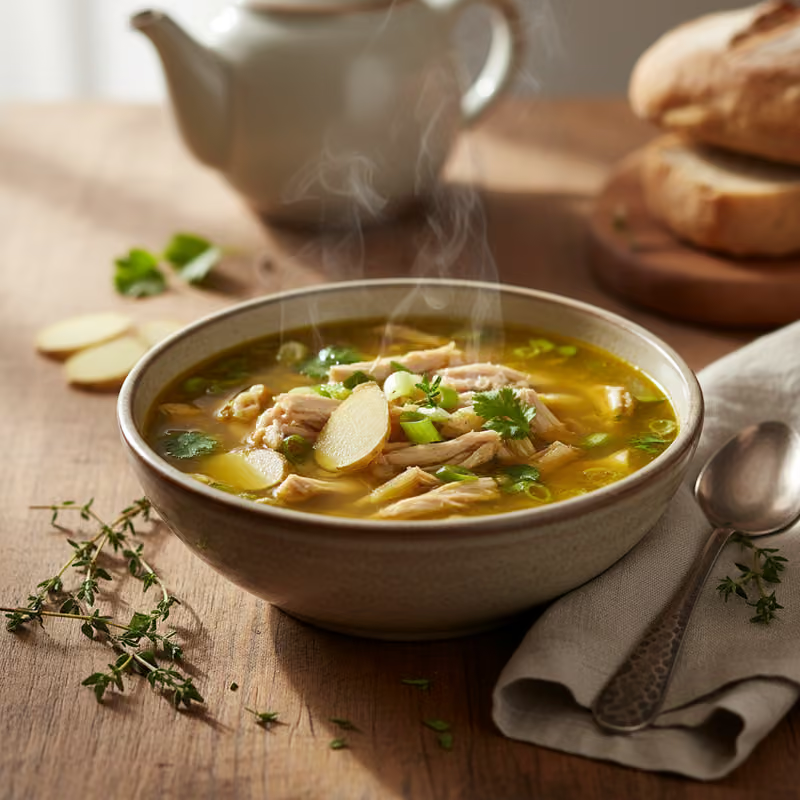
- Warm and Cooked Foods: Focus on consuming foods that are cooked and served warm. Soups, stews, and porridges are staples. Avoid raw vegetables, cold salads, and cold beverages, opting for warm water or herbal teas instead.
- Nutrient-Dense Meals: Meals are often rich in protein (chicken, pork, fish, eggs), healthy fats, and complex carbohydrates. Ingredients like ginger, sesame oil, and black vinegar are frequently used for their warming and purported healing properties.
- Specific Dishes: Common dishes include ginger and black vinegar pork trotters (often consumed for collagen and calcium), chicken soup with various herbs (like astragalus or wolfberries), and red date and longan tea.
- Frequent, Smaller Meals: Instead of three large meals, individuals may consume five to six smaller, frequent meals to maintain energy levels and aid digestion.
- Avoidance List: Traditionally, certain foods like spicy dishes, seafood (shellfish, some fish), and some fruits (watermelon, pears, bananas) are avoided due to their perceived 'cold' nature or potential to cause wind/gas. Modern adaptation may include a wider variety of fruits and vegetables, ensuring they are cooked or at room temperature.
Rest and activity
- Extended Rest: Prioritize rest. This means minimizing standing, walking, and strenuous activities. Spending most of the day in bed or on a comfortable couch, especially during the first two weeks, is encouraged.
- Napping: Take advantage of the baby's sleep times to nap and rest. Adequate sleep is paramount for physical healing and mental clarity.
- Limited Screen Time: Some traditions encourage limiting excessive reading or screen time to rest the eyes and mind.
- Light Movements: While strenuous activity is avoided, very gentle, short walks within the home may be introduced gradually as healing progresses, but only with clearance from a healthcare provider.
Warmth and clothing
- Layered Clothing: Dress in layers to keep the body consistently warm, even in warmer climates. Long sleeves, long pants, and socks are commonly worn, even indoors.
- Head Covering: In some traditional practices, a head covering or scarf is worn to prevent 'cold' from entering through the head.
- Avoid Direct Air Conditioning/Fans: Direct drafts are traditionally avoided. If using AC, ensure it's not set too low and that the air flow is not directly on the birthing individual.
- Warm Showers/Baths: After medical clearance, warm, short showers are preferred over cold ones. Hair washing may be done with warm water and immediately dried.
Hygiene and self-care
- Perineal Care: Regular cleaning of the perineal area with warm water (or prescribed washes) is crucial, especially if there are stitches.
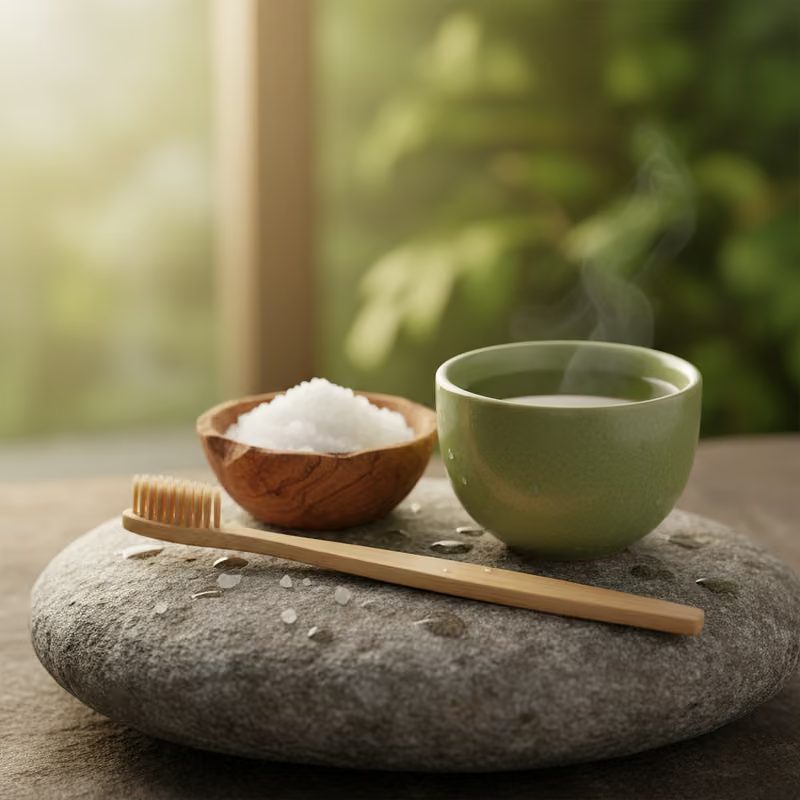
- Oral Hygiene: Maintain regular oral hygiene.
- Emotional Support: Engage in conversations with supportive family members or friends. Share feelings and challenges. The confinement period often means family takes over household chores and baby care support, allowing the birthing individual to focus on healing and bonding.
Baby care
- Focus on Bonding: While household chores are typically handled by others, the birthing individual focuses on breastfeeding or feeding the baby, changing diapers, and skin-to-skin contact.
- Limited Visitors: Traditionally, visitors are restricted, especially during the initial weeks, to minimize exposure to germs for both the birthing individual and the newborn, and to allow for undisturbed rest.
These practical habits, when adapted thoughtfully and in consultation with healthcare professionals, can provide a framework for a supportive and restorative postpartum experience.
Common mistakes to avoid
While Chinese postnatal traditions offer many benefits, certain interpretations or extreme adherence can sometimes lead to practices that are not aligned with modern health recommendations or can even be counterproductive. It is important to approach these traditions with an informed perspective and adapt them responsibly.
Excessive restriction of movement
- The Mistake: Strict adherence to absolute bed rest for weeks, without any movement.
- Why it's a mistake: While rest is crucial, prolonged, absolute immobility can increase the risk of deep vein thrombosis (DVT) and pulmonary embolism. Light, gentle movement, as medically appropriate, promotes circulation and muscle strength.
- Modern Approach: Gradual, gentle ambulation is generally encouraged post-delivery as tolerated, typically within hours of vaginal birth or a day after a C-section, to aid recovery and prevent complications.
Over-consumption of specific "tonic" foods or ingredients
- The Mistake: Consuming large quantities of specific herbal tonics or ingredients without professional guidance, potentially leading to over-nutrition or adverse reactions. For instance, consuming excessive amounts of ginger could cause digestive upset for some.
- Why it's a mistake: While many traditional ingredients are beneficial, excessive intake of certain herbs or foods can sometimes interact with medications, cause gastrointestinal distress, or provide excessive calories without a balanced nutritional profile. Some traditional herbs may not be safe for breastfeeding individuals.
- Modern Approach: Focus on a balanced, nutrient-rich diet as recommended by health organizations. Consult with a qualified healthcare provider or a registered dietitian, especially regarding herbal supplements, particularly if breastfeeding or on medication.
Strict avoidance of hygiene practices
- The Mistake: Completely avoiding showering, hair washing, or brushing teeth for extended periods (weeks).
- Why it's a mistake: This can lead to poor personal hygiene, skin infections, body odor, and discomfort. Good hygiene is essential for preventing infection, especially after delivery.
- Modern Approach: Once cleared by a healthcare provider (typically after 24-48 hours for vaginal birth, and when incisions are healing for C-section), warm showers are encouraged for comfort and hygiene. Perineal care is crucial for healing and preventing infection.
Social isolation
- The Mistake: Excessive restriction of visitors, leading to feelings of loneliness, isolation, and potentially contributing to postpartum mood disorders.
- Why it's a mistake: While limiting visitors in the very early days for rest and germ avoidance is understandable, prolonged isolation can negatively impact mental health.
- Modern Approach: Encourage supportive visitors who genuinely help (e.g., bringing food, helping with chores, spending time with the baby while the birthing individual rests). Maintain contact with friends and family through phone or video calls. Prioritize mental well-being alongside physical recovery.
Neglecting professional medical advice
- The Mistake: Prioritizing traditional practices over the advice of medical professionals for postpartum complications. For example, dismissing symptoms of infection or severe pain as normal and relying solely on traditional remedies.
- Why it's a mistake: Delaying professional medical evaluation for serious symptoms can lead to worsening conditions and potentially severe health consequences.
- Modern Approach: Always consult with healthcare professionals for any concerns about physical or mental health during the postpartum period. Traditional practices should complement, not replace, evidence-based medical care.
By being mindful of these potential pitfalls and seeking guidance from both family elders and medical professionals, individuals can integrate valuable aspects of Chinese postnatal traditions into a safe and effective modern postpartum recovery plan.
When to see a professional
The postpartum period is a time of significant recovery and adjustment, and while traditional practices can offer valuable support, it is crucial to recognize when professional medical attention is needed. Do not hesitate to contact a healthcare provider for any concerning symptoms or questions.
Seek immediate medical attention (call emergency services or go to the nearest emergency department) if you experience any of the following:
- Heavy Vaginal Bleeding: Soaking through more than one sanitary pad per hour for two consecutive hours, or passing blood clots larger than a golf ball. This could indicate a postpartum hemorrhage.
- Severe or Worsening Pain: Unbearable abdominal pain, pelvic pain, or pain at an incision site that is not relieved by pain medication, or pain that suddenly gets worse.
- Fever: A temperature of 100.4°F (38°C) or higher. This could be a sign of infection (e.g., uterine infection, urinary tract infection, breast infection).
- Signs of Infection at Incision Site: Redness, swelling, warmth, pus, or foul-smelling discharge from a C-section incision or perineal tear.
- Severe Headache or Vision Changes: A persistent, severe headache that doesn't improve with pain relief, accompanied by blurred vision, spots, or light sensitivity. This could be a sign of preeclampsia or other serious neurological issues.
- Chest Pain or Shortness of Breath: Difficulty breathing, rapid breathing, or pain in your chest, especially when accompanied by dizziness or fainting. This could indicate a blood clot in the lungs (pulmonary embolism).
- Leg Pain and Swelling: Redness, swelling, warmth, or pain in one leg, particularly in the calf or thigh. This could be a sign of deep vein thrombosis (DVT).
- Thoughts of Harming Yourself or Your Baby: If you are experiencing suicidal thoughts, intrusive thoughts about harming your baby, or severe feelings of hopelessness. This requires urgent mental health support.
- Sudden Swelling (Edema): New or worsening swelling in your hands, face, or feet.
- Persistent Vomiting: Inability to keep food or fluids down.
Contact your primary healthcare provider, obstetrician, or midwife within 24-48 hours if you experience:
- Persistent Feelings of Sadness or Anxiety: If feelings of sadness, anxiety, irritability, or overwhelm persist beyond two weeks postpartum, or interfere with daily functioning. This could indicate postpartum depression or anxiety.
- Difficulty Urinating or Bowel Movements: Pain during urination, frequent urges, or inability to empty your bladder. Severe constipation or painful bowel movements.
- Breast Issues: Red, hot, painful areas on your breast, or flu-like symptoms, which could indicate mastitis. Persistent difficulty with breastfeeding or latch.
- Foul-Smelling Vaginal Discharge: Lochia (postpartum discharge) that has a strong, unpleasant odor, which could indicate an infection.
- New or Worsening Hemorrhoids or Varicose Veins:
- Concerns about Newborn Health: Any concerns about your baby’s feeding, breathing, temperature, skin color, or overall well-being.
Remember, your healthcare providers are there to support you through your recovery. Trust your instincts and seek professional advice if something feels wrong or if you are unsure.
Frequently asked questions
What is 'sitting the month' in Chinese postnatal traditions?
'Sitting the month,' known as "坐月子" (zuò yuè zi), is a traditional Chinese postpartum practice emphasizing a structured period of confinement, typically 30 to 40 days, for individuals who have given birth. Its primary goals are to facilitate physical recovery, restore energy, and promote the well-being of both the birthing individual and the newborn through practices focused on rest, warmth, and specific nourishing foods, often guided by Traditional Chinese Medicine principles.
Why is warmth so important in Chinese postnatal care?
In Traditional Chinese Medicine (TCM), childbirth is believed to deplete the body's 'qi' (vital energy) and blood, leaving the body in a vulnerable, 'cold' state. Maintaining warmth, both internally (through warm foods and drinks) and externally (through layered clothing and avoiding drafts), is thought to help restore balance, promote circulation, prevent stagnation, and aid in the healing process. Modern adaptations focus on comfort and avoiding chilling.
Are there specific foods recommended during Chinese postnatal recovery?
Yes, the diet is a cornerstone of Chinese postnatal recovery. It emphasizes warm, easily digestible, and nutrient-dense foods designed to replenish blood and 'qi.' Common ingredients include ginger, red dates, goji berries, black vinegar, and various herbs. Dishes often feature chicken soup, pork trotters in black vinegar, and fish. Cold or raw foods, very spicy foods, and certain fruits are traditionally avoided.
Can I shower or wash my hair during Chinese confinement?
Traditionally, bathing and hair washing were restricted for several weeks to prevent exposure to 'cold' and conserve energy. However, in modern practice, this is often adapted. Most healthcare providers recommend warm, short showers for hygiene and comfort once cleared (typically after 24-48 hours for vaginal birth or when C-section incisions are healing well). Hair can be washed with warm water and immediately dried. Always consult your healthcare provider.
How do modern medical professionals view Chinese postnatal traditions?
Many modern medical professionals acknowledge the benefits of key components of Chinese postnatal traditions, such as emphasizing rest, good nutrition, and social support. These aspects align well with evidence-based postpartum care. However, they generally advise against extreme restrictions (e.g., absolute bed rest, complete avoidance of hygiene) and recommend integrating traditional practices with conventional medical advice, especially for managing complications or when concerns arise.
Key takeaways
- Holistic Approach: Chinese postnatal traditions, or "坐月子" (zuò yuè zi), offer a comprehensive, culturally rich framework for postpartum recovery, focusing on the birthing individual's physical and emotional well-being.
- Core Principles: The fundamental pillars are ample rest to facilitate healing, maintaining warmth to support circulation and energy balance, and consuming nourishing foods to replenish vital nutrients.
- Dietary Focus: The diet is central, emphasizing warm, easily digestible, nutrient-dense meals with specific ingredients like ginger, red dates, and various herbs, designed to replenish blood and 'qi.'
- Adaptation is Key: While rooted in ancient practices, modern interpretation and adaptation are crucial. Many traditional recommendations align with contemporary medical advice (e.g., rest, good nutrition, social support), but extreme restrictions (like prolonged absolute bed rest or complete avoidance of hygiene) should be discussed with healthcare professionals.
- Importance of Support: These traditions inherently provide a strong system of family and social support, allowing the birthing individual to focus on recovery and bonding with their baby, which is vital for mental and emotional health.
- Professional Guidance is Paramount: Traditional practices should complement, not replace, professional medical care. It is essential to consult healthcare providers for any health concerns, especially concerning heavy bleeding, fever, severe pain, or signs of infection, and to ensure all practices are safe and appropriate for individual circumstances.
Related reading
Keep exploring this topic with our related, evidence-reviewed guides:
- Chinese Cold and Flu Traditions: Steam, Broth, and Rest — A practical, evidence-informed guide to chinese cold remedies — what matters, what works, common mistakes, and when to consult a p…
- Chinese Men's Health Traditions: Energy, Stamina, and Rest — A practical, evidence-informed guide to chinese mens health — what matters, what works, common mistakes, and when to consult a pro…
- Yin and Yang in Health: The Chinese Framework for Balance and Recovery — A practical, evidence-informed guide to yin yang health — what matters, what works, common mistakes, and when to consult a profess…
- Chinese Skin Care Traditions: Herbs, Steam, and Sun Protection — A practical, evidence-informed guide to chinese skin care — what matters, what works, common mistakes, and when to consult a profe…
- Chinese Bone Broth and Herbal Stews for Winter Strength — A practical, evidence-informed guide to chinese bone broth — what matters, what works, common mistakes, and when to consult a prof…
- Chinese Ear and Hearing Care Traditions Compared With Modern Advice — A practical, evidence-informed guide to chinese ear care — what matters, what works, common mistakes, and when to consult a profes…
Sources
- World Health Organization (WHO)
- National Institutes of Health (NIH)
- Centers for Disease Control and Prevention (CDC)
- Mayo Clinic
- National Health Service (NHS)
- American College of Obstetricians and Gynecologists (ACOG)
Sources
Evidence & citations
- Every claim in this chinese health wisdom guide is backed by primary data — browse the longevity and lifestyle health statistics in our sourced statistics library.
- Writing about this topic? Researchers, journalists and educators can cite our traditional Chinese health research with ready-made APA, MLA and Chicago references.
My notes on this one
The short version of 16 minutes of reading — what stuck with me while writing “Chinese Postnatal and Recovery Traditions: Rest, Warmth, and”, what the sources back up, and what I'd actually do about it.
What I'd take away
01 · Why this matters
Nutritional Replenishment: Specific dietary regimens are designed to replenish blood, boost energy, and support lactation. Ingredients often include nutrient-dense foods believed to aid healing and strengthen t…
02 · Key principles
While TCM concepts like 'qi' and 'cold' may differ from Western biomedical terms, many of the practical recommendations align with modern health guidance concerning rest, nutrition, and hygiene.
03 · Rest and recuperation
WHO (World Health Organization): Emphasizes the importance of adequate rest for postpartum individuals to recover from childbirth, cope with the demands of newborn care, and promote mental well-being.
04 · Maintaining warmth and avoiding 'cold'
This includes avoiding cold foods and drinks, keeping the body well-covered, and sometimes refraining from bathing or washing hair for a period (or using only warm water).
05 · Nutritional replenishment and specific dieta…
CDC (Centers for Disease Control and Prevention): Recommends maintaining adequate hydration and consuming a nutrient-dense diet to support recovery and lactation. Focus on iron-rich foods…
What the sources I read actually say
WHO (World Health Organization): Emphasizes the importance of adequate rest for postpartum individuals to recover from childbirth, cope with the demands of newborn care, and promote mental well-being.
World Health OrganizationCDC (Centers for Disease Control and Prevention): Recommends maintaining adequate hydration and consuming a nutrient-dense diet to support recovery and lactation. Focus on iron-rich foods…
Centers for Disease Control and PreventionNIH (National Institutes of Health): General medical guidance supports rest for physical recovery following significant physiological events like childbirth…
National Institutes of Health
If you only do one thing this week
- Avoid Direct Air Conditioning/Fans — Direct drafts are traditionally avoided. If using AC, ensure it's not set too low and that the air flow is not directly on the birthing individ…
- Most healthcare providers recommend warm, short showers for hygiene and comfort once cleared (typically after 24-48 hours for vaginal birth or when C-section incisions are healing…
Pick the one that fits your week. None of this replaces advice from a clinician who can actually examine you.
Questions I kept coming back to
What is 'sitting the month' in Chinese postnatal traditions?+
'Sitting the month,' known as "坐月子" (zuò yuè zi), is a traditional Chinese postpartum practice emphasizing a structured period of confinement, typically 30 to 40 days, for individuals who have given birth. Its primary goals are to facilitate physical recovery, restore energy, and promote the well-being of both the birthing individual and the newborn through practices focused on rest, warmth…
Why is warmth so important in Chinese postnatal care?+
In Traditional Chinese Medicine (TCM), childbirth is believed to deplete the body's 'qi' (vital energy) and blood, leaving the body in a vulnerable, 'cold' state. Maintaining warmth, both internally (through warm foods and drinks) and externally (through layered clothing and avoiding drafts), is thought to help restore balance, promote circulation, prevent stagnation, and aid in the healing process…
Are there specific foods recommended during Chinese postnatal recovery?+
Yes, the diet is a cornerstone of Chinese postnatal recovery. It emphasizes warm, easily digestible, and nutrient-dense foods designed to replenish blood and 'qi.' Common ingredients include ginger, red dates, goji berries, black vinegar, and various herbs. Dishes often feature chicken soup, pork trotters in black vinegar, and fish. Cold or raw foods, very spicy foods, and certain fruits are traditionally avoided.
Can I shower or wash my hair during Chinese confinement?+
Traditionally, bathing and hair washing were restricted for several weeks to prevent exposure to 'cold' and conserve energy. However, in modern practice, this is often adapted. Most healthcare providers recommend warm, short showers for hygiene and comfort once cleared (typically after 24-48 hours for vaginal birth or when C-section incisions are healing well)…
How do modern medical professionals view Chinese postnatal traditions?+
Many modern medical professionals acknowledge the benefits of key components of Chinese postnatal traditions, such as emphasizing rest, good nutrition, and social support. These aspects align well with evidence-based postpartum care. However, they generally advise against extreme restrictions (e.g., absolute bed rest…
Was this article helpful?
Be the first to rate this article.
Written by
FaizRuh
I write Health Hub Pro on my own — no clinical licence, no anonymous review panel. Just the published guidance, read carefully and explained plainly.
More about me →How this page was checked
Every claim above is checked against the sources listed at the bottom of this article — WHO, CDC, NIH, NHS, Cochrane and major clinical guidelines. Drafting is AI-assisted; the editing, fact-checking and final wording are mine. It's information, not medical advice. Spotted an error? Tell me and I'll fix it.
Last checked on