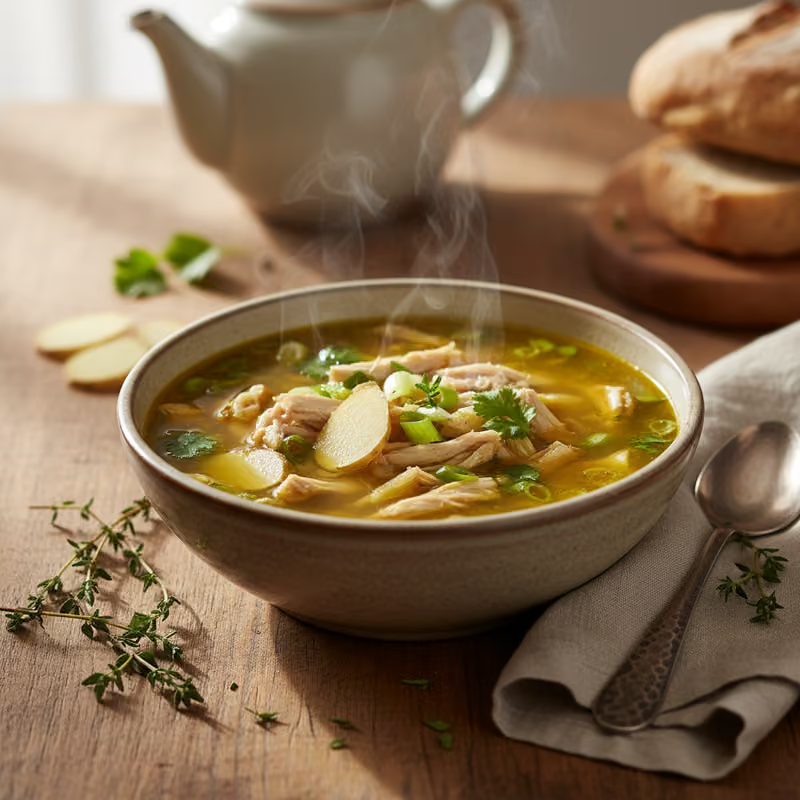
Chinese Soups and Broths: Slow-Cooked Nutrition for Recovery
A practical, evidence-informed guide to chinese soup benefits — what matters, what works, common mistakes, and when to consult a professional.
For informational purposes only. This article is educational and is not a substitute for professional medical advice, diagnosis, or treatment. Always consult a qualified healthcare provider about anything affecting your health. Read full disclaimer.
Chinese Soups and Broths: Slow-Cooked Nutrition for Recovery
(Not medical or veterinary advice — consult a qualified clinician or veterinarian for personal guidance.)
Introduction
In many cultures, including those of East Asia, soup is more than just a dish; it is often considered a cornerstone of health, particularly during times of recovery, convalescence, or simply as a regular part of a balanced diet. Chinese culinary traditions place a significant emphasis on the therapeutic potential of food, and slow-cooked soups and broths are prime examples of this philosophy. These preparations are valued not only for their flavor but also for their perceived nutritional benefits and their comforting warmth.
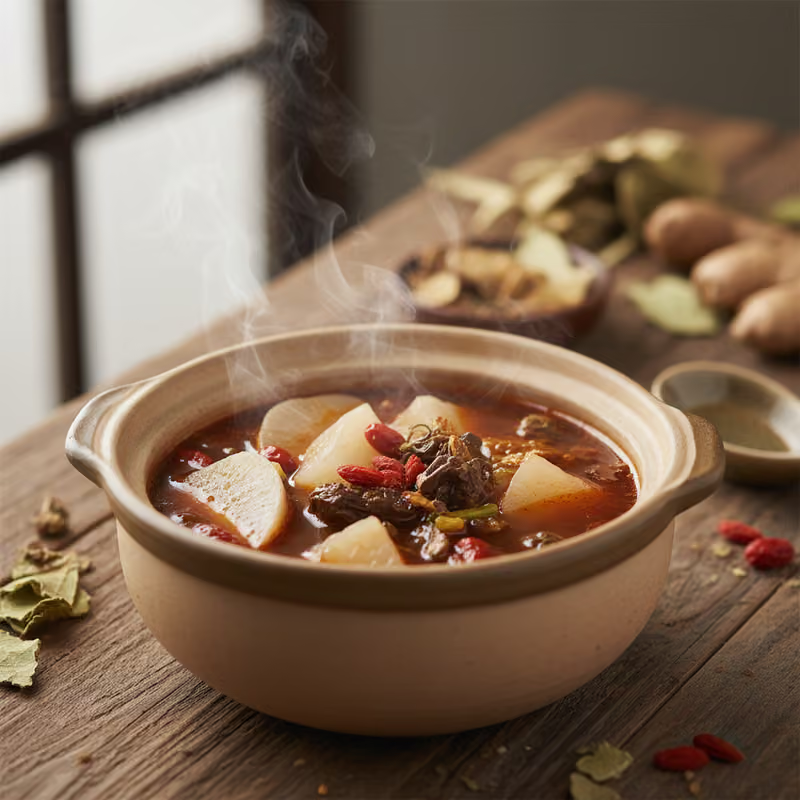
The practice of slow cooking allows ingredients to gently simmer over extended periods, typically extracting flavors, nutrients, and compounds into a rich liquid. From simple vegetable broths to elaborate herbal concoctions and nutrient-dense bone broths, these traditional recipes are often passed down through generations, embodying centuries of dietary wisdom. This article explores the general principles behind the nutritional aspects of Chinese soups and broths, their potential role in supporting well-being, and practical considerations for incorporating them into a diet focused on recovery.
Why this matters
The human body requires adequate nutrition to function optimally, especially during periods of stress, illness, or recovery from injury or surgery. During these times, appetite may be suppressed, digestion might be compromised, or the body's nutrient demands may increase. Soups and broths can offer a gentle, easily digestible, and hydrating way to deliver essential nutrients.
Their liquid form makes them generally easier to consume and digest compared to solid foods, which can be particularly beneficial for individuals with chewing or swallowing difficulties, or those experiencing digestive upset. The hydration provided by soups is also crucial, as maintaining proper fluid balance is fundamental for various bodily functions, including nutrient transport, waste removal, and temperature regulation.
Furthermore, traditional Chinese soups often incorporate a variety of ingredients – including meats, bones, vegetables, legumes, and specific herbs – that collectively contribute a spectrum of macronutrients (proteins, fats, carbohydrates) and micronutrients (vitamins, minerals). The slow cooking process is believed to help break down complex compounds, potentially making them more bioavailable and easier for the body to absorb. This approach to nutrition emphasizes nourishment and restoration, aligning with a holistic view of health that supports the body's natural healing processes. Understanding these benefits can empower individuals to make informed dietary choices that may support their overall well-being and recovery journeys.
Key principles (evidence-informed)
The perceived benefits of Chinese soups and broths for recovery stem from several key principles rooted in both traditional wisdom and modern nutritional understanding. While specific health claims regarding traditional Chinese medicine (TCM) are beyond the scope of this article, the general nutritional aspects can be discussed in evidence-informed terms.
1. Hydration and Electrolyte Balance: Soups are inherently high in water content, contributing significantly to daily fluid intake. During illness or recovery, particularly when fever or gastrointestinal issues are present, the risk of dehydration increases. Adequate hydration is crucial for maintaining bodily functions, regulating body temperature, and aiding nutrient transport and waste elimination. Many traditional broths include a natural source of sodium and other electrolytes, which can help maintain fluid balance, especially when appetite is low or when there has been fluid loss.
2. Ease of Digestion and Nutrient Absorption: The slow cooking process, especially for bone broths, can break down connective tissues (like collagen) into simpler compounds (like gelatin and amino acids). This transformation can make the broth easier to digest compared to consuming whole meats directly. For individuals with compromised digestive systems or reduced appetite during recovery, this can be particularly advantageous. The nutrients extracted into the liquid are generally thought to be more accessible for absorption by the body.
3. Nutrient Density: Chinese soups and broths can be highly nutrient-dense, depending on their ingredients.
- Proteins and Amino Acids: Bone broths, in particular, are sources of amino acids like glycine, proline, and glutamine, derived from collagen. These amino acids are building blocks for proteins, which are essential for tissue repair, immune function, and enzyme production. Muscle meats included in soups also provide complete proteins.
- Vitamins and Minerals: Vegetables, legumes, and lean meats added to soups contribute a range of vitamins (e.g., B vitamins from meat, Vitamin C from certain vegetables) and minerals (e.g., iron, zinc, magnesium, calcium). The long simmering may help to extract some of these into the liquid.
- Healthy Fats: While many traditional Chinese soups are relatively low in fat, some may include healthy fats from meat, which are important for energy and nutrient absorption.
- Fiber: Whole grains or certain vegetables included in soups can contribute dietary fiber, beneficial for gut health, though typically in lower amounts than whole, unprocessed foods.
4. Anti-inflammatory Properties (General Nutritional Support): While specific claims about "anti-inflammatory" properties should be viewed with caution, the general nutritional support provided by a balanced soup can contribute to overall health. For instance, some vegetables and herbs contain compounds that are antioxidants, and certain amino acids (like glutamine) are important for gut barrier integrity and immune function, which indirectly support the body's ability to manage inflammatory responses.
5. Comfort and Psychological Well-being: Beyond the biochemical aspects, the warm, comforting nature of soup can have a significant psychological impact during recovery. Food often plays a role in emotional comfort, and a nourishing bowl of soup can provide a sense of care and well-being, which is an important, albeit indirect, component of the healing process.
6. Gut Health Support (General): Some components, such as gelatin from bone broth, have been anecdotally associated with supporting gut health by potentially soothing the digestive tract lining. While direct clinical evidence for this specific benefit is still developing, a well-balanced, easily digestible soup can generally support a healthy gut microbiome by providing readily available nutrients without overtaxing the digestive system.
- WHO (World Health Organization): Emphasizes the importance of nutrition, hydration, and easily digestible foods during illness and recovery, particularly in managing symptoms like dehydration and malnutrition.
- NIH (National Institutes of Health): Provides extensive information on the roles of various nutrients (proteins, vitamins, minerals) in bodily functions, tissue repair, and immune response, all of which are relevant to the nutritional content of well-prepared soups.
- Mayo Clinic: Often recommends broths and easily digestible foods for individuals recovering from illness or surgery, noting their hydrating and nutrient-providing qualities.
Practical daily habits
Incorporating Chinese soups and broths into a daily routine, especially for recovery, can be a supportive practice. Here are some practical habits to consider:
- Start with Simple Broths: Begin with clear, simple broths made from vegetables or lean meats. These are generally easier on the digestive system. As recovery progresses and tolerance improves, you can gradually introduce more complex ingredients.
- Prioritize Quality Ingredients: Use fresh, high-quality ingredients. Opt for fresh vegetables, lean cuts of meat (e.g., chicken, pork, beef), and, if using bones for broth, choose those from well-sourced animals.
- Batch Cooking: Prepare larger batches of soup or broth once or twice a week. This allows for convenient access to nutritious meals without the daily effort of cooking from scratch, which can be particularly helpful during recovery when energy levels may be low. Store portions in airtight containers in the refrigerator for up to 3-4 days or freeze for longer storage.
- Include a Variety of Nutrients: Don't rely solely on one type of soup. Rotate different recipes to ensure a broad spectrum of nutrients. For example, some days focus on a lean chicken broth with vegetables, other days a more robust bone broth, or a vegetarian option with lentils and root vegetables.
- Hydration Throughout the Day: Sip on warm broth throughout the day, not just at meal times. This can contribute to consistent hydration and provide a steady trickle of nutrients.
- Gentle Seasoning: During recovery, the digestive system might be sensitive. Use mild, natural seasonings like ginger, spring onion, and a touch of salt. Avoid overly spicy or rich seasonings that might cause discomfort.
- Incorporate Lean Proteins: Include easily digestible lean protein sources like shredded chicken, fish, tofu, or finely diced lean pork in your soups to support muscle repair and satiety.
- Soft Vegetables and Grains: Add soft-cooked vegetables (e.g., carrots, winter melon, leafy greens) and small amounts of well-cooked grains (e.g., rice, millet) to provide carbohydrates for energy and additional vitamins and minerals. Ensure they are cooked until very tender for easier digestion.
- Listen to Your Body: Pay attention to how your body responds to different ingredients. If a particular ingredient causes discomfort, omit it or introduce it in smaller quantities later. Recovery is a personal journey, and dietary needs can vary.
- Meal Replacement or Supplement: Soups can serve as a light meal, a hearty snack, or an accompaniment to a larger meal. During periods of low appetite, a nutrient-dense soup might be the primary source of nourishment for a short while.
Common mistakes to avoid
While Chinese soups and broths can be beneficial, certain practices can diminish their nutritional value or potentially lead to discomfort, especially during recovery.
- Over-reliance on processed ingredients: Using instant soup bases, heavily processed broths, or bouillon cubes that are high in sodium, artificial flavors, and preservatives can counteract the benefits of a homemade, nutrient-dense soup. These often lack the full spectrum of nutrients found in traditional, slow-cooked versions.
- Excessive fat content: While some fat is necessary, overly fatty soups can be difficult to digest for some individuals, particularly those recovering from gastrointestinal issues. Skim excess fat from the surface of broths after chilling, or choose leaner cuts of meat and bones.
- Under-seasoning or over-seasoning: Undersalted soups might be bland and unappetizing, making it harder to consume enough. Conversely, excessive salt can contribute to fluid retention and may not be advisable for individuals with certain health conditions. Aim for a balanced, mild seasoning, especially during recovery.
- Not cooking ingredients long enough: For bone broths, insufficient cooking time may not allow for the full extraction of collagen and other beneficial compounds from the bones. For vegetables, undercooked items can be harder to digest.
- Ignoring individual dietary needs or restrictions: Not all soups are suitable for everyone. Individuals with allergies (e.g., shellfish, soy, specific herbs), dietary restrictions (e.g., vegetarian, vegan, low-sodium), or specific health conditions (e.g., kidney disease, diabetes) need to carefully select ingredients. For instance, certain traditional Chinese herbs may interact with medications or not be suitable for pregnant or breastfeeding individuals.
- Using questionable or unverified herbal ingredients: While many traditional Chinese soups incorporate herbs, it's crucial to ensure that any herbal additions are sourced from reputable suppliers and are appropriate for your specific health situation. Avoid using herbs without understanding their properties or potential interactions, especially when recovering. Consult with a qualified healthcare professional or a practitioner knowledgeable in herbal remedies.
- Neglecting other food groups: While soups are beneficial, they should generally be part of a balanced diet. Relying solely on soup for extended periods may lead to nutrient deficiencies if the soup doesn't provide a complete range of macronutrients, vitamins, and minerals.
- Lack of variety: Eating the same soup daily can lead to palate fatigue and may limit the range of nutrients consumed. Rotate ingredients and recipes to ensure diverse nutritional intake.
When to see a professional
While Chinese soups and broths can be a supportive part of a recovery diet, they are not a substitute for professional medical care. It is crucial to consult with a qualified healthcare professional in the following situations:
- Persistent or Worsening Symptoms: If symptoms of illness (e.g., fever, persistent pain, severe fatigue, vomiting, diarrhea) persist, worsen, or do not respond to basic supportive care.
- Significant Weight Loss or Poor Appetite: If you or the individual you are caring for experiences unintentional and significant weight loss, or if appetite remains severely suppressed for an extended period, leading to concerns about malnutrition.
- Difficulty Swallowing or Eating: If there is severe difficulty or pain when swallowing, or if consuming even soft foods like soup becomes challenging.
- Signs of Dehydration: Despite fluid intake, if there are signs of moderate to severe dehydration such as reduced urination, extreme thirst, dizziness, confusion, or dry mouth and eyes.
- Specific Medical Conditions: Individuals with chronic diseases (e.g., kidney disease, heart failure, diabetes, inflammatory bowel disease) or those undergoing chemotherapy or radiation should always consult their doctor or a registered dietitian before making significant dietary changes, as specific ingredients or fluid intake recommendations may apply.
- Allergic Reactions or Adverse Effects: If any new food or ingredient, including those in soups, causes an allergic reaction (e.g., rash, swelling, difficulty breathing) or other adverse effects.
- Post-Surgery or Serious Injury: Following surgery or a serious injury, dietary needs are often highly specific and should be guided by the medical team. Do not assume traditional remedies are appropriate without professional advice.
- Unexplained Symptoms: Any new or unexplained symptoms should always be evaluated by a healthcare provider.
- Concerns about Herbal Ingredients: If you plan to incorporate specific traditional Chinese herbs into your soups for therapeutic purposes, it is vital to consult with a qualified practitioner knowledgeable in both conventional and traditional medicine to ensure safety, efficacy, and to avoid potential interactions with medications or existing health conditions.
- WHO (World Health Organization): Advises seeking professional medical attention for severe or persistent illness and malnutrition.
- CDC (Centers for Disease Control and Prevention): Provides guidelines on recognizing symptoms of serious illness and when to seek emergency or urgent care.
- NHS (National Health Service - UK): Offers extensive advice on when to consult a general practitioner or seek urgent medical help for various health concerns.
- Mayo Clinic: Consistently emphasizes consulting a doctor for any health concerns or before making significant dietary changes, especially when dealing with chronic conditions or recovery.
Frequently asked questions
H3. What are the general benefits of consuming soups during recovery?
Soups can provide essential hydration and easily digestible nutrients, which are crucial when appetite is low or the body is working to heal. Their liquid form makes them gentle on the digestive system and helps in delivering vitamins, minerals, and proteins necessary for tissue repair and immune function. The warmth can also offer comfort and soothe the throat.
H3. Can Chinese bone broth truly help with joint health or gut healing?
Traditional bone broths contain gelatin, derived from collagen, which provides amino acids like glycine and proline. While these amino acids are building blocks for collagen in the body, direct scientific evidence specifically linking consumed bone broth to improved joint health or "gut healing" is still developing. However, providing these amino acids and supporting general nutritional status is beneficial for overall well-being.
H3. Are all traditional Chinese herbal soups safe for everyone?
No, not all traditional Chinese herbal soups are safe for everyone. Specific herbs may have potent effects, interact with medications, or be unsuitable for individuals with certain health conditions (e.g., pregnancy, breastfeeding, kidney disease, heart conditions). It is crucial to consult with a qualified healthcare professional or a practitioner knowledgeable in herbal medicine before incorporating specific herbal ingredients, especially during recovery.
H3. How long should I cook a traditional Chinese bone broth?
Traditional Chinese bone broths are often simmered for extended periods, typically ranging from 4 to 12 hours, and sometimes even longer (up to 24 hours), especially for beef or pork bones. This slow cooking allows for the thorough extraction of flavors, minerals, and collagen from the bones into the liquid, resulting in a richer, more gelatinous broth.
H3. What is the difference between a clear soup and a cloudy, milky soup in Chinese cuisine?
The difference often lies in the ingredients and cooking method. Clear soups (qing tang) are typically made by simmering lean meats or bones at a gentle heat, often with blanching the ingredients first, and carefully skimming impurities to maintain clarity. Cloudy or milky soups (bai tang), often seen with pork or fish bones, are usually achieved by simmering bones and sometimes aromatics at a higher heat, causing fat and collagen to emulsify into the liquid, creating a rich, opaque appearance. Both can be nutritious, but the cloudy version tends to be richer.
Key takeaways
- Chinese soups and broths are valued in traditional cuisine for their potential role in supporting health and recovery, emphasizing hydration, ease of digestion, and nutrient delivery.
- The slow cooking process extracts flavors and nutrients, potentially making them more bioavailable and easier for the body to assimilate during periods of recovery.
- They can provide essential hydration, electrolytes, and a range of macronutrients (proteins, fats, carbohydrates) and micronutrients (vitamins, minerals) from various ingredients like lean meats, bones, vegetables, and legumes.
- Practical habits for incorporating these soups include batch cooking, using high-quality and varied ingredients, gentle seasoning, and adjusting to individual needs.
- Avoid common mistakes such as relying on processed ingredients, excessive fat, inappropriate seasoning, or neglecting professional medical advice.
- Crucially, these soups are supportive dietary components and are not a replacement for professional medical guidance. Always consult a qualified healthcare professional for persistent symptoms, serious conditions, or before using specific herbal ingredients.
Related reading
Keep exploring this topic with our related, evidence-reviewed guides:
- Chinese Bone Broth and Herbal Stews for Winter Strength — A practical, evidence-informed guide to chinese bone broth — what matters, what works, common mistakes, and when to consult a prof…
- Chinese Joint and Bone Health: Soups, Movement, and Sunlight — A practical, evidence-informed guide to chinese joint health — what matters, what works, common mistakes, and when to consult a pr…
- Chinese Cold and Flu Traditions: Steam, Broth, and Rest — A practical, evidence-informed guide to chinese cold remedies — what matters, what works, common mistakes, and when to consult a p…
- Chinese Skin Care Traditions: Herbs, Steam, and Sun Protection — A practical, evidence-informed guide to chinese skin care — what matters, what works, common mistakes, and when to consult a profe…
- Chinese Cooling Foods for Summer Heat and Dehydration — A practical, evidence-informed guide to chinese cooling foods — what matters, what works, common mistakes, and when to consult a p…
- Bone Broth Benefits: Evidence-Based Guide — Discover the potential health benefits of bone broth, a nutrient-rich liquid celebrated for its traditional uses in supporting gut…
Sources
- World Health Organization (WHO): For general guidance on nutrition, hydration, and dietary needs during illness and recovery.
- National Institutes of Health (NIH): For information on the roles of various nutrients (proteins, vitamins, minerals) in bodily functions, immune health, and tissue repair.
- Mayo Clinic: For general dietary recommendations, advice on easily digestible foods for recovery, and when to seek medical attention.
- Centers for Disease Control and Prevention (CDC): For public health information, including guidance on illness management and hydration.
- NHS (National Health Service - UK): For comprehensive health information and advice on seeking medical help.
Sources
Evidence & citations
- Every claim in this chinese health wisdom guide is backed by primary data — browse the longevity and lifestyle health statistics in our sourced statistics library.
- Writing about this topic? Researchers, journalists and educators can cite our traditional Chinese health research with ready-made APA, MLA and Chicago references.
My notes on this one
The short version of 14 minutes of reading — what stuck with me while writing “Chinese Soups and Broths: Slow-Cooked Nutrition for Recovery”, what the sources back up, and what I'd actually do about it.
What I'd take away
01 · Why this matters
Their liquid form makes them generally easier to consume and digest compared to solid foods, which can be particularly beneficial for individuals with chewing or swallowing difficulties…
02 · Key principles
WHO (World Health Organization): Emphasizes the importance of nutrition, hydration, and easily digestible foods during illness and recovery, particularly in managing symptoms like dehydration and malnutrition.
03 · Practical daily habits
Prioritize Quality Ingredients: Use fresh, high-quality ingredients. Opt for fresh vegetables, lean cuts of meat (e.g., chicken, pork, beef), and, if using bones for broth…
04 · Common mistakes to avoid
Not cooking ingredients long enough: For bone broths, insufficient cooking time may not allow for the full extraction of collagen and other beneficial compounds from the bones. For vegetables…
What the sources I read actually say
WHO (World Health Organization): Emphasizes the importance of nutrition, hydration, and easily digestible foods during illness and recovery…
World Health OrganizationSpecific herbs may have potent effects, interact with medications, or be unsuitable for individuals with certain health conditions (e.g., pregnancy, breastfeeding, kidney disease, heart conditions).
Centers for Disease Control and PreventionNIH (National Institutes of Health): Provides extensive information on the roles of various nutrients (proteins, vitamins, minerals) in bodily functions, tissue repair, and immune response…
National Institutes of Health
If you only do one thing this week
- Traditional Chinese bone broths are often simmered for extended periods, typically ranging from 4 to 12 hours, and sometimes even longer (up to 24 hours)…
Pick the one that fits your week. None of this replaces advice from a clinician who can actually examine you.
Questions I kept coming back to
H3. What are the general benefits of consuming soups during recovery?+
Soups can provide essential hydration and easily digestible nutrients, which are crucial when appetite is low or the body is working to heal. Their liquid form makes them gentle on the digestive system and helps in delivering vitamins, minerals, and proteins necessary for tissue repair and immune function. The warmth can also offer comfort and soothe the throat.
H3. Can Chinese bone broth truly help with joint health or gut healing?+
Traditional bone broths contain gelatin, derived from collagen, which provides amino acids like glycine and proline. While these amino acids are building blocks for collagen in the body, direct scientific evidence specifically linking consumed bone broth to improved joint health or "gut healing" is still developing. However…
H3. Are all traditional Chinese herbal soups safe for everyone?+
No, not all traditional Chinese herbal soups are safe for everyone. Specific herbs may have potent effects, interact with medications, or be unsuitable for individuals with certain health conditions (e.g., pregnancy, breastfeeding, kidney disease, heart conditions)…
H3. How long should I cook a traditional Chinese bone broth?+
Traditional Chinese bone broths are often simmered for extended periods, typically ranging from 4 to 12 hours, and sometimes even longer (up to 24 hours), especially for beef or pork bones. This slow cooking allows for the thorough extraction of flavors, minerals, and collagen from the bones into the liquid, resulting in a richer, more gelatinous broth.
H3. What is the difference between a clear soup and a cloudy, milky soup in Chinese cuisine?+
The difference often lies in the ingredients and cooking method. Clear soups (qing tang) are typically made by simmering lean meats or bones at a gentle heat, often with blanching the ingredients first, and carefully skimming impurities to maintain clarity. Cloudy or milky soups (bai tang), often seen with pork or fish bones, are usually achieved by simmering bones and sometimes aromatics at a higher heat…
Was this article helpful?
Be the first to rate this article.
Written by
FaizRuh
I write Health Hub Pro on my own — no clinical licence, no anonymous review panel. Just the published guidance, read carefully and explained plainly.
More about me →How this page was checked
Every claim above is checked against the sources listed at the bottom of this article — WHO, CDC, NIH, NHS, Cochrane and major clinical guidelines. Drafting is AI-assisted; the editing, fact-checking and final wording are mine. It's information, not medical advice. Spotted an error? Tell me and I'll fix it.
Last checked on