Chinese Bone Broth and Herbal Stews for Winter Strength
A practical, evidence-informed guide to chinese bone broth — what matters, what works, common mistakes, and when to consult a professional.
For informational purposes only. This article is educational and is not a substitute for professional medical advice, diagnosis, or treatment. Always consult a qualified healthcare provider about anything affecting your health. Read full disclaimer.
Chinese Bone Broth and Herbal Stews for Winter Strength
(Not medical or veterinary advice — consult a qualified clinician or veterinarian for personal guidance.)
Introduction
In many cultures, including traditional Chinese practices, the colder months are often associated with a need for deeper nourishment and warmth to maintain well-being. This perspective frequently emphasizes dietary approaches that support the body's natural resilience. Among these, bone broths and herbal stews have long held a significant place, often prepared with care to extract beneficial compounds and flavors.
Traditional Chinese dietary wisdom, which informs the preparation of these dishes, views food not merely as a source of calories but as a means to balance and strengthen the body. During winter, when external temperatures drop, the body is perceived to require more internal warmth and strengthening foods. Bone broths, slow-cooked to release nutrients, and herbal stews, often incorporating a blend of culinary herbs and sometimes traditional Chinese botanicals, are thought to align with these seasonal needs. They are often valued for their comforting nature, digestibility, and the gradual release of warmth and sustenance they provide.
While the specific applications and perceived benefits within traditional systems can be complex, the general principles of consuming warm, nutrient-rich liquids and incorporating diverse plant-based ingredients resonate across many modern dietary recommendations for overall well-being. This article will explore the general principles behind these preparations, practical approaches to incorporating them into a balanced diet, and important considerations for safe and effective consumption, emphasizing an evidence-informed perspective rather than specific traditional medical claims.
Why this matters
The increasing global interest in traditional dietary practices, including those from China, highlights a broader desire for holistic approaches to health and well-being. Bone broths and herbal stews are often promoted for a variety of general wellness benefits, and understanding the general nutritional context of these foods is important for informed dietary choices.
From a nutritional standpoint, bone broths can be a source of various minerals and amino acids, depending on the ingredients and cooking methods. The slow simmering process is believed to extract compounds such as collagen (which breaks down into gelatin), amino acids like glycine and proline, and certain minerals. These components are part of a balanced diet and contribute to the body's structural components. For example, protein, including amino acids, is essential for tissue repair and maintenance throughout the body.
Herbal stews, on the other hand, often incorporate a wide array of vegetables, legumes, and various herbs and spices. This diversity naturally contributes to a rich profile of vitamins, minerals, dietary fiber, and plant-based compounds (phytochemicals). A diet rich in a variety of plant foods is widely recognized for its contribution to overall health and well-being. The warmth and liquid content of stews can also contribute to hydration, which is vital in all seasons, and the comforting nature of warm food can be psychologically beneficial, particularly during colder months.
Understanding the general nutritional merits of these foods, separate from specific traditional claims, allows individuals to make informed decisions about incorporating them into a varied and balanced diet. It also encourages appreciation for nutrient-dense, home-cooked meals, which form a cornerstone of healthy eating patterns recommended by health organizations globally. However, it is crucial to approach any dietary practice with a balanced perspective, recognizing that while certain foods offer nutritional benefits, they are part of an overall dietary pattern and not standalone solutions for health conditions.
Key principles (evidence-informed)
The general principles behind the nutritional value of bone broths and herbal stews align with broader dietary recommendations for nutrient density, hydration, and the inclusion of diverse food groups. While specific traditional claims often relate to concepts like "warming the body" or "tonifying qi," we will focus on what is generally understood from a modern nutritional standpoint.
Bone Broth: The primary constituents of bone broth, derived from simmering animal bones (e.g., beef, chicken, pork, fish), can include:
- Protein and Amino Acids: The breakdown of collagen from bones and connective tissues yields gelatin, which is rich in amino acids like glycine, proline, and hydroxyproline. These amino acids are essential building blocks for various proteins in the body, including those found in skin, joints, and other connective tissues. Protein is crucial for muscle repair, immune function, and enzyme production.
- Minerals: Depending on the bones used and the pH of the cooking water, some minerals such as calcium, magnesium, phosphorus, and potassium may leach into the broth. While the exact quantities can vary significantly and may not be sufficient to meet daily requirements, they contribute to the overall mineral intake.
- Hydration: As a liquid, bone broth contributes to daily fluid intake, which is essential for maintaining bodily functions, regulating body temperature, and transporting nutrients.
From an evidence-informed perspective, consuming protein-rich foods, including those with a favorable amino acid profile, supports general bodily maintenance. The presence of minerals, even in variable amounts, adds to the nutritional diversity.
Herbal Stews: These stews typically combine a base of vegetables, legumes, grains, and sometimes meat or fish, along with various culinary herbs and spices. This combination contributes to:
- Dietary Fiber: Found abundantly in vegetables, legumes, and whole grains, fiber is vital for digestive health, blood sugar regulation, and satiety.
- Vitamins and Minerals: A wide array of plant-based ingredients provides diverse vitamins (e.g., Vitamin C, K, B vitamins) and minerals (e.g., iron, zinc, selenium). Cooking methods can influence nutrient retention, but many are well-preserved in stewing.
- Phytochemicals: Plants contain numerous bioactive compounds (e.g., polyphenols, carotenoids) that contribute to their flavor and are subjects of ongoing research for their potential roles in health.
- Lean Protein: If lean meats, poultry, fish, or legumes are included, stews can be an excellent source of complete or complementary proteins.
- Hydration: Similar to broths, the liquid base of stews contributes to overall fluid intake.
General Nutritional Impact:
- Nutrient Density: Both bone broths and herbal stews, when prepared with a variety of ingredients, can be nutrient-dense, providing significant nutrition for their caloric content.
- Digestibility: Slow cooking often tenderizes ingredients, potentially making them easier to digest for some individuals. The liquid format can also be beneficial when appetite is reduced.
- Satiety: The combination of protein, fiber, and warmth can contribute to feelings of fullness and satisfaction, which can be helpful in managing overall caloric intake.
- Diverse Nutrient Intake: A focus on incorporating various ingredients, including a wide range of vegetables and different types of bones, supports a broader spectrum of nutrient intake than a more restricted diet.
The underlying strength of these preparations, from a modern nutritional standpoint, lies in their potential to provide a comforting, nutrient-rich, and hydrating component within a balanced dietary pattern, supporting general health and well-being, especially during times when warm, nourishing foods are desired.
Practical daily habits
Incorporating bone broth and herbal stews into daily habits can be a straightforward way to add nutrient-dense, comforting foods to your diet. The key is to make preparation manageable and align with your lifestyle.
1. Preparation in Batches:
- Broth: Make large quantities of bone broth (e.g., 2-4 liters) at once. You can use a large pot on the stovetop, a slow cooker, or a pressure cooker. Simmering times can vary: generally 6-12 hours for chicken bones, and 12-24 hours or longer for beef/pork bones. A combination of bones with some meat and connective tissue tends to yield a more flavorful and nutrient-rich broth. Include aromatic vegetables like onions, carrots, and celery, and a touch of apple cider vinegar (which some believe helps extract minerals).
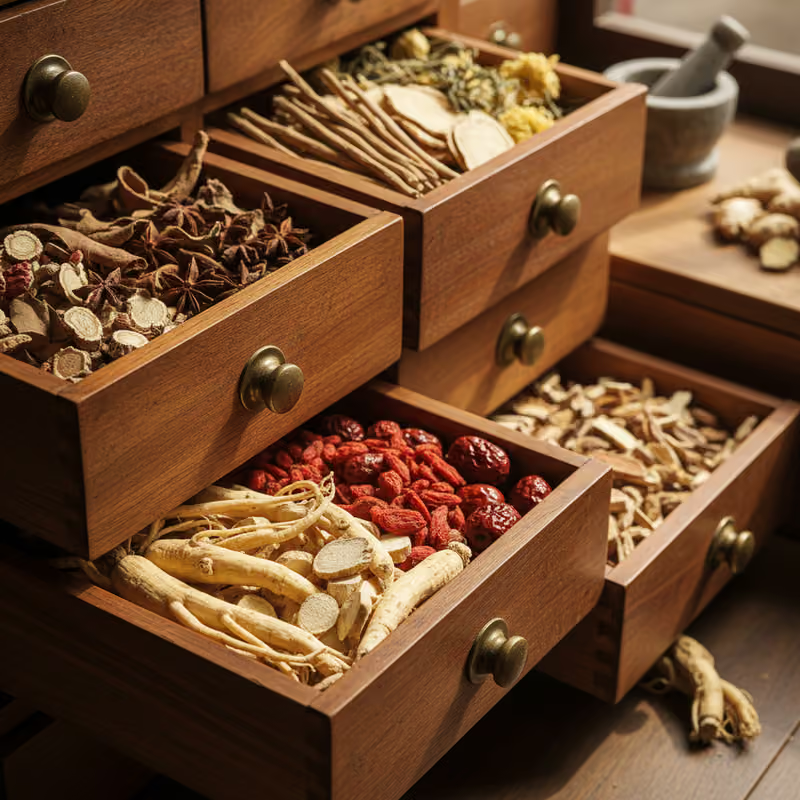
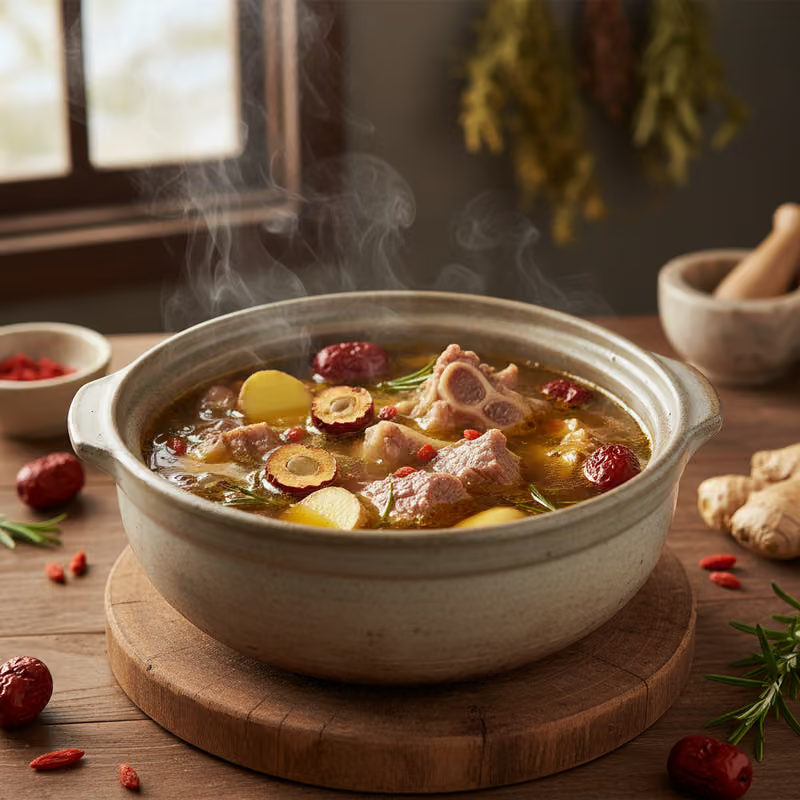
- Stews: Similarly, prepare a large pot of herbal stew. Choose a recipe that uses common, accessible vegetables (e.g., carrots, potatoes, daikon, mushrooms, leafy greens), a protein source (e.g., chicken, beef, tofu, various beans/lentils), and a base of appropriate stock or water. Herbs like ginger, garlic, star anise, cinnamon, goji berries, or dried longan can be added for flavor and their traditional associations.
2. Storage for Convenience:
- Broth: Once cooked and cooled, portion the broth into containers. Glass jars, freezer-safe plastic containers, or even ice cube trays (for smaller portions) work well. Refrigerate for up to 3-4 days or freeze for several months.
- Stews: Store cooled stew in airtight containers in the refrigerator for 3-4 days. For longer storage, portion into freezer-safe containers and freeze for up to 2-3 months.
3. Integration into Meals:
- Broth as a Drink: Warm a mug of bone broth and sip it as a comforting beverage, especially in the morning or as an afternoon pick-me-up. A pinch of salt, a squeeze of lemon, or a sprinkle of chopped green onions can enhance the flavor.
- Broth as a Base: Use bone broth as a base for cooking. It can replace water in recipes for grains (rice, quinoa), legumes, or when steaming vegetables. It's an excellent liquid for making soups, sauces, gravies, and reducing food waste by using leftover bones.
- Stews as Main Meals: Enjoy herbal stews as a hearty and complete meal. Serve them with a side of rice, noodles, or a crusty piece of bread.
- Stews for Meal Prep: Pack individual portions of stew for lunches or quick dinners throughout the week. This saves time and ensures you have a nutritious option readily available.
4. Ingredient Selection:
- Quality Bones: Source bones from reputable suppliers, ideally from animals raised without antibiotics or hormones, if possible. Knuckle bones, marrow bones, and joint bones are often recommended for broth due to their collagen content.
- Fresh Vegetables & Herbs: Prioritize fresh, seasonal vegetables and herbs for stews. This often means better flavor and nutrient content.
- Diversity: Rotate the types of bones, vegetables, and herbs you use to ensure a wide range of nutrients and flavors.
5. Simplicity: Don't feel pressured to use complex recipes. A simple bone broth with minimal aromatics or a vegetable stew with basic spices can be just as nourishing and comforting. The goal is consistent consumption of nutrient-rich, warm foods.
By planning and preparing in advance, these traditional nourishing foods can become an integral and enjoyable part of a daily routine, contributing to a balanced and varied diet.
Common mistakes to avoid
When incorporating bone broth and herbal stews into your diet, being mindful of common pitfalls can enhance their effectiveness and safety.
-
Over-reliance and Expectation of Miraculous Cures:
- Mistake: Believing that bone broth or herbal stews are a panacea for all health issues, or expecting them to replace conventional medical treatments for serious conditions.
- Correction: View these foods as part of a balanced diet that supports overall well-being. They are not substitutes for medical advice, diagnosis, or treatment. No single food can cure diseases or reverse significant health problems on its own. Maintain realistic expectations about their role.
-
Neglecting Overall Diet Quality:
- Mistake: Consuming bone broth or stew regularly but maintaining an otherwise unbalanced diet high in processed foods, unhealthy fats, and excessive sugars.
- Correction: These foods are best integrated into a comprehensive, varied diet rich in whole foods, lean proteins, diverse fruits and vegetables, and healthy fats. Their benefits are amplified when part of a holistic healthy eating pattern.
-
Inadequate Cooking Time for Broth:
- Mistake: Simmering bones for too short a period (e.g., 1-2 hours), resulting in a weak broth with minimal extraction of gelatin and minerals.
- Correction: For a truly rich and potentially beneficial bone broth, simmer chicken bones for at least 6-12 hours, and larger beef or pork bones for 12-24 hours, or even longer in a slow cooker. Pressure cookers can significantly reduce this time.
-
Using Poor Quality Ingredients:
- Mistake: Using bones from animals raised in conventional settings with potential exposure to antibiotics or hormones, or using highly processed bouillon cubes as a substitute for homemade broth.
- Correction: Source bones from animals that are, if possible, pasture-raised or organically fed, and free from antibiotics and added hormones. Choose fresh, high-quality vegetables and herbs for stews. Prioritize whole, unprocessed ingredients.
-
Excessive Sodium Content:
- Mistake: Over-salting homemade broths and stews, or relying on commercial varieties that can be excessively high in sodium.
- Correction: Control sodium intake by seasoning homemade dishes lightly. Taste as you go and use other herbs and spices to enhance flavor. Check labels on commercial products and choose low-sodium options where available. Excessive sodium intake can contribute to high blood pressure for some individuals.
-
Ignoring Individual Dietary Needs or Allergies:
- Mistake: Assuming these foods are suitable for everyone without considering personal health conditions, allergies, or intolerances.
- Correction: If you have dietary restrictions (e.g., low-histamine diet, specific protein restrictions), allergies (e.g., to certain herbs, legumes), or medical conditions (e.g., kidney disease requiring mineral restriction), consult with a healthcare professional or registered dietitian before making significant dietary changes.
-
Safety and Storage Issues:
- Mistake: Improperly cooling and storing broths and stews, leading to bacterial growth.
- Correction: Always cool cooked foods rapidly (within 2 hours) before refrigerating or freezing. Divide large batches into smaller containers to facilitate quicker cooling. Ensure containers are airtight to prevent contamination. Adhere to safe refrigeration and freezing times.
By avoiding these common mistakes, individuals can more effectively integrate bone broths and herbal stews into a healthful and sustainable dietary pattern, maximizing potential nutritional benefits while minimizing risks.
When to see a professional
While bone broths and herbal stews can be a nourishing part of a balanced diet, they are food items, not medical treatments. It is crucial to understand when to seek advice from a qualified healthcare professional.
You should consult a healthcare professional, such as a doctor, registered dietitian, or other qualified clinician, if:
- You have a pre-existing medical condition: If you have conditions such as kidney disease, liver disease, autoimmune disorders, digestive disorders (e.g., IBS, IBD), allergies, or any chronic illness, significant dietary changes or the regular consumption of specific concentrated food items like broth or certain herbs could interact with your condition or medications. For instance, individuals with kidney issues may need to monitor mineral intake.
- You are experiencing new or worsening symptoms: If you are using these foods with the hope of addressing specific symptoms (e.g., joint pain, digestive upset, fatigue) and your symptoms do not improve, or they worsen, it is essential to consult a doctor to determine the underlying cause and receive appropriate medical treatment.
- You are considering using specific traditional Chinese botanicals: While culinary herbs are generally safe, traditional Chinese botanicals used in stews can be potent and may have medicinal properties. Some can interact with medications or have adverse effects, especially if consumed in large quantities or over long periods. Never self-prescribe or use traditional botanicals without guidance from a qualified practitioner of Traditional Chinese Medicine or a healthcare provider knowledgeable in botanical medicine.
- You are pregnant, breastfeeding, or considering these for infants/children: Nutritional needs and sensitivities are different during these life stages. Always consult a healthcare provider before introducing new dietary components or making significant dietary changes.
- You are experiencing digestive discomfort: If consuming bone broth or stews leads to symptoms like nausea, bloating, diarrhea, or other digestive upset, discontinue use and consult a healthcare professional to identify the cause.
- You have specific dietary restrictions or nutritional concerns: If you are following a therapeutic diet (e.g., low FODMAP, low histamine) or have concerns about specific nutrient levels (e.g., iron deficiency, vitamin D deficiency), a registered dietitian can help you integrate these foods safely and effectively into your overall meal plan.
- You are seeking guidance on a holistic dietary approach: If you are interested in developing a personalized dietary plan that incorporates principles of traditional nutrition alongside modern science, a registered dietitian or a clinician with expertise in integrative nutrition can provide evidence-informed guidance tailored to your individual needs.
Remember, food supplements and dietary practices should complement, not replace, conventional medical care. A healthcare professional can provide personalized advice based on your complete health profile.
Frequently asked questions
Q: Can bone broth replace a meal?
A: While bone broth can be a source of protein, amino acids, and some minerals, and can be quite satiating due to its warmth and gelatin content, it typically does not provide the full spectrum of macronutrients (carbohydrates, fats, proteins) and micronutrients found in a complete meal. It can be a very nutritious addition to a meal or a healthy snack, but relying solely on bone broth for extended periods would likely lead to nutritional deficiencies. For a balanced meal, it is best combined with other food groups such as vegetables, grains, and lean proteins.
Q: Are there specific types of bones that are best for bone broth?
A: Different types of bones offer varying compositions. For a gelatin-rich broth, bones with a lot of connective tissue, such as knuckle bones, joint bones (e.g., beef femurs, chicken feet/necks/backs), and marrow bones are often recommended. Marrow bones also contribute healthy fats and a richer flavor. Using a mix of bones, including some with a little meat attached, can create a more flavorful and nutrient-diverse broth. The quality of the bones (e.g., from pasture-raised animals) can also influence the overall broth quality.
Q: How can I make herbal stews more flavorful without adding excessive salt?
A: There are many ways to enhance the flavor of herbal stews. Utilizing a wide array of aromatic vegetables such as onions, garlic, ginger, and leeks as a base can build foundational flavor. Incorporating different culinary herbs (e.g., thyme, rosemary, bay leaf, oregano) and spices (e.g., black pepper, star anise, cinnamon, turmeric, cumin) can add depth and complexity. A splash of apple cider vinegar or lemon juice at the end can brighten flavors. Using a homemade bone broth as the liquid base instead of water also significantly boosts taste. Fermented ingredients like a small amount of miso paste (added at the end) can also contribute umami flavor.
Q: Is bone broth suitable for individuals following a vegetarian or vegan diet?
A: No, traditional bone broth is made from animal bones and is therefore not suitable for vegetarian or vegan diets. However, individuals following these diets can create highly nourishing and flavorful vegetable broths or plant-based stews. These can be packed with various vegetables, mushrooms, legumes, grains, and herbs to provide a wide range of vitamins, minerals, fiber, and plant-based protein. Umami-rich ingredients like dried mushrooms, nutritional yeast, or kombu can help create a savory depth similar to meat-based broths.
Q: Can I use dried traditional Chinese botanicals in my stews?
A: Some dried traditional Chinese botanicals, such as goji berries (gouqi), dried longan fruit (longyanrou), or red dates (hongzao), are commonly used in Chinese cuisine and can be safely incorporated into stews for flavor and texture, similar to other culinary ingredients. However, many other traditional Chinese botanicals are considered potent and are primarily used for medicinal purposes within Traditional Chinese Medicine (TCM). It is crucial to understand that such botanicals can have strong effects, potential drug interactions, or contraindications. If you are considering using specific traditional Chinese botanicals that are not common culinary ingredients, it is highly recommended to consult with a qualified TCM practitioner or a healthcare professional knowledgeable in botanical medicine to ensure safety and appropriateness for your individual health condition.
Key takeaways
- Nutrient-Dense Additions: Bone broths can provide protein (gelatin/amino acids) and some minerals, while herbal stews offer a wide array of vitamins, minerals, fiber, and phytochemicals from diverse plant ingredients. Both contribute to hydration.
- Comfort and Warmth: These foods are often valued for their comforting and warming properties, particularly appealing during colder months, and can be easily digestible for some.
- Part of a Balanced Diet: They are best incorporated as components of a holistic, varied diet rich in whole foods, rather than as standalone solutions or replacements for comprehensive nutrition.
- Practicality: Batch cooking and proper storage make it easy to integrate bone broths and stews into daily routines for convenient, ready-to-eat nourishment.
- Avoid Common Mistakes: Be mindful of unrealistic expectations, poor ingredient quality, excessive sodium, inadequate cooking times for broth, and neglecting overall dietary balance.
- Professional Guidance is Key: Always consult a healthcare professional, registered dietitian, or qualified TCM practitioner if you have underlying health conditions, are on medications, are pregnant/breastfeeding, or plan to use specific traditional botanicals, to ensure safety and appropriateness.
- Not Medical Advice: These food items are not a substitute for medical treatment or advice for any health condition.
Related reading
Keep exploring this topic with our related, evidence-reviewed guides:
- Chinese Soups and Broths: Slow-Cooked Nutrition for Recovery — A practical, evidence-informed guide to chinese soup benefits — what matters, what works, common mistakes, and when to consult a p…
- Chinese Herbal Medicine: 12 Classic Herbs and How They Are Used — A practical, evidence-informed guide to chinese herbal medicine — what matters, what works, common mistakes, and when to consult a…
- Chinese Postnatal and Recovery Traditions: Rest, Warmth, and Nourishment — A practical, evidence-informed guide to chinese confinement — what matters, what works, common mistakes, and when to consult a pro…
- Bitter Melon, Winter Melon, and Chinese Vegetables for Blood Sugar — A practical, evidence-informed guide to bitter melon benefits — what matters, what works, common mistakes, and when to consult a p…
- Chinese Cold and Flu Traditions: Steam, Broth, and Rest — A practical, evidence-informed guide to chinese cold remedies — what matters, what works, common mistakes, and when to consult a p…
- Chinese Joint and Bone Health: Soups, Movement, and Sunlight — A practical, evidence-informed guide to chinese joint health — what matters, what works, common mistakes, and when to consult a pr…
Sources
- World Health Organization (WHO): For general nutrition guidelines, healthy eating patterns, and food safety principles.
- Centers for Disease Control and Prevention (CDC): For information on healthy eating, food preparation safety, and public health guidelines.
- National Institutes of Health (NIH) - National Center for Complementary and Integrative Health (NCCIH): For evidence-based information on dietary supplements and complementary health approaches, including general perspectives on traditional medicine systems.
- Mayo Clinic: For consumer-friendly, evidence-based health information, including dietary recommendations and safety precautions.
- Cochrane Library: For systematic reviews of evidence, which contribute to our understanding of various interventions and dietary components.
- Food and Agriculture Organization of the United Nations (FAO): For global food security, nutrition, and food systems information.
- NHS (National Health Service, UK): For comprehensive, evidence-based health advice, including dietary guidelines and information on specific nutrients.
Sources
Evidence & citations
- Every claim in this chinese health wisdom guide is backed by primary data — browse the longevity and lifestyle health statistics in our sourced statistics library.
- Writing about this topic? Researchers, journalists and educators can cite our traditional Chinese health research with ready-made APA, MLA and Chicago references.
My notes on this one
The short version of 16 minutes of reading — what stuck with me while writing “Chinese Bone Broth and Herbal Stews for Winter Strength”, what the sources back up, and what I'd actually do about it.
What I'd take away
01 · Why this matters
Bone broths and herbal stews are often promoted for a variety of general wellness benefits, and understanding the general nutritional context of these foods is important for informed dietary choices.
02 · Key principles
Phytochemicals: Plants contain numerous bioactive compounds (e.g., polyphenols, carotenoids) that contribute to their flavor and are subjects of ongoing research for their potential roles in health.
03 · Practical daily habits
Broth: Once cooked and cooled, portion the broth into containers. Glass jars, freezer-safe plastic containers, or even ice cube trays (for smaller portions) work well…
04 · Common mistakes to avoid
Mistake: Simmering bones for too short a period (e.g., 1-2 hours), resulting in a weak broth with minimal extraction of gelatin and minerals.
What the sources I read actually say
It also encourages appreciation for nutrient-dense, home-cooked meals, which form a cornerstone of healthy eating patterns recommended by health organizations globally.
World Health OrganizationCorrection: View these foods as part of a balanced diet that supports overall well-being. They are not substitutes for medical advice, diagnosis, or treatment…
Centers for Disease Control and PreventionNational Institutes of Health (NIH) - National Center for Complementary and Integrative Health (NCCIH): For evidence-based information on dietary supplements and complementary health approaches…
National Institutes of Health
If you only do one thing this week
- Stews — Store cooled stew in airtight containers in the refrigerator for 3-4 days. For longer storage, portion into freezer-safe containers and freeze for up to 2-3 months.
- Mistake — Simmering bones for too short a period (e.g., 1-2 hours), resulting in a weak broth with minimal extraction of gelatin and minerals.
Pick the one that fits your week. None of this replaces advice from a clinician who can actually examine you.
Questions I kept coming back to
Can bone broth replace a meal?+
While bone broth can be a source of protein, amino acids, and some minerals, and can be quite satiating due to its warmth and gelatin content, it typically does not provide the full spectrum of macronutrients (carbohydrates, fats, proteins) and micronutrients found in a complete meal. It can be a very nutritious addition to a meal or a healthy snack…
Are there specific types of bones that are best for bone broth?+
Different types of bones offer varying compositions. For a gelatin-rich broth, bones with a lot of connective tissue, such as knuckle bones, joint bones (e.g., beef femurs, chicken feet/necks/backs), and marrow bones are often recommended. Marrow bones also contribute healthy fats and a richer flavor. Using a mix of bones, including some with a little meat attached…
How can I make herbal stews more flavorful without adding excessive salt?+
There are many ways to enhance the flavor of herbal stews. Utilizing a wide array of aromatic vegetables such as onions, garlic, ginger, and leeks as a base can build foundational flavor. Incorporating different culinary herbs (e.g., thyme, rosemary, bay leaf, oregano) and spices (e.g., black pepper, star anise, cinnamon, turmeric, cumin) can add depth and complexity…
Is bone broth suitable for individuals following a vegetarian or vegan diet?+
No, traditional bone broth is made from animal bones and is therefore not suitable for vegetarian or vegan diets. However, individuals following these diets can create highly nourishing and flavorful vegetable broths or plant-based stews. These can be packed with various vegetables, mushrooms, legumes, grains, and herbs to provide a wide range of vitamins, minerals, fiber, and plant-based protein…
Can I use dried traditional Chinese botanicals in my stews?+
Some dried traditional Chinese botanicals, such as goji berries (gouqi), dried longan fruit (longyanrou), or red dates (hongzao), are commonly used in Chinese cuisine and can be safely incorporated into stews for flavor and texture, similar to other culinary ingredients. However…
Was this article helpful?
Be the first to rate this article.
Written by
FaizRuh
I write Health Hub Pro on my own — no clinical licence, no anonymous review panel. Just the published guidance, read carefully and explained plainly.
More about me →How this page was checked
Every claim above is checked against the sources listed at the bottom of this article — WHO, CDC, NIH, NHS, Cochrane and major clinical guidelines. Drafting is AI-assisted; the editing, fact-checking and final wording are mine. It's information, not medical advice. Spotted an error? Tell me and I'll fix it.
Last checked on