Bitter Melon, Winter Melon, and Chinese Vegetables for Blood
A practical, evidence-informed guide to bitter melon benefits — what matters, what works, common mistakes, and when to consult a professional.
For informational purposes only. This article is educational and is not a substitute for professional medical advice, diagnosis, or treatment. Always consult a qualified healthcare provider about anything affecting your health. Read full disclaimer.
Bitter Melon, Winter Melon, and Chinese Vegetables for Blood Sugar
(Not medical or veterinary advice — consult a qualified clinician or veterinarian for personal guidance.)
Introduction
Managing blood sugar levels is a critical aspect of overall health, particularly for individuals concerned about or living with conditions like prediabetes or type 2 diabetes. While conventional medical treatments and lifestyle adjustments form the cornerstone of blood sugar management, interest in dietary interventions, including traditional foods and botanicals, continues to grow. Among these, certain vegetables, particularly those prominent in East Asian cuisines, have garnered attention for their potential roles in supporting metabolic health. This article explores the properties and potential benefits of bitter melon, winter melon, and other Chinese vegetables in the context of blood sugar regulation.
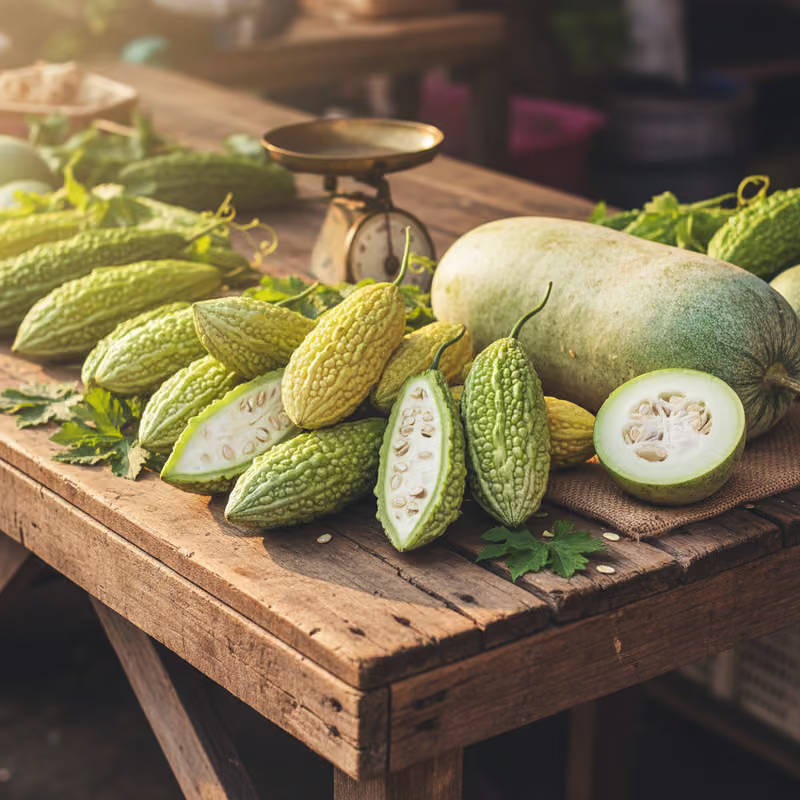
Bitter melon ( Momordica charantia), also known as bitter gourd or Karela, is a tropical vine widely cultivated in Asia, Africa, and the Caribbean. It is renowned for its distinctively bitter taste and its historical use in traditional medicine systems for various ailments, including its reputed effects on blood sugar. Winter melon (Benincasa hispida), also known as ash gourd or wax gourd, is another large fruit-vegetable native to South and Southeast Asia. Unlike bitter melon, winter melon has a mild, subtly sweet flavor and a high water content, making it a common ingredient in soups and stews. Beyond these two, a diverse array of Chinese vegetables, such as bok choy, gai lan (Chinese broccoli), and various leafy greens, are integral to daily diets and contribute to a nutrient-dense eating pattern.
The potential of these vegetables to influence blood sugar levels is often attributed to their unique phytochemical profiles, fiber content, and low glycemic index. Incorporating a variety of non-starchy vegetables into one's diet is a widely recommended strategy for metabolic health, as they provide essential vitamins, minerals, and antioxidants with minimal impact on blood glucose. This article will delve into the current understanding of how these specific vegetables may contribute to blood sugar management, provide practical guidance for their inclusion in a balanced diet, and address common misconceptions, all while emphasizing the importance of evidence-informed decisions and professional medical consultation.
Why this matters
Maintaining healthy blood sugar levels is fundamental to preventing and managing a range of chronic health conditions. Uncontrolled or consistently elevated blood sugar (hyperglycemia) can lead to serious long-term complications affecting multiple organ systems, including the heart, kidneys, eyes, and nerves. Diabetes, a condition characterized by high blood glucose, is a significant global health challenge, impacting millions worldwide. According to the World Health Organization (WHO), diabetes is a major cause of blindness, kidney failure, heart attacks, strokes, and lower limb amputation.
Lifestyle modifications, including dietary changes and regular physical activity, are often the first line of defense and a continuous component of managing blood sugar. The foods we consume directly influence blood glucose levels, with carbohydrates having the most significant impact. Incorporating foods that have a low glycemic index, are rich in fiber, and contain beneficial plant compounds can play a supportive role in regulating blood sugar responses after meals and improving insulin sensitivity over time.
For many individuals, there is a keen interest in natural approaches and dietary adjuncts that can complement conventional medical management. Traditional food systems, such as those found in East Asian cultures, have long utilized specific vegetables for their perceived health benefits. Bitter melon, in particular, has been a subject of scientific inquiry due to its widespread traditional use in diabetes management. Understanding the evidence surrounding its potential, as well as that of other Chinese vegetables, empowers individuals to make informed dietary choices.
This topic matters because it bridges traditional wisdom with modern scientific understanding, offering insights into how culturally relevant food items might contribute to metabolic well-being. It underscores the importance of a diverse, plant-rich diet in preventive health and chronic disease management. However, it also highlights the critical need for caution and evidence-based approaches, as dietary interventions should always be discussed with healthcare professionals, especially for those with existing medical conditions or those taking medications. Misinformation or inappropriate use of dietary supplements can have adverse effects, making responsible and informed guidance paramount.
Key principles (evidence-informed)
The potential benefits of bitter melon, winter melon, and other Chinese vegetables for blood sugar management are generally understood through several key principles, supported by various studies and nutritional science.
1. Glycemic Index and Load: A fundamental principle in blood sugar management is the concept of the glycemic index (GI) and glycemic load (GL). Foods with a low GI are digested and absorbed slowly, leading to a gradual rise in blood glucose levels rather than sharp spikes. Non-starchy vegetables, including most Chinese greens, winter melon, and bitter melon, generally have a low GI. Their consumption can help stabilize blood sugar responses compared to high-GI foods.
2. Fiber Content: Dietary fiber, particularly soluble fiber, plays a crucial role in blood sugar control. Fiber slows down the digestion and absorption of carbohydrates, which helps to prevent rapid increases in blood glucose after meals. It also contributes to satiety, potentially reducing overall calorie intake and supporting weight management, which is beneficial for insulin sensitivity. Most vegetables, including those discussed, are excellent sources of dietary fiber. The World Health Organization (WHO) emphasizes the importance of adequate fiber intake for metabolic health.
3. Phytochemicals and Bioactive Compounds: Bitter melon, in particular, is rich in a variety of bioactive compounds hypothesized to have glucose-lowering effects. These include:
- Charantin: A triterpenoid believed to lower blood glucose.
- Polypeptide-p (or plant insulin): A small protein that some research suggests may act similarly to insulin.
- Vicine and momordicin: Other compounds under investigation for their potential metabolic actions.
- Antioxidants: Such as flavonoids and phenolic acids, which can help reduce oxidative stress, a factor implicated in insulin resistance and diabetes complications.
Winter melon, while less studied for direct blood sugar effects than bitter melon, contains various phytochemicals and a high water content. Its mild nature makes it a suitable low-calorie, low-carbohydrate filler in meals. Other Chinese vegetables like bok choy and gai lan are packed with vitamins (e.g., Vitamin K, Vitamin A, Vitamin C), minerals, and glucosinolates, which are compounds also found in cruciferous vegetables that have antioxidant and anti-inflammatory properties, supporting overall health and potentially indirect metabolic benefits.
4. Insulin Sensitivity: Some research, primarily from in vitro and animal studies, suggests that certain compounds in bitter melon may enhance insulin secretion from the pancreas or improve insulin sensitivity in peripheral tissues. Improved insulin sensitivity means the body's cells respond more effectively to insulin, allowing glucose to be taken up from the bloodstream more efficiently.
5. Nutritional Density with Low Calorie Count: Most non-starchy Chinese vegetables are nutrient-dense but low in calories and carbohydrates. This makes them ideal for inclusion in a diet aimed at managing blood sugar and weight. They provide essential micronutrients without contributing significantly to blood glucose levels, allowing for larger, more satisfying meal portions that support healthy eating patterns.
6. Digestive Health: The fiber content in these vegetables also supports a healthy gut microbiome. A balanced gut microbiota is increasingly recognized for its potential influence on metabolic health, including glucose regulation and insulin sensitivity.
The National Institutes of Health (NIH) and various research bodies continue to explore the precise mechanisms and efficacy of these compounds in human studies. While traditional use is extensive, and preliminary research is promising, it is important to emphasize that these vegetables are part of a broader dietary pattern and should not be seen as a substitute for prescribed medical treatments or a balanced diet.
Practical daily habits
Incorporating bitter melon, winter melon, and other Chinese vegetables into your daily routine can be a flavorful and nutritious way to support blood sugar management. Here are some practical habits to consider:
1. Diversify Your Vegetable Intake: Don't rely solely on one type of vegetable. Aim for a wide variety of non-starchy vegetables throughout the week. This ensures a broad spectrum of nutrients and beneficial compounds.
- Bitter Melon: Due to its intense bitterness, bitter melon is often best consumed in moderation. Try small portions initially.
- Winter Melon: Its mild flavor makes it versatile for larger servings.
- Other Chinese Vegetables: Regularly include bok choy, gai lan, Chinese cabbage, mustard greens, and various leafy greens.
2. Cooking Methods for Bitter Melon: To mitigate bitter melon's strong taste:
- Blanching: Briefly boil sliced bitter melon in salted water for a few minutes, then drain. This can reduce some bitterness.
- Salting: Rub slices with salt, let sit for 20-30 minutes, then rinse thoroughly. This draws out bitter juices.
- Pairing: Combine bitter melon with stronger flavors, such as garlic, ginger, fermented black beans, or chili, or with ingredients that can absorb bitterness, like eggs or meat in stir-fries. It also pairs well with sweeter ingredients in some dishes (e.g., in a stir-fry with pineapple, though be mindful of added sugar).
- Popular Dishes: Try bitter melon stir-fried with eggs, pork, or fermented black beans. It can also be added to soups or curries.
3. Incorporating Winter Melon: Winter melon's subtle taste and high water content make it excellent for:
- Soups and Stews: It's a staple in many East Asian clear broths, such as winter melon soup with pork ribs or chicken.
- Braising: It can be braised with meats or mushrooms.
- Stir-fries: Although less common than in soups, it can be added to stir-fries for bulk and hydration.
- Juice/Smoothies: In some regions, it's juiced for a refreshing drink. Ensure no added sugars if using for blood sugar management.
4. Maximizing Other Chinese Vegetables: These are highly versatile and can be incorporated into almost any meal:
- Stir-fries: A classic way to enjoy bok choy, gai lan, choi sum, and other leafy greens. Cook quickly to retain crunch and nutrients.
- Steaming/Blanching: Serve as a simple side dish with a light dressing (e.g., soy sauce, sesame oil, garlic).
- Soups and Noodles: Add generously to broths, ramen, or noodle dishes.
- Salads: Younger, tender leaves can be used in salads, though many Chinese greens are typically cooked.
5. Meal Planning and Timing:
- Prioritize Vegetables: Aim for vegetables to fill half of your plate at lunch and dinner.
- Balance Meals: Combine these vegetables with lean protein sources and complex carbohydrates (like brown rice, quinoa, or whole grains) to create balanced meals that further support blood sugar stability.
- Snacks: While not typical snack items on their own, some preparations (e.g., blanched greens with a light dressing) could serve as a healthy snack.
6. Hydration: Winter melon is excellent for hydration due to its high water content. Adequate hydration is crucial for overall metabolic function.
7. Mindful Eating: Pay attention to portion sizes, especially when incorporating new foods. While these vegetables are beneficial, a balanced approach to the entire diet is key.
8. Consider Freshness: Opt for fresh, seasonal vegetables whenever possible. This ensures optimal nutrient content and flavor. Wash all vegetables thoroughly before preparation.
Remember that dietary changes should complement, not replace, any prescribed medical treatments or advice from your healthcare provider.
Common mistakes to avoid
When incorporating bitter melon, winter melon, and other Chinese vegetables into your diet for blood sugar management, it's important to be aware of potential pitfalls that could hinder their effectiveness or lead to adverse outcomes.
1. Relying Solely on Vegetables as a "Cure": Mistake: Believing that consuming these vegetables alone will cure or completely control diabetes or high blood sugar without other lifestyle changes or medical intervention. Correction: These vegetables are a beneficial part of a holistic approach to blood sugar management. They complement a balanced diet, regular physical activity, and prescribed medications, but they are not a standalone treatment or a substitute for professional medical care. The Centers for Disease Control and Prevention (CDC) emphasizes that managing diabetes requires a comprehensive strategy.
2. Over-consumption of Bitter Melon: Mistake: Consuming excessively large quantities of bitter melon, especially in supplement form or concentrated juices, hoping for a faster or stronger effect. Correction: While bitter melon has traditional uses, large amounts can lead to gastrointestinal issues such as abdominal pain, diarrhea, and vomiting. In rare cases, it might interact with certain medications. Always start with small amounts, observe your body's response, and consult a healthcare professional before using concentrated forms or supplements.
3. Ignoring Added Sugars and High-GI Components: Mistake: Adding these vegetables to dishes that are otherwise high in refined carbohydrates, unhealthy fats, or excessive added sugars, negating the benefits. For example, stir-frying with sugary sauces, or pairing them with large portions of white rice. Correction: Focus on whole, unprocessed foods. Use minimal, healthy oils, and opt for low-sodium, sugar-free sauces. Pair vegetables with lean proteins and complex carbohydrates like brown rice or quinoa in appropriate portions.
4. Neglecting Proper Preparation for Bitter Melon: Mistake: Eating bitter melon without proper preparation (like blanching or salting) and then disliking it so much that you stop consuming it entirely. Correction: Experiment with preparation methods to reduce its bitterness to a palatable level. Incorporate it gradually into dishes where its flavor is balanced by other ingredients.
5. Assuming All "Healthy" Preparations are Blood Sugar Friendly: Mistake: Assuming that because a dish contains these vegetables, it is automatically beneficial for blood sugar, without considering other ingredients. For instance, winter melon soup made with excessive amounts of fatty meat or high-sodium broths, or vegetable stir-fries with unhealthy oils or deep-fried components. Correction: Pay attention to the overall nutritional profile of the meal. Choose lean protein sources, healthy cooking oils, and control sodium intake. Opt for steaming, stir-frying with minimal oil, or boiling as healthier cooking methods.
6. Overlooking Potential Drug Interactions: Mistake: Taking bitter melon supplements or consuming large amounts of the vegetable without considering potential interactions with medications, especially those for diabetes. Correction: Bitter melon may have synergistic effects with blood sugar-lowering medications, potentially leading to hypoglycemia ( dangerously low blood sugar). It can also interact with blood thinners. Always discuss any dietary supplements or significant dietary changes with your doctor or pharmacist, particularly if you are on medication.
7. Inconsistent Consumption: Mistake: Consuming these vegetables sporadically and expecting consistent blood sugar benefits. Correction: For any potential dietary benefits to manifest, consistency is key. Incorporate these vegetables regularly as part of a sustained healthy eating pattern.
By avoiding these common mistakes, individuals can more effectively and safely integrate bitter melon, winter melon, and other Chinese vegetables into their blood sugar management strategy.
When to see a professional
While incorporating healthy vegetables like bitter melon, winter melon, and other Chinese greens into your diet can be a positive step for overall health and potentially for supporting blood sugar management, it is crucial to understand when professional medical advice is warranted. Self-treating or delaying professional care for blood sugar issues can lead to serious health complications.
You should consult a healthcare professional in the following situations:
- Diagnosis of Diabetes or Prediabetes: If you have been diagnosed with prediabetes or diabetes, a qualified clinician (such as an endocrinologist, general practitioner, or certified diabetes educator) should be your primary guide. They will establish a comprehensive treatment plan, which may include medication, dietary recommendations, and lifestyle changes. Dietary modifications, including the introduction of specific vegetables, should be discussed within this framework.
- Unexplained or Persistent High Blood Sugar: If you are experiencing symptoms of high blood sugar (e.g., increased thirst, frequent urination, unexplained weight loss, blurred vision, fatigue) or if routine blood tests indicate elevated glucose levels, seek medical attention immediately. These symptoms warrant a diagnostic evaluation.
- Considering Bitter Melon Supplements: If you are contemplating using bitter melon in supplement form (capsules, extracts, concentrated juices) for blood sugar control, it is imperative to discuss this with your doctor. Supplements can have potent effects, potential side effects, and may interact with prescription medications.
- Already on Diabetes Medication: If you are currently taking medications for diabetes (e.g., insulin, metformin, sulfonylureas), introducing bitter melon or making significant dietary changes without medical supervision can be dangerous. Bitter melon may have additive effects with these drugs, potentially leading to hypoglycemia ( dangerously low blood sugar). Your medication doses may need adjustment.
- Experiencing Hypoglycemia: If you experience symptoms of low blood sugar (e.g., shakiness, dizziness, sweating, confusion, rapid heartbeat) while attempting to manage blood sugar through diet, seek medical attention. This could indicate an imbalance in your treatment plan.
- Digestive Issues or Other Adverse Reactions: If you experience gastrointestinal upset (nausea, diarrhea, abdominal pain) or any other unusual symptoms after consuming bitter melon or other new foods, discontinue use and consult your doctor.
- Pregnancy or Breastfeeding: Pregnant or breastfeeding individuals should always consult their healthcare provider before making significant dietary changes or using any herbal remedies, including bitter melon.
- Underlying Health Conditions: Individuals with kidney disease, liver conditions, or other chronic health issues should always seek professional advice before introducing new dietary interventions that could impact their condition.
Your healthcare team, including doctors, dietitians, and diabetes educators, can provide personalized guidance, monitor your blood sugar levels, and ensure that any dietary changes you make are safe, effective, and integrated into your overall health management plan. The World Health Organization (WHO) and the Centers for Disease Control and Prevention (CDC) consistently recommend professional medical consultation for managing chronic conditions like diabetes.
Frequently asked questions
Q1: Can bitter melon cure diabetes?
A: No, bitter melon cannot cure diabetes. While some traditional practices and preliminary research suggest that bitter melon may help manage blood sugar levels, it is not a cure for diabetes. Diabetes is a complex chronic condition that requires comprehensive management, which often includes medical treatment, a balanced diet, and regular physical activity. Relying solely on bitter melon or any other single food item as a cure for diabetes is not recommended and can be dangerous, potentially leading to uncontrolled blood sugar levels and serious complications. Always consult with a qualified healthcare professional for diabetes management.
Q2: How much bitter melon or winter melon should I eat daily for blood sugar benefits?
A: There is no universally established daily dosage for bitter melon or winter melon specifically for blood sugar benefits, particularly for individuals with diabetes, as consumption should be part of a balanced diet and under medical guidance. For bitter melon, due to its potent compounds and potential for gastrointestinal upset, moderation is key. Starting with small portions (e.g., a few slices in a stir-fry) a few times a week is advisable. Winter melon is milder and can be consumed in larger quantities as part of soups or stews. The focus should be on integrating a variety of non-starchy vegetables into a healthy, balanced eating pattern rather than consuming large amounts of a single vegetable. Always discuss dietary changes with your healthcare provider, especially if you have an underlying health condition or are on medication.
Q3: Are there any side effects or interactions with bitter melon?
A: Yes, bitter melon can have potential side effects and interactions. Common side effects may include gastrointestinal issues such as abdominal pain, diarrhea, and nausea, especially with excessive consumption. It may also interact with certain medications. For instance, bitter melon can have additive effects with blood sugar-lowering medications (like insulin or oral antidiabetic drugs), potentially leading to hypoglycemia (dangerously low blood sugar). It might also interact with blood thinners. Individuals who are pregnant or breastfeeding, or who have liver disease, should exercise caution and consult their doctor before consuming bitter melon. Always inform your healthcare professional about any dietary supplements or herbal remedies you are taking.
Q4: Can children consume bitter melon or winter melon?
A: Winter melon is generally considered safe for children as part of a balanced diet due to its mild flavor and high water content, often used in soups and broths. However, bitter melon is typically not recommended for young children due to its intense bitterness and potential for strong physiological effects. Some sources suggest that excessive bitter melon consumption in children could potentially lead to hypoglycemia or other adverse reactions. If considering introducing bitter melon to a child's diet, especially for perceived health benefits, it is prudent to consult with a pediatrician or a qualified healthcare professional first.
Q5: How do Chinese vegetables like bok choy and gai lan help with blood sugar?
**A: The benefits of Chinese vegetables like bok choy and gai lan (Chinese broccoli) for blood sugar management are primarily attributed to their general nutritional profile:
- Low Glycemic Index: They are non-starchy vegetables with a low glycemic index, meaning they cause minimal impact on blood glucose levels.
- High Fiber Content: Rich in dietary fiber, they slow down carbohydrate digestion and absorption, helping to prevent rapid blood sugar spikes after meals. Fiber also promotes satiety, aiding in weight management.
- Nutrient Density: They provide essential vitamins (e.g., Vitamins A, C, K) and minerals (e.g., calcium, potassium), and antioxidants with very few calories and carbohydrates. These nutrients support overall metabolic health and reduce oxidative stress, which can be beneficial for individuals concerned about blood sugar regulation. Incorporating a variety of these vegetables as part of a balanced, whole-food diet is a cornerstone of healthy eating recommended by health organizations like the World Health Organization (WHO).
Key takeaways
- Bitter Melon ( Momordica charantia): Known for its intense bitterness and traditional use in various cultures, bitter melon contains bioactive compounds like charantin and polypeptide-p that are subjects of research for their potential roles in blood sugar regulation. It may help lower blood glucose and improve insulin sensitivity. However, it requires careful preparation to reduce bitterness and should be consumed in moderation due to potential side effects and interactions, especially with diabetes medications.
- Winter Melon ( Benincasa hispida): This mild-flavored, high-water-content vegetable is a low-calorie, low-carbohydrate option that contributes to satiety and hydration. While not as directly studied for blood sugar-lowering compounds as bitter melon, its nutritional profile and low glycemic impact make it a beneficial component of a blood sugar-friendly diet.
- Other Chinese Vegetables: A diverse array of non-starchy Chinese greens like bok choy, gai lan, and Chinese cabbage are excellent sources of dietary fiber, vitamins, minerals, and antioxidants. They have a low glycemic index, support digestive health, and contribute to overall metabolic well-being without significantly impacting blood sugar levels.
- Holistic Approach: These vegetables are valuable additions to a healthy diet but are not a standalone "cure" for diabetes or high blood sugar. They complement a comprehensive management plan that includes prescribed medical treatments, regular physical activity, and a balanced, whole-food-focused eating pattern.
- Caution and Professional Guidance: Always consult with a qualified healthcare professional before making significant dietary changes, especially if you have prediabetes, diabetes, or other chronic health conditions, or if you are taking medications. This is crucial to prevent adverse interactions, avoid hypoglycemia, and ensure your treatment plan remains safe and effective.
- Preparation and Moderation: For bitter melon, proper preparation (blanching, salting) can reduce its bitterness, making it more palatable. For all vegetables, focus on healthy cooking methods (steaming, stir-frying with minimal healthy oil) and avoid adding excessive sugars or unhealthy fats to preserve their benefits.
Related reading
Keep exploring this topic with our related, evidence-reviewed guides:
- Jujube, Longan, and Chinese Dried Fruits for Blood and Energy — A practical, evidence-informed guide to jujube benefits — what matters, what works, common mistakes, and when to consult a profess…
- Chinese Foot Soaking and Reflexology: Sleep, Circulation, and Warmth — A practical, evidence-informed guide to foot soaking benefits — what matters, what works, common mistakes, and when to consult a p…
- Why Chinese Families Drink Warm Water and What It Does for Digestion — A practical, evidence-informed guide to warm water benefits — what matters, what works, common mistakes, and when to consult a pro…
- Fermented Chinese Foods: Pickles, Vinegar, and Gut Health — A practical, evidence-informed guide to fermented chinese food — what matters, what works, common mistakes, and when to consult a …
- Chinese Kitchen Spices as Medicine: Star Anise, Cinnamon, and Sichuan Pepper — A practical, evidence-informed guide to chinese spices health — what matters, what works, common mistakes, and when to consult a p…
- Blood Sugar Basics: Fasting Glucose, HbA1c, and Early Warning Signs — A practical, evidence-informed guide to blood sugar test — what matters, what works, common mistakes, and when to consult a profes…
Sources
- World Health Organization (WHO)
- Centers for Disease Control and Prevention (CDC)
- National Institutes of Health (NIH)
- Mayo Clinic
- Cochrane Library (for reviews of evidence)
Sources
Evidence & citations
- Every claim in this chinese health wisdom guide is backed by primary data — browse the longevity and lifestyle health statistics in our sourced statistics library.
- Writing about this topic? Researchers, journalists and educators can cite our traditional Chinese health research with ready-made APA, MLA and Chicago references.
My notes on this one
The short version of 18 minutes of reading — what stuck with me while writing “Bitter Melon, Winter Melon, and Chinese Vegetables for Blood”, what the sources back up, and what I'd actually do about it.
What I'd take away
01 · Why this matters
According to the World Health Organization (WHO), diabetes is a major cause of blindness, kidney failure, heart attacks, strokes, and lower limb amputation.
02 · Key principles
Insulin Sensitivity: Some research, primarily from in vitro and animal studies, suggests that certain compounds in bitter melon may enhance insulin secretion from the pancreas or improve insulin sensitivity in…
03 · Practical daily habits
Salting: Rub slices with salt, let sit for 20-30 minutes, then rinse thoroughly. This draws out bitter juices.
04 · Common mistakes to avoid
The Centers for Disease Control and Prevention (CDC) emphasizes that managing diabetes requires a comprehensive strategy.
What the sources I read actually say
Diabetes, a condition characterized by high blood glucose, is a significant global health challenge, impacting millions worldwide.
World Health OrganizationIt underscores the importance of a diverse, plant-rich diet in preventive health and chronic disease management.
Centers for Disease Control and PreventionThe National Institutes of Health (NIH) and various research bodies continue to explore the precise mechanisms and efficacy of these compounds in human studies.
National Institutes of Health
If you only do one thing this week
- Salting — Rub slices with salt, let sit for 20-30 minutes, then rinse thoroughly. This draws out bitter juices.
- Prioritize Vegetables — Aim for vegetables to fill half of your plate at lunch and dinner.
- Aim for a wide variety of non-starchy vegetables throughout the week.
- Pair vegetables with lean proteins and complex carbohydrates like brown rice or quinoa in appropriate portions.
- Choose lean protein sources, healthy cooking oils, and control sodium intake.
Pick the one that fits your week. None of this replaces advice from a clinician who can actually examine you.
Questions I kept coming back to
Can bitter melon cure diabetes?+
No, bitter melon cannot cure diabetes. While some traditional practices and preliminary research suggest that bitter melon may help manage blood sugar levels, it is not a cure for diabetes. Diabetes is a complex chronic condition that requires comprehensive management, which often includes medical treatment, a balanced diet, and regular physical activity…
How much bitter melon or winter melon should I eat daily for blood sugar benefits?+
There is no universally established daily dosage for bitter melon or winter melon specifically for blood sugar benefits, particularly for individuals with diabetes, as consumption should be part of a balanced diet and under medical guidance. For bitter melon, due to its potent compounds and potential for gastrointestinal upset, moderation is key. Starting with small portions (e.g.…
Are there any side effects or interactions with bitter melon?+
Yes, bitter melon can have potential side effects and interactions. Common side effects may include gastrointestinal issues such as abdominal pain, diarrhea, and nausea, especially with excessive consumption. It may also interact with certain medications. For instance, bitter melon can have additive effects with blood sugar-lowering medications (like insulin or oral antidiabetic drugs)…
Can children consume bitter melon or winter melon?+
Winter melon is generally considered safe for children as part of a balanced diet due to its mild flavor and high water content, often used in soups and broths. However, bitter melon is typically not recommended for young children due to its intense bitterness and potential for strong physiological effects…
How do Chinese vegetables like bok choy and gai lan help with blood sugar?+
The benefits of Chinese vegetables like bok choy and gai lan (Chinese broccoli) for blood sugar management are primarily attributed to their general nutritional profile: Incorporating a variety of these vegetables as part of a balanced, whole-food diet is a cornerstone of healthy eating recommended by health organizations like the World Health Organization (WHO)…
Was this article helpful?
Be the first to rate this article.
Written by
FaizRuh
I write Health Hub Pro on my own — no clinical licence, no anonymous review panel. Just the published guidance, read carefully and explained plainly.
More about me →How this page was checked
Every claim above is checked against the sources listed at the bottom of this article — WHO, CDC, NIH, NHS, Cochrane and major clinical guidelines. Drafting is AI-assisted; the editing, fact-checking and final wording are mine. It's information, not medical advice. Spotted an error? Tell me and I'll fix it.
Last checked on