Jujube, Longan, and Chinese Dried Fruits for Blood and
A practical, evidence-informed guide to jujube benefits — what matters, what works, common mistakes, and when to consult a professional.
For informational purposes only. This article is educational and is not a substitute for professional medical advice, diagnosis, or treatment. Always consult a qualified healthcare provider about anything affecting your health. Read full disclaimer.
Jujube, Longan, and Chinese Dried Fruits for Blood and Energy
(Not medical or veterinary advice — consult a qualified clinician or veterinarian for personal guidance.)
Introduction
In various traditional practices, certain foods are revered not only for their nutritional value but also for their perceived role in supporting overall well-being. Among these, jujube (Ziziphus jujuba), longan (Dimocarpus longan), and other Chinese dried fruits have long held a prominent place, particularly in discussions surrounding "blood and energy" – concepts that encompass vitality, circulation, and general bodily function within some traditional frameworks. While modern nutritional science approaches these concepts differently, these fruits are indeed packed with a variety of compounds that contribute to a balanced diet and may support various physiological processes.
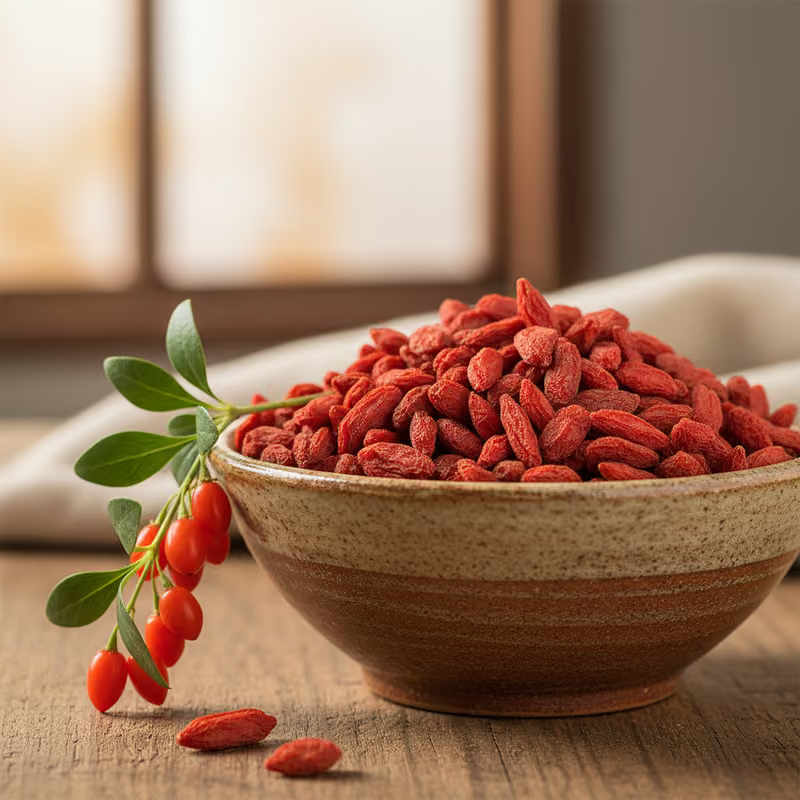
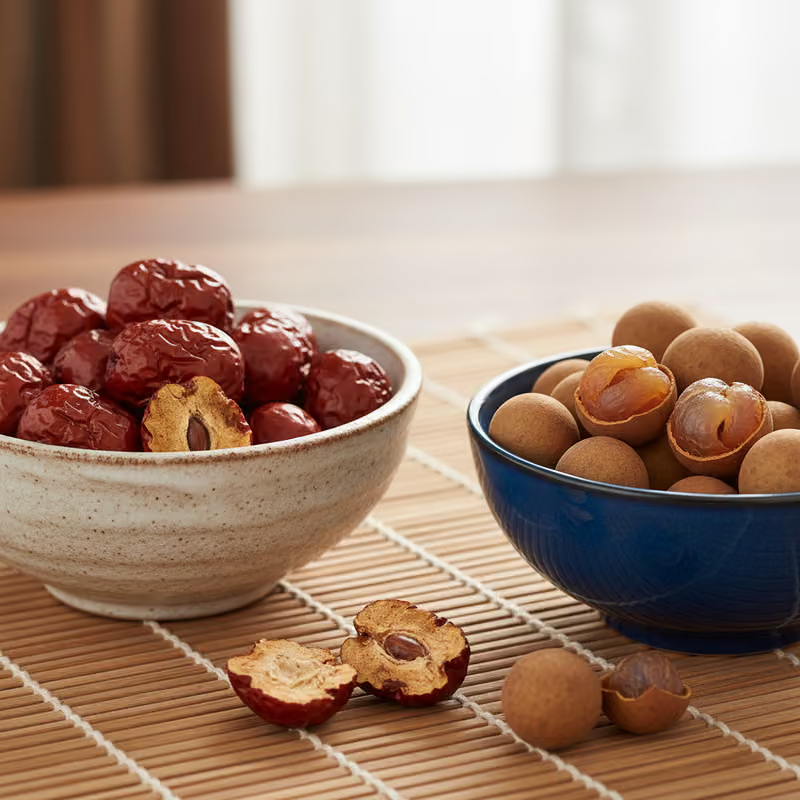
Jujubes, also known as red dates or Chinese dates, are small, sweet fruits with a chewy texture when dried. They have been cultivated for thousands of years and are a staple in many East Asian cuisines and traditional practices. Longan, meaning "dragon's eye" in Chinese due to its appearance, is a sweet, translucent fruit related to the lychee. When dried, it becomes intensely flavorful and is often used in teas, soups, and desserts. Beyond these two, a variety of other Chinese dried fruits, such as goji berries (Lycium barbarum) and hawthorn berries (Crataegus pinnatifida), are also commonly consumed for their distinct nutritional profiles and perceived benefits.
This article explores the traditional understanding and modern nutritional aspects of jujube, longan, and other Chinese dried fruits, focusing on their potential contributions to a healthy diet that supports vitality. We will discuss their nutrient content, practical ways to incorporate them into daily life, common misconceptions, and when it is appropriate to seek professional medical advice regarding health concerns.
Why this matters
The concept of "blood and energy" is central to many traditional health systems, where it refers to fundamental aspects of physiological function. "Blood" (Xue) is often associated with nourishment, moistening, and circulation, while "energy" (Qi) relates to vital force, functional activity, and protection. Imbalances in these areas are traditionally believed to manifest in symptoms such as fatigue, paleness, difficulty concentrating, or feeling cold. While these traditional concepts do not directly translate to specific Western medical diagnoses, they underscore the universal human desire for vitality and well-being.
From a modern nutritional perspective, the components found in jujube, longan, and other Chinese dried fruits can indeed support bodily functions related to energy and circulation. These fruits are often rich in carbohydrates, providing a readily available energy source. They also contain various vitamins, minerals, and antioxidants that play crucial roles in metabolic processes, immune function, and protecting cells from oxidative stress. For example, iron is vital for red blood cell production and oxygen transport, while B vitamins are essential cofactors in energy metabolism. Vitamin C aids in iron absorption and collagen formation, which is important for vascular health.
Integrating nutrient-dense foods like these dried fruits into a balanced diet can contribute to overall health. For individuals seeking natural ways to support their energy levels and general vitality, understanding the nutritional contributions of these fruits can be empowering. However, it is crucial to approach dietary interventions with an evidence-informed perspective and to consult healthcare professionals for any underlying health concerns. This article aims to bridge traditional knowledge with contemporary understanding, offering a balanced view for those interested in incorporating these fruits into a healthy lifestyle.
Key principles (evidence-informed)
When discussing jujube, longan, and Chinese dried fruits, it's essential to consider both their traditional uses and their nutritional composition from a contemporary scientific standpoint. While traditional beliefs often attribute specific properties like "blood tonifying" or "Qi boosting" to these fruits, modern science focuses on the individual nutrients and bioactive compounds they contain.
Nutritional Composition and Potential Benefits:
-
Jujube (Red Dates):
- Carbohydrates: Jujubes are a good source of natural sugars, providing readily available energy.
- Fiber: They contain dietary fiber, which supports digestive health and can help regulate blood sugar levels.
- Vitamins: Rich in Vitamin C, which is a powerful antioxidant essential for immune function, skin health, and iron absorption. They also contain some B vitamins.
- Minerals: Provide potassium, which is important for blood pressure regulation and nerve function, and smaller amounts of iron, phosphorus, and calcium.
- Antioxidants: Jujubes contain various polyphenols and flavonoids, which help protect cells from oxidative damage.
- Traditional Use: Often used in traditional preparations for perceived calming effects, supporting sleep, and "tonifying blood" and "Qi."
-
Longan Fruit (Dried Longan):
- Carbohydrates: Like jujubes, dried longan is concentrated in natural sugars, offering a quick energy boost.
- Vitamin C: Contains Vitamin C, though the drying process can reduce its content.
- Potassium: A source of potassium, crucial for electrolyte balance and muscle function.
- Antioxidants: Contains phenolic compounds and other antioxidants that may contribute to cellular protection.
- Traditional Use: Traditionally believed to nourish the blood, calm the spirit, and enhance memory, often used for issues related to perceived "blood deficiency" or "heart Qi deficiency."
-
Other Chinese Dried Fruits (e.g., Goji Berries, Hawthorn Berries):
- Goji Berries (Lycium barbarum): Known for their high antioxidant content, including carotenoids (like zeaxanthin), vitamins (A and C), and minerals. Traditionally associated with supporting vision, immune function, and vitality.
- Hawthorn Berries (Crataegus pinnatifida): Contain flavonoids and proanthocyanidins. Traditionally used for digestive issues and perceived cardiovascular support.
Connecting Traditional Concepts with Modern Nutrition:
The traditional concepts of "blood" and "energy" can be partially understood through the lens of modern nutritional science.
- "Blood" (Xue) Support: A deficiency in "blood" might manifest as fatigue, paleness, or dizziness. Nutritionally, this could relate to iron deficiency anemia. Fruits like jujubes and goji berries, while not primary iron sources, contain Vitamin C, which significantly enhances the absorption of non-heme iron from plant sources. A diet rich in diverse fruits and vegetables, coupled with iron-rich foods, supports healthy red blood cell production.
- "Energy" (Qi) Enhancement: Low "Qi" is often associated with fatigue and lack of vitality. Carbohydrates are the body's primary source of energy. Dried fruits are naturally rich in carbohydrates, providing readily available fuel. Additionally, B vitamins found in various foods (and some in these fruits) are essential for converting food into energy at a cellular level. Antioxidants help protect mitochondria, the "powerhouses" of cells, from damage, thus supporting efficient energy production.
General Nutritional Considerations:
- Balanced Diet: While these fruits offer beneficial nutrients, they should be consumed as part of a balanced diet rich in a variety of fruits, vegetables, whole grains, lean proteins, and healthy fats. No single food can provide all necessary nutrients.
- Sugar Content: Dried fruits are concentrated in natural sugars. While these are natural, moderation is key, especially for individuals managing blood sugar levels or weight.
- Hydration: Dried fruits have had their water content removed, concentrating nutrients and sugars. It's important to maintain adequate hydration when consuming them.
- Fiber: The fiber content in these fruits supports gut health, which is increasingly recognized as important for overall well-being and even mood and energy regulation.
Evidence-Informed Perspective:
While specific clinical trials focusing on "blood and energy" from a Western medical perspective directly attributed to these fruits are limited, research supports the benefits of their individual components:
- WHO (World Health Organization): Promotes a diet rich in fruits and vegetables for overall health and disease prevention.
- NIH (National Institutes of Health): Provides extensive information on the roles of vitamins (like Vitamin C for iron absorption) and minerals in preventing deficiencies and supporting bodily functions. For example, the Office of Dietary Supplements outlines the importance of various micronutrients for energy metabolism and red blood cell formation.
- Mayo Clinic: Emphasizes the benefits of dietary fiber for digestion and the role of antioxidants in protecting against cellular damage.
Therefore, incorporating jujube, longan, and other Chinese dried fruits can be a valuable part of a health-supportive diet, contributing to nutrient intake that indirectly supports energy and vitality, consistent with the broader principles advocated by leading health organizations.
Practical daily habits
Incorporating jujube, longan, and other Chinese dried fruits into your daily routine can be simple and enjoyable. Here are several practical habits, keeping in mind the need for balance and moderation due to their natural sugar content:
-
Snacks:
- Direct Consumption: Enjoy a small handful of dried jujubes or longans as a standalone snack. They offer a sweet and chewy texture that can satisfy cravings.
- Trail Mix Component: Add dried jujubes, longans, or goji berries to a homemade trail mix along with nuts, seeds, and other dried fruits for a balanced energy boost.
-
Teas and Infusions:
- Jujube Tea: Simmer a few dried jujubes (sliced or whole) in hot water for 10-15 minutes to make a soothing, naturally sweet tea. You can add a slice of ginger for extra warmth.
- Longan Tea: Similar to jujubes, dried longans can be steeped in hot water to create a comforting beverage. This is a common traditional practice.
- Herbal Blends: Combine these dried fruits with other beneficial herbs like goji berries, chrysanthemum flowers, or rosebuds for diverse flavor and nutrient profiles.
-
Porridges and Breakfast Bowls:
- Oatmeal/Congee Topping: Slice dried jujubes or chop longans and sprinkle them over your morning oatmeal, congee (rice porridge), or yogurt.
- Breakfast Smoothies: Blend a few rehydrated jujubes or longans into your smoothie for natural sweetness and fiber.
-
Soups and Stews:
- Savory Dishes: Jujubes and longans are often added to traditional Chinese soups, particularly those with chicken, pork, or herbal broths. They impart a subtle sweetness and are believed to enhance the nutritional value of the soup. Add them during the last 30 minutes of cooking to retain more nutrients.
- Dessert Soups: Create sweet dessert soups with ingredients like white fungus, red beans, or taro, where these dried fruits can be a star component.
-
Baking and Desserts:
- Bread and Muffins: Chop dried jujubes or longans and fold them into bread dough, muffin batter, or scone recipes.
- Rice Puddings: Incorporate them into rice puddings or other grain-based desserts for natural sweetness and texture.
- Energy Bars: Use them as a binder and sweetener in homemade energy bars or bites.
Tips for Preparation and Consumption:
- Washing: Always rinse dried fruits thoroughly before consumption, especially if they are unpackaged.
- Soaking/Rehydration: For softer texture and easier digestion, you can soak dried jujubes or longans in warm water for 15-30 minutes before use, especially if adding them to raw dishes or lighter preparations.
- Seed Removal: Jujubes contain a pit. While some are sold pitted, ensure to remove it before eating or cooking, especially for children. Longan seeds are typically removed before drying.
- Portion Control: Due to their concentrated sugar content, enjoy these fruits in moderation. A typical serving might be 3-5 dried jujubes, or a small handful of dried longans or goji berries.
- Quality: Source dried fruits from reputable suppliers to ensure quality and minimize exposure to unwanted additives or preservatives. Look for natural, unsweetened varieties.
By integrating these practical habits, you can enjoy the unique flavors and potential nutritional benefits of jujube, longan, and other Chinese dried fruits as part of a varied and health-conscious diet.
Common mistakes to avoid
While jujube, longan, and other Chinese dried fruits offer nutritional benefits, there are several common mistakes to be aware of to ensure their safe and effective integration into your diet.
-
Overconsumption Due to High Sugar Content:
- Mistake: Treating dried fruits as entirely "free" foods and consuming large quantities. Dried fruits are highly concentrated in natural sugars (fructose and glucose) because their water content has been removed.
- Impact: Excessive intake can lead to high caloric intake, contribute to weight gain, and spike blood sugar levels, which is particularly problematic for individuals with diabetes or insulin resistance. Even natural sugars should be consumed in moderation.
- Correction: Practice portion control. A small handful (e.g., 3-5 dried jujubes, 10-15 longans, or a tablespoon of goji berries) is generally a reasonable serving. Read nutritional labels for serving size suggestions.
-
Neglecting Hydration:
- Mistake: Eating a lot of dried fruits without increasing water intake.
- Impact: Dried fruits are rich in fiber. Without adequate fluid, high fiber intake can lead to digestive discomfort like constipation or bloating.
- Correction: Always drink plenty of water throughout the day, especially when incorporating more fiber-rich foods like dried fruits into your diet.
-
Assuming They Are a Primary Source for Key Nutrients (e.g., Iron):
- Mistake: Believing that these fruits alone will significantly boost levels of specific minerals like iron to address deficiencies. While they contain some minerals and Vitamin C (which aids iron absorption), they are not typically primary sources for correcting significant deficiencies.
- Impact: Relying solely on these fruits for iron, for example, might delay seeking appropriate medical advice or lead to insufficient nutrient intake if a true deficiency exists.
- Correction: View these fruits as part of a diverse diet that contributes to overall nutrient intake. For specific nutrient deficiencies like iron-deficiency anemia, consult a healthcare professional for diagnosis and treatment, which may include iron-rich foods (e.g., lean meats, fortified cereals, beans, dark leafy greens) and possibly supplements.
-
Ignoring Potential Interactions or Contraindications:
- Mistake: Not considering individual health conditions, medications, or allergies. For instance, goji berries might interact with blood-thinning medications (like warfarin) due to their potential to affect blood clotting.
- Impact: Potential adverse health effects, reduced medication efficacy, or allergic reactions.
- Correction: If you have underlying health conditions (e.g., diabetes, heart conditions), are pregnant or breastfeeding, or are taking medications, consult your doctor or a registered dietitian before making significant dietary changes or incorporating new foods, especially those known to have potent bioactive compounds. Always check for potential allergens.
-
Confusing Traditional Claims with Medical Cures:
- Mistake: Interpreting traditional beliefs about "blood tonifying" or "Qi boosting" as direct medical claims for specific conditions.
- Impact: This can lead to delays in seeking professional medical diagnosis and treatment for serious health issues.
- Correction: Appreciate traditional uses for their cultural and historical significance, but understand that they are not substitutes for evidence-based medical advice. If you experience persistent fatigue, paleness, or other concerning symptoms, consult a qualified healthcare professional.
-
Purchasing Low-Quality or Adulterated Products:
- Mistake: Buying dried fruits that may be heavily processed, have added sugars, artificial colors, or preservatives, or are sourced from questionable origins.
- Impact: Reduced nutritional value, potential exposure to unwanted chemicals, and diminished overall health benefits.
- Correction: Opt for naturally dried, unsweetened varieties from reputable suppliers. Look for products with minimal ingredients and clear labeling.
By avoiding these common pitfalls, you can safely and effectively incorporate jujube, longan, and other Chinese dried fruits into your diet to enjoy their natural sweetness and nutritional contributions.
When to see a professional
While incorporating jujube, longan, and other Chinese dried fruits into a balanced diet can be part of a healthy lifestyle, it is crucial to recognize when symptoms warrant professional medical attention. Dietary changes alone are not a substitute for medical diagnosis or treatment.
You should consult a qualified healthcare professional, such as a medical doctor, registered dietitian, or a relevant specialist, if you experience any of the following:
- Persistent or Severe Fatigue: If you regularly feel unusually tired, despite getting adequate sleep, and this fatigue significantly impacts your daily life, it's important to seek medical advice. This could be a symptom of various underlying conditions, including anemia, thyroid dysfunction, chronic fatigue syndrome, sleep disorders, or other medical issues.
- Unexplained Paleness or Weakness: If your skin appears unusually pale, or you experience unexplained weakness, lightheadedness, or shortness of breath, these could be signs of anemia or other circulatory problems. A healthcare provider can conduct blood tests to determine the cause.
- Significant or Rapid Weight Changes: Unexplained weight loss or gain can be an indicator of an underlying health condition that requires medical evaluation.
- Difficulty Concentrating or Memory Lapses: While these can be due to various factors, persistent issues with cognitive function, especially if new or worsening, should be discussed with a doctor.
- New or Worsening Digestive Issues: If you experience ongoing constipation, diarrhea, abdominal pain, or other digestive disturbances that are not easily explained by dietary changes, medical evaluation is important.
- Concerns About Nutrient Deficiencies: If you suspect you have a specific vitamin or mineral deficiency (e.g., iron deficiency), self-diagnosing and self-treating can be risky. A doctor can order appropriate tests and recommend evidence-based interventions.
- Managing Chronic Health Conditions: If you have pre-existing conditions such as diabetes, heart disease, kidney disease, or are on medication (especially blood thinners), consult your doctor or a registered dietitian before making significant dietary changes or using concentrated food extracts. Some components in these fruits might interact with medications or exacerbate certain conditions.
- Pregnancy or Breastfeeding: If you are pregnant or breastfeeding, it's always advisable to discuss any significant dietary changes or the regular consumption of specific foods with your healthcare provider to ensure safety for both you and your baby.
- Allergic Reactions: If you experience any signs of an allergic reaction (e.g., hives, swelling, difficulty breathing) after consuming these fruits, seek immediate medical attention.
Remember, a healthcare professional can provide an accurate diagnosis, recommend appropriate treatment plans, and offer personalized dietary advice based on your individual health profile. Relying solely on dietary interventions for serious symptoms can delay necessary medical care.
Frequently asked questions
What are the main benefits of jujube, longan, and Chinese dried fruits for vitality?
Jujube, longan, and other Chinese dried fruits like goji berries contribute to vitality primarily through their rich nutritional profiles. They provide natural carbohydrates for energy, dietary fiber for digestive health, and various vitamins (like Vitamin C) and minerals (like potassium), along with antioxidants. These components support metabolic processes, immune function, and cellular protection, all of which contribute to overall well-being and perceived energy levels.
How do traditional concepts of "blood" and "energy" relate to modern nutritional science?
In traditional practices, "blood" often refers to nourishing and moistening the body, while "energy" (Qi) relates to vitality and functional activity. From a modern nutritional standpoint, "blood support" can relate to nutrients vital for healthy blood cell production, such as iron and Vitamin C (which aids iron absorption), found in a balanced diet including these fruits. "Energy" support relates to the carbohydrates these fruits provide for fuel, and the B vitamins and antioxidants that assist in efficient energy metabolism.
Are there any side effects or precautions when consuming these dried fruits?
Yes, due to their concentrated natural sugar content, moderation is key, especially for individuals managing blood sugar levels or weight. Overconsumption can lead to high caloric intake. Individuals on blood-thinning medication (e.g., warfarin) should be cautious with goji berries, as they may interact. Those with diabetes, kidney disease, or other chronic conditions should consult a healthcare professional before incorporating large amounts of these fruits. Always rinse dried fruits and remove pits from jujubes before consumption.
Can these fruits help with iron deficiency anemia?
While jujubes and goji berries contain some iron and Vitamin C (which enhances the absorption of non-heme iron from plant foods), they are generally not considered primary sources for treating established iron deficiency anemia. They can be a supportive part of a diet aimed at maintaining overall health and preventing deficiencies. If you suspect iron deficiency, it is essential to consult a healthcare professional for diagnosis and appropriate treatment.
What is the recommended daily intake for these dried fruits?
There isn't a universally prescribed "recommended daily intake" as it varies based on individual dietary needs, activity levels, and health goals. However, as a general guideline for moderation, a typical serving might be 3-5 dried jujubes, 10-15 dried longans, or 1-2 tablespoons of goji berries. It's important to consider their sugar content and incorporate them as part of a varied and balanced diet, rather than relying on them as a sole food source.
Key takeaways
- Nutrient-Rich: Jujube, longan, and other Chinese dried fruits (like goji berries) are packed with natural sugars for energy, dietary fiber, vitamins (especially Vitamin C), minerals (like potassium), and antioxidants.
- Traditional and Modern Relevance: They have long been valued in traditional practices for "blood" and "energy" support, which aligns with modern nutritional understanding of how nutrients contribute to vitality, metabolism, and cellular health.
- Energy and Vitality: The carbohydrates provide a readily available energy source, while antioxidants protect cells, contributing to overall physical well-being. Vitamin C in some of these fruits aids iron absorption, indirectly supporting healthy blood.
- Mindful Consumption: Due to their concentrated sugar content, these fruits should be consumed in moderation as part of a balanced diet. Hydration is also important due to their fiber content.
- Not a Cure-All: While beneficial, they are not a substitute for professional medical advice or treatment for specific health conditions, such as anemia or chronic fatigue.
- Seek Professional Guidance: Consult a healthcare provider for persistent symptoms, chronic health conditions, medication interactions, or concerns about nutrient deficiencies.
Related reading
Keep exploring this topic with our related, evidence-reviewed guides:
- Ginseng: What Chinese Tradition and Modern Studies Agree On — A practical, evidence-informed guide to ginseng benefits — what matters, what works, common mistakes, and when to consult a profes…
- Goji Berries in Chinese Wellness: Eye Health, Energy, and Everyday Use — A practical, evidence-informed guide to goji berry benefits — what matters, what works, common mistakes, and when to consult a pro…
- Bitter Melon, Winter Melon, and Chinese Vegetables for Blood Sugar — A practical, evidence-informed guide to bitter melon benefits — what matters, what works, common mistakes, and when to consult a p…
- Cupping Therapy in Chinese Medicine: Benefits, Risks, and What Research Shows — A practical, evidence-informed guide to cupping therapy — what matters, what works, common mistakes, and when to consult a profess…
- Chinese Ginger Remedies for Colds, Nausea, and Cold Hands — A practical, evidence-informed guide to ginger remedies — what matters, what works, common mistakes, and when to consult a profess…
- Green Tea vs Oolong vs Pu-erh: Which Chinese Tea Fits Your Health Goal — A practical, evidence-informed guide to green tea vs oolong — what matters, what works, common mistakes, and when to consult a pro…
Sources
- World Health Organization (WHO): Information on healthy diets and the importance of fruit and vegetable consumption for disease prevention.
- National Institutes of Health (NIH): Provides detailed information on vitamins, minerals, and their roles in human health, including energy metabolism and iron absorption (e.g., NIH Office of Dietary Supplements).
- Mayo Clinic: Health information on nutrition, dietary fiber, antioxidants, and healthy eating practices.
- Cochrane Library: Database for systematic reviews and meta-analyses of healthcare interventions, providing evidence-based insights into various health topics and nutritional effects.
Sources
Evidence & citations
- Every claim in this chinese health wisdom guide is backed by primary data — browse the longevity and lifestyle health statistics in our sourced statistics library.
- Writing about this topic? Researchers, journalists and educators can cite our traditional Chinese health research with ready-made APA, MLA and Chicago references.
My notes on this one
The short version of 16 minutes of reading — what stuck with me while writing “Jujube, Longan, and Chinese Dried Fruits for Blood and”, what the sources back up, and what I'd actually do about it.
What I'd take away
01 · Why this matters
From a modern nutritional perspective, the components found in jujube, longan, and other Chinese dried fruits can indeed support bodily functions related to energy and circulation.
02 · Key principles
Mayo Clinic: Emphasizes the benefits of dietary fiber for digestion and the role of antioxidants in protecting against cellular damage.
03 · Practical daily habits
Soaking/Rehydration: For softer texture and easier digestion, you can soak dried jujubes or longans in warm water for 15-30 minutes before use, especially if adding them to raw dishes or lighter preparations.
04 · Common mistakes to avoid
Mistake: Treating dried fruits as entirely "free" foods and consuming large quantities. Dried fruits are highly concentrated in natural sugars (fructose and glucose) because their water content has been removed…
What the sources I read actually say
WHO (World Health Organization): Promotes a diet rich in fruits and vegetables for overall health and disease prevention.
World Health OrganizationThose with diabetes, kidney disease, or other chronic conditions should consult a healthcare professional before incorporating large amounts of these fruits.
Centers for Disease Control and PreventionNational Institutes of Health (NIH): Provides detailed information on vitamins, minerals, and their roles in human health, including energy metabolism and iron absorption (e.g.…
National Institutes of Health
If you only do one thing this week
- Jujube Tea — Simmer a few dried jujubes (sliced or whole) in hot water for 10-15 minutes to make a soothing, naturally sweet tea. You can add a slice of ginger for extra warmth.
Pick the one that fits your week. None of this replaces advice from a clinician who can actually examine you.
Questions I kept coming back to
What are the main benefits of jujube, longan, and Chinese dried fruits for vitality?+
Jujube, longan, and other Chinese dried fruits like goji berries contribute to vitality primarily through their rich nutritional profiles. They provide natural carbohydrates for energy, dietary fiber for digestive health, and various vitamins (like Vitamin C) and minerals (like potassium), along with antioxidants. These components support metabolic processes, immune function, and cellular protection…
How do traditional concepts of "blood" and "energy" relate to modern nutritional science?+
In traditional practices, "blood" often refers to nourishing and moistening the body, while "energy" (Qi) relates to vitality and functional activity. From a modern nutritional standpoint, "blood support" can relate to nutrients vital for healthy blood cell production, such as iron and Vitamin C (which aids iron absorption), found in a balanced diet including these fruits…
Are there any side effects or precautions when consuming these dried fruits?+
Yes, due to their concentrated natural sugar content, moderation is key, especially for individuals managing blood sugar levels or weight. Overconsumption can lead to high caloric intake. Individuals on blood-thinning medication (e.g., warfarin) should be cautious with goji berries, as they may interact. Those with diabetes, kidney disease…
Can these fruits help with iron deficiency anemia?+
While jujubes and goji berries contain some iron and Vitamin C (which enhances the absorption of non-heme iron from plant foods), they are generally not considered primary sources for treating established iron deficiency anemia. They can be a supportive part of a diet aimed at maintaining overall health and preventing deficiencies. If you suspect iron deficiency…
What is the recommended daily intake for these dried fruits?+
There isn't a universally prescribed "recommended daily intake" as it varies based on individual dietary needs, activity levels, and health goals. However, as a general guideline for moderation, a typical serving might be 3-5 dried jujubes, 10-15 dried longans, or 1-2 tablespoons of goji berries. It's important to consider their sugar content and incorporate them as part of a varied and balanced diet…
Was this article helpful?
Be the first to rate this article.
Written by
FaizRuh
I write Health Hub Pro on my own — no clinical licence, no anonymous review panel. Just the published guidance, read carefully and explained plainly.
More about me →How this page was checked
Every claim above is checked against the sources listed at the bottom of this article — WHO, CDC, NIH, NHS, Cochrane and major clinical guidelines. Drafting is AI-assisted; the editing, fact-checking and final wording are mine. It's information, not medical advice. Spotted an error? Tell me and I'll fix it.
Last checked on