Cupping Therapy in Chinese Medicine: Benefits, Risks, and
A practical, evidence-informed guide to cupping therapy — what matters, what works, common mistakes, and when to consult a professional.
For informational purposes only. This article is educational and is not a substitute for professional medical advice, diagnosis, or treatment. Always consult a qualified healthcare provider about anything affecting your health. Read full disclaimer.
Cupping Therapy in Chinese Medicine: Benefits, Risks, and What Research Shows
(Not medical or veterinary advice — consult a qualified clinician or veterinarian for personal guidance.)
Introduction
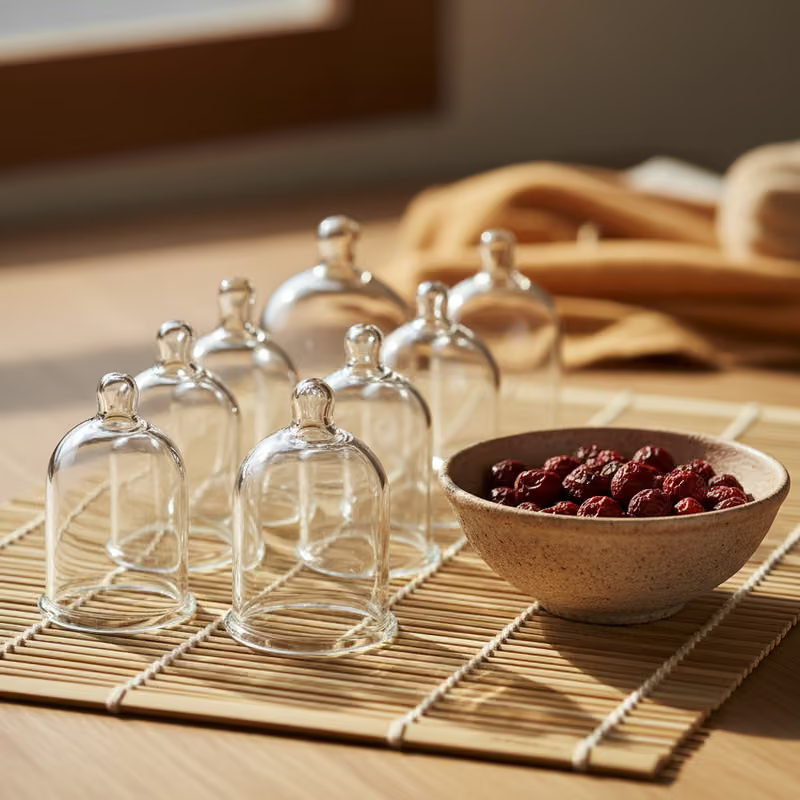
Cupping therapy is an ancient practice that has been utilized in various traditional medicine systems worldwide, including Traditional Chinese Medicine (TCM). It involves placing cups, often made of glass, bamboo, or silicone, on the skin to create a vacuum. This suction draws the skin and superficial muscle layer into the cup, an action believed to stimulate blood flow, promote healing, and alleviate certain conditions. While widely recognized in traditional contexts, its integration into modern healthcare is an area of ongoing discussion and research. This article aims to provide an evidence-informed overview of cupping therapy, exploring its principles, potential benefits, risks, and what current research suggests, all within a YMYL-compliant framework.
Why this matters
Understanding cupping therapy is important for several reasons. Firstly, its increasing popularity means that individuals may encounter it as a complementary health approach. Informed decision-making requires knowledge of its historical context, purported mechanisms, and the extent of scientific evidence supporting its use. Secondly, as with any therapeutic intervention, there are potential benefits and risks that individuals should be aware of before considering treatment. Misinformation or incomplete understanding can lead to inappropriate use or unrealistic expectations. Thirdly, the distinction between cupping therapy as practiced in TCM and other forms, such as Hijama (wet cupping, which involves minor incisions), is crucial for understanding its diverse applications and associated considerations. This article focuses primarily on cupping therapy within the TCM framework, which typically emphasizes dry cupping methods.
Key principles (evidence-informed)
Cupping therapy, within Traditional Chinese Medicine (TCM), is based on concepts such as qi (vital energy), blood circulation, and the balance of yin and yang. The fundamental principle involves creating suction on the skin to draw tissues upwards.
Proposed Mechanisms (as understood in traditional contexts and explored by research):
- Promoting Blood Flow and Circulation: Traditional theory suggests that cupping helps to move stagnant blood and qi, thereby improving circulation in the targeted area. Modern hypotheses propose that the suction may cause microtrauma, leading to increased localized blood flow, oxygenation, and nutrient supply to the tissues. This increased circulation is believed to facilitate tissue repair and reduce inflammation.
- Pain Relief: It is thought that cupping may stimulate nerve endings, potentially leading to a pain-relieving effect. Some theories suggest a "counter-irritant" mechanism, where the sensation of cupping might distract from deeper pain. The increased blood flow and release of endorphins are also proposed mechanisms for pain reduction.
- Inflammation Reduction: By increasing circulation and promoting the removal of metabolic waste products, cupping is traditionally believed to aid in reducing localized inflammation. Research is exploring whether cupping can influence inflammatory markers and pathways.
- Muscle Relaxation: The suction and subsequent lifting of the skin and superficial muscle layers are thought to help release muscle tension and knots. This mechanical effect might contribute to muscle relaxation and increased flexibility.
- Detoxification (Traditional View): In some traditional contexts, cupping is believed to draw out toxins from the body. From a modern physiological perspective, improved local circulation might indirectly aid in the removal of metabolic byproducts, but there is limited direct scientific evidence to support a systemic "detoxification" effect in the sense of removing specific toxins.
- Immune System Modulation: Some research pathways are investigating if cupping can stimulate immune responses by inducing a localized inflammatory reaction, potentially leading to a broader systemic effect.
Types of Cupping:
- Dry Cupping: This is the most common form in TCM. Cups are placed on the skin, and air is removed by heat (e.g., using a flame to create a vacuum) or a mechanical pump, creating suction. The cups are typically left in place for a few minutes.
- Moving Cupping (Gliding Cupping): After applying oil to the skin, cups are moved along specific pathways or muscle groups while suction is maintained. This technique is often used for larger muscle areas or for a massage-like effect.
- Flash Cupping: Cups are applied and immediately removed repeatedly, creating a rapid on-off suction effect. This is often used for sensitive areas or when a gentler approach is desired.
- Wet Cupping (Hijama): This form, more prevalent in certain Middle Eastern and Islamic traditions, involves making small superficial skin incisions before or after cupping to draw out a small amount of blood. This method carries additional considerations regarding hygiene and potential for infection. This article focuses primarily on dry cupping within the TCM context.
The World Health Organization (WHO) and other international health bodies acknowledge traditional medicine practices, including cupping, and encourage further research into their efficacy and safety. Organizations like the National Institutes of Health (NIH) in the US fund research into complementary and integrative health approaches.
Practical daily habits
While cupping therapy is typically administered by a trained practitioner, understanding certain practical aspects can inform one's approach to health and wellness. It is not a daily habit in itself, but rather a therapeutic modality. However, complementary daily habits can enhance general well-being and potentially support the effects of such therapies.
- Maintain Hydration: Adequate water intake is crucial for overall bodily functions, including circulation and metabolic processes. Staying well-hydrated can support the body's natural healing mechanisms.
- Balanced Nutrition: A diet rich in whole foods, fruits, vegetables, and lean proteins provides the necessary nutrients for tissue repair and energy. Good nutrition supports the body’s resilience.
- Regular, Moderate Physical Activity: Gentle exercise, appropriate for one's physical condition, can improve circulation, muscle tone, and flexibility, complementing the goals of therapies aimed at muscle relaxation and pain relief.
- Sufficient Rest and Sleep: Quality sleep is fundamental for recovery and regeneration. Adequate rest allows the body to repair and rebalance.
- Mindfulness and Stress Management: Practices such as deep breathing, meditation, or gentle stretching can help manage stress, which often contributes to muscle tension and can impact overall health. Reducing stress can indirectly support the body's response to therapeutic interventions.
- Post-Cupping Care: If undergoing cupping, follow any specific aftercare instructions provided by the practitioner. This typically includes keeping the treated areas warm, avoiding extreme temperatures, and refraining from vigorous exercise immediately afterwards. It's common to see circular marks (petechiae or ecchymoses, often referred to as "cupping marks") on the skin, which usually fade within a few days to a week.
- Communication with Practitioners: Regularly discuss your overall health, any symptoms, and all therapies you are considering or undergoing with your primary healthcare provider and any traditional medicine practitioners. This ensures coordinated and safe care.
Common mistakes to avoid
When considering or undergoing cupping therapy, avoiding certain pitfalls is crucial for safety and efficacy.
- Self-Diagnosis and Self-Treatment without Professional Guidance: Cupping, while seemingly straightforward, requires proper application, knowledge of contraindications, and understanding of the body's anatomy. Attempting to diagnose conditions or perform cupping on oneself without adequate training can lead to ineffective treatment or potential harm.
- Ignoring Contraindications: There are specific conditions where cupping is not advisable. These may include certain skin conditions (e.g., eczema, psoriasis, open wounds, severe sunburn), bleeding disorders, severe medical conditions (e.g., severe heart disease, kidney failure), pregnancy (especially on the abdomen or lower back), and use of blood-thinning medications. A qualified practitioner will assess for these contraindications.
- Using Unsterile Equipment (especially for wet cupping): While this article focuses on dry cupping, any practice involving skin breaches (like wet cupping) absolutely requires sterile instruments to prevent infections. Even with dry cupping, maintaining hygiene of cups is important.
- Applying Excessive Suction or Leaving Cups On Too Long: Overly strong suction or prolonged application can lead to excessive bruising, skin blistering, or even skin damage. A skilled practitioner understands appropriate suction levels and treatment durations.
- Treating Sensitive or Vulnerable Areas Incorrectly: Certain areas of the body, such as the face, major arteries, bony prominences, or areas with fragile skin, require careful consideration or should be avoided entirely.
- Relying Solely on Cupping for Serious Medical Conditions: Cupping therapy is generally considered a complementary therapy. It should not replace conventional medical treatment for serious or life-threatening conditions. Always consult with a medical doctor for diagnosis and primary treatment plans.
- Not Communicating with Your Healthcare Provider: It's essential to inform your primary care physician about any complementary therapies, including cupping, that you are undertaking. This allows for a comprehensive view of your health and ensures there are no potential conflicts with other treatments or medications.
- Expecting Immediate or Miraculous Cures: While some individuals report immediate relief, cupping therapy is part of a broader health strategy. Realistic expectations are important. The effects can be cumulative, and results vary from person to person.
- Disregarding Aftercare Instructions: After a cupping session, the skin may be sensitive. Neglecting aftercare advice, such as avoiding cold exposure or intense physical activity, can potentially diminish the therapeutic effects or lead to discomfort.
- Confusing Cupping with Other Therapies: Understanding the specific type of cupping being performed (e.g., dry vs. wet, fire vs. pump) and its distinct characteristics is important.
When to see a professional
Seeking advice from a qualified healthcare professional is crucial in various situations concerning cupping therapy or any health concern.
Before Considering Cupping Therapy:
- For Diagnosis of Symptoms: If you are experiencing pain, discomfort, or any unexplained symptoms, consult a medical doctor for a proper diagnosis. Cupping should be considered as a complementary approach, not a diagnostic tool.
- If You Have Pre-existing Medical Conditions: Individuals with conditions such as bleeding disorders, severe heart conditions, kidney disease, liver disease, neurological disorders, diabetes, or autoimmune diseases should consult their primary physician before considering cupping.
- If You Are Pregnant or Breastfeeding: Cupping is generally contraindicated on certain areas during pregnancy, and specific techniques might not be suitable. Professional medical advice is essential.
- If You Are Taking Medications: Especially if you are on blood thinners, immunosuppressants, or any other potent medications, discuss potential interactions or contraindications with your doctor.
- If You Have Skin Conditions: Open wounds, infections, severe sunburn, rashes, or inflammatory skin conditions (e.g., eczema, psoriasis) in the area to be treated are typically contraindications.
- For Pediatric or Geriatric Patients: Children and older adults may have more delicate skin or specific health considerations that require a cautious approach and professional assessment.
During or After Cupping Therapy:
- If You Experience Adverse Reactions: While cupping marks (bruises) are normal, if you experience excessive pain, blistering, skin infection (redness, swelling, warmth, pus), allergic reactions, dizziness, or any other unusual or severe symptoms during or after a session, seek immediate medical attention.
- For Persistent Symptoms: If your original symptoms persist or worsen despite cupping therapy, consult your primary healthcare provider for further evaluation and management.
- If You Are Unsure About a Practitioner's Qualifications: Ensure that the practitioner performing cupping therapy is qualified, licensed (if applicable in your region), and experienced. In many places, cupping is performed by licensed acupuncturists or traditional Chinese medicine practitioners.
General Health Concerns:
- Anytime you have a health concern that impacts your quality of life.
- Before making significant changes to your diet, exercise routine, or health regimen.
- To establish a baseline of health and for regular check-ups.
Referencing bodies like the Mayo Clinic and the National Institutes of Health (NIH) consistently advise individuals to discuss all complementary and alternative medicine practices with their healthcare providers to ensure safety and coordinated care.
Frequently asked questions
What is the difference between Hijama and cupping therapy in TCM?
Hijama, often referred to as "wet cupping," is a specific form of cupping practiced in various cultures, particularly within Islamic medicine. It involves creating small, superficial incisions on the skin before or after applying cups to draw out a small amount of blood. Cupping therapy in Traditional Chinese Medicine (TCM) primarily utilizes "dry cupping," where cups are applied to the skin to create suction without any skin incisions or bloodletting. TCM also incorporates "moving cupping" and "flash cupping" techniques. While both involve suction cups, the key distinction lies in the intentional drawing of blood in Hijama versus the typically non-invasive nature of dry cupping in TCM.
What are the common marks left by cupping, and are they safe?
The circular marks left on the skin after cupping therapy are common and generally considered safe. These marks, which can range in color from light pink to deep red or purple, are typically petechiae or ecchymoses (bruising) caused by the suction pulling blood vessels to the surface and sometimes causing minor capillary rupture. The color and intensity of the marks are believed by practitioners to indicate the level of stagnation or tension in the treated area. These marks usually fade within a few days to a week, similar to a bruise. It's important to differentiate these marks from burns or blisters, which are potential adverse effects if cupping is improperly applied. A qualified practitioner aims to achieve therapeutic effects without causing undue harm.
Is cupping therapy painful?
The sensation of cupping therapy varies from person to person. Most individuals describe the initial suction as a tight pull or pressure on the skin, which can feel intense but is generally not described as painful. As the cups remain on the skin, the sensation often lessens or becomes a dull ache. Moving cupping can feel like a deep massage. Some individuals might experience mild discomfort, especially if the area treated is particularly tense or sensitive. A qualified practitioner will adjust the level of suction and duration of treatment based on the individual's comfort and condition. If severe pain occurs, the practitioner should be informed immediately so they can adjust the treatment.
What conditions is cupping therapy commonly used for in TCM?
In Traditional Chinese Medicine (TCM), cupping therapy is traditionally used for a range of conditions, primarily those involving pain, stagnation, or issues related to qi and blood circulation. Common applications include musculoskeletal pain, such as back pain, neck pain, shoulder pain, and muscle stiffness. It is also traditionally employed for conditions like headaches, common colds, coughs, and respiratory issues (e.g., congestion). Practitioners may also use it for certain digestive complaints or to promote relaxation and reduce stress. It's important to remember that these are traditional applications, and the scientific evidence for many of these uses is still developing.
Can cupping therapy be used alongside other treatments?
Yes, cupping therapy is often used as a complementary treatment alongside other therapies, both conventional and traditional. In Traditional Chinese Medicine, it is frequently combined with acupuncture, herbal medicine, or Tui Na massage. From a conventional perspective, some individuals find it helpful when integrated into a broader treatment plan that might include physical therapy, medication, or chiropractic care, particularly for musculoskeletal conditions. However, it is crucial to discuss all treatments, including cupping, with your primary healthcare provider and any other specialists involved in your care. This ensures that all therapies are coordinated, safe, and do not negatively interact or contraindicate each other.
Key takeaways
Cupping therapy, rooted in Traditional Chinese Medicine, is an ancient practice that involves creating suction on the skin to influence local circulation and energy flow. While often recognized by its distinct circular marks, understanding its principles, proper application, and potential implications is key.
- Diverse Practice: Cupping encompasses various techniques, primarily dry cupping in TCM, which differs from wet cupping (Hijama) by not involving skin incisions or bloodletting.
- Proposed Mechanisms: Traditionally, it is believed to move stagnant qi and blood. Modern hypotheses suggest it may enhance local blood flow, reduce inflammation, and relieve muscle tension.
- Complementary Approach: Cupping is typically considered a complementary therapy, often used alongside other treatments like acupuncture or conventional medical care, particularly for musculoskeletal discomfort.
- Safety and Risks: When performed by a qualified practitioner, dry cupping is generally considered safe, with common side effects being temporary skin marks (bruises). However, improper application can lead to adverse effects like burns or skin damage. Certain conditions and medications are contraindications.
- Professional Guidance is Essential: Always consult a qualified practitioner for cupping therapy and discuss it with your primary healthcare provider, especially if you have pre-existing conditions, are pregnant, or are taking medications. This ensures proper assessment, safe practice, and coordinated care.
- Research is Ongoing: The scientific community continues to research cupping therapy to understand its mechanisms and efficacy for various conditions.
Related reading
Keep exploring this topic with our related, evidence-reviewed guides:
- Moxibustion in Chinese Medicine: Uses, Safety, and Modern Evidence — A practical, evidence-informed guide to moxibustion — what matters, what works, common mistakes, and when to consult a professiona…
- Chinese Kitchen Spices as Medicine: Star Anise, Cinnamon, and Sichuan Pepper — A practical, evidence-informed guide to chinese spices health — what matters, what works, common mistakes, and when to consult a p…
- Chinese Herbal Medicine: 12 Classic Herbs and How They Are Used — A practical, evidence-informed guide to chinese herbal medicine — what matters, what works, common mistakes, and when to consult a…
- Ginseng: What Chinese Tradition and Modern Studies Agree On — A practical, evidence-informed guide to ginseng benefits — what matters, what works, common mistakes, and when to consult a profes…
- Goji Berries in Chinese Wellness: Eye Health, Energy, and Everyday Use — A practical, evidence-informed guide to goji berry benefits — what matters, what works, common mistakes, and when to consult a pro…
- Green Tea vs Oolong vs Pu-erh: Which Chinese Tea Fits Your Health Goal — A practical, evidence-informed guide to green tea vs oolong — what matters, what works, common mistakes, and when to consult a pro…
Sources
- World Health Organization (WHO) – Global Centre for Traditional Medicine initiatives and publications on traditional medicine practices.
- National Institutes of Health (NIH) – Specifically the National Center for Complementary and Integrative Health (NCCIH) for research and information on complementary health approaches.
- Mayo Clinic – For patient education and information on integrative medicine and specific therapies.
- Cochrane Library – For systematic reviews of healthcare interventions, including traditional and complementary therapies.
- National Health Service (NHS) in the UK – For general health information and guidance on complementary therapies.
Sources
Evidence & citations
- Every claim in this chinese health wisdom guide is backed by primary data — browse the longevity and lifestyle health statistics in our sourced statistics library.
- Writing about this topic? Researchers, journalists and educators can cite our traditional Chinese health research with ready-made APA, MLA and Chicago references.
My notes on this one
The short version of 13 minutes of reading — what stuck with me while writing “Cupping Therapy in Chinese Medicine: Benefits, Risks, and”, what the sources back up, and what I'd actually do about it.
What I'd take away
01 · Why this matters
Firstly, its increasing popularity means that individuals may encounter it as a complementary health approach.
02 · Key principles
Immune System Modulation: Some research pathways are investigating if cupping can stimulate immune responses by inducing a localized inflammatory reaction, potentially leading to a broader systemic effect.
03 · Practical daily habits
Maintain Hydration: Adequate water intake is crucial for overall bodily functions, including circulation and metabolic processes. Staying well-hydrated can support the body's natural healing mechanisms.
04 · Common mistakes to avoid
Treating Sensitive or Vulnerable Areas Incorrectly: Certain areas of the body, such as the face, major arteries, bony prominences, or areas with fragile skin…
What the sources I read actually say
(Not medical or veterinary advice — consult a qualified clinician or veterinarian for personal guidance.) Cupping therapy is an ancient practice that has been utilized in various traditional medicine…
World Health OrganizationIf You Have Pre-existing Medical Conditions: Individuals with conditions such as bleeding disorders, severe heart conditions, kidney disease, liver disease, neurological disorders, diabetes…
Centers for Disease Control and PreventionOrganizations like the National Institutes of Health (NIH) in the US fund research into complementary and integrative health approaches.
National Institutes of Health
Questions I kept coming back to
What is the difference between Hijama and cupping therapy in TCM?+
Hijama, often referred to as "wet cupping," is a specific form of cupping practiced in various cultures, particularly within Islamic medicine. It involves creating small, superficial incisions on the skin before or after applying cups to draw out a small amount of blood…
What are the common marks left by cupping, and are they safe?+
The circular marks left on the skin after cupping therapy are common and generally considered safe. These marks, which can range in color from light pink to deep red or purple, are typically petechiae or ecchymoses (bruising) caused by the suction pulling blood vessels to the surface and sometimes causing minor capillary rupture…
Is cupping therapy painful?+
The sensation of cupping therapy varies from person to person. Most individuals describe the initial suction as a tight pull or pressure on the skin, which can feel intense but is generally not described as painful. As the cups remain on the skin, the sensation often lessens or becomes a dull ache. Moving cupping can feel like a deep massage. Some individuals might experience mild discomfort…
What conditions is cupping therapy commonly used for in TCM?+
In Traditional Chinese Medicine (TCM), cupping therapy is traditionally used for a range of conditions, primarily those involving pain, stagnation, or issues related to qi and blood circulation. Common applications include musculoskeletal pain, such as back pain, neck pain, shoulder pain, and muscle stiffness. It is also traditionally employed for conditions like headaches, common colds, coughs…
Can cupping therapy be used alongside other treatments?+
Yes, cupping therapy is often used as a complementary treatment alongside other therapies, both conventional and traditional. In Traditional Chinese Medicine, it is frequently combined with acupuncture, herbal medicine, or Tui Na massage. From a conventional perspective, some individuals find it helpful when integrated into a broader treatment plan that might include physical therapy, medication…
Was this article helpful?
Be the first to rate this article.
Written by
FaizRuh
I write Health Hub Pro on my own — no clinical licence, no anonymous review panel. Just the published guidance, read carefully and explained plainly.
More about me →How this page was checked
Every claim above is checked against the sources listed at the bottom of this article — WHO, CDC, NIH, NHS, Cochrane and major clinical guidelines. Drafting is AI-assisted; the editing, fact-checking and final wording are mine. It's information, not medical advice. Spotted an error? Tell me and I'll fix it.
Last checked on