Chinese Kitchen Spices as Medicine: Star Anise, Cinnamon
A practical, evidence-informed guide to chinese spices health — what matters, what works, common mistakes, and when to consult a professional.
For informational purposes only. This article is educational and is not a substitute for professional medical advice, diagnosis, or treatment. Always consult a qualified healthcare provider about anything affecting your health. Read full disclaimer.
Chinese Kitchen Spices as Medicine: Star Anise, Cinnamon, and Sichuan Pepper
(Not medical or veterinary advice — consult a qualified clinician or veterinarian for personal guidance.)
Introduction
The rich tapestry of Chinese cuisine is not only celebrated for its diverse flavors but also for its historical integration of culinary ingredients with traditional health philosophies. For centuries, various spices used in Chinese kitchens have been valued not just for their ability to enhance taste, but also for their perceived contributions to well-being. This article explores three prominent examples: star anise, cinnamon, and Sichuan pepper, examining their culinary uses, historical context within traditional Chinese health practices, and what contemporary evidence-informed perspectives suggest about their potential properties.
It is important to approach discussions about food and health with a balanced perspective. While traditional systems of thought have long ascribed specific benefits to these spices, modern scientific understanding emphasizes the complexity of dietary impacts and the need for rigorous research. This article aims to bridge these perspectives, providing an overview rooted in general knowledge about these spices, their common applications, and the importance of professional medical guidance for health concerns.
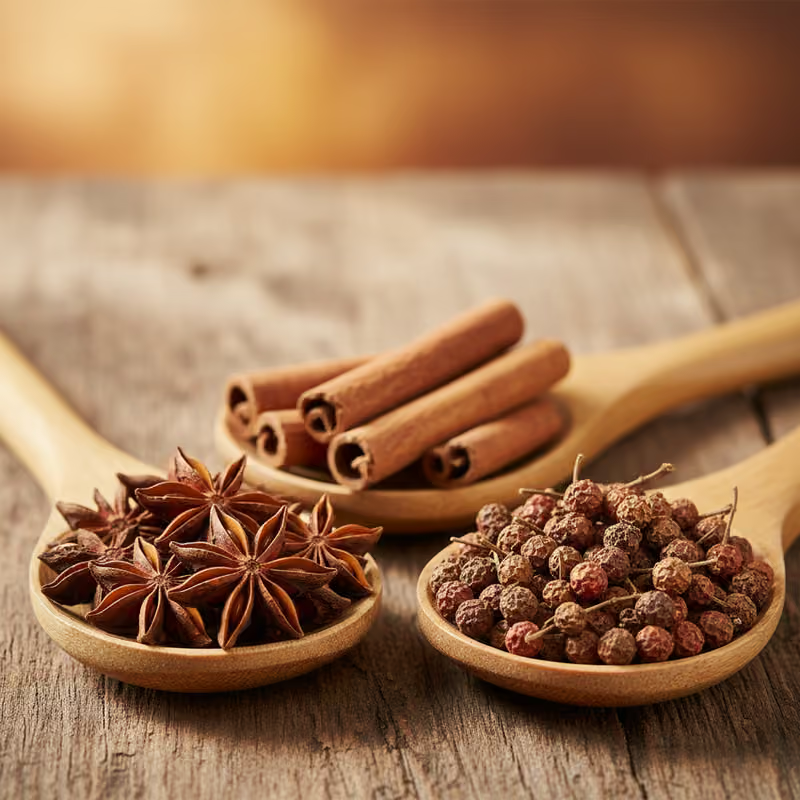
We will delve into the distinct characteristics of star anise (Illicium verum), known for its licorice-like flavor and unique star shape; cinnamon (specifically Cassia cinnamon, Cinnamomum cassia, which is common in Chinese cooking), recognized for its warm, sweet, and pungent notes; and Sichuan pepper (Zanthoxylum simulans or Zanthoxylum bungeanum), famous for its distinctive numbing and tingling sensation. Understanding these spices goes beyond their flavor profiles, touching upon their roles in promoting a balanced diet and overall healthy lifestyle.
Why this matters
Understanding the role of kitchen spices like star anise, cinnamon, and Sichuan pepper in traditional Chinese health practices is significant for several reasons. Firstly, it offers insight into the cultural heritage and holistic approaches to health that have characterized many societies for millennia. Food, in these traditions, often serves as both sustenance and a means of promoting physiological balance. Appreciating this connection enriches our understanding of global dietary patterns and their evolution.
Secondly, for individuals interested in general wellness and incorporating diverse, beneficial ingredients into their diet, exploring these spices can broaden their culinary horizons. Many spices are rich in various plant compounds that contribute to their aroma, flavor, and, in some cases, potential physiological effects. Learning about the traditional applications of these spices can inspire informed choices about diet and cooking, encouraging a more varied and nutrient-dense intake.
Thirdly, in an era where there is a growing interest in the relationship between diet and health, understanding the historical and contemporary perspectives on common food items is crucial. It helps distinguish between anecdotal claims, traditional wisdom, and evidence-informed insights. This clarity empowers individuals to make more discerning decisions about their lifestyle and to appreciate the nuances of scientific inquiry in the field of nutrition and health.
Finally, for those who are part of or engage with Chinese culture, recognizing the health-related aspects of these spices fosters a deeper appreciation for the traditions and philosophies embedded within the cuisine. It allows for a more comprehensive understanding of dishes and ingredients that are often passed down through generations, reflecting not just taste preferences but also long-held beliefs about physical well-being. By exploring these topics responsibly and without making medical claims, we contribute to a more informed and respectful engagement with diverse cultural practices and their contributions to human health knowledge.
Key principles (evidence-informed)
When discussing spices like star anise, cinnamon, and Sichuan pepper in the context of health, it's essential to ground the discussion in general, evidence-informed principles. While traditional uses are extensive, modern scientific understanding often focuses on specific compounds and their observed effects. It's crucial to remember that general culinary use of spices is different from concentrated therapeutic applications, which would require professional guidance.
Star Anise (Illicium verum) Star anise is known for its distinctive licorice-like flavor, primarily due to a compound called anethole. In traditional Chinese thought, star anise is often considered warming and is used in dishes to aid digestion.
- General Properties: Star anise contains various plant compounds, including anethole, which contribute to its aromatic profile.
- Traditional Use: Historically, it has been used in various traditional systems.
- Contemporary Perspective: As a culinary spice, it contributes flavor to dishes.
- WHO: The World Health Organization monographs on selected medicinal plants mention Illicium verum in traditional contexts, noting its use for digestive issues, but emphasizes that usage should be with care due to potential for confusion with toxic species. It also notes anethole as a primary component.
Cinnamon (Cinnamomum cassia) Cassia cinnamon is widely used in Chinese cuisine, differing from Ceylon cinnamon (Cinnamomum verum) in its chemical composition, particularly its coumarin content. It imparts a warm, sweet, and pungent flavor.
- General Properties: Cinnamon contains various compounds, including cinnamaldehyde, which gives it its characteristic flavor and aroma. Cassia cinnamon is notable for its higher coumarin content compared to Ceylon cinnamon.
- Traditional Use: In traditional Chinese thought, cinnamon is often considered warming and is used to support circulation and digestion.
- Contemporary Perspective: Regular culinary use of cinnamon contributes flavor.
- NIH/NCCIH (National Institutes of Health/National Center for Complementary and Integrative Health): The NCCIH acknowledges that cinnamon has been studied for various potential health effects, but notes that most studies have been in animals or small human studies and that more research is needed to draw definitive conclusions. They also mention the importance of distinguishing between different types of cinnamon, particularly regarding coumarin content, which can be a concern with high intake of Cassia cinnamon for certain individuals.
- Mayo Clinic: The Mayo Clinic notes that while cinnamon is generally safe as a spice, high doses of supplements, particularly of Cassia cinnamon, could potentially cause issues for some people due to coumarin.
Sichuan Pepper (Zanthoxylum simulans or Zanthoxylum bungeanum) Sichuan pepper is unique among spices for its characteristic 'ma la' (numbing and tingling) sensation, caused by a group of compounds called hydroxy-alpha-sanshools.
- General Properties: Sichuan pepper contains compounds known as sanshools, which interact with nerve receptors to produce its unique sensation.
- Traditional Use: In traditional Chinese thought, Sichuan pepper is often seen as warming, aiding digestion, and dispelling dampness. It is also historically used to counteract certain effects of cold foods.
- Contemporary Perspective: As a culinary ingredient, it provides a distinctive flavor and mouthfeel.
- General Scientific Understanding: The mechanism behind Sichuan pepper's numbing sensation is well-documented as involving interaction with touch and temperature receptors, rather than capsaicin receptors (which produce chili heat).
General Principles for Culinary Spices:
- Dietary Diversity: Incorporating a variety of spices can enhance the nutritional profile of meals by adding flavor without excessive salt, sugar, or unhealthy fats. Spices often contain a spectrum of plant compounds.
- Moderation: As with all food components, moderation is key. Spices are typically used in small quantities in cooking.
- Holistic Approach: Traditional systems often view health holistically, considering the balance of ingredients and overall lifestyle.
- Regulatory Status: Spices used in food are generally recognized as safe (GRAS) by food safety authorities like the FDA in typical culinary amounts. However, concentrated extracts or supplements may have different safety profiles and regulatory oversight.
- Individual Variation: Responses to dietary components can vary between individuals. What is well-tolerated by one person might not be by another.
- No Substitute for Professional Medical Advice: Spices are food ingredients. They are not intended to diagnose, treat, cure, or prevent any disease. Any health concerns should always be addressed by a qualified healthcare professional.
- WHO, CDC, NIH, NHS, Mayo Clinic: These bodies consistently advise that dietary choices are part of a broader healthy lifestyle and that medical conditions require professional diagnosis and treatment. They do not endorse spices as a replacement for conventional medicine.
This section underscores that while these spices have a rich history in traditional health practices and contain interesting compounds, their role in general culinary use is primarily for flavor and aroma. Any potential health effects from typical dietary intake are generally subtle and contribute to overall wellness as part of a balanced diet, rather than acting as singular remedies.
Practical daily habits
Incorporating star anise, cinnamon, and Sichuan pepper into your daily cooking can be a delightful way to explore diverse flavors and enhance your meals. These spices, when used in culinary amounts, contribute to the sensory experience of food and can be part of a balanced diet. Here are some practical ways to use them:
Star Anise:
- Braising and Stewing: Star anise is a cornerstone of many slow-cooked meat dishes, like Chinese braised pork belly (hongshao rou) or beef stews. Its strong, licorice-like aroma permeates the dish beautifully. Add whole pods early in the cooking process.
- Soups and Broths: Infuse broths for noodle soups or pho with a star anise pod. Remove it before serving if you prefer a milder flavor.
- Marinades: Use a small amount of ground star anise or a whole pod in marinades for poultry or tofu to impart a unique fragrance.
- Spice Blends: It's a key ingredient in Chinese Five-Spice Powder, which can be used to season a wide variety of dishes.
- Desserts (in moderation): A tiny touch can be used in certain fruit compotes or baked goods that pair well with its unique flavor, like spiced pears or apple cider.
Cinnamon (Cassia):
- Savory Dishes: In Chinese cooking, cinnamon bark is often used in savory applications, particularly in braises, stews, and red-cooked dishes, similar to star anise. It adds warmth and depth.
- Spice Rubs: Ground cinnamon can be part of a dry rub for roasted meats or poultry.
- Curries and Stir-fries: A pinch of ground cinnamon can be added to certain curry blends or stir-fries for a subtle layer of flavor.
- Tea: A small piece of cinnamon stick can be steeped in hot water to make a warming tea, or added to other herbal teas.
- Breakfast Foods: While more common in Western cuisine, a sprinkle of ground cinnamon can be added to oatmeal, fruit, or unsweetened yogurt for a hint of sweetness and warmth.
Sichuan Pepper:
- Stir-fries: Add whole Sichuan peppercorns to hot oil at the beginning of a stir-fry to infuse the oil with its characteristic numbing flavor before adding other ingredients. Remove them if you prefer not to bite into them.
- Chili Oil: Sichuan pepper is a crucial ingredient in homemade chili oil, providing the iconic 'ma la' sensation.
- Spice Blends: It's often dry-roasted and ground to make a seasoning mix with salt, which can be sprinkled over roasted meats, tofu, or vegetables.
- Marinades and Rubs: Use ground Sichuan pepper in marinades or rubs for grilled fish, chicken, or vegetables to impart its unique flavor and sensation.
- Soups: A small amount of ground Sichuan pepper can be added at the end of cooking to certain spicy soups, like hot and sour soup, for an extra kick.
General Tips for Using Spices:
- Start Small: When introducing new spices, especially potent ones like star anise and Sichuan pepper, begin with a small amount and adjust to your taste.
- Toasting: Dry-toasting whole spices like star anise and Sichuan peppercorns in a pan before grinding or adding them to dishes can enhance their aroma and flavor.
- Freshness: Use fresh, high-quality spices for the best flavor. Store them in airtight containers away from heat and light.
- Balance Flavors: Remember that spices are part of a larger flavor profile. Balance them with other ingredients, ensuring no single spice overwhelms the dish.
- Culinary Amounts: These suggestions are for typical culinary quantities, which are generally safe and contribute to flavor. They are not intended as medicinal doses.
Incorporating these spices can be an enjoyable part of a varied and flavorful diet. They offer a simple way to experiment with the rich traditions of Chinese cuisine and add dimension to your everyday cooking.
Common mistakes to avoid
When using Chinese kitchen spices, especially star anise, cinnamon, and Sichuan pepper, certain practices can diminish their appeal or even lead to undesirable culinary outcomes. Understanding these common mistakes can help you use these powerful ingredients more effectively.
-
Overuse of Potent Spices:
- Star Anise: Its flavor is very strong and licorice-like. Using too much can overpower a dish, making it taste medicinal or like cough syrup. A single pod or two is often enough for a large pot of stew.
- Cinnamon (Cassia): While widely used, Cassia cinnamon in large quantities can lend a slightly bitter or overly pungent taste to savory dishes.
- Sichuan Pepper: Too many peppercorns can lead to an overwhelming numbing sensation that some find unpleasant. It's best to start with a modest amount and build up if desired.
- Avoid: Adding excessive amounts from the start.
- Instead: Begin with a small quantity, taste, and adjust as needed, especially if you or your diners are new to these flavors.
-
Neglecting Spice Preparation:
- Whole Spices: Many recipes call for whole star anise or Sichuan peppercorns. If you're not planning to remove them before serving, guests might accidentally bite into them, which can be an intense experience, especially with Sichuan pepper.
- Grinding vs. Whole: Understanding when to use whole versus ground spices is key. Whole spices are great for infusing flavor slowly into liquids (like broths or braises), while ground spices offer a more immediate and dispersed flavor.
- Avoid: Forgetting to remove whole star anise or large pieces of cinnamon bark from dishes before serving, especially those where they might not be expected.
- Instead: For whole spices, consider using a spice bag or cheesecloth if easy removal is desired. Grind spices just before use for maximum freshness.
-
Using Stale Spices:
- Spices lose their potency, aroma, and flavor over time. Ground spices deteriorate faster than whole ones. Old, stale spices won't contribute much to your dish and can even impart a 'dusty' flavor.
- Avoid: Keeping ground spices for years or buying large quantities you won't use quickly.
- Instead: Purchase spices from reputable sources that have good turnover. Store them in airtight containers away from light and heat. Replace ground spices every 6-12 months and whole spices every 1-2 years, or when their aroma significantly diminishes.
-
Incorrect Storage:
- Exposure to air, light, heat, and moisture can quickly degrade spices, causing them to lose their volatile compounds that provide flavor and aroma.
- Avoid: Storing spices in open containers, clear jars in direct sunlight, or near the stove.
- Instead: Store spices in opaque, airtight containers in a cool, dark pantry or cupboard.
-
Confusing Different Types of Cinnamon:
- While both are cinnamon, Cassia cinnamon (common in Chinese cooking and less expensive) has a stronger, spicier flavor and higher coumarin levels than Ceylon cinnamon (true cinnamon).
- Avoid: Assuming all cinnamon is the same, especially if following recipes that specify one type.
- Instead: Be aware of the type of cinnamon you are using. For general cooking, Cassia is widely acceptable, but if a recipe specifically calls for Ceylon, or if you are concerned about coumarin intake from very high consumption, adjust accordingly. For typical culinary amounts, this distinction is less critical.
-
Relying on Spices to Mask Poor Cooking:
- Spices are flavor enhancers, not magicians. They can elevate a well-prepared dish but cannot fully rescue poorly cooked or low-quality ingredients.
- Avoid: Using large quantities of spices to cover up blandness or other issues in a dish.
- Instead: Focus on good cooking techniques and quality ingredients, then use spices to complement and enhance.
By being mindful of these common pitfalls, you can unlock the full potential of star anise, cinnamon, and Sichuan pepper, adding depth, aroma, and exciting sensations to your culinary creations.
When to see a professional
While culinary spices like star anise, cinnamon, and Sichuan pepper are generally safe when used in typical food amounts, there are specific situations where seeking advice from a qualified healthcare professional is important. This guidance is especially critical if you are considering using these spices, or any other dietary supplement, in concentrations beyond normal food preparation or for perceived health benefits.
You should consult a healthcare professional, such as a doctor, registered dietitian, or pharmacist, if:
- You have existing health conditions: If you are managing chronic diseases such as diabetes, high blood pressure, liver disease, kidney disease, or bleeding disorders, it's essential to discuss any dietary changes, including the increased use of specific spices or supplements, with your doctor. Some compounds in spices could potentially interact with medications or affect your condition.
- You are taking medications: Certain spices can interact with prescription or over-the-counter medications. For example:
- Cinnamon (Cassia): High intake of Cassia cinnamon, particularly in concentrated supplement form, may be a concern for individuals with liver conditions due to its coumarin content. It could also potentially interact with blood-thinning medications or those for diabetes.
- General Spice-Drug Interactions: Many plant compounds can have subtle effects that, in concentrated forms, might alter the effectiveness of medications or increase side effects.
- Always inform your doctor about all supplements and significant dietary changes you are making.
- You are pregnant or breastfeeding: The safety of consuming large or concentrated amounts of certain spices during pregnancy and breastfeeding has not been thoroughly established. It's best to err on the side of caution and consult your healthcare provider before making significant dietary changes beyond normal culinary use.
- You experience adverse reactions: If you notice any unusual symptoms after consuming these spices, such as digestive upset, allergic reactions (rash, itching, swelling), or any other discomfort, stop consumption and consult a healthcare professional. Allergic reactions to spices, while uncommon, can occur.
- You are considering supplements: If you are contemplating taking star anise, cinnamon, Sichuan pepper, or any other spice extract in supplement form for health reasons, it is crucial to consult a doctor. Supplements contain concentrated amounts of compounds that are far beyond what is typically consumed in food and can have different effects and safety profiles. A healthcare professional can help you understand potential benefits, risks, appropriate dosages, and interactions.
- You have concerns about children or infants: Using spices beyond common culinary amounts for young children or infants should always be discussed with a pediatrician. Their digestive systems and physiological responses can differ from adults.
- You suspect poisoning: In the case of star anise, there is a risk of confusion with Japanese star anise (Illicium anisatum), which is toxic. While this is extremely rare in commercial food products, if you ever suspect ingestion of a toxic substance, seek immediate emergency medical attention. Always source your spices from reputable suppliers.
In summary, while enjoying these spices as part of your culinary journey is generally safe and encouraged for flavor, any intention to use them for health purposes, especially in concentrated forms or with existing health conditions, warrants professional medical consultation. Your healthcare provider can offer personalized advice based on your individual health profile.
Frequently asked questions
What are the main flavor profiles of star anise, cinnamon, and Sichuan pepper?
Star anise offers a distinct licorice-like, sweet, and pungent flavor. Cinnamon (Cassia, common in Chinese cooking) provides a warm, sweet, and slightly spicy aroma. Sichuan pepper is unique for its "ma la" sensation, causing a tingling and numbing feeling on the tongue, coupled with citrusy and woody notes, distinct from chili heat.
Are there any concerns regarding coumarin in Cassia cinnamon?
Yes, Cassia cinnamon, commonly used in Chinese cooking, contains coumarin, a naturally occurring compound that can be harmful to the liver in very high doses. While typical culinary use is generally considered safe, individuals with liver conditions or those consuming large amounts of cinnamon (e.g., through supplements or frequent, heavy use) should consult a healthcare professional. Ceylon cinnamon contains much lower levels of coumarin.
Can star anise be confused with toxic varieties?
Yes, star anise (Illicium verum) can be confused with other Illicium species, most notably Japanese star anise (Illicium anisatum), which is toxic. This is a significant concern for manufacturers and consumers of star anise products. Always source star anise from reputable suppliers to ensure you are obtaining the safe, culinary variety. Commercial products are typically screened for this.
What is the "numbing" sensation of Sichuan pepper, and is it related to chili heat?
The "numbing" sensation of Sichuan pepper is caused by compounds called sanshools, which interact with mechanoreceptors and thermoreceptors in the mouth, creating a unique tingling, buzzing, and numbing feeling. This is distinct from the burning sensation of chili peppers (like cayenne or habanero), which is caused by capsaicin and interacts with different receptors. Sichuan pepper does not contain capsaicin.
How can I store these spices to maintain their freshness?
To maintain the freshness, potency, and flavor of star anise, cinnamon, and Sichuan pepper, store them in airtight containers away from direct sunlight, heat, and moisture. A cool, dark pantry or cupboard is ideal. Whole spices generally retain their flavor longer (1-2 years) than ground spices (6-12 months). Grinding whole spices just before use can significantly enhance their aroma and taste.
Key takeaways
The exploration of Chinese kitchen spices like star anise, cinnamon, and Sichuan pepper reveals a rich interplay between culinary traditions and historical health philosophies. These spices are invaluable for their distinct flavors and aromas, which elevate countless dishes in Chinese cuisine and beyond.
- Star Anise offers a strong, licorice-like flavor, essential for braises and broths, contributing depth and aroma.
- Cinnamon (Cassia) provides warmth and sweetness, widely used in both savory slow-cooked dishes and sometimes in warming beverages.
- Sichuan Pepper is unique for its "ma la" (numbing and tingling) sensation, adding an exciting textural dimension to spicy dishes, distinct from chili heat.
From an evidence-informed perspective, these spices are primarily valued in modern use for their culinary contributions. While traditional practices have ascribed various health benefits, typical dietary consumption contributes to overall wellness as part of a balanced diet, rather than acting as therapeutic agents. Research continues to explore the compounds within these spices, but it is important to differentiate between general food use and concentrated supplement forms.
For safe and effective use:
- Always use spices in moderate culinary amounts. Overuse can lead to undesirable flavors or, in specific cases like high intake of Cassia cinnamon, potential concerns related to compounds like coumarin.
- Source spices from reputable suppliers to ensure quality and prevent confusion with potentially toxic look-alikes (e.g., Japanese star anise).
- Store spices properly in airtight containers away from heat and light to preserve their potency and flavor.
- Consult a qualified healthcare professional if you have existing health conditions, are taking medications, are pregnant or breastfeeding, experience adverse reactions, or are considering using spices in concentrated supplement forms. Spices are not a substitute for medical treatment.
By appreciating these spices for their vibrant flavors and understanding their role within traditional systems while also considering contemporary evidence, individuals can make informed culinary choices that enhance their meals and contribute to a diverse and enjoyable diet.
Related reading
Keep exploring this topic with our related, evidence-reviewed guides:
- The Five Elements Theory and How Chinese Medicine Maps It to Your Body — A practical, evidence-informed guide to five elements tcm — what matters, what works, common mistakes, and when to consult a profe…
- Moxibustion in Chinese Medicine: Uses, Safety, and Modern Evidence — A practical, evidence-informed guide to moxibustion — what matters, what works, common mistakes, and when to consult a professiona…
- Cupping Therapy in Chinese Medicine: Benefits, Risks, and What Research Shows — A practical, evidence-informed guide to cupping therapy — what matters, what works, common mistakes, and when to consult a profess…
- Chinese Herbal Medicine: 12 Classic Herbs and How They Are Used — A practical, evidence-informed guide to chinese herbal medicine — what matters, what works, common mistakes, and when to consult a…
- Chinese Soups and Broths: Slow-Cooked Nutrition for Recovery — A practical, evidence-informed guide to chinese soup benefits — what matters, what works, common mistakes, and when to consult a p…
- Chinese Sleep Habits: Napping, Early Nights, and the Organ Clock — A practical, evidence-informed guide to chinese sleep habits — what matters, what works, common mistakes, and when to consult a pr…
Sources
- World Health Organization (WHO): Monographs on Selected Medicinal Plants, and general guidance on traditional medicine.
- National Institutes of Health (NIH) / National Center for Complementary and Integrative Health (NCCIH): Information on dietary supplements and natural products, including cinnamon.
- Mayo Clinic: General health information, including guidance on dietary supplements and spice safety.
- Centers for Disease Control and Prevention (CDC): General public health guidance.
- National Health Service (NHS): General health information and dietary advice.
Sources
Evidence & citations
- Every claim in this chinese health wisdom guide is backed by primary data — browse the longevity and lifestyle health statistics in our sourced statistics library.
- Writing about this topic? Researchers, journalists and educators can cite our traditional Chinese health research with ready-made APA, MLA and Chicago references.
My notes on this one
The short version of 18 minutes of reading — what stuck with me while writing “Chinese Kitchen Spices as Medicine: Star Anise, Cinnamon”, what the sources back up, and what I'd actually do about it.
What I'd take away
01 · Why this matters
Finally, for those who are part of or engage with Chinese culture, recognizing the health-related aspects of these spices fosters a deeper appreciation for the traditions and philosophies embedded within the cu…
02 · Key principles
Mayo Clinic: The Mayo Clinic notes that while cinnamon is generally safe as a spice, high doses of supplements, particularly of Cassia cinnamon, could potentially cause issues for some people due to coumarin.
03 · Practical daily habits
Savory Dishes: In Chinese cooking, cinnamon bark is often used in savory applications, particularly in braises, stews, and red-cooked dishes, similar to star anise. It adds warmth and depth.
04 · Common mistakes to avoid
By being mindful of these common pitfalls, you can unlock the full potential of star anise, cinnamon, and Sichuan pepper, adding depth, aroma, and exciting sensations to your culinary creations.
What the sources I read actually say
No Substitute for Professional Medical Advice: Spices are food ingredients. They are not intended to diagnose, treat, cure, or prevent any disease…
Centers for Disease Control and PreventionNational Institutes of Health (NIH) / National Center for Complementary and Integrative Health (NCCIH): Information on dietary supplements and natural products, including cinnamon.
National Institutes of Health
If you only do one thing this week
- Start Small — When introducing new spices, especially potent ones like star anise and Sichuan pepper, begin with a small amount and adjust to your taste.
- Avoid — Adding excessive amounts from the start.
- Avoid — Forgetting to remove whole star anise or large pieces of cinnamon bark from dishes before serving, especially those where they might not be expected.
- Avoid — Keeping ground spices for years or buying large quantities you won't use quickly.
- Avoid — Storing spices in open containers, clear jars in direct sunlight, or near the stove.
Pick the one that fits your week. None of this replaces advice from a clinician who can actually examine you.
Questions I kept coming back to
What are the main flavor profiles of star anise, cinnamon, and Sichuan pepper?+
Star anise offers a distinct licorice-like, sweet, and pungent flavor. Cinnamon (Cassia, common in Chinese cooking) provides a warm, sweet, and slightly spicy aroma. Sichuan pepper is unique for its "ma la" sensation, causing a tingling and numbing feeling on the tongue, coupled with citrusy and woody notes, distinct from chili heat.
Are there any concerns regarding coumarin in Cassia cinnamon?+
Yes, Cassia cinnamon, commonly used in Chinese cooking, contains coumarin, a naturally occurring compound that can be harmful to the liver in very high doses. While typical culinary use is generally considered safe, individuals with liver conditions or those consuming large amounts of cinnamon (e.g., through supplements or frequent, heavy use) should consult a healthcare professional…
Can star anise be confused with toxic varieties?+
Yes, star anise (Illicium verum) can be confused with other Illicium species, most notably Japanese star anise (Illicium anisatum), which is toxic. This is a significant concern for manufacturers and consumers of star anise products. Always source star anise from reputable suppliers to ensure you are obtaining the safe, culinary variety. Commercial products are typically screened for this.
What is the "numbing" sensation of Sichuan pepper, and is it related to chili heat?+
The "numbing" sensation of Sichuan pepper is caused by compounds called sanshools, which interact with mechanoreceptors and thermoreceptors in the mouth, creating a unique tingling, buzzing, and numbing feeling. This is distinct from the burning sensation of chili peppers (like cayenne or habanero), which is caused by capsaicin and interacts with different receptors. Sichuan pepper does not contain capsaicin.
How can I store these spices to maintain their freshness?+
To maintain the freshness, potency, and flavor of star anise, cinnamon, and Sichuan pepper, store them in airtight containers away from direct sunlight, heat, and moisture. A cool, dark pantry or cupboard is ideal. Whole spices generally retain their flavor longer (1-2 years) than ground spices (6-12 months). Grinding whole spices just before use can significantly enhance their aroma and taste.
Was this article helpful?
Be the first to rate this article.
Written by
FaizRuh
I write Health Hub Pro on my own — no clinical licence, no anonymous review panel. Just the published guidance, read carefully and explained plainly.
More about me →How this page was checked
Every claim above is checked against the sources listed at the bottom of this article — WHO, CDC, NIH, NHS, Cochrane and major clinical guidelines. Drafting is AI-assisted; the editing, fact-checking and final wording are mine. It's information, not medical advice. Spotted an error? Tell me and I'll fix it.
Last checked on