Fermented Chinese Foods: Pickles, Vinegar, and Gut Health
A practical, evidence-informed guide to fermented chinese food — what matters, what works, common mistakes, and when to consult a professional.
For informational purposes only. This article is educational and is not a substitute for professional medical advice, diagnosis, or treatment. Always consult a qualified healthcare provider about anything affecting your health. Read full disclaimer.
Fermented Chinese Foods: Pickles, Vinegar, and Gut Health
(Not medical or veterinary advice — consult a qualified clinician or veterinarian for personal guidance.)
Introduction
Fermentation, a time-honored process of food preservation and transformation, plays a significant role in culinary traditions across the globe. In Chinese culture, this technique is deeply interwoven with daily eating habits, yielding a diverse array of foods that are not only valued for their distinctive flavors but also for their potential contributions to overall well-being. Among these, fermented vegetables, often referred to as pickles (such as pao cai), and various types of vinegar, particularly black vinegar (chinkiang vinegar), stand out as prominent examples.
This article explores the landscape of fermented Chinese foods, focusing on pickles and vinegars, and their connection to gut health. It will delve into the general principles underpinning fermentation, discuss potential benefits attributed to these foods, and offer practical insights for their incorporation into a balanced dietary pattern. Emphasizing an evidence-informed approach, this discussion aims to provide a clear understanding of these traditional foods within the context of modern health considerations.
Why this matters
The human gut microbiota, a complex community of microorganisms residing in the digestive tract, is increasingly recognized for its profound influence on various aspects of health, including digestion, immune function, and even mood regulation. Disruptions to this delicate balance, often termed dysbiosis, have been linked to a spectrum of health concerns. Consequently, dietary strategies that support a diverse and thriving gut microbial community have garnered considerable attention.
Fermented foods, by their very nature, often introduce beneficial microorganisms (probiotics) or provide compounds that nourish existing beneficial bacteria (prebiotics) into the digestive system. Chinese fermented foods, with their long history of consumption, offer a rich source of such dietary components. Understanding their potential role can empower individuals to make informed dietary choices.
Furthermore, in an era where ultra-processed foods are prevalent, traditional foods like fermented pickles and vinegars represent a connection to ancestral dietary patterns. These foods are often prepared using simple, natural ingredients and time-honored methods, contrasting with many modern food products. Appreciating their place in a healthful diet involves recognizing their nutritional profile, the microbial activities involved in their creation, and the broader context of their cultural significance. This exploration is relevant for anyone interested in enhancing their dietary diversity, supporting gut health, and understanding the nutritional wisdom embedded in traditional food cultures.
Key principles (evidence-informed)
Fermentation, at its core, is a metabolic process orchestrated by microorganisms—bacteria, yeasts, or molds—that convert organic compounds into simpler substances. This transformation leads to distinct changes in the food's flavor, texture, and nutritional characteristics. In the context of Chinese pickles and vinegars, specific microbial communities are at play, contributing to their unique properties.
Fermented Vegetables (Pickles / Pao Cai)
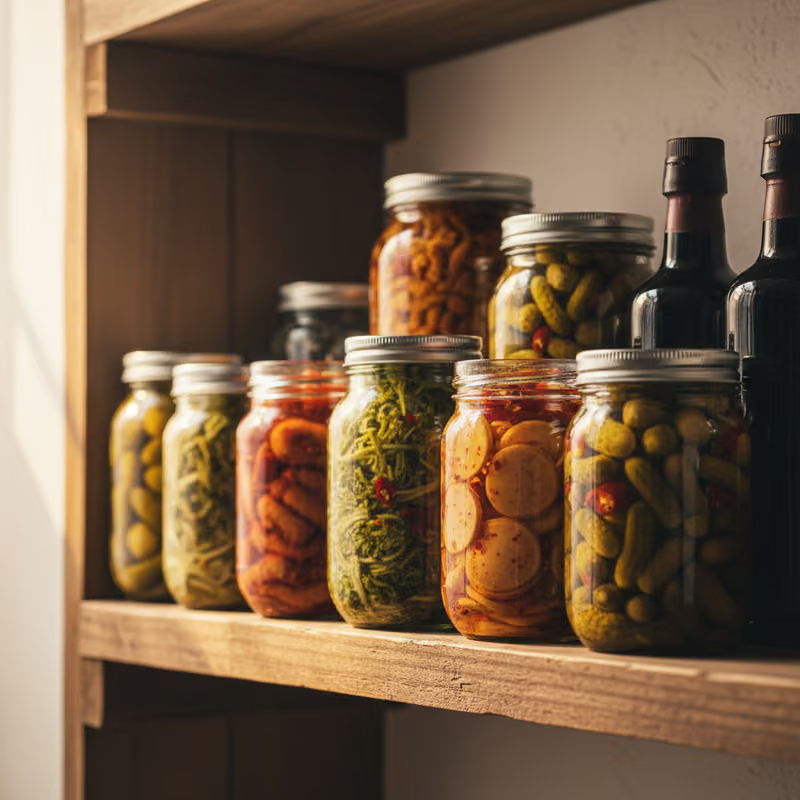
Chinese fermented vegetables, often prepared with cabbage, radishes, or other local produce, typically undergo lactic acid fermentation. This process is similar to that found in sauerkraut or kimchi.
- Microbial Action: Lactic acid bacteria (LAB) are the primary actors. These bacteria consume carbohydrates (sugars) present in the vegetables and convert them into lactic acid, acetic acid, and other organic acids.
- Preservation: The acidic environment created by LAB inhibits the growth of spoilage-causing microorganisms and pathogens, thus preserving the vegetables.
- Nutrient Profile: Fermentation can enhance the bioavailability of certain nutrients. For instance, the process may break down complex carbohydrates and anti-nutrients, making vitamins and minerals more accessible. Some research suggests fermentation can also lead to the synthesis of new vitamins, such as B vitamins.
- Potential Probiotic Content: Depending on the specific fermentation process, unpasteurized Chinese pickles can contain live beneficial bacteria. These live microorganisms, if they survive digestion and reach the gut, may contribute to the gut microbiota.
- Fiber Content: Fermented vegetables generally retain their dietary fiber, which acts as a prebiotic, feeding beneficial gut bacteria.
(WHO, FAO, NIH reference - general principles of fermentation and probiotics) While specific strains and their effects can vary, the general principle is that fermented foods can introduce diverse microbial populations and metabolites to the gut. The World Health Organization (WHO) and the Food and Agriculture Organization (FAO) have recognized the potential benefits of probiotics in fermented foods. The National Institutes of Health (NIH) also supports research into the human microbiome and the role of diet.
Chinese Vinegars (e.g., Black Vinegar / Chinkiang Vinegar)
Chinese vinegars are distinct from Western vinegars in their raw materials and fermentation processes. Black vinegar, a prominent example, is often made from glutinous rice, millet, sorghum, or a combination of grains, often with added wheat bran.
- Two-Stage Fermentation: The production of black vinegar typically involves a multi-stage process. First, grains are fermented by molds (like Aspergillus oryzae or Rhizopus species) and yeasts to produce alcohol (sake-like mash). Second, acetic acid bacteria (e.g., Acetobacter species) convert the alcohol into acetic acid. Long aging periods, sometimes for several years, contribute to its complex flavor profile.
- Acetic Acid: The primary component of vinegar, acetic acid, has been studied for various physiological effects.
- Bioactive Compounds: Black vinegar, particularly due to its grain-based origin and long fermentation/aging, contains a range of amino acids, organic acids, polyphenols, and other bioactive compounds. These compounds are thought to contribute to its distinctive color and flavor, as well as its potential health-related properties.
- Digestive Aid: Traditionally, vinegar is consumed with meals, and some believe it aids digestion, possibly by stimulating gastric acid production.
- Blood Glucose Management: Some studies suggest that acetic acid in vinegar may help moderate post-meal blood glucose responses, though these findings often come from short-term studies and require more extensive research.
(Mayo Clinic, NIH reference - general benefits of vinegar) The Mayo Clinic and NIH acknowledge research into the potential effects of vinegar, particularly concerning blood sugar management. However, they emphasize that these are not replacements for conventional medical treatments.
Gut Health Connection
The potential benefits of these fermented foods for gut health stem from several mechanisms:
- Probiotic Input: Unpasteurized fermented vegetables can introduce live beneficial bacteria, potentially enhancing the diversity and balance of the gut microbiota.
- Prebiotic Effects: The fiber in fermented vegetables and certain complex carbohydrates in grain-based vinegars can act as prebiotics, nourishing existing beneficial gut bacteria.
- Postbiotic Metabolites: The fermentation process generates various beneficial compounds, known as postbiotics, such as short-chain fatty acids (SCFAs) like butyrate, which are crucial for gut barrier integrity and immune function. Even if live microbes don't survive digestion, their metabolites may still confer benefits.
- Reduced Pathogen Growth: The acidic environment created by lactic acid fermentation can make the gut less hospitable to some pathogenic bacteria.
- Enhanced Nutrient Absorption: Fermentation can break down anti-nutrients and complex molecules, potentially improving the absorption of certain minerals and vitamins.
It is important to note that the specific microbial content and health effects can vary significantly based on the ingredients, starter cultures, fermentation conditions, and processing methods (e.g., pasteurization can eliminate live microbes). Therefore, while the general principles are sound, individual products may differ in their specific contributions to health.
Practical daily habits
Incorporating fermented Chinese foods into a daily diet can be a delicious way to explore new flavors and potentially support gut health. Here are some practical habits and considerations:
For Fermented Vegetables (Pickles / Pao Cai):
- Start Small: If you're new to fermented foods, begin with small portions (e.g., a tablespoon or two) to allow your digestive system to adjust.
- As a Side Dish: Chinese pickles are traditionally served as a condiment or side dish to accompany meals, providing a refreshing, tangy counterpoint to richer flavors. They can be particularly good with rice porridge (congee), noodles, or steamed fish.
- In Cooking: While heating can reduce or eliminate live beneficial bacteria, the flavor and some nutrient benefits remain. Pickles can be stir-fried with meats or vegetables, added to soups, or incorporated into savory fillings for dumplings or buns.
- Choose Unpasteurized Varieties: For maximum potential probiotic benefit, seek out unpasteurized or "raw" fermented pickles. Many commercial pickles are pasteurized for shelf stability, which kills live microorganisms. Check labels or inquire with sellers.
- DIY Fermentation: Learning to make your own pao cai at home can ensure a fresh, unpasteurized product. Numerous traditional recipes are available, often using simple ingredients like cabbage, salt, water, and spices. Ensure proper hygiene and follow reliable recipes to avoid spoilage.
For Chinese Vinegars (e.g., Black Vinegar):
- As a Condiment/Dipping Sauce: Black vinegar is a staple dipping sauce, often mixed with soy sauce, garlic, and chili oil, for dumplings, potstickers, and spring rolls.
- In Stir-fries and Braises: Its rich, malty, and slightly sweet-sour flavor makes it an excellent addition to stir-fries, braised dishes, and noodle soups. It can add depth and complexity.
- Marinades: Use black vinegar in marinades for meats or vegetables to tenderize and impart flavor.
- Dressings: It can form the base of unique salad dressings, perhaps combined with sesame oil, a touch of sugar, and soy sauce.
- Diluted Beverage: Some individuals consume a small amount of vinegar diluted in water, often before or with a meal. However, this should be done cautiously due to the acidity.
- Choose Reputable Brands: Look for traditionally brewed and aged black vinegars for the best flavor and potentially richer nutrient profile.
General Considerations:
- Read Labels: Always check product labels for ingredients, sodium content, and whether the product is pasteurized.
- Sodium Content: Fermented vegetables often have a high sodium content due to the salt used in the fermentation process. Individuals managing blood pressure or sodium intake should be mindful of portion sizes.
- Variety is Key: A diverse diet that includes various fermented foods from different cultures can contribute to a broader spectrum of beneficial microorganisms and nutrients.
- Storage: Store fermented vegetables and vinegars according to instructions, typically in a cool, dark place or refrigerated, especially after opening. Unpasteurized products will continue to ferment slowly, so refrigeration is usually essential.
By mindfully integrating these traditional Chinese fermented foods into your diet, you can enjoy their distinctive tastes while potentially supporting your gut health.
Common mistakes to avoid
While fermented Chinese foods can be a beneficial addition to a healthy diet, certain pitfalls should be avoided to maximize their potential advantages and ensure safe consumption.
- Expecting Miraculous Cures: Fermented foods are part of a balanced diet and are not a replacement for medical treatment or a quick fix for health issues. While they can support gut health, they are not standalone remedies for complex conditions.
- Overconsumption, Especially of Salty Items: Many traditional Chinese pickles are high in sodium. Consuming excessive amounts regularly can contribute to high sodium intake, which may be a concern for individuals managing blood pressure or with other sodium-sensitive conditions. Moderation is key.
- Relying Solely on Pasteurized Products for Probiotics: Many commercially available fermented vegetables and vinegars are pasteurized to extend shelf life and ensure product stability. This heat treatment, however, destroys the live beneficial bacteria that are often associated with probiotic benefits. If your primary goal is to consume live microorganisms, seek out "raw," "unpasteurized," or "live culture" versions.
- Ignoring Ingredient Lists: Some commercial fermented products might contain added sugars, artificial colors, or preservatives that can detract from their overall healthfulness. Always read the ingredient list carefully.
- Poor Hygiene in Home Fermentation: If attempting to make fermented foods at home, neglecting proper hygiene (clean utensils, jars, and work surfaces) can lead to the growth of undesirable microorganisms, spoilage, or even foodborne illness. Always follow reputable recipes and ensure a clean environment.
- Improper Storage: Fermented foods, especially unpasteurized ones, require specific storage conditions, usually refrigeration, to slow down further fermentation and prevent spoilage. Failure to store them correctly can compromise safety and quality.
- Assuming All Vinegars are Equal: While many vinegars are beneficial, their nutritional profiles and uses can vary. For instance, highly processed or flavored vinegars may not offer the same potential benefits as traditionally brewed and aged black vinegars.
- Using Vinegar Undiluted or in Excess: Direct consumption of undiluted vinegar can be harsh on tooth enamel and the esophageal lining due to its acidity. If consuming vinegar as a beverage, it should always be diluted with water. Excessive consumption of any highly acidic food can also lead to digestive discomfort in some individuals.
- Ignoring Individual Sensitivities: Some individuals may experience digestive discomfort (e.g., bloating, gas) when first introducing fermented foods due to the change in gut flora. Starting with small portions and gradually increasing intake can help the gut adapt. If adverse reactions persist, consultation with a healthcare professional is advisable.
- Disregarding Medical Advice for Specific Conditions: For individuals with specific health conditions, such as gastroesophageal reflux disease (GERD), inflammatory bowel disease (IBD), or those on specific medications (e.g., blood thinners, insulin), dietary changes including fermented foods should always be discussed with a healthcare provider.
By being mindful of these common mistakes, individuals can more safely and effectively incorporate fermented Chinese foods into their diet to support overall well-being.
When to see a professional
While fermented Chinese foods can be a valuable part of a balanced diet, certain situations warrant seeking advice from a qualified healthcare professional, such as a physician or a registered dietitian.
- Persistent Digestive Issues: If you experience ongoing digestive discomfort such as chronic bloating, gas, abdominal pain, persistent diarrhea, or constipation, especially after introducing fermented foods, it is important to consult a healthcare provider. These symptoms could indicate underlying conditions that require medical diagnosis and treatment.
- Known Gastrointestinal Conditions: Individuals diagnosed with specific gastrointestinal disorders like irritable bowel syndrome (IBS), inflammatory bowel disease (IBD - Crohn's disease or ulcerative colitis), small intestinal bacterial overgrowth (SIBO), or gastric ulcers should consult their doctor or a dietitian before making significant dietary changes, including incorporating new fermented foods. The microbial content or acidity might exacerbate certain conditions.
- Compromised Immune System: If you have a compromised immune system (due to illness, medication, or medical procedures), consuming raw or unpasteurized fermented foods containing live bacteria might carry a theoretical risk. While generally safe for most, it is prudent to discuss this with your doctor.
- Allergies or Intolerances: If you suspect an allergy or intolerance to ingredients commonly found in fermented foods (e.g., specific vegetables, grains in vinegar, or even the byproducts of fermentation), professional guidance can help identify triggers and suggest suitable alternatives.
- Concerns about Sodium Intake: If you have high blood pressure, kidney disease, or are otherwise advised to restrict sodium intake, and you regularly consume fermented Chinese pickles (which can be high in sodium), consult a healthcare provider or a registered dietitian to ensure your dietary choices align with your health management plan.
- Diabetes or Blood Sugar Management Concerns: While some research suggests vinegar may help with blood sugar regulation, it is not a treatment for diabetes. Individuals with diabetes should discuss incorporating vinegar, especially in therapeutic amounts, with their healthcare provider to ensure it doesn't interfere with medication or blood sugar management.
- Pregnancy or Breastfeeding: Pregnant or breastfeeding individuals should consult their healthcare provider regarding dietary changes, including the consumption of new or homemade fermented foods, to ensure safety for both mother and child.
- Unexplained Symptoms: Any new or worsening unexplained symptoms following dietary changes, including the addition of fermented foods, should prompt a visit to a medical professional.
- Guidance on Home Fermentation Safety: If you are considering extensive home fermentation and have concerns about food safety, a food safety expert or a knowledgeable registered dietitian can provide guidance.
- Nutritional Deficiencies or Specific Dietary Needs: For personalized dietary advice, especially concerning nutrient intake, dietary diversity, or managing specific health goals, a registered dietitian can provide tailored recommendations.
Always prioritize professional medical advice when health concerns arise. Dietary changes, while potentially beneficial, should complement, not replace, appropriate medical care.
Frequently asked questions
What are the main types of fermented Chinese foods?
Chinese cuisine features a wide array of fermented foods. Beyond pickles (pao cai) and various vinegars (like black vinegar), common examples include fermented bean pastes (doubanjiang, mianjiang), fermented tofu (furu or 'fermented bean curd'), soy sauce, and certain fermented grain products used in beverages or condiments. Each type utilizes distinct ingredients and microbial processes.
Are all fermented Chinese foods probiotic?
No, not all fermented Chinese foods contain live probiotics. Many commercial products, including some pickles and vinegars, undergo pasteurization (heat treatment) to enhance shelf stability, which unfortunately kills the beneficial live microorganisms. To obtain probiotic benefits, one should seek out "raw," "unpasteurized," or "live culture" versions, or consider making them at home with proper methods. The term "probiotic" specifically refers to live microorganisms that, when administered in adequate amounts, confer a health benefit on the host.
How does black vinegar differ from other vinegars?
Chinese black vinegar, particularly Chinkiang vinegar, is distinct from Western vinegars like apple cider vinegar or white vinegar. It is typically made from grains (such as glutinous rice, millet, or sorghum) rather than fruit or distilled alcohol. Its production involves a multi-stage fermentation process using molds and yeasts, followed by acetic acid bacteria, and often an extended aging period. This results in a dark color, a complex malty, smoky, and slightly sweet-sour flavor profile, and a rich content of amino acids and organic compounds not found in simpler vinegars.
Can fermented Chinese foods help with digestion?
Some individuals find that incorporating fermented foods can support digestion. Unpasteurized fermented vegetables may introduce beneficial bacteria that contribute to a balanced gut microbiota. The acids produced during fermentation can also help break down food components, potentially aiding in nutrient absorption. Furthermore, some compounds in vinegar, like acetic acid, are traditionally believed to stimulate digestive enzymes. However, individual responses vary, and while some may experience benefits, others might find certain fermented foods cause temporary discomfort.
What is the recommended serving size for fermented Chinese foods?
There isn't a universally recommended serving size, as it depends on the specific food, its sodium content, and individual tolerance. For fermented pickles, starting with a small portion, such as one to two tablespoons per meal, is a good approach, especially due to their sodium content. For vinegars used as a condiment, a similar modest amount is appropriate. If consuming vinegar diluted in water, a common suggestion is 1-2 tablespoons diluted in a large glass of water. It's generally advisable to introduce these foods gradually into your diet and observe how your body responds.
Key takeaways
Fermented Chinese foods, including traditional pickles (pao cai) and various vinegars (such as black vinegar), are integral to Chinese culinary heritage and offer distinct flavors and potential health benefits.
- Gut Health Support: These foods can contribute to gut health through the introduction of live beneficial bacteria (in unpasteurized varieties), prebiotic fiber that nourishes existing gut microbes, and the production of beneficial postbiotic compounds.
- Nutrient Enhancement: Fermentation may enhance the bioavailability of certain nutrients and introduce new compounds beneficial to health.
- Distinctive Flavors: They provide unique umami, sour, and complex flavor profiles that can diversify and enrich a balanced diet.
- Mindful Consumption: Pay attention to sodium content, especially in pickles, and choose unpasteurized options for potential probiotic benefits. For vinegars, opt for traditionally brewed and aged varieties.
- Professional Guidance: Always consult a healthcare professional for specific health concerns, especially if you have existing gastrointestinal conditions, are managing chronic diseases, or experience adverse reactions. Fermented foods are a dietary component, not a medical treatment.
- Moderation and Diversity: Incorporate these foods in moderation as part of a varied and balanced diet for overall well-being.
Related reading
Keep exploring this topic with our related, evidence-reviewed guides:
- Chinese Seasonal Eating: How to Match Your Plate to the Time of Year — A practical, evidence-informed guide to chinese seasonal eating — what matters, what works, common mistakes, and when to consult a…
- Chinese Cooling Foods for Summer Heat and Dehydration — A practical, evidence-informed guide to chinese cooling foods — what matters, what works, common mistakes, and when to consult a p…
- Chinese Gut Health Wisdom: Warm Foods, Chewing, and Meal Rhythm — A practical, evidence-informed guide to chinese gut health — what matters, what works, common mistakes, and when to consult a prof…
- Green Tea vs Oolong vs Pu-erh: Which Chinese Tea Fits Your Health Goal — A practical, evidence-informed guide to green tea vs oolong — what matters, what works, common mistakes, and when to consult a pro…
- Chinese Mushroom Wisdom: Shiitake, Reishi, and Wood Ear for Immunity — A practical, evidence-informed guide to medicinal mushrooms — what matters, what works, common mistakes, and when to consult a pro…
- Gua Sha and Tui Na Massage: Traditional Chinese Bodywork Explained — A practical, evidence-informed guide to gua sha — what matters, what works, common mistakes, and when to consult a professional.
Sources
- World Health Organization (WHO)
- Food and Agriculture Organization (FAO)
- National Institutes of Health (NIH)
- Mayo Clinic
- Centers for Disease Control and Prevention (CDC)
Sources
Evidence & citations
- Every claim in this chinese health wisdom guide is backed by primary data — browse the longevity and lifestyle health statistics in our sourced statistics library.
- Writing about this topic? Researchers, journalists and educators can cite our traditional Chinese health research with ready-made APA, MLA and Chicago references.
My notes on this one
The short version of 15 minutes of reading — what stuck with me while writing “Fermented Chinese Foods: Pickles, Vinegar, and Gut Health”, what the sources back up, and what I'd actually do about it.
What I'd take away
01 · Why this matters
Fermented foods, by their very nature, often introduce beneficial microorganisms (probiotics) or provide compounds that nourish existing beneficial bacteria (prebiotics) into the digestive system.
02 · Key principles
(Mayo Clinic, NIH reference - general benefits of vinegar) The Mayo Clinic and NIH acknowledge research into the potential effects of vinegar, particularly concerning blood sugar management.
03 · Practical daily habits
In Stir-fries and Braises: Its rich, malty, and slightly sweet-sour flavor makes it an excellent addition to stir-fries, braised dishes, and noodle soups. It can add depth and complexity.
04 · Common mistakes to avoid
While fermented Chinese foods can be a beneficial addition to a healthy diet, certain pitfalls should be avoided to maximize their potential advantages and ensure safe consumption.
What the sources I read actually say
The World Health Organization (WHO) and the Food and Agriculture Organization (FAO) have recognized the potential benefits of probiotics in fermented foods.
World Health OrganizationProfessional Guidance: Always consult a healthcare professional for specific health concerns, especially if you have existing gastrointestinal conditions, are managing chronic diseases…
Centers for Disease Control and PreventionThe National Institutes of Health (NIH) also supports research into the human microbiome and the role of diet.
National Institutes of Health
If you only do one thing this week
- Start Small — If you're new to fermented foods, begin with small portions (e.g., a tablespoon or two) to allow your digestive system to adjust.
- Choose Reputable Brands — Look for traditionally brewed and aged black vinegars for the best flavor and potentially richer nutrient profile.
Pick the one that fits your week. None of this replaces advice from a clinician who can actually examine you.
Questions I kept coming back to
What are the main types of fermented Chinese foods?+
Chinese cuisine features a wide array of fermented foods. Beyond pickles (pao cai) and various vinegars (like black vinegar), common examples include fermented bean pastes (doubanjiang, mianjiang), fermented tofu (furu or 'fermented bean curd'), soy sauce, and certain fermented grain products used in beverages or condiments. Each type utilizes distinct ingredients and microbial processes.
Are all fermented Chinese foods probiotic?+
No, not all fermented Chinese foods contain live probiotics. Many commercial products, including some pickles and vinegars, undergo pasteurization (heat treatment) to enhance shelf stability, which unfortunately kills the beneficial live microorganisms. To obtain probiotic benefits, one should seek out "raw," "unpasteurized," or "live culture" versions, or consider making them at home with proper methods…
How does black vinegar differ from other vinegars?+
Chinese black vinegar, particularly Chinkiang vinegar, is distinct from Western vinegars like apple cider vinegar or white vinegar. It is typically made from grains (such as glutinous rice, millet, or sorghum) rather than fruit or distilled alcohol. Its production involves a multi-stage fermentation process using molds and yeasts, followed by acetic acid bacteria, and often an extended aging period…
Can fermented Chinese foods help with digestion?+
Some individuals find that incorporating fermented foods can support digestion. Unpasteurized fermented vegetables may introduce beneficial bacteria that contribute to a balanced gut microbiota. The acids produced during fermentation can also help break down food components, potentially aiding in nutrient absorption. Furthermore, some compounds in vinegar, like acetic acid…
What is the recommended serving size for fermented Chinese foods?+
There isn't a universally recommended serving size, as it depends on the specific food, its sodium content, and individual tolerance. For fermented pickles, starting with a small portion, such as one to two tablespoons per meal, is a good approach, especially due to their sodium content. For vinegars used as a condiment, a similar modest amount is appropriate. If consuming vinegar diluted in water…
Was this article helpful?
Be the first to rate this article.
Written by
FaizRuh
I write Health Hub Pro on my own — no clinical licence, no anonymous review panel. Just the published guidance, read carefully and explained plainly.
More about me →How this page was checked
Every claim above is checked against the sources listed at the bottom of this article — WHO, CDC, NIH, NHS, Cochrane and major clinical guidelines. Drafting is AI-assisted; the editing, fact-checking and final wording are mine. It's information, not medical advice. Spotted an error? Tell me and I'll fix it.
Last checked on