Gua Sha and Tui Na Massage: Traditional Chinese Bodywork
A practical, evidence-informed guide to gua sha — what matters, what works, common mistakes, and when to consult a professional.
For informational purposes only. This article is educational and is not a substitute for professional medical advice, diagnosis, or treatment. Always consult a qualified healthcare provider about anything affecting your health. Read full disclaimer.
Gua Sha and Tui Na Massage: Traditional Chinese Bodywork Explained
(Not medical or veterinary advice — consult a qualified clinician or veterinarian for personal guidance.)
Introduction
Gua Sha and Tui Na massage are distinct, yet often complementary, modalities rooted in the long history of Traditional Chinese Medicine (TCM). Both practices involve manual techniques applied to the body's surface, aiming to support overall well-being. While Gua Sha is recognized for its characteristic scraping technique that may produce temporary skin marks known as "sha," Tui Na encompasses a broader spectrum of manual therapies, from kneading and pressing to rubbing and stretching, akin to a therapeutic massage. These traditional approaches are part of a holistic system that views the body as interconnected, with energy (Qi) and blood flowing through specific pathways known as meridians. Understanding the principles and applications of Gua Sha and Tui Na can offer insight into these time-honored practices.
Why this matters
In an era where individuals are increasingly seeking diverse approaches to well-being, traditional practices like Gua Sha and Tui Na have garnered interest globally. For those considering or utilizing these methods, it is important to understand their historical context, foundational principles, and appropriate application. Informed decision-making regarding personal wellness strategies requires accurate, evidence-informed information. This understanding helps distinguish between established practices and anecdotal claims, and promotes safe engagement with these traditional bodywork techniques. It also emphasizes the importance of seeking guidance from qualified professionals to ensure practices are suitable for individual circumstances.
Key principles (evidence-informed)
Both Gua Sha and Tui Na operate under foundational principles derived from Traditional Chinese Medicine (TCM). While Western scientific research on these specific modalities is still developing, the general concepts often align with broader understandings of circulation, tissue manipulation, and neurophysiological responses.
Foundational Principles from Traditional Chinese Medicine (TCM):
- Qi (Vital Energy): TCM posits that Qi is the life force that flows through the body along specific channels called meridians. Imbalances or blockages in Qi flow are believed to contribute to discomfort or health concerns. Both Gua Sha and Tui Na aim to facilitate the smooth flow of Qi.
- Blood Circulation: Beyond Qi, TCM places significant importance on the proper circulation of blood. Stagnation of blood (often referred to as "blood stasis") is considered a factor in various physical discomforts. Both techniques are traditionally believed to promote blood circulation in the treated areas.
- Meridians and Acupoints: The body is traversed by meridian pathways, which are thought to connect the surface of the body with internal organs. Along these meridians are acupoints, specific locations where Qi is believed to be more accessible. Both Gua Sha and Tui Na may be applied along meridians or to specific acupoints.
- Balancing Yin and Yang: TCM emphasizes the dynamic balance between opposing yet complementary forces, Yin and Yang. Disturbances in this balance are considered underlying causes of health issues. Traditional bodywork aims to restore this equilibrium.
- Tissue Manipulation and Response: From a more contemporary perspective, the physical actions of scraping in Gua Sha and the various manipulations in Tui Na involve mechanical stimulation of the skin, fascia, muscles, and connective tissues. This can lead to local physiological responses such as:
- Increased Local Circulation: The physical pressure and friction can increase blood flow to the immediate area.
- Muscle Relaxation: Manual manipulation can help release tension in muscles.
- Neurophysiological Effects: Stimulation of nerve endings in the skin and underlying tissues may influence pain perception and promote relaxation.
- Reduction of Fascial Adhesions: Techniques that involve stretching and pressure can potentially affect the flexibility and integrity of fascial tissues.
Gua Sha Specifics:
Gua Sha involves the application of a smooth-edged tool to the skin with repeated strokes, typically in one direction. This creates petechiae (small red spots) and ecchymosis (bruising), collectively known as "sha." This temporary marking is traditionally interpreted as an indication that stagnation of Qi and blood has been addressed and brought to the surface. From a modern perspective, the controlled microtrauma may trigger a localized inflammatory response, leading to increased blood flow, release of substances that influence pain and inflammation, and activation of immune responses in the area.
Tui Na Specifics:
Tui Na, meaning "push-pull," employs a wide range of hand techniques performed directly on the body. These include:
- Pressing (An): Applying sustained pressure.
- Kneading (Mo): Circular or rhythmic manipulation of tissues.
- Rubbing (Ca): Creating friction on the surface.
- Pushing (Tui): Applying linear pressure.
- Grasping (Na): Holding and lifting tissues.
- Rolling (Gun): Using the back of the hand or fist to apply rhythmic pressure.
- Vibrating (Zhen): Rhythmic shaking.
- Joint Mobilization: Gentle movements to improve range of motion.
These techniques are chosen based on the individual's specific needs and the practitioner's assessment within the TCM framework. The aims are similar to those of Gua Sha but typically without the intentional production of "sha," focusing more on deeper tissue manipulation and joint mobilization.
(WHO, NIH, Cochrane Library): While specific guidelines from WHO or NIH on the efficacy of Gua Sha and Tui Na are often qualified by the need for more rigorous research, these bodies acknowledge the existence and widespread use of traditional medicine practices. Reviews published in the Cochrane Library often point to the methodological challenges in researching complex interventions like traditional bodywork, but some studies indicate potential benefits for certain conditions, emphasizing the need for robust, well-designed clinical trials. For example, some research suggests Tui Na may be beneficial for musculoskeletal conditions, and Gua Sha for chronic neck or low back discomfort, although the evidence base is still evolving.
Practical daily habits
While professional application of Gua Sha and Tui Na requires extensive training, some gentle, simplified techniques can be incorporated into daily routines for general well-being. These should not be confused with therapeutic treatment and are generally focused on relaxation and enhancing local circulation.
Gentle Gua Sha for Self-Care (Facial/Neck): For self-care, a very gentle approach is recommended, particularly on the face and neck, where the aim is not to produce "sha."
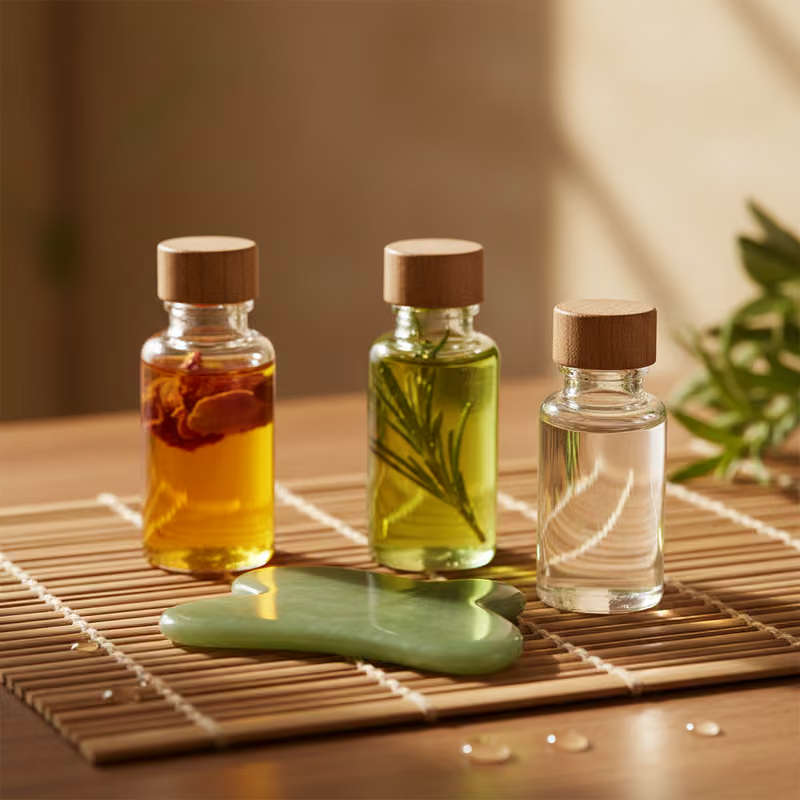
- Choose a Tool: A smooth, clean Gua Sha tool (e.g., made of jade, quartz, or ceramic) designed for facial use.
- Cleanse and Hydrate: Cleanse your skin and apply a facial oil or serum to provide slip and prevent excessive pulling.
- Light Pressure: Use extremely light pressure. The goal is gentle stimulation, not deep scraping or skin marking.
- Directional Strokes:
- Neck: Stroke upwards from the collarbone towards the jawline.
- Jawline: Stroke outwards from the center of the chin along the jaw.
- Cheeks: Stroke outwards from the nose towards the hairline.
- Forehead: Stroke upwards from the eyebrows to the hairline, or outwards from the center.
- Repeat: Repeat each stroke 3-5 times.
- Frequency: Can be done daily or a few times a week.
- Hydrate: Finish with your regular skincare routine.
Gentle Self-Tui Na Inspired Techniques: These are basic self-massage techniques inspired by Tui Na principles for relaxation and tension relief.
- Hand and Wrist Massage:
- Use your thumb to press and knead the palm of the opposite hand.
- Gently pull each finger from base to tip.
- Rotate your wrists gently in both directions.
- Shoulder and Neck Kneading:
- Use one hand to gently grasp and knead the shoulder and side of the neck on the opposite side.
- Apply gentle, circular pressure to areas of tension.
- Avoid direct pressure on the spine.
- Scalp Massage:
- Use your fingertips to gently rub and press your scalp in small circular motions. This can be invigorating and help relax the head and neck.
- Leg and Foot Rub:
- Use your hands to gently rub and knead your calves and thighs, moving upwards towards the heart to encourage circulation.
- Apply pressure to the soles of your feet with your thumbs.
- Gently rotate your ankles.
- Deep Breathing: Incorporate slow, deep breathing during these self-care moments to enhance relaxation.
General Guidelines for Self-Care:
- Listen to Your Body: Never apply excessive pressure or continue if you feel discomfort or pain.
- Consistency: Regular, gentle practice is often more beneficial than infrequent, intense sessions.
- Hygiene: Always ensure your hands and tools are clean.
These practices are for general relaxation and personal comfort only. They are not intended to treat specific conditions or replace professional guidance.
Common mistakes to avoid
When engaging with Gua Sha and Tui Na, whether through self-care or professional treatment, being aware of common pitfalls is crucial for safety and efficacy.
For Gua Sha:
- Excessive Pressure or Aggressive Scraping (Self-Application): The most common mistake in self-Gua Sha, especially on the face, is using too much force. For cosmetic or relaxation purposes, light pressure is sufficient. Aggressive scraping can cause unnecessary bruising, skin damage, or even broken capillaries, particularly on delicate skin.
- Not Using a Lubricant: Applying a Gua Sha tool directly to dry skin can cause friction burns, irritation, and drag the skin excessively, leading to discomfort and potential damage. Always use an oil, serum, or balm to ensure smooth glide.
- Using Unsuitable Tools: Using tools with sharp edges, rough surfaces, or non-hygienic materials can harm the skin. Always opt for smooth, clean, purpose-designed Gua Sha tools.
- Improper Direction of Strokes (especially on face/neck): For lymphatic drainage and circulation, strokes are often performed in an upward and outward direction on the face, and upwards towards the heart on the neck/body. Random or downward strokes on the face might counteract the desired effects.
- Ignoring Contraindications: Gua Sha should be avoided over open wounds, broken skin, rashes, moles, recent surgical sites, sunburned skin, varicose veins, or areas with certain skin conditions. It's also generally not recommended during pregnancy without professional advice, or for individuals with bleeding disorders or those on blood-thinning medication.
- Expectation of Immediate "Sha" (for cosmetic use): For facial Gua Sha, the goal is often relaxation and gentle circulation, not the intense redness or "sha" associated with therapeutic body Gua Sha. Expecting "sha" on the face can lead to over-scraping.
For Tui Na (and self-massage inspired by Tui Na):
- Applying Pressure Over Bony Areas or Joints Incorrectly: While Tui Na includes joint mobilization, untrained individuals should avoid applying strong, direct pressure or forceful manipulation over prominent bones or joints, especially if there is pain or instability.
- Ignoring Pain Signals: Tui Na can sometimes involve firm pressure, but it should generally not be excruciatingly painful. If self-massaging, any sharp, intense, or prolonged pain is a signal to stop. Professional Tui Na practitioners are trained to distinguish between therapeutic sensation and harmful pain.
- Using Incorrect Hand Posture: If attempting Tui Na-like self-massage for extended periods, using incorrect hand or wrist posture can lead to strain or injury for the person giving the massage.
- Lack of Understanding of Anatomy: Without proper anatomical knowledge, one might inadvertently apply pressure to sensitive nerves, blood vessels, or injured areas, leading to adverse effects. This is particularly relevant for deeper Tui Na techniques.
- Treating Serious Conditions Independently: Attempting to self-treat chronic or severe conditions with Tui Na or Gua Sha without professional diagnosis and guidance is a significant mistake. These are complementary practices and not replacements for conventional medical care.
General Mistakes for Both:
- Poor Hygiene: Not cleaning tools or hands before and after use can introduce bacteria to the skin, especially if micro-abrasions occur.
- Self-Diagnosing and Self-Treating: Relying solely on traditional bodywork for serious health concerns without professional medical evaluation is risky.
- Ignoring Professional Advice: If a healthcare professional advises against these practices for specific health reasons, that advice should be heeded.
- Seeking Untrained Practitioners: For professional treatments, ensure the practitioner is qualified, certified, and experienced in TCM bodywork. An untrained individual may cause harm.
When to see a professional
While gentle, superficial self-application of Gua Sha and Tui Na-inspired techniques can be a part of a personal wellness routine, there are clear instances when consulting a qualified professional is essential. This includes both medical professionals and certified TCM practitioners.
Consult a Medical Doctor (Physician) First If:
- Undiagnosed Pain: You are experiencing new, persistent, severe, or worsening pain, especially in muscles, joints, or other body areas. A medical diagnosis is crucial before attempting any bodywork.
- Acute Injuries: You have sustained a recent injury (e.g., sprain, strain, fracture, dislocation). Bodywork could exacerbate the injury without proper assessment and stabilization.
- Chronic Medical Conditions: You have pre-existing conditions such as bleeding disorders, cardiovascular disease, uncontrolled hypertension, diabetes, kidney disease, or certain skin conditions.
- Medication Use: You are taking blood-thinning medications, corticosteroids, or have any concerns about potential interactions with bodywork.
- Pregnancy: While some forms of massage can be safe, it's vital to consult with your obstetrician before receiving any bodywork, including Gua Sha or Tui Na, during pregnancy.
- Skin Concerns: You have active skin infections, rashes, open wounds, severe acne, or unexplained skin changes in areas where you might apply bodywork.
- Swelling or Lumps: You notice unexplained swelling, lumps, or growths. These require medical evaluation.
- Post-Surgery: You are recovering from surgery. Clearance from your surgeon is necessary before bodywork on or near the surgical site.
- Suspected Organ-Related Issues: If discomfort is accompanied by symptoms that suggest internal organ involvement (e.g., persistent fever, unexplained weight loss, changes in bowel/bladder habits), seek medical attention immediately.
(Mayo Clinic, CDC): These organizations consistently advocate for seeking a diagnosis from a licensed medical professional for any new or concerning symptoms. They emphasize that complementary therapies should augment, not replace, conventional medical care, especially for serious health issues.
Consult a Qualified Traditional Chinese Medicine (TCM) Practitioner If:
- Seeking Therapeutic Treatment: You are interested in using Gua Sha or Tui Na for specific therapeutic purposes, such as addressing chronic musculoskeletal discomfort, improving range of motion, or managing tension, within a TCM framework.
- Complex or Chronic Conditions: While you should have seen a medical doctor first, a TCM practitioner can provide tailored bodywork plans that complement your medical care for persistent conditions.
- Guidance on Self-Care: You want to learn how to safely and effectively incorporate specific Gua Sha or Tui Na techniques into your self-care routine under professional guidance.
- Understanding TCM Principles: You wish for a deeper understanding of TCM diagnostics (e.g., pulse and tongue diagnosis) and how these inform bodywork strategies.
- Uncertainty About Contraindications: You are unsure whether Gua Sha or Tui Na is appropriate for your specific health profile or current condition.
- Experience Adverse Reactions to Self-Care: If you experience any unexpected or adverse reactions from self-applied techniques, a professional can assess and advise.
(WHO): The World Health Organization acknowledges the role of traditional medicine practitioners in healthcare systems, particularly for preventative care and managing chronic conditions. They advocate for proper training, regulation, and evidence-informed practice within traditional medicine.
Choosing a practitioner who is certified, licensed (if applicable in your region), and experienced is paramount for safe and effective treatment.
Frequently asked questions
What is the main difference between Gua Sha and Tui Na?
The primary difference lies in their technique and typical outcome. Gua Sha involves a scraping motion with a tool, often resulting in temporary red marks ("sha") on the skin, which is traditionally believed to bring stagnation to the surface. Tui Na, meaning "push-pull," is a broader category of manual therapy that uses various hand techniques like pressing, kneading, rolling, and stretching, akin to a therapeutic massage, and generally does not intentionally produce "sha."
Are Gua Sha and Tui Na painful?
Professional Gua Sha, particularly for therapeutic purposes, can involve firm pressure and may cause a sensation that some describe as intense but generally tolerable. While the resulting "sha" can look like bruising, it's typically not reported as painful post-treatment by many individuals, though individual sensitivity varies. Tui Na techniques also range from gentle to quite firm. A skilled practitioner adjusts pressure to the individual's comfort level and therapeutic needs. Self-applied techniques, especially on the face, should always be gentle and not painful.
How often can I get Gua Sha or Tui Na treatments?
The frequency of treatments depends on the individual's condition, the severity of symptoms, and the practitioner's assessment. For acute issues, treatments might be more frequent (e.g., once or twice a week). For chronic conditions or general maintenance, sessions might be less frequent (e.g., bi-weekly or monthly). For gentle self-care (e.g., facial Gua Sha), daily or a few times a week may be appropriate, while more intense body Gua Sha needs more recovery time between sessions. Always follow the advice of a qualified practitioner.
Can I do Gua Sha and Tui Na at home myself?
Gentle, superficial forms of Gua Sha and Tui Na-inspired self-massage can be incorporated into a personal wellness routine for relaxation, promoting local circulation, and tension relief. However, deep or therapeutic applications of these techniques should be performed by a trained and qualified professional. Attempting to self-treat complex conditions with vigorous techniques without proper training can lead to injury or adverse effects. Always use light pressure, especially on the face, and never apply to broken or irritated skin.
What are the potential benefits of Gua Sha and Tui Na?
Traditionally, both Gua Sha and Tui Na are believed to promote the flow of Qi and blood, reduce stagnation, and restore balance within the body. In contemporary terms, individuals report potential benefits such as temporary relief of muscle tension and stiffness, improved local circulation, relaxation, and a sense of well-being. Some studies, while needing further robust research, have explored their use for musculoskeletal discomfort, headaches, and other conditions, suggesting potential short-term symptomatic relief.
Key takeaways
Gua Sha and Tui Na massage are distinct traditional Chinese bodywork practices rooted in the principles of Traditional Chinese Medicine (TCM). Gua Sha employs a scraping technique that may produce temporary skin markings ("sha"), while Tui Na encompasses a wide array of manual massage techniques. Both are traditionally aimed at promoting the flow of Qi and blood, and addressing areas of tension or stagnation.
When considering these practices:
- Understand the Principles: Recognize their basis in TCM and the general aims of circulation, relaxation, and tissue manipulation.
- Practice Safely: For self-care, utilize gentle techniques, especially on delicate areas like the face, always using lubrication. Avoid aggressive pressure.
- Recognize Limitations: Self-application is for general well-being and relaxation; it is not a replacement for professional therapeutic treatment or medical care.
- Seek Professional Guidance: Consult a qualified medical professional for any new or concerning symptoms or underlying health conditions. For therapeutic application, seek a certified TCM practitioner.
- Be Informed: Avoid common mistakes like excessive pressure, improper tool use, or ignoring contraindications.
Integrating traditional bodywork into a holistic wellness approach should be done thoughtfully, prioritizing safety, efficacy, and consultation with appropriate healthcare professionals.
Related reading
Keep exploring this topic with our related, evidence-reviewed guides:
- Chinese Calligraphy and Mindfulness: A Traditional Focus Practice — A practical, evidence-informed guide to calligraphy mindfulness — what matters, what works, common mistakes, and when to consult a…
- Acupuncture Explained: What the Evidence Says About Pain, Sleep, and Stress — A practical, evidence-informed guide to acupuncture benefits — what matters, what works, common mistakes, and when to consult a pr…
- Chinese Ear and Hearing Care Traditions Compared With Modern Advice — A practical, evidence-informed guide to chinese ear care — what matters, what works, common mistakes, and when to consult a profes…
- Congee: Why China's Healing Breakfast Is Good for Digestion — A practical, evidence-informed guide to congee benefits — what matters, what works, common mistakes, and when to consult a profess…
- Chinese Mushroom Wisdom: Shiitake, Reishi, and Wood Ear for Immunity — A practical, evidence-informed guide to medicinal mushrooms — what matters, what works, common mistakes, and when to consult a pro…
- Chinese Soups and Broths: Slow-Cooked Nutrition for Recovery — A practical, evidence-informed guide to chinese soup benefits — what matters, what works, common mistakes, and when to consult a p…
Sources
- World Health Organization (WHO)
- National Institutes of Health (NIH)
- Mayo Clinic
- Cochrane Library
Sources
Evidence & citations
- Every claim in this chinese health wisdom guide is backed by primary data — browse the longevity and lifestyle health statistics in our sourced statistics library.
- Writing about this topic? Researchers, journalists and educators can cite our traditional Chinese health research with ready-made APA, MLA and Chicago references.
My notes on this one
The short version of 14 minutes of reading — what stuck with me while writing “Gua Sha and Tui Na Massage: Traditional Chinese Bodywork”, what the sources back up, and what I'd actually do about it.
What I'd take away
01 · Why this matters
In an era where individuals are increasingly seeking diverse approaches to well-being, traditional practices like Gua Sha and Tui Na have garnered interest globally.
02 · Key principles
While Western scientific research on these specific modalities is still developing, the general concepts often align with broader understandings of circulation, tissue manipulation…
03 · Practical daily habits
While professional application of Gua Sha and Tui Na requires extensive training, some gentle, simplified techniques can be incorporated into daily routines for general well-being.
04 · Common mistakes to avoid
Not Using a Lubricant: Applying a Gua Sha tool directly to dry skin can cause friction burns, irritation, and drag the skin excessively, leading to discomfort and potential damage. Always use an oil, serum…
What the sources I read actually say
From a modern perspective, the controlled microtrauma may trigger a localized inflammatory response, leading to increased blood flow, release of substances that influence pain and inflammation…
Centers for Disease Control and Prevention
If you only do one thing this week
- Choose a Tool — A smooth, clean Gua Sha tool (e.g., made of jade, quartz, or ceramic) designed for facial use.
Pick the one that fits your week. None of this replaces advice from a clinician who can actually examine you.
Questions I kept coming back to
What is the main difference between Gua Sha and Tui Na?+
The primary difference lies in their technique and typical outcome. Gua Sha involves a scraping motion with a tool, often resulting in temporary red marks ("sha") on the skin, which is traditionally believed to bring stagnation to the surface. Tui Na, meaning "push-pull," is a broader category of manual therapy that uses various hand techniques like pressing, kneading, rolling, and stretching…
Are Gua Sha and Tui Na painful?+
Professional Gua Sha, particularly for therapeutic purposes, can involve firm pressure and may cause a sensation that some describe as intense but generally tolerable. While the resulting "sha" can look like bruising, it's typically not reported as painful post-treatment by many individuals, though individual sensitivity varies. Tui Na techniques also range from gentle to quite firm…
How often can I get Gua Sha or Tui Na treatments?+
The frequency of treatments depends on the individual's condition, the severity of symptoms, and the practitioner's assessment. For acute issues, treatments might be more frequent (e.g., once or twice a week). For chronic conditions or general maintenance, sessions might be less frequent (e.g., bi-weekly or monthly). For gentle self-care (e.g., facial Gua Sha), daily or a few times a week may be appropriate…
Can I do Gua Sha and Tui Na at home myself?+
Gentle, superficial forms of Gua Sha and Tui Na-inspired self-massage can be incorporated into a personal wellness routine for relaxation, promoting local circulation, and tension relief. However, deep or therapeutic applications of these techniques should be performed by a trained and qualified professional…
What are the potential benefits of Gua Sha and Tui Na?+
Traditionally, both Gua Sha and Tui Na are believed to promote the flow of Qi and blood, reduce stagnation, and restore balance within the body. In contemporary terms, individuals report potential benefits such as temporary relief of muscle tension and stiffness, improved local circulation, relaxation, and a sense of well-being. Some studies, while needing further robust research…
Was this article helpful?
Be the first to rate this article.
Written by
FaizRuh
I write Health Hub Pro on my own — no clinical licence, no anonymous review panel. Just the published guidance, read carefully and explained plainly.
More about me →How this page was checked
Every claim above is checked against the sources listed at the bottom of this article — WHO, CDC, NIH, NHS, Cochrane and major clinical guidelines. Drafting is AI-assisted; the editing, fact-checking and final wording are mine. It's information, not medical advice. Spotted an error? Tell me and I'll fix it.
Last checked on