Chinese Mushroom Wisdom: Shiitake, Reishi, and Wood Ear for
A practical, evidence-informed guide to medicinal mushrooms — what matters, what works, common mistakes, and when to consult a professional.
For informational purposes only. This article is educational and is not a substitute for professional medical advice, diagnosis, or treatment. Always consult a qualified healthcare provider about anything affecting your health. Read full disclaimer.
Chinese Mushroom Wisdom: Shiitake, Reishi, and Wood Ear for Immunity
(Not medical or veterinary advice — consult a qualified clinician or veterinarian for personal guidance.)
Introduction
Traditional Chinese Medicine (TCM) has a rich history spanning thousands of years, emphasizing the balance and harmony within the body to maintain health and well-being. Within this ancient system, various natural ingredients have been utilized for their perceived health benefits. Among these, certain mushrooms stand out for their historical application in supporting various bodily functions, including immune health. This article explores three prominent examples: Shiitake (Lentinula edodes), Reishi (Ganoderma lucidum), and Wood Ear (Auricularia auricula-judae). While these mushrooms have been culinary staples and components of traditional health practices for centuries, understanding their roles within a modern, evidence-informed framework is key. This discussion will focus on general principles and historical applications, rather than specific medical claims, aiming to provide a balanced perspective on their traditional uses and general nutritional value.
Why this matters
The concept of supporting the body's natural defenses, commonly referred to as the immune system, is a cornerstone of health maintenance globally. In an increasingly health-conscious world, there is a growing interest in incorporating various foods and dietary components that are traditionally associated with wellness. Mushrooms, in particular, have garnered attention due to their unique nutritional profiles and the presence of various bioactive compounds. Exploring the traditional uses of Shiitake, Reishi, and Wood Ear can offer insights into dietary diversity and highlight components that may contribute to overall well-being. It is important to approach such traditional practices with an informed perspective, understanding that their historical use is distinct from modern medical treatment. For many, integrating wholesome foods, including certain mushrooms, into a balanced diet is part of a holistic approach to maintaining health, aligning with the general principles promoted by organizations such as the World Health Organization (WHO) and national health bodies like the National Institutes of Health (NIH) that advocate for nutrient-rich diets.
Key principles (evidence-informed)
The traditional use of Shiitake, Reishi, and Wood Ear mushrooms in Chinese wisdom is rooted in their perceived ability to support the body's overall vitality and resistance. While traditional perspectives often speak in terms of "qi" or "balancing yin and yang," modern nutritional science and public health guidance often focus on specific nutrients and bioactive compounds that contribute to health.
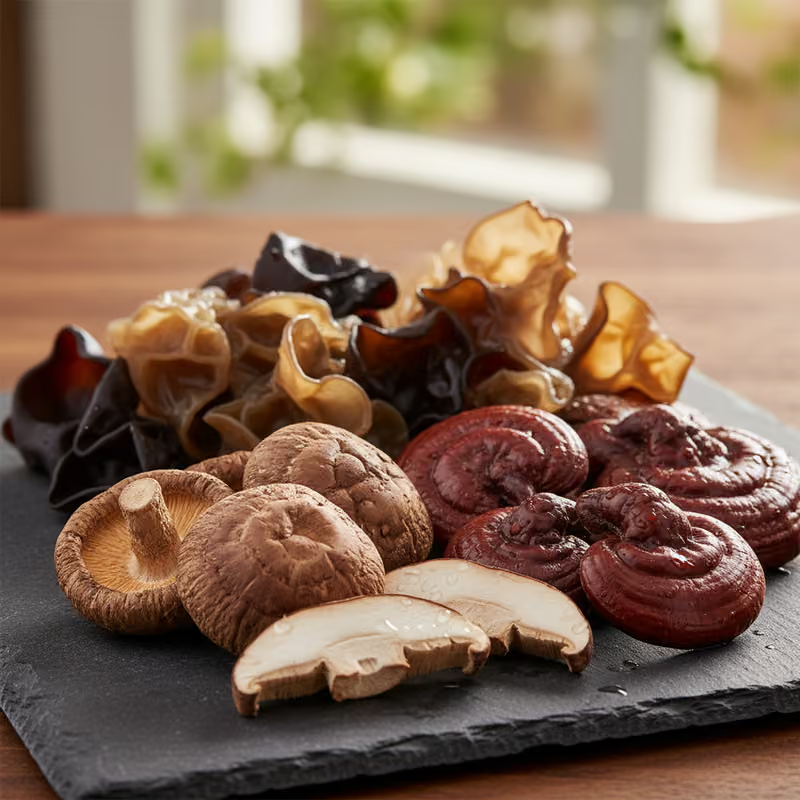
Shiitake (Lentinula edodes): Historically valued both as a food and for its traditional health applications, Shiitake mushrooms are a popular ingredient in East Asian cuisines. From a nutritional standpoint, they are a source of B vitamins (B1, B2, B3, B5, B6), vitamin D (when exposed to UV light), and essential minerals like copper, selenium, and zinc. They also contain dietary fiber. The presence of these micronutrients is important for general health, as recognized by the National Institutes of Health (NIH) in their dietary guidelines, which emphasize the importance of vitamins and minerals for various bodily functions, including immune support. Shiitake also contains beta-glucans, which are types of polysaccharides. The general role of dietary fiber, including various forms of complex carbohydrates, in supporting gut health is widely acknowledged, and a healthy gut is increasingly recognized as being interconnected with overall well-being.
Reishi (Ganoderma lucidum): Known as the "Mushroom of Immortality" in traditional Chinese culture, Reishi has been revered for centuries. Unlike Shiitake, Reishi is typically consumed in traditional preparations like teas or extracts rather than as a culinary dish, due to its woody texture and bitter taste. Nutritional analysis reveals that Reishi contains triterpenes and polysaccharides, including beta-glucans. While traditional accounts attribute a wide range of benefits to Reishi, modern scientific interest often focuses on these compounds and their general impact on physiological processes. Maintaining a balanced physiological state is a broad objective of health bodies like the WHO, which promotes lifestyle factors that support bodily functions.
Wood Ear (Auricularia auricula-judae): Also known as cloud ear or tree ear mushroom, Wood Ear is primarily consumed for its unique crunchy texture in various Chinese dishes. Traditionally, it has been associated with notions of blood circulation and general vitality. Nutritionally, Wood Ear mushrooms are low in calories and a good source of dietary fiber. They also contain some minerals. The general health benefits of dietary fiber are well-established by health organizations globally, promoting digestive health and contributing to satiety, which can be part of a balanced diet for overall health maintenance. The inclusion of diverse plant-based foods, including edible mushrooms, is a common recommendation for a nutrient-rich diet.
It is important to reiterate that while traditional wisdom attributes specific benefits to these mushrooms, and modern research investigates their components, their role in health should be considered within the context of a balanced diet and healthy lifestyle, consistent with broad public health recommendations from organizations such as the Centers for Disease Control and Prevention (CDC) and the World Health Organization (WHO).
Practical daily habits
Incorporating Shiitake, Reishi, and Wood Ear mushrooms into daily routines can be done through various traditional and modern culinary practices. Always ensure that any mushrooms consumed are sourced from reputable suppliers and are safe for consumption.
For Shiitake Mushrooms:
- Culinary Use: Shiitake mushrooms are versatile and can be added to stir-fries, soups, stews, and sauces. Their savory, umami flavor enhances many dishes. Fresh or dried Shiitake can be used; dried Shiitake should be rehydrated in warm water before use, and the soaking liquid can be used as a flavorful broth base.
- Nutrient Boost: Include them regularly in meals to benefit from their general nutritional content, such as B vitamins and minerals.
For Reishi Mushrooms:
- Traditional Preparations: Due to their bitter taste and tough texture, Reishi mushrooms are typically not eaten whole. They are often prepared as a tea, decoction, or extract.
- Tea: Slices of dried Reishi can be simmered in water for an extended period to create a traditional tea.
- Extracts/Powders: Reishi is also available in powdered form or as concentrated extracts, which can be added to warm water, smoothies, or other beverages.
- Consistency: If choosing to incorporate Reishi, it is often suggested in traditional practices to do so consistently rather than sporadically.
For Wood Ear Mushrooms:
- Texture and Flavor: Wood Ear mushrooms are prized for their unique crunchy texture. They absorb flavors well but have a mild taste themselves.
- Common Dishes: They are frequently used in stir-fries, hot and sour soup, and various salads in East Asian cuisine. Rehydrate dried Wood Ear mushrooms thoroughly before use.
- Dietary Fiber: Their inclusion can contribute to dietary fiber intake as part of a varied diet.
General Considerations:
- Balanced Diet: These mushrooms should be part of a diverse and balanced diet rich in fruits, vegetables, whole grains, and lean proteins, as recommended by health authorities like the NIH.
- Sourcing: Ensure mushrooms are sourced from reputable suppliers to guarantee quality and safety.
- Preparation: Proper cooking of all mushrooms is essential.
- Moderation: Like all foods, consumption should be in moderation as part of a varied diet.
Common mistakes to avoid
When incorporating traditional Chinese mushrooms like Shiitake, Reishi, and Wood Ear into one's routine, several common pitfalls should be considered to ensure safe and beneficial use.
- Misidentification of Wild Mushrooms: Never forage for mushrooms unless you are an expert mycologist. Wild mushrooms can be extremely dangerous, and many toxic varieties closely resemble edible ones. Always purchase mushrooms from trusted commercial sources. The risk of poisoning is severe and can be life-threatening.
- Over-reliance on Mushrooms as a Sole Solution: While these mushrooms can be part of a healthy diet, they should not be viewed as a standalone solution for health issues or a replacement for a balanced diet and professional medical care. A holistic approach to health, as advised by the World Health Organization (WHO), emphasizes a combination of proper nutrition, physical activity, adequate rest, and appropriate medical intervention when necessary.
- Ignoring Individual Sensitivities or Allergies: Like any food, individuals may have allergies or sensitivities to mushrooms. Pay attention to how your body reacts and discontinue use if adverse effects occur.
- Improper Preparation or Cooking: Some mushrooms, including certain edible varieties, may contain compounds that require cooking to be safe or to enhance digestibility. For example, raw Shiitake mushrooms can cause a "Shiitake dermatitis" rash in some individuals. Always cook Shiitake thoroughly. Wood Ear mushrooms also need proper rehydration and cooking.
- Assuming Extracts are Always Superior or Equivalent to Whole Food: While extracts of mushrooms like Reishi are popular, the full spectrum of compounds in whole mushrooms may interact synergistically. Additionally, the quality and standardization of extracts can vary significantly. Always choose reputable brands if opting for supplements.
- Neglecting Quality and Purity of Supplements: If opting for mushroom supplements (especially Reishi powders or extracts), research the manufacturer. Contamination with heavy metals, pesticides, or fillers can be an issue. Reputable suppliers often provide third-party testing information.
- Expecting Immediate or Miraculous Results: Traditional wisdom often speaks of cumulative benefits over time. It is unrealistic to expect immediate, dramatic health changes from incorporating these mushrooms. They contribute to overall well-being as part of a sustained healthy lifestyle.
- Not Storing Properly: Fresh mushrooms are perishable and should be stored in a cool, dry place, typically the refrigerator, and consumed promptly. Dried mushrooms should be stored in airtight containers in a cool, dark place. Improper storage can lead to spoilage or contamination.
By being mindful of these common mistakes, individuals can more safely and effectively incorporate Shiitake, Reishi, and Wood Ear mushrooms into their dietary practices.
When to see a professional
While Shiitake, Reishi, and Wood Ear mushrooms have a long history of use in traditional culinary and wellness practices, and can be part of a healthy diet, there are specific situations when consulting a qualified healthcare professional is crucial.
- Existing Medical Conditions: If you have any pre-existing health conditions, such as autoimmune disorders, bleeding disorders, diabetes, or liver conditions, consult your doctor before significantly altering your diet or incorporating new dietary components, especially concentrated mushroom extracts or supplements. Your doctor can advise on potential interactions or contraindications.
- Taking Medications: Certain mushrooms or their extracts may interact with medications, including anticoagulants (blood thinners), immunosuppressants, diabetes medications, or medications for blood pressure. Always discuss any potential interactions with your physician or pharmacist to prevent adverse effects. The National Institutes of Health (NIH) emphasizes the importance of informing healthcare providers about all supplements and dietary changes.
- Allergic Reactions or Adverse Effects: If you experience any symptoms of an allergic reaction (e.g., rash, itching, swelling, difficulty breathing) or other adverse effects after consuming mushrooms, seek immediate medical attention. Even edible mushrooms can cause reactions in sensitive individuals.
- Pregnancy or Breastfeeding: Pregnant or breastfeeding individuals should exercise caution with dietary changes and supplements. It is advisable to consult a healthcare provider before consuming mushroom extracts or large quantities of these mushrooms beyond typical culinary amounts, as comprehensive safety data may be limited.
- Unexplained Symptoms or Worsening Health: If you are experiencing unexplained health symptoms or if your existing health conditions are worsening, rely on medical diagnosis and treatment from a qualified clinician. Dietary changes, including the addition of mushrooms, are not a substitute for professional medical care.
- Concern about Mushroom Identification (Foraging): If you have consumed wild mushrooms and are unsure of their identification or experience any unusual symptoms, seek emergency medical care immediately. Mushroom poisoning can be life-threatening.
- Considering Therapeutic Use: If you are contemplating using mushroom supplements for specific health concerns beyond general wellness, discuss this with your doctor. They can help you evaluate the evidence, risks, and appropriate integration with your overall health plan. Reputable sources like the Mayo Clinic often advise caution and professional consultation regarding dietary supplements.
In all instances where health concerns arise or where there is uncertainty about the suitability of certain dietary components, the guidance of a qualified healthcare professional is paramount.
Frequently asked questions
What are beta-glucans and why are they relevant to these mushrooms?
Beta-glucans are a type of soluble dietary fiber found in the cell walls of certain fungi, including Shiitake, Reishi, and Wood Ear mushrooms, as well as in oats and barley. From a nutritional perspective, dietary fiber, including beta-glucans, is recognized for its general role in supporting digestive health and contributing to overall well-being. Organizations like the World Health Organization (WHO) advocate for adequate dietary fiber intake as part of a balanced diet.
Can these mushrooms replace medication for immune health?
No, these mushrooms, when consumed as part of a healthy diet, should not be considered a replacement for prescribed medication or medical treatment for immune health or any other health condition. They are foods that can contribute to a balanced diet. Individuals with health concerns should always consult a qualified healthcare professional for diagnosis and treatment, as emphasized by health authorities like the National Institutes of Health (NIH).
Are there any risks associated with consuming these mushrooms?
Generally, Shiitake and Wood Ear mushrooms are safe for culinary consumption for most people. However, some individuals may experience allergic reactions. Raw Shiitake can cause a temporary skin rash (Shiitake dermatitis) in some individuals, highlighting the importance of proper cooking. Reishi, typically consumed as an extract or tea, should be used with caution, especially by individuals on certain medications (e.g., blood thinners) or those who are pregnant or breastfeeding. Always consult a healthcare professional regarding potential interactions or suitability, especially with extracts.
How should I store fresh and dried versions of these mushrooms?
Fresh Shiitake and Wood Ear mushrooms should be stored in a paper bag in the refrigerator and ideally consumed within a few days. Dried versions of all three mushrooms (Shiitake, Reishi, Wood Ear) should be stored in an airtight container in a cool, dark, and dry place to maintain their quality and prevent spoilage. Proper storage helps preserve their nutritional value and safety.
Is it better to consume fresh or dried mushrooms?
Both fresh and dried forms of Shiitake and Wood Ear mushrooms can be used in cooking. Drying often concentrates flavors and can preserve certain compounds. Reishi is almost exclusively consumed in dried, powdered, or extracted forms due to its tough texture. The choice between fresh and dried for culinary mushrooms often comes down to availability, convenience, and desired texture in a dish. Nutritionally, both forms can contribute to a healthy diet.
Key takeaways
- Traditional Significance: Shiitake, Reishi, and Wood Ear mushrooms have been integral to traditional Chinese medicine and cuisine for centuries, valued for their perceived contributions to vitality and well-being.
- Nutritional Contribution: These mushrooms offer various nutrients, including B vitamins, minerals (like copper, selenium, zinc), dietary fiber, and unique bioactive compounds such as beta-glucans and triterpenes (especially in Reishi). These contribute to a generally healthy diet.
- Dietary Integration: Shiitake and Wood Ear are versatile culinary ingredients, enhancing dishes with flavor and texture. Reishi is typically consumed as teas or extracts due to its woody nature.
- Mindful Consumption: Ensure proper sourcing, identification (never forage wild mushrooms without expert knowledge), and preparation (especially cooking Shiitake) to avoid potential risks.
- Not a Medical Substitute: These mushrooms are dietary components and should not replace professional medical advice, diagnosis, or treatment for any health condition.
- Professional Consultation: It is crucial to consult a qualified healthcare professional, especially if you have existing medical conditions, are taking medications, are pregnant or breastfeeding, or experience any adverse reactions, as advised by major health organizations.
- Holistic Approach: Incorporate these mushrooms as part of a balanced, diverse diet and a healthy lifestyle, recognizing that overall well-being is multifaceted.
Related reading
Keep exploring this topic with our related, evidence-reviewed guides:
- Chinese Immunity Habits Across the Four Seasons — A practical, evidence-informed guide to chinese immunity — what matters, what works, common mistakes, and when to consult a profes…
- Cupping Therapy in Chinese Medicine: Benefits, Risks, and What Research Shows — A practical, evidence-informed guide to cupping therapy — what matters, what works, common mistakes, and when to consult a profess…
- Chinese Ginger Remedies for Colds, Nausea, and Cold Hands — A practical, evidence-informed guide to ginger remedies — what matters, what works, common mistakes, and when to consult a profess…
- Ginseng: What Chinese Tradition and Modern Studies Agree On — A practical, evidence-informed guide to ginseng benefits — what matters, what works, common mistakes, and when to consult a profes…
- Goji Berries in Chinese Wellness: Eye Health, Energy, and Everyday Use — A practical, evidence-informed guide to goji berry benefits — what matters, what works, common mistakes, and when to consult a pro…
- Green Tea vs Oolong vs Pu-erh: Which Chinese Tea Fits Your Health Goal — A practical, evidence-informed guide to green tea vs oolong — what matters, what works, common mistakes, and when to consult a pro…
Sources
- World Health Organization (WHO)
- Centers for Disease Control and Prevention (CDC)
- National Institutes of Health (NIH)
- National Health Service (NHS) (UK)
- Mayo Clinic
- Cochrane Library
Sources
Evidence & citations
- Every claim in this chinese health wisdom guide is backed by primary data — browse the longevity and lifestyle health statistics in our sourced statistics library.
- Writing about this topic? Researchers, journalists and educators can cite our traditional Chinese health research with ready-made APA, MLA and Chicago references.
My notes on this one
The short version of 12 minutes of reading — what stuck with me while writing “Chinese Mushroom Wisdom: Shiitake, Reishi, and Wood Ear for”, what the sources back up, and what I'd actually do about it.
What I'd take away
01 · Why this matters
Exploring the traditional uses of Shiitake, Reishi, and Wood Ear can offer insights into dietary diversity and highlight components that may contribute to overall well-being.
02 · Key principles
Maintaining a balanced physiological state is a broad objective of health bodies like the WHO, which promotes lifestyle factors that support bodily functions.
03 · Practical daily habits
Balanced Diet: These mushrooms should be part of a diverse and balanced diet rich in fruits, vegetables, whole grains, and lean proteins, as recommended by health authorities like the NIH.
04 · Common mistakes to avoid
When incorporating traditional Chinese mushrooms like Shiitake, Reishi, and Wood Ear into one's routine, several common pitfalls should be considered to ensure safe and beneficial use.
What the sources I read actually say
In an increasingly health-conscious world, there is a growing interest in incorporating various foods and dietary components that are traditionally associated with wellness.
World Health OrganizationThe presence of these micronutrients is important for general health, as recognized by the National Institutes of Health (NIH) in their dietary guidelines…
National Institutes of Health
Questions I kept coming back to
What are beta-glucans and why are they relevant to these mushrooms?+
Beta-glucans are a type of soluble dietary fiber found in the cell walls of certain fungi, including Shiitake, Reishi, and Wood Ear mushrooms, as well as in oats and barley. From a nutritional perspective, dietary fiber, including beta-glucans, is recognized for its general role in supporting digestive health and contributing to overall well-being…
Can these mushrooms replace medication for immune health?+
No, these mushrooms, when consumed as part of a healthy diet, should not be considered a replacement for prescribed medication or medical treatment for immune health or any other health condition. They are foods that can contribute to a balanced diet. Individuals with health concerns should always consult a qualified healthcare professional for diagnosis and treatment…
Are there any risks associated with consuming these mushrooms?+
Generally, Shiitake and Wood Ear mushrooms are safe for culinary consumption for most people. However, some individuals may experience allergic reactions. Raw Shiitake can cause a temporary skin rash (Shiitake dermatitis) in some individuals, highlighting the importance of proper cooking. Reishi, typically consumed as an extract or tea, should be used with caution…
How should I store fresh and dried versions of these mushrooms?+
Fresh Shiitake and Wood Ear mushrooms should be stored in a paper bag in the refrigerator and ideally consumed within a few days. Dried versions of all three mushrooms (Shiitake, Reishi, Wood Ear) should be stored in an airtight container in a cool, dark, and dry place to maintain their quality and prevent spoilage. Proper storage helps preserve their nutritional value and safety.
Is it better to consume fresh or dried mushrooms?+
Both fresh and dried forms of Shiitake and Wood Ear mushrooms can be used in cooking. Drying often concentrates flavors and can preserve certain compounds. Reishi is almost exclusively consumed in dried, powdered, or extracted forms due to its tough texture. The choice between fresh and dried for culinary mushrooms often comes down to availability, convenience, and desired texture in a dish. Nutritionally…
Was this article helpful?
Be the first to rate this article.
Written by
FaizRuh
I write Health Hub Pro on my own — no clinical licence, no anonymous review panel. Just the published guidance, read carefully and explained plainly.
More about me →How this page was checked
Every claim above is checked against the sources listed at the bottom of this article — WHO, CDC, NIH, NHS, Cochrane and major clinical guidelines. Drafting is AI-assisted; the editing, fact-checking and final wording are mine. It's information, not medical advice. Spotted an error? Tell me and I'll fix it.
Last checked on