Garlic as a Natural Antimicrobial
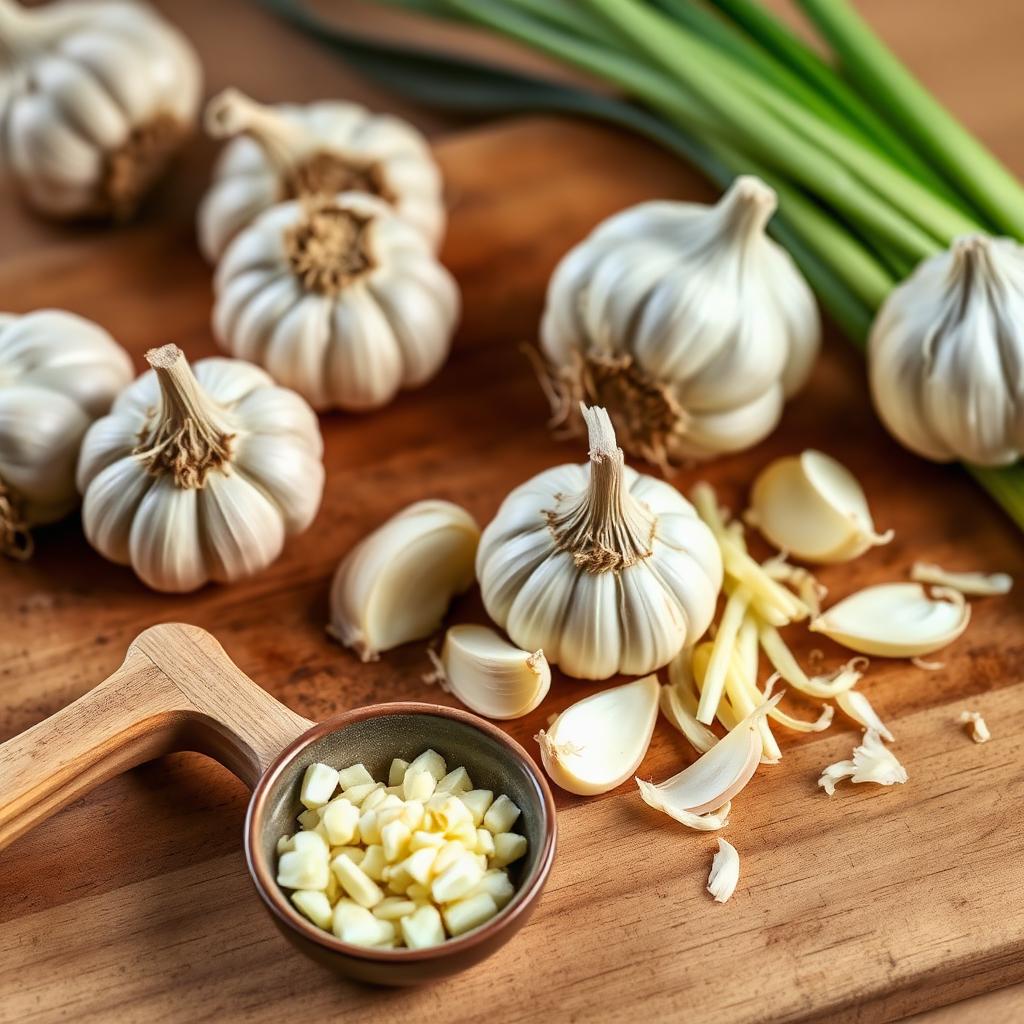
Allicin, released when garlic is crushed, has documented antimicrobial and cardiovascular effects.
For informational purposes only. This article is educational and is not a substitute for professional medical advice, diagnosis, or treatment. Always consult a qualified healthcare provider about anything affecting your health. Read full disclaimer.
Introduction
Garlic (Allium sativum) has been a staple in traditional medicine and culinary practices across various cultures for thousands of years. Beyond its distinctive flavor, garlic has long been recognized for its potential health benefits, particularly its antimicrobial properties. The primary bioactive compound responsible for many of garlic’s purported effects is allicin, which is released when garlic cloves are crushed, chopped, or bruised. This pillar article explores the evidence-based understanding of garlic as a natural antimicrobial, its mechanisms of action, and its broader role in health.
This information is for educational purposes only and not medical advice. Always consult a qualified healthcare professional for personalized medical guidance.
What causes it (evidence-based)
The antimicrobial properties of garlic are primarily attributed to allicin and other sulfur-containing compounds. When fresh garlic is crushed or cut, the enzyme alliinase converts alliin (a sulfoxide contained within the intact garlic clove) into allicin. Allicin is a thiosulfinate with a potent, short-lived biological activity.
Mechanisms of Action
Research indicates several mechanisms through which allicin and its derivative compounds exert antimicrobial effects:
- Disruption of Microbial Cell Walls and Membranes: Allicin can interfere with the synthesis of lipids and proteins essential for the structural integrity of bacterial and fungal cell walls and membranes. This disruption can lead to increased permeability, leakage of cellular contents, and ultimately, cell death.
- Enzyme Inhibition: Allicin reacts with thiol-containing enzymes in microorganisms. Many vital enzymes, particularly those involved in energy metabolism and DNA synthesis, rely on thiol groups for their function. By inactivating these enzymes, allicin can halt essential metabolic processes within bacteria and fungi.
- Oxidative Stress Induction: Allicin and other organosulfur compounds in garlic can induce oxidative stress within microbial cells. This involves the generation of reactive oxygen species (ROS), which can damage DNA, proteins, and lipids, leading to cellular dysfunction and death.
- Biofilm Inhibition: Some studies suggest that garlic compounds can interfere with the formation of biofilms, which are communities of microorganisms encased in a self-produced polymeric matrix, making them highly resistant to antibiotics and immune responses. By inhibiting biofilm formation, garlic may enhance the efficacy of conventional treatments or prevent chronic infections.
Range of Antimicrobial Activity
Garlic's antimicrobial activity has been demonstrated against a wide spectrum of microorganisms, including:
- Bacteria: Studies have shown efficacy against both Gram-positive and Gram-negative bacteria, including common pathogens like Staphylococcus aureus (including some antibiotic-resistant strains like MRSA), Salmonella enterica, Escherichia coli, and Pseudomonas aeruginosa.
- Fungi and Yeasts: Allicin has antifungal properties against various yeasts and molds, such as Candida albicans, Aspergillus, and Cryptococcus.
- Viruses: While the evidence is less robust compared to bacterial and fungal activity, some in vitro and animal studies suggest potential antiviral effects against certain viruses, including some types of influenza and herpes viruses, possibly by inhibiting viral replication or enhancing immune responses.
- Parasites: Garlic compounds have also shown antiparasitic activity against intestinal parasites like Entamoeba histolytica and Giardia lamblia.
Cardiovascular Benefits
Beyond its antimicrobial role, garlic has been recognized for its potential cardiovascular health benefits, which are also linked to its sulfur compounds. These benefits include:
- Blood Pressure Reduction: Some meta-analyses of clinical trials suggest that garlic supplementation may lead to a modest reduction in both systolic and diastolic blood pressure, particularly in individuals with hypertension.
- Cholesterol Management: Garlic may help improve cholesterol profiles by reducing total and LDL ("bad") cholesterol, though its impact on HDL ("good") cholesterol levels is less consistent.
- Antiplatelet Effects: Garlic compounds can inhibit platelet aggregation, which may reduce the risk of blood clot formation.
- Antioxidant Properties: Garlic contains antioxidants that protect cells from damage by free radicals, contributing to overall cardiovascular health.
(Sources: National Institutes of Health (NIH), World Health Organization (WHO), Mayo Clinic)
Symptoms and warning signs
It's important to clarify that garlic is generally consumed as a food and is not typically associated with specific "symptoms" or "warning signs" in the way that diseases or health conditions are. When discussing garlic in a health context, "symptoms and warning signs" typically refer to potential adverse reactions or interactions that might arise from its consumption, especially in large amounts or in specific populations.
Potential Adverse Reactions to Garlic:
- Gastrointestinal Distress: The most common side effects of consuming raw or large quantities of garlic include heartburn, stomach upset, nausea, vomiting, and diarrhea. This is often due to the potent sulfur compounds that can irritate the digestive lining.
- Body Odor and Bad Breath: The sulfur compounds in garlic, particularly allyl methyl sulfide, are absorbed into the bloodstream and released through the lungs and skin, leading to characteristic garlic breath and body odor.
- Allergic Reactions: While rare, some individuals may experience allergic reactions to garlic. Symptoms can range from mild skin rashes (contact dermatitis, especially for those who handle large amounts of raw garlic) to more severe reactions like asthma, angioedema, and very rarely, anaphylaxis. Signs of a severe allergic reaction include difficulty breathing, swelling of the face or throat, hives, and dizziness.
- Increased Bleeding Risk: Due to its antiplatelet properties, consumption of large amounts of garlic, especially in supplement form, may increase the risk of bleeding. This is particularly a concern for individuals taking anticoagulant or antiplatelet medications or those undergoing surgery. Signs of increased bleeding risk might include easy bruising, nosebleeds, or prolonged bleeding from minor cuts.
- Hypoglycemia (Low Blood Sugar): While garlic may have a modest blood sugar-lowering effect, in individuals with diabetes, especially those on blood sugar-lowering medications, excessive garlic intake could potentially lead to hypoglycemia. Symptoms of hypoglycemia include dizziness, sweating, confusion, rapid heartbeat, and weakness.
When to be Cautious:
- Before Surgery: Due to its potential to increase bleeding, individuals should discontinue high-dose garlic supplements at least two weeks before any planned surgery.
- Pregnancy and Breastfeeding: While culinary amounts of garlic are generally considered safe, large medicinal amounts or supplements are often not recommended due to insufficient research on safety in these populations.
- Infants and Young Children: Raw garlic can be irritating to the digestive system and is not typically recommended in large amounts for infants.
- Individuals with Gastroesophageal Reflux Disease (GERD) or Irritable Bowel Syndrome (IBS): Garlic can exacerbate symptoms like heartburn and stomach upset in these conditions.
If you experience any concerning or persistent symptoms after consuming garlic, especially in supplement form or in large quantities, it is important to seek professional medical advice.
When to see a clinician
While garlic is a common food item and generally safe for consumption in culinary amounts, there are specific situations where consulting a clinician is advisable, especially if you are using garlic for its medicinal properties or experiencing adverse effects.
You should consult a clinician if you:
- Experience Allergic Reactions: If you develop symptoms of an allergic reaction after consuming garlic, such as skin rash, itching, hives, swelling (especially of the face, lips, or throat), or difficulty breathing, seek immediate medical attention.
- Develop Significant Gastrointestinal Distress: While mild stomach upset from raw garlic is common, persistent or severe heartburn, nausea, vomiting, diarrhea, or abdominal pain that interferes with daily life warrants a doctor's visit. This is particularly important if you have pre-existing conditions like GERD or IBS.
- Are Taking Blood-Thinning Medications: If you are on anticoagulant medications (e.g., warfarin, heparin) or antiplatelet drugs (e.g., aspirin, clopidogrel), consult your clinician before increasing your garlic intake or taking garlic supplements. Garlic's antiplatelet effects can increase the risk of bleeding, and your medication dosage might need adjustment or closer monitoring.
- Are Scheduled for Surgery: Inform your surgeon and clinician about your garlic consumption, especially if you regularly take garlic supplements. It is generally recommended to discontinue garlic supplements at least two weeks before any surgical procedure to minimize the risk of increased bleeding.
- Are Taking Medications for Diabetes: If you are on insulin or other oral medications to manage blood sugar, discuss garlic supplementation with your clinician. Garlic may have a hypoglycemic effect, and combining it with diabetes medications could potentially lead to dangerously low blood sugar levels.
- Are Pregnant, Breastfeeding, or Considering Giving Garlic to Infants/Young Children: Consult a clinician regarding the safety and appropriate amounts of garlic for these populations. While culinary use is generally fine, high doses or supplements are often not recommended due to insufficient safety data.
- Have a Pre-existing Medical Condition: If you have any chronic health conditions, especially those affecting the digestive system, liver, or kidneys, discuss garlic consumption with your clinician to ensure it is safe and won't interact with your condition or treatments.
- Are Considering High-Dose Garlic Supplements: Before starting any high-dose garlic supplement regimen, it is prudent to consult a clinician to discuss potential benefits, risks, interactions, and appropriate dosages. Herbal supplements are not regulated with the same rigor as pharmaceutical drugs, and quality can vary.
- Experience Unexplained Symptoms: If you notice any unusual or persistent health changes and suspect they might be related to garlic consumption, seeking medical advice is always a good idea.
(Source: Mayo Clinic, National Institutes of Health (NIH))
Treatment and management options
When discussing "treatment and management options" in the context of garlic, it primarily refers to how garlic might be used as part of a therapeutic strategy for certain conditions, or conversely, how adverse effects from garlic consumption are managed. It is crucial to reiterate that garlic is not a substitute for conventional medical treatment.
Using Garlic in Health Management:
-
As an Adjunct for Antimicrobial Support:
- Dietary Inclusion: Incorporating fresh, crushed garlic into meals can leverage its natural allicin content. This can be part of a healthy diet that supports immune function and may offer mild antimicrobial benefits.
- Topical Applications (Traditional/Limited Evidence): In some traditional practices, garlic has been used topically for fungal infections (e.g., athlete's foot). However, this should be approached with caution as raw garlic can cause skin irritation or burns, and medical supervision is recommended for proper diagnosis and treatment of skin conditions.
- Garlic Supplements: Standardized garlic supplements, often enteric-coated to reduce odor and gastrointestinal upset, aim to deliver a consistent dose of allicin or its precursors. These are sometimes used for their cardiovascular benefits or general immune support. However, their efficacy compared to fresh garlic and optimal dosing require further research, and they should be used under clinical guidance due to potential interactions.
-
For Cardiovascular Health:
- Dietary Integration: Regular consumption of garlic as part of a heart-healthy diet rich in fruits, vegetables, and whole grains may contribute to cardiovascular well-being through its modest effects on blood pressure, cholesterol, and platelet aggregation.
- Supplementation (Under Clinical Guidance): Some individuals use aged garlic extract or other garlic supplements to support cardiovascular health. These should always be discussed with a clinician, especially if the individual is on medications for heart conditions or blood thinning.
-
Immunomodulation: Garlic may support immune function, potentially by enhancing the activity of certain immune cells. This is part of a broader holistic approach to health, emphasizing a balanced diet, regular exercise, and adequate sleep.
Management of Adverse Effects from Garlic:
- Gastrointestinal Upset:
- Reduce intake of raw garlic.
- Cook garlic thoroughly, as cooking can reduce the pungency and some irritating compounds.
- Try smaller quantities, or switch to aged garlic extract supplements which are often better tolerated by the stomach.
- Over-the-counter antacids may provide relief for heartburn.
- Body Odor/Bad Breath:
- Consuming fresh parsley, mint, or apples after garlic can sometimes help mitigate breath odor.
- Drinking plenty of water.
- Regular oral hygiene.
- Some enteric-coated supplements are designed to minimize "garlic breath."
- Increased Bleeding Risk:
- Discontinue high-dose garlic supplements, especially before surgery or if signs of increased bleeding (e.g., unusual bruising) are noted.
- Always inform your clinicians about all supplements you are taking, especially if you are on anticoagulant or antiplatelet medications.
- Your clinician may adjust medication dosages or recommend specific monitoring.
- Allergic Reactions:
- Discontinue all garlic consumption immediately.
- For mild skin reactions, antihistamines may help.
- For severe reactions (e.g., difficulty breathing), seek emergency medical care.
It is paramount that any use of garlic for medicinal purposes, especially in supplement form or in quantities exceeding typical culinary use, be discussed and supervised by a qualified healthcare professional. Self-treating serious infections or conditions with garlic alone is not recommended and can be dangerous.
(Sources: Cochrane Library, American Heart Association (AHA))
Prevention and daily habits
Integrating garlic into daily habits and embracing preventive health strategies can contribute to overall well-being. While garlic is not a magic bullet, its consistent use as part of a balanced lifestyle may offer supportive health benefits.
Incorporating Garlic into Daily Habits:
- Regular Culinary Use:
- Fresh Garlic is Key: Aim to use fresh garlic whenever possible. Crushing or chopping fresh cloves allows for the formation of allicin. Let chopped garlic sit for 5-10 minutes before cooking to maximize allicin content, as heat can inactivate the alliinase enzyme.
- Diverse Application: Add garlic to a wide variety of dishes: stir-fries, soups, stews, sauces, marinades, salad dressings, and roasted vegetables.
- Moderate Amounts: While some cultures use large quantities, start with 1-2 cloves per day and adjust based on tolerance and preference to avoid gastrointestinal upset.
- Balanced Diet: Garlic works synergistically within a nutrient-dense diet.
- Whole Foods Focus: Emphasize fruits, vegetables, whole grains, lean proteins, and healthy fats. This provides a broad spectrum of vitamins, minerals, and antioxidants that support immune function and overall health alongside garlic.
- Hydration: Drink adequate water throughout the day.
- Physical Activity: Regular exercise supports cardiovascular health, strengthens the immune system, and helps manage stress.
- Adequate Sleep: Prioritize 7-9 hours of quality sleep per night, as sleep is crucial for immune repair and overall bodily function.
- Stress Management: Chronic stress can impair immune function and overall health. Incorporate stress-reducing practices such as meditation, deep breathing, yoga, or hobbies.
Preventive Health Strategies (Beyond Garlic):
- Hand Hygiene: Frequent and thorough hand washing with soap and water is one of the most effective ways to prevent the spread of infections.
- Vaccinations: Stay up-to-date with recommended vaccinations, including influenza and COVID-19, to protect against infectious diseases.
- Avoid Overuse of Antibiotics: Use antibiotics only when prescribed by a clinician and complete the full course to prevent the development of antibiotic resistance. While garlic has antimicrobial properties, it should not replace prescribed antibiotics for serious infections.
- Monitor Health and Seek Medical Advice: Pay attention to your body and consult a clinician for persistent symptoms, sudden changes in health, or for regular check-ups.
- Food Safety: Practice safe food handling and preparation to prevent foodborne illnesses.
By adopting a holistic approach that includes a varied diet with regular garlic intake, along with foundational healthy habits, individuals can support their body's natural defenses and contribute to long-term health and well-being.
(Sources: Centers for Disease Control and Prevention (CDC), National Health Service (NHS))
Frequently asked questions (5 Q&A H3 blocks — for FAQ schema)
Does cooking garlic destroy its health benefits?
While heat can inactivate the enzyme alliinase, which is responsible for forming allicin, allowing chopped garlic to sit for 5-10 minutes before cooking can help maximize the allicin content. Some beneficial compounds in garlic are also heat-stable, so cooked garlic still retains health benefits, though perhaps different or reduced compared to raw.
Can garlic cure infections?
Garlic, particularly its active compound allicin, has demonstrated antimicrobial properties against various bacteria, fungi, and some viruses in laboratory and animal studies. However, it is not a standalone cure for serious infections in humans and should not replace prescribed antibiotics or antiviral medications. It may act as a supportive agent for immune health.
Is raw garlic better than cooked garlic for health?
Raw garlic contains the highest concentration of allicin, which is responsible for many of its most potent antimicrobial and cardiovascular effects. Cooking garlic can reduce the allicin content. However, cooked garlic still offers health benefits and is often better tolerated by the digestive system for individuals sensitive to raw garlic.
Are garlic supplements as effective as fresh garlic?
Garlic supplements vary widely in their formulation and bioavailability. Some supplements aim to deliver a standardized amount of allicin or its precursors, while others provide aged garlic extract, which contains different beneficial compounds. The efficacy of supplements compared to fresh garlic is still a topic of ongoing research, and quality can differ between brands. Always consult a clinician before taking supplements.
Who should avoid eating garlic or taking garlic supplements?
Individuals taking blood-thinning medications, those scheduled for surgery, people with a history of garlic allergy, or those experiencing severe gastrointestinal distress from garlic should exercise caution or avoid it. Pregnant and breastfeeding individuals, as well as those on diabetes medications, should consult a clinician before using high-dose garlic or supplements.
Key takeaways
- Garlic (Allium sativum) contains allicin, a potent compound released when crushed, which is largely responsible for its documented antimicrobial properties against bacteria, fungi, and some viruses and parasites.
- Beyond its role as a natural antimicrobial, garlic has also been associated with cardiovascular benefits, including modest reductions in blood pressure and cholesterol, and antiplatelet effects.
- While generally safe in culinary amounts, consuming large quantities of garlic, especially raw or in supplement form, can lead to gastrointestinal upset, body odor, and an increased risk of bleeding, particularly for those on anticoagulant medications.
- It is crucial to consult a clinician before using garlic for medicinal purposes, especially if you are taking medications, have pre-existing health conditions, are pregnant or breastfeeding, or are scheduled for surgery.
- Integrating fresh garlic into a balanced diet, alongside other healthy habits like regular exercise, adequate sleep, and stress management, contributes to overall well-being and supports the body's natural defenses.
- Garlic is a supportive dietary component, not a substitute for conventional medical treatments for infections or chronic diseases.
Sources
- World Health Organization (WHO): Monographs on Selected Medicinal Plants.
- National Institutes of Health (NIH), National Center for Complementary and Integrative Health (NCCIH).
- Centers for Disease Control and Prevention (CDC).
- Mayo Clinic.
- Cochrane Library (for systematic reviews on garlic's effects).
- American Heart Association (AHA).
- National Health Service (NHS).
Related reading
- Green Tea and Everyday Antioxidants — Green tea polyphenols may support cardiovascular and metabolic health as part of a balanced diet.
- Turmeric and Curcumin: Uses and Cautions — Curcumin has anti-inflammatory effects. Bioavailability is low without piperine; those on blood thinners should consult …
- Apple Cider Vinegar: Evidence and Safety — Small studies suggest modest glucose effects; enamel erosion is a real risk without dilution.
- Epsom Salt Bath Benefits — Discover the potential benefits of Epsom salt baths, from muscle relaxation to stress reduction, and learn how to incorp…
- Peppermint Oil Uses — Discover the versatile applications of peppermint oil, a popular natural remedy known for its refreshing aroma and thera…
Written by
Health Hub Pro Editorial
Health writer at Health Hub Pro, focused on evidence-based, Sharia-conscious wellness.
View author profile →Medically reviewed by
Dr. A. Rahman, MD
Board-certified in Internal Medicine
Last reviewed on