
Aloe Vera: Skin, Digestion, and Cautions
Topical aloe soothes minor burns. Oral aloe latex can cause diarrhea and is not recommended long-term.
For informational purposes only. This article is educational and is not a substitute for professional medical advice, diagnosis, or treatment. Always consult a qualified healthcare provider about anything affecting your health. Read full disclaimer.
Introduction
Aloe vera is a succulent plant species renowned for its thick, fleshy leaves that contain a gel and a latex. For centuries, the plant has been integrated into traditional medicine systems across various cultures, particularly for its perceived dermatological and digestive benefits. Historically, it has been applied to soothe minor skin irritations and consumed for its laxative properties. However, modern scientific investigation aims to differentiate between traditional uses, evidence-based applications, and potential risks.
While topical preparations containing Aloe vera gel are widely available and generally considered safe for external use, the internal consumption of Aloe vera products, particularly the latex, warrants careful consideration due to documented adverse effects. This article explores the current understanding of Aloe vera's properties, its common uses, potential benefits, and crucial safety considerations, emphasizing evidence-based information to guide informed choices.
What causes it (evidence-based)
The properties and effects attributed to Aloe vera are primarily due to the diverse array of active compounds found within its two main components: the inner leaf gel and the outer leaf latex.
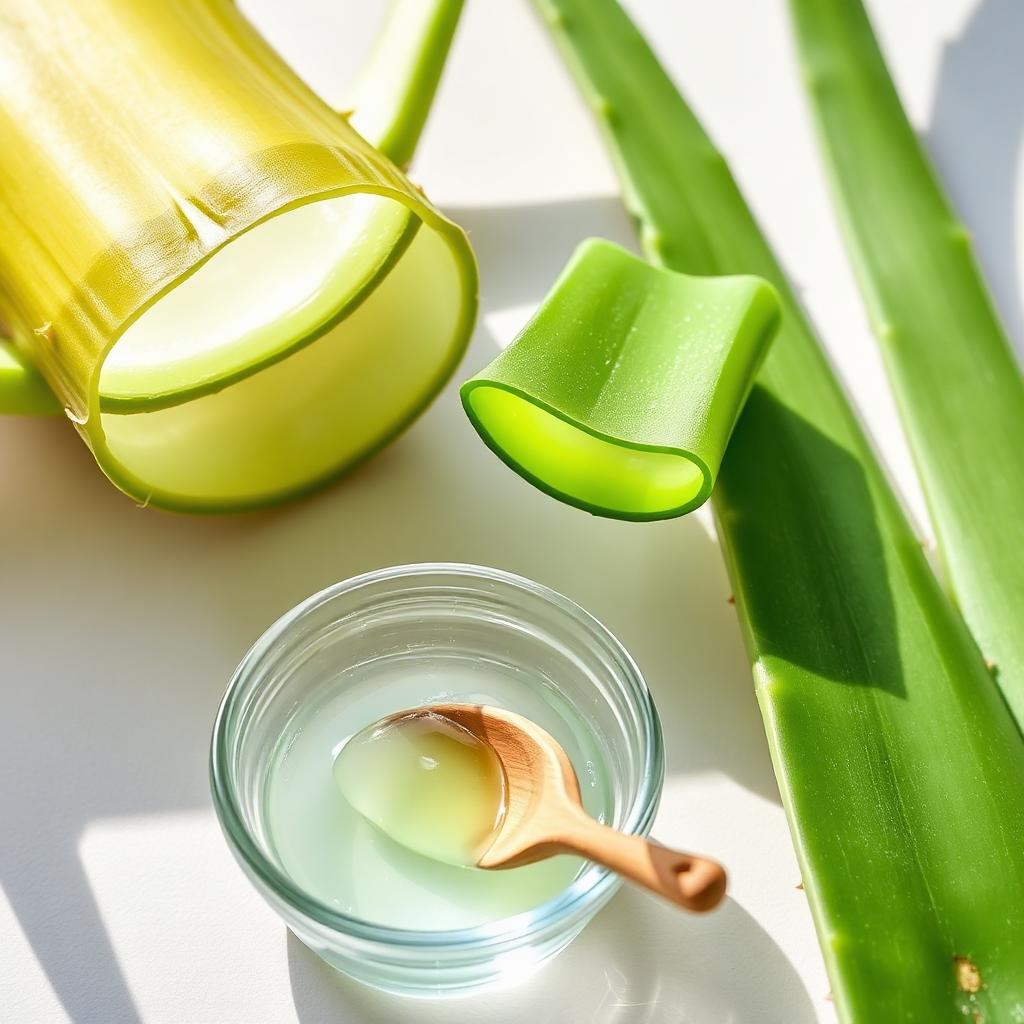
Inner Leaf Gel
The clear, viscous gel found in the parenchymatous cells of the inner leaf is rich in polysaccharides, particularly acemannan, which is a beta-(1,4)-acetylated mannan. Other notable compounds include:
- Vitamins: A, C, E, B12, folic acid, and choline.
- Minerals: Calcium, chromium, copper, selenium, magnesium, manganese, potassium, sodium, and zinc.
- Enzymes: Aliase, alkaline phosphatase, amylase, bradykinase, carboxypeptidase, catalase, cellulase, lipase, and peroxidase.
- Sugars: Monosaccharides (glucose, fructose) and polysaccharides (glucomannans, acemannan).
- Anthraquinones: Although primarily associated with the latex, small amounts can be present in the gel. These include aloin and emodin, which are known for their laxative effects.
- Fatty Acids: Lupeol, campesterol, and B-sitosterol, which possess anti-inflammatory properties.
- Hormones: Auxins and gibberellins, involved in wound healing and anti-inflammatory processes.
The mucilaginous polysaccharides in the gel are believed to be responsible for its moisturizing and soothing effects on the skin. Acemannan, in particular, has been studied for its potential to stimulate immune cells and promote wound healing. (National Institutes of Health)
Outer Leaf Latex
The yellowish, bitter exudate, known as Aloe latex, is found just beneath the outer skin of the Aloe leaf. It primarily contains compounds called anthraquinones, notably aloin A and B (also known as barbaloin). These compounds are potent stimulant laxatives. When ingested, aloin is metabolized by gut bacteria into active compounds that increase water content in the colon and stimulate intestinal contractions, leading to a laxative effect.
Mechanisms of Action (Hypothesized)
- Skin soothing: The polysaccharides in the gel form a protective layer on the skin, aiding in moisture retention and potentially promoting healing by stimulating fibroblast activity and collagen synthesis. Anti-inflammatory compounds like C-glycosyl chromone and salicylic acid may contribute to its soothing effects. (Mayo Clinic)
- Antimicrobial properties: Aloe vera contains compounds like lupeol, salicylic acid, urea nitrogen, cinnamonic acid, phenols, and sulfur, which exhibit some antimicrobial activity against bacteria, fungi, and viruses in laboratory settings.
- Digestive effects: The anthraquinones in the latex exert a strong cathartic action. This effect is dose-dependent and can lead to significant fluid and electrolyte loss if used excessively. Due to these strong laxative effects, oral Aloe latex was historically used for constipation but is now largely discouraged due to safety concerns.
It is crucial to distinguish between the inner leaf gel and the outer leaf latex, as their chemical compositions and effects on the body are distinct. Products made from whole Aloe leaf or unpurified Aloe juice may contain both gel and latex components, thus carrying the risks associated with anthraquinone ingestion. (National Institutes of Health)
Symptoms and warning signs
While topical application of Aloe vera gel is generally well-tolerated, adverse reactions can occur. Ingesting Aloe vera products, especially those containing the latex, can lead to more significant symptoms and warning signs.
Topical Application (Gel)
- Allergic reactions: Redness, itching, burning, rash, or swelling at the application site. This is more common in individuals sensitive to plants in the Liliaceae family (e.g., tulips, garlic, onions).
- Contact dermatitis: Skin inflammation resulting from direct contact with the gel.
- Stinging or burning sensation: Mild and temporary discomfort upon initial application.
Oral Ingestion (Especially Latex-Containing Products)
- Gastrointestinal distress: This is the most common and significant set of symptoms associated with oral Aloe vera latex. Due to its strong laxative properties, it can cause:
- Abdominal cramps and pain: Often severe.
- Diarrhea: Can be profuse and lead to rapid fluid and electrolyte loss.
- Nausea and vomiting.
- Electrolyte imbalance: Chronic or excessive use of Aloe vera latex can lead to significant loss of potassium (hypokalemia). Symptoms of hypokalemia include muscle weakness, fatigue, constipation, and in severe cases, irregular heart rhythms.
- Kidney problems: Long-term use of Aloe vera latex has been linked to potential kidney damage and, in rare cases, kidney failure.
- Liver toxicity: Although rare, some case reports suggest potential liver injury with oral Aloe vera preparations, particularly when contaminated or used for extended periods.
- Blood sugar lowering: Oral Aloe vera can lower blood glucose levels, which can be problematic for individuals with diabetes, especially those on diabetes medications. This can lead to hypoglycemia, characterized by shakiness, sweating, confusion, and weakness.
- Worsening of constipation (paradoxical effect): Chronic use of stimulant laxatives like Aloe vera latex can sometimes lead to "lazy bowel syndrome," where the colon becomes dependent on the laxative and ceases to function normally without it, potentially worsening constipation over time.
- Discolored urine: Anthraquinones can cause pink, red, or brown discoloration of urine. While generally harmless, it can be alarming.
Interactions with Medications
Oral Aloe vera can interact with various medications:
- Laxatives: Concurrent use can intensify laxative effects, increasing risks of dehydration and electrolyte imbalance.
- Diuretics: Can exacerbate potassium depletion caused by diuretics, leading to severe hypokalemia.
- Blood thinners (anticoagulants/antiplatelets): Some compounds in Aloe vera might have anticoagulant properties, increasing the risk of bleeding.
- Diabetes medications: Can enhance the blood sugar-lowering effect, potentially leading to hypoglycemia.
- Cardiac glycosides (e.g., digoxin): Hypokalemia induced by Aloe vera can increase the toxicity of cardiac glycosides.
It is crucial to be aware of these symptoms and interactions, especially if considering oral Aloe vera products. The presence of any of these warning signs, particularly after ingesting Aloe vera, warrants immediate medical attention. (National Institutes of Health, Mayo Clinic)
When to see a clinician
It is important to understand when self-care with Aloe vera might not be sufficient and when professional medical advice is necessary.
You should see a clinician if you experience any of the following:
- Persistent or worsening skin irritation: If topical Aloe vera causes a rash, significant itching, swelling, or blistering that does not resolve or worsens, discontinue use and consult a healthcare provider to rule out an allergic reaction or other dermatological condition.
- Severe gastrointestinal symptoms after oral Aloe vera: This includes severe abdominal pain, persistent diarrhea (more than a few bowel movements per day), bloody stools, extreme nausea, or vomiting. These can indicate significant dehydration, electrolyte imbalance, or other serious issues requiring immediate medical evaluation.
- Signs of dehydration: Symptoms like excessive thirst, dry mouth, infrequent urination, dizziness, or weakness, especially if you have been experiencing diarrhea due to oral Aloe vera intake.
- Symptoms of electrolyte imbalance: Muscle weakness, cramps, irregular heartbeats, or profound fatigue, which could indicate low potassium levels (hypokalemia) due to excessive laxative effect.
- If you are pregnant or breastfeeding: Oral Aloe vera is generally not recommended during pregnancy due to potential uterine contractions and is advised against during breastfeeding due to the risk of transmitting active compounds to the infant through breast milk.
- If you have an existing medical condition: Individuals with conditions such as kidney disease, heart disease, diabetes, or inflammatory bowel disease should avoid oral Aloe vera and consult their clinician before using any Aloe vera product internally.
- If you are taking any medications: Especially diuretics, blood thinners, cardiac glycosides, or diabetes medications, as Aloe vera can interact with these drugs, potentially leading to adverse effects or altering drug efficacy. Always discuss new supplements with your clinician or pharmacist.
- If you are considering long-term use of oral Aloe vera: Due to potential for chronic side effects, including kidney damage and electrolyte imbalance, internal use should not be undertaken without medical guidance.
- If you have unresolved digestive issues: For chronic constipation, Irritable Bowel Syndrome (IBS), or other digestive complaints, seek a medical diagnosis and appropriate treatment plan from a clinician rather than relying on Aloe vera or other unproven remedies.
- Following ingestion of Aloe vera by a child: Due to their smaller body mass and potential for more severe dehydration and electrolyte disturbances, any ingestion by a child should prompt a call to poison control or a clinician.
This information is not medical advice. Always consult with a qualified healthcare professional for any health concerns or before making any decisions related to your health or treatment.
Treatment and management options
The treatment and management options for conditions where Aloe vera is traditionally used vary significantly depending on the specific complaint and whether the benefits are evidence-based. It's crucial to prioritize medical treatments for serious conditions and use Aloe vera only for minor, self-limiting issues or as an adjunct under professional guidance.
For Skin Conditions (Topical Aloe vera Gel)
- Minor Burns (First and Second Degree):
- Evidence-based use: Topical Aloe vera gel can offer soothing relief and may aid in the healing of minor burns.
- Management:
- Immediately cool the burn with cool (not cold) running water for several minutes.
- Gently apply a thin layer of pure Aloe vera gel to the affected area.
- Cover lightly with a sterile, non-stick dressing if needed.
- Monitor for signs of infection (increased redness, swelling, pus, fever).
- When to see a clinician: For burns larger than a child's hand, those that blister significantly, deep burns, or burns on the face, hands, feet, or genitals. Also, seek medical attention if signs of infection develop. (Mayo Clinic)
- Minor Cuts and Abrasions:
- Traditional use/limited evidence: May offer soothing and moisturizing benefits.
- Management:
- Clean the wound thoroughly with mild soap and water.
- Apply a thin layer of Aloe vera gel to keep the area moisturized and protected.
- Cover with a sterile bandage.
- When to see a clinician: For deep cuts, wounds that don't stop bleeding, signs of infection, or wounds that don't heal within a reasonable time.
- Dry Skin/Irritation:
- Evidence-based use: Aloe vera gel has moisturizing properties.
- Management: Apply pure Aloe vera gel or lotions containing Aloe vera as needed to hydrate and soothe the skin. Choose products with a high percentage of Aloe vera and minimal additives.
- Psoriasis and Seborrheic Dermatitis:
- Limited evidence: Some studies suggest Aloe vera cream may help reduce symptoms for certain skin conditions.
- Management: Use Aloe vera cream as an adjunct to prescribed treatments or for mild cases, always under a dermatologist's guidance.
- When to see a clinician: A dermatologist should diagnose and manage chronic skin conditions.
For Digestive Issues (Oral Aloe vera)
- Constipation (Historically, using Aloe latex):
- Not recommended for current use: Due to strong laxative effects, potential for electrolyte imbalance (especially hypokalemia), kidney damage, and dependence, Aloe vera latex is not recommended as a long-term treatment for constipation. The FDA has banned the use of aloin in over-the-counter laxatives.
- Management: For occasional constipation, focus on increasing dietary fiber, fluid intake, and physical activity. Over-the-counter bulk-forming laxatives or stool softeners are safer alternatives.
- When to see a clinician: For chronic constipation, sudden changes in bowel habits, or if constipation is accompanied by severe pain, bleeding, or unexplained weight loss.
- Gastrointestinal Reflux (GERD) / Irritable Bowel Syndrome (IBS):
- Limited and inconsistent evidence: There is insufficient evidence to recommend Aloe vera for the routine treatment of GERD or IBS. Some preliminary studies exist, but high-quality large-scale trials are lacking.
- Management: These conditions require medical diagnosis and often a multifaceted approach involving dietary changes, lifestyle modifications, and prescription medications.
- When to see a clinician: These are chronic conditions requiring ongoing medical management by a gastroenterologist.
Management of Adverse Reactions
- Allergic reactions (topical): Discontinue use immediately. For mild reactions, antihistamines or topical corticosteroids might be recommended by a clinician. Severe reactions require urgent medical care.
- Gastrointestinal distress (oral): Discontinue use. For mild to moderate diarrhea, focus on fluid and electrolyte replacement (e.g., oral rehydration solutions). Severe symptoms or signs of dehydration/electrolyte imbalance require immediate medical attention, including potential intravenous fluids and electrolyte correction.
- Drug interactions: Inform all healthcare providers about any Aloe vera products you are using. If an interaction is suspected, medical advice is crucial for adjusting medication dosages or discontinuing Aloe vera.
Important Note: It is paramount to use only purified Aloe vera gel for internal consumption, if at all, ensuring it is certified to have the aloin content removed to below detectable limits, typically less than 1 ppm, to mitigate the risks associated with anthraquinones. However, even then, the scientific evidence for significant health benefits from oral use remains limited. (World Health Organization, National Institutes of Health)
Prevention and daily habits
Adopting healthy daily habits and preventative measures can reduce the need for remedies like Aloe vera and support overall well-being. When considering Aloe vera, always prioritize prevention and safe usage.
For Skin Health
- Sun Protection:
- Regularly apply broad-spectrum sunscreen with an SPF of 30 or higher, even on cloudy days.
- Wear protective clothing, wide-brimmed hats, and sunglasses.
- Seek shade, especially during peak sun hours (10 AM to 4 PM).
- These habits are crucial for preventing sunburn, a common reason people turn to Aloe vera gel. (American Academy of Dermatology)
- Moisturize Regularly:
- Use a gentle, fragrance-free moisturizer daily, especially after showering, to maintain skin hydration and barrier function.
- This can prevent dry, irritated skin that Aloe vera is often used to soothe.
- Gentle Skin Care:
- Avoid harsh soaps and excessive scrubbing, which can strip the skin of its natural oils.
- Opt for lukewarm water instead of hot water for bathing.
- Stay Hydrated: Drink an adequate amount of water throughout the day to support overall skin health from within.
- Identify Allergens/Irritants: If you have sensitive skin, try to identify and avoid common irritants (e.g., certain detergents, fragrances, metals) that can cause rashes or contact dermatitis.
- Patch Test: Before applying Aloe vera gel (or any new topical product) to a large area, perform a patch test on a small, inconspicuous part of your skin to check for allergic reactions.
For Digestive Health
- Balanced Diet:
- Consume a diet rich in fiber from fruits, vegetables, whole grains, and legumes to promote regular bowel movements and prevent constipation. This is a far safer and more effective strategy than relying on stimulant laxatives like Aloe vera latex. (World Health Organization)
- Limit processed foods, unhealthy fats, and excessive sugar intake.
- Adequate Fluid Intake:
- Drink plenty of water throughout the day to keep stools soft and aid digestion. Aim for several glasses of water daily.
- Regular Physical Activity:
- Engage in regular exercise, which stimulates intestinal contractions and can help prevent constipation. Even a daily walk can be beneficial.
- Mindful Eating:
- Eat meals at regular times.
- Chew food thoroughly.
- Avoid eating large meals close to bedtime, especially if you experience acid reflux.
- Stress Management:
- Practice stress-reducing techniques like meditation, yoga, deep breathing, or spending time in nature, as stress can significantly impact digestive health.
- Limit Alcohol and Caffeine: These can sometimes irritate the digestive tract or contribute to dehydration.
- Avoid Unnecessary Laxatives: Do not use stimulant laxatives, including Aloe vera latex, for chronic constipation without medical supervision, as this can lead to dependence and other adverse effects. Prioritize dietary and lifestyle changes first.
General Habits and Cautions for Aloe vera Use
- Consult a Clinician: Always discuss any intention to use Aloe vera internally, or extensively externally, with a healthcare provider, especially if you have existing health conditions, are pregnant or breastfeeding, or are taking medications.
- Choose Reputable Products: If using commercial Aloe vera products, select those from reputable manufacturers that clearly state the aloin content (preferably below 1 ppm for oral products) and are free from contaminants. For topical use, look for pure Aloe vera gel or products with a high Aloe vera concentration.
- Educate Yourself: Understand the difference between Aloe vera gel (generally safe for topical use, some limited internal use when purified) and Aloe vera latex (a potent laxative with significant risks).
- No Self-Diagnosis or Treatment: Never use Aloe vera as a substitute for professional medical diagnosis or treatment for serious conditions.
By integrating these preventative habits into your daily routine, you can foster better skin and digestive health, potentially reducing the need for symptomatic relief and ensuring safer use of traditional remedies like Aloe vera when appropriate.
Frequently asked questions
Is oral Aloe vera safe for long-term use?
Oral Aloe vera latex, which contains anthraquinones like aloin, is generally not safe for long-term use due to its potent laxative effect. Prolonged ingestion can lead to severe abdominal cramps, chronic diarrhea, significant electrolyte imbalance (particularly potassium depletion), kidney damage, and dependence. The U.S. Food and Drug Administration (FDA) has banned aloin from over-the-counter laxative products due to these safety concerns. Even products made from Aloe vera gel, if not properly purified to remove aloin, carry risks. Consult a clinician before considering any oral Aloe vera product, especially for long-term use. (National Institutes of Health)
Can Aloe vera help with acne?
Some anecdotal evidence and very limited preliminary studies suggest that topical Aloe vera might help with mild acne due to its anti-inflammatory and antiseptic properties. It may soothe irritated skin and reduce redness. However, it is not a primary or proven treatment for acne and should not replace conventional acne therapies recommended by a dermatologist. If you have moderate to severe acne, consult a healthcare professional for effective treatment options. Combining Aloe vera with other acne treatments should be discussed with a clinician to avoid potential interactions or skin irritation. (Mayo Clinic)
What is the difference between Aloe vera gel and latex?
The Aloe vera plant contains two distinct components with different properties:
- Inner Leaf Gel: This is the clear, jelly-like substance found in the center of the leaves. It is primarily composed of water, polysaccharides (like acemannan), vitamins, minerals, and amino acids. The gel is known for its soothing, moisturizing, and wound-healing properties, and it is what is typically used in topical skin care products. When purified, it contains very low to no aloin.
- Outer Leaf Latex: This is a yellowish, bitter liquid that seeps from the cutting edges of Aloe vera leaves, located just beneath the outer skin. It contains high concentrations of anthraquinones, such as aloin, which are potent stimulant laxatives. This latex is responsible for the strong cathartic effect and the associated risks of oral Aloe vera when not properly processed. (National Institutes of Health)
Can Aloe vera interact with medications?
Yes, oral Aloe vera can interact with several medications, which is a significant safety concern. The laxative components (anthraquinones) can lead to potassium depletion (hypokalemia), which can intensify the effects of certain drugs, such as cardiac glycosides (e.g., digoxin) and diuretics, potentially leading to dangerous heart rhythm disturbances or electrolyte imbalances. Aloe vera may also lower blood sugar, posing a risk for individuals taking diabetes medications. Furthermore, some compounds in Aloe vera might have anticoagulant properties, potentially increasing the risk of bleeding when taken with blood thinners. Always inform your clinician or pharmacist about all supplements, including Aloe vera, you are taking. (National Institutes of Health)
Is Aloe vera safe during pregnancy or breastfeeding?
Oral Aloe vera is generally not recommended during pregnancy or breastfeeding. Ingesting Aloe vera latex during pregnancy is a concern because of its stimulant laxative effects, which some sources suggest could potentially stimulate uterine contractions. During breastfeeding, the active compounds from Aloe vera latex might be excreted into breast milk and could cause gastrointestinal distress (e.g., diarrhea) in the nursing infant. Therefore, pregnant or breastfeeding individuals should avoid internal use of Aloe vera products. The safety of topical Aloe vera gel during pregnancy and breastfeeding is considered low-risk, but it is always prudent to consult a clinician before using any new product. (National Institutes of Health)
Key takeaways
- Distinguish Gel from Latex: Aloe vera inner leaf gel is generally safe for topical use, offering soothing and moisturizing benefits. Aloe vera outer leaf latex, rich in aloin, is a potent stimulant laxative and carries significant health risks when ingested.
- Topical Use for Minor Skin Issues: Pure Aloe vera gel can be effectively used to soothe minor burns (first and second-degree), minor cuts, and dry, irritated skin. Always patch test first.
- Oral Aloe vera (Latex) is Not Recommended: Internal consumption of Aloe vera latex is associated with severe gastrointestinal distress, electrolyte imbalance (especially hypokalemia), kidney damage, and potential drug interactions. The FDA has banned aloin from over-the-counter laxatives.
- Limited Evidence for Oral Gel: While some purified Aloe vera gel products are marketed for internal use (with aloin removed), robust scientific evidence for significant health benefits is lacking, and caution is still advised.
- Drug Interactions are a Concern: Oral Aloe vera can interact dangerously with medications, including heart drugs, diuretics, blood thinners, and diabetes medications.
- Consult a Clinician: Always seek professional medical advice before ingesting any Aloe vera product, especially if you are pregnant, breastfeeding, have underlying health conditions, or are taking medications. Prioritize evidence-based treatments and preventative health habits.
Sources
- American Academy of Dermatology. [URL for Sun Protection Guidelines - example: aad.org]
- Mayo Clinic. [URL for Aloe vera information - example: mayoclinic.org/drugs-supplements/aloe/art-20362255]
- National Institutes of Health (NIH), National Center for Complementary and Integrative Health (NCCIH). [URL for Aloe vera information - example: nccih.nih.gov/health/aloe-vera]
- World Health Organization (WHO). [URL for Dietary Guidelines/Traditional Medicine information - example: who.int]
Related reading
- Salt Water Gargle Benefits — Discover the long-standing benefits of saltwater gargling for oral hygiene and alleviating minor throat discomfort, a si…
- Building Healthy Friendships in Adulthood — Adult friendships require intention. Regular contact and shared activities predict long-term wellbeing.
- Barley (Talbina) as a Nutritional Sunnah — Talbina, a barley porridge recommended by the Prophet ﷺ, is fiber-rich, gentle on digestion, and traditionally used to c…
- Recognizing Signs of Burnout — Recognizing the signs of burnout is crucial for maintaining mental well-being and preventing long-term health issues. Th…
- Walking for Fitness — Discover the profound benefits of walking for fitness,从心血管健康到心理健康, a simple yet powerful exercise accessible to nearly e…
Written by
Health Hub Pro Editorial
Health writer at Health Hub Pro, focused on evidence-based, Sharia-conscious wellness.
View author profile →Medically reviewed by
Dr. A. Rahman, MD
Board-certified in Internal Medicine
Last reviewed on