Turmeric and Curcumin: Uses and Cautions
Curcumin has anti-inflammatory effects. Bioavailability is low without piperine; those on blood thinners should consult a clinician.
For informational purposes only. This article is educational and is not a substitute for professional medical advice, diagnosis, or treatment. Always consult a qualified healthcare provider about anything affecting your health. Read full disclaimer.
Introduction
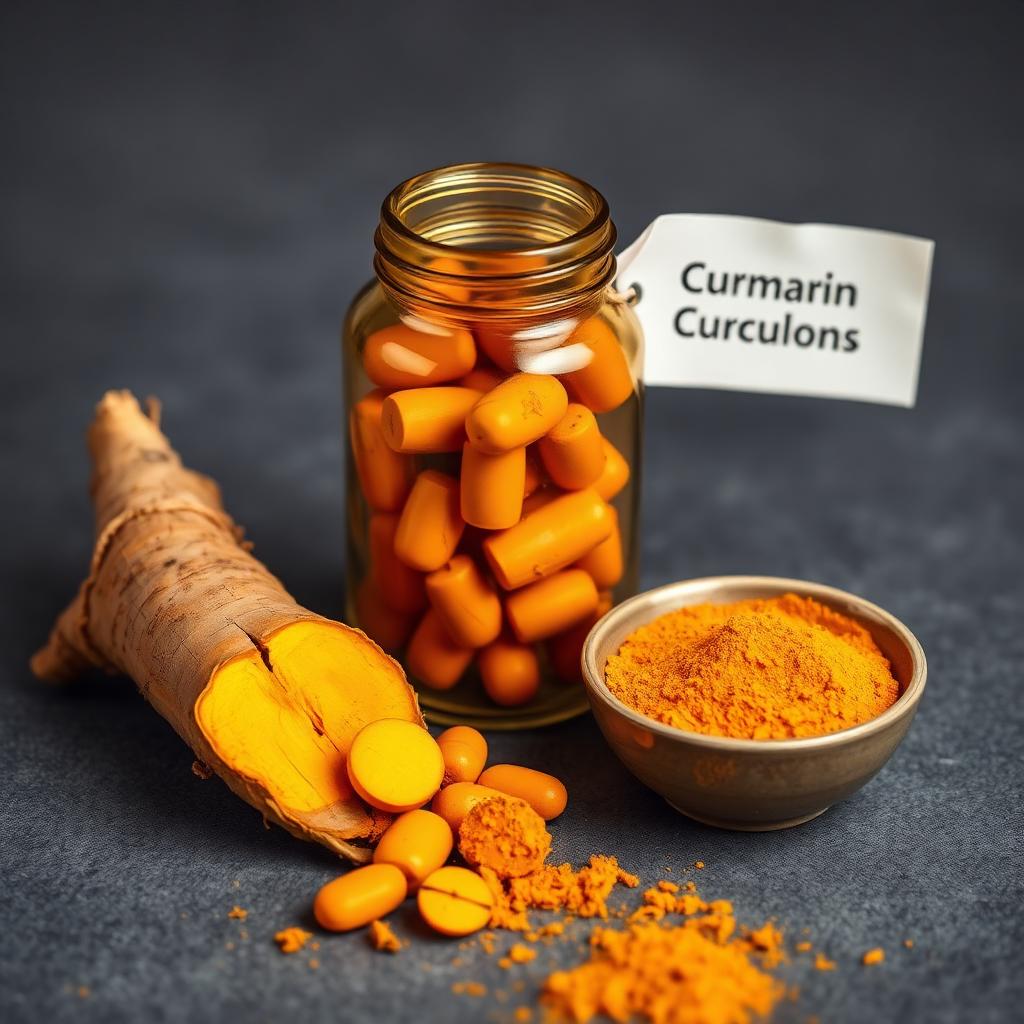
Turmeric, a vibrant yellow spice derived from the Curcuma longa plant, has been a staple in traditional medicine and culinary practices for centuries. Its distinctive color and flavor are attributable to a group of compounds called curcuminoids, with curcumin being the most well-known and extensively studied. Often lauded for its potential health benefits, turmeric and its active compound, curcumin, have garnered significant scientific attention, particularly regarding their anti-inflammatory and antioxidant properties. This article will delve into the current evidence surrounding turmeric and curcumin, outlining their mechanisms of action, potential uses, and important considerations for safe consumption.
What causes it (evidence-based)
The primary active compounds in turmeric are curcuminoids, particularly curcumin, demethoxycurcumin, and bisdemethoxycurcumin. Curcumin is responsible for most of the research-backed biological activities attributed to turmeric.
Anti-inflammatory Effects
Curcumin's anti-inflammatory properties are thought to stem from its ability to modulate multiple molecular targets involved in inflammation pathways. Research suggests curcumin can inhibit the activity of various inflammatory molecules, including:
- NF-κB (Nuclear Factor kappa-light-chain-enhancer of activated B cells): NF-κB is a protein complex that controls transcription of DNA, cytokine production, and cell survival. Elevated NF-κB activity is implicated in numerous chronic inflammatory diseases. Curcumin is believed to suppress NF-κB activation, thereby reducing the expression of pro-inflammatory genes.
- Cyclooxygenase-2 (COX-2) and Lipoxygenase (LOX): These enzymes are crucial in the synthesis of prostaglandins and leukotrienes, respectively, which are potent mediators of inflammation. Curcumin has been shown to inhibit both COX-2 and LOX activity.
- Pro-inflammatory cytokines: Curcumin may reduce the production of cytokines such as tumor necrosis factor-alpha (TNF-α), interleukin-1 beta (IL-1β), and interleukin-6 (IL-6), which play significant roles in initiating and perpetuating inflammatory responses.
(Source: National Institutes of Health)
Antioxidant Properties
Oxidative stress, characterized by an imbalance between the production of reactive oxygen species (free radicals) and the body's ability to detoxify them, contributes to cellular damage and the development of chronic diseases. Curcumin functions as a powerful antioxidant through several mechanisms:
- Direct free radical scavenging: Curcumin's chemical structure allows it to neutralize various free radicals, including superoxide radical, hydroxyl radical, and nitric oxide radical.
- Boosting endogenous antioxidant enzymes: It can enhance the activity of the body's own antioxidant defense systems, such as superoxide dismutase (SOD), catalase, and glutathione peroxidase.
(Source: National Institutes of Health)
Bioavailability Challenges
A significant challenge with curcumin's therapeutic application is its low bioavailability. This means that after oral consumption, a relatively small amount of curcumin reaches systemic circulation due to poor absorption, rapid metabolism, and swift elimination. Factors contributing to low bioavailability include:
- Poor solubility in water: Curcumin is hydrophobic, making it difficult for the body to absorb effectively in the aqueous environment of the gut.
- Rapid metabolism: Once absorbed, curcumin undergoes rapid metabolism in the liver and intestinal wall, converting it into inactive compounds.
To overcome these limitations, various strategies have been explored to enhance curcumin's bioavailability. One widely studied approach involves co-administration with piperine, a compound found in black pepper. Piperine is believed to increase curcumin absorption by inhibiting certain metabolic enzymes and enhancing intestinal permeability. Other strategies include the use of phospholipid complexes (phytosomes), micelles, nanoparticles, and liposomal formulations.
(Source: National Institutes of Health)
Symptoms and warning signs
Turmeric and curcumin are generally considered safe for most people when consumed in typical dietary amounts. However, when used in higher, supplemental doses, some individuals may experience mild side effects. It is important to note that these are usually not severe warning signs but rather indications that the body may be reacting to the supplement.
Possible symptoms and warning signs associated with high-dose turmeric/curcumin supplementation may include:
- Gastrointestinal discomfort: This can manifest as stomach upset, nausea, diarrhea, or constipation. This is one of the most common reported side effects, especially with large doses.
- Allergic reactions: Although rare, some individuals may experience allergic reactions, such as skin rashes, hives, or swelling. If these occur, discontinue use immediately.
- Increased bleeding risk: Curcumin may have mild antiplatelet effects, which means it could potentially thin the blood. Individuals taking anticoagulant (blood thinner) medications should be particularly cautious.
- Gallbladder contractions: Turmeric can stimulate the gallbladder to contract. While this can be beneficial for some, individuals with gallstones or bile duct obstruction should avoid turmeric supplements as it could exacerbate their condition.
- Low blood sugar: There is some evidence that curcumin might lower blood sugar levels. Individuals with diabetes, especially those on medications to control blood sugar, should monitor their glucose levels closely.
- Iron absorption: Some studies suggest that curcumin may inhibit iron absorption, particularly non-heme iron. Individuals with iron deficiency or anemia should be aware of this potential effect.
(Source: Mayo Clinic)
It is crucial to differentiate between mild discomfort and a severe adverse reaction. If any severe or persistent symptoms occur after consuming turmeric or curcumin supplements, professional medical advice should be sought promptly.
When to see a clinician
While turmeric and curcumin are often used for general wellness, there are specific circumstances when consulting a clinician is essential before starting supplementation or if new symptoms arise.
You should consult a clinician if you:
- Are currently taking any medications: This is especially critical if you are on blood thinners (anticoagulants or antiplatelet drugs), diabetes medications, or stomach acid reducers. Turmeric/Curcumin can interact with these, potentially increasing bleeding risk, lowering blood sugar excessively, or interfering with drug efficacy.
- Have a pre-existing medical condition:
- Bleeding disorders: Due to its potential mild antiplatelet effects, turmeric could worsen bleeding disorders.
- Gallbladder disease: Individuals with gallstones or bile duct obstruction should avoid turmeric supplements as they can stimulate gallbladder contractions.
- Diabetes: If you have diabetes, especially if you are on medication, curcumin might lower blood sugar, potentially leading to hypoglycemia.
- Gastroesophageal Reflux Disease (GERD) or other stomach acid issues: In some individuals, high doses of turmeric may worsen stomach irritation or increase stomach acid production.
- Iron deficiency or anemia: Curcumin may interfere with iron absorption.
- Are pregnant or breastfeeding: The safety of high-dose turmeric supplements during pregnancy and lactation has not been established. It is generally advisable to avoid supplemental doses and stick to culinary amounts.
- Are considering surgery: Due to its potential impact on blood clotting, turmeric supplements should be discontinued at least two weeks before any scheduled surgery.
- Experience adverse reactions: If you develop any new or worsening symptoms after starting turmeric or curcumin supplementation, such as severe gastrointestinal upset, allergic reactions (rash, hives, difficulty breathing), or unusual bleeding or bruising, seek medical attention.
- Are unsure about appropriate dosing: A clinician can provide personalized guidance on whether turmeric supplementation is appropriate for you and, if so, what dose is suitable based on your health status and other medications.
- Are seeking to treat a specific medical condition: Turmeric and curcumin should not be used as a substitute for conventional medical treatment. If you are exploring turmeric as a complementary therapy for a specific health issue, discuss this with your clinician to ensure it is safe and appropriate alongside your existing treatment plan.
(Source: Mayo Clinic)
Disclaimer: This information is for educational purposes only and does not constitute medical advice. Always consult with a qualified healthcare professional before making any decisions about your health or treatment plan.
Treatment and management options
Within the context of turmeric and curcumin, "treatment and management options" primarily refer to how these compounds are utilized, often as complementary or supportive agents, rather than standalone medical treatments. The focus is on incorporating them responsibly and effectively to potentially support health and wellness.
Dietary Inclusion
- Culinary use: Incorporating turmeric into daily cooking is the safest and most traditional way to consume it. It's a key ingredient in curries, stews, soups, and teas. This provides curcuminoids along with other beneficial compounds found in the whole spice. Culinary doses are generally low and rarely associated with side effects.
- Combining with fat and black pepper: To enhance the absorption of curcumin from food, it is advisable to consume turmeric with a source of healthy fats (e.g., olive oil, coconut oil) and black pepper, which contains piperine.
Supplementation
For individuals seeking higher concentrations of curcuminoids, dietary supplements are available.
- Standardized extracts: Many supplements provide standardized curcumin extracts, often guaranteeing a certain percentage of total curcuminoids.
- Enhanced bioavailability formulations: Due to curcumin's poor absorption, many supplements are formulated to improve bioavailability. These may include piperine, phospholipid complexes (e.g., Meriva, BCM-95), liposomal formulations, or nanoparticle delivery systems. It is crucial to look for supplements that specify the form of curcumin and provide scientific evidence for enhanced absorption.
- Dosage: Effective doses of curcumin in clinical studies often range from 500 mg to 2000 mg of standardized curcumin extract per day, often divided into multiple doses. However, appropriate dosing can vary significantly based on the specific formulation and individual needs. Always adhere to the manufacturer's recommended dosage or a clinician's advice.
(Source: National Institutes of Health)
Conditions for which turmeric/curcumin has been studied as a complementary agent:
Research suggests potential benefits of curcumin in managing symptoms for various conditions, primarily due to its anti-inflammatory and antioxidant properties. It is crucial to emphasize that current evidence often supports its role as a complementary therapy, not a primary treatment.
- Osteoarthritis: Studies have explored curcumin's potential to reduce pain and improve function in individuals with osteoarthritis, possibly by mitigating inflammation in joints.
- Inflammatory Bowel Disease (IBD): Some research indicates that curcumin may help in maintaining remission in individuals with ulcerative colitis and potentially reduce symptoms in Crohn's disease, due to its anti-inflammatory actions on the gut lining.
- Metabolic Syndrome: Curcumin has been investigated for its potential role in improving various components of metabolic syndrome, including blood sugar control, lipid profiles, and reducing systemic inflammation.
- Skin conditions: Topical and oral curcumin have been studied for conditions like psoriasis, acne, and wound healing, leveraging its anti-inflammatory and antiseptic properties.
- Pain management: Beyond osteoarthritis, curcumin has been examined for general pain relief, often in conditions with an inflammatory component.
(Source: Cochrane Library)
Important Considerations:
- Quality of supplements: Choose reputable brands that conduct third-party testing for purity and potency. Look for clear labeling of ingredients and curcuminoid content.
- Interactions: Always discuss with a clinician any supplements you are considering, especially if you are on medications, to avoid potential interactions.
- Individual variability: Responses to turmeric and curcumin can vary among individuals. What works well for one person may not be effective for another.
- Not a substitute for medical care: Turmeric and curcumin should not replace prescribed medications or established medical treatments for any condition.
Prevention and daily habits
Incorporating turmeric and curcumin into a healthy lifestyle for preventative purposes or general well-being often involves a combination of dietary habits and mindful consumption of supplements if deemed appropriate.
Dietary Habits:
- Regular culinary use: Make turmeric a regular part of your cooking. Use it in curries, lentil dishes, vegetable stir-fries, rice, soups, and even warming drinks like "golden milk." This provides a consistent, albeit lower, intake of curcuminoids and other beneficial compounds from the whole spice.
- Combine with healthy fats and black pepper: As mentioned, always try to consume turmeric with a source of healthy fats (e.g., avocado, olive oil, coconut milk) and a pinch of black pepper. The piperine in black pepper significantly enhances curcumin absorption.
- Incorporate other anti-inflammatory foods: A diet rich in other anti-inflammatory foods complements the potential benefits of turmeric. These include omega-3 fatty acids (fatty fish, flaxseeds), fruits and vegetables (berries, leafy greens, broccoli), and other spices (ginger, garlic).
- Whole foods approach: Prioritize a diet based on whole, unprocessed foods. This foundational approach supports overall health and creates an environment where specific beneficial compounds like curcuminoids can be more effective.
(Source: American Heart Association)
Lifestyle Habits:
- Prioritize regular physical activity: Consistent exercise is a powerful anti-inflammatory agent and supports overall health, working synergistically with dietary interventions.
- Ensure adequate sleep: Quality sleep is crucial for cellular repair and reducing systemic inflammation.
- Manage stress: Chronic stress can promote inflammation. Incorporate stress-reducing practices like mindfulness, meditation, deep breathing, or spending time in nature.
- Stay hydrated: Adequate water intake supports all bodily functions, including nutrient absorption and waste elimination.
(Source: Centers for Disease Control and Prevention)
Strategic Supplementation (if advised by a clinician):
- Consider enhanced bioavailability products: If a clinician recommends curcumin supplementation for specific health goals, opt for formulations that address curcumin's low bioavailability (e.g., with piperine, phospholipid complexes).
- Start with lower doses: Begin with the lowest effective dose and gradually increase if needed, while monitoring for any adverse effects.
- Consistency is key: If supplementing, take it consistently as directed for an extended period to assess potential benefits. Benefits often accrue over time rather than being immediate.
- Regular clinician review: Periodically review your supplement regimen with your clinician, especially if there are changes in your health status or medications.
By integrating turmeric into a broader framework of healthy eating and lifestyle choices, individuals can support their overall well-being and potentially leverage curcumin's anti-inflammatory and antioxidant properties effectively.
Frequently asked questions
What is the difference between turmeric and curcumin?
Turmeric is the spice derived from the root of the Curcuma longa plant. Curcumin is the primary active compound within turmeric, responsible for most of its vibrant yellow color and researched health benefits. While turmeric contains various compounds, curcuminoids (of which curcumin is the most prominent) are the most studied for their medicinal properties.
Is it better to take turmeric or curcumin supplements?
For general dietary intake and culinary purposes, using whole turmeric spice is beneficial. However, for higher concentrations of the active compound, curcumin, a standardized curcumin supplement is often preferred because whole turmeric only contains about 2-9% curcuminoids by weight. Many curcumin supplements are also formulated to enhance bioavailability, which is a key challenge with curcumin absorption. Always consult a clinician before starting any supplement.
How much turmeric/curcumin should I take daily?
There is no universally established daily recommended allowance for turmeric or curcumin. For culinary use, typical amounts are generally safe. For supplements, doses in clinical studies often range from 500 mg to 2000 mg of standardized curcumin extract per day, often divided. However, the appropriate dose depends on the specific formulation, the condition being addressed, and individual health status. Always follow the manufacturer's recommended dosage or the guidance of a qualified clinician.
Can turmeric interact with medications?
Yes, turmeric and curcumin can interact with certain medications. Crucially, they may increase the risk of bleeding when taken with anticoagulant (blood thinner) or antiplatelet medications. They may also affect blood sugar levels, interacting with diabetes medications. Additionally, curcumin might interfere with the absorption and effectiveness of some stomach acid-reducing medications. Always consult your clinician if you are on any medications before taking turmeric or curcumin supplements.
Who should avoid taking turmeric/curcumin supplements?
Individuals who are pregnant or breastfeeding, have gallbladder disease (gallstones or bile duct obstruction), bleeding disorders, or are about to undergo surgery should generally avoid high-dose turmeric or curcumin supplements. Those on blood thinners, diabetes medications, or stomach acid reducers should also use caution and consult a clinician due to potential interactions. If you have any pre-existing health conditions, speaking with a clinician is always recommended.
Key takeaways
- Turmeric is a widely used spice, while curcumin is its primary active compound responsible for most studied health benefits.
- Curcumin possesses anti-inflammatory and antioxidant properties by modulating various molecular pathways and scavenging free radicals.
- A major challenge with curcumin is its low bioavailability, meaning it's poorly absorbed and rapidly metabolized in the body. Combining it with piperine (from black pepper) or using specialized formulations can enhance absorption.
- When consumed in culinary amounts, turmeric is generally safe. However, high-dose supplements can cause mild side effects like gastrointestinal upset.
- Consult a clinician before taking turmeric/curcumin supplements, especially if you are on medications (blood thinners, diabetes drugs), have pre-existing conditions (gallbladder disease, bleeding disorders, diabetes), or are pregnant/breastfeeding.
- Turmeric/curcumin should be considered a complementary agent and not a substitute for conventional medical treatment.
- For optimal benefits, integrate turmeric into a healthy lifestyle that includes a balanced diet, regular exercise, adequate sleep, and stress management.
Sources
- National Institutes of Health (NIH): https://www.nih.gov/
- Cochrane Library: https://www.cochranelibrary.com/
- Mayo Clinic: https://www.mayoclinic.org/
- American Heart Association (AHA): https://www.heart.org/
- Centers for Disease Control and Prevention (CDC): https://www.cdc.gov/
Related reading
- Apple Cider Vinegar: Evidence and Safety — Small studies suggest modest glucose effects; enamel erosion is a real risk without dilution.
- Fenugreek: Traditional Uses — Fenugreek has been used traditionally for digestion and lactation. Evidence is mixed; discuss with a clinician.
- Cinnamon and Blood Sugar — Ceylon cinnamon in small amounts may support glucose control alongside diet and exercise.
- Garlic as a Natural Antimicrobial — Allicin, released when garlic is crushed, has documented antimicrobial and cardiovascular effects.
- Ashwagandha: Uses, Evidence, and Safety — Ashwagandha shows promise for stress and sleep in small studies; not recommended in pregnancy.
Written by
Health Hub Pro Editorial
Health writer at Health Hub Pro, focused on evidence-based, Sharia-conscious wellness.
View author profile →Medically reviewed by
Dr. A. Rahman, MD
Board-certified in Internal Medicine
Last reviewed on