Turmeric and Curcumin: Realistic Benefits and Absorption
A practical, evidence-informed guide to turmeric benefits — what matters, what works, common mistakes, and when to consult a professional.
For informational purposes only. This article is educational and is not a substitute for professional medical advice, diagnosis, or treatment. Always consult a qualified healthcare provider about anything affecting your health. Read full disclaimer.
Turmeric and Curcumin: Realistic Benefits and Absorption Tips
(Not medical or veterinary advice — consult a qualified clinician or veterinarian for personal guidance.)
Introduction
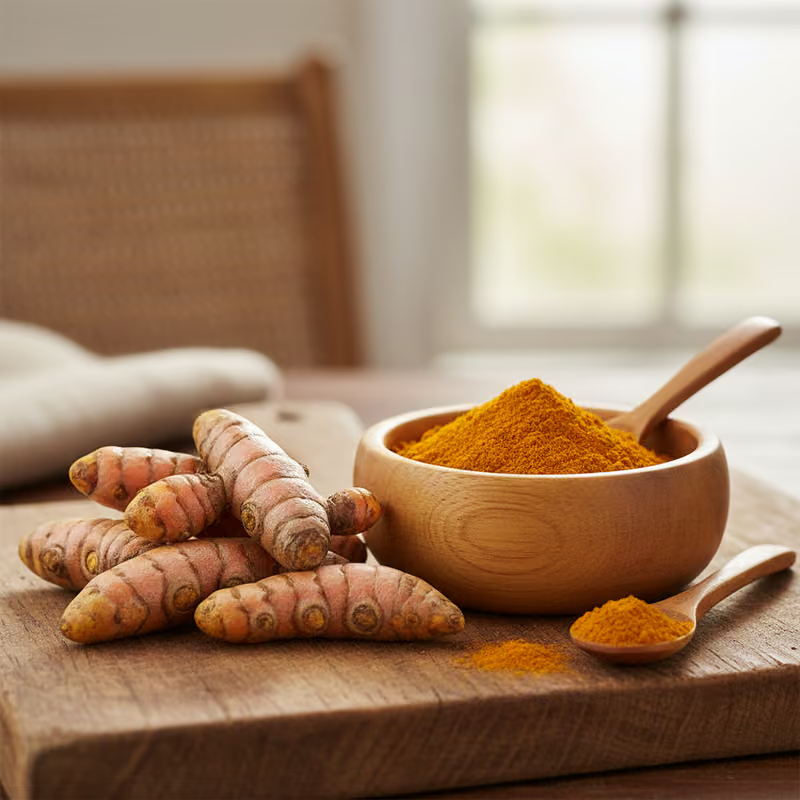
Turmeric, a vibrant yellow spice derived from the root of the Curcuma longa plant, has a long history of use in traditional medicine, particularly in Ayurvedic and Chinese practices. Beyond its culinary role in adding color and flavor to dishes, turmeric has garnered significant attention in modern scientific research due to its potential health-promoting properties. The primary active compounds responsible for most of turmeric's purported benefits are curcuminoids, with curcumin being the most abundant and well-studied.
While popular interest often highlights turmeric as a panacea, it is crucial to approach its health claims with a balanced and evidence-informed perspective. This article aims to explore the realistic benefits associated with turmeric and curcumin, discuss the challenges related to their absorption in the body, and offer practical, evidence-based strategies to optimize their potential utility, while also addressing common misconceptions and when professional medical advice is essential. Understanding the nuances of how these compounds work and how to incorporate them thoughtfully is key to leveraging their traditional wisdom and modern scientific understanding.
Why this matters
In an age where health information is abundant but often contradictory, understanding the true potential and limitations of natural compounds like turmeric and curcumin is paramount. Many individuals seek complementary approaches to health and well-being, and turmeric frequently appears on lists of "superfoods" or natural remedies. However, relying on exaggerated claims or misinformation can lead to ineffective practices, wasted resources, or even delay seeking appropriate medical care for serious conditions.
Moreover, the bioavailability of curcumin—how much of the compound actually enters the bloodstream and becomes active—is a significant challenge. Without proper understanding, individuals might consume turmeric in ways that yield minimal benefit. This matters because for those looking to support their health through dietary and lifestyle choices, informed decisions about supplements and natural ingredients can make a real difference in achieving desired outcomes. Providing clear, evidence-informed guidance empowers individuals to make responsible choices that align with established scientific understanding, ultimately contributing to better health literacy and more effective self-care strategies. This information is especially critical for individuals managing chronic conditions or those with specific health concerns, where integrated care and evidence-based approaches are most beneficial.
Key principles (evidence-informed)
The potential health benefits of turmeric and curcumin are primarily attributed to their antioxidant and anti-inflammatory properties. These actions are fundamental to how they are thought to interact with various physiological processes.
Antioxidant Properties: Curcumin is recognized for its ability to neutralize free radicals, which are unstable molecules that can cause oxidative damage to cells and contribute to aging and various chronic diseases. It also boosts the activity of the body's own antioxidant enzymes. This protective effect against oxidative stress is a cornerstone of many of its proposed health benefits.
Anti-inflammatory Properties: Inflammation is a natural bodily response, but chronic inflammation can contribute to numerous health issues, including heart disease, metabolic disorders, and certain neurodegenerative conditions. Curcumin has been shown to influence multiple molecular targets involved in inflammatory pathways. It can inhibit molecules like NF-κB, a protein complex that plays a key role in regulating immune response and inflammation, and also suppress the activity of inflammatory enzymes. This broad action distinguishes it from many conventional anti-inflammatory drugs that often target specific pathways.
Specific Areas of Research Interest:
- Joint Health: Due to its anti-inflammatory effects, curcumin has been studied for its potential role in supporting joint comfort and mobility, particularly in conditions related to inflammation. (Mayo Clinic, NIH)
- Digestive Health: Turmeric has a long history of use in traditional medicine for digestive ailments. Modern research explores its potential to support a healthy gut lining and balance digestive processes.
- Skin Health: The antioxidant and anti-inflammatory properties may contribute to maintaining healthy skin, addressing issues related to oxidative stress and inflammatory responses.
- Cardiovascular Health: Research has investigated curcumin's potential to support cardiovascular function, partly through its effects on inflammation and oxidative stress, and its role in maintaining healthy blood vessel function. (NIH)
- Brain Health: Emerging research is exploring curcumin's potential neuroprotective effects, possibly through its antioxidant and anti-inflammatory actions, and its ability to cross the blood-brain barrier. Some studies investigate its role in supporting cognitive function. (NIH)
- Metabolic Health: Curcumin has been studied for its potential influence on metabolic pathways, including aspects related to blood sugar management and fat metabolism, which are relevant to overall metabolic well-being.
- Immune System Modulation: While not an immune booster in the traditional sense, curcumin's ability to modulate inflammatory responses suggests a role in supporting a balanced immune system. (NIH)
Bioavailability Challenge: A critical factor limiting the effectiveness of curcumin is its poor bioavailability. When consumed orally, curcumin is poorly absorbed into the bloodstream, rapidly metabolized, and quickly excreted. This means that a large portion of ingested curcumin may not reach systemic circulation in sufficient concentrations to exert its full therapeutic effects.
To address this, various strategies have been developed to enhance curcumin's absorption:
- Piperine: Often found in black pepper, piperine can significantly enhance curcumin absorption by inhibiting metabolic enzymes in the gut and liver that would otherwise break down curcumin. This is one of the most common and effective natural bioavailability enhancers.
- Liposomal Formulations: Encapsulating curcumin in liposomes (tiny lipid vesicles) can help protect it from degradation in the digestive tract and facilitate its absorption.
- Micelle Formulations: Similar to liposomes, micellar structures can improve solubility and absorption of poorly water-soluble compounds like curcumin.
- Phytosome Formulations: Curcumin phytosomes are complexes of curcumin extract with phospholipids (like phosphatidylcholine), which can significantly improve absorption and delivery into cells.
- Co-administration with Fats: Curcumin is fat-soluble. Consuming turmeric or curcumin with dietary fats can improve its dissolution and absorption through the lymphatic system.
- Nanoparticle and other advanced delivery systems: While more complex, these approaches are also being explored in research to overcome the bioavailability challenge.
It is important to note that while these principles underpin much of the research, the clinical evidence for many specific applications is still evolving. (Cochrane, NIH)
Practical daily habits
Incorporating turmeric and curcumin into daily routines can be achieved through various practical habits, keeping in mind the principles of bioavailability.
Culinary Use for General Well-being:
- Spice in Cooking: Regularly add turmeric powder to curries, stews, soups, roasted vegetables, and rice dishes. Aim for about ½ to 1 teaspoon per serving.
- Golden Milk (Turmeric Latte): A popular and delicious way to consume turmeric. Combine warm milk (dairy or plant-based) with turmeric powder, a pinch of black pepper, and a touch of healthy fat like coconut oil or ghee. Sweeten with a date or a touch of honey if desired. The black pepper and fat are crucial for absorption.
- Smoothies: Add a small amount of turmeric powder (e.g., ¼ to ½ teaspoon) to your morning fruit or vegetable smoothies. Remember to include a source of healthy fat (e.g., avocado, nuts, seeds) and a pinch of black pepper.
- Dressings and Marinades: Whisk turmeric powder into homemade salad dressings, vinaigrettes, or marinades for meats and vegetables.
- Turmeric Tea: Steep sliced fresh turmeric root (or ¼ teaspoon of dried powder) in hot water for 5-10 minutes. Add a slice of lemon, a pinch of black pepper, and a bit of honey.
Optimizing Absorption with Dietary Strategies:
- Always Pair with Black Pepper: The piperine in black pepper is a well-known enhancer of curcumin bioavailability. Always add a pinch of black pepper when consuming turmeric, especially in culinary applications.
- Consume with Healthy Fats: As curcumin is fat-soluble, consuming it with fats can significantly improve its absorption. Examples include adding turmeric to dishes cooked with olive oil, coconut oil, or ghee, or pairing it with foods rich in healthy fats like avocado, nuts, seeds, or fatty fish.
- Choose Fresh vs. Dried: Fresh turmeric root can be grated or sliced into dishes, offering a slightly different flavor profile and potentially retaining more volatile compounds. Dried, powdered turmeric is more commonly used and still effective.
Supplement Use (Considered Approach):
- Bioavailable Formulations: If seeking targeted benefits and higher concentrations of curcumin, consider supplements that explicitly state enhanced bioavailability. Look for formulations containing piperine, liposomal curcumin, phytosomal curcumin, or micellar forms.
- Dosage: Adhere strictly to the dosage recommendations provided on the supplement label, or as advised by a healthcare professional. Avoid exceeding recommended dosages, as more is not always better.
- Quality and Purity: Choose reputable brands that provide third-party testing for purity and potency. This ensures the product contains the advertised amount of curcuminoids and is free from contaminants.
- Timing: Some sources suggest taking curcumin supplements with meals that contain fat to further enhance absorption, even for optimized formulations.
Consistency is Key:
- Like many natural compounds, the potential benefits of turmeric and curcumin are often realized through consistent, regular intake over time, rather than sporadic use. Integrate it into daily dietary habits rather than occasional consumption.
By mindfully incorporating these habits, individuals can enhance their chances of deriving realistic benefits from turmeric and curcumin within their daily routines. (WHO, NIH)
Common mistakes to avoid
To maximize the potential benefits of turmeric and curcumin while ensuring safety, it's important to be aware of and avoid common pitfalls.
- Expecting Immediate or Miraculous Cures: Turmeric and curcumin are not miracle drugs. Their benefits are generally subtle, cumulative, and supportive rather than curative for serious conditions. Expecting rapid, dramatic results can lead to disappointment and potentially cause individuals to overlook conventional medical treatments when needed.
- Consuming Turmeric Powder Alone Without Bioavailability Enhancers: One of the most significant mistakes is consuming plain turmeric powder or curcumin supplements without any strategies to enhance absorption. Due to curcumin's poor bioavailability, a substantial portion may pass through the body without being effectively utilized. Always pair it with black pepper and/or healthy fats, or opt for enhanced supplement formulations.
- Ignoring Dosage and Quality of Supplements: Taking excessively high doses of supplements, especially without professional guidance, can potentially lead to adverse effects. Conversely, choosing low-quality supplements that lack standardized curcuminoid content or contain fillers may yield no benefits. Always adhere to recommended dosages and select reputable brands with third-party verification.
- Relying Solely on Turmeric for Serious Health Conditions: While turmeric can be a valuable complementary tool, it should not replace prescribed medications or professional medical advice for treating chronic diseases or acute illnesses. Delaying conventional treatment in favor of unproven natural remedies can have serious health consequences.
- Misunderstanding "Turmeric" vs. "Curcumin": While often used interchangeably, "turmeric" refers to the whole spice, which contains curcuminoids along with many other compounds. "Curcumin" refers specifically to the primary active curcuminoid. When studies discuss specific health benefits, they are often referring to concentrated curcumin extracts, not simply consuming culinary turmeric. While whole turmeric has its own benefits, for targeted action, curcumin extracts are often preferred in research settings.
- Ignoring Potential Side Effects and Interactions: Although generally well-tolerated, high doses of curcumin can sometimes cause mild digestive upset (e.g., nausea, diarrhea, stomach cramps). It can also interact with certain medications, particularly blood thinners (anticoagulants/antiplatelets), as it may have mild blood-thinning effects itself. Individuals on such medications, or those with gallstones, diabetes, or about to undergo surgery, should consult a healthcare professional before taking curcumin supplements.
- Not Considering the Source of Turmeric: Some turmeric products, especially those sourced from areas with less stringent regulations, can be contaminated with heavy metals (like lead) or adulterants. Sourcing from reputable suppliers is crucial for safety.
- Assuming All "Natural" Products Are Safe for Everyone: Even natural products can pose risks for specific individuals, such as pregnant or breastfeeding individuals, young children, or those with particular medical conditions. Always exercise caution and consult a professional when in doubt.
By being mindful of these common mistakes, individuals can approach the use of turmeric and curcumin more effectively and safely. (NIH, Mayo Clinic)
When to see a professional
While turmeric and curcumin are generally considered safe for most people when consumed in culinary amounts, and even in supplemental forms within recommended dosages, there are specific circumstances when consulting a qualified healthcare professional (physician, dietitian, pharmacist) is crucial.
- Before Starting Supplements for Specific Health Conditions: If you are considering using turmeric or curcumin supplements to manage a specific health condition (e.g., chronic inflammation, arthritis, digestive issues, metabolic concerns), it is essential to discuss this with your doctor. They can help determine if it's appropriate for your situation, potential interactions with other treatments, and the most suitable form and dosage.
- If You Are Taking Medications: Curcumin can interact with certain medications. This is particularly important for:
- Blood Thinners (Anticoagulants/Antiplatelets): Curcumin may have mild antiplatelet effects, potentially increasing the risk of bleeding when combined with medications like warfarin, aspirin, clopidogrel, or NSAIDs.
- Diabetes Medications: Curcumin might lower blood sugar, potentially enhancing the effects of antidiabetic drugs and leading to hypoglycemia.
- Stomach Acid Reducers: Curcumin might increase stomach acid production, potentially interfering with medications for acid reflux.
- Chemotherapy Drugs: There are complex interactions that require medical guidance. Always inform your doctor and pharmacist about all supplements you are taking.
- During Pregnancy or Breastfeeding: The safety of high-dose curcumin supplements during pregnancy and breastfeeding has not been definitively established. It is generally advised to avoid supplemental doses and stick to culinary amounts, or to consult a doctor.
- If You Have Gallbladder Problems: Curcumin can stimulate bile production. While this can be beneficial for some, individuals with gallstones or bile duct obstruction should use curcumin supplements with caution and under medical supervision, as it could exacerbate symptoms.
- Before Surgery: Due to its potential antiplatelet effects, it is generally recommended to discontinue curcumin supplements at least two weeks before any scheduled surgery to minimize the risk of bleeding. Always inform your surgeon about all supplements you are taking.
- If You Experience Side Effects: Although rare, some individuals may experience gastrointestinal upset (e.g., nausea, diarrhea, stomach cramps) with high doses of curcumin. If you experience any adverse reactions, discontinue use and consult a professional.
- For Children: The use of curcumin supplements in children should always be discussed with a pediatrician.
- If Your Symptoms Worsen or Do Not Improve: If you are using turmeric or curcumin to help manage symptoms and they do not improve, or if they worsen, it is critical to seek medical attention to re-evaluate your condition and treatment plan. Self-treating can delay diagnosis and appropriate care for underlying conditions.
- Concerns About Product Quality or Purity: If you have concerns about the quality, sourcing, or potential contaminants in a turmeric or curcumin product, speak with a pharmacist or healthcare provider who can offer guidance on reputable brands.
In essence, while incorporating turmeric into a healthy diet is generally safe, any therapeutic use, especially in supplement form, warrants a discussion with a healthcare professional to ensure it aligns with your individual health needs and circumstances. (NIH, Mayo Clinic, NHS)
Frequently asked questions
Can turmeric cure serious diseases?
No, turmeric and curcumin are not cures for serious diseases. They are recognized for their potential to support overall health and well-being through antioxidant and anti-inflammatory properties, but they should not be considered replacements for conventional medical treatments, prescribed medications, or professional medical advice for treating chronic or acute illnesses.
How much turmeric or curcumin should I take daily?
For culinary use, adding ½ to 1 teaspoon of turmeric powder to dishes daily is common. For curcumin supplements, dosages can vary widely depending on the formulation and desired effect, typically ranging from 500 mg to 1500 mg of curcuminoids per day, often split into multiple doses. It is crucial to follow the specific instructions on the supplement label or consult a healthcare professional for personalized guidance, especially for therapeutic use.
Is fresh turmeric root better than powdered turmeric?
Both fresh turmeric root and powdered turmeric contain beneficial compounds, including curcuminoids. Fresh turmeric offers a distinct flavor and texture and may retain more volatile oils. Powdered turmeric is a concentrated form and is widely used for convenience. The key for both is to ensure proper absorption by pairing with black pepper and healthy fats. The choice often depends on culinary preference and convenience.
Can I take turmeric if I'm on blood thinners?
If you are taking blood-thinning medications (anticoagulants or antiplatelets), you should consult your doctor before taking turmeric or curcumin supplements. Curcumin may have mild antiplatelet effects, which could potentially increase the risk of bleeding when combined with these medications. Your doctor can assess the potential risks and benefits for your specific situation.
What is the best way to enhance curcumin absorption?
The most widely recognized and scientifically supported ways to enhance curcumin absorption include:
- Pairing with Piperine: Consuming it with black pepper (which contains piperine).
- Consuming with Healthy Fats: As curcumin is fat-soluble, taking it with a meal containing fats (e.g., olive oil, avocado, nuts) improves its uptake.
- Using Bioavailable Supplement Formulations: Choosing supplements that use advanced delivery systems like liposomal, phytosomal, or micellar curcumin.
Key takeaways
Turmeric and its primary active compound, curcumin, offer potential health benefits largely due to their antioxidant and anti-inflammatory properties. These actions are supported by a growing body of scientific research, suggesting roles in supporting joint health, digestive well-being, cardiovascular function, and more. However, it's crucial to have realistic expectations and understand that benefits are often subtle and cumulative, not immediate cures.
A significant challenge with curcumin is its poor bioavailability, meaning it's not easily absorbed by the body. To overcome this, incorporating practical habits such as always pairing turmeric with black pepper and healthy fats in culinary preparations, or opting for enhanced bioavailability curcumin supplements (e.g., with piperine, liposomal, or phytosomal forms), is essential.
Common mistakes to avoid include expecting miraculous cures, consuming turmeric without absorption enhancers, ignoring dosage guidelines, substituting professional medical advice for supplements, and neglecting potential drug interactions, especially with blood thinners.
Finally, while turmeric is generally safe for culinary use, consulting a healthcare professional is vital when considering supplemental doses, particularly if you are pregnant, breastfeeding, have underlying health conditions (like gallbladder issues), are scheduled for surgery, or are taking any medications. This ensures safe and effective integration of turmeric and curcumin into your health regimen, aligning with a balanced, evidence-informed approach to well-being.
Related reading
Keep exploring this topic with our related, evidence-reviewed guides:
- Turmeric and Curcumin: Uses and Cautions — Curcumin has anti-inflammatory effects. Bioavailability is low without piperine; those on blood thinners should consult a clinicia…
- Herbal Teas for Sleep: Chamomile, Valerian, and What Works — A practical, evidence-informed guide to herbal tea for sleep — what matters, what works, common mistakes, and when to consult a pr…
- Green Tea and Everyday Antioxidants — Green tea polyphenols may support cardiovascular and metabolic health as part of a balanced diet.
- Salt Water Gargle Benefits: Evidence-Based Guide — Discover the long-standing benefits of saltwater gargling for oral hygiene and alleviating minor throat discomfort, a simple yet e…
- Lemon Water Benefits: Evidence-Based Guide — Discover the potential health benefits of incorporating lemon water into your daily routine, from hydration to vitamin C intake an…
- Apple Cider Vinegar: Evidence and Safety — Small studies suggest modest glucose effects; enamel erosion is a real risk without dilution.
Sources
- World Health Organization (WHO): Information on traditional medicine practices and safety guidelines for herbal remedies.
- National Institutes of Health (NIH) - National Center for Complementary and Integrative Health (NCCIH): Provides evidence-based information on turmeric and curcumin, including clinical trials and safety considerations.
- Mayo Clinic: Offers consumer-friendly summaries of research on supplements, including turmeric, and advises on potential benefits, side effects, and drug interactions.
- Cochrane Library: A collection of databases that contain high-quality, independent evidence to inform healthcare decision-making, including systematic reviews on herbal supplements.
- National Health Service (NHS): Provides health information and advice for the public, often including guidance on complementary therapies.
Sources
Evidence & citations
- Every claim in this natural remedies guide is backed by primary data — browse the evidence on natural remedies and chronic disease data in our sourced statistics library.
- Writing about this topic? Researchers, journalists and educators can cite our natural remedies research with ready-made APA, MLA and Chicago references.
My notes on this one
The short version of 14 minutes of reading — what stuck with me while writing “Turmeric and Curcumin: Realistic Benefits and Absorption”, what the sources back up, and what I'd actually do about it.
What I'd take away
01 · Why this matters
This matters because for those looking to support their health through dietary and lifestyle choices, informed decisions about supplements and natural ingredients can make a real difference in achieving desired…
02 · Key principles
Digestive Health: Turmeric has a long history of use in traditional medicine for digestive ailments. Modern research explores its potential to support a healthy gut lining and balance digestive processes.
03 · Practical daily habits
Turmeric Tea: Steep sliced fresh turmeric root (or ¼ teaspoon of dried powder) in hot water for 5-10 minutes. Add a slice of lemon, a pinch of black pepper, and a bit of honey.
04 · Common mistakes to avoid
To maximize the potential benefits of turmeric and curcumin while ensuring safety, it's important to be aware of and avoid common pitfalls.
What the sources I read actually say
World Health Organization (WHO): Information on traditional medicine practices and safety guidelines for herbal remedies.
World Health OrganizationAntioxidant Properties: Curcumin is recognized for its ability to neutralize free radicals, which are unstable molecules that can cause oxidative damage to cells and contribute to aging and various ch…
Centers for Disease Control and PreventionNational Institutes of Health (NIH) - National Center for Complementary and Integrative Health (NCCIH): Provides evidence-based information on turmeric and curcumin…
National Institutes of Health
If you only do one thing this week
- Turmeric Tea — Steep sliced fresh turmeric root (or ¼ teaspoon of dried powder) in hot water for 5-10 minutes. Add a slice of lemon, a pinch of black pepper, and a bit of honey.
- For curcumin supplements, dosages can vary widely depending on the formulation and desired effect, typically ranging from 500 mg to 1500 mg of curcuminoids per day…
Pick the one that fits your week. None of this replaces advice from a clinician who can actually examine you.
Questions I kept coming back to
Can turmeric cure serious diseases?+
No, turmeric and curcumin are not cures for serious diseases. They are recognized for their potential to support overall health and well-being through antioxidant and anti-inflammatory properties, but they should not be considered replacements for conventional medical treatments, prescribed medications, or professional medical advice for treating chronic or acute illnesses.
How much turmeric or curcumin should I take daily?+
For culinary use, adding ½ to 1 teaspoon of turmeric powder to dishes daily is common. For curcumin supplements, dosages can vary widely depending on the formulation and desired effect, typically ranging from 500 mg to 1500 mg of curcuminoids per day, often split into multiple doses…
Is fresh turmeric root better than powdered turmeric?+
Both fresh turmeric root and powdered turmeric contain beneficial compounds, including curcuminoids. Fresh turmeric offers a distinct flavor and texture and may retain more volatile oils. Powdered turmeric is a concentrated form and is widely used for convenience. The key for both is to ensure proper absorption by pairing with black pepper and healthy fats…
Can I take turmeric if I'm on blood thinners?+
If you are taking blood-thinning medications (anticoagulants or antiplatelets), you should consult your doctor before taking turmeric or curcumin supplements. Curcumin may have mild antiplatelet effects, which could potentially increase the risk of bleeding when combined with these medications. Your doctor can assess the potential risks and benefits for your specific situation.
What is the best way to enhance curcumin absorption?+
The most widely recognized and scientifically supported ways to enhance curcumin absorption include: Consuming it with black pepper (which contains piperine). As curcumin is fat-soluble, taking it with a meal containing fats (e.g., olive oil, avocado, nuts) improves its uptake. Choosing supplements that use advanced delivery systems like liposomal, phytosomal, or micellar curcumin.
Was this article helpful?
Be the first to rate this article.
Written by
FaizRuh
I write Health Hub Pro on my own — no clinical licence, no anonymous review panel. Just the published guidance, read carefully and explained plainly.
More about me →How this page was checked
Every claim above is checked against the sources listed at the bottom of this article — WHO, CDC, NIH, NHS, Cochrane and major clinical guidelines. Drafting is AI-assisted; the editing, fact-checking and final wording are mine. It's information, not medical advice. Spotted an error? Tell me and I'll fix it.
Last checked on