
Coconut Oil Uses
Discover the potential benefits of coconut oil, a versatile natural remedy often lauded for its diverse uses in health, beauty, and wellness.
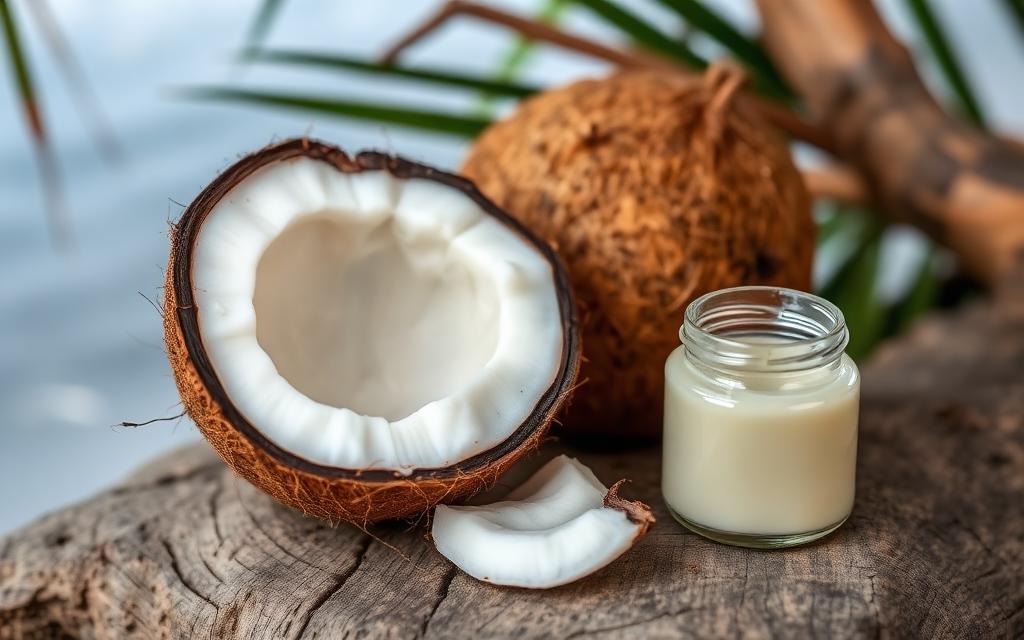
For informational purposes only. This article is educational and is not a substitute for professional medical advice, diagnosis, or treatment. Always consult a qualified healthcare provider about anything affecting your health. Read full disclaimer.
Introduction
Coconut oil, extracted from the kernel or meat of mature coconuts (Cocos nucifera), has long been a dietary staple in tropical regions across Asia, Africa, and the Pacific Islands. In recent decades, it has gained significant global attention, largely driven by widespread anecdotal reports and emerging scientific research exploring its potential health and cosmetic benefits. This increasing interest has positioned coconut oil as a subject of extensive discussion, often lauded as a "superfood" while simultaneously raising questions regarding its evidence-based applications and nutritional profile.
Understanding the scientific foundation behind the claims associated with coconut oil is crucial for consumers and healthcare professionals alike. This article aims to provide a comprehensive, evidence-based overview of coconut oil, detailing its composition, potential uses, and the current scientific understanding of its effects on human health, structured as a pillar piece for Health Hub Pro.
What causes it (evidence-based)
Coconut oil's properties and effects stem primarily from its unique nutritional composition, particularly its high content of saturated fats and the specific types of fatty acids present.
Fatty Acid Composition
Coconut oil is distinctive for its high saturated fat content, often ranging from 80% to 90%. While traditional dietary guidelines historically recommended limiting saturated fat intake, the specific types of saturated fats in coconut oil, primarily medium-chain triglycerides (MCTs), are metabolized differently than long-chain triglycerides (LCTs) found in many other fats.
- Medium-Chain Triglycerides (MCTs): Approximately 60% of the fatty acids in coconut oil are MCTs. Unlike LCTs, which are typically transported through the lymphatic system and then into the bloodstream, MCTs are absorbed directly from the small intestine into the portal vein and transported straight to the liver. In the liver, they can be rapidly converted into energy or ketone bodies. This direct metabolic pathway contributes to the claims of quick energy provision and potential metabolic advantages. Key MCTs in coconut oil include lauric acid, capric acid, and caprylic acid.
- Lauric Acid: Constituting about 40-50% of the total fatty acids in coconut oil, lauric acid (a 12-carbon fatty acid) is the most abundant MCT. While chemically classified as an MCT, its metabolic pathway shares some characteristics with LCTs, particularly regarding its partial absorption via the lymphatic system and slower metabolic rate compared to shorter-chain MCTs like capric and caprylic acid. Lauric acid is notable for its proposed antimicrobial properties, as it is converted into monolaurin in the body, which has demonstrated activity against certain bacteria, viruses, and fungi in laboratory settings.
- Other Saturated Fatty Acids: Coconut oil also contains smaller amounts of myristic acid (14-carbon) and palmitic acid (16-carbon), both of which are common saturated fatty acids found in other dietary fats.
Metabolic Pathways and Ketone Production
The unique metabolism of MCTs is a key factor in many of the health claims associated with coconut oil. When MCTs are rapidly processed by the liver, they can be efficiently converted into ATP (adenosine triphosphate) for energy or into ketone bodies (beta-hydroxybutyrate, acetoacetate, and acetone). Ketones can serve as an alternative fuel source for the brain and other organs, particularly during periods of carbohydrate restriction (e.g., ketogenic diets) or fasting. This ketogenic potential has led to research into coconut oil's role in neurological conditions and energy metabolism.
Antioxidant Compounds
Virgin coconut oil (VCO), which is minimally processed and extracted from fresh coconut meat, contains various phenolic compounds and other antioxidants that are largely absent in refined coconut oil (RCO). These compounds, such as gallic acid, caffeic acid, p-coumaric acid, and ferulic acid, contribute to the oil's oxidative stability and may offer some protective effects against oxidative stress within the body.
Physical Properties
Coconut oil's solid state at room temperature (below approximately 24°C or 76°F) is due to its high saturated fat content. This property makes it suitable for certain culinary applications and gives it a distinct texture when used topically.
(Sources: National Institutes of Health (NIH), American Heart Association (AHA), World Health Organization (WHO))
Symptoms and warning signs
Coconut oil itself does not typically cause "symptoms" in the way a disease does. Rather, potential concerns arise from its nutritional profile, particularly its high saturated fat content, and individual sensitivities or allergies.
Potential Concerns Related to High Saturated Fat Intake
While the MCTs in coconut oil are metabolized differently, the overall high saturated fat content remains a point of consideration, particularly for individuals concerned about cardiovascular health.
- Elevated Cholesterol Levels: Some research indicates that coconut oil, specifically due to its lauric acid content, can increase both high-density lipoprotein (HDL, "good") cholesterol and low-density lipoprotein (LDL, "bad") cholesterol levels. While an increase in HDL cholesterol is generally considered beneficial, the simultaneous increase in LDL cholesterol, especially small, dense LDL particles, is a recognized risk factor for atherosclerotic cardiovascular disease. The net effect on cardiovascular risk is a subject of ongoing debate and research, with some studies suggesting a more neutral effect compared to other sources of saturated fats, while others maintain caution.
- Weight Gain: As with any fat, coconut oil is calorie-dense (approximately 9 calories per gram). Overconsumption without commensurate energy expenditure can contribute to weight gain. While MCTs may be slightly less prone to storage as fat compared to LCTs, they are still a source of calories.
- Digestive Upset: For some individuals, consuming large quantities of MCTs, especially on an empty stomach, can lead to gastrointestinal distress, including nausea, stomach cramps, and diarrhea. This is more commonly associated with isolated MCT oil supplements rather than whole coconut oil, but sensitive individuals may still experience it with high intake of coconut oil.
Allergic Reactions
Although rare, some individuals may have an allergy to coconut. Symptoms of a coconut allergy can range from mild to severe and may include:
- Skin reactions: Hives, rash, itching, swelling (particularly around the mouth, face, or throat).
- Respiratory symptoms: Wheezing, difficulty breathing, nasal congestion.
- Gastrointestinal symptoms: Nausea, vomiting, diarrhea, abdominal pain.
- Anaphylaxis: In severe cases, a life-threatening systemic reaction requiring immediate medical attention.
Topical Application Concerns
When applied to the skin, coconut oil is generally well-tolerated. However, some individuals may experience:
- Clogs Pores: For individuals with acne-prone skin, coconut oil can be comedogenic (pore-clogging) due to its fatty acid composition, potentially exacerbating breakouts.
- Allergic Contact Dermatitis: Although uncommon, a localized skin reaction (redness, itching, rash) can occur in individuals sensitive to coconut oil or its components.
It emphasizes that "symptoms and warning signs" in this context refer to potential adverse effects or individual reactions rather than indicating a pathology caused by coconut oil itself.
(Sources: American Heart Association (AHA), Mayo Clinic, National Institute of Allergy and Infectious Diseases (NIAID))
When to see a clinician
While coconut oil is generally considered safe for consumption and topical use, certain situations warrant a consultation with a healthcare professional.
It is advisable to see a clinician if you experience any of the following:
- Symptoms of an allergic reaction: If you develop skin rashes, hives, swelling, difficulty breathing, or any other signs of an allergic reaction after consuming or applying coconut oil, seek immediate medical attention. For severe reactions like anaphylaxis, dial emergency services.
- Persistent gastrointestinal discomfort: If you experience ongoing nausea, abdominal pain, diarrhea, or unusual digestive issues that you suspect are linked to coconut oil consumption, consult a clinician.
- Concerns about cardiovascular health: If you have a history of heart disease, high cholesterol, or other cardiovascular risk factors, discuss the role of coconut oil in your diet with your clinician or a registered dietitian. While some studies suggest coconut oil's effects on cholesterol may be complex, individual risk profiles and dietary patterns should guide recommendations.
- Skin irritation or worsening skin conditions: If topical application of coconut oil leads to increased acne, clogged pores, redness, itching, or exacerbates an existing skin condition (e.g., eczema), discontinue use and consult a dermatologist or clinician.
- Prior to significant dietary changes: Before making substantial changes to your dietary fat intake, especially if you have pre-existing health conditions or are taking medications, it is wise to consult a clinician or a registered dietitian. This is particularly relevant if you plan to incorporate large amounts of coconut oil into your diet to manage specific health concerns.
- Unexplained weight changes: If you notice significant, unexplained weight gain or loss that coincides with changes in your coconut oil consumption, consult a clinician to rule out underlying issues.
- Monitoring chronic conditions: If you are using coconut oil as part of a strategy for managing a chronic condition (e.g., diabetes, neurological disorders), ensure this is done under the guidance and supervision of a clinician to monitor its effects and adjust treatment as needed.
Remember, coconut oil is a food product and cosmetic ingredient, not a medical treatment. Any claims regarding its curative properties for specific diseases should be discussed with a qualified healthcare provider.
Treatment and management options
When considering "treatment and management options" related to coconut oil, this primarily refers to its evidence-based applications in health and wellness, as well as strategies for addressing potential adverse effects. It's crucial to distinguish between therapeutic uses backed by robust clinical evidence and folk remedies or anecdotal claims.
Dietary and Metabolic Management
- Source of Energy: Due to its MCT content, coconut oil can provide a rapid source of energy. It is sometimes used by athletes or individuals requiring quick metabolic fuel. For those on specific therapeutic diets, such as ketogenic diets for epilepsy or certain neurological conditions, MCTs from coconut oil or MCT oil supplements may be incorporated under clinical supervision to facilitate ketosis.
- Weight Management (Limited Evidence): While some observational studies and short-term trials have explored MCTs for weight loss, the evidence for whole coconut oil's significant impact on weight management in general populations is not strong. Moderate consumption within a calorie-controlled diet might be considered, but it is not a primary weight-loss tool.
- Cardiovascular Health (Cautious Approach): For individuals monitoring cholesterol levels, a registered dietitian can provide guidance on incorporating coconut oil as part of a balanced diet. While it can increase HDL cholesterol, its potential to increase LDL cholesterol warrants a cautious approach. Replacing LCTs with healthier unsaturated fats (e.g., olive oil, avocado oil) is generally prioritized for cardiovascular benefit by major health organizations.
Skin and Hair Health
- Moisturizer for Dry Skin: Coconut oil is an effective emollient. For dry skin, it can be applied topically to enhance skin barrier function and reduce transepidermal water loss. Studies suggest it can improve symptoms of mild to moderate xerosis (dry skin) and atopic dermatitis.
- Hair Conditioner: As a pre-wash treatment or leave-in conditioner, coconut oil can help reduce protein loss from hair and enhance its strength and shine. It penetrates the hair shaft, which helps in preventing damage.
- Makeup Remover: Its emollient properties make it suitable for dissolving makeup, including waterproof formulations, while moisturizing the skin.
Oral Health
- Oil Pulling: As an adjunct to regular oral hygiene, oil pulling with coconut oil has shown some promise in reducing oral bacteria (e.g., Streptococcus mutans), plaque, and gingivitis due to the antimicrobial properties of lauric acid and monolaurin. However, it should not replace brushing, flossing, and regular dental check-ups.
Managing Adverse Effects
- Digestive Upset: If consuming too much coconut oil causes gastrointestinal discomfort, reduce the intake or consume it with food. Isolated MCT oil supplements should be introduced gradually in small doses.
- Allergic Reactions: Discontinue use immediately if an allergic reaction occurs. For mild reactions, antihistamines may be helpful; for severe reactions, emergency medical attention is required.
- Acne Flare-ups: If topical coconut oil appears to clog pores or worsen acne, cease use and opt for non-comedogenic moisturizers.
It is important to emphasize that coconut oil is a complementary agent and not a pharmaceutical treatment for any disease. Always consult with a clinician or registered dietitian for personalized advice and before making significant health-related decisions.
(Sources: Mayo Clinic, National Institutes of Health (NIH), Cochrane Library)
Prevention and daily habits
Incorporating coconut oil into daily habits for health and wellness should be done thoughtfully, balancing its potential benefits with its nutritional profile. Prevention, in this context, refers to conscious choices that support overall well-being.
Dietary Habits
- Moderation is Key: Despite the interest in MCTs, coconut oil is high in saturated fat. While some sources suggest MCTs may have a more favorable impact on cholesterol than long-chain saturated fats, major health organizations still recommend limiting saturated fat intake. Use coconut oil in moderation, similar to other fats, as part of a balanced diet. The American Heart Association recommends limiting saturated fat to about 5-6% of total daily calories.
- Diverse Fat Sources: Do not rely solely on coconut oil for your fat intake. Incorporate a variety of healthy fats, including monounsaturated fats (e.g., olive oil, avocado oil, nuts) and polyunsaturated fats (e.g., fatty fish, flaxseed oil, walnuts), which are known to benefit cardiovascular health.
- Cooking Applications: Coconut oil has a relatively high smoke point, making it suitable for moderate-heat cooking, baking, and stir-frying. Virgin coconut oil retains more flavor and beneficial compounds, while refined coconut oil is more neutral in taste. Avoid excessive heating that leads to smoking, which can degrade fats and produce harmful compounds.
- Nutrient-Dense Diet: Coconut oil should complement, not replace, a diet rich in fruits, vegetables, whole grains, lean proteins, and diverse healthy fats.
Skin and Hair Care Habits
- Patch Test: Before applying coconut oil extensively to skin or hair, perform a patch test on a small, inconspicuous area to check for any allergic reactions or sensitivities.
- Moisturizer: For dry skin, apply a small amount of virgin coconut oil after showering or bathing to lock in moisture. For facial use, consider your skin type; it may be too heavy or comedogenic for some, especially those prone to acne.
- Hair Treatment: Use coconut oil as a pre-shampoo mask (apply to dry hair, leave for 30 minutes to a few hours, then shampoo) or sparingly as a leave-in conditioner for dry ends. This can help reduce protein loss and add shine.
- Lip Balm: A small dab can serve as a natural lip balm to soothe chapped lips.
Oral Hygiene Habits
- Complementary to Routine Care: If practicing oil pulling with coconut oil, remember it is an adjunctive therapy. It does not replace the crucial daily habits of brushing teeth twice a day with fluoride toothpaste, flossing daily, and regular dental check-ups.
- Technique: Swish one tablespoon of unrefined coconut oil in your mouth for 10-20 minutes, then spit it into a trash can (to avoid clogging drains with solidified oil) and rinse your mouth with water. Do not swallow the oil.
General Lifestyle Considerations
- Choose Quality: Opt for virgin or extra virgin coconut oil for culinary and cosmetic purposes, as these are less processed and retain more beneficial compounds and natural flavor.
- Listen to Your Body: Pay attention to how your body responds to coconut oil, whether consumed or applied topically. Discontinue use or modify intake if adverse reactions occur.
By integrating coconut oil judiciously and as part of a holistic approach to health, individuals can leverage its potential benefits while minimizing potential risks.
(Sources: American Heart Association (AHA), Mayo Clinic, National Institutes of Health (NIH))
Frequently asked questions
Is coconut oil truly a "superfood" for weight loss?
While some initial research and anecdotal claims suggest that the medium-chain triglycerides (MCTs) in coconut oil may have a slight metabolic advantage and potentially aid in satiety, robust evidence directly linking whole coconut oil to significant, sustained weight loss in humans is limited. It's calorie-dense like any other fat, and excessive consumption can contribute to weight gain. For effective weight loss, a balanced diet and regular physical activity remain paramount.
Does coconut oil help with cholesterol levels?
Coconut oil's effect on cholesterol is complex. It tends to increase both high-density lipoprotein (HDL, "good") cholesterol and low-density lipoprotein (LDL, "bad") cholesterol. The increase in HDL is generally considered beneficial, but the simultaneous rise in LDL, particularly certain LDL particle sizes, is a concern for cardiovascular risk. Major health organizations typically recommend limiting saturated fats, including coconut oil, in favor of unsaturated fats for heart health. Individual responses can vary.
Can I use coconut oil as a primary sunscreen?
No, coconut oil should not be used as a primary sunscreen. While it may offer a very minimal level of ultraviolet (UV) protection (estimated at an SPF of around 8), this is insufficient to prevent sun damage or protect against skin cancer. Always use a broad-spectrum sunscreen with an SPF of 30 or higher for effective sun protection.
Is virgin coconut oil better than refined coconut oil?
Virgin coconut oil (VCO) is extracted from fresh coconut meat through processes like wet-milling or fermentation, which preserve more of its natural flavor, aroma, and antioxidant compounds. Refined coconut oil (RCO) is typically made from dried copra, then bleached, deodorized, and often hydrogenated, resulting in a neutral taste and smell but fewer beneficial phytochemicals. For culinary uses where flavor is desired or for cosmetic purposes, VCO is generally preferred. For high-heat cooking or where a neutral flavor is needed, RCO may be used, though its nutritional advantages over other oils are less pronounced.
Can coconut oil cure any diseases?
No, there is no scientific evidence to support claims that coconut oil can diagnose, cure, mitigate, treat, or prevent any disease. While it has been studied for various potential health benefits, and some components (like MCTs) are being researched for specific therapeutic applications (e.g., in neurological disorders), such uses are specialized, often require specific formulations (like purified MCT oil), and must be conducted under strict clinical supervision. It is a food product and cosmetic ingredient, not a pharmaceutical. Always consult a healthcare professional for disease management.
Key takeaways
- Unique Composition: Coconut oil is primarily composed of saturated fats, notably medium-chain triglycerides (MCTs), including lauric acid. MCTs are metabolized differently than long-chain triglycerides, potentially offering a quick energy source.
- Limited Dietary Benefits: While MCTs have attracted attention, the evidence for whole coconut oil's significant impact on weight loss or overall cardiovascular health as a "superfood" is not robust. It can increase both HDL and LDL cholesterol.
- Cosmetic Applications: Coconut oil is an effective natural moisturizer for skin and hair, helping to improve skin barrier function, reduce dryness, and enhance hair integrity.
- Oral Health Adjunct: Oil pulling with coconut oil may help reduce oral bacteria, plaque, and gingivitis but should not replace traditional oral hygiene practices.
- Moderation and Diversity: Incorporate coconut oil in moderation as part of a balanced diet rich in various healthy fats. For topical use, be mindful of individual skin sensitivities.
- Not a Cure: Coconut oil is a food and cosmetic ingredient, not a medical treatment. Do not rely on it to diagnose, cure, or treat any diseases.
- Consult a Clinician: If you have concerns about your health, dietary choices, or experience adverse reactions to coconut oil, consult a healthcare professional.
Sources
- American Heart Association (AHA)
- Centers for Disease Control and Prevention (CDC)
- Cochrane Library
- Mayo Clinic
- National Institutes of Health (NIH)
- World Health Organization (WHO)
Related reading
- Epsom Salt Bath Benefits — Discover the potential benefits of Epsom salt baths, from muscle relaxation to stress reduction, and learn how to incorp…
- Peppermint Oil Uses — Discover the versatile applications of peppermint oil, a popular natural remedy known for its refreshing aroma and thera…
- Bone Broth Benefits — Discover the potential health benefits of bone broth, a nutrient-rich liquid celebrated for its traditional uses in supp…
- Steam Inhalation Guide — Discover the benefits and safe practices of steam inhalation for respiratory relief. This guide covers how to perform st…
- Salt Water Gargle Benefits — Discover the long-standing benefits of saltwater gargling for oral hygiene and alleviating minor throat discomfort, a si…
Written by
Health Hub Pro Editorial
Health writer at Health Hub Pro, focused on evidence-based, Sharia-conscious wellness.
View author profile →