Rosemary and Cognitive Wellbeing
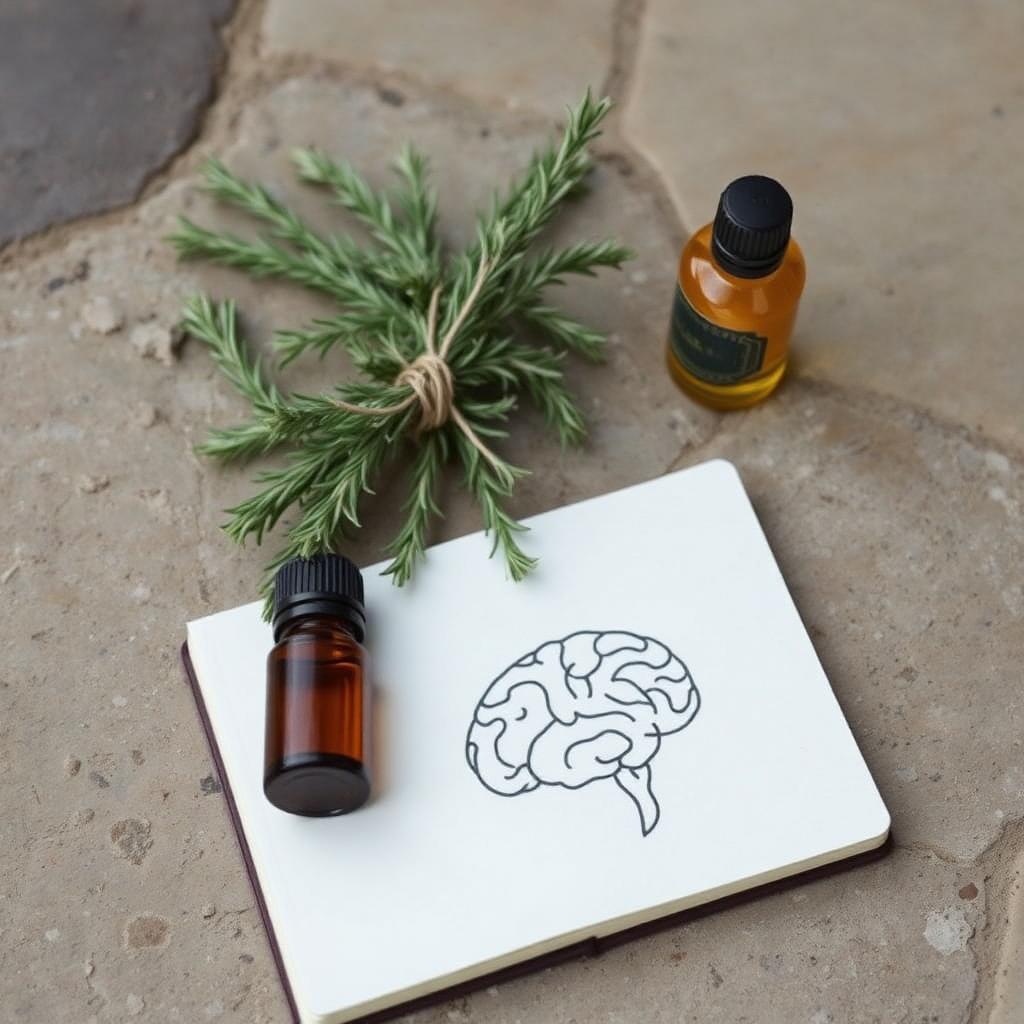
Rosemary aroma has been linked to alertness in small studies. As a culinary herb it is safe for most people.
For informational purposes only. This article is educational and is not a substitute for professional medical advice, diagnosis, or treatment. Always consult a qualified healthcare provider about anything affecting your health. Read full disclaimer.
Introduction
Rosemary (scientific name: Salvia rosmarinus, formerly Rosmarinus officinalis) is a fragrant, evergreen herb native to the Mediterranean region. Valued for its distinct aroma and flavor, it has been used for centuries in traditional medicine and culinary practices. Beyond its culinary appeal, rosemary has garnered attention for its potential impact on cognitive well-being. Historically, it has been associated with memory enhancement and mental clarity, a reputation that modern scientific inquiry is beginning to explore. This guide delves into the current evidence surrounding rosemary's effects on the brain, its traditional uses, and what clinicians recommend regarding its consumption and application.
What causes it (evidence-based)
The potential cognitive effects of rosemary are primarily attributed to its rich composition of bioactive compounds, including antioxidants and anti-inflammatory agents. Key constituents like rosmarinic acid, carnosic acid, and 1,8-cineole (eucalyptol) are thought to play significant roles.
- Antioxidant Properties: Rosemary is a potent source of antioxidants. Oxidative stress, caused by an imbalance between free radicals and antioxidants in the body, can damage brain cells and contribute to cognitive decline. Compounds like carnosic acid and rosmarinic acid found in rosemary help neutralize free radicals, potentially protecting neuronal health. This antioxidant activity may help preserve cognitive function over time. (National Institutes of Health)
- Anti-inflammatory Effects: Chronic inflammation in the brain (neuroinflammation) is another factor implicated in cognitive impairment and neurodegenerative diseases. Rosemary's constituents exhibit anti-inflammatory properties that may help reduce neuroinflammation, thereby supporting brain health. (National Institutes of Health)
- Acetylcholinesterase Inhibition: Some research suggests that compounds in rosemary, particularly 1,8-cineole, may act as acetylcholinesterase inhibitors. Acetylcholine is a neurotransmitter crucial for memory and learning. By inhibiting the enzyme that breaks down acetylcholine, rosemary could potentially increase its availability in the brain, leading to improved cognitive function. This mechanism is similar to that of some medications used to treat Alzheimer’s disease. (National Institutes of Health)
- Enhanced Cerebral Blood Flow: There is some evidence, mostly from animal studies and small human trials, that specific compounds in rosemary might improve cerebral blood flow. Increased blood flow to the brain ensures a better supply of oxygen and nutrients, which are vital for optimal brain function. (National Institutes of Health)
- Aromatherapy and Alertness: The aromatic compounds in rosemary, particularly 1,8-cineole, are responsible for its distinctive scent. Inhalation of rosemary essential oil has been studied for its immediate impact on mood and cognitive performance. Small studies have linked the aroma of rosemary to increased alertness, improved attention, and enhanced memory recall, even suggesting changes in brainwave activity. However, these effects are often transient and require further robust investigation in larger human populations. (National Institutes of Health)
While these mechanisms offer a plausible scientific basis for rosemary's cognitive effects, it is important to note that much of the research is still in its early stages. Many studies have been conducted in vitro (in test tubes) or on animal models, and human studies are often small, with varying methodologies and outcomes. Therefore, while promising, the benefits require further confirmation through large-scale, placebo-controlled clinical trials.
Symptoms and warning signs
When discussing rosemary and cognitive well-being, it's important to clarify that rosemary itself is generally considered safe as a culinary herb and is not associated with "symptoms" or "warning signs" in the way diseases are. Instead, the focus is on recognizing typical signs of cognitive decline or issues that might prompt an individual to explore supportive measures like dietary adjustments or aromatherapy.
Symptoms and warning signs of cognitive issues can include:
- Memory problems: Difficulty remembering recent events, names, or conversations; needing to rely more on memory aids.
- Difficulty concentrating: Trouble focusing on tasks, easily distracted, or inability to sustain attention.
- Challenges with planning or problem-solving: Struggling with tasks that require sequential thought or organization.
- Confusion with time or place: Disorientation regarding dates, seasons, or current location.
- Trouble understanding visual images and spatial relationships: Difficulty judging distance, recognizing familiar faces or objects, or getting lost in familiar surroundings.
- New problems with words in speaking or writing: Difficulty finding the right words, calling things by the wrong name, or struggling to follow conversations.
- Misplacing things and losing the ability to retrace steps: Frequently losing items and being unable to remember where they were placed.
- Decreased or poor judgment: Making uncharacteristic decisions or showing poor judgment with money or personal hygiene.
- Withdrawal from work or social activities: Losing interest in hobbies, social engagements, or work projects.
- Changes in mood or personality: Becoming confused, suspicious, depressed, fearful, or anxious.
It is crucial to understand that while rosemary may offer supportive benefits, it is not a treatment for established cognitive disorders or illnesses. If you or someone you know experiences any of these symptoms, it indicates a need for comprehensive medical evaluation by a qualified healthcare professional. Self-treating significant cognitive changes with dietary supplements or herbs without professional diagnosis and guidance can delay appropriate medical intervention.
When to see a clinician
Recognizing the signs that warrant professional medical attention is paramount when dealing with cognitive concerns. While incorporating rosemary into your diet as a culinary herb is generally safe, it is not a substitute for medical advice or treatment for cognitive decline or other health conditions.
You should consult a clinician if you experience any of the following:
- Persistent or worsening memory problems: If you or a family member notice a consistent and noticeable decline in memory that interferes with daily life, such as repeatedly forgetting important information, events, or appointments.
- Difficulty with daily tasks: If you struggle with tasks that were once easy, like managing finances, cooking familiar recipes, or navigating familiar routes.
- Changes in thinking and reasoning: If you experience difficulty concentrating, planning, organizing, or making decisions that significantly impact your functioning.
- Disorientation or confusion: If you frequently get lost in familiar places, are confused about the time or date, or have trouble understanding situations.
- Language problems: If you have difficulty finding the right words, understanding conversations, or expressing yourself clearly.
- Personality or behavior changes: If you exhibit unusual mood swings, increased irritability, apathy, or withdrawal from social activities.
- Concern from family members or friends: If others express concern about your cognitive abilities or behavior, it's often a strong indicator that professional evaluation is needed.
- Sudden onset of cognitive changes: Any rapid or abrupt change in cognitive function warrants immediate medical attention.
- Existing medical conditions: If you have other health conditions (e.g., heart disease, diabetes, high blood pressure, depression) that could impact cognitive function or interact with supplements.
- Before using rosemary therapeutically: If you are considering using rosemary essential oil, supplements, or high concentrations of rosemary extracts for specific health conditions, especially when pregnant, breastfeeding, or if you have pre-existing medical conditions (such as seizures, high blood pressure, bleeding disorders, or hormone-sensitive cancers), consult your clinician first. Rosemary can interact with certain medications, including anticoagulants, antiplatelets, blood pressure medications, and diabetes medications.
A clinician can help determine the underlying cause of cognitive changes, which can range from treatable conditions like vitamin deficiencies, thyroid issues, or medication side effects to neurodegenerative diseases like Alzheimer's or other dementias. Early diagnosis allows for appropriate management strategies and can potentially improve outcomes.
Treatment and management options
Treatment and management options for cognitive well-being broadly encompass medical interventions for specific conditions, lifestyle modifications, and supportive therapies. Rosemary is not a primary medical treatment but rather a complementary herb that may support cognitive health within a broader approach.
Medical Treatments (for diagnosed cognitive conditions): For individuals experiencing diagnosed cognitive impairment or neurodegenerative diseases, conventional medical treatments are paramount. These may include:
- Pharmacological therapies: Medications like cholinesterase inhibitors (e.g., donepezil, rivastigmine, galantamine) and NMDA receptor antagonists (e.g., memantine) are prescribed for conditions like Alzheimer's disease to manage symptoms and potentially slow progression. (Mayo Clinic)
- Management of underlying conditions: Treating conditions that can impact cognition, such as hypertension, diabetes, depression, sleep disorders (e.g., sleep apnea), thyroid disorders, and vitamin deficiencies (e.g., B12 deficiency), is crucial. (Mayo Clinic)
- Rehabilitation therapies: Occupational therapy, cognitive rehabilitation, and speech therapy can help individuals maintain functional abilities and improve coping strategies. (Mayo Clinic)
Lifestyle and Supportive Therapies (beneficial for general cognitive health): These strategies are often recommended for everyone, including those looking to maintain or improve cognitive function.
- Regular physical activity: Exercise improves blood flow to the brain, reduces inflammation, and can enhance neurogenesis (the growth of new brain cells). (National Institutes of Health)
- Balanced nutrition: A diet rich in fruits, vegetables, whole grains, lean proteins, and healthy fats (like the Mediterranean diet) supports brain health. Antioxidants from food help combat oxidative stress. (Mayo Clinic)
- Mental stimulation: Engaging in mentally challenging activities, such as reading, puzzles, learning new skills, or playing instruments, can help build cognitive reserve and maintain brain plasticity. (National Institutes of Health)
- Adequate sleep: Quality sleep is essential for memory consolidation and detoxification of waste products from the brain. Chronic sleep deprivation can impair cognitive function. (National Institutes of Health)
- Social engagement: Maintaining strong social connections and actively participating in social activities can positively impact cognitive health and emotional well-being. (National Institutes of Health)
- Stress management: Chronic stress can negatively affect brain function. Techniques such as mindfulness, meditation, yoga, and spending time in nature can help reduce stress levels. (National Institutes of Health)
Role of Rosemary in Management: While not a treatment, rosemary may serve as a supportive element within a holistic management plan due to its potential properties:
- As a culinary herb: Incorporating fresh or dried rosemary into meals provides a source of antioxidants and beneficial compounds as part of a healthy diet. This is generally safe for most individuals.
- Aromatherapy (inhalation): The aroma of rosemary essential oil, when diffused or inhaled, has been anecdotally associated with improved alertness and concentration in some small studies. This can be used as a temporary aid for focus, but should be done with caution, ensuring proper ventilation, and avoiding direct skin contact with undiluted essential oils.
- Topical application: Diluted rosemary essential oil may be applied to the skin (e.g., temples or wrists) for its aromatic effect, though caution against skin irritation is necessary.
- Supplements: Rosemary is available in supplement form. However, consumers should exercise caution. Supplements are not regulated with the same rigor as pharmaceuticals, and their purity, dosage, and efficacy can vary. High doses may lead to side effects or interactions with medications. Always consult a clinician before starting any new supplement regimen, especially if you have pre-existing health conditions or are taking other medications.
It is critical to emphasize that rosemary should not replace prescribed medications or established medical care for cognitive conditions. Its benefits are best understood as complementary and supportive, ideally integrated under the guidance of a healthcare professional.
Prevention and daily habits
Adopting healthy daily habits is fundamental to maintaining cognitive well-being throughout life. While rosemary may play a minor supportive role, incorporating it as part of a broader, evidence-based preventive strategy is most effective.
-
Embrace a Nutritious Diet:
- Mediterranean Diet: This dietary pattern, rich in fruits, vegetables, whole grains, legumes, olive oil, nuts, and fish, is strongly linked to better cognitive function and reduced risk of cognitive decline. (Mayo Clinic)
- Antioxidant-rich foods: Include foods high in antioxidants, such as berries, leafy green vegetables, and dark chocolate, to combat oxidative stress. Rosemary, as a culinary herb, contributes to this antioxidant intake.
- Omega-3 fatty acids: Consume sources like fatty fish (salmon, mackerel, sardines), flaxseeds, and walnuts, which are crucial for brain structure and function.
- Limit processed foods: Reduce intake of highly processed foods, sugary drinks, and unhealthy fats, as these can contribute to inflammation and negatively impact brain health.
-
Engage in Regular Physical Activity:
- Aim for at least 150 minutes of moderate-intensity aerobic exercise or 75 minutes of vigorous-intensity exercise per week, along with muscle-strengthening activities twice a week. (American Heart Association)
- Exercise enhances blood flow to the brain, supports the growth of new brain cells, and improves memory and overall cognitive function.
-
Maintain Mental Stimulation:
- Lifelong learning: Continuously challenge your brain by learning new skills, languages, or hobbies.
- Cognitively engaging activities: Read books, solve puzzles, play strategy games, or engage in creative pursuits. These activities help build cognitive reserve and maintain neural connections.
-
Prioritize Quality Sleep:
- Aim for 7-9 hours of quality sleep per night. (National Institutes of Health)
- Establish a consistent sleep schedule, create a relaxing bedtime routine, and ensure your sleep environment is dark, quiet, and cool.
- Address sleep disorders like sleep apnea, as they significantly impact cognitive health.
-
Manage Stress Effectively:
- Chronic stress can impair memory and executive function.
- Incorporate stress-reducing techniques such as meditation, mindfulness, deep breathing exercises, yoga, spending time in nature, or engaging in hobbies.
-
Stay Socially Connected:
- Maintain strong social ties with friends, family, and community.
- Social interaction provides mental stimulation and can protect against loneliness and depression, both of which are risk factors for cognitive decline. (National Institutes of Health)
-
Monitor and Manage Health Conditions:
- Regularly check and manage blood pressure, cholesterol levels, and blood sugar. Conditions like hypertension, diabetes, and high cholesterol are risk factors for cognitive impairment. (American Heart Association)
- Address hearing and vision impairments, as they can contribute to cognitive decline and social isolation.
-
Prudent Use of Rosemary:
- Culinary integration: Regularly use rosemary as a seasoning in meals. This provides its beneficial compounds in safe, dietary amounts.
- Aromatherapy for alertness: If desired and without contraindications, controlled inhalation of rosemary essential oil, diffused in a well-ventilated space, may be used for temporary alertness or focus, remembering that a clinician should be consulted for therapeutic use of essential oils.
By consistently integrating these diverse habits, individuals can build a robust foundation for long-term cognitive health, with rosemary potentially serving as a small, aromatic enhancement to this comprehensive approach.
Frequently asked questions
Q1: Can rosemary cure memory loss or Alzheimer's disease?
A: No, current scientific evidence does not support the claim that rosemary can cure memory loss or severe cognitive conditions like Alzheimer's disease. While rosemary contains compounds that may support brain health and potentially improve alertness or concentration in minor ways, it is not a treatment or cure for these complex medical conditions. Individuals experiencing memory loss or cognitive decline should always consult a clinician for diagnosis and treatment.
Q2: Is it safe to consume rosemary every day?
A: Yes, consuming rosemary as a culinary herb in typical food amounts is generally considered safe for most healthy individuals on a daily basis. It is a source of antioxidants and beneficial compounds. However, consuming very large, medicinal quantities of rosemary (e.g., in concentrated supplement forms) or using rosemary essential oil internally should only be done under the guidance of a qualified clinician, as high doses can potentially cause side effects or interact with medications.
Q3: How should I use rosemary essential oil for cognitive benefits?
A: For potential cognitive benefits related to alertness or concentration, rosemary essential oil is typically used via inhalation (aromatherapy). This can involve diffusing a few drops in a well-ventilated room or inhaling directly from the bottle or a tissue for a short period. It is crucial to use essential oils safely: never ingest undiluted essential oils, avoid direct skin contact without proper dilution in a carrier oil, and ensure adequate ventilation. Consult a clinician, especially if you have respiratory conditions, are pregnant, or have other health concerns.
Q4: Can rosemary interact with medications?
A: Yes, rosemary, particularly in concentrated forms like extracts or essential oils, can potentially interact with certain medications. These may include anticoagulants (blood thinners), antiplatelet drugs, blood pressure medications, and diabetes medications. If you are taking any prescription medications or have chronic health conditions, it is essential to consult your clinician before using rosemary in amounts larger than those typically found in food or before using rosemary supplements or essential oils.
Q5: What is the scientific evidence for rosemary improving memory?
A: The scientific evidence for rosemary improving memory is promising but still limited, primarily consisting of small human studies, animal research, and in vitro (test tube) experiments. Some studies suggest that inhaling rosemary aroma or consuming rosemary extract may temporarily improve aspects of memory, such as alertness, attention, or numerical recall. These effects are often attributed to compounds like 1,8-cineole. Larger, more rigorous clinical trials are needed to confirm these preliminary findings and establish definitive recommendations for using rosemary specifically for memory enhancement in humans.
Key takeaways
- Traditional Use: Rosemary has a long history of traditional use for enhancing memory and mental clarity.
- Bioactive Compounds: Its potential cognitive benefits are linked to compounds like rosmarinic acid, carnosic acid, and 1,8-cineole, which possess antioxidant, anti-inflammatory, and potentially acetylcholinesterase-inhibiting properties.
- Limited Scientific Evidence: While promising, scientific research, particularly in humans, is still in early stages and often involves small studies. More robust clinical trials are needed to confirm significant cognitive benefits.
- Culinary Safety: As a culinary herb, rosemary is generally safe for most individuals when consumed in typical food amounts.
- Aromatherapy: Inhaling rosemary essential oil has been linked to temporary increases in alertness and concentration in some small studies.
- Not a Cure: Rosemary is not a treatment or cure for memory loss, dementia, or other serious cognitive conditions.
- Clinical Consultation is Key: Always consult a clinician for persistent cognitive concerns, before using rosemary supplements or essential oils therapeutically, or if you are taking medications due to potential interactions.
- Holistic Approach: Rosemary may complement a holistic approach to cognitive well-being that includes a balanced diet, regular exercise, mental stimulation, adequate sleep, stress management, and social engagement.
Not medical advice: The information provided in this article is for general knowledge and informational purposes only, and does not constitute medical advice. It is essential to consult with a qualified healthcare professional for any health concerns or before making any decisions related to your health or treatment.
Sources
- American Heart Association: https://www.heart.org/
- Cochrane Library: https://www.cochranelibrary.com/
- Mayo Clinic: https://www.mayoclinic.org/
- National Institutes of Health (NIH): https://www.nih.gov/
- National Health Service (NHS), UK: https://www.nhs.uk/
- World Health Organization (WHO): https://www.who.int/
Related reading
- Apple Cider Vinegar: Evidence and Safety — Small studies suggest modest glucose effects; enamel erosion is a real risk without dilution.
- Ashwagandha: Uses, Evidence, and Safety — Ashwagandha shows promise for stress and sleep in small studies; not recommended in pregnancy.
- Cinnamon and Blood Sugar — Ceylon cinnamon in small amounts may support glucose control alongside diet and exercise.
- Fenugreek: Traditional Uses — Fenugreek has been used traditionally for digestion and lactation. Evidence is mixed; discuss with a clinician.
- Herbal Teas for Digestion — Discover the soothing power of herbal teas for digestive health. This article explores safe, evidence-based options to c…
Written by
Health Hub Pro Editorial
Health writer at Health Hub Pro, focused on evidence-based, Sharia-conscious wellness.
View author profile →Medically reviewed by
Dr. A. Rahman, MD
Board-certified in Internal Medicine
Last reviewed on