
Magnesium Sources Naturally
Discover how to naturally boost your magnesium intake through diet for better health. Learn about the best food sources and their benefits.
For informational purposes only. This article is educational and is not a substitute for professional medical advice, diagnosis, or treatment. Always consult a qualified healthcare provider about anything affecting your health. Read full disclaimer.
Magnesium Sources Naturally
Magnesium, an essential mineral, plays a pivotal role in over 300 biochemical reactions in the body, impacting everything from nerve and muscle function to blood glucose control and blood pressure regulation. Despite its critical importance, many individuals do not consume adequate amounts through their diet alone. Understanding and incorporating natural magnesium-rich foods can significantly contribute to overall well-being and help prevent a host of health issues.
The Importance of Magnesium
Magnesium is crucial for energy production, protein synthesis, bone health, and the maintenance of a healthy heart rhythm. It also contributes to the structural development of bone and is required for the synthesis of DNA and RNA. Furthermore, magnesium is involved in active transport of calcium and potassium ions across cell membranes, a process that is important to nerve impulse conduction, muscle contraction, and normal heart rhythm. Chronic magnesium deficiency can contribute to conditions such as fatigue, muscle cramps, abnormal heart rhythms, and even osteoporosis.
Excellent Dietary Sources of Magnesium
The good news is that magnesium is widely available in many common foods. Prioritizing these foods in your daily diet can help ensure you meet your body's needs naturally.
Leafy Green Vegetables
Among the best sources are dark leafy greens like spinach, kale, and Swiss chard. The chlorophyll molecule, which gives these vegetables their green color, has a magnesium atom at its center. A single cup of cooked spinach, for instance, can provide a significant portion of your daily recommended intake.
Nuts and Seeds
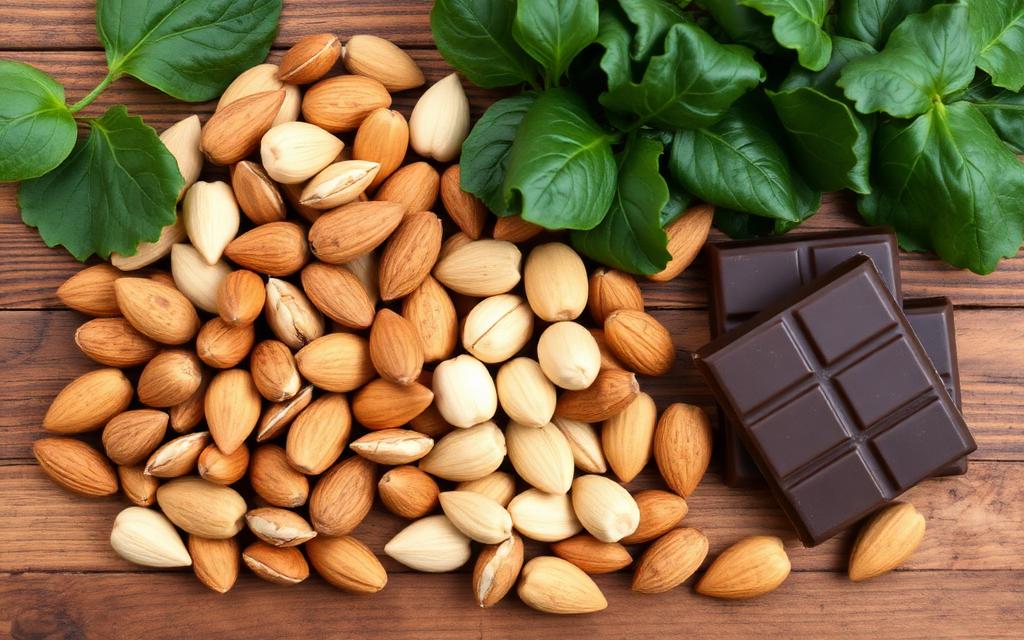
Nuts and seeds are powerhouses of nutrition, and magnesium is no exception. Almonds, cashews, and Brazil nuts are particularly rich in this mineral. Pumpkin seeds, chia seeds, and flaxseeds also offer substantial amounts. Beyond magnesium, these foods provide healthy fats, fiber, and protein, making them excellent additions to snacks or meals.
Legumes
Beans, lentils, chickpeas, and peas are not only great sources of plant-based protein and fiber but also contain considerable amounts of magnesium. Incorporating these into soups, salads, or main dishes is a simple way to boost your intake.
Whole Grains
Unlike refined grains which lose much of their magnesium content during processing, whole grains such as brown rice, oats, quinoa, and whole wheat bread retain this vital mineral. Opting for whole grain versions of your favorite starches can make a big difference.
Avocados
Beyond being a delicious and versatile fruit, avocados are rich in magnesium, along with healthy fats, potassium, and B vitamins. Adding avocado to toasts, salads, or smoothies can enhance both flavor and nutritional value.
Dark Chocolate
For those with a sweet tooth, good news: dark chocolate (with 70% or more cocoa solids) is a surprisingly good source of magnesium. It also contains antioxidants and is a treat best enjoyed in moderation.
Fatty Fish
Certain fatty fish, such as salmon, mackerel, and halibut, offer magnesium alongside beneficial omega-3 fatty acids. These are excellent choices for heart health and overall nutritional balance.
Bananas
Known primarily for their potassium content, bananas also provide a decent amount of magnesium, making them a convenient and healthy snack option.
Maximizing Magnesium Absorption
While consuming magnesium-rich foods is important, certain factors can influence its absorption. Foods high in fiber can sometimes bind to magnesium, reducing its bioavailability. However, the overall benefits of fiber typically outweigh this minor reduction. Preparing foods through soaking, sprouting, or fermentation can enhance mineral availability. Additionally, adequate levels of Vitamin D are important for magnesium absorption and utilization in the body.
Signs of Magnesium Deficiency
Low magnesium levels can manifest in various ways. Common symptoms include muscle cramps or weakness, fatigue, loss of appetite, nausea, and vomiting. More severe deficiencies can lead to numbness, tingling, seizures, personality changes, and abnormal heart rhythms. If you experience persistent symptoms, it's important to consult with a healthcare professional.
Conclusion
Ensuring an adequate intake of magnesium is fundamental for maintaining optimal health. By making conscious dietary choices centered around leafy greens, nuts, seeds, legumes, whole grains, and other magnesium-rich foods, you can naturally support your body's diverse needs. A well-balanced diet is often the best and safest approach to meeting your nutritional requirements.
Disclaimer: This article is for informational purposes only and does not constitute medical advice. Always consult with a qualified healthcare professional before making any health decisions or changes to your diet, especially if you have underlying health conditions or are taking medications.
Related reading
- Lemon Water Benefits — Discover the potential health benefits of incorporating lemon water into your daily routine, from hydration to vitamin C…
- Mindful Eating Practices — Discover how mindful eating can transform your relationship with food, promoting better digestion, weight management, an…
- Epsom Salt Bath Benefits — Discover the potential benefits of Epsom salt baths, from muscle relaxation to stress reduction, and learn how to incorp…
- Probiotics Foods Guide — Discover how probiotic-rich foods can enhance your gut health and overall well-being. This guide explores the best sourc…
- Cold Exposure Benefits Explained — Discover the potential health benefits of cold exposure, from boosting metabolism to improving mood and immune function.…
Written by
Health Hub Pro Editorial
Health writer at Health Hub Pro, focused on evidence-based, Sharia-conscious wellness.
View author profile →