Probiotics Foods Guide: Evidence-Based Guide
Discover how probiotic-rich foods can enhance your gut health and overall well-being. This guide explores the best sources and benefits of these beneficial microorganisms.
For informational purposes only. This article is educational and is not a substitute for professional medical advice, diagnosis, or treatment. Always consult a qualified healthcare provider about anything affecting your health. Read full disclaimer.
Probiotics Foods Guide
Understanding Probiotics and Gut Health
- Improving Digestion: They help break down food, absorb nutrients, and can alleviate symptoms like bloating, gas, and constipation. Specific strains like Lactobacillus and Bifidobacterium produce enzymes that aid in the digestion of complex carbohydrates and proteins. They also help maintain the integrity of the gut lining, essential for efficient nutrient absorption.
- Boosting Immunity: A significant portion of the immune system resides in the gut. Probiotics can strengthen the gut barrier, reducing the risk of pathogens entering the body, and modulate immune responses by interacting with immune cells in the gut-associated lymphoid tissue (GALT).
- Producing Vitamins: Some probiotic strains synthesize B vitamins (such as B12, folate, and biotin) and vitamin K. These vitamins play crucial roles in energy metabolism, red blood cell formation, and blood clotting.
- Influencing Mood: Emerging research suggests a strong connection between gut health and brain function, often referred to as the gut-brain axis, with probiotics potentially playing a role in mental well-being. This axis involves biochemical signaling between the gastrointestinal tract and the central nervous system. Probiotics can influence the production of neurotransmitters like serotonin and gamma-aminobutyric acid (GABA), critical for mood regulation.
What the evidence says
Symptoms and warning signs (or key considerations)
Initial Digestive Adjustments: When first introducing probiotic-rich foods, some individuals may experience:
- Temporary bloating or gas: This is often a sign that beneficial bacteria are colonizing and fermenting fibers in your gut. It usually subsides within a few days or weeks.
- Mild abdominal discomfort: This can occur as your digestive system adapts to new bacterial populations.
- Changes in bowel habits: You might notice temporary shifts in stool consistency or frequency.
Potential Considerations for Specific Groups:
- Individuals with compromised immune systems: For those with severely weakened immune systems (e.g., due to certain medical conditions, recent surgery, or immunosuppressive medications), there's a theoretical risk of bacteremia (bacteria entering the bloodstream) from probiotic consumption. While rare, it's a critical consideration.
- Severe underlying conditions: Individuals with conditions such as short bowel syndrome or those with central venous catheters should exercise caution.
- Allergies and sensitivities: Some probiotic foods contain common allergens (e.g., dairy in yogurt and kefir, soy in miso and tempeh). Always check ingredients if you have known allergies.
- Histamine intolerance: Certain fermented foods can be high in histamine, which might trigger symptoms in individuals with histamine intolerance.
Signs to Watch For (When to See a Clinician):
- Persistent or severe digestive upset: If bloating, gas, or abdominal pain is severe, doesn't improve, or worsens after several weeks, it warrants medical attention.
- Allergic reactions: Hives, swelling, difficulty breathing, or severe itching after consuming probiotic foods require immediate medical evaluation.
- Signs of infection: Although extremely rare, fever, chills, or persistent malaise after starting probiotics should prompt a visit to a clinician, especially in immunocompromised individuals.
- New or worsening chronic conditions: If you notice any significant changes in existing chronic health conditions, discuss them with your healthcare provider.
Top Probiotic-Rich Foods to Incorporate into Your Diet
Yogurt
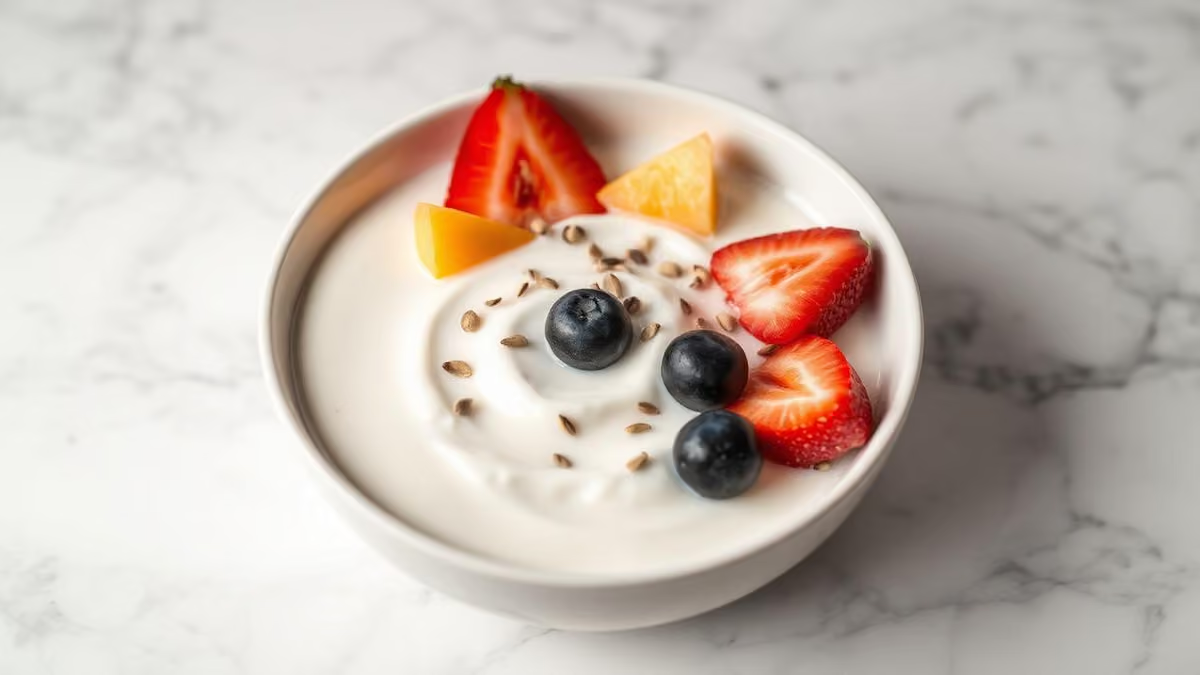
Yogurt is perhaps the most well-known probiotic food. Made from fermented milk, it contains live active cultures such as Lactobacillus acidophilus and Bifidobacterium lactis. These bacteria convert lactose into lactic acid, giving yogurt its tart flavor and thick texture, and making it easier to digest for many individuals who are lactose sensitive. When choosing yogurt, look for labels that explicitly state "live and active cultures" and opt for varieties with minimal added sugar. Greek yogurt offers higher protein and is often lower in lactose.
Kefir
Often described as drinkable yogurt, kefir is a fermented milk beverage with a tart taste. It's made by fermenting milk with kefir grains, a symbiotic culture of bacteria and yeasts (SCOBY). Kefir typically contains a wider variety of probiotic strains than yogurt, including Lactobacillus kefiranofaciens, Leuconostoc, and Acetobacter species, alongside various yeasts. Due to extensive fermentation, kefir is generally very low in lactose, making it a good option for lactose-sensitive individuals. Water kefir offers a non-dairy alternative.
Sauerkraut
This traditional German dish is made from finely shredded cabbage fermented by lactic acid bacteria, including Lactobacillus plantarum and Lactobacillus brevis. The fermentation process produces beneficial bacteria and increases the bioavailability of certain nutrients. Its high fiber content, combined with probiotics, makes it a potent digestive aid. Ensure you choose unpasteurized, refrigerated varieties to guarantee live cultures.
Kimchi
A staple in Korean cuisine, kimchi is a spicy, fermented vegetable dish, typically made with napa cabbage, radish, and seasonings like gochugaru, garlic, ginger, and scallions. Like sauerkraut, kimchi is an excellent source of diverse lactic acid bacteria, including various Lactobacillus species, and is packed with vitamins (A, C, and K) and antioxidants. Original, traditionally made kimchi contains live probiotics.
Miso
Miso is a traditional Japanese seasoning made from fermented soybeans, often with rice or barley. It's a key ingredient in miso soup. The fermentation process typically involves Aspergillus oryzae (koji mold), then subsequent fermentation by Lactobacillus and other bacteria. Miso contains beneficial bacteria and enzymes. Opt for unpasteurized miso to ensure live cultures are intact.
Tempeh
Another fermented soybean product, tempeh originated in Indonesia. It's a firm, nutty-flavored cake that offers a substantial source of protein and probiotics. The fermentation process with the fungus Rhizopus oligosporus binds soybeans into a compact block. This fermentation breaks down anti-nutrients present in raw soybeans, making tempeh easier to digest and enhancing nutrient absorption, particularly iron and zinc.
Kombucha
This effervescent, slightly tart beverage is made from fermented sweetened tea using a SCOBY (Symbiotic Culture Of Bacteria and Yeast). Kombucha contains a range of probiotic bacteria (like Acetobacter and Lactobacillus) and yeasts, as well as organic acids and antioxidants. The specific microbial composition can vary significantly. While popular, the specific strains and their viability are still areas of ongoing research.
Pickles (Fermented)
Not all pickles are created equal regarding probiotics. To get the gut-friendly benefits, choose naturally fermented pickles made in a salt and water brine, rather than vinegar. The lactic acid fermentation process results in the growth of beneficial Lactobacillus bacteria. Look for labels that say "fermented" or "lactic acid fermented" and are found in the refrigerated section, as shelf-stable varieties are typically made with vinegar and heat-processed, which destroys live cultures.
Important Considerations
- Variety is Key: Different probiotic foods contain different strains of bacteria, each offering unique benefits. A diverse diet will support a more diverse gut microbiome, which is associated with better health outcomes. Aim to include a range of fermented foods regularly.
- Unpasteurized Only: Heat processing like pasteurization destroys beneficial bacteria. Always choose unpasteurized versions of fermented foods for probiotic benefits. Read labels carefully.
- Start Slowly: If you're new to probiotic foods, introduce them gradually to avoid potential digestive discomfort, such as temporary gas or bloating. Begin with small portions and gradually increase.
- Prebiotics Matter Too: Probiotics thrive on prebiotics, which are non-digestible fiber compounds that act as food for beneficial bacteria. Including prebiotic-rich foods alongside probiotic foods creates a synergistic effect. Good sources include garlic, onions, leeks, asparagus, bananas, and oats.
- Mind Sugar Content: Many commercial probiotic foods can contain high amounts of added sugar. Opt for unsweetened or naturally sweetened options.
- Storage and Handling: To maintain the viability of live cultures, store probiotic-rich foods correctly, typically in the refrigerator. Always check product labels.
When to see a clinician
- Persistent or Worsening Digestive Symptoms: If you experience ongoing or severe bloating, gas, abdominal pain, diarrhea, or constipation after introducing probiotic foods, and these symptoms do not resolve or worsen, it's important to seek medical advice. These could indicate an underlying digestive issue or an adverse reaction that needs professional evaluation.
- Compromised Immune System: Individuals with weakened immune systems due to medical conditions (e.g., HIV/AIDS, cancer undergoing chemotherapy), organ transplants, or those taking immunosuppressive medications should consult their healthcare provider before significantly increasing their intake of probiotic foods. While rare, there is a theoretical risk of infection from live microorganisms in highly vulnerable individuals.
- Serious Underlying Health Conditions: If you have severe gastrointestinal diseases (such as inflammatory bowel disease in an active flare-up, short bowel syndrome), a central venous catheter, or have recently undergone major surgery, discuss probiotic food consumption with your clinician.
- Allergic Reactions: If you develop symptoms of an allergic reaction, such as hives, swelling, difficulty breathing, or a sudden, severe rash after consuming probiotic foods, seek immediate medical attention. Remember that many probiotic foods are dairy- or soy-based, which are common allergens.
- Unexplained Symptoms: Any new or unusual symptoms that appear after starting a regimen of probiotic foods, especially if they are severe or concerning, should prompt a visit to a clinician.
- Before Making Major Dietary Changes for Specific Health Issues: If you are considering using probiotic foods to manage a specific health condition (e.g., recurrent infections, mood disorders, severe IBS), it is crucial to consult your doctor or a registered dietitian. They can provide personalized advice.
Treatment and management options
Dietary Integration Strategy:
- Gradual Introduction: Start with small servings (e.g., a tablespoon of sauerkraut, a small cup of yogurt or kefir) and slowly increase the quantity and variety.
- Consistency is Key: To reap ongoing benefits, regular consumption of probiotic foods is more effective than sporadic intake. Aim to include at least one serving of a probiotic-rich food daily.
- Combine with Prebiotics: Maximize the impact by pairing probiotic foods with prebiotic-rich foods.
- Diversify Your Sources: Different fermented foods offer different strains and species of beneficial bacteria. Rotate your choices to foster a more diverse and resilient gut microbiome.
Management for Specific Conditions (in consultation with a clinician):
- Antibiotic-Associated Diarrhea: Consuming probiotic foods during and after antibiotic treatment can help restore beneficial gut bacteria and reduce the risk or severity of diarrhea.
- Irritable Bowel Syndrome (IBS): Certain individuals with IBS may find relief from symptoms like bloating, gas, and abdominal pain by regularly consuming specific probiotic-rich foods.
- Lactose Intolerance: Fermented dairy products like yogurt and kefir often have reduced lactose content, making them more tolerable for many lactose-sensitive individuals.
- Immune Support: Regular intake of probiotic foods may contribute to a stronger immune response, potentially reducing the frequency and severity of common infections.
Prevention and daily habits
Daily Habits for a Probiotic-Rich Lifestyle:
-
Morning Rituals:
- Yogurt or Kefir for Breakfast: Start your day with a serving of plain, unsweetened yogurt or kefir.
- Kombucha as a Beverage: Swap out sugary drinks for a glass of kombucha.
-
Lunch and Dinner Enhancements:
- Fermented Vegetables as Sides: Add a small serving of unpasteurized sauerkraut, kimchi, or fermented pickles to your meals.
- Miso in Soups and Dressings: Incorporate miso paste into your homemade salad dressings, marinades, or traditional miso soup.
- Tempeh as a Protein Source: Use tempeh in stir-fries, curries, or sandwiches as a versatile and probiotic-rich plant-based protein.
-
Smart Snacking:
- Yogurt or Kefir Smoothies: Blend probiotic-rich dairy with fruits and vegetables for a nutritious snack.
-
Beyond Probiotic Foods (Holistic Gut Health):
- Fiber-Rich Diet: Consume a wide variety of plant-based foods, which are excellent sources of dietary fiber (prebiotics).
- Hydration: Drink plenty of water.
- Minimize Processed Foods and Added Sugars: These can negatively impact the balance of your gut microbiome.
- Stress Management: Incorporate stress-reducing activities like meditation, yoga, or spending time in nature.
- Regular Physical Activity: Exercise has been linked to a more diverse and healthy gut microbiome.
- Adequate Sleep: Prioritize 7-9 hours of quality sleep.
- Prudent Use of Medications: Avoid unnecessary antibiotic use; discuss strategies with your clinician to support gut health when antibiotics are necessary.
Frequently asked questions
Q: What is the difference between prebiotics and probiotics?
A: Probiotics are live microorganisms that provide health benefits when consumed, essentially adding beneficial bacteria to your gut. Prebiotics, on the other hand, are non-digestible fibers that act as "food" for these beneficial bacteria, stimulating their growth and activity in the gut. Think of probiotics as the seeds and prebiotics as the fertilizer for your gut garden.
Q: Can I get enough probiotics from food, or do I need supplements?
A: For most healthy individuals, incorporating a variety of probiotic-rich foods into the diet is an excellent way to support gut health. Foods offer a diverse range of strains and often come with other beneficial nutrients. Probiotic supplements may be considered in specific situations, such as after antibiotic use or for certain health conditions, but this should always be discussed with a clinician to ensure the right strain and dosage are chosen for your particular needs.
Q: Are all fermented foods good sources of probiotics?
A: No, not all fermented foods contain live and active probiotic cultures. Some fermented foods, especially those that have been pasteurized (heat-treated) for shelf stability (like many store-bought pickles, sourdough bread, or some types of soy sauce), will have had their beneficial bacteria killed off. Always look for labels that explicitly state "live and active cultures" or "unpasteurized" and opt for refrigerated varieties when possible.
Q: Can probiotic foods cause side effects?
A: When first introduced, some individuals might experience mild digestive symptoms such as temporary gas, bloating, or abdominal discomfort as their gut microbiome adjusts. These symptoms usually subside within a few days or weeks. If symptoms are severe, persistent, or worsen, or if you have a compromised immune system or other serious health conditions, it's important to consult a clinician.
Q: How long does it take to see benefits from eating probiotic foods?
A: The timeframe for experiencing benefits can vary greatly among individuals and depends on factors like your initial gut health, the specific probiotic foods consumed, and consistency. Some people may notice subtle digestive improvements within a few days to weeks, while others might take longer to observe more pronounced effects on overall well-being. Consistent, long-term intake as part of a balanced diet is generally recommended for sustained benefits.
Key takeaways
- Probiotics are live microorganisms that, when consumed in adequate amounts, offer significant health benefits, primarily by balancing the gut microbiome.
- A healthy gut microbiome is crucial for digestion, immune function, nutrient absorption, and potentially even mood regulation via the gut-brain axis.
- Excellent dietary sources of probiotics include unpasteurized yogurt, kefir, sauerkraut, kimchi, miso, tempeh, kombucha, and naturally fermented pickles.
- To maximize benefits, choose unpasteurized foods with "live and active cultures," consume a variety of probiotic sources, and pair them with prebiotic-rich foods.
- Start introducing probiotic foods gradually to allow your digestive system to adjust and minimize potential, temporary discomfort like bloating or gas.
- While generally safe for most, individuals with compromised immune systems or serious underlying health conditions should consult a clinician before making significant dietary changes.
- Probiotic foods are a component of a healthful diet and should not replace medical treatment for specific diseases.
Disclaimer: This article is for informational purposes only and does not constitute medical advice. Always consult with a qualified healthcare professional before making any significant changes to your diet or health regimen, especially if you have underlying health conditions.
Related reading
Keep exploring this topic with our related, evidence-reviewed guides:
- Magnesium Sources Naturally: Evidence-Based Guide — Discover how to naturally boost your magnesium intake through diet for better health. Learn about the best food sources and their …
- Natural Sleep Aids: Evidence-Based Guide — Discover natural approaches to improve sleep quality using evidence-backed remedies. Learn about herbs, supplements, and lifestyle…
- Salt Water Gargle Benefits: Evidence-Based Guide — Discover the long-standing benefits of saltwater gargling for oral hygiene and alleviating minor throat discomfort, a simple yet e…
- Ginger as Natural Medicine: Evidence-Based Guide — Ginger, a common spice, boasts a long history in traditional medicine for its potential to alleviate various ailments. Modern rese…
- Herbal Teas for Digestion: Evidence-Based Guide — Discover the soothing power of herbal teas for digestive health. This article explores safe, evidence-based options to calm your g…
- Lemon Water Benefits: Evidence-Based Guide — Discover the potential health benefits of incorporating lemon water into your daily routine, from hydration to vitamin C intake an…
Sources
- World Health Organization (WHO)
- Centers for Disease Control and Prevention (CDC)
- National Institutes of Health (NIH)
- American Heart Association (AHA)
- National Health Service (NHS)
- Cochrane Library
- Mayo Clinic
Sources
Evidence & citations
- Every claim in this natural remedies guide is backed by primary data — browse the evidence on natural remedies and chronic disease data in our sourced statistics library.
- Writing about this topic? Researchers, journalists and educators can cite our natural remedies research with ready-made APA, MLA and Chicago references.
My notes on this one
The short version of 7 minutes of reading — what stuck with me while writing “Probiotics Foods Guide: Evidence-Based Guide”, what the sources back up, and what I'd actually do about it.
What I'd take away
01 · Understanding Probiotics and Gut Health
Producing Vitamins: Some probiotic strains synthesize B vitamins (such as B12, folate, and biotin) and vitamin K. These vitamins play crucial roles in energy metabolism, red blood cell formation…
02 · Symptoms and warning signs
Allergies and sensitivities: Some probiotic foods contain common allergens (e.g., dairy in yogurt and kefir, soy in miso and tempeh). Always check ingredients if you have known allergies.
03 · Yogurt
These bacteria convert lactose into lactic acid, giving yogurt its tart flavor and thick texture, and making it easier to digest for many individuals who are lactose sensitive.
04 · Kefir
Kefir typically contains a wider variety of probiotic strains than yogurt, including Lactobacillus kefiranofaciens, Leuconostoc, and Acetobacter species, alongside various yeasts.
05 · Sauerkraut
This traditional German dish is made from finely shredded cabbage fermented by lactic acid bacteria, including Lactobacillus plantarum and Lactobacillus brevis.
What the sources I read actually say
Probiotic supplements may be considered in specific situations, such as after antibiotic use or for certain health conditions…
Mayo Clinic — Patient Care & Health Information
If you only do one thing this week
- Adequate Sleep — Prioritize 7-9 hours of quality sleep.
- Start Slowly — If you're new to probiotic foods, introduce them gradually to avoid potential digestive discomfort, such as temporary gas or bloating…
Pick the one that fits your week. None of this replaces advice from a clinician who can actually examine you.
Questions I kept coming back to
What is the difference between prebiotics and probiotics?+
Probiotics are live microorganisms that provide health benefits when consumed, essentially adding beneficial bacteria to your gut. Prebiotics, on the other hand, are non-digestible fibers that act as "food" for these beneficial bacteria, stimulating their growth and activity in the gut. Think of probiotics as the seeds and prebiotics as the fertilizer for your gut garden.
Can I get enough probiotics from food, or do I need supplements?+
For most healthy individuals, incorporating a variety of probiotic-rich foods into the diet is an excellent way to support gut health. Foods offer a diverse range of strains and often come with other beneficial nutrients. Probiotic supplements may be considered in specific situations, such as after antibiotic use or for certain health conditions…
Are all fermented foods good sources of probiotics?+
No, not all fermented foods contain live and active probiotic cultures. Some fermented foods, especially those that have been pasteurized (heat-treated) for shelf stability (like many store-bought pickles, sourdough bread, or some types of soy sauce), will have had their beneficial bacteria killed off…
Can probiotic foods cause side effects?+
When first introduced, some individuals might experience mild digestive symptoms such as temporary gas, bloating, or abdominal discomfort as their gut microbiome adjusts. These symptoms usually subside within a few days or weeks. If symptoms are severe, persistent, or worsen, or if you have a compromised immune system or other serious health conditions, it's important to consult a clinician.
How long does it take to see benefits from eating probiotic foods?+
The timeframe for experiencing benefits can vary greatly among individuals and depends on factors like your initial gut health, the specific probiotic foods consumed, and consistency. Some people may notice subtle digestive improvements within a few days to weeks, while others might take longer to observe more pronounced effects on overall well-being. Consistent…
Was this article helpful?
Be the first to rate this article.
Written by
FaizRuh
I write Health Hub Pro on my own — no clinical licence, no anonymous review panel. Just the published guidance, read carefully and explained plainly.
More about me →How this page was checked
Every claim above is checked against the sources listed at the bottom of this article — WHO, CDC, NIH, NHS, Cochrane and major clinical guidelines. Drafting is AI-assisted; the editing, fact-checking and final wording are mine. It's information, not medical advice. Spotted an error? Tell me and I'll fix it.
Last checked on