
Probiotics Foods Guide
Discover how probiotic-rich foods can enhance your gut health and overall well-being. This guide explores the best sources and benefits of these beneficial microorganisms.
For informational purposes only. This article is educational and is not a substitute for professional medical advice, diagnosis, or treatment. Always consult a qualified healthcare provider about anything affecting your health. Read full disclaimer.
Probiotics Foods Guide
Nourishing your body from the inside out often begins with the gut, a complex ecosystem teeming with trillions of microorganisms. Among these, probiotics play a pivotal role in maintaining health. Probiotics are live microorganisms that, when administered in adequate amounts, confer a health benefit on the host, as defined by the World Health Organization. Integrating probiotic-rich foods into your diet is a natural and delicious way to support your digestive system, immune function, and potentially even mood.
Understanding Probiotics and Gut Health
The human gut microbiome is a diverse community of bacteria, viruses, fungi, and other microbes. A balanced microbiome, with a healthy ratio of beneficial to harmful bacteria, is crucial for various bodily functions. Probiotics contribute to this balance by:
- Improving Digestion: They help break down food, absorb nutrients, and can alleviate symptoms like bloating, gas, and constipation.
- Boosting Immunity: A significant portion of the immune system resides in the gut. Probiotics can strengthen the gut barrier and modulate immune responses.
- Producing Vitamins: Some probiotic strains synthesize B vitamins and vitamin K.
- Influencing Mood: Emerging research suggests a strong connection between gut health and brain function, often referred to as the gut-brain axis, with probiotics potentially playing a role in mental well-being.
Top Probiotic-Rich Foods to Incorporate into Your Diet
Many fermented foods are natural sources of probiotics. The fermentation process not only preserves food but also introduces beneficial bacteria. Here are some excellent options:
Yogurt
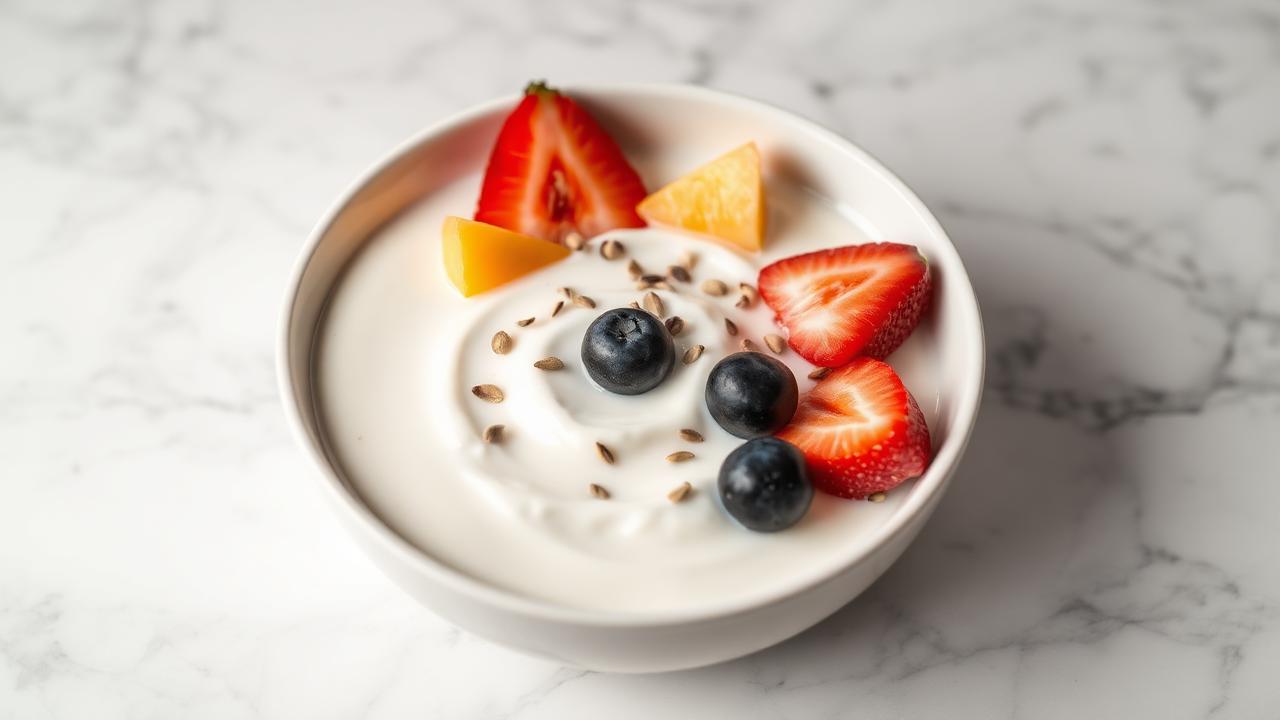
Yogurt is perhaps the most well-known probiotic food. Made from fermented milk, it contains live active cultures such as Lactobacillus acidophilus and Bifidobacterium lactis. When choosing yogurt, look for labels that explicitly state "live and active cultures" and opt for varieties with minimal added sugar. Greek yogurt, in particular, offers a higher protein content.
Kefir
Often described as drinkable yogurt, kefir is a fermented milk beverage with a tart, refreshing taste. It's made by fermenting milk with kefir grains, which are a symbiotic culture of bacteria and yeasts. Kefir typically contains a wider variety of probiotic strains than yogurt and can be a good option for individuals who are lactose sensitive, as the fermentation process breaks down much of the lactose.
Sauerkraut
This traditional German dish is made from fermented cabbage. Unpasteurized sauerkraut is rich in various lactic acid bacteria, including Lactobacillus plantarum. Its high fiber content, combined with probiotics, makes it a potent digestive aid. Ensure you choose unpasteurized, refrigerated varieties to guarantee the presence of live cultures, as pasteurization kills beneficial bacteria.
Kimchi
A staple in Korean cuisine, kimchi is a spicy, fermented vegetable dish, typically made with napa cabbage, radish, and various seasonings. Like sauerkraut, kimchi is an excellent source of diverse lactic acid bacteria and is packed with vitamins and antioxidants. Original, traditionally made kimchi will contain live probiotics.
Miso
Miso is a traditional Japanese seasoning made from fermented soybeans, often with rice or barley. It's a key ingredient in miso soup and adds an umami flavor to dishes. Miso contains beneficial bacteria like Aspergillus oryzae (koji mold), which contributes to its probiotic properties. Opt for unpasteurized miso to ensure the live cultures are intact.
Tempeh
Another fermented soybean product, tempeh originated in Indonesia. It's a firm, nutty-flavored cake that offers a substantial source of protein and probiotics. The fermentation process with the fungus Rhizopus oligosporus breaks down anti-nutrients in soybeans, making tempeh easier to digest and enhancing nutrient absorption.
Kombucha
This effervescent, slightly tart beverage is made from fermented sweetened tea using a SCOBY (Symbiotic Culture Of Bacteria and Yeast). Kombucha contains a range of probiotic bacteria and yeasts, as well as organic acids and antioxidants. While widely popular, the specific strains and their viability can vary significantly between brands and homemade batches.
Pickles (Fermented)
Not all pickles are created equal when it comes to probiotics. To get the gut-friendly benefits, choose naturally fermented pickles that are made in a salt and water brine, rather than vinegar. Look for labels that say "fermented" or "lactic acid fermented" and are found in the refrigerated section.
Important Considerations
When incorporating probiotic foods into your diet, remember these points:
- Variety is Key: Different probiotic foods contain different strains of bacteria, each offering unique benefits. A diverse diet will support a more diverse gut microbiome.
- Unpasteurized Only: Heat processing like pasteurization destroys beneficial bacteria. Always choose unpasteurized versions of fermented foods for probiotic benefits.
- Start Slowly: If you're new to probiotic foods, introduce them gradually to avoid potential digestive discomfort.
- Prebiotics Matter Too: Probiotics thrive on prebiotics, which are non-digestible fiber compounds that act as food for beneficial bacteria. Good sources include garlic, onions, leeks, asparagus, bananas, and oats.
Incorporating these delicious and healthful foods into your daily routine can be a simple yet powerful step towards improving your digestive health and overall well-being. By nurturing your gut, you're investing in your entire body.
Disclaimer: This article is for informational purposes only and does not constitute medical advice. Always consult with a qualified healthcare professional before making any significant changes to your diet or health regimen, especially if you have underlying health conditions.
Related reading
- Chamomile Tea Benefits — Discover the soothing benefits of chamomile tea, a popular herbal remedy known for its calming properties. This article …
- The Wellness Power of Journaling — Discover how journaling can significantly enhance your mental and emotional well-being. This article explores the scient…
- Mindfulness for Beginners — Discover how mindfulness can reduce stress, improve focus, and enhance overall well-being. This beginner's guide provide…
- Posture Exercises for Office Workers — Discover simple yet effective posture exercises tailored for office workers to combat the negative effects of prolonged …
- Cold Exposure Benefits Explained — Discover the potential health benefits of cold exposure, from boosting metabolism to improving mood and immune function.…
Written by
Health Hub Pro Editorial
Health writer at Health Hub Pro, focused on evidence-based, Sharia-conscious wellness.
View author profile →