Steam Inhalation Guide
Discover the benefits and safe practices of steam inhalation for respiratory relief. This guide covers how to perform steam inhalation effectively and its potential uses for various conditions.
For informational purposes only. This article is educational and is not a substitute for professional medical advice, diagnosis, or treatment. Always consult a qualified healthcare provider about anything affecting your health. Read full disclaimer.
Steam Inhalation Guide
Steam inhalation, a time-honored home remedy, involves inhaling warm, moist air to help relieve symptoms of respiratory conditions. Often used for colds, flu, and sinus congestion, this simple method can provide temporary comfort by loosening mucus and soothing irritated airways. In many cultures, it's a first-line approach for improving breathing and reducing discomfort during illness.
How Steam Inhalation Works
The primary mechanism behind steam inhalation's effectiveness is the warmth and moisture it delivers directly to the respiratory tract. When you inhale steam, the warm water vapor helps to thin and loosen mucus in your nasal passages, throat, and lungs. This makes it easier to cough up or blow out the mucus, providing relief from congestion. The moisture also helps to soothe dry and irritated airways, which can be particularly beneficial during a cold or when suffering from a dry cough.
Moreover, the warmth can help to relax the muscles in your airways, potentially reducing coughing spasms. While steam inhalation does not cure infections, it can significantly alleviate the bothersome symptoms, making breathing more comfortable and promoting a sense of well-being during illness.
Benefits and Uses of Steam Inhalation
Steam inhalation is commonly used for a variety of conditions, predominantly those affecting the upper respiratory tract:
- Common Cold and Flu: Helps to clear nasal passages, relieve sore throats, and ease coughing by thinning mucus.
- Sinusitis: Can help open up blocked sinuses, reduce pressure, and facilitate drainage.
- Bronchitis: May provide temporary relief from chest congestion and coughing.
- Allergies: For individuals experiencing nasal congestion and irritation due to allergens, steam can offer soothing relief.
- Dry Cough: The moist air can help to lubricate dry airways, reducing irritation and the urge to cough.
While largely beneficial for symptomatic relief, it's important to understand that steam inhalation treats symptoms, not the underlying cause of an infection. It's a complementary therapy and should not replace medical treatment if required.
How to Perform Steam Inhalation Safely
Performing steam inhalation safely is crucial to avoid burns. Here’s a step-by-step guide:
- Gather Supplies: You will need a large bowl, a towel, hot water, and optionally, essential oils (see considerations below).
- Prepare the Water: Boil water and carefully pour it into the bowl. Let it cool for a minute or two to ensure it's not scalding hot, which can cause burns. The water should be steaming, but not actively boiling.
- Position Yourself: Sit comfortably at a table. Place the bowl of hot water on a stable surface.
- Create a Tent: Lean over the bowl, keeping your face at least 8-12 inches (20-30 cm) away from the water to prevent burns. Drape the towel over your head and the bowl, creating a tent that traps the steam.
- Inhale: Close your eyes to protect them from irritation. Breathe deeply and slowly through your nose and mouth for 5-10 minutes. If you feel uncomfortable or too hot, lift the towel to let in some fresh air.
Frequency: You can repeat steam inhalation 2-3 times a day, or as needed, to relieve symptoms.
Essential Oils in Steam Inhalation
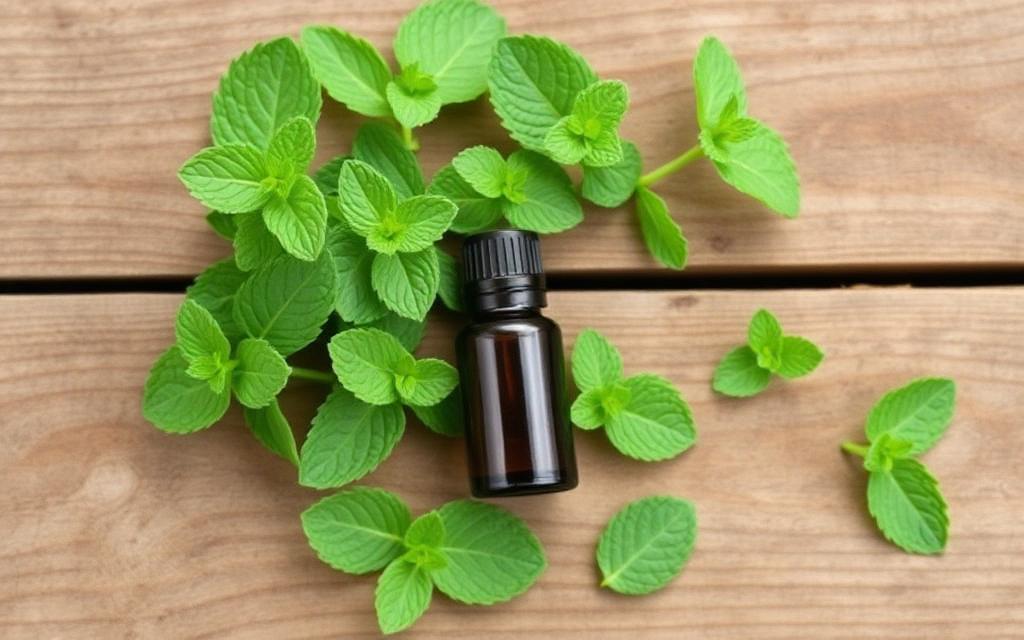
Some people add essential oils like eucalyptus, peppermint, or tea tree oil to their steam inhalation for added benefits. These oils contain compounds that can further help to clear airways or have antimicrobial properties. However, there are important considerations:
- Always Dilute: Add only 1-2 drops of essential oil to the hot water. Never apply concentrated essential oils directly to the skin or ingest them.
- Patch Test: If you have sensitive skin or a history of allergies, perform a patch test with diluted essential oil before inhaling.
- Children and Pregnant Individuals: Exercise extreme caution or avoid using essential oils with young children, infants, and pregnant or breastfeeding individuals, as some oils can be harmful. Always consult a healthcare provider before use.
- Asthma: Individuals with asthma should be cautious, as some strong scents can trigger respiratory distress.
If you choose not to use essential oils, plain steam is still highly effective and safe.
Important Safety Precautions
While generally safe, it's vital to follow precautions to prevent injuries, particularly burns:
- Never use boiling water: Allow the water to cool slightly before leaning over it.
- Maintain adequate distance: Keep your face a safe distance away from the hot water.
- Supervise children: Never leave children unattended around hot water or during steam inhalation sessions. It's often recommended to avoid traditional bowl-and-towel methods for young children and instead use a warm, steamy bathroom.
- Discontinue if uncomfortable: If you experience dizziness, increased coughing, or any discomfort, stop immediately.
- Avoid for certain conditions: Individuals with certain medical conditions, such as severe heart conditions or neurological disorders where sensations might be impaired, should consult a doctor before using steam inhalation.
When to See a Doctor
While steam inhalation can provide symptomatic relief, it's important to seek medical attention if your symptoms worsen, persist for more than a few days, or if you experience:
- High fever
- Difficulty breathing or wheezing
- Chest pain
- Severe sore throat
- Symptoms that are not improving after several days of home remedies
Steam inhalation is a simple, natural remedy that can offer considerable comfort during respiratory illnesses. By understanding its benefits and adhering to safety guidelines, you can effectively use this method to ease your symptoms and breathe a little easier.
Disclaimer: This article is for informational purposes only and does not constitute medical advice. Always consult with a qualified healthcare professional before starting any new treatment or if you have any questions about a medical condition. This information should not be used for diagnosing or treating a health problem or disease.
Related reading
- Bone Broth Benefits — Discover the potential health benefits of bone broth, a nutrient-rich liquid celebrated for its traditional uses in supp…
- Coconut Oil Uses — Discover the potential benefits of coconut oil, a versatile natural remedy often lauded for its diverse uses in health, …
- Hydrotherapy and Wellness — Discover the therapeutic benefits of hydrotherapy, using water for pain relief, muscle relaxation, and overall wellness.…
- Epsom Salt Bath Benefits — Discover the potential benefits of Epsom salt baths, from muscle relaxation to stress reduction, and learn how to incorp…
- Lemon Water Benefits — Discover the potential health benefits of incorporating lemon water into your daily routine, from hydration to vitamin C…
Written by
Health Hub Pro Editorial
Health writer at Health Hub Pro, focused on evidence-based, Sharia-conscious wellness.
View author profile →