Fiber and Gut Health: How to Reach Your Daily Target
A practical, evidence-informed guide to dietary fiber — what matters, what works, common mistakes, and when to consult a professional.
For informational purposes only. This article is educational and is not a substitute for professional medical advice, diagnosis, or treatment. Always consult a qualified healthcare provider about anything affecting your health. Read full disclaimer.
Fiber and Gut Health: How to Reach Your Daily Target
(Not medical or veterinary advice — consult a qualified clinician or veterinarian for personal guidance.)
Introduction
Dietary fiber, a component of plant-based foods, plays a fundamental role in human health, particularly in maintaining a healthy digestive system. Often referred to as roughage or bulk, fiber is unique because it is not digested or absorbed by the body. Instead, it travels relatively intact through the stomach, small intestine, and colon, performing various essential functions along the way. Its presence in the diet is critical not just for regular bowel movements, but also for a multitude of other physiological processes that contribute to overall well-being. Understanding fiber's role and how to consistently incorporate it into daily eating patterns is a cornerstone of a balanced and health-promoting diet. This article will explore the importance of fiber for gut health, provide practical strategies to increase intake, and address common challenges.
Why this matters
The significance of dietary fiber extends far beyond simply aiding digestion. A diet rich in fiber has been associated with numerous health benefits, making it a vital nutrient for preventive health and the management of various conditions.
Firstly, fiber is crucial for maintaining a healthy gut microbiome. The gut microbiota, a complex community of microorganisms residing in the digestive tract, thrives on fiber. Specific types of fiber act as prebiotics, serving as food for beneficial gut bacteria. When these bacteria ferment fiber, they produce short-chain fatty acids (SCFAs) like butyrate, acetate, and propionate. These SCFAs are not only a primary energy source for colon cells but also play roles in immune function, inflammation regulation, and potentially even mood regulation. A diverse and balanced gut microbiome is increasingly recognized as central to overall health, influencing everything from nutrient absorption to immune response.
Beyond the microbiome, fiber directly impacts digestive function. Insoluble fiber, which does not dissolve in water, adds bulk to stool, helping it pass more easily through the intestines. This can prevent constipation and promote regularity. Soluble fiber, which dissolves in water to form a gel-like substance, can help to soften stool and may also slow down the absorption of glucose, which can be beneficial for blood sugar management. This dual action of fiber types contributes to a well-functioning digestive system.
Furthermore, adequate fiber intake is linked to a reduced risk of certain non-communicable diseases. For example, studies have shown that high fiber diets can contribute to better blood sugar control, which is particularly important for individuals managing or at risk of type 2 diabetes. Fiber can slow the absorption of sugar into the bloodstream, preventing sharp spikes. It also plays a role in cardiovascular health by helping to reduce levels of low-density lipoprotein (LDL) cholesterol, sometimes referred to as "bad" cholesterol. Soluble fiber, in particular, can bind to cholesterol particles in the digestive tract, preventing their absorption and aiding in their excretion. Additionally, a higher intake of fiber-rich foods, which are often nutrient-dense and lower in calories, can contribute to a feeling of fullness, potentially aiding in weight management by reducing overall calorie intake. Some research also suggests a link between high fiber consumption and a reduced risk of certain types of cancer, particularly colorectal cancer.
In summary, prioritizing fiber in the diet is a proactive step towards supporting digestive health, nurturing the gut microbiome, and potentially mitigating the risk of several chronic health issues. Its multifaceted benefits underscore its importance as a cornerstone of a healthy dietary pattern.
(Mayo Clinic, NIH, WHO)
Key principles (evidence-informed)
Achieving optimal fiber intake involves understanding its types, recommended amounts, and the best dietary sources.
Fiber is broadly categorized into two main types: soluble and insoluble. While most plant foods contain a mix of both, understanding their primary functions can guide dietary choices.
- Soluble fiber dissolves in water to form a gel-like material. It is known to help lower blood cholesterol and glucose levels. Foods rich in soluble fiber include oats, peas, beans, apples, citrus fruits, carrots, barley, and psyllium. This type of fiber contributes to softer stool consistency.
- Insoluble fiber does not dissolve in water. It adds bulk to stool and helps food pass more quickly through the stomach and intestines. This is particularly beneficial for preventing constipation and promoting regular bowel movements. Good sources of insoluble fiber include whole-wheat flour, wheat bran, nuts, beans, and vegetables like cauliflower, green beans, and potatoes.
The recommended daily fiber intake varies slightly by age and gender. Generally, health organizations like the National Academy of Medicine (formerly the Institute of Medicine) recommend that adult women aim for about 25 grams of fiber per day, and adult men aim for about 38 grams per day. For individuals over 50, recommendations often decrease slightly, to around 21 grams for women and 30 grams for men, due to potentially lower caloric needs. However, average intake in many populations often falls short of these recommendations.
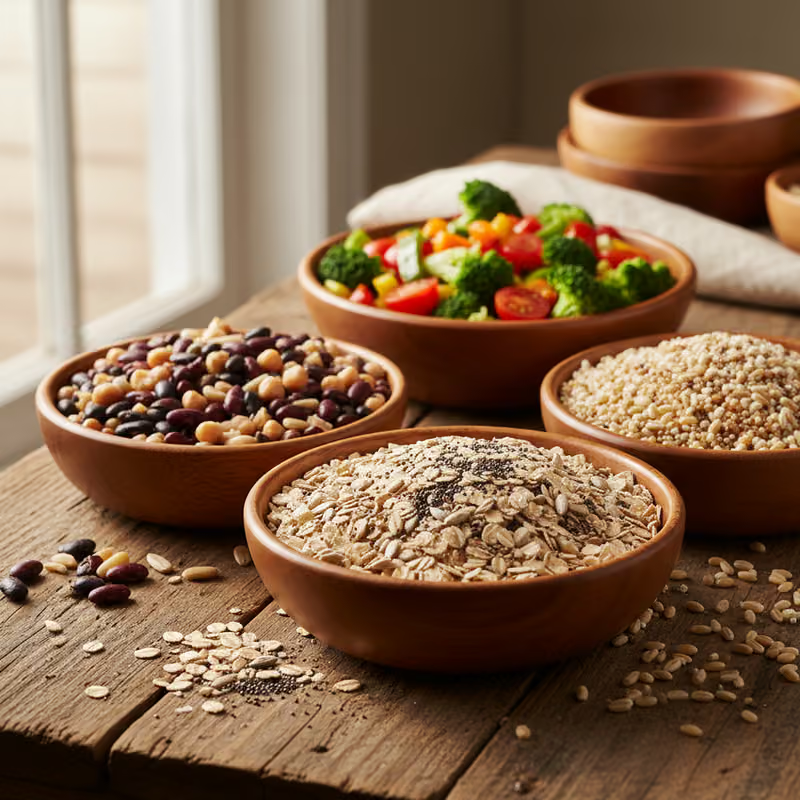
Dietary fiber should primarily come from whole, unprocessed plant foods rather than supplements, as whole foods provide a synergistic array of other beneficial nutrients, vitamins, minerals, and antioxidants. Key food groups that are excellent sources of fiber include:
- Fruits: Apples (with skin), pears (with skin), berries, bananas, oranges.
- Vegetables: Broccoli, carrots, Brussels sprouts, spinach, artichokes, sweet potatoes, leafy greens.
- Legumes: Lentils, black beans, kidney beans, chickpeas, split peas.
- Whole Grains: Oats, quinoa, brown rice, whole-wheat bread, whole-grain pasta, barley.
- Nuts and Seeds: Almonds, chia seeds, flax seeds, sunflower seeds, pumpkin seeds.
When increasing fiber intake, it's important to do so gradually. A rapid increase can lead to digestive discomfort such as bloating, gas, and abdominal cramping. Introducing fiber slowly allows the digestive system and gut microbiome to adapt. It is also crucial to increase water intake alongside fiber. Fiber absorbs water, and without adequate hydration, it can exacerbate constipation rather than alleviate it. Aiming for at least 8 glasses of water daily is a good general guideline, adjusted for individual needs and activity levels.
(WHO, CDC, NHS, NIH)
Practical daily habits
Incorporating more fiber into your diet doesn't require a complete overhaul of your eating habits; often, small, consistent changes can make a significant difference. Here are practical strategies to help reach your daily fiber target:
Start the day with fiber-rich options
Breakfast is an excellent opportunity to front-load your fiber intake.
- Oatmeal or Whole-Grain Cereal: Choose unsweetened oatmeal or whole-grain cereals with at least 5 grams of fiber per serving.
- Add Fruits and Nuts: Top your cereal, yogurt, or smoothies with berries, sliced apples, bananas, or a sprinkle of chia seeds, flax seeds, or almonds.
- Whole-Wheat Toast: Opt for whole-wheat bread over white bread and pair it with avocado or a nut butter.
Incorporate legumes regularly
Legumes are powerhouse sources of both soluble and insoluble fiber.
- Soups and Stews: Add lentils, chickpeas, or kidney beans to your favorite soups and stews.
- Salads: Sprinkle canned (rinsed) black beans or chickpeas into salads for an extra boost.
- Main Dishes: Use beans as a base for vegetarian chili, tacos, or as a side dish. Hummus, made from chickpeas, is a versatile dip or spread.
Choose whole grains over refined grains
This is one of the simplest yet most effective changes.
- Bread and Pasta: Switch from white bread and regular pasta to whole-wheat or whole-grain versions.
- Rice: Opt for brown rice, wild rice, or quinoa instead of white rice.
- Snacks: Choose whole-grain crackers or popcorn (air-popped) over refined grain snacks.
Boost fiber in fruits and vegetables
Maximize your intake by making smart choices and preparation methods.
- Eat the Skin: Many fruits and vegetables, like apples, pears, potatoes, and cucumbers, have significant fiber in their skins. Wash thoroughly and eat the skin whenever possible.
- Include Vegetables in Every Meal: Add extra vegetables to omelets, sandwiches, stir-fries, and sauces. Aim for a colorful variety to ensure a broad spectrum of nutrients and fiber types.
- Snack on Produce: Keep cut-up vegetables (carrots, celery, bell peppers) and fruits (apples, oranges, berries) readily available for quick, fiber-rich snacks.
Utilize nuts and seeds
Nuts and seeds are convenient and nutrient-dense fiber sources.
- Sprinkle Everywhere: Add a tablespoon of chia seeds, flax seeds, or hemp hearts to yogurt, smoothies, salads, or oatmeal.
- Snack Smart: A small handful of almonds, walnuts, or pistachios makes for a satisfying and fiber-rich snack.
- Nut Butters: Choose natural nut butters with no added sugar and spread them on whole-grain toast or pair with fruit.
Stay hydrated
As mentioned earlier, increasing fiber intake must be accompanied by increased fluid intake. Fiber absorbs water, and without enough liquid, it can lead to constipation.
- Water First: Make water your primary beverage choice throughout the day.
- Herbal Teas: Unsweetened herbal teas can also contribute to fluid intake.
By implementing a few of these habits consistently, you can gradually and effectively increase your daily fiber intake, supporting optimal gut health and overall well-being.
Common mistakes to avoid
While increasing fiber intake is beneficial, certain approaches can negate its advantages or lead to discomfort. Being aware of these common pitfalls can help ensure a smooth transition to a higher-fiber diet.
Increasing fiber too quickly
This is perhaps the most common mistake. A sudden, dramatic increase in fiber can overwhelm the digestive system, leading to uncomfortable side effects such as bloating, gas, abdominal cramps, and even diarrhea or constipation. The gut microbiota needs time to adapt to new fiber sources and increased amounts.
- Solution: Introduce fiber gradually over several weeks. Start by adding one new high-fiber food per day or slightly increasing the portion size of existing fiber-rich foods. For example, if you typically eat a small serving of vegetables, try adding a little more.
Insufficient water intake
Fiber, particularly soluble fiber, absorbs water in the digestive tract. If you increase your fiber intake without also increasing your fluid intake, the fiber can form a dense, hard mass, making stool difficult to pass and potentially exacerbating constipation.
- Solution: Ensure you are drinking plenty of water throughout the day. A general guideline is to aim for at least 8 glasses (approximately 2 liters) of water daily, and even more when increasing fiber. Herbal teas and other non-caloric, non-caffeinated beverages can also contribute to fluid intake.
Relying solely on fiber supplements
While fiber supplements can be helpful in specific circumstances or when dietary intake is challenging, they should not be the primary source of fiber. Whole foods provide a complex matrix of nutrients, including vitamins, minerals, antioxidants, and various types of fiber, which work synergistically to promote health. Supplements typically contain one or a limited number of fiber types.
- Solution: Prioritize whole food sources of fiber—fruits, vegetables, legumes, whole grains, nuts, and seeds. Use supplements only as a temporary measure or under professional guidance to bridge gaps in dietary intake.
Ignoring individual tolerance
Everyone's digestive system is unique, and some individuals may be more sensitive to certain types or amounts of fiber. For example, some people find high amounts of insoluble fiber from certain vegetables cause more gas, while others may react to specific fermentable carbohydrates (FODMAPs) found in some high-fiber foods.
- Solution: Pay attention to how your body responds to different fiber sources. If a particular food causes discomfort, reduce its portion or try other fiber-rich alternatives. Listen to your body and adjust your intake accordingly.
Not reading food labels
Many processed foods marketing themselves as "high fiber" may still contain significant amounts of added sugars, unhealthy fats, or refined grains. The fiber may be added in the form of isolated fibers, which may not provide the same broad benefits as naturally occurring fiber in whole foods.
- Solution: Always check the nutrition facts label. Look for foods that list whole grains, fruits, vegetables, or legumes as primary ingredients. Aim for products with at least 3-5 grams of fiber per serving, and be mindful of added sugars and unhealthy fats.
Focusing on only one type of fiber
A healthy diet includes a balance of both soluble and insoluble fiber. Focusing exclusively on one type might lead to suboptimal digestive benefits. For instance, too much insoluble fiber without enough soluble fiber might be too harsh for some systems.
- Solution: Incorporate a wide variety of plant foods into your diet. This naturally provides a balance of both soluble and insoluble fibers, as most plant foods contain a mix of both.
By avoiding these common mistakes, individuals can more effectively and comfortably increase their fiber intake, reaping the full spectrum of benefits for gut health and overall well-being.
When to see a professional
While increasing dietary fiber is generally beneficial for health, there are specific circumstances when it is advisable to consult a healthcare professional. A clinician can provide personalized guidance, rule out underlying conditions, and help manage potential challenges.
1. Persistent Digestive Symptoms: If you experience chronic or worsening digestive issues such as severe bloating, gas, abdominal pain, persistent constipation, chronic diarrhea, or significant changes in bowel habits, it's important to consult a doctor. These symptoms could indicate an underlying digestive disorder (e.g., Irritable Bowel Syndrome (IBS), Inflammatory Bowel Disease (IBD), diverticulitis, or celiac disease) that requires specific medical management, potentially including dietary modifications guided by a dietitian or physician.
2. Before Making Major Dietary Changes with Existing Conditions: Individuals with pre-existing medical conditions should consult their doctor or a registered dietitian before making significant changes to their fiber intake.
- Gastrointestinal Conditions: If you have IBD (Crohn's disease or ulcerative colitis), diverticulitis, or a history of bowel obstructions, high fiber intake, especially certain types of fiber, might need to be carefully managed or restricted during flare-ups.
- Diabetes: While fiber generally benefits blood sugar control, extreme dietary changes should be coordinated with your healthcare team to ensure they align with your medication and treatment plan.
- Kidney Disease: Individuals with certain stages of kidney disease may need to monitor or restrict intake of certain nutrients, including fiber, based on specific medical advice.
3. If Experiencing Adverse Reactions to Increased Fiber: If, despite gradual introduction and adequate hydration, you experience severe or persistent side effects such as intractable bloating, severe gas, significant abdominal discomfort, or worsening constipation or diarrhea, seek professional advice. A professional can help identify the specific food triggers or adjust your fiber goals.
4. Considering Fiber Supplements for Medical Reasons: If you are thinking of using fiber supplements for a specific medical condition (e.g., managing chronic constipation, cholesterol reduction, or blood sugar control), consult your doctor first. They can recommend the appropriate type and dosage of supplement, ensuring it doesn't interact with medications or exacerbate other conditions.
5. Unexplained Weight Changes: If you are experiencing unexplained weight loss or gain in conjunction with digestive symptoms or dietary changes, it warrants medical evaluation.
6. Suspected Nutrient Deficiencies: While rare, excessive fiber intake without proper nutritional balance could theoretically impact the absorption of some minerals. If you have concerns about nutrient deficiencies, a healthcare provider can assess your status.
A registered dietitian or a physician can offer tailored advice on the amount and types of fiber best suited for your individual health needs and medical history. They can help you navigate dietary changes safely and effectively, ensuring you meet your nutritional requirements without adverse effects.
(NIH, NHS, Mayo Clinic)
Frequently asked questions
What is the difference between soluble and insoluble fiber?
Soluble fiber dissolves in water to form a gel-like substance. It can help lower blood cholesterol and glucose levels. Foods like oats, peas, beans, apples, and citrus fruits are rich in soluble fiber. Insoluble fiber does not dissolve in water. It adds bulk to stool and helps food pass more quickly through the digestive system, which is beneficial for preventing constipation. Whole-wheat flour, wheat bran, nuts, and many vegetables are good sources of insoluble fiber. Most plant foods contain a mix of both.
How much fiber do I need daily?
The recommended daily fiber intake varies slightly by age and gender. Generally, adult women should aim for about 25 grams per day, and adult men for about 38 grams per day. For individuals over 50, the recommendations are often slightly lower: around 21 grams for women and 30 grams for men. It's important to increase fiber intake gradually and ensure adequate fluid consumption.
Can fiber help with weight management?
Yes, fiber can play a role in weight management. Fiber-rich foods tend to be more filling due to their bulk and the time they take to digest, which can help reduce overall calorie intake by promoting a feeling of fullness and satiety. Additionally, many high-fiber foods are naturally lower in calories and nutrient-dense, contributing to a balanced diet that supports a healthy weight.
What are the best food sources of fiber?
Excellent food sources of fiber include a wide variety of plant-based foods. This includes fruits (e.g., berries, apples, pears), vegetables (e.g., broccoli, carrots, leafy greens), legumes (e.g., lentils, beans, chickpeas), whole grains (e.g., oats, quinoa, brown rice, whole-wheat bread), and nuts and seeds (e.g., almonds, chia seeds, flax seeds). Eating a diverse range of these foods helps ensure you get both soluble and insoluble fiber.
What happens if I eat too much fiber too quickly?
Eating too much fiber too quickly, especially without increasing fluid intake, can lead to uncomfortable digestive symptoms. These may include bloating, excessive gas, abdominal cramping, and either constipation or diarrhea. It is crucial to increase fiber intake gradually over several weeks to allow your digestive system and gut microbiome to adapt. Simultaneously, ensure you are drinking plenty of water to help the fiber pass smoothly through your system.
Key takeaways
- Fiber is Essential for Gut Health: Dietary fiber is crucial for a healthy digestive system, promoting regular bowel movements and nurturing a diverse gut microbiome that produces beneficial short-chain fatty acids.
- Broader Health Benefits: Adequate fiber intake is linked to reduced risk of chronic diseases, including improved blood sugar control, lower cholesterol levels, better weight management, and potentially a reduced risk of certain cancers.
- Two Main Types: Understand the difference between soluble fiber (dissolves in water, helps with cholesterol/glucose) and insoluble fiber (adds bulk, aids regularity). Most plant foods contain both.
- Meet Daily Targets: Aim for approximately 25 grams of fiber for adult women and 38 grams for adult men daily, primarily from whole food sources.
- Prioritize Whole Foods: Fruits, vegetables, legumes, whole grains, nuts, and seeds are the best sources of fiber, providing a spectrum of nutrients beyond just fiber.
- Gradual Increase is Key: Introduce fiber slowly to avoid digestive discomfort like bloating and gas.
- Stay Hydrated: Always increase water intake when increasing fiber to prevent constipation and ensure smooth digestion.
- Avoid Common Mistakes: Don't rely solely on supplements, ignore individual tolerance, or neglect reading food labels.
- Seek Professional Guidance When Needed: Consult a clinician for persistent digestive symptoms, before making major dietary changes with existing medical conditions, or if experiencing severe adverse reactions to increased fiber.
Related reading
Keep exploring this topic with our related, evidence-reviewed guides:
- Fiber: Why It Matters More Than You Think — Fiber feeds beneficial gut bacteria and supports cholesterol, blood sugar, and satiety.
- Whole Grains: Choosing the Right Ones — Intact whole grains — oats, barley, quinoa — support gut health, blood sugar, and cardiovascular markers.
- Healthy Fats vs. Harmful Fats: Evidence-Based Guide — Unsaturated fats from olive oil, nuts, and fish support health; trans fats are best avoided.
- Foods for Better Sleep: Evidence-Based Guide — Discover how incorporating certain foods into your diet can significantly improve sleep quality, helping you wake up refreshed and…
- The Mediterranean Diet: A Beginner's Guide Backed by 60+ — Why the Mediterranean diet remains the most studied eating pattern in the world — and exactly how to start this week.
- Vitamin D: Food, Sun, and Supplements — Vitamin D comes from sun, few foods, and supplements. Testing informs whether you need to supplement.
Sources
- Centers for Disease Control and Prevention (CDC)
- Mayo Clinic
- National Institutes of Health (NIH)
- National Health Service (NHS)
- World Health Organization (WHO)
Sources
Evidence & citations
- Every claim in this nutrition & diet guide is backed by primary data — browse the nutrition and diet health statistics in our sourced statistics library.
- Writing about this topic? Researchers, journalists and educators can cite our nutrition research with ready-made APA, MLA and Chicago references.
My notes on this one
The short version of 15 minutes of reading — what stuck with me while writing “Fiber and Gut Health: How to Reach Your Daily Target”, what the sources back up, and what I'd actually do about it.
What I'd take away
01 · Why this matters
Some research also suggests a link between high fiber consumption and a reduced risk of certain types of cancer, particularly colorectal cancer.
02 · Key principles
Generally, health organizations like the National Academy of Medicine (formerly the Institute of Medicine) recommend that adult women aim for about 25 grams of fiber per day…
03 · Practical daily habits
Incorporating more fiber into your diet doesn't require a complete overhaul of your eating habits; often, small, consistent changes can make a significant difference.
04 · Start the day with fiber-rich options
Oatmeal or Whole-Grain Cereal: Choose unsweetened oatmeal or whole-grain cereals with at least 5 grams of fiber per serving.
05 · Incorporate legumes regularly
Main Dishes: Use beans as a base for vegetarian chili, tacos, or as a side dish. Hummus, made from chickpeas, is a versatile dip or spread.
What the sources I read actually say
Generally, health organizations like the National Academy of Medicine (formerly the Institute of Medicine) recommend that adult women aim for about 25 grams of fiber per day…
World Health OrganizationFurthermore, adequate fiber intake is linked to a reduced risk of certain non-communicable diseases.
Centers for Disease Control and Prevention
If you only do one thing this week
- Oatmeal or Whole-Grain Cereal — Choose unsweetened oatmeal or whole-grain cereals with at least 5 grams of fiber per serving.
- Add Fruits and Nuts — Top your cereal, yogurt, or smoothies with berries, sliced apples, bananas, or a sprinkle of chia seeds, flax seeds, or almonds.
- Generally, adult women should aim for about 25 grams per day, and adult men for about 38 grams per day.
- For individuals over 50, the recommendations are often slightly lower: around 21 grams for women and 30 grams for men.
- For individuals over 50, recommendations often decrease slightly, to around 21 grams for women and 30 grams for men, due to potentially lower caloric needs.
Pick the one that fits your week. None of this replaces advice from a clinician who can actually examine you.
Questions I kept coming back to
What is the difference between soluble and insoluble fiber?+
Soluble fiber dissolves in water to form a gel-like substance. It can help lower blood cholesterol and glucose levels. Foods like oats, peas, beans, apples, and citrus fruits are rich in soluble fiber. Insoluble fiber does not dissolve in water. It adds bulk to stool and helps food pass more quickly through the digestive system, which is beneficial for preventing constipation. Whole-wheat flour, wheat bran, nuts…
How much fiber do I need daily?+
The recommended daily fiber intake varies slightly by age and gender. Generally, adult women should aim for about 25 grams per day, and adult men for about 38 grams per day. For individuals over 50, the recommendations are often slightly lower: around 21 grams for women and 30 grams for men. It's important to increase fiber intake gradually and ensure adequate fluid consumption.
Can fiber help with weight management?+
Yes, fiber can play a role in weight management. Fiber-rich foods tend to be more filling due to their bulk and the time they take to digest, which can help reduce overall calorie intake by promoting a feeling of fullness and satiety. Additionally, many high-fiber foods are naturally lower in calories and nutrient-dense, contributing to a balanced diet that supports a healthy weight.
What are the best food sources of fiber?+
Excellent food sources of fiber include a wide variety of plant-based foods. This includes fruits (e.g., berries, apples, pears), vegetables (e.g., broccoli, carrots, leafy greens), legumes (e.g., lentils, beans, chickpeas), whole grains (e.g., oats, quinoa, brown rice, whole-wheat bread), and nuts and seeds (e.g., almonds, chia seeds, flax seeds)…
What happens if I eat too much fiber too quickly?+
Eating too much fiber too quickly, especially without increasing fluid intake, can lead to uncomfortable digestive symptoms. These may include bloating, excessive gas, abdominal cramping, and either constipation or diarrhea. It is crucial to increase fiber intake gradually over several weeks to allow your digestive system and gut microbiome to adapt. Simultaneously…
Was this article helpful?
Be the first to rate this article.
Written by
FaizRuh
I write Health Hub Pro on my own — no clinical licence, no anonymous review panel. Just the published guidance, read carefully and explained plainly.
More about me →How this page was checked
Every claim above is checked against the sources listed at the bottom of this article — WHO, CDC, NIH, NHS, Cochrane and major clinical guidelines. Drafting is AI-assisted; the editing, fact-checking and final wording are mine. It's information, not medical advice. Spotted an error? Tell me and I'll fix it.
Last checked on