Healthy Fats vs. Harmful Fats
Unsaturated fats from olive oil, nuts, and fish support health; trans fats are best avoided.

For informational purposes only. This article is educational and is not a substitute for professional medical advice, diagnosis, or treatment. Always consult a qualified healthcare provider about anything affecting your health. Read full disclaimer.
Introduction
Dietary fats are an essential part of a balanced diet, playing crucial roles in energy storage, hormone production, nutrient absorption, and maintaining cell structure. However, not all fats are created equal. The scientific understanding of dietary fats has evolved significantly over time, distinguishing between fats that support health and those that can contribute to adverse health outcomes. This guide aims to clarify the different types of dietary fats, their effects on the body, and how to make informed choices for a healthier lifestyle. Understanding the nuances of "healthy fats vs. harmful fats" is key to optimizing your nutritional intake and promoting long-term well-being.
What causes it (evidence-based)
The impact of dietary fats on health is primarily determined by their chemical structure, which influences how they are processed and utilized by the body. Fats are broadly categorized into saturated, unsaturated (monounsaturated and polyunsaturated), and trans fats.
Saturated Fats
Saturated fats are typically solid at room temperature and are found in animal products like red meat, butter, and cheese, as well as some plant-based oils such as coconut and palm oil. While long considered detrimental, current evidence suggests a more nuanced view. The American Heart Association (AHA) and the Dietary Guidelines for Americans recommend limiting saturated fat intake to less than 10% of daily calories due to its potential to raise low-density lipoprotein (LDL) cholesterol levels, a known risk factor for cardiovascular disease. However, the effect of saturated fat on health can vary depending on the specific fatty acids present and the overall dietary pattern. For instance, some studies suggest that dairy fats might have a different impact compared to red meat fats. (AHA, National Institutes of Health - NIH)
Unsaturated Fats
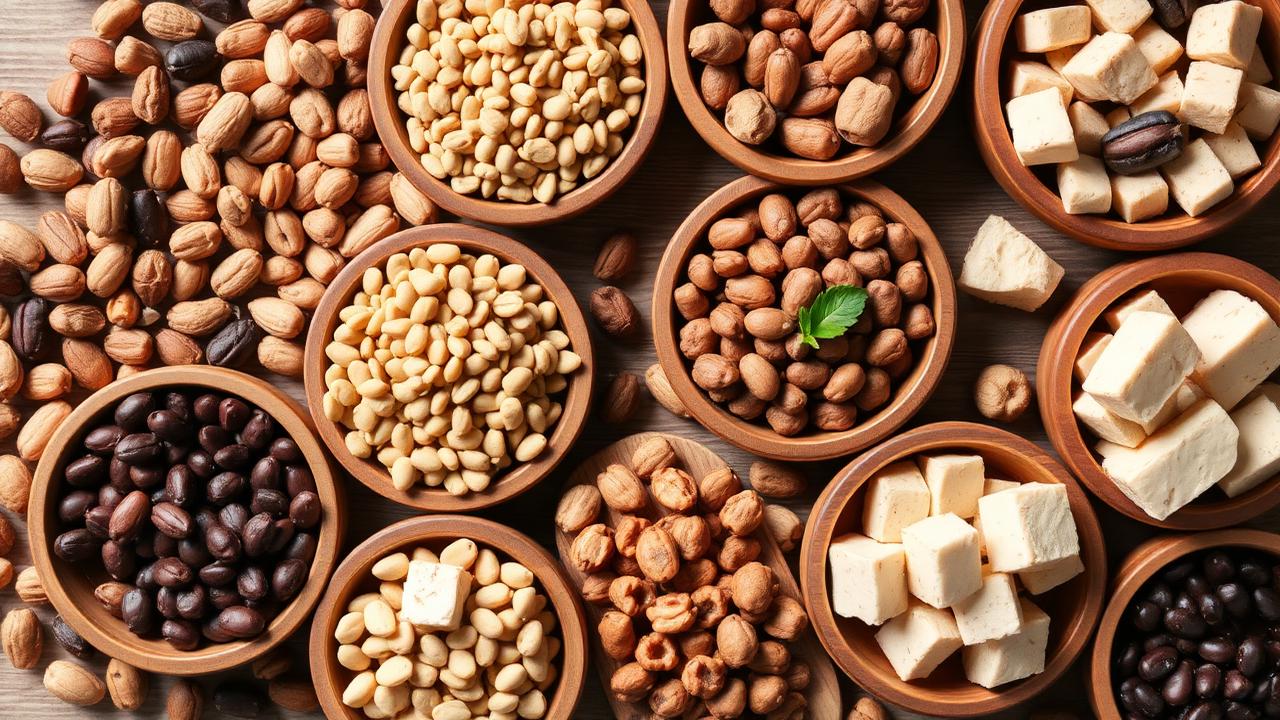
Unsaturated fats, which are liquid at room temperature, are generally considered beneficial for health. They can be found in plant-based oils, nuts, seeds, and fish.
Monounsaturated Fats (MUFAs)
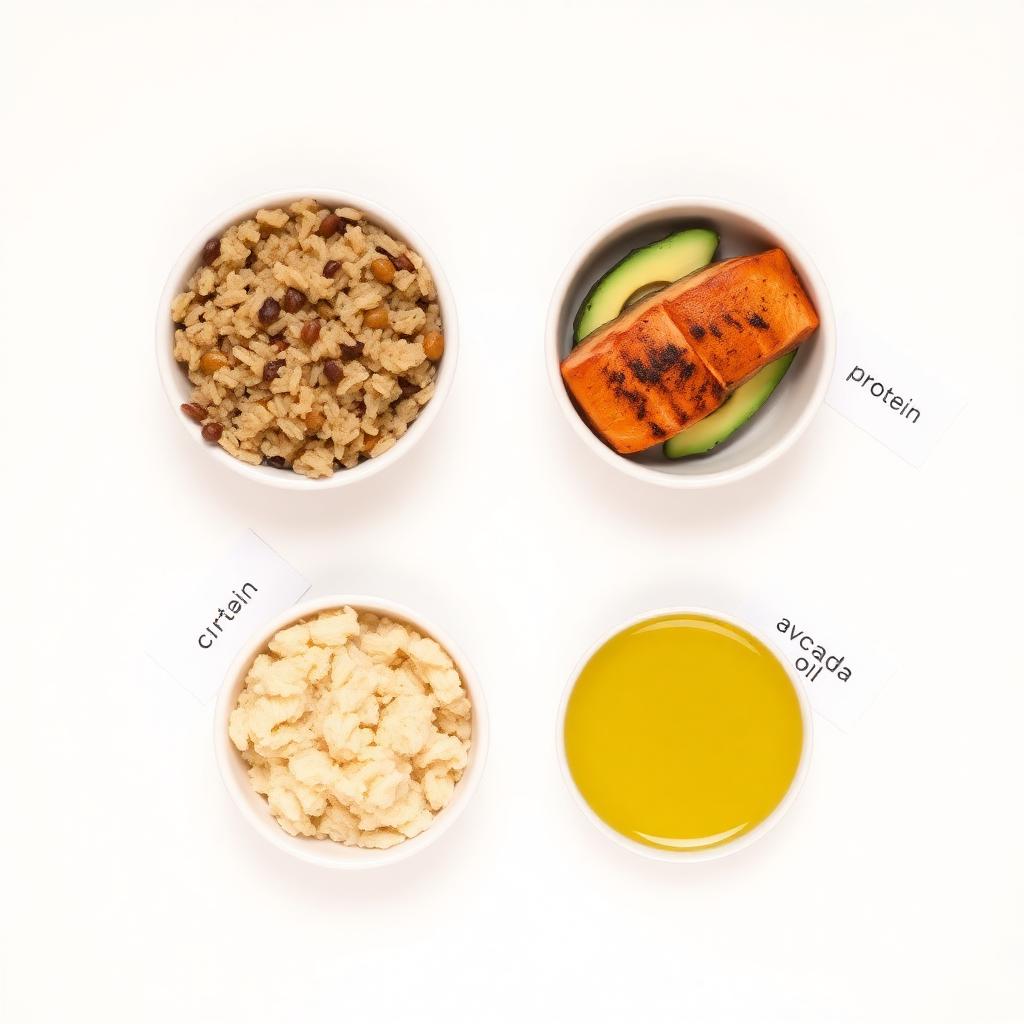
MUFAs are prevalent in olive oil, avocados, and most nuts. They are known to help reduce LDL cholesterol levels while potentially increasing high-density lipoprotein (HDL) cholesterol, often referred to as "good" cholesterol. This favorable effect on cholesterol profiles contributes to a reduced risk of heart disease. (Mayo Clinic, AHA)
Polyunsaturated Fats (PUFAs)
PUFAs are found in foods such as sunflower oil, corn oil, soybean oil, walnuts, and fatty fish. This category includes omega-3 and omega-6 fatty acids, which are essential fatty acids, meaning the body cannot produce them and must obtain them from the diet.
- Omega-3 Fatty Acids: Abundant in fatty fish (salmon, mackerel, tuna), flaxseeds, chia seeds, and walnuts, omega-3s are critical for brain function, vision, and reducing inflammation. They are also associated with a lower risk of heart disease and stroke. The two primary types are eicosapentaenoic acid (EPA) and docosahexaenoic acid (DHA). (NIH, AHA)
- Omega-6 Fatty Acids: Found in vegetable oils (e.g., soybean, corn, sunflower) and many processed foods, omega-6s are also essential. While necessary, a high intake of omega-6s relative to omega-3s might promote inflammation in some individuals, underscoring the importance of a balanced ratio. (NIH)
Trans Fats
Trans fats are considered the most harmful type of dietary fat. They are created when hydrogen is added to liquid vegetable oils to make them more solid, a process called hydrogenation. Artificially produced trans fats can be found in some fried foods, baked goods, and processed snacks. Naturally occurring trans fats are found in small amounts in meat and dairy products, but these do not pose the same health risks as artificial trans fats.
Artificial trans fats raise LDL cholesterol and lower HDL cholesterol, significantly increasing the risk of heart disease, stroke, and type 2 diabetes. Due to these severe health risks, many countries have banned or severely restricted the use of artificial trans fats in food products. (Centers for Disease Control and Prevention - CDC, World Health Organization - WHO)
Symptoms and warning signs
The effects of unhealthy fat intake often manifest subtly over time, rather than as acute symptoms. Chronic consumption of harmful fats, particularly artificial trans fats and excessive saturated fats, primarily contributes to the development of several non-communicable diseases.
Indicators of potentially unhealthy dietary fat patterns include:
- Elevated Cholesterol Levels: One of the most direct consequences is an unfavorable lipid profile, characterized by high LDL cholesterol and triglycerides, and sometimes low HDL cholesterol. This can only be detected through blood tests.
- Weight Gain and Increased Body Fat: Diets high in unhealthy fats are often calorically dense and can contribute to weight gain and increased visceral fat around organs, which is linked to metabolic syndrome and insulin resistance.
- Cardiovascular Issues: Over time, these dietary patterns can lead to the hardening and narrowing of arteries (atherosclerosis), which may eventually result in symptoms such as chest pain (angina), shortness of breath, or fatigue. These are usually symptoms of established cardiovascular disease, not just a warning sign of fat intake.
- Inflammation: A diet high in certain types of fats, particularly an imbalance of omega-6 to omega-3 fatty acids, can contribute to chronic inflammation, which is implicated in various conditions from arthritis to heart disease. While not a direct symptom, persistent aches, swelling, or general malaise could be exacerbated by inflammatory dietary patterns.
- Fatigue and Low Energy: While not specific to fat intake, poor dietary choices, including an imbalance of fats, can contribute to overall suboptimal health, leading to fatigue.
It's crucial to understand that these "warning signs" are typically indicators of underlying health conditions that have developed due to long-term dietary patterns, often in conjunction with other lifestyle factors. They are not direct symptoms that immediately appear after consuming a specific type of fat.
When to see a clinician
It is advisable to consult a clinician for personalized advice regarding dietary fats and overall health, especially if you experience any of the following:
- Routine Medical Check-ups: Regular check-ups that include lipid panel screenings are crucial, particularly if you have risk factors for heart disease (e.g., family history, high blood pressure, diabetes, smoking). A clinician can interpret your cholesterol levels and provide guidance based on your individual risk profile.
- Symptoms of Cardiovascular Disease: If you experience symptoms such as chest pain or discomfort, shortness of breath, palpitations, unexplained fatigue, dizziness, or swelling in your legs, seek immediate medical attention. These could be signs of heart disease requiring urgent evaluation.
- Concerns about Weight or Metabolic Health: If you are overweight or obese, or have been diagnosed with conditions like prediabetes, type 2 diabetes, or metabolic syndrome, a clinician can offer tailored dietary recommendations, including advice on fat intake.
- Family History of Cardiovascular Disease: A strong family history of heart disease or high cholesterol warrants a proactive discussion with your clinician about preventative strategies, including dietary modifications.
- Dietary Changes or Specific Health Goals: If you are considering significant changes to your diet, have specific health goals (e.g., lowering cholesterol, managing a chronic condition), or are confused about conflicting nutritional advice, a clinician or registered dietitian can provide evidence-based guidance.
- Digestive Issues: Persistent digestive problems, while not directly tied to fat type, could indicate broader dietary issues that a clinician can help address.
- Existing Medical Conditions or Medications: If you have any chronic medical conditions or take medications, discuss all dietary changes with your clinician to ensure they do not interfere with your treatment plan.
This information is not medical advice. Always seek the advice of your physician or other qualified health provider with any questions you may have regarding a medical condition.
Treatment and management options
Managing dietary fat intake is a cornerstone of preventing and treating various health conditions, particularly cardiovascular disease. The approach involves dietary modifications, and in some cases, medical interventions, always under the guidance of a clinician.
Dietary Modifications
The primary strategy for managing fat intake is to shift away from harmful fats and embrace healthy ones.
- Limit Saturated Fats: Reduce consumption of red and processed meats, high-fat dairy products, butter, and tropical oils (coconut, palm oil). Opt for lean protein sources, low-fat dairy, and plant-based fats. (AHA, Dietary Guidelines for Americans)
- Eliminate Artificial Trans Fats: Carefully read food labels and avoid products containing "partially hydrogenated oils." These are often found in fried fast foods, baked goods (like pastries, cookies), and some frozen pizzas. (WHO, CDC)
- Increase Unsaturated Fats: Incorporate more sources of monounsaturated and polyunsaturated fats into your diet.
- Monounsaturated Fats: Include olive oil, avocado, almonds, pecans, and hazelnuts.
- Polyunsaturated Fats: Consume fatty fish (salmon, mackerel, sardines) at least twice a week for omega-3s. Other sources include flaxseeds, chia seeds, walnuts, and plant-based oils like canola, soybean, and sunflower oil. (AHA)
- Maintain a Balanced Omega-3 to Omega-6 Ratio: While both are essential, aim for a balanced intake. This often means increasing omega-3-rich foods while being mindful but not necessarily eliminating omega-6 sources.
- Focus on Whole Foods: Prioritize a diet rich in fruits, vegetables, whole grains, and lean proteins. This approach naturally helps reduce unhealthy fat intake while increasing fiber and various essential nutrients.
- Portion Control: Even healthy fats are calorie-dense. Consuming them in moderation is important for weight management.
Medical Interventions (When Necessary)
For individuals with high cholesterol or established cardiovascular disease, dietary modifications may be complemented by medical treatments.
- Lipid-Lowering Medications: Statins are commonly prescribed to lower high LDL cholesterol. Other medications like ezetimibe or PCSK9 inhibitors may be used in specific cases. These are always prescribed and monitored by a clinician. (Mayo Clinic)
- Blood Pressure Management: Since high blood pressure often coexists with unhealthy fat intake and cardiovascular disease, managing blood pressure through medication (if needed) and lifestyle changes is crucial.
- Diabetes Management: For individuals with type 2 diabetes, managing blood sugar levels through diet, exercise, and medication is integral, as diabetes significantly increases cardiovascular risk.
Lifestyle Factors
Dietary changes should be integrated into a comprehensive healthy lifestyle.
- Regular Physical Activity: Exercise helps improve cholesterol profiles, manage weight, and reduce cardiovascular risk.
- Maintain a Healthy Weight: Losing excess weight can significantly improve lipid levels and reduce the risk of heart disease.
- Quit Smoking: Smoking dramatically increases the risk of heart disease and negates many benefits of a healthy diet.
- Manage Stress: Chronic stress can impact overall health and may indirectly influence dietary choices.
Working closely with a clinician or a registered dietitian is essential to tailor a management plan that considers individual health status, risk factors, and dietary preferences.
Prevention and daily habits
Preventing the accumulation of harmful fats and promoting a healthy lipid profile primarily involves consistent, sustainable daily habits focused on dietary choices and overall lifestyle.
Dietary Habits
- Choose Healthy Fats Regularly: Make a conscious effort to include sources of monounsaturated and polyunsaturated fats in your daily meals. For example, use olive oil for cooking and salads, snack on a handful of nuts, or add avocado to sandwiches and salads. (AHA)
- Minimize Processed Foods: Processed snacks, fast foods, and many baked goods are often hidden sources of artificial trans fats and excessive saturated fats. Opt for whole, unprocessed foods whenever possible.
- Read Food Labels: Pay attention to the "Nutrition Facts" label. Look for products with 0g trans fat and lower saturated fat content. Be aware that foods can contain up to 0.5g of trans fat per serving and still claim "0g trans fat." (FDA – Though not a primary citation body, this is common knowledge regarding labeling).
- Prioritize Lean Proteins: Choose lean cuts of meat, poultry without skin, fish, legumes, and plant-based protein sources.
- Increase Fiber Intake: Soluble fiber, found in oats, barley, beans, and fruits, can help lower LDL cholesterol. A diet rich in whole grains, fruits, and vegetables naturally increases fiber. (Mayo Clinic)
- Limit Sugary Drinks and Refined Carbohydrates: While not fats, excessive intake of sugars and refined carbohydrates can convert to triglycerides in the body, contributing to an unhealthy lipid profile.
Lifestyle Habits
- Engage in Regular Physical Activity: Aim for at least 150 minutes of moderate-intensity aerobic activity or 75 minutes of vigorous-intensity activity per week, plus muscle-strengthening activities on 2 or more days a week. Exercise helps improve cholesterol levels and manage weight. (CDC)
- Maintain a Healthy Weight: Achieving and maintaining a healthy body weight is crucial for preventing and managing high cholesterol and related conditions.
- Avoid Smoking and Excessive Alcohol: Smoking significantly damages blood vessels and negatively impacts cholesterol levels. Excessive alcohol intake can raise triglyceride levels.
- Manage Stress: Chronic stress can have various negative health impacts. Incorporate stress-reducing activities like meditation, yoga, or spending time in nature.
- Prioritize Sleep: Adequate sleep is vital for overall health, including metabolic function. Aim for 7-9 hours of quality sleep per night.
Small, Sustainable Changes
Instead of drastic overhauls, focus on making small, sustainable changes to your daily routine. For example, replace butter with olive oil, choose water over sugary drinks, or add an extra serving of vegetables to your meals. Consistency over time yields the most significant benefits for preventing diet-related health issues.
Frequently asked questions
Q: What is the difference between saturated and unsaturated fats?
A: Saturated fats typically come from animal sources and some plant oils (like coconut and palm), are solid at room temperature, and can raise LDL ("bad") cholesterol. Unsaturated fats, found in plant oils, nuts, seeds, and fish, are liquid at room temperature and are generally considered beneficial, helping to lower LDL cholesterol and promote heart health.
Q: Are all trans fats bad?
A: Artificial trans fats, created through an industrial process (hydrogenation), are considered harmful as they raise LDL cholesterol and lower HDL ("good") cholesterol, significantly increasing heart disease risk. Naturally occurring trans fats found in small amounts in meat and dairy products do not appear to have the same adverse health effects.
Q: Can healthy fats cause weight gain?
A: Yes, all fats are calorie-dense, providing 9 calories per gram compared to 4 calories per gram for carbohydrates and proteins. Even healthy fats, if consumed in excessive quantities, can contribute to weight gain. Portion control and overall caloric balance are crucial for weight management, regardless of the type of fat.
Q: What are omega-3 fatty acids and why are they important?
A: Omega-3 fatty acids are a type of polyunsaturated fat that are essential, meaning the body cannot produce them and they must be obtained through diet. They are vital for brain health, eye health, and reducing inflammation. Key sources include fatty fish (salmon, mackerel) and certain plant foods like flaxseeds and walnuts.
Q: How can I tell if a food contains artificial trans fats?
A: To identify artificial trans fats, look for "partially hydrogenated oil" in the ingredient list on food labels. Even if a product states "0g trans fat," it may still contain small amounts if partially hydrogenated oil is listed, due to labeling regulations.
Key takeaways
- Differentiate Fats: Understand that not all fats are equal. Prioritize unsaturated fats (monounsaturated and polyunsaturated) found in plant oils, nuts, seeds, and fatty fish.
- Avoid Harmful Fats: Strictly limit or eliminate artificial trans fats (found in partially hydrogenated oils) and moderate your intake of saturated fats.
- Promote Heart Health: Healthy fats contribute positively to cardiovascular health by improving cholesterol levels and reducing inflammation.
- Embrace Whole Foods: A diet rich in fruits, vegetables, whole grains, and lean proteins naturally supports a healthy fat intake and overall well-being.
- Seek Professional Guidance: Consult a clinician or registered dietitian for personalized advice, especially if you have existing health conditions or concerns about your fat intake.
- Consistency is Key: Small, sustainable dietary and lifestyle changes adopted consistently over time yield the best long-term health benefits.
Sources
- American Heart Association (AHA): www.heart.org
- Centers for Disease Control and Prevention (CDC): www.cdc.gov
- Mayo Clinic: www.mayoclinic.org
- National Institutes of Health (NIH): www.nih.gov
- World Health Organization (WHO): www.who.int
Related reading
- Healthy Breakfast Ideas — Discover a variety of nutritious and delicious breakfast ideas to fuel your day, improve energy levels, and support over…
- Coping With Grief and Loss — Grief is a natural response to loss, and understanding its complexities is crucial for healing. This article explores he…
- Meal Planning for Busy Weeks — A simple weekly plan, batch cooking, and flexible components make healthy eating sustainable.
- Whole Grains: Choosing the Right Ones — Intact whole grains — oats, barley, quinoa — support gut health, blood sugar, and cardiovascular markers.
- Plant-Based Protein Sources — Beans, lentils, tofu, tempeh, and nuts can meet protein needs when combined thoughtfully.
Written by
Health Hub Pro Editorial
Health writer at Health Hub Pro, focused on evidence-based, Sharia-conscious wellness.
View author profile →Medically reviewed by
Dr. A. Rahman, MD
Board-certified in Internal Medicine
Last reviewed on