Chinese Longevity Villages: What Their Daily Routines Teach
A practical, evidence-informed guide to chinese longevity village — what matters, what works, common mistakes, and when to consult a professional.
For informational purposes only. This article is educational and is not a substitute for professional medical advice, diagnosis, or treatment. Always consult a qualified healthcare provider about anything affecting your health. Read full disclaimer.
Chinese Longevity Villages: What Their Daily Routines Teach Us
(Not medical or veterinary advice — consult a qualified clinician or veterinarian for personal guidance.)
Introduction
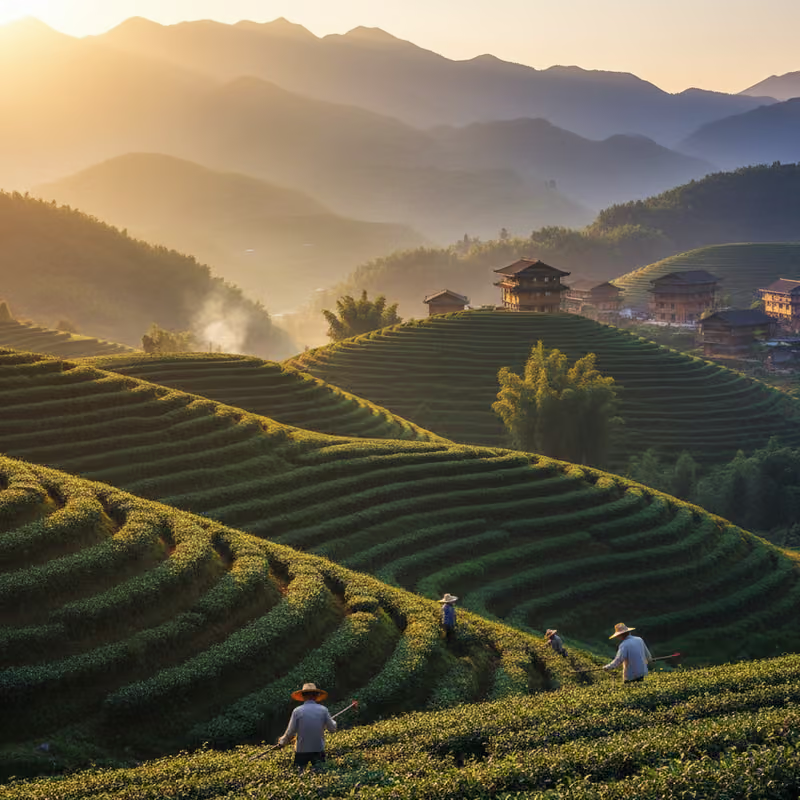
Across various cultures and geographies, communities have emerged that are renowned for the exceptional longevity of their inhabitants. Among these, the "Chinese Longevity Villages" stand out as compelling examples, often attracting significant interest from researchers and the general public alike. These villages, such as Bama Yao Autonomous County in Guangxi, hotan in Xinjiang, or regions in Hainan, are observed to have a higher-than-average proportion of centenarians and supercentenarians, alongside reports of lower incidences of age-related chronic diseases. While the term "longevity village" might evoke images of secret elixirs or extraordinary practices, closer examination often reveals a combination of interconnected factors related to lifestyle, environment, diet, and social structures.
The study of these communities is not about discovering a magical formula, but rather about identifying common threads and patterns in their daily lives that may contribute to healthy aging. These observations provide valuable insights into how holistic approaches to well-being might influence lifespan and healthspan. This article explores some of the general principles and daily routines often associated with these communities, aiming to distill lessons that can be applicable to a broader audience seeking to promote their own health and well-being. It is important to approach these observations with an evidence-informed perspective, recognizing that longevity is a complex phenomenon influenced by genetics, environment, and lifestyle choices.
Why this matters
The increasing global prevalence of chronic diseases and the desire for healthy aging make the study of longevity villages particularly relevant. Understanding the factors that contribute to healthy aging in these communities can offer valuable perspectives beyond the conventional medical model alone. Instead of solely focusing on disease treatment, these insights highlight the importance of preventive lifestyles and holistic well-being.
The observations from Chinese longevity villages often emphasize accessible, sustainable practices that are deeply integrated into daily life. These are not typically costly interventions or highly specialized treatments, but rather fundamental aspects of human existence – how people eat, move, interact with their environment, and manage stress. By examining these communities, we gain insights into:
- Holistic Health: They often demonstrate how diet, physical activity, mental well-being, and social connections are intertwined in promoting health, rather than being isolated factors.
- Preventive Lifestyle: Many practices observed in these villages inherently serve as preventative measures against common age-related ailments, aligning with public health goals to reduce the burden of chronic diseases.
- Environmental Influence: The role of clean air, water, and connection to nature often emerges as a significant, though sometimes overlooked, factor.
- Cultural and Social Support: Strong family ties, community engagement, and a sense of purpose are frequently cited as contributing factors, underscoring the importance of social determinants of health.
- Empowerment: Understanding these principles can empower individuals to make informed choices about their own lifestyles, fostering a proactive approach to health rather than a reactive one.
The lessons from these villages encourage a shift in perspective, moving towards a more integrated understanding of health that considers the individual within their environment and community, echoing recommendations from organizations like the World Health Organization (WHO) and the National Institutes of Health (NIH) regarding healthy aging.
Key principles (evidence-informed)
While each longevity village has its unique characteristics, several overarching principles tend to emerge from observations and research into these communities. These principles often align with broader evidence-informed recommendations for health and longevity:
- Dietary Patterns: Generally characterized by a plant-rich diet, often high in fiber, whole grains, vegetables, and legumes.
- Plant-Forward: Diets are typically abundant in seasonal fruits and vegetables, which provide essential vitamins, minerals, antioxidants, and fiber.
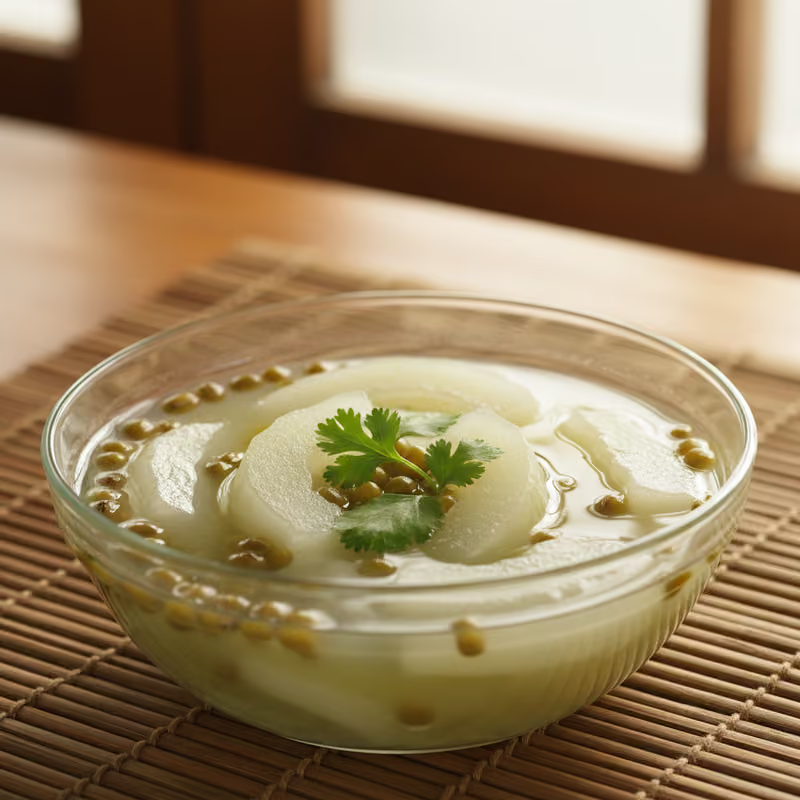
- Whole Grains & Legumes: Staples often include locally grown whole grains (like corn, millet, brown rice) and various legumes (beans, lentils), which are good sources of complex carbohydrates, protein, and fiber.
- Limited Processed Foods & Sugars: Access to and consumption of highly processed foods, sugary drinks, and refined grains are typically low, aligning with recommendations from organizations like the World Health Organization (WHO) for reducing the risk of non-communicable diseases.
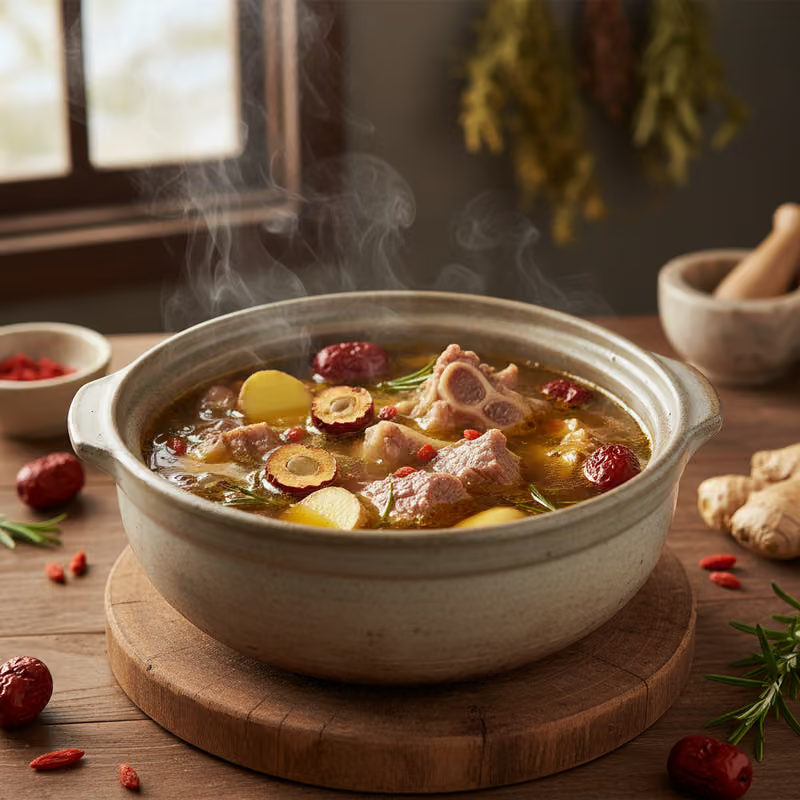
- Lean Protein Sources: When animal protein is consumed, it is often in moderation and derived from local, lean sources, such as freshwater fish or poultry, rather than large quantities of red or processed meats.
- Healthy Fats: Diets often include healthy fats from sources like nuts, seeds, and specific oils (e.g., camellia oil in some regions).
- Regular Physical Activity: Daily life often necessitates consistent, moderate physical activity.
- Integral to Daily Life: Physical activity is not typically a structured "exercise routine" but is integrated into daily tasks such as farming, walking to market, collecting water or firewood, and household chores. This ensures consistent, low-to-moderate intensity movement throughout the day.
- Outdoor Living: Much of their activity takes place outdoors, often in varied terrains, promoting muscular strength, balance, and cardiovascular health.
- Avoidance of Sedentary Lifestyles: The nature of their lives naturally minimizes prolonged periods of sitting, which is increasingly recognized by bodies like the Centers for Disease Control and Prevention (CDC) as a risk factor for various health issues.
- Social Connection and Community Engagement: Strong social bonds and a sense of purpose are frequently highlighted.
- Strong Family Ties: Multi-generational households and close-knit family structures provide support, reduce isolation, and foster a sense of belonging.
- Community Involvement: Active participation in community life, social gatherings, and mutual support networks are common, contributing to mental well-being and reducing feelings of loneliness.
- Respect for Elders: Elders are often revered and play active roles within their families and communities, maintaining a sense of purpose and contribution throughout their lives. This aligns with research indicating that social engagement and purpose are protective factors against cognitive decline and depression.
- Environmental Factors: Clean air, water, and a natural environment are often characteristic.
- Pristine Environment: Many longevity villages are situated in remote, mountainous regions with clean air, fresh water sources, and minimal industrial pollution.
- Connection to Nature: Daily life often involves spending significant time outdoors and a close connection to the natural environment, which has been linked to reduced stress and improved well-being.
- Stress Management and Mental Well-being: While not always explicitly articulated, observations suggest effective coping mechanisms for stress.
- Simpler Lifestyles: Reduced exposure to modern stressors like high-paced urban living, financial pressures, and constant digital stimulation.
- Mindfulness in Daily Tasks: The repetitive and often manual nature of daily tasks can foster a sense of presence and mindfulness.
- Spiritual or Philosophical Outlook: Many communities hold traditional beliefs or philosophies that may offer perspectives on life, hardship, and acceptance, contributing to emotional resilience.
- Adequate Rest and Sleep: While specific sleep patterns can vary, access to natural rhythms and sufficient rest is generally observed.
- Alignment with Natural Cycles: Lifestyles are often aligned with natural light-dark cycles, promoting healthy circadian rhythms.
- Reduced Artificial Light Exposure: Limited exposure to artificial light, especially at night, can support better sleep quality.
These principles, when considered together, paint a picture of a lifestyle that naturally supports longevity and healthspan, reflecting many of the core tenets of public health and healthy lifestyle recommendations from major health organizations globally.
Practical daily habits
Drawing inspiration from the observed lifestyles in Chinese longevity villages, individuals can integrate several practical habits into their own daily routines to support health and well-being. These are general guidelines, adaptable to diverse personal contexts:
- Prioritize Plant-Based Foods:
- Daily Intake of Vegetables and Fruits: Aim to include a wide variety of colorful vegetables and fruits in every meal. Make them the largest portion on your plate.
- Embrace Whole Grains: Opt for whole grains like oats, brown rice, quinoa, and whole wheat bread over refined grains.
- Incorporate Legumes: Add beans, lentils, chickpeas, and peas to soups, stews, salads, and side dishes regularly.
- Reduce Processed Foods: Actively minimize consumption of packaged snacks, sugary drinks, fast food, and highly processed meals.
- Moderate Meat Consumption: If consuming meat, choose lean cuts and consume it in moderation, perhaps a few times a week rather than daily.
- Integrate Movement Throughout the Day:
- Walk More: Take stairs instead of elevators, park further away, and incorporate walking into errands or leisure time. Aim for regular walks outdoors.
- Active Chores: Engage in gardening, cleaning, and other household tasks that involve physical exertion.
- Avoid Prolonged Sitting: Stand up and move around for a few minutes every hour, especially if you have a desk-based job.
- Mindful Movement: Practice gentle exercises like Tai Chi or Qigong, which are traditionally practiced in many Chinese communities and can improve balance, flexibility, and strength.
- Cultivate Strong Social Connections:
- Spend Time with Loved Ones: Regularly connect with family and friends, whether in person, by phone, or through other means.
- Engage in Community Activities: Volunteer, join clubs, or participate in local events to build new relationships and strengthen existing ones.
- Support System: Actively maintain a network of people with whom you can share experiences and receive support.
- Connect with Nature:
- Time Outdoors: Spend time in parks, gardens, or natural settings daily. Even a short walk can be beneficial.
- Bring Nature Indoors: Consider indoor plants or natural light to enhance your immediate environment.
- Practice Stress Management:
- Mindfulness and Meditation: Dedicate a few minutes each day to mindfulness exercises, deep breathing, or meditation to calm the mind.
- Hobbies and Relaxation: Engage in hobbies that you enjoy and find relaxing.
- Limit Information Overload: Be mindful of excessive news consumption or social media use if it contributes to stress.
- Prioritize Rest and Sleep:
- Consistent Sleep Schedule: Try to go to bed and wake up around the same time each day, even on weekends.
- Create a Relaxing Bedtime Routine: Dim lights, avoid screens an hour before bed, and engage in calming activities like reading or a warm bath.
- Optimize Sleep Environment: Ensure your bedroom is dark, quiet, and cool.
These habits are not about replicating the exact conditions of a longevity village but rather extracting the underlying principles that contribute to their reported health and longevity. Consistency and mindful integration are key.
Common mistakes to avoid
While aspiring to adopt healthy lifestyle principles, it's easy to fall into certain traps or misunderstandings. Avoiding these common mistakes can help ensure a more effective and sustainable journey toward well-being, drawing from lessons observed in longevity-focused research.
- Seeking a "Magic Bullet": Longevity is a complex outcome of multiple interconnected factors, not a single supplement, diet, or exercise routine. Relying on isolated interventions without a holistic approach is unlikely to yield significant, lasting results. There is no single "secret" food or pill that guarantees extended lifespan.
- Extreme or Unsustainable Diets: Adopting highly restrictive or fad diets that are difficult to maintain long-term often leads to burnout, nutrient deficiencies, or rebound eating. The dietary patterns in longevity villages are typically balanced, diverse, and deeply integrated into their cultural and natural environment, emphasizing sustainability over short-term deprivation.
- Ignoring the Role of Physical Activity: Believing that diet alone is sufficient for health is a mistake. Regular, consistent physical activity, often integrated into daily life rather than just structured workouts, is a hallmark of long-lived populations. Sedentary lifestyles counteract many benefits of a healthy diet.
- Neglecting Mental and Social Well-being: Focusing solely on physical health (diet and exercise) while overlooking mental health, stress management, social connections, and a sense of purpose is a critical oversight. Research from institutions like the National Institutes of Health (NIH) consistently highlights the profound impact of psychological and social factors on overall health and longevity. Isolation, chronic stress, and lack of purpose can significantly detract from well-being.
- Over-reliance on Supplements: While certain nutrients are important, a balanced, whole-foods diet typically provides the majority of what the body needs. Over-reliance on numerous supplements without clear clinical indication can be costly, ineffective, and potentially even harmful if not carefully managed by a health professional. The focus in longevity villages is on natural, nutrient-dense foods.
- Underestimating Environmental Factors: Discounting the impact of clean air, clean water, and reduced exposure to pollutants can be a mistake. While not always easily controlled, acknowledging their importance can motivate choices such as spending time in nature or advocating for healthier environments.
- Instant Gratification Mindset: Expecting immediate or dramatic results from lifestyle changes can lead to discouragement. The benefits of healthy living often accrue gradually over years and decades. Longevity is a long-term endeavor requiring consistent effort and patience.
- Comparing Unfairly: Directly comparing one's own life to that of someone in a longevity village without considering significant differences in genetics, environment, cultural context, and socio-economic factors can be counterproductive. The goal is to extract principles and adapt them to one's own unique circumstances, not to precisely replicate an entirely different way of life.
By being mindful of these common pitfalls, individuals can approach their health journey with a more realistic, sustainable, and holistic perspective, drawing effectively from the wisdom observed in communities known for their longevity.
When to see a professional
While adopting healthy lifestyle habits is profoundly beneficial, it is crucial to recognize when professional medical or psychological guidance is necessary. The practices inspired by longevity villages are complementary to, not a replacement for, professional healthcare.
You should consult a qualified clinician or healthcare professional if you experience:
- New or Worsening Symptoms: Any persistent pain, unusual fatigue, unexplained weight changes, changes in bowel habits, or other concerning physical symptoms warrant medical evaluation.
- Chronic Health Conditions: If you have existing conditions such as diabetes, heart disease, high blood pressure, or autoimmune disorders, regular medical check-ups and adherence to your treatment plan are essential. Lifestyle changes should always be discussed with your doctor, as they may impact medication dosages or other aspects of your care.
- Mental Health Concerns: Persistent feelings of sadness, anxiety, hopelessness, significant stress, or difficulty coping with daily life should prompt a consultation with a mental health professional (e.g., therapist, psychiatrist).
- Nutritional Deficiencies or Concerns: If you are considering significant dietary changes, have allergies or intolerances, or suspect you might have a nutritional deficiency, a registered dietitian or your doctor can provide tailored advice.
- Prior to Starting New Exercise Regimens: Especially if you are new to exercise, have existing health conditions, or are older, consult your doctor before beginning vigorous physical activity to ensure it is safe and appropriate for your health status.
- Difficulty Implementing Lifestyle Changes: If you are struggling to make sustainable changes to your diet, exercise, or stress management techniques, a healthcare professional, wellness coach, or therapist can offer strategies and support.
- Unexplained Longevity-Related Concerns: While general advice is helpful, if you have specific concerns about genetic predispositions to certain conditions or unique personal health challenges related to aging, a medical professional can provide personalized risk assessments and guidance.
- Medication Review: If you are taking multiple medications, discuss with your doctor how your lifestyle changes might interact with your prescriptions and whether any adjustments are needed.
Always remember that professional healthcare providers are equipped to offer individualized diagnosis, treatment, and preventive advice based on your unique health profile and medical history. Self-care practices should work in conjunction with, not instead of, expert medical supervision.
Frequently asked questions
What makes a "longevity village" special?
Longevity villages are typically characterized by a higher-than-average proportion of elderly individuals, particularly centenarians, who often live active, healthy lives with fewer age-related chronic diseases compared to national averages. Researchers and observers often attribute this to a combination of factors including specific dietary patterns, consistent physical activity integrated into daily life, strong social bonds, a clean natural environment, and effective stress management.
Are these dietary patterns applicable to everyone?
While the specific ingredients may vary based on local availability, the underlying principles of the diets observed in longevity villages are broadly applicable. These include prioritizing plant-based whole foods (vegetables, fruits, whole grains, legumes), consuming lean proteins in moderation, minimizing processed foods, refined sugars, and unhealthy fats. These principles align with general healthy eating guidelines promoted by major health organizations globally and can be adapted to various cultural contexts.
Is it only genetics that determines longevity?
No, genetics play a role, but they are not the sole determinant. Research suggests that while genetics contribute to a portion of longevity, lifestyle factors, environment, and social determinants of health play a significant and often modifiable role. Studies on centenarians and long-lived populations indicate that healthy habits, diet, physical activity, strong social networks, and a sense of purpose are crucial contributors to both lifespan and healthspan.
Can adopting these habits guarantee a longer life?
While adopting healthy habits consistent with those seen in longevity villages can significantly improve your chances of a healthier and potentially longer life, no single set of practices can guarantee a specific lifespan. Longevity is influenced by numerous factors, some beyond individual control (like unavoidable environmental exposures or unforeseen health events). However, these habits are well-established to reduce the risk of many chronic diseases, improve quality of life, and enhance overall well-being.
What is the single most important lesson from these villages?
It's challenging to isolate a "single most important" lesson, as longevity appears to be a result of a holistic and interconnected approach to living. However, if one were to distill a core message, it would be the importance of integration: integrating healthy eating, consistent physical activity, strong social connections, stress management, and connection to nature into the fabric of daily life, rather than viewing them as isolated or optional endeavors.
Key takeaways
The study of Chinese Longevity Villages offers valuable insights into the multifaceted nature of healthy aging. While their specific circumstances are often unique, several recurring themes emerge that can inform our own pursuit of well-being:
- Holistic Approach: Longevity is not a result of a single factor but a harmonious interplay of diet, physical activity, mental well-being, social connections, and environmental conditions.
- Plant-Forward Diet: A diet rich in whole, unprocessed plant foods (vegetables, fruits, whole grains, legumes) is consistently observed as a cornerstone of their nutrition, with lean proteins consumed in moderation.
- Active Lifestyle: Daily, consistent, and often moderate physical activity, naturally integrated into routines rather than as structured "exercise," is fundamental. Sedentary behavior is minimized.
- Strong Social Fabric: Deep family ties, active community engagement, and a sense of purpose contribute significantly to mental and emotional resilience and overall health.
- Connection to Nature: A pristine natural environment, access to clean air and water, and time spent outdoors appear to be beneficial factors.
- Stress Management: Simpler lifestyles and effective coping mechanisms for stress contribute to mental calm and reduced chronic physiological strain.
- Sustainable Habits: The practices observed are typically sustainable, deeply embedded in culture, and form a natural part of daily living, rather than being temporary or extreme measures.
The lessons from these communities encourage us to move beyond a narrow focus on disease treatment and embrace a broader, preventative approach to health that emphasizes lifestyle and environment. By thoughtfully integrating these principles into our own lives, adapting them to our individual circumstances, we can aspire to enhance our own healthspan and well-being.
Related reading
Keep exploring this topic with our related, evidence-reviewed guides:
- Chinese Walking Culture: Why Post-Meal Walks Beat the Gym for Longevity — A practical, evidence-informed guide to post meal walk — what matters, what works, common mistakes, and when to consult a professi…
- Chinese Heart Health Habits: Salt, Tea, and Daily Activity — A practical, evidence-informed guide to chinese heart health — what matters, what works, common mistakes, and when to consult a pr…
- Tai Chi for Beginners: A 20-Minute Daily Routine for Joints and Balance — A practical, evidence-informed guide to tai chi for beginners — what matters, what works, common mistakes, and when to consult a p…
- Chinese Stress Wisdom: Calm, Patience, and the Practice of Slowness — A practical, evidence-informed guide to chinese stress management — what matters, what works, common mistakes, and when to consult…
- Yin and Yang in Health: The Chinese Framework for Balance and Recovery — A practical, evidence-informed guide to yin yang health — what matters, what works, common mistakes, and when to consult a profess…
- The Five Elements Theory and How Chinese Medicine Maps It to Your Body — A practical, evidence-informed guide to five elements tcm — what matters, what works, common mistakes, and when to consult a profe…
Sources
- World Health Organization (WHO): For information on healthy aging, diet, physical activity, and non-communicable disease prevention.
- National Institutes of Health (NIH): For research on aging, genetics, chronic diseases, and mental health.
- Centers for Disease Control and Prevention (CDC): For public health guidelines on diet, physical activity, and disease prevention.
- Mayo Clinic: For general health information, lifestyle recommendations, and expert-reviewed content on various health conditions.
- Cochrane Library: For systematic reviews and evidence-based summaries on health interventions, including diet and exercise.
Sources
Evidence & citations
- Every claim in this chinese health wisdom guide is backed by primary data — browse the longevity and lifestyle health statistics in our sourced statistics library.
- Writing about this topic? Researchers, journalists and educators can cite our traditional Chinese health research with ready-made APA, MLA and Chicago references.
My notes on this one
The short version of 15 minutes of reading — what stuck with me while writing “Chinese Longevity Villages: What Their Daily Routines Teach”, what the sources back up, and what I'd actually do about it.
What I'd take away
01 · Why this matters
The increasing global prevalence of chronic diseases and the desire for healthy aging make the study of longevity villages particularly relevant.
02 · Key principles
While each longevity village has its unique characteristics, several overarching principles tend to emerge from observations and research into these communities.
03 · Practical daily habits
Spend Time with Loved Ones: Regularly connect with family and friends, whether in person, by phone, or through other means.
04 · Common mistakes to avoid
Avoiding these common mistakes can help ensure a more effective and sustainable journey toward well-being, drawing from lessons observed in longevity-focused research.
What the sources I read actually say
These principles align with general healthy eating guidelines promoted by major health organizations globally and can be adapted to various cultural contexts.
World Health OrganizationThese villages, such as Bama Yao Autonomous County in Guangxi, hotan in Xinjiang, or regions in Hainan, are observed to have a higher-than-average proportion of centenarians and supercentenarians…
Centers for Disease Control and PreventionLongevity villages are typically characterized by a higher-than-average proportion of elderly individuals, particularly centenarians, who often live active…
National Institutes of Health
If you only do one thing this week
- Reduce Processed Foods — Actively minimize consumption of packaged snacks, sugary drinks, fast food, and highly processed meals.
- Walk More — Take stairs instead of elevators, park further away, and incorporate walking into errands or leisure time. Aim for regular walks outdoors.
- Avoid Prolonged Sitting — Stand up and move around for a few minutes every hour, especially if you have a desk-based job.
- Limit Information Overload — Be mindful of excessive news consumption or social media use if it contributes to stress.
Pick the one that fits your week. None of this replaces advice from a clinician who can actually examine you.
Questions I kept coming back to
What makes a "longevity village" special?+
Longevity villages are typically characterized by a higher-than-average proportion of elderly individuals, particularly centenarians, who often live active, healthy lives with fewer age-related chronic diseases compared to national averages. Researchers and observers often attribute this to a combination of factors including specific dietary patterns, consistent physical activity integrated into daily life…
Are these dietary patterns applicable to everyone?+
While the specific ingredients may vary based on local availability, the underlying principles of the diets observed in longevity villages are broadly applicable. These include prioritizing plant-based whole foods (vegetables, fruits, whole grains, legumes), consuming lean proteins in moderation, minimizing processed foods, refined sugars, and unhealthy fats…
Is it only genetics that determines longevity?+
No, genetics play a role, but they are not the sole determinant. Research suggests that while genetics contribute to a portion of longevity, lifestyle factors, environment, and social determinants of health play a significant and often modifiable role. Studies on centenarians and long-lived populations indicate that healthy habits, diet, physical activity, strong social networks…
Can adopting these habits guarantee a longer life?+
While adopting healthy habits consistent with those seen in longevity villages can significantly improve your chances of a healthier and potentially longer life, no single set of practices can guarantee a specific lifespan. Longevity is influenced by numerous factors, some beyond individual control (like unavoidable environmental exposures or unforeseen health events). However…
What is the single most important lesson from these villages?+
It's challenging to isolate a "single most important" lesson, as longevity appears to be a result of a holistic and interconnected approach to living. However, if one were to distill a core message, it would be the importance of integration: integrating healthy eating, consistent physical activity, strong social connections, stress management, and connection to nature into the fabric of daily life…
Was this article helpful?
Be the first to rate this article.
Written by
FaizRuh
I write Health Hub Pro on my own — no clinical licence, no anonymous review panel. Just the published guidance, read carefully and explained plainly.
More about me →How this page was checked
Every claim above is checked against the sources listed at the bottom of this article — WHO, CDC, NIH, NHS, Cochrane and major clinical guidelines. Drafting is AI-assisted; the editing, fact-checking and final wording are mine. It's information, not medical advice. Spotted an error? Tell me and I'll fix it.
Last checked on