
Meal Planning for Busy Weeks
A simple weekly plan, batch cooking, and flexible components make healthy eating sustainable.
For informational purposes only. This article is educational and is not a substitute for professional medical advice, diagnosis, or treatment. Always consult a qualified healthcare provider about anything affecting your health. Read full disclaimer.
Introduction
In today's fast-paced world, maintaining a healthy diet can be a significant challenge. The demands of work, family, and social commitments often leave little time for preparing nutritious meals from scratch. This can lead to reliance on convenience foods, which may be high in unhealthy fats, sugars, and sodium, and low in essential nutrients. Meal planning for busy weeks offers a strategic approach to overcome these hurdles, making healthy eating sustainable and accessible. It involves pre-determining meals and preparing components in advance, thereby reducing daily decision fatigue and time spent in the kitchen.
This comprehensive guide delves into the evidence-based benefits of meal planning, outlines practical strategies for effective implementation, and addresses common concerns. We will explore how a structured approach to food preparation can contribute to better health outcomes, financial savings, and reduced food waste. While the principles discussed are widely applicable, individual dietary needs and health conditions necessitate personalized guidance from qualified healthcare professionals.
What causes it (evidence-based)
The need for effective meal planning often arises from a combination of modern lifestyle factors and psychological influences:
- Time Constraints and Busy Lifestyles: A primary driver is the pervasive lack of free time. Long working hours, commutes, childcare responsibilities, and other commitments can severely limit the time available for grocery shopping, cooking, and meal preparation during the week. This often leads to a default reliance on quick, often less nutritious, options.
- Decision Fatigue: The sheer number of food choices and dietary advice can be overwhelming. Daily decisions about "what to eat" can contribute to mental fatigue, especially after a demanding day. Meal planning removes this daily burden, simplifying food choices.
- Lack of Cooking Skills or Confidence: Many individuals may feel intimidated by cooking or lack the basic skills required to prepare diverse and healthy meals. This can lead them to believe that healthy eating is too difficult or time-consuming without proper planning.
- Budgetary Constraints: Eating out or frequent reliance on convenience foods can be significantly more expensive than preparing meals at home. A lack of planning can lead to impulsive food purchases that exceed budgetary limits.
- Desire for Health Improvement: A growing awareness of the link between diet and health motivates many to seek structured approaches to eating. Meal planning is a proactive strategy to control portion sizes, nutrient intake, and avoid unhealthy ingredients.
- Food Waste Concerns: Unplanned grocery shopping and cooking often result in unused ingredients spoiling, contributing to food waste. Meal planning helps optimize ingredient use and minimizes waste.
Evidence supports the effectiveness of meal planning in promoting healthier dietary habits. Studies indicate that individuals who plan their meals tend to consume more fruits and vegetables, have a lower intake of fast food, and are more likely to achieve a healthy body weight (National Institutes of Health - NIH). Planning meals can also lead to greater dietary variety, ensuring a broader intake of essential vitamins and minerals. The psychological benefits include reduced stress related to food choices and increased self-efficacy in managing one's diet (American Heart Association - AHA).
Symptoms and warning signs
While meal planning itself is a proactive health strategy, a lack of effective meal planning or difficulty maintaining healthy eating habits can manifest in several ways:
- Frequent Reliance on Unhealthy Convenience Foods: Regularly consuming fast food, highly processed packaged meals, or sugary snacks due to lack of time or prepared options.
- Skipping Meals or Erratic Eating Patterns: Missing breakfast, lunch, or dinner, or eating at irregular times, leading to fluctuations in energy levels and hunger.
- Feeling Overwhelmed by Food Choices: Experiencing stress or anxiety when deciding what to cook or eat, often leading to impulsive, less healthy decisions.
- Frequent Food Waste: Regularly throwing away spoiled produce or unused ingredients because they weren't incorporated into meals.
- Consistent Exceeding of Food Budget: Finding that grocery bills or expenditures on take-out food are higher than desired, often due to unplanned purchases.
- Lack of Dietary Diversity: Eating the same few dishes repeatedly, potentially leading to nutritional imbalances over time.
- Fluctuations in Energy Levels: Experiencing energy crashes or persistent fatigue that may be related to unbalanced or inconsistent nutrient intake.
- Unintended Weight Changes: Gaining or losing weight without intentional effort, which can sometimes be linked to uncontrolled calorie intake from unplanned eating.
These signs indicate that a more structured approach to food management, such as meal planning, could be beneficial. Addressing these patterns can improve not only nutritional intake but also overall well-being and financial health.
When to see a clinician
While meal planning is a beneficial lifestyle choice, certain situations warrant consulting a qualified healthcare professional, such as a physician, registered dietitian, or nutritionist. This is especially important for personalized advice and to rule out underlying health conditions.
You should consider seeing a clinician if you experience:
- Persistent or Unexplained Symptoms: If you notice new or worsening symptoms such as chronic fatigue, digestive issues (e.g., persistent bloating, diarrhea, constipation), severe headaches, or skin problems, these could be related to your diet or an underlying medical condition.
- Sudden or Unintended Weight Changes: Significant weight gain or loss without intentional changes in diet or activity levels warrants medical evaluation.
- Existing Chronic Health Conditions: If you have conditions such as diabetes, heart disease, kidney disease, or celiac disease, a clinician can provide specific dietary guidance that aligns with your medical management plan. Dietary modifications can significantly impact these conditions.
- Food Allergies or Intolerances: If you suspect you have food allergies or intolerances, a clinician can help with diagnosis and developing a safe and nutritionally adequate eating plan.
- Nutrient Deficiencies: If you are concerned about potential vitamin or mineral deficiencies, a clinician can order appropriate tests and recommend dietary adjustments or supplements if necessary.
- Pregnancy or Breastfeeding: Nutritional needs are significantly altered during pregnancy and breastfeeding. A clinician can provide guidance to ensure optimal maternal and infant health.
- Eating Disorders: If you or someone you know struggles with disordered eating patterns, seeking professional help is crucial.
- Difficulty Adhering to a Healthy Diet Despite Effort: If you consistently struggle to maintain healthy eating habits or achieve your dietary goals, a dietitian can offer tailored strategies and support.
- Considering Significant Dietary Changes: Before adopting highly restrictive diets (e.g., ketogenic, extreme veganism) or making major shifts, consult a clinician to ensure nutritional adequacy and safety.
A clinician can provide evidence-based recommendations, monitor your health, and ensure that your meal planning efforts support your overall well-being without compromising your health. (Mayo Clinic)
Treatment and management options
Meal planning is a proactive strategy rather than a "treatment" in the traditional sense. It's a management tool for improving dietary habits and overall health. The core "management options" involve implementing structured approaches to food preparation and consumption.
Key management options for effective meal planning include:
1. Weekly Planning and Grocery Lists
- Strategy: Dedicate a specific time each week (e.g., Sunday morning) to plan out all meals (breakfast, lunch, dinner, snacks) for the upcoming week. Base plans on available ingredients, sales, and preferred recipes.
- Benefits: Reduces spontaneous, often unhealthy, food choices; ensures balanced meals; creates a targeted grocery list, preventing impulse purchases and food waste. (World Health Organization - WHO)
2. Batch Cooking
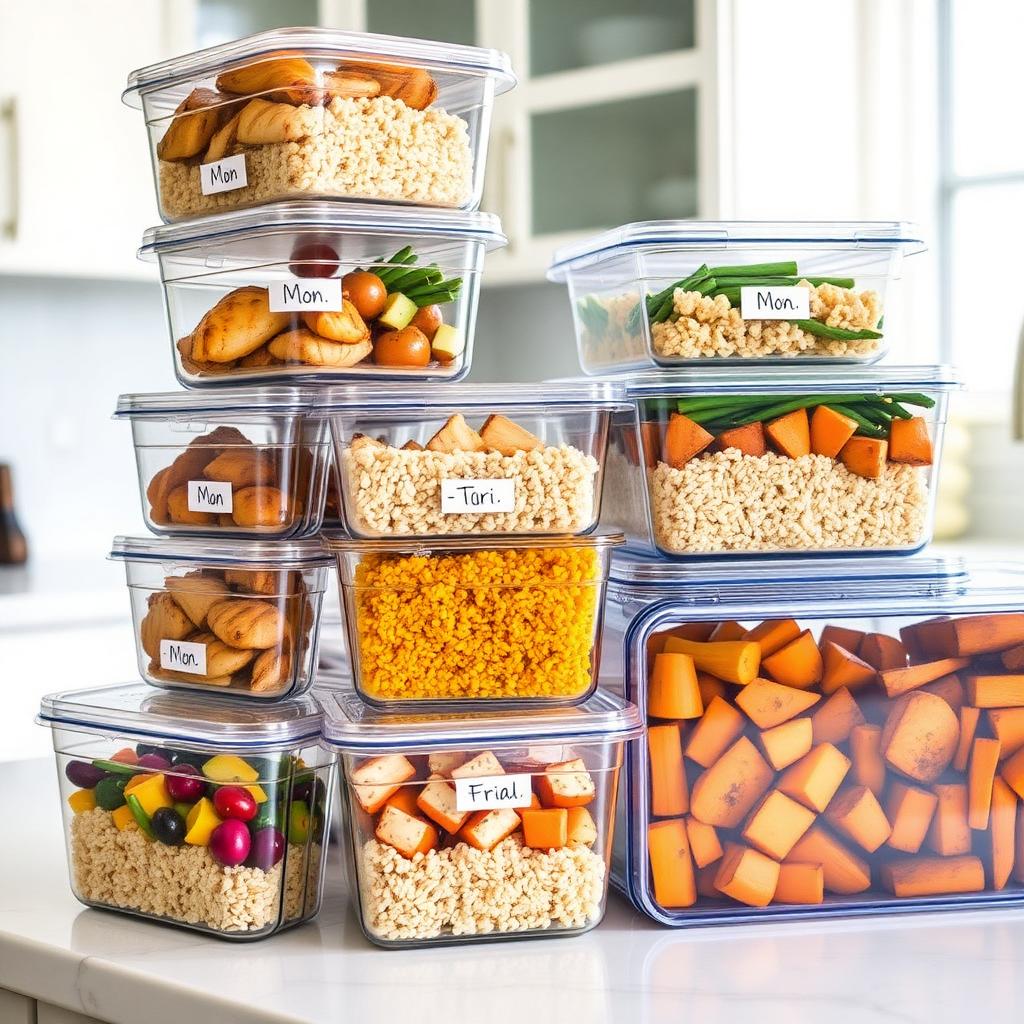
- Strategy: Prepare large quantities of certain meal components or entire meals in advance. This could include cooking grains (quinoa, brown rice), roasting vegetables, preparing protein sources (grilled chicken, boiled eggs), or making large pots of soup or stew.
- Benefits: Saves time during busy weekdays; ensures healthy components are readily available for quick assembly; allows for portion control. (Centers for Disease Control and Prevention - CDC)
3. Component-Based Meal Prep
- Strategy: Instead of cooking full meals, focus on preparing individual components that can be mixed and matched throughout the week. For example, chop all vegetables, cook a batch of protein, and prepare a different grain.
- Benefits: Offers flexibility and variety, preventing "meal prep burnout"; allows for customization based on daily cravings or activity levels.
4. Strategic Snacking
- Strategy: Plan for healthy snacks to ward off hunger between meals and prevent overeating. Examples include fruit, nuts, yogurt, or vegetable sticks with hummus.
- Benefits: Maintains steady blood sugar levels; provides sustained energy; ensures adequate nutrient intake throughout the day.
5. Proper Storage and Food Safety
- Strategy: Invest in appropriate food storage containers. Understand guidelines for how long different foods can be safely stored in the refrigerator or freezer. Label containers with dates.
- Benefits: Prevents food spoilage; ensures food safety; maximizes the longevity of prepared meals. (U.S. Department of Agriculture - USDA)
6. Digital Tools and Resources
- Strategy: Utilize meal planning apps, online recipe generators, or digital grocery lists to streamline the process. Many apps offer nutritional tracking and recipe suggestions.
- Benefits: Simplifies organization; provides inspiration; can assist with dietary tracking if desired.
7. Mindful Eating Practices
- Strategy: Even with planned meals, practice mindful eating by paying attention to hunger and fullness cues, eating slowly, and savoring the food.
- Benefits: Improves digestion; enhances satisfaction from meals; fosters a healthier relationship with food.
Implementing these strategies can transform chaotic eating habits into a structured, enjoyable, and health-promoting routine. Consistency and gradual implementation are key to long-term success.
Prevention and daily habits
Adopting meal planning is itself a preventative measure against unhealthy eating habits. The daily habits that support successful meal planning focus on consistency, preparation, and adaptability.
1. Consistent Weekly Planning Session
- Habit: Designate a specific time each week (e.g., Sunday afternoon) to sit down and plan all meals and snacks for the upcoming week. This acts as the cornerstone of preventative planning.
- Benefit: Reduces last-minute stress, ensures a balanced diet, and creates an efficient grocery list.
2. Strategic Grocery Shopping
- Habit: Shop with a detailed list derived from your meal plan. Stick to the perimeter of the grocery store for fresh produce, lean proteins, and dairy, minimizing time spent in processed food aisles.
- Benefit: Prevents impulse purchases, saves money, and ensures you have all necessary ingredients for your planned meals. (American Heart Association - AHA)
3. Batch Preparation of Staples
- Habit: On a designated "prep day" (often the same day as your planning or shopping), wash and chop vegetables, cook grains, and prepare protein sources in bulk.
- Benefit: Reduces weeknight cooking time, making healthy meals quick to assemble, and ensures nutritious components are always on hand.
4. Prioritize Whole, Unprocessed Foods
- Habit: Focus your meal plans predominantly on whole foods such as fruits, vegetables, whole grains, lean proteins, and healthy fats.
- Benefit: Maximizes nutrient intake, reduces exposure to added sugars, unhealthy fats, and excessive sodium commonly found in processed foods. (World Health Organization - WHO)
5. Hydration Throughout the Day
- Habit: Make drinking adequate water a daily habit. Often, thirst can be mistaken for hunger.
- Benefit: Supports overall bodily functions, aids in digestion, and can help manage appetite.
6. Incorporate Balanced Macronutrients
- Habit: Ensure each meal includes a source of lean protein, complex carbohydrates, and healthy fats.
- Benefit: Provides sustained energy, helps with satiety, and supports muscle maintenance and overall health.
7. Portion Control Awareness
- Habit: Be mindful of portion sizes, even when eating healthy foods. Use smaller plates, measure ingredients, or consult visual guides for appropriate serving sizes.
- Benefit: Helps in managing calorie intake and maintaining a healthy weight. (National Institutes of Health - NIH)
8. Adaptability and Flexibility
- Habit: Recognize that sometimes plans change. Have a few quick, healthy "backup" meals in mind or frozen components readily available.
- Benefit: Prevents derailing your healthy eating goals when unexpected events occur, maintaining consistency despite challenges.
By consistently applying these daily habits, meal planning becomes an integral and effortless part of a healthy lifestyle, contributing significantly to long-term well-being.
Frequently asked questions
What are the main benefits of weekly meal planning?
Weekly meal planning offers numerous benefits, including saving time, reducing stress, controlling portion sizes, promoting healthier eating habits, minimizing food waste, and helping manage food budgets. By pre-determining meals, you remove the daily decision burden and ensure nutritious choices are readily available.
How do I get started with meal planning if I'm a beginner?
Start small by planning just one or two meals, like dinners, for the week. Choose simple recipes you enjoy. On a dedicated day, make a grocery list based on your plan, shop for ingredients, and do some basic prep work like chopping vegetables. Gradually expand to more meals as you get comfortable.
Is meal planning only for weight loss?
No, meal planning is not exclusively for weight loss. While it can certainly aid in weight management by allowing for portion control and healthier food choices, it's also highly effective for improving overall nutrition, managing specific dietary needs (e.g., allergies, medical conditions), saving money, and reducing daily stress around food preparation, regardless of weight goals.
How long can prepared meals be safely stored?
Most prepared meals can be safely stored in airtight containers in the refrigerator for 3-4 days. Cooked proteins, grains, and vegetables generally follow this guideline. Some dishes, like soups and stews, might last a bit longer. For longer storage, many meals and components can be frozen for up to 3 months. Always ensure proper cooling before refrigeration or freezing.
What if I get bored eating the same meals every week?
To prevent boredom, incorporate variety into your meal planning. Rotate through a collection of favorite recipes, try one new recipe each week, or focus on component-based prep where you cook staples that can be combined in different ways throughout the week (e.g., roasted chicken can go into salads, wraps, or with different sides). Utilizing seasonal ingredients can also add variety and freshness.
Key takeaways
- Meal planning is a strategic tool for sustainable healthy eating: It helps overcome time constraints and decision fatigue.
- Evidence supports its benefits: Studies link meal planning to healthier dietary habits, increased fruit and vegetable intake, and better weight management.
- Recognize the signs of unplanned eating: Frequent reliance on fast food, food waste, and budgeting issues can indicate a need for more structure.
- Consult a clinician when necessary: For chronic conditions, allergies, unexplained symptoms, weight changes, or significant dietary shifts, professional guidance is crucial.
- Implement practical management options: Weekly planning, batch cooking, component-based prep, and proper storage are key.
- Establish consistent daily habits: Dedicate time for planning, shop with a list, prioritize whole foods, and practice portion control to maintain long-term success.
- Start small and be flexible: Beginners should ease into the process, and adaptability is essential for maintaining a sustainable routine.
Sources
- American Heart Association (AHA)
- Centers for Disease Control and Prevention (CDC)
- Mayo Clinic
- National Institutes of Health (NIH)
- World Health Organization (WHO)
Disclaimer: This article is for informational purposes only and does not constitute medical advice. Always consult with a qualified healthcare professional before making any decisions about your health or diet.
Related reading
- The Truth About Detox Diets — Your liver and kidneys handle detoxification. Sustainable eating outperforms any short detox.
- Balanced Plates for Every Meal — Half vegetables, a quarter protein, a quarter whole grains — a simple template that fits most cuisines.
- Healthy Eating While Traveling — Discover practical strategies for maintaining a healthy diet while exploring new places. This guide helps you navigate f…
- How to Train for a 5K in 8 Weeks — A progressive plan mixing walk-run intervals, easy runs, and rest days prepares most beginners to complete a 5K safely.
- Healthy Fats vs. Harmful Fats — Unsaturated fats from olive oil, nuts, and fish support health; trans fats are best avoided.
Written by
Health Hub Pro Editorial
Health writer at Health Hub Pro, focused on evidence-based, Sharia-conscious wellness.
View author profile →Medically reviewed by
Dr. A. Rahman, MD
Board-certified in Internal Medicine
Last reviewed on