Hydration Explained: How Much Water You Really Need Each Day
A practical, evidence-informed guide to how much water per day — what matters, what works, common mistakes, and when to consult a professional.
For informational purposes only. This article is educational and is not a substitute for professional medical advice, diagnosis, or treatment. Always consult a qualified healthcare provider about anything affecting your health. Read full disclaimer.
Hydration Explained: How Much Water You Really Need Each Day
(Not medical or veterinary advice — consult a qualified clinician or veterinarian for personal guidance.)
Introduction
Water is fundamental to life, comprising a significant portion of our body weight and playing a critical role in virtually every physiological process. From regulating body temperature and lubricating joints to transporting nutrients and flushing out waste products, adequate hydration is essential for optimal health and well-being. Despite its importance, many individuals may not consume enough fluids daily, or they might misunderstand their specific hydration needs. This comprehensive guide aims to demystify hydration, providing evidence-informed insights into how much water is truly necessary, practical strategies for maintaining fluid balance, and indicators that might suggest a need for professional consultation. Understanding your body's hydration requirements is a cornerstone of preventative health, impacting energy levels, cognitive function, physical performance, and overall systemic health. This article will delve into the science of hydration, dispel common myths, and offer actionable advice to help you achieve and maintain proper fluid balance for a healthier life.
Why this matters
The significance of proper hydration extends far beyond simply quenching thirst. Every cell, tissue, and organ in the body relies on water to function correctly. Our blood, which is over 90% water, carries oxygen and nutrients to every part of the body. Water acts as a solvent for vitamins, minerals, amino acids, and glucose, facilitating their absorption and utilization. It plays a crucial role in maintaining electrolyte balance, which is vital for nerve function, muscle contractions, and heart rhythm. Through processes like sweating, water helps dissipate heat, preventing overheating, especially during physical activity or in warm environments. It also aids in the formation of saliva, lubrication of the eyes, and maintenance of healthy skin.
Inadequate hydration, even mild dehydration, can manifest in various ways, impacting daily functioning and overall health. Cognitive functions such as concentration, memory, and mood can be impaired. Physical performance, including strength and endurance, can decline rapidly with fluid loss. Digestive issues, such as constipation, can arise when there isn't enough water to keep waste moving through the intestines. Long-term, chronic insufficient fluid intake may contribute to more significant health concerns, though more research is always ongoing. Conversely, over-hydration, though less common, can also pose risks by diluting essential electrolytes like sodium, leading to a condition known as hyponatremia. Therefore, finding the right balance is paramount. This guide provides information to help individuals understand these dynamics and make informed choices for their fluid intake, recognizing that individual needs can vary significantly based on factors like activity level, climate, and health status.
Key principles (evidence-informed)
Establishing the "correct" amount of water to drink daily is not a one-size-fits-all directive; rather, it hinges on several key principles informed by physiological research and public health guidelines.
- Individual Variability: Fluid needs are highly individual. Factors such as age, sex, activity level, climate, overall health status, and even dietary patterns all influence how much water a person requires. For instance, an athlete training intensely in a hot climate will naturally need significantly more fluid than a sedentary individual in a temperate environment. Similarly, someone recovering from an illness involving fever or vomiting will have increased fluid losses that need replenishment.
- Reference: Public health bodies like the Centers for Disease Control and Prevention (CDC) and the World Health Organization (WHO) emphasize individual variability and the importance of listening to one's body.
- Total Water Intake: It's important to understand that "water intake" encompasses more than just plain drinking water. A substantial portion of our daily fluid needs can be met through foods, particularly fruits and vegetables, which are rich in water content. Beverages like milk, juices, and even certain caffeinated drinks (in moderation) also contribute to total fluid intake. The body is adept at extracting water from a diverse range of sources.
- Reference: The National Academies of Sciences, Engineering, and Medicine (formerly Institute of Medicine) in the United States, and similar health organizations, highlight that total water intake includes fluid from foods and other beverages.
- Thirst as a Primary Indicator (for most healthy individuals): For many healthy adults, thirst is a reliable indicator of hydration status. When the body signals thirst, it means that fluid levels have already dropped to a point where intervention is beneficial. Therefore, it is generally recommended to drink when thirsty and to continue drinking regularly throughout the day, even before thirst becomes pronounced, especially during physical activity.
- Reference: Organizations like the Mayo Clinic often advise using thirst as a guide for healthy individuals.
- Urine Color as a Secondary Indicator: Urine color can serve as a simple, visual indicator of hydration status. Pale yellow or straw-colored urine typically suggests adequate hydration, while dark yellow or amber urine may indicate a need for increased fluid intake. Clear urine, on the other hand, might suggest over-hydration, though this is less common.
- Reference: The NHS and various sports medicine organizations frequently cite urine color charts as a practical hydration assessment tool.
- Electrolyte Balance: While plain water is excellent for hydration, in certain situations, such as prolonged intense exercise, significant fluid loss due to illness, or extremely hot conditions, electrolytes (like sodium, potassium, and chloride) can also be lost. Replenishing these electrolytes, often through electrolyte-rich drinks or foods, becomes crucial to maintain proper cellular function and prevent issues like hyponatremia.
- Reference: The American College of Sports Medicine, which informs many sports-related health guidelines, addresses the importance of electrolyte balance during extended physical exertion.
- Fluid Recommendations – General Guidelines: While specific amounts vary, general recommendations often suggest around 2.7 liters (91 ounces) of total fluid per day for adult women and about 3.7 liters (125 ounces) of total fluid per day for adult men. These figures include fluid from all sources – drinking water, other beverages, and food. For plain drinking water, a common general guideline is often stated as around 8 glasses of 8 ounces each (approximately 2 liters), but this is a broad estimate.
- Reference: The National Academies of Sciences, Engineering, and Medicine provides these general total fluid intake recommendations.
- Special Populations: Pregnant and breastfeeding individuals have increased fluid needs due to physiological changes and milk production. Children and older adults also have unique hydration considerations. Children may not always recognize thirst signals as effectively as adults, while older adults may have a blunted thirst response and kidney function changes that require mindful hydration strategies.
- Reference: The WHO and CDC provide specific guidance for vulnerable populations regarding hydration.
By understanding these principles, individuals can tailor their hydration strategies more effectively, moving beyond rigid, generalized advice to a more personalized and health-conscious approach.
Practical daily habits
Integrating mindful hydration into your daily routine doesn't have to be complicated. Small, consistent habits can significantly contribute to maintaining optimal fluid balance.
- Start the Day Hydrated: Begin your day with a glass of water soon after waking. This helps rehydrate your body after hours of sleep and kickstarts your metabolism. Keeping a glass of water by your bedside can serve as a convenient reminder.
- Carry a Reusable Water Bottle: Having water readily accessible throughout the day makes it easier to sip regularly. A reusable bottle can be refilled as needed, reducing reliance on single-use plastics and ensuring a constant supply of fluids, whether you're at work, commuting, or running errands.
- Set Hydration Reminders: In today's busy world, it's easy to forget to drink. Utilize technology by setting alarms on your phone or using hydration tracking apps that prompt you to drink at regular intervals. Alternatively, visual cues like marking your water bottle can help you track your intake.
- Drink Before, During, and After Physical Activity: When engaging in exercise, fluid loss through sweat increases significantly. Hydrate before your workout, sip water or an electrolyte-containing beverage during prolonged or intense sessions, and replenish fluids afterwards to aid recovery.
- Incorporate Water-Rich Foods: Many fruits and vegetables have high water content and contribute substantially to your daily fluid intake. Examples include watermelon, strawberries, oranges, cucumbers, lettuce, and celery. Making these a regular part of your diet can be a delicious way to boost hydration.
- Pair Drinks with Meals and Snacks: Make it a habit to drink a glass of water with every meal and snack. This not only aids digestion but also ensures consistent fluid intake throughout the day.
- Listen to Your Body's Cues: While general guidelines are helpful, paying attention to your body's specific signals is crucial. If you feel thirsty, drink. If your urine is dark, increase your fluid intake. Conversely, if you're frequently urinating clear liquid, you might be drinking more than necessary.
- Choose Water as Your Primary Beverage: While other beverages contribute to hydration, water remains the best choice. It's calorie-free, sugar-free, and additive-free. Limit sugary drinks, excessive caffeine, and alcohol, as these can have diuretic effects or contribute to other health concerns.
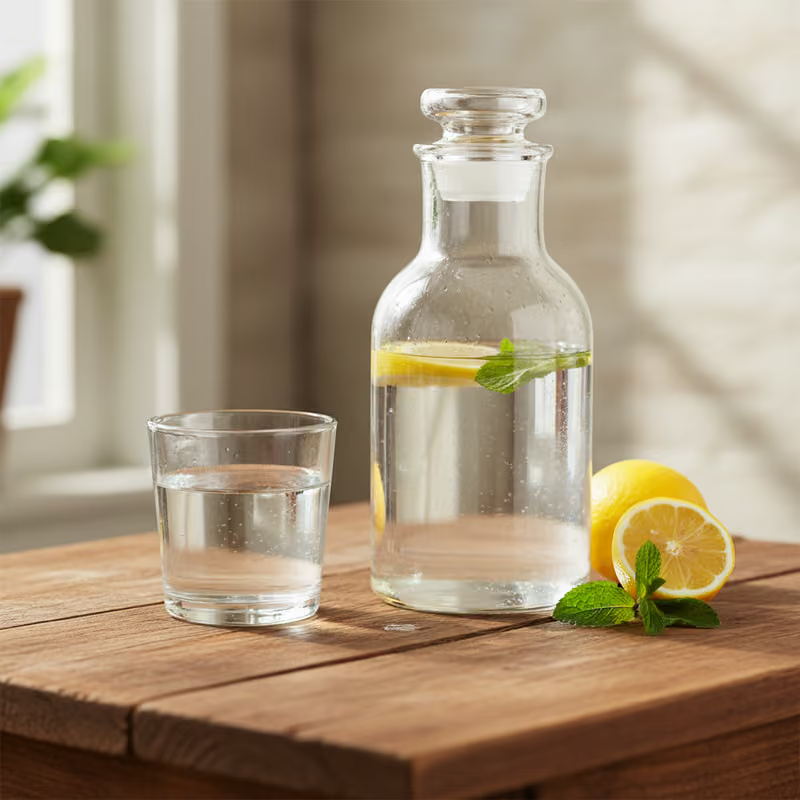
- Flavor Your Water Naturally: If you find plain water unappealing, infuse it with natural flavors. Slices of lemon, lime, cucumber, mint leaves, or berries can enhance the taste without adding artificial sweeteners or excessive calories.
- Adjust for Environment and Health Status: Remember to increase fluid intake during hot weather, when at high altitudes, or when experiencing fever, vomiting, or diarrhea. Consult a healthcare professional for specific guidance if you have medical conditions that impact fluid balance, such as kidney disease or heart failure.
By consistently applying these practical habits, individuals can effectively support their body's hydration needs and contribute positively to their overall health.
Common mistakes to avoid
While the importance of hydration is widely recognized, several common pitfalls can inadvertently hinder proper fluid balance. Awareness of these mistakes can help individuals optimize their hydration strategies.
- Waiting Until Thirsty to Drink: Although thirst is a natural indicator, it often signifies that the body is already experiencing a degree of dehydration. For many healthy individuals, relying solely on thirst can mean they are consistently playing catch-up with their fluid needs, especially during physical activity or in warm environments. Proactive sips throughout the day are often more effective than infrequent, large gulps.
- Over-reliance on Sugary Drinks: Many people turn to sodas, sweetened teas, and fruit juices for hydration. While these beverages contain water, their high sugar content can contribute to caloric excess and other health issues. The added sugars can also sometimes interfere with fluid absorption or lead to a subsequent dip in energy levels. Water, unsweetened tea, or naturally flavored water are generally superior choices for hydration.
- Ignoring Environmental Factors: Failing to adjust fluid intake based on climate or altitude is a common oversight. In hot, humid conditions, sweating increases significantly, leading to greater fluid loss. Similarly, at higher altitudes, increased respiration and lower humidity can accelerate fluid evaporation from the body, necessitating increased intake. Not accounting for these factors can quickly lead to dehydration.
- Neglecting Hydration During Illness: When ill with fever, vomiting, or diarrhea, the body loses fluids and electrolytes at an accelerated rate. Failing to consciously increase fluid intake, often with electrolyte-rich solutions, during these times can exacerbate symptoms and prolong recovery. Plain water might not be sufficient; oral rehydration solutions can be crucial.
- Excessive Caffeine and Alcohol Consumption: Both caffeine and alcohol are diuretics, meaning they can increase urine production and potentially lead to fluid loss. While moderate consumption of caffeinated beverages (like coffee or tea) may still contribute to overall fluid intake for many, excessive amounts, or heavy alcohol consumption, can counteract hydration efforts and should be balanced with additional water intake.
- Focusing Only on Plain Water: While plain water is essential, overlooking the contribution of water-rich foods (fruits, vegetables) and other healthy beverages can lead to an underestimation of total fluid intake. A varied diet that includes plenty of produce helps meet hydration needs alongside drinking water.
- Misinterpreting Urine Color: While urine color is a useful guide, consistently clear urine might not always be ideal. Excessive water intake can sometimes lead to hyponatremia (low sodium levels), a potentially serious condition. Aim for pale yellow, not completely clear.
- Not Considering Exercise Intensity and Duration: For short, moderate workouts, water is usually sufficient. However, for prolonged (over an hour) or very intense exercise, especially in heat, relying solely on water without electrolyte replenishment can be insufficient and potentially risky. Sports drinks designed to replace electrolytes can be beneficial in these specific scenarios.
- Believing the "8 Glasses a Day" Rule is Universal: While the "8x8 rule" (eight 8-ounce glasses) is a widely cited general guideline, it is not scientifically precise for everyone. Individual needs vary greatly. Adhering rigidly to this number without considering personal factors (activity level, climate, diet, health) can lead to either under- or over-hydration.
By being mindful of these common mistakes, individuals can refine their hydration strategies, ensuring they are effectively meeting their body's needs without falling into counterproductive habits.
When to see a professional
While general hydration advice applies to most healthy individuals, certain symptoms or underlying health conditions warrant consultation with a healthcare professional. Recognizing these situations is crucial for ensuring proper care and preventing potential complications.
- Persistent Symptoms of Dehydration: If you experience ongoing signs of dehydration despite conscious efforts to increase fluid intake, such as persistent thirst, dry mouth, reduced urination, significant fatigue, dizziness, or confusion, it's important to seek medical advice. These symptoms could indicate more severe dehydration or an underlying issue affecting fluid balance.
- Rapid Weight Changes: Unexplained or rapid weight gain could sometimes indicate fluid retention, potentially linked to kidney or heart conditions. Conversely, rapid weight loss might be associated with significant fluid loss due to illness or other factors.
- Electrolyte Imbalance Symptoms: Symptoms such as muscle weakness, cramps, irregular heartbeat, severe nausea, vomiting, or seizures could suggest an electrolyte imbalance (e.g., hyponatremia from over-hydration or hypernatremia from severe dehydration). These require immediate medical attention.
- Chronic Medical Conditions: Individuals with pre-existing medical conditions affecting fluid balance need personalized guidance. This includes:
- Kidney Disease: The kidneys play a central role in regulating fluid and electrolyte balance. Individuals with kidney dysfunction may have specific fluid restrictions or requirements.
- Heart Failure: Excessive fluid intake can strain the heart, while insufficient intake can lead to dehydration. A careful balance is necessary, often dictated by a cardiologist.
- Diabetes: High blood sugar levels can lead to increased urination and dehydration. Managing fluid intake is an integral part of diabetes care.
- Thyroid Disorders: These can sometimes impact fluid balance and metabolism.
- Medication Use: Certain medications, such as diuretics, laxatives, or some psychiatric drugs, can affect fluid and electrolyte levels, requiring adjustments to fluid intake.
- Gastrointestinal Illnesses with Significant Fluid Loss: If you experience severe or prolonged vomiting, diarrhea, or both, especially if accompanied by inability to keep fluids down, fever, or signs of severe dehydration, medical intervention may be necessary to prevent complications, potentially involving intravenous fluid replacement.
- Concerns about Over-hydration (Hyponatremia): While less common, if you are concerned about drinking too much water and experiencing symptoms like nausea, headaches, confusion, or swelling (especially around the hands, feet, or face), particularly after intense exercise or due to certain medical conditions, consult a physician.
- Infants, Young Children, and Older Adults: These age groups are particularly vulnerable to dehydration and over-hydration. Any significant change in fluid intake, output, or behavior in these individuals should prompt medical consultation.
- Before Making Significant Dietary or Lifestyle Changes: If you plan to dramatically increase your exercise regimen, move to a vastly different climate, or undergo significant dietary shifts, discussing your hydration needs with a healthcare professional can help you prepare appropriately.
A healthcare professional can provide an accurate diagnosis, rule out underlying conditions, and offer tailored recommendations for fluid intake, ensuring your hydration strategy supports your specific health needs and circumstances.
Frequently asked questions
Q: How much plain water should I drink daily, excluding other beverages and food?
A: While total fluid intake includes water from all sources, a common general guideline for plain drinking water is around 8 glasses of 8 ounces each, totaling about 2 liters (approximately 68 ounces), for many healthy adults. However, individual needs vary significantly based on activity level, climate, and health status. The most accurate approach is to listen to your body's thirst signals and monitor your urine color; aiming for pale yellow urine is a good indicator of adequate hydration.
Q: Can I get all the water I need from coffee, tea, and soda?
A: While coffee, tea, and soda primarily consist of water and contribute to total fluid intake, they are not ideal primary sources for hydration. Caffeinated beverages can have a diuretic effect, potentially increasing fluid loss, though moderate intake may still contribute positively to fluid balance. Sugary sodas also contain high amounts of sugar and can lead to other health concerns. Plain water is the best choice for hydration due to its purity and lack of added sugars or caffeine.
Q: What are the main signs of dehydration?
A: Common signs of dehydration include increased thirst, dry mouth, infrequent urination, dark yellow urine, fatigue, dizziness, lightheadedness, and headache. In more severe cases, symptoms can escalate to confusion, rapid heart rate, low blood pressure, and decreased skin turgor. Recognizing these signs early and increasing fluid intake is crucial.
Q: Is it possible to drink too much water?
A: Yes, it is possible to drink too much water, a condition known as over-hydration or hyponatremia. This occurs when excessive water intake dilutes the body's sodium levels, leading to symptoms like nausea, vomiting, headache, confusion, and in severe cases, seizures or coma. While rare in healthy individuals, it can occur during extreme endurance events or in individuals with certain medical conditions, especially when plain water is consumed without electrolyte replacement.
Q: How do I know if I'm hydrated enough if I don't feel thirsty?
A: Beyond thirst, urine color is an excellent indicator. Aim for pale yellow or straw-colored urine. If your urine is consistently dark yellow or amber, you likely need to increase your fluid intake. If it's consistently clear, you might be over-hydrating. Another way to assess is by considering your daily habits: Are you drinking regularly throughout the day? Are you consuming water-rich foods? If you're physically active or in a warm environment, proactive hydration is important even before thirst sets in.
Key takeaways
Maintaining proper hydration is a cornerstone of overall health, impacting everything from physical performance to cognitive function. While a universal "one-size-fits-all" amount of water doesn't exist, understanding key principles allows for personalized and effective hydration strategies. Listen to your body's thirst signals and use urine color as a practical guide. Incorporate water-rich foods, and prioritize plain water over sugary beverages. Be mindful of environmental factors, activity levels, and health status, as these can significantly alter fluid requirements. For most healthy adults, proactive, consistent sips throughout the day are more effective than infrequent, large intakes. While dehydration is more common, being aware of the less frequent risk of over-hydration is also important. If you experience persistent symptoms of dehydration, have underlying medical conditions that affect fluid balance, or are concerned about your hydration status, consulting a healthcare professional is always the wisest course of action to receive tailored advice and ensure your well-being.
Related reading
Keep exploring this topic with our related, evidence-reviewed guides:
- The Science of Hydration: Evidence-Based Guide — Proper hydration is fundamental to overall health, impacting everything from energy levels to cellular function. This article expl…
- Cold Exposure Benefits Explained — Discover the potential health benefits of cold exposure, from boosting metabolism to improving mood and immune function. Learn how…
- How Much Exercise Does Your Dog Really Need by Breed and Age — A practical, evidence-informed guide to dog exercise needs — what matters, what works, common mistakes, and when to consult a prof…
- Desk Health: Preventing Neck, Wrist, and Back Strain While Working — A practical, evidence-informed guide to desk ergonomics — what matters, what works, common mistakes, and when to consult a profess…
- How Much Protein Do You Actually Need? A Look at the Best — The RDA is for survival, not for thriving. Here's what protein research from the last decade really shows.
- Blood Sugar Basics: Fasting Glucose, HbA1c, and Early Warning Signs — A practical, evidence-informed guide to blood sugar test — what matters, what works, common mistakes, and when to consult a profes…
Sources
- World Health Organization (WHO): Provides global public health guidelines and recommendations, including those related to nutrition and hydration.
- Centers for Disease Control and Prevention (CDC): Offers national public health information and recommendations for healthy living, including advice on hydration.
- National Institutes of Health (NIH): Conducts and supports medical research, and provides evidence-based health information, including details on physiological processes related to water.
- NHS (National Health Service - UK): Offers health information and guidance for the public, including practical advice on hydration and healthy eating.
- Mayo Clinic: Provides in-depth medical information and practical health advice from medical experts.
- Cochrane Library: A collection of databases that contain high-quality, independent evidence to inform healthcare decision-making, including systematic reviews on various health topics.
- American College of Sports Medicine (ACSM): Provides guidance on exercise, physical activity, and sports medicine, often including detailed recommendations on hydration for athletes.
- National Academies of Sciences, Engineering, and Medicine (formerly Institute of Medicine): Publishes reports and advises the nation on science, engineering, and medicine, including dietary reference intakes for water.
- Food and Agriculture Organization of the United Nations (FAO): Provides information and statistics on food, agriculture, and nutrition globally.
Sources
Evidence & citations
- Every claim in this health & wellness guide is backed by primary data — browse the global health and wellness statistics in our sourced statistics library.
- Writing about this topic? Researchers, journalists and educators can cite our health and wellness articles with ready-made APA, MLA and Chicago references.
My notes on this one
The short version of 16 minutes of reading — what stuck with me while writing “Hydration Explained: How Much Water You Really Need Each Day”, what the sources back up, and what I'd actually do about it.
What I'd take away
01 · Why this matters
Our blood, which is over 90% water, carries oxygen and nutrients to every part of the body.
02 · Key principles
Reference: Public health bodies like the Centers for Disease Control and Prevention (CDC) and the World Health Organization (WHO) emphasize individual variability and the importance of listening to one's body.
03 · Practical daily habits
Start the Day Hydrated: Begin your day with a glass of water soon after waking. This helps rehydrate your body after hours of sleep and kickstarts your metabolism…
04 · Common mistakes to avoid
By being mindful of these common mistakes, individuals can refine their hydration strategies, ensuring they are effectively meeting their body's needs without falling into counterproductive habits.
What the sources I read actually say
Reference: Public health bodies like the Centers for Disease Control and Prevention (CDC) and the World Health Organization (WHO) emphasize individual variability and the importance of listening to on…
World Health OrganizationKidney Disease: The kidneys play a central role in regulating fluid and electrolyte balance. Individuals with kidney dysfunction may have specific fluid restrictions or requirements.
Centers for Disease Control and PreventionReference: The National Academies of Sciences, Engineering, and Medicine (formerly Institute of Medicine) in the United States, and similar health organizations…
National Institutes of Health
If you only do one thing this week
- Pair Drinks with Meals and Snacks — Make it a habit to drink a glass of water with every meal and snack. This not only aids digestion but also ensures consistent fluid intake throu…
- Our blood, which is over 90% water, carries oxygen and nutrients to every part of the body.
- Aim for pale yellow or straw-colored urine.
Pick the one that fits your week. None of this replaces advice from a clinician who can actually examine you.
Questions I kept coming back to
How much plain water should I drink daily, excluding other beverages and food?+
While total fluid intake includes water from all sources, a common general guideline for plain drinking water is around 8 glasses of 8 ounces each, totaling about 2 liters (approximately 68 ounces), for many healthy adults. However, individual needs vary significantly based on activity level, climate, and health status…
Can I get all the water I need from coffee, tea, and soda?+
While coffee, tea, and soda primarily consist of water and contribute to total fluid intake, they are not ideal primary sources for hydration. Caffeinated beverages can have a diuretic effect, potentially increasing fluid loss, though moderate intake may still contribute positively to fluid balance. Sugary sodas also contain high amounts of sugar and can lead to other health concerns…
What are the main signs of dehydration?+
Common signs of dehydration include increased thirst, dry mouth, infrequent urination, dark yellow urine, fatigue, dizziness, lightheadedness, and headache. In more severe cases, symptoms can escalate to confusion, rapid heart rate, low blood pressure, and decreased skin turgor. Recognizing these signs early and increasing fluid intake is crucial.
Is it possible to drink too much water?+
Yes, it is possible to drink too much water, a condition known as over-hydration or hyponatremia. This occurs when excessive water intake dilutes the body's sodium levels, leading to symptoms like nausea, vomiting, headache, confusion, and in severe cases, seizures or coma. While rare in healthy individuals, it can occur during extreme endurance events or in individuals with certain medical conditions…
How do I know if I'm hydrated enough if I don't feel thirsty?+
Beyond thirst, urine color is an excellent indicator. Aim for pale yellow or straw-colored urine. If your urine is consistently dark yellow or amber, you likely need to increase your fluid intake. If it's consistently clear, you might be over-hydrating. Another way to assess is by considering your daily habits: Are you drinking regularly throughout the day? Are you consuming water-rich foods? If you're physically act…
Was this article helpful?
Be the first to rate this article.
Written by
FaizRuh
I write Health Hub Pro on my own — no clinical licence, no anonymous review panel. Just the published guidance, read carefully and explained plainly.
More about me →How this page was checked
Every claim above is checked against the sources listed at the bottom of this article — WHO, CDC, NIH, NHS, Cochrane and major clinical guidelines. Drafting is AI-assisted; the editing, fact-checking and final wording are mine. It's information, not medical advice. Spotted an error? Tell me and I'll fix it.
Last checked on