
Building Resilience Through Habits
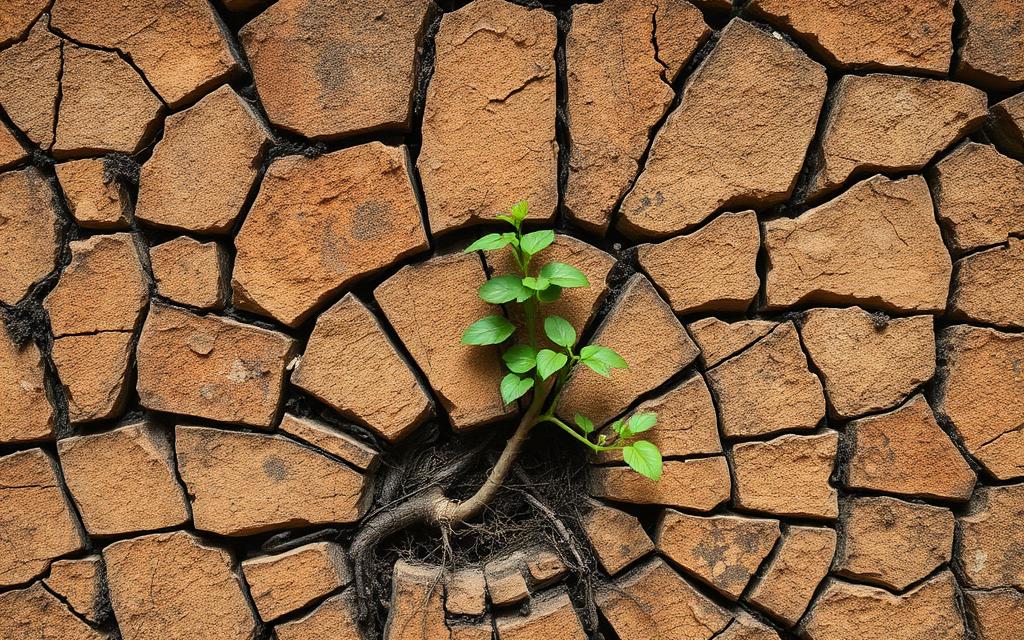
Discover how cultivating simple, consistent habits can significantly enhance your mental and physical resilience, helping you navigate life's challenges with greater strength.
For informational purposes only. This article is educational and is not a substitute for professional medical advice, diagnosis, or treatment. Always consult a qualified healthcare provider about anything affecting your health. Read full disclaimer.
Building Resilience Through Habits
In our increasingly complex and fast-paced world, the ability to bounce back from adversity isn't just a desirable trait; it's a fundamental necessity for maintaining well-being. This capacity, known as resilience, isn't something we are simply born with or without. Instead, it's a skill that can be developed and strengthened over time, much like a muscle. And the most effective way to build this inner fortitude is through the consistent cultivation of positive, health-promoting habits.
Understanding Resilience
Resilience is often defined as the process of adapting well in the face of adversity, trauma, tragedy, threats, or significant sources of stress. It involves maintaining mental, emotional, and physical equilibrium despite life's inevitable ups and downs. Research from fields like psychology and neuroscience consistently shows that individuals with higher resilience experience lower rates of depression, anxiety, and stress-related physical ailments. They are also better equipped to cope with change and recover more quickly from setbacks. The American Psychological Association emphasizes that resilience is not about avoiding problems, but rather about developing strategies to navigate them effectively.
The Power of Consistent Habits
Habits are the foundation of our daily lives, influencing our thoughts, feelings, and actions, often without conscious effort. By intentionally developing habits that support our physical and mental health, we create a robust framework for resilience. These small, consistent actions build momentum, fostering a sense of control and self-efficacy, which are crucial components of enduring stress.
Key Habits for Cultivating Resilience
1. Prioritize Quality Sleep
Sleep is not a luxury; it's a non-negotiable biological imperative. During sleep, our bodies and minds undertake crucial restorative processes, including memory consolidation, emotional regulation, and cellular repair. Chronic sleep deprivation impairs our ability to cope with stress, think clearly, and regulate our emotions. Aim for 7-9 hours of quality sleep per night. Establishing a consistent sleep schedule, creating a relaxing bedtime routine, and optimizing your sleep environment can significantly improve sleep quality and, in turn, enhance your resilience.
2. Embrace Regular Physical Activity
Exercise is a powerful stress reliever and mood elevator. When we engage in physical activity, our bodies release endorphins, natural mood boosters. Regular exercise also helps to regulate stress hormones like cortisol and adrenaline, reducing their negative impact on our bodies. Furthermore, it improves cognitive function, enhances self-esteem, and provides a constructive outlet for pent-up energy or frustration. The Centers for Disease Control and Prevention recommends at least 150 minutes of moderate-intensity aerobic activity each week, combined with muscle-strengthening activities on two or more days.
3. Practice Mindful Awareness
Mindfulness involves paying attention to the present moment without judgment. Habits such as meditation, deep breathing exercises, or simply taking a few minutes each day to observe your surroundings can significantly improve emotional regulation and stress reduction. Mindfulness teaches us to create a pause between a trigger and our reaction, allowing for a more thoughtful and less reactive response to stressful situations. Studies have shown that even short daily mindfulness practices can alter brain structures associated with emotional processing and attention, enhancing our capacity for resilience.
4. Nurture Social Connections
Humans are inherently social beings. Strong social connections provide a vital support system, offering comfort, perspective, and practical help during challenging times. Regular interaction with friends, family, or community groups can combat feelings of isolation and loneliness, which are significant detractors of resilience. Make a habit of reaching out, connecting with loved ones, and participating in community activities. These interactions reinforce a sense of belonging and provide valuable emotional resources.
5. Engage in Meaningful Activities
Having a sense of purpose and engaging in activities that bring joy and meaning can significantly bolster resilience. This could involve volunteering, pursuing a hobby, learning a new skill, or dedicating time to creative expression. These activities provide a sense of accomplishment, distraction from stressors, and reinforce positive emotions, contributing to overall well-being and a stronger sense of self-worth.
Building Habits Strategically
Building new habits takes time and conscious effort. Start small; instead of aiming for an hour of meditation daily, begin with five minutes. Be consistent, even on days when motivation wanes. Celebrate small victories and don't be discouraged by occasional slip-ups; simply get back on track. Remember, the goal is progress, not perfection. Over time, these consistent actions will become ingrained, forming a powerful shield against life's inevitable stresses.
By intentionally integrating these habits into your daily routine, you are not just coping with life; you are actively constructing a more robust and adaptable self, better prepared to face any challenge that comes your way.
Disclaimer: This article provides general information and is not a substitute for professional medical advice. Always consult with a qualified healthcare professional before making any decisions about your health or treatment.
Related reading
- Daily Habits for Lifelong Vitality — Discover actionable daily habits to enhance your physical and mental well-being, promoting a lifetime of vitality and re…
- The Role of Hobbies in Health — Discover how engaging in hobbies can significantly enhance your physical and mental well-being, fostering a balanced and…
- The Power of Gratitude for Wellbeing — Discover how cultivating gratitude can significantly enhance your mental and physical health. This article explores the …
- Connecting With Community — Discover how fostering strong community connections can significantly enhance mental well-being, reduce feelings of isol…
- Stress Reduction Techniques — Discover effective, evidence-based stress reduction techniques to improve your mental well-being and navigate life's cha…
Written by
Health Hub Pro Editorial
Health writer at Health Hub Pro, focused on evidence-based, Sharia-conscious wellness.
View author profile →