Cat Nutrition: Why Cats Are Obligate Carnivores and What to
A practical, evidence-informed guide to cat nutrition — what matters, what works, common mistakes, and when to consult a professional.
For informational purposes only. This article is educational and is not a substitute for professional medical advice, diagnosis, or treatment. Always consult a qualified healthcare provider about anything affecting your health. Read full disclaimer.
Cat Nutrition: Why Cats Are Obligate Carnivores and What to Feed
(Not medical or veterinary advice — consult a qualified clinician or veterinarian for personal guidance.)
Introduction
Cats, our feline companions, share our homes but possess unique dietary needs shaped by their evolutionary history. Unlike omnivores or herbivores, cats are classified as "obligate carnivores." This fundamental biological characteristic dictates their nutritional requirements, making a deep understanding of their diet crucial for their overall health and well-being. Providing appropriate nutrition is not merely about offering food; it is about respecting their physiological design and supporting their intrinsic biological processes. A well-nourished cat is more likely to thrive, exhibit vitality, and potentially avoid a range of diet-related health issues. This article will explore the core principles of feline nutrition, emphasizing why their obligate carnivore status is paramount in dietary decisions, and offer practical guidance for ensuring your cat receives a balanced and complete diet.
Why this matters
Understanding cat nutrition is not just an academic exercise; it has profound implications for a cat's health and longevity. The term "obligate carnivore" means that cats must consume animal-derived tissue to meet their nutritional needs. Their digestive systems are specifically adapted for processing meat, and they lack certain metabolic pathways that allow other species, like humans or dogs, to synthesize essential nutrients from plant-based precursors.
For example, cats require a dietary source of taurine, an amino acid vital for heart function, vision, and reproductive health. Unlike many other mammals, cats cannot synthesize sufficient taurine from other amino acids; it must be obtained directly from animal protein. A deficiency can lead to serious conditions such as dilated cardiomyopathy (a type of heart disease) and central retinal degeneration, which can cause blindness. Similarly, cats have a high requirement for arachidonic acid, an essential fatty acid found predominantly in animal fats, which they cannot efficiently produce from plant-based precursors like linoleic acid.
Furthermore, cats have a unique vitamin A metabolism. They cannot convert beta-carotene (found in plants) into active vitamin A, meaning they require preformed vitamin A, which is present only in animal tissues. Their high protein requirements are also a distinguishing factor. A cat's liver enzymes involved in protein metabolism are always active, regardless of dietary protein intake, meaning they constantly break down protein for energy. If their diet lacks sufficient protein, their bodies will start to break down their own muscle tissue.
Beyond specific nutrient requirements, a diet that respects their obligate carnivore nature can contribute to maintaining a healthy weight, supporting strong muscles and bones, promoting a glossy coat, and fostering a robust immune system. Conversely, an inappropriate diet can contribute to obesity, dental disease, urinary tract issues, gastrointestinal upset, and chronic diseases. Making informed decisions about a cat's diet is therefore a cornerstone of responsible cat care, directly influencing their quality of life and potentially their lifespan.
Key principles (evidence-informed)
High Animal Protein Content
Cats require a diet rich in animal-derived protein. Protein serves as the primary source of amino acids, which are the building blocks for muscles, enzymes, hormones, and antibodies. Their metabolic pathways are geared towards using protein for energy, unlike omnivores that can readily utilize carbohydrates. The quality and digestibility of the protein are also crucial; animal proteins typically offer a superior amino acid profile and higher digestibility for cats compared to many plant-based proteins.
Moderate Fat Content
Fats are a concentrated source of energy for cats and provide essential fatty acids, such as arachidonic acid and omega-3 fatty acids (EPA and DHA), which are vital for skin and coat health, inflammation regulation, neurological function, and vision. While essential, the amount of fat needs to be balanced to avoid excessive calorie intake, which can lead to obesity, or insufficient intake, which can cause energy deficiency and poor skin/coat condition.
Low Carbohydrate Content
Historically, a cat's natural diet in the wild, primarily consisting of prey animals, would have been very low in carbohydrates. While cats can digest some carbohydrates, their physiological machinery is not optimized for high carbohydrate intake. Their bodies are less efficient at processing large amounts of starches and sugars compared to omnivores. Excessive carbohydrates in the diet can contribute to weight gain and may exacerbate certain health conditions in susceptible individuals.
Essential Nutrients
Several nutrients are essential for cats and must be supplied through their diet because they cannot synthesize them or cannot synthesize them in sufficient quantities. These include:
- Taurine: Critical for heart function, vision, and reproduction. Found exclusively in animal tissues.
- Arginine: An amino acid essential for the urea cycle, which processes nitrogenous waste. Deficiency can lead to hyperammonemia.
- Preformed Vitamin A: Cats cannot convert plant-derived beta-carotene into active vitamin A, so they require preformed retinol, found in animal livers and fats. Essential for vision, immune function, and skin health.
- Niacin (Vitamin B3): Unlike some other species, cats cannot synthesize niacin from tryptophan and require it preformed in their diet.
- Pyridoxine (Vitamin B6): Important for protein metabolism.
- Cobalamin (Vitamin B12): Essential for nerve function and blood cell formation.
- Essential Fatty Acids: Arachidonic acid (an omega-6 fatty acid) and certain omega-3 fatty acids (EPA and DHA) are crucial for various physiological functions.
Water
Cats have a relatively low thirst drive, evolved from their ancestors who obtained most of their moisture from prey. This means they are often prone to chronic dehydration if their diet consists solely of dry food. Adequate water intake is critical for kidney function and overall urinary tract health. Wet food, with its high moisture content (around 70-80%), can significantly contribute to their daily water intake.
(WHO, FAO, NIH, AAFCO)
Practical daily habits
Implementing these key principles into daily feeding practices can significantly benefit your cat's health.
Choosing Commercial Cat Food
The vast majority of cat guardians rely on commercial cat foods, which, when properly formulated, are designed to be nutritionally complete and balanced. Look for foods that meet the nutritional profiles established by recognized authorities. In the United States, this is often indicated by an "AAFCO statement" on the label, which signifies that the food is formulated to meet the nutritional levels established by the Association of American Feed Control Officials (AAFCO) or has undergone feeding trials. Similar regulatory bodies exist in other regions (e.g., FEDIAF in Europe).
- Wet Food vs. Dry Food: For many cats, a diet that includes a significant portion of wet food is beneficial due to its high moisture content, which supports hydration and urinary tract health. While dry food can be convenient and help with dental hygiene in some cases, it contains significantly less moisture. A mixed diet, or even a primarily wet food diet, is often recommended.
- Ingredient List: Scrutinize ingredient lists. High-quality animal protein (e.g., chicken, turkey, salmon, beef, lamb) should be among the first few ingredients. Be wary of foods with excessive fillers or a large proportion of plant-based proteins as primary protein sources.
- Life Stage Formulas: Choose food appropriate for your cat's life stage (kitten, adult, senior) as their nutritional needs change over time. Kitten foods are calorie and nutrient-dense to support rapid growth, while senior foods may have adjusted protein and phosphorus levels to support aging kidneys.
Feeding Frequency and Portion Control
Most adult cats benefit from two to three meals per day, rather than free-feeding (leaving food out all the time). This allows for better portion control, helps monitor appetite, and can prevent overeating. Always follow the feeding guidelines on the food packaging as a starting point, but adjust based on your cat's individual activity level, age, weight, and body condition. Regular weighing and body condition scoring can help determine if adjustments are needed. Consult your veterinarian for personalized recommendations.
Hydration Strategies
- Provide multiple water sources: Offer several water bowls in different locations.
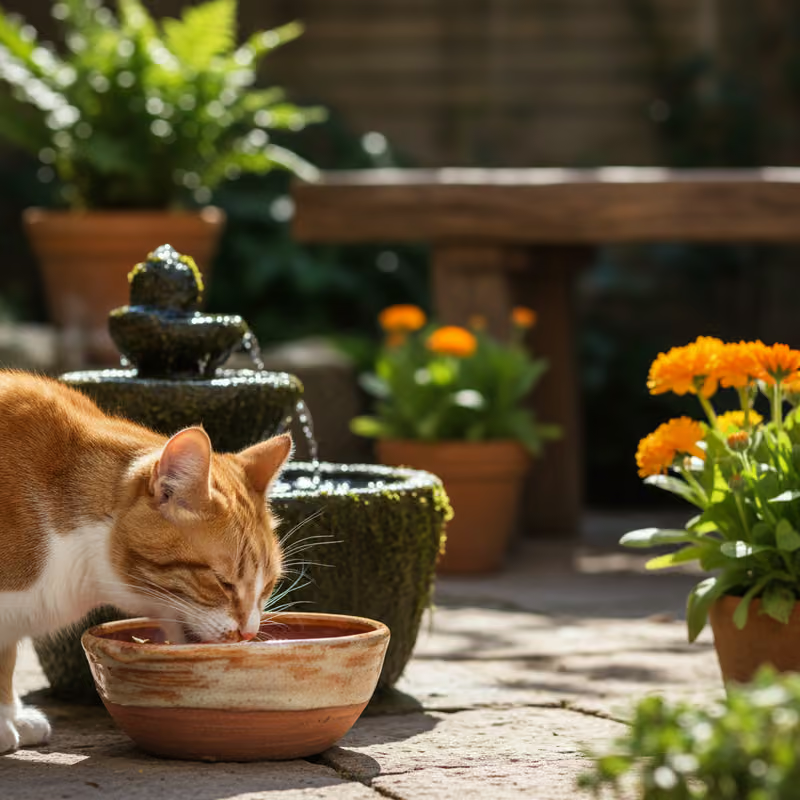
- Consider water fountains: Many cats prefer moving water.
- Use wide, shallow bowls: Some cats dislike their whiskers touching the sides of a bowl.
- Regularly clean water bowls: Keep water fresh and clean.
- Incorporate wet food: As mentioned, this is one of the most effective ways to increase moisture intake.
Treats and Supplements
Treats should be given sparingly and constitute no more than 10% of a cat's daily caloric intake to prevent nutritional imbalances and weight gain. Choose treats that are high in protein and low in carbohydrates. Supplements are generally not necessary if your cat is eating a complete and balanced commercial diet, unless specifically recommended by a veterinarian for a particular health condition. Over-supplementation can be harmful.
Environmental Enrichment Around Feeding
Make mealtime more engaging. Puzzle feeders can slow down eating, provide mental stimulation, and tap into their natural hunting instincts. This can be particularly beneficial for indoor cats.
(AAFCO, FEDIAF, AVMA)
Common mistakes to avoid
Avoiding common pitfalls in feline nutrition is as important as understanding best practices. Many well-intentioned actions can inadvertently lead to dietary imbalances or health issues.
Feeding a Vegetarian or Vegan Diet
This is perhaps the most critical mistake to avoid. Given that cats are obligate carnivores, feeding them a vegetarian or vegan diet is nutritionally inadequate and can lead to severe nutrient deficiencies (e.g., taurine, preformed vitamin A, arachidonic acid, certain B vitamins, and high-quality protein) and life-threatening health problems. Their physiology is simply not designed to thrive on plant-based ingredients alone.
Excessive Free-Feeding
Leaving a bowl of dry kibble out all day can lead to overeating and obesity, especially in indoor cats with lower activity levels. Obesity is a significant health concern in cats, contributing to conditions like diabetes, arthritis, and urinary tract diseases. Portion control and scheduled meals are generally preferable.
Over-Reliance on Dry Food
While convenient, an exclusive dry food diet can contribute to chronic dehydration due to a cat's low thirst drive. This can place stress on the kidneys and potentially increase the risk of urinary tract issues like crystal formation or blockages. Incorporating wet food is often a healthier approach.
Feeding Table Scraps or Human Foods Regularly
Many human foods are not appropriate for cats and can be harmful. While small amounts of plain, cooked meat (without seasonings) might be tolerated, regular feeding of table scraps can lead to nutritional imbalances, obesity, gastrointestinal upset, or exposure to toxic ingredients. Foods to avoid include:
- Onions, garlic, chives, leeks (toxic, can cause red blood cell damage)
- Grapes and raisins (toxic, can cause kidney failure)
- Chocolate, coffee, caffeine (stimulants, toxic)
- Alcohol
- Raw dough
- Xylitol (artificial sweetener, highly toxic)
- Macadamia nuts
- Fatty trimmings and bones (can cause pancreatitis, choking, or internal injury)
Inappropriate Use of Supplements
Unless specifically recommended and prescribed by a veterinarian for a diagnosed condition, supplementing a cat's diet that is already complete and balanced can be dangerous. Over-supplementation of certain vitamins and minerals (e.g., Vitamin A, Vitamin D, calcium) can lead to toxicity and serious health problems. Always consult a veterinarian before adding any supplements.
Frequent and Abrupt Diet Changes
A cat's digestive system can be sensitive to sudden changes in diet, which can lead to gastrointestinal upset like vomiting or diarrhea. If you need to switch your cat's food, do so gradually over 7-10 days, mixing increasing amounts of the new food with decreasing amounts of the old food.
Ignoring Dental Health
While diet primarily influences systemic health, the physical characteristics of food can impact dental health. While dry kibble is sometimes touted for dental benefits, its effectiveness is often limited. Dental hygiene still requires proactive care such as dental treats specifically designed to reduce plaque and tartar, and ideally, regular brushing or professional dental cleanings. Some cats can develop dental issues regardless of diet if other preventative measures are not taken.
Not Considering Individual Needs
Every cat is an individual. Factors like age, activity level, health status (e.g., diabetes, kidney disease, allergies), and body condition all influence nutritional requirements. A diet suitable for a young, active cat may not be appropriate for an older cat with kidney issues. Generic advice should always be tailored by a veterinarian to meet the specific needs of your cat.
(AVMA, WSAVA, NIH)
When to see a professional
While understanding basic feline nutrition empowers you to make good daily choices, there are several instances when professional veterinary advice is essential. A veterinarian can provide tailored guidance, diagnose underlying issues, and develop specific dietary plans.
You should consult a veterinarian if you observe any of the following:
- Significant Changes in Appetite or Thirst: A sudden increase or decrease in food or water intake can be a sign of an underlying health problem, such as kidney disease, diabetes, or dental issues.
- Unexplained Weight Loss or Gain: Unintended changes in body weight are red flags. Weight loss could indicate malabsorption, hyperthyroidism, or other serious illnesses. Weight gain, particularly if rapid, could point to metabolic issues or simply overfeeding, which still requires veterinary guidance to address.
- Changes in Stool or Urination: Diarrhea, constipation, blood in stool or urine, straining to urinate, or urinating outside the litter box warrant immediate veterinary attention. These could be signs of gastrointestinal disease, urinary tract infection, or blockages.
- Vomiting: While occasional hairballs are common, persistent or frequent vomiting (more than once or twice a week, or sudden onset severe vomiting) is not normal and requires investigation.
- Poor Coat Condition or Skin Issues: Dull fur, excessive shedding, dandruff, or skin lesions can sometimes be linked to nutritional deficiencies, allergies, or other health problems.
- Lethargy or Behavioral Changes: A cat that is unusually tired, less playful, hiding more, or exhibiting changes in temperament might be experiencing a health issue that could be influenced by or require dietary modification.
- Suspected Food Allergies or Sensitivities: If your cat experiences chronic itching, skin inflammation, ear infections, or gastrointestinal upset, food allergies or sensitivities might be a cause. A veterinarian can guide you through an elimination diet trial or other diagnostic steps.
- Transitioning to a New Diet (Especially Therapeutic Diets): If you are considering switching to a raw diet, a homemade diet, or a veterinary therapeutic diet for a specific health condition (e.g., kidney disease, urinary issues, diabetes), professional guidance is crucial. Homemade diets are particularly challenging to balance nutritionally without expert input.
- Dietary Advice for Specific Life Stages or Health Conditions: Pregnant or lactating cats, kittens, senior cats, or cats with chronic conditions (e.g., diabetes, hyperthyroidism, chronic kidney disease) have unique nutritional requirements that necessitate veterinary consultation.
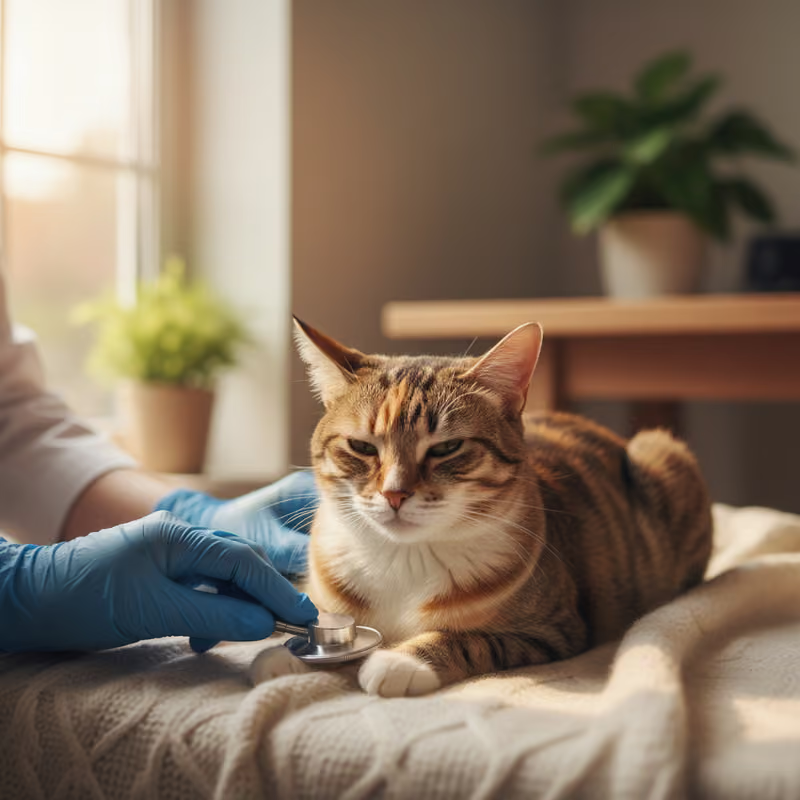
A veterinarian can perform a thorough physical examination, recommend diagnostic tests, and formulate a diet plan that is specifically tailored to your cat's individual health status and needs, ensuring they receive appropriate nutrition to support their well-being.
Frequently asked questions
What does "obligate carnivore" mean for my cat's diet?
Being an "obligate carnivore" means that cats must consume animal-derived tissue to meet their essential nutritional requirements. Their bodies are uniquely adapted for processing meat, and they cannot synthesize certain vital nutrients (like taurine, preformed Vitamin A, and arachidonic acid) from plant-based sources or other precursors in sufficient amounts. Therefore, their diet must be rich in animal protein and fat, reflecting the composition of prey animals.
Is dry food bad for cats?
Dry food itself is not inherently "bad," especially if it is a complete and balanced commercial diet. However, an exclusive dry food diet can contribute to chronic low-level dehydration in many cats due to their naturally low thirst drive and the food's low moisture content. This can potentially strain the kidneys and urinary tract. Many veterinarians recommend incorporating wet food into a cat's diet to increase their overall moisture intake, which is beneficial for urinary health.
Can I feed my cat a homemade diet?
While technically possible, creating a nutritionally complete and balanced homemade diet for a cat is extremely challenging and often not recommended without expert veterinary supervision. It requires precise formulation, specific ingredient sourcing, and often supplementation to ensure all essential nutrients (vitamins, minerals, amino acids) are present in the correct ratios. Without professional guidance, homemade diets can easily lead to serious nutrient deficiencies or excesses, which can harm your cat's health.
What ingredients should I look for and avoid in cat food?
When choosing commercial cat food, look for high-quality animal protein (e.g., chicken, turkey, salmon, beef, lamb) listed as the first few ingredients. Healthy fats are also important. Avoid foods with excessive fillers, large amounts of plant-based proteins as the primary protein source, or artificial colors and flavors. It is also important to avoid common human food toxins like onions, garlic, grapes, raisins, chocolate, and xylitol.
How much should I feed my cat?
The amount of food your cat needs depends on several factors, including their age, weight, activity level, metabolism, and whether they are spayed or neutered. Always start by consulting the feeding guidelines on the commercial cat food packaging. However, these are just starting points. Monitor your cat's body condition – you should be able to feel their ribs without seeing them, and they should have a discernible waist. If your cat is gaining or losing weight, adjust their portions accordingly and consult your veterinarian for personalized advice.
Key takeaways
- Cats are obligate carnivores: This is the foundational principle of feline nutrition. Their bodies are specifically adapted to digest and utilize nutrients from animal tissue.
- Essential nutrients: Cats require a high animal protein diet, moderate fat, and very low carbohydrates. They also have specific needs for nutrients like taurine, preformed Vitamin A, and arachidonic acid, which must come from animal sources.
- Hydration is critical: Cats have a low thirst drive. Incorporating wet food into their diet is highly recommended to ensure adequate moisture intake, supporting kidney and urinary tract health.
- Choose appropriate commercial food: Look for complete and balanced diets with an AAFCO (or equivalent) statement, with high-quality animal protein as the primary ingredient. Select food appropriate for your cat's life stage.
- Avoid common mistakes: Never feed a vegetarian/vegan diet, avoid excessive free-feeding, limit human foods/table scraps, and do not over-supplement without veterinary guidance.
- Veterinary consultation is key: For any significant changes in appetite, weight, behavior, or health status, or for advice on specific dietary needs (e.g., for certain life stages or medical conditions), always consult your veterinarian. They can provide personalized dietary recommendations.
Related reading
Keep exploring this topic with our related, evidence-reviewed guides:
- Dog Nutrition Basics: Building a Balanced Bowl at Every Life Stage — A practical, evidence-informed guide to dog nutrition — what matters, what works, common mistakes, and when to consult a professio…
- Pet Nutrition Myths: Raw Diets, Grain-Free, and Supplements — A practical, evidence-informed guide to raw pet food — what matters, what works, common mistakes, and when to consult a profession…
- Nutrition for Working Livestock: Feed Quality and Water Access — A practical, evidence-informed guide to livestock nutrition — what matters, what works, common mistakes, and when to consult a pro…
- Sheep and Goat Health: Parasites, Hoof Trimming, and Nutrition — A practical, evidence-informed guide to sheep health — what matters, what works, common mistakes, and when to consult a profession…
- Cattle Health Management: Nutrition, Mastitis, and Lameness Prevention — A practical, evidence-informed guide to cattle health — what matters, what works, common mistakes, and when to consult a professio…
- Backyard Chicken Health: Housing, Feed, and Disease Prevention — A practical, evidence-informed guide to chicken health — what matters, what works, common mistakes, and when to consult a professi…
Sources
- Association of American Feed Control Officials (AAFCO)
- World Health Organization (WHO)
- National Institutes of Health (NIH)
- American Veterinary Medical Association (AVMA)
- World Small Animal Veterinary Association (WSAVA) Global Nutrition Committee
- Food and Agriculture Organization of the United Nations (FAO)
Sources
Evidence & citations
- Every claim in this animal health guide is backed by primary data — browse the zoonotic and one-health statistics in our sourced statistics library.
- Writing about this topic? Researchers, journalists and educators can cite our animal health guidance with ready-made APA, MLA and Chicago references.
My notes on this one
The short version of 14 minutes of reading — what stuck with me while writing “Cat Nutrition: Why Cats Are Obligate Carnivores and What to”, what the sources back up, and what I'd actually do about it.
What I'd take away
01 · Why this matters
The term "obligate carnivore" means that cats must consume animal-derived tissue to meet their nutritional needs.
02 · High Animal Protein Content
The quality and digestibility of the protein are also crucial; animal proteins typically offer a superior amino acid profile and higher digestibility for cats compared to many plant-based proteins.
03 · Moderate Fat Content
While essential, the amount of fat needs to be balanced to avoid excessive calorie intake, which can lead to obesity, or insufficient intake, which can cause energy deficiency and poor skin/coat condition.
04 · Low Carbohydrate Content
Excessive carbohydrates in the diet can contribute to weight gain and may exacerbate certain health conditions in susceptible individuals.
05 · Essential Nutrients
Several nutrients are essential for cats and must be supplied through their diet because they cannot synthesize them or cannot synthesize them in sufficient quantities.
What the sources I read actually say
A deficiency can lead to serious conditions such as dilated cardiomyopathy (a type of heart disease) and central retinal degeneration, which can cause blindness.
Centers for Disease Control and Prevention
If you only do one thing this week
- Wet food, with its high moisture content (around 70-80%), can significantly contribute to their daily water intake.
- Treats should be given sparingly and constitute no more than 10% of a cat's daily caloric intake to prevent nutritional imbalances and weight gain.
- Choose treats that are high in protein and low in carbohydrates.
- If you need to switch your cat's food, do so gradually over 7-10 days, mixing increasing amounts of the new food with decreasing amounts of the old food.
- Avoid foods with excessive fillers, large amounts of plant-based proteins as the primary protein source, or artificial colors and flavors.
Pick the one that fits your week. None of this replaces advice from a clinician who can actually examine you.
Questions I kept coming back to
What does "obligate carnivore" mean for my cat's diet?+
Being an "obligate carnivore" means that cats must consume animal-derived tissue to meet their essential nutritional requirements. Their bodies are uniquely adapted for processing meat, and they cannot synthesize certain vital nutrients (like taurine, preformed Vitamin A, and arachidonic acid) from plant-based sources or other precursors in sufficient amounts. Therefore…
Is dry food bad for cats?+
Dry food itself is not inherently "bad," especially if it is a complete and balanced commercial diet. However, an exclusive dry food diet can contribute to chronic low-level dehydration in many cats due to their naturally low thirst drive and the food's low moisture content. This can potentially strain the kidneys and urinary tract…
Can I feed my cat a homemade diet?+
While technically possible, creating a nutritionally complete and balanced homemade diet for a cat is extremely challenging and often not recommended without expert veterinary supervision. It requires precise formulation, specific ingredient sourcing, and often supplementation to ensure all essential nutrients (vitamins, minerals, amino acids) are present in the correct ratios. Without professional guidance…
What ingredients should I look for and avoid in cat food?+
When choosing commercial cat food, look for high-quality animal protein (e.g., chicken, turkey, salmon, beef, lamb) listed as the first few ingredients. Healthy fats are also important. Avoid foods with excessive fillers, large amounts of plant-based proteins as the primary protein source, or artificial colors and flavors. It is also important to avoid common human food toxins like onions, garlic, grapes, raisins…
How much should I feed my cat?+
The amount of food your cat needs depends on several factors, including their age, weight, activity level, metabolism, and whether they are spayed or neutered. Always start by consulting the feeding guidelines on the commercial cat food packaging. However, these are just starting points. Monitor your cat's body condition – you should be able to feel their ribs without seeing them…
Was this article helpful?
Be the first to rate this article.
Written by
FaizRuh
I write Health Hub Pro on my own — no clinical licence, no anonymous review panel. Just the published guidance, read carefully and explained plainly.
More about me →How this page was checked
Every claim above is checked against the sources listed at the bottom of this article — WHO, CDC, NIH, NHS, Cochrane and major clinical guidelines. Drafting is AI-assisted; the editing, fact-checking and final wording are mine. It's information, not medical advice. Spotted an error? Tell me and I'll fix it.
Last checked on