Core Training Beyond Crunches
Effective core work includes anti-rotation, anti-extension, and carries — not just flexion. Planks, dead bugs, and farmer carries build real stability.
For informational purposes only. This article is educational and is not a substitute for professional medical advice, diagnosis, or treatment. Always consult a qualified healthcare provider about anything affecting your health. Read full disclaimer.
Introduction
The core is often perceived as just the abdominal muscles, primarily targeted through exercises like crunches. However, a comprehensive understanding of core training extends far beyond simple flexion movements. The core musculature is a complex network of muscles that encircle the torso, including the abdominals, obliques, erector spinae, pelvic floor, and diaphragm. These muscles work synergistically to provide stability for the spine and pelvis, facilitate movement, and transfer force between the upper and lower body. Effective core training, therefore, focuses on developing strength, endurance, and coordination across all these muscle groups, addressing various planes of motion and types of stability.
Modern core training emphasizes functional movements that mimic real-life activities, promoting stability and preventing injury rather than solely aesthetic outcomes. This approach moves beyond exercises that only involve spinal flexion, incorporating movements that challenge the core to resist unwanted motion, such as anti-rotation, anti-extension, and anti-lateral flexion. Incorporating exercises like planks, dead bugs, and farmer carries builds foundational stability that translates to improved performance in daily tasks, sports, and overall physical well-being. This guide explores the multifaceted nature of core training, its underlying causes, symptoms of weakness, effective treatment strategies, and preventive measures.
What causes it (evidence-based)
Core weakness and dysfunction can stem from various factors, impacting the stability and function of the trunk. Understanding these causes is crucial for effective intervention.
Sedentary Lifestyle
A lack of regular physical activity and prolonged sitting can lead to atrophy and weakening of core muscles. When these muscles are not consistently engaged, they lose strength and endurance, contributing to poor posture and reduced spinal support. (Mayo Clinic)
Imbalanced Training
Focusing exclusively on certain muscle groups or types of movement (e.g., only crunches for abdominal flexion) can create muscular imbalances. This can lead to overdeveloped superficial muscles while deeper stabilizing muscles remain weak, compromising overall core integrity. (National Institutes of Health)
Injury and Pain
Previous injuries to the back, hips, or pelvis can inhibit core muscle activation due to pain or neurological reflex. Chronic back pain, for example, is often associated with impaired deep core muscle function, as the body may instinctively guard against movement, leading to muscle disuse and weakening. (Cochrane)
Postural Habits
Sustained poor posture, whether due to occupational demands or habitual slouching, places undue stress on the spinal structures and can overstretch or weaken core muscles. Over time, this can lead to muscular imbalances and decreased ability to maintain proper alignment. (American Heart Association)
Age-Related Changes
As individuals age, muscle mass and strength naturally decline, a process known as sarcopenia. This decline can preferentially affect fast-twitch muscle fibers, which are important for power and quick stabilizing reactions. This can lead to decreased core stability and an increased risk of falls. (National Institutes of Health)
Pregnancy and Childbirth
The physiological changes during pregnancy, including hormonal shifts that loosen ligaments and the physical distension of the abdominal wall, can significantly weaken the core muscles. Childbirth, particularly vaginal delivery, can also impact the pelvic floor and deeper abdominal muscles, requiring specific rehabilitation to restore function. (American Heart Association)
Neurological Conditions
Conditions affecting the nervous system, such as multiple sclerosis, stroke, or spinal cord injury, can impair the brain's ability to communicate effectively with core muscles, leading to weakness, spasticity, or loss of coordination. (National Institutes of Health)
Obesity
Excess body weight, particularly around the abdomen, can place additional strain on the core muscles and spine. This can contribute to altered posture, muscle fatigue, and a reduced ability of the core to effectively stabilize the trunk. (World Health Organization)
Symptoms and warning signs
Recognizing the symptoms of a weak or dysfunctional core is essential for early intervention and preventing more serious issues.
Persistent Low Back Pain
One of the most common indicators, low back pain can arise when the core muscles are unable to adequately support the spine, leading to increased stress on spinal ligaments, discs, and joints. The pain may worsen with prolonged standing, sitting, or certain movements. (Mayo Clinic)
Poor Posture
A weak core often manifests as slumped shoulders, a forward head posture, or an exaggerated curve in the lower back (lordosis) or upper back (kyphosis). The core's inability to maintain proper spinal alignment results in a reliance on passive structures like ligaments, which can lead to discomfort and structural strain. (National Institutes of Health)
Difficulty with Balance and Stability
The core plays a crucial role in maintaining balance. Weak core muscles can lead to unsteadiness, difficulty performing single-leg tasks, or an increased risk of falls, especially in older adults. You might find yourself easily unbalanced during everyday movements. (Centers for Disease Control and Prevention)
Reduced Athletic Performance
Athletes with a weak core may experience a decrease in power, speed, agility, and endurance. The core acts as a power generator and transmitter, so its weakness can compromise overall athletic output and increase susceptibility to sports-related injuries. (American Heart Association)
Sciatica-like Symptoms
While not always directly caused by core weakness, a dysfunctional core can contribute to conditions that irritate the sciatic nerve, leading to pain, numbness, or tingling that radiates down the leg. This can occur if spinal instability allows for nerve compression. (Mayo Clinic)
Weakness or Fatigue During Daily Activities
Simple tasks like lifting groceries, standing for extended periods, or household chores can become challenging or lead to fatigue if the core muscles are not strong enough to support the body efficiently. You may find yourself tiring easily or experiencing discomfort. (World Health Organization)
Pelvic Pain or Dysfunction
A weak pelvic floor, which is an integral part of the core, can contribute to pelvic pain, urinary incontinence, or fecal incontinence. This can be particularly relevant post-childbirth or as part of age-related changes. (National Institutes of Health)
Compromised Breathing Patterns
The diaphragm, a primary muscle of respiration, is also a core muscle. Core weakness can lead to shallow, chest-dominant breathing rather than deeper diaphragmatic breathing, potentially affecting oxygen intake and contributing to tension in the neck and shoulders. (National Institutes of Health)
Feeling "Unstable" or "Wobbly"
Beyond observable balance issues, an overall sense of instability in the trunk can be a warning sign. This might manifest as feeling like your midsection isn't adequately supporting your movements, especially during dynamic activities.
When to see a clinician
While general core exercises can be beneficial for most people, there are specific situations where consulting a healthcare professional is crucial. This helps ensure an accurate diagnosis, safe exercise prescription, and appropriate management of underlying conditions.
- Persistent or Worsening Pain: If you experience low back pain, pelvic pain, or any other pain that is severe, lasts for more than a few days, or progressively worsens despite rest or basic self-care.
- Pain Radiating Down the Legs: If you have pain, numbness, tingling, or weakness that extends into your buttocks, hips, or down one or both legs, as this could indicate nerve involvement (e.g., sciatica, disc herniation).
- Loss of Bladder or Bowel Control: This is a medical emergency that requires immediate attention, as it can indicate significant nerve compression.
- Sudden Weakness or Instability: If you experience an abrupt onset of significant weakness in your legs, difficulty walking, or a feeling of severe instability.
- Pain Following an Injury: If your core pain or dysfunction started after a fall, accident, or other traumatic event.
- Known Medical Conditions: If you have pre-existing conditions such as osteoporosis, arthritis, spinal stenosis, or a history of spinal surgery, a clinician can advise on safe and appropriate exercises.
- Pregnancy or Postpartum: Pregnant or postpartum individuals should consult an obstetrician or a pelvic floor physical therapist before starting or resuming core exercises to address specific needs, including diastasis recti or pelvic floor dysfunction.
- Unexplained Weight Loss or Fever: If your pain is accompanied by unexplained weight loss, fever, chills, or night sweats, it could be a sign of a more serious underlying medical condition.
- Ineffectiveness of Self-Care: If you've been consistently performing core exercises and implementing self-care strategies for several weeks or months without improvement in symptoms.
- Guidance on Exercise Progression: If you are unsure about the correct form for exercises, want to safely progress your routine, or have difficulty identifying which core muscles to engage. A physical therapist, physiotherapist, or certified exercise physiologist can provide tailored guidance.
(This information is not medical advice. Always seek professional medical advice for any health concerns.)
Treatment and management options
Addressing core weakness or dysfunction involves a multifaceted approach, often combining physical therapy, exercise, and lifestyle adjustments. The specific treatment plan will depend on the underlying cause and the individual's symptoms and goals.
Physical Therapy and Rehabilitation
Physical therapists (PTs) or physiotherapists are key in diagnosing core dysfunction and designing personalized rehabilitation programs.
- Assessment: A PT will assess posture, movement patterns, muscle strength, flexibility, and identify specific weaknesses or imbalances.
- Manual Therapy: Techniques like massage, mobilization, or manipulation may be used to reduce pain and improve joint mobility, preparing the muscles for exercise.
- Targeted Exercises: PTs prescribe exercises to strengthen specific core muscles (e.g., transverse abdominis, multifidus, pelvic floor) and improve neuromuscular control. They focus on proper technique to ensure effective muscle activation. (Cochrane)
- Education: Patients learn about proper body mechanics, posture, and strategies to protect the spine during daily activities.
- Pelvic Floor Physical Therapy: For issues like incontinence or pelvic pain, a specialized pelvic floor PT can provide targeted exercises and biofeedback to strengthen or relax these intricate muscles. (National Institutes of Health)
Core Strengthening Exercises (Beyond Crunches)
Effective core training encompasses a variety of movements that challenge the core's ability to stabilize the spine in multiple planes.
- Anti-Extension (Resisting arching of the lower back):
- Planks: Classic plank, side plank, plank with hip dips.
- Dead Bug: Lying on back, slowly extending opposite arm and leg while keeping the lower back pressed to the floor.
- Anti-Rotation (Resisting twisting of the spine):
- Pallof Press: Standing or kneeling, pressing a resistance band straight out from the chest while resisting the band's pull to rotate the torso.
- Bird-Dog: On hands and knees, extending opposite arm and leg without allowing the torso to rotate or arch.
- Anti-Lateral Flexion (Resisting side bending of the spine):
- Side Planks: Keeping hips lifted and body in a straight line.
- Farmer's Carry/Suitcase Carry: Walking with a heavy weight in one hand, resisting the urge to lean to the side.
- Integrated Core Movements:
- Cable Chops/Lifts: Dynamic movements engaging the core in rotational and anti-rotational patterns.
- Turkish Get-Up: A complex, full-body exercise that heavily challenges core stability throughout various transitional movements. (American Heart Association)
Lifestyle Modifications
- Ergonomic Adjustments: Modifying workstations, chairs, and sleeping positions to support neutral spinal alignment.
- Regular Movement: Incorporating frequent breaks to stand and move during prolonged sitting.
- Weight Management: Reducing excess body weight, especially around the abdomen, can lessen the load on the spine and core muscles. (World Health Organization)
- Mindful Breathing: Practicing diaphragmatic breathing to engage the deep core muscles and improve respiratory function.
Pain Management
In cases of acute pain or inflammation, a clinician may recommend:
- Over-the-counter pain relievers: NSAIDs (e.g., ibuprofen) or acetaminophen.
- Prescription medications: Muscle relaxants or stronger pain medications for severe cases, always under medical supervision.
- Heat or Cold Therapy: Applying heat packs to relax muscles or cold packs to reduce inflammation. (Mayo Clinic)
Surgical Intervention
Surgery is rarely the first line of treatment for core weakness. It is typically reserved for severe structural issues causing persistent pain or neurological deficits that have not responded to conservative management. These might include conditions like severe disc herniation, spinal stenosis, or spinal instability. (Mayo Clinic)
Prevention and daily habits
Preventing core weakness and maintaining a strong, functional core involves consistent effort through daily habits and mindful practices.
Regular Core-Specific Exercises
Incorporate a variety of core exercises into your routine 2-4 times per week, focusing on movements that challenge stability in all planes of motion, not just flexion.
- Anti-Extension: Planks, dead bugs.
- Anti-Rotation: Pallof press, bird-dog.
- Anti-Lateral Flexion: Side planks, farmer's carries.
- Dynamic Whole-Body Integration: Include exercises like squats, deadlifts (with proper form), and lunges, as these compound movements naturally engage the core. (American Heart Association)
Prioritize Posture
- Sitting Posture: Sit with your feet flat on the floor, knees slightly below your hips, and your back supported. Avoid slouching or excessive arching. Use a lumbar support if needed.
- Standing Posture: Stand tall with your shoulders relaxed, chest open, and a slight natural curve in your lower back. Engage your abdominal muscles gently as if bracing for a light punch.
- Body Mechanics: When lifting objects, bend at your knees and hips, keeping your back straight and the object close to your body. Let your legs and glutes do the work, not your back. (National Institutes of Health)
Incorporate Movement Throughout the Day
Avoid prolonged sitting. Take short breaks every 30-60 minutes to stand, stretch, or walk around. This helps prevent muscle stiffness and keeps the core engaged. Use a standing desk if possible.
Mindful Breathing
Practice diaphragmatic (belly) breathing. Lie on your back, place one hand on your chest and the other on your abdomen. As you inhale, feel your abdomen rise while your chest remains relatively still. This engages the diaphragm and deep core stabilizers. (National Institutes of Health)
Maintain a Healthy Weight
Excess body weight, particularly around the abdomen, can strain core muscles and contribute to poor posture. Maintaining a healthy weight through balanced nutrition and regular physical activity reduces this burden. (World Health Organization)
Stay Hydrated and Eat a Balanced Diet
Adequate hydration supports joint health and muscle function. A diet rich in whole foods, lean proteins, fruits, and vegetables provides the nutrients necessary for muscle repair and overall health.
Listen to Your Body
Pay attention to signals of fatigue or pain. Pushing through pain can lead to injury. Rest when needed and seek professional guidance if symptoms persist or worsen.
Gradual Progression
When starting a new exercise program, begin with simpler movements and gradually increase intensity, duration, or complexity. This allows your core muscles to adapt and strengthen without overload.
Frequently asked questions
What are the main muscles of the core?
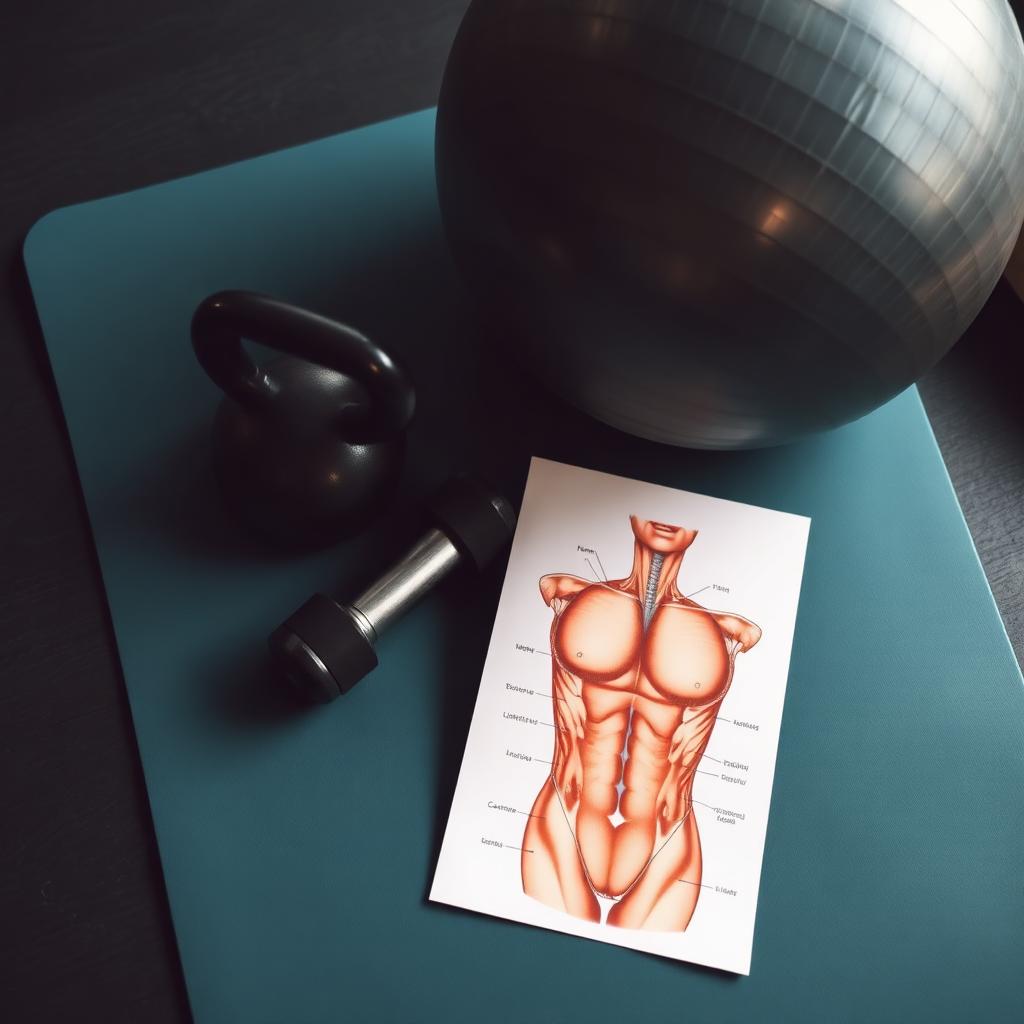
The main muscles of the core include the rectus abdominis (the "six-pack" muscle), the external and internal obliques (on the sides of your trunk), the transverse abdominis (a deep, corseting muscle), the erector spinae (along your spine), the multifidus (deep spinal stabilizers), the quadratus lumborum (in the lower back), and also the muscles of the pelvic floor and the diaphragm. These muscles work together to stabilize the spine and pelvis. (National Institutes of Health)
How often should I train my core?
For general fitness and injury prevention, training your core 3-5 times per week is often recommended. This allows for adequate recovery time between sessions while providing consistent stimulus for muscle adaptation. However, the frequency can vary based on individual fitness goals, intensity of workouts, and the presence of any pain or medical conditions. If you're performing full-body strength training, many compound exercises inherently engage the core, so dedicated core sessions might be shorter. (American Heart Association)
Can I get a strong core just by doing crunches?
While crunches engage the rectus abdominis, they primarily work in one plane of motion (spinal flexion). A truly strong and functional core requires training that addresses all planes of motion and types of stability, including anti-extension (e.g., planks), anti-rotation (e.g., Pallof press), and anti-lateral flexion (e.g., side planks, farmer's carries). Relying solely on crunches can lead to muscular imbalances and may not adequately prepare the core for daily functional movements or prevent injury. (Mayo Clinic)
What is the difference between core strength and core stability?
Core strength refers to the ability of the core muscles to generate force and perform movements, like lifting or bending. Core stability, on the other hand, is the ability of the core muscles to prevent unwanted movement of the spine and pelvis, maintaining a rigid and controlled trunk position during dynamic activities of the limbs. Both are crucial for functional movement, injury prevention, and athletic performance. Core stability often involves the deeper, smaller stabilizing muscles, while core strength might involve larger, more superficial muscles. (National Institutes of Health)
Are there any core exercises to avoid if I have low back pain?
If you have low back pain, it's generally advisable to consult a clinician or physical therapist before starting core exercises. However, some exercises that might aggravate existing low back pain include full sit-ups, exercises that involve significant arching of the lower back (like certain hyperextensions), or very heavy rotational movements if not done with proper form and control. Focus on exercises that maintain a neutral spine, such as planks, bird-dogs, dead bugs, and gentle pelvic tilts, and stop if any exercise causes increased pain. (Cochrane)
Key takeaways
- Comprehensive Core: The core extends beyond just the "six-pack" muscles, encompassing a complex network that stabilizes the spine and pelvis.
- Beyond Crunches: Effective core training includes anti-rotation, anti-extension, and anti-lateral flexion exercises (e.g., planks, dead bugs, farmer carries) in addition to flexion.
- Causes of Weakness: Sedentary lifestyle, imbalanced training, injury, poor posture, and age are common contributors to core dysfunction.
- Warning Signs: Persistent low back pain, poor posture, difficulty with balance, and reduced athletic performance can indicate a weak core.
- Clinician Consultation: Seek professional advice for persistent pain, radiating symptoms, acute injury, or if you have pre-existing medical conditions.
- Holistic Approach: Treatment and management often involve physical therapy, targeted exercises, ergonomic adjustments, and mindful living.
- Prevention is Key: Regular varied core exercises, good posture, frequent movement, and maintaining a healthy weight are essential daily habits for prevention.
Sources
- World Health Organization (WHO)
- Centers for Disease Control and Prevention (CDC)
- National Institutes of Health (NIH)
- American Heart Association (AHA)
- National Health Service (NHS)
- Cochrane Library
- Mayo Clinic
Related reading
- Bodyweight Training at Home — Discover the incredible benefits of bodyweight training, a versatile and effective way to build strength, improve endura…
- Beginner Strength Training Guide — Embark on your strength training journey with this comprehensive beginner's guide, covering essential principles, effect…
- Balance Training for All Ages — Balance work reduces fall risk, improves athletic performance, and supports joint health across the lifespan.
- How to Build a Workout Routine — Crafting an effective workout routine is key to achieving your fitness goals. This guide covers how to design a balanced…
- Strength Training for Longevity: The Minimum Effective Dose — Two days a week. Six big movements. Why lifting weights is no longer optional after 40.
Written by
Health Hub Pro Editorial
Health writer at Health Hub Pro, focused on evidence-based, Sharia-conscious wellness.
View author profile →Medically reviewed by
Dr. A. Rahman, MD
Board-certified in Internal Medicine
Last reviewed on