Heatstroke and Cold Stress in Animals: Prevention and
A practical, evidence-informed guide to pet heatstroke — what matters, what works, common mistakes, and when to consult a professional.
For informational purposes only. This article is educational and is not a substitute for professional medical advice, diagnosis, or treatment. Always consult a qualified healthcare provider about anything affecting your health. Read full disclaimer.
Heatstroke and Cold Stress in Animals: Prevention and Emergency Steps
(Not medical or veterinary advice — consult a qualified clinician or veterinarian for personal guidance.)
Introduction
Animals, like humans, are susceptible to the adverse effects of extreme temperatures. Heatstroke and cold stress represent two significant environmental health challenges that can severely impact an animal's well-being and, in extreme cases, lead to life-threatening conditions. Understanding how animals regulate their body temperature, recognizing the signs of distress, and implementing proactive prevention strategies are crucial responsibilities for animal caregivers. This article provides an overview of these conditions, offering evidence-informed guidance on prevention, practical daily habits, and essential emergency steps.
Why this matters
The ability of animals to cope with temperature fluctuations varies significantly based on species, breed, age, health status, and acclimatization. Domesticated animals, particularly those living in close proximity to humans, often rely on their caregivers to provide a suitable environment and protection from thermal extremes. Failure to do so can result in serious health complications.
Heatstroke, also known as hyperthermia, occurs when an animal's body temperature rises to dangerously high levels, overwhelming its natural cooling mechanisms. This can lead to multi-organ dysfunction, brain damage, and potentially death. Common scenarios include animals left in parked cars, intense exercise in hot weather, or inadequate shade and water access.
Conversely, cold stress, or hypothermia, results from prolonged exposure to cold temperatures that cause an animal's body temperature to drop below its normal range. This can depress vital functions, leading to frostbite, circulatory collapse, and organ failure. Young, old, and thin animals, or those with underlying health conditions, are particularly vulnerable.
Awareness of these risks and knowledge of appropriate preventive measures and emergency responses are vital for safeguarding animal health and welfare across various settings, from companion animals in homes to livestock in agricultural environments.
Key principles (evidence-informed)
Understanding an animal's normal physiology and how it interacts with its environment forms the basis for effective prevention and response.
Thermoregulation: Animals maintain a relatively constant internal body temperature through thermoregulation. They employ various mechanisms:
- Heat dissipation (cooling): Panting (dogs, birds), sweating (some species like horses, though less efficient than humans), vasodilation (widening blood vessels near the skin to release heat), seeking shade or water, changing posture.
- Heat conservation/generation (warming): Shivering, piloerection (fluffing fur/feathers to trap air), seeking shelter, huddling with others, increasing metabolic rate.
Vulnerability Factors: Certain factors increase an animal's susceptibility to thermal stress:
- Species and Breed: Brachycephalic (short-nosed) breeds of dogs (e.g., Bulldogs, Pugs) and cats (e.g., Persians) are highly susceptible to heatstroke due to their compromised airways. Arctic breeds (e.g., Huskies, Malamutes) are better adapted to cold but can still suffer from heatstroke in warm climates. Hairless breeds are more prone to cold.
- Age and Health: Very young animals (neonates) and elderly animals have less efficient thermoregulatory systems. Animals with pre-existing conditions (e.g., heart disease, respiratory issues, obesity, arthritis, certain neurological conditions) are also at higher risk.
- Acclimatization: Animals accustomed to a specific climate may struggle when rapidly exposed to extremes outside their norm.
- Environmental Conditions: High ambient temperature, high humidity (which impairs evaporative cooling like panting), lack of shade, inadequate ventilation, and insufficient access to water are major contributors to heat stress. Low ambient temperature, strong winds (wind chill), wet conditions, and lack of shelter contribute to cold stress.
Recognizing the Signs: Early recognition is critical for both conditions.
-
Signs of Heatstroke:
- Excessive panting, often with difficulty breathing
- Dark red gums, or pale gums in severe cases
- Thick, ropy saliva
- Vomiting and/or diarrhea
- Weakness, staggering, disorientation
- Elevated body temperature (often >104°F or 40°C rectally)
- Collapse, seizures, loss of consciousness
-
Signs of Cold Stress/Hypothermia:
- Shivering (initially), progressing to lethargy and weakness
- Cold to the touch (especially extremities)
- Pale gums
- Stiffness, stumbling, disorientation
- Slow, shallow breathing and heart rate
- Muscle rigidity
- Collapse, loss of consciousness
- Frostbite: skin appears pale, waxy, or bluish, and may be cold and hard.
Emergency Response Principles:
- Heatstroke: The primary goal is to lower the body temperature safely and effectively. This involves moving the animal to a cooler environment, applying cool (not icy) water to the fur, especially in areas with large blood vessels (groin, armpits), and using fans.
- Cold Stress: The primary goal is to gently and gradually warm the animal. This involves moving the animal to a warm, dry environment, wrapping it in warm blankets, and providing warmth via external sources like warm water bottles (protected from direct skin contact).
(Sources: AVMA, WSAVA, OIE/WOAH)
Practical daily habits
Implementing consistent preventive measures can significantly reduce the risk of heatstroke and cold stress.
For Heatstroke Prevention:
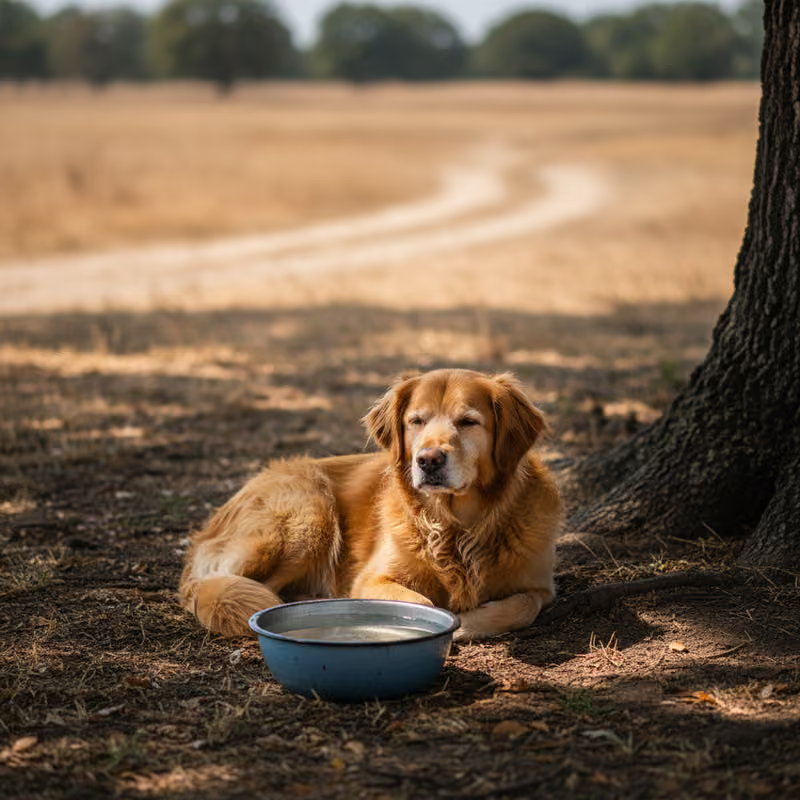
- Provide Constant Access to Fresh Water: Always ensure animals have access to fresh, cool water, especially when outdoors or exercising. Use multiple water bowls in different locations if possible.
- Ensure Adequate Shade and Shelter: When outdoors, animals must have access to natural or artificial shade. In indoor environments, ensure proper ventilation and air conditioning if necessary.
- Adjust Exercise Schedules: Limit strenuous exercise and prolonged outdoor activity during the hottest parts of the day. Opt for early mornings or late evenings when temperatures are cooler.
- Never Leave Animals in Parked Cars: Even on mild days, the interior temperature of a car can rise rapidly to dangerous levels, even with windows slightly open. This is a primary cause of heatstroke in companion animals.
- Consider Species and Breed Needs: For brachycephalic breeds, minimize exposure to heat and humidity. Provide cooling mats or vests. For heavily coated animals, regular grooming can help manage their coat, but avoid shaving down to the skin as the coat provides insulation against heat and sun.
- Monitor Humidity: High humidity hinders evaporative cooling (like panting), making animals more prone to heatstroke even at moderate temperatures.
- Provide Cooling Aids: Offer options like wading pools for dogs, frozen treats, or cooling beds/mats.
For Cold Stress Prevention:
- Provide Adequate Shelter: Animals kept outdoors must have access to a well-insulated, dry shelter that protects them from wind, rain, and snow. The shelter should be appropriately sized, allowing them to stand and lie down comfortably.
- Ensure Proper Bedding: Provide ample dry, insulating bedding such as straw (for livestock), blankets, or elevated beds to keep animals off cold surfaces. Change bedding regularly to keep it dry.
- Maintain Adequate Nutrition: Animals burn more calories to stay warm in cold weather. Adjust their diet to ensure they receive sufficient energy. Provide constant access to unfrozen water. Heated water bowls can prevent water from freezing.
- Avoid Wet Conditions: Wet fur or skin loses heat much faster than dry. Keep animals dry and clean.
- Limit Outdoor Time for Vulnerable Animals: Young, old, ill, or hairless animals, and those with short coats, should have limited exposure to extreme cold. Provide sweaters or coats for short-coated or hairless breeds when outdoors.
- Protect Paws: Salt and chemicals used on icy sidewalks can irritate paw pads. Consider paw booties or clean paws after walks.
- Regular Health Checks: Ensure animals are in good health. Underlying conditions can worsen susceptibility to cold.
(Sources: AVMA, WSAVA)
Common mistakes to avoid
Avoiding these common pitfalls can significantly improve animal safety during extreme weather.
- Leaving animals unattended in vehicles: This is arguably the most common and dangerous mistake for heatstroke. Even for "just a few minutes" or with windows cracked, a car's interior temperature can become lethal very quickly. This applies even on days that feel mild.
- Assuming animals can tolerate extreme temperatures: Owners might project their own comfort levels onto their pets or livestock, not realizing that an animal's physiological response to heat or cold can be very different.
- Forcing exercise in extreme weather: Pushing an animal to perform strenuous activity during peak heat or intense cold can quickly lead to collapse. Adjust routines.
- Not providing fresh, unfrozen water: Dehydration exacerbates both heatstroke and cold stress. Ensuring constant access to drinkable water is non-negotiable.
- Shaving heavily coated dogs in summer: While seemingly logical, a dog's double coat provides insulation against heat and harmful UV rays. Shaving can expose them to sunburn and actually make them hotter if the underlying guard hairs are removed. Consult a groomer about appropriate summer trims.
- Using ice water for heatstroke: While the goal is to cool, extremely cold or ice water can cause peripheral vasoconstriction (narrowing of blood vessels), trapping heat in the core and potentially leading to shock. Cool or tepid water is preferred.
- Rapid rewarming for hypothermia: For severely hypothermic animals, rapid rewarming can lead to rewarming shock or other complications. Gentle, gradual warming is crucial.
- Ignoring early signs: Dismissing excessive panting, shivering, or lethargy as normal can delay intervention, leading to more severe conditions.
- Leaving animals tied up or confined without escape routes: Animals must be able to seek shade, shelter, or water as needed. Confinement prevents them from self-regulating.
- Inadequate shelter from wind and wet: Even if temperatures aren't extremely low, wind chill and wet conditions can dramatically increase the risk of cold stress. Shelter needs to be dry and block wind.
(Sources: AVMA, WSAVA)
When to see a professional
Recognizing when to seek immediate veterinary attention is paramount for the survival and recovery of animals suffering from heatstroke or cold stress. Any animal displaying signs of moderate to severe heatstroke or hypothermia requires urgent professional veterinary care.
For Heatstroke:
Seek immediate veterinary care if an animal exhibits any of the following:
- Persistent heavy panting even after moving to a cooler environment.
- Vomiting or diarrhea.
- Gums that are bright red, pale, or bluish.
- Disorientation, stumbling, or uncoordinated movements.
- Weakness or collapse.
- Seizures or loss of consciousness.
- A rectal temperature above 104°F (40°C), especially if it doesn't decrease quickly with initial cooling efforts.
Even if an animal appears to recover after initial cooling, a veterinary visit is crucial. Heatstroke can cause internal organ damage (e.g., kidney, liver, brain) that may not be immediately apparent but can lead to delayed complications. Blood tests and monitoring may be necessary.
For Cold Stress/Hypothermia:
Seek immediate veterinary care if an animal exhibits any of the following:
- Persistent shivering that progresses to lethargy or weakness.
- Body temperature below 98°F (36.7°C).
- Pale or bluish gums.
- Stiffness, disorientation, or reluctance to move.
- Shallow or slow breathing.
- Collapse or loss of consciousness.
- Any signs of frostbite (skin appears pale, waxy, or bluish, cold to the touch, and hard).
Animals that have been severely hypothermic require careful rewarming and monitoring for complications such as cardiac arrhythmias, electrolyte imbalances, and organ damage. Frostbitten areas also require professional assessment to prevent infection and manage tissue damage.
Always contact your veterinarian or an emergency animal clinic as soon as you suspect thermal stress. Provide them with details of the situation and any first aid measures you have already taken. They can offer guidance for transit and prepare for the animal's arrival.
(Sources: AVMA, WSAVA)
Frequently asked questions
What are the earliest signs of heatstroke in dogs?
The earliest signs of heatstroke in dogs often include excessive panting, increased respiratory rate, and restlessness. Their gums may appear brighter red than usual, and they might seem unusually energetic or agitated before quickly becoming lethargic or disoriented. Owners might also notice thick, ropy saliva.
How can I tell if my cat is too cold?
A cat that is too cold may exhibit shivering, which might be subtle. Other signs include lethargy, seeking warm places, hunching their body, ears and paw pads feeling cold to the touch, and reduced activity. In severe cases, they may become unresponsive, have a slow heart rate, or experience muscle stiffness.
Can livestock suffer from heatstroke or cold stress?
Yes, livestock are highly susceptible to both heatstroke and cold stress. Factors like breed (e.g., dark-coated animals in heat, wool-less sheep in cold), age (young and old), and housing conditions play a significant role. Heat stress in cattle can reduce milk production; cold stress in sheep can lead to lamb losses. Adequate shade, water, ventilation, and appropriate shelter are crucial for livestock welfare.
What should I do if my pet shows signs of frostbite?
If you suspect frostbite, gently move the animal to a warm, dry area. Do not rub or massage the affected areas, as this can cause further tissue damage. Apply warm (not hot) water compresses to the frostbitten area for about 20-30 minutes, or immerse the area in warm water. Seek immediate veterinary attention, as frostbite can lead to severe tissue damage, infection, and requires professional medical assessment and treatment.
Is it safe to give my dog ice cubes when it's hot?
Yes, offering ice cubes in moderation can be a safe way to help cool down a dog, especially if they are not already showing signs of severe heatstroke. They can provide a source of hydration and a mild cooling effect. However, avoid giving large quantities of ice or ice water to a dog already experiencing severe heatstroke, as this could potentially cause shock or rapid cooling which might be detrimental. Always ensure access to fresh, cool water as the primary source of hydration.
Key takeaways
- Prevention is paramount: Proactive measures like providing ample water, shade/shelter, adjusting activity, and being aware of environmental conditions are vital for preventing both heatstroke and cold stress.
- Know your animal: Understand your animal's species, breed, age, and health considerations, as these greatly influence their susceptibility to temperature extremes.
- Recognize the signs: Early recognition of symptoms, such as excessive panting for heatstroke or shivering for cold stress, is crucial for timely intervention.
- Act quickly, but safely: In an emergency, move the animal to a safer temperature zone and initiate appropriate first aid (cooling for heatstroke, gradual warming for cold stress).
- Seek professional help: Any suspected case of moderate to severe heatstroke or cold stress warrants immediate veterinary attention due to the risk of serious internal damage and life-threatening complications.
- Never leave animals in parked cars: This remains one of the most dangerous and preventable causes of heatstroke.
Related reading
Keep exploring this topic with our related, evidence-reviewed guides:
- Antibiotic Stewardship in Animals: Why Resistance Matters to Everyone — A practical, evidence-informed guide to antibiotic resistance animals — what matters, what works, common mistakes, and when to con…
- Zoonotic Diseases: How to Protect Your Family and Your Animals — A practical, evidence-informed guide to zoonotic diseases — what matters, what works, common mistakes, and when to consult a profe…
- Puppy and Kitten Socialization Windows: Building Resilient Animals — A practical, evidence-informed guide to puppy socialization — what matters, what works, common mistakes, and when to consult a pro…
- Traveling With Pets: Health Certificates, Stress, and Safety — A practical, evidence-informed guide to traveling with pets — what matters, what works, common mistakes, and when to consult a pro…
- Puppy First Year Health Checklist: Vaccines, Growth, and Socialization — A practical, evidence-informed guide to puppy health — what matters, what works, common mistakes, and when to consult a profession…
- Dog Skin and Coat Health: Allergies, Itching, and Grooming — A practical, evidence-informed guide to dog skin allergies — what matters, what works, common mistakes, and when to consult a prof…
Sources
- American Veterinary Medical Association (AVMA)
- World Small Animal Veterinary Association (WSAVA)
- World Organisation for Animal Health (OIE/WOAH)
Sources
Evidence & citations
- Every claim in this animal health guide is backed by primary data — browse the zoonotic and one-health statistics in our sourced statistics library.
- Writing about this topic? Researchers, journalists and educators can cite our animal health guidance with ready-made APA, MLA and Chicago references.
My notes on this one
The short version of 11 minutes of reading — what stuck with me while writing “Heatstroke and Cold Stress in Animals: Prevention and”, what the sources back up, and what I'd actually do about it.
What I'd take away
01 · Why this matters
Domesticated animals, particularly those living in close proximity to humans, often rely on their caregivers to provide a suitable environment and protection from thermal extremes.
02 · Key principles
Heat dissipation (cooling): Panting (dogs, birds), sweating (some species like horses, though less efficient than humans), vasodilation (widening blood vessels near the skin to release heat)…
03 · Practical daily habits
Implementing consistent preventive measures can significantly reduce the risk of heatstroke and cold stress.
04 · For Heatstroke Prevention:
Provide Constant Access to Fresh Water: Always ensure animals have access to fresh, cool water, especially when outdoors or exercising. Use multiple water bowls in different locations if possible.
05 · For Cold Stress Prevention:
Provide Adequate Shelter: Animals kept outdoors must have access to a well-insulated, dry shelter that protects them from wind, rain, and snow. The shelter should be appropriately sized…
What the sources I read actually say
Understanding how animals regulate their body temperature, recognizing the signs of distress, and implementing proactive prevention strategies are crucial responsibilities for animal caregivers.
Centers for Disease Control and Prevention
If you only do one thing this week
- Avoid Wet Conditions — Wet fur or skin loses heat much faster than dry. Keep animals dry and clean.
- Do not rub or massage the affected areas, as this can cause further tissue damage.
- Apply warm (not hot) water compresses to the frostbitten area for about 20-30 minutes, or immerse the area in warm water.
Pick the one that fits your week. None of this replaces advice from a clinician who can actually examine you.
Questions I kept coming back to
What are the earliest signs of heatstroke in dogs?+
The earliest signs of heatstroke in dogs often include excessive panting, increased respiratory rate, and restlessness. Their gums may appear brighter red than usual, and they might seem unusually energetic or agitated before quickly becoming lethargic or disoriented. Owners might also notice thick, ropy saliva.
How can I tell if my cat is too cold?+
A cat that is too cold may exhibit shivering, which might be subtle. Other signs include lethargy, seeking warm places, hunching their body, ears and paw pads feeling cold to the touch, and reduced activity. In severe cases, they may become unresponsive, have a slow heart rate, or experience muscle stiffness.
Can livestock suffer from heatstroke or cold stress?+
Yes, livestock are highly susceptible to both heatstroke and cold stress. Factors like breed (e.g., dark-coated animals in heat, wool-less sheep in cold), age (young and old), and housing conditions play a significant role. Heat stress in cattle can reduce milk production; cold stress in sheep can lead to lamb losses. Adequate shade, water, ventilation, and appropriate shelter are crucial for livestock welfare.
What should I do if my pet shows signs of frostbite?+
If you suspect frostbite, gently move the animal to a warm, dry area. Do not rub or massage the affected areas, as this can cause further tissue damage. Apply warm (not hot) water compresses to the frostbitten area for about 20-30 minutes, or immerse the area in warm water. Seek immediate veterinary attention, as frostbite can lead to severe tissue damage, infection…
Is it safe to give my dog ice cubes when it's hot?+
Yes, offering ice cubes in moderation can be a safe way to help cool down a dog, especially if they are not already showing signs of severe heatstroke. They can provide a source of hydration and a mild cooling effect. However, avoid giving large quantities of ice or ice water to a dog already experiencing severe heatstroke, as this could potentially cause shock or rapid cooling which might be detrimental…
Was this article helpful?
Be the first to rate this article.
Written by
FaizRuh
I write Health Hub Pro on my own — no clinical licence, no anonymous review panel. Just the published guidance, read carefully and explained plainly.
More about me →How this page was checked
Every claim above is checked against the sources listed at the bottom of this article — WHO, CDC, NIH, NHS, Cochrane and major clinical guidelines. Drafting is AI-assisted; the editing, fact-checking and final wording are mine. It's information, not medical advice. Spotted an error? Tell me and I'll fix it.
Last checked on