How to Create a Healthy Home
Transform your living space into a sanctuary of well-being with these practical, evidence-based tips for a healthy home environment. Discover how to reduce toxins, improve air quality, and create a calming atmosphere.
For informational purposes only. This article is educational and is not a substitute for professional medical advice, diagnosis, or treatment. Always consult a qualified healthcare provider about anything affecting your health. Read full disclaimer.
How to Create a Healthy Home
Our homes are more than just places to live; they are a fundamental part of our health ecosystem. A healthy home environment can significantly impact our physical and mental well-being, influencing everything from respiratory health to stress levels. In an era where we spend a substantial portion of our lives indoors, understanding how to optimize our living spaces for health is paramount. This article will guide you through evidence-based strategies to create a home that fosters wellness.
Improve Indoor Air Quality
One of the most critical aspects of a healthy home is its air quality. Indoor air can often be more polluted than outdoor air, laden with allergens, volatile organic compounds (VOCs), and particulate matter.
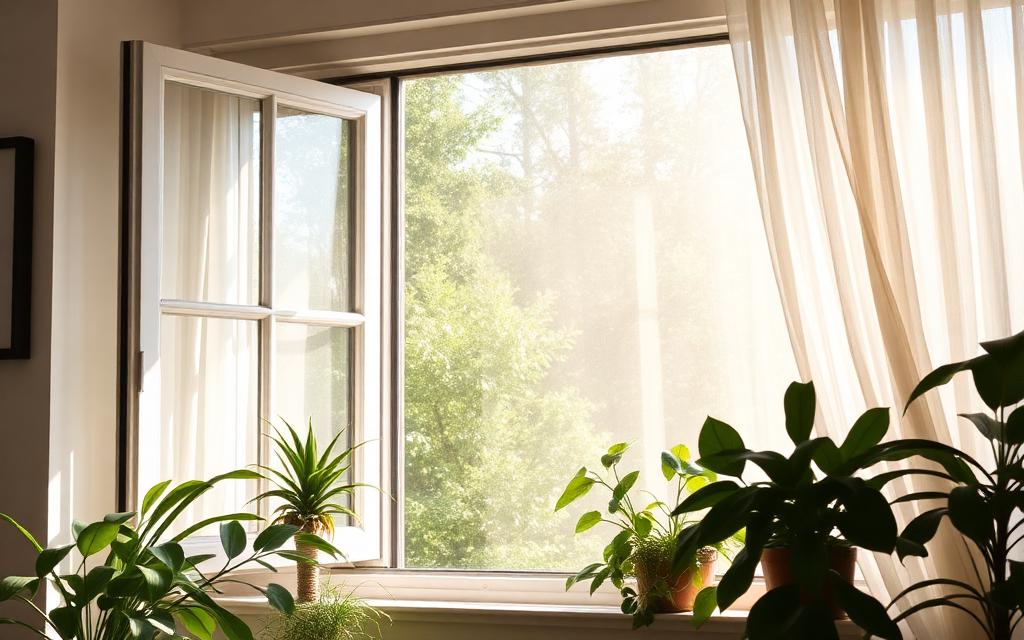
Ventilation is Key: Regularly opening windows and doors, even for a few minutes daily, helps exchange stagnant indoor air with fresh outdoor air. When cooking or showering, use exhaust fans to remove moisture and pollutants.
Control Sources of Pollution: Avoid using synthetic air fresheners, which can release VOCs. Opt for natural alternatives like essential oil diffusers (used sparingly) or simply open a window. Choose low-VOC paints, furniture, and cleaning products. If you have pets, regular grooming and vacuuming can reduce pet dander.
Air Purifiers: Consider investing in a high-efficiency particulate air (HEPA) filter air purifier, especially if you or a family member suffers from allergies or asthma. These devices effectively capture microscopic particles like dust mites, pollen, and pet dander.
Houseplants: While not a substitute for proper ventilation, certain houseplants like snake plants, spider plants, and peace lilies can help filter some airborne toxins and improve humidity levels.
Manage Moisture and Prevent Mold
Excess moisture creates a breeding ground for mold, which can trigger allergic reactions, asthma attacks, and other respiratory issues.
Address Leaks Promptly: Repair any plumbing leaks, roof leaks, or condensation issues immediately.
Control Humidity: Maintain indoor humidity levels between 30% and 50% using dehumidifiers in damp areas like basements or bathrooms. Ensure proper ventilation in kitchens and bathrooms to exhaust steam.
Clean Spills & Damp Areas: Promptly clean up spills and dry wet surfaces. Regularly clean and dry shower curtains and bath mats.
Reduce Exposure to Toxins
Our homes often contain numerous chemicals that can negatively impact health.
Choose Non-Toxic Cleaning Products: Many conventional cleaning products contain harsh chemicals. Look for products certified by third-party organizations for environmental and health standards, or make your own using simple ingredients like vinegar, baking soda, and lemon juice.
Opt for Natural Materials: When purchasing furniture, flooring, or bedding, prioritize natural, untreated materials like solid wood, organic cotton, and wool over synthetic fabrics and particleboard, which can off-gas formaldehyde and other VOCs.
Be Mindful of Plastics: Reduce reliance on plastic food containers, especially for heating food, as some plastics can leach chemicals when heated. Opt for glass, ceramic, or stainless steel alternatives.
Optimize Lighting and Sound
Lighting and sound have a profound impact on our mood, sleep, and overall well-being.
Embrace Natural Light: Maximize natural light penetration by keeping windows unobstructed. Natural light helps regulate our circadian rhythms, improving sleep and mood.
Strategic Artificial Lighting: Use layered lighting – a mix of ambient, task, and accent lighting. Opt for warmer, dimmer light in the evenings to signal your body it's time to wind down. Incandescent or warm LED bulbs (2700K-3000K) are generally preferred.
Minimize Noise Pollution: Use curtains, rugs, and soft furnishings to absorb sound and reduce echoes. Consider installing double-paned windows if traffic noise is an issue. Create quiet zones where you can relax and unwind.
Create a Calming and Organized Space
A cluttered and chaotic environment can contribute to stress and anxiety.
Declutter Regularly: A tidy home often leads to a tidier mind. Regularly decluttering helps reduce visual noise and creates a sense of calm.
Foster Organization: Implement storage solutions that keep items out of sight but easily accessible. Assign a place for everything.
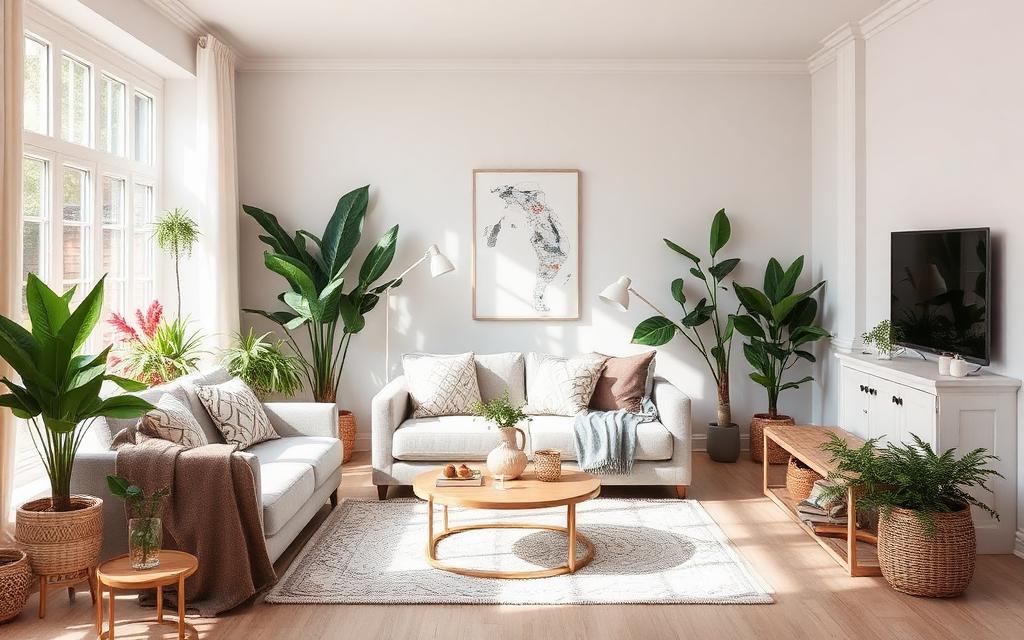
Incorporate Nature: Bring elements of nature indoors through plants, natural textures, and nature-inspired art. Studies suggest that exposure to natural elements can reduce stress and improve mood.
Personalize Your Space: Surround yourself with items that bring you joy and comfort. Create designated areas for relaxation, work, and play.
Creating a healthy home is an ongoing process, not a one-time project. By incrementally implementing these strategies, you can transform your living space into a haven that supports your physical and mental health. Remember, small changes can lead to significant improvements in your overall well-being.
Disclaimer: The information provided in this article is for general informational purposes only and does not constitute medical advice. Always consult with a qualified healthcare professional for any health concerns or before making any decisions related to your health or care.
Related reading
- Indoor Air Quality and Wellness — Discover how the air inside your home impacts your health and well-being. Learn practical steps to improve indoor air qu…
- Healthy Breakfast Ideas — Discover a variety of nutritious and delicious breakfast ideas to fuel your day, improve energy levels, and support over…
- Travel Wellness Strategies — Discover practical, evidence-based strategies for maintaining your health and well-being while traveling, from immune su…
- Breathing Techniques for Wellness — Discover how simple breathing techniques can significantly enhance your well-being, reduce stress, and improve focus. Le…
- Healthy Aging Fundamentals — Embrace a proactive approach to aging with foundational strategies for physical health, mental well-being, and social co…
Written by
Health Hub Pro Editorial
Health writer at Health Hub Pro, focused on evidence-based, Sharia-conscious wellness.
View author profile →