Travel Wellness Strategies: Evidence-Based Guide
Discover practical, evidence-based strategies for maintaining your health and well-being while traveling, from immune support to mental wellness techniques.
For informational purposes only. This article is educational and is not a substitute for professional medical advice, diagnosis, or treatment. Always consult a qualified healthcare provider about anything affecting your health. Read full disclaimer.
Travel Wellness Strategies
Introduction
What the evidence says
Symptoms and warning signs
- Digestive Upset: Diarrhea, nausea, vomiting, abdominal cramps, or constipation are common travel-related issues. Persistent or severe symptoms, especially if accompanied by fever or blood in stool, warrant medical attention.
- Respiratory Symptoms: Persistent cough, sore throat, congestion, shortness of breath, or fever can indicate a respiratory infection, particularly concerning in crowded travel environments.
- Fatigue and Malaise: While some fatigue is normal with travel, extreme or prolonged exhaustion, accompanied by muscle aches or general unwellness, could be a sign of infection or significant jet lag.
- Skin Issues: New rashes, bug bites (especially if large, painful, or numerous), or persistent itching can indicate allergic reactions, parasitic infections, or exposure to local irritants.
- Mental Health Changes: Unusual or prolonged anxiety, irritability, difficulty concentrating, persistent sadness, or significant changes in mood that interfere with daily activities can signal stress overload or mental health challenges exacerbated by travel.
- Circulatory Issues: Swelling, pain, tenderness, or redness in a limb (especially the calf) could be a sign of deep vein thrombosis (DVT), a serious condition that can arise from prolonged immobility during travel.
- Dehydration Signs: Excessive thirst, dry mouth, infrequent urination, dark urine, dizziness, or lightheadedness are clear indicators of dehydration, which can worsen other travel-related ailments.
When to see a clinician
While many minor travel ailments can be managed with self-care, there are specific situations where seeking professional medical advice is essential.
- Persistent or Worsening Symptoms: If symptoms like fever, severe diarrhea (especially with blood or pus), vomiting that prevents fluid intake, severe pain, or difficulty breathing do not improve within 24-48 hours, or if they worsen significantly.
- High Fever: A fever of 102°F (39°C) or higher, or a persistent low-grade fever that doesn't respond to over-the-counter medication.
- Severe Dehydration: Inability to keep fluids down, signs of severe dehydration such as confusion, rapid heart rate, or inability to urinate.
- Unusual Rashes or Lesions: Any new or rapidly spreading rash, particularly if accompanied by fever or other systemic symptoms.
- Animal Bites: Any bite from an animal, especially in regions where rabies is prevalent, requires immediate medical evaluation.
- Serious Injuries: Falls, accidents, or any injury causing significant pain, immobility, or concern for fracture.
- Symptoms of DVT: Swelling, pain, warmth, or redness in a leg, particularly after long periods of immobility.
- Mental Health Crisis: Severe panic attacks, suicidal thoughts, or an inability to cope with daily activities due to overwhelming stress or anxiety.
- Pre-existing Conditions Worsening: If your chronic health conditions (e.g., diabetes, heart disease, asthma) are destabilized or symptoms worsen significantly during travel.
- Exposure to Contagious Diseases: If you believe you have been exposed to a serious infectious disease, such as malaria, dengue, or other illnesses prevalent in your travel destination.
Treatment and management options
Managing health proactively during travel involves a combination of preventive strategies and ready-to-use remedies for common issues.
Prioritize Immune System Support
Before You Go:
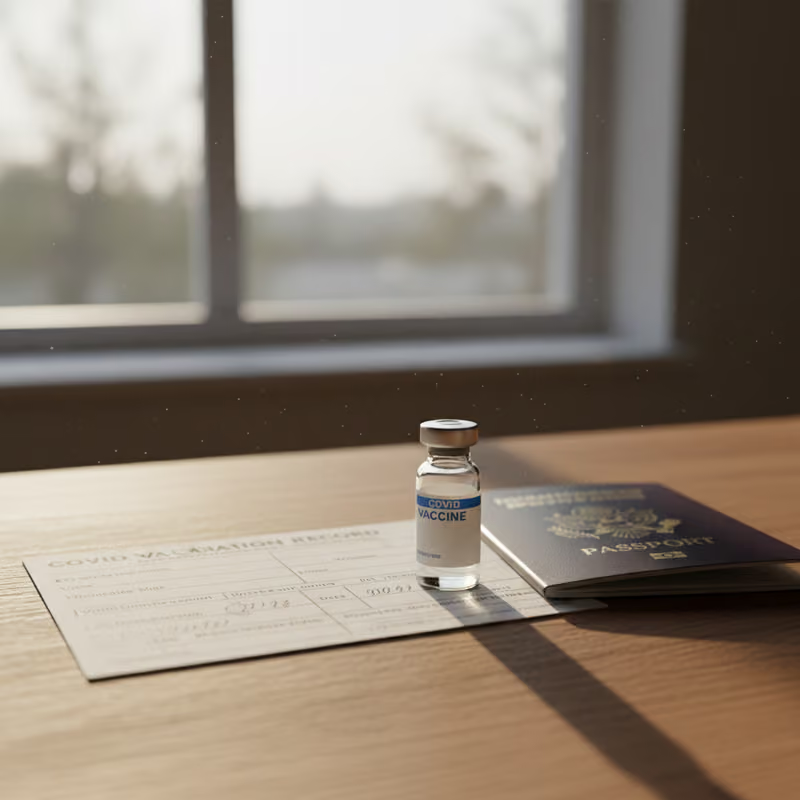
- Vaccinations: Ensure all your routine vaccinations are up-to-date, and consult your doctor about any specific travel vaccinations recommended for your destination. This includes reviewing childhood immunizations and considering vaccines for diseases like hepatitis A, typhoid, yellow fever, and influenza, based on your destination and planned activities. The CDC and WHO provide comprehensive guidelines on this. Discussing this with a travel medicine specialist ideally 4-6 weeks before departure allows enough time for vaccines to become effective.
- Probiotics: Some research suggests that starting a probiotic supplement a few days before and continuing throughout your trip may help support gut health and potentially reduce the risk of traveler's diarrhea. Look for multi-strain probiotics with Lactobacillus and Bifidobacterium species.
During Your Trip:
- Hand Hygiene: Frequent hand washing with soap and water for at least 20 seconds, or using an alcohol-based hand sanitizer (at least 60% alcohol) when soap and water aren't available, is crucial. This is one of the most effective ways to prevent the spread of infections. (Source: CDC).
- Hydration: Staying well-hydrated is vital for overall health and immune function. Drink plenty of water throughout your journey, especially during flights. Aim for clear or pale yellow urine as an indicator of adequate hydration.
- Adequate Sleep: Aim for 7-9 hours of quality sleep per night. Sleep deprivation can significantly impair immune function. Prioritize sleep even when your schedule is packed.
Navigate Dietary Challenges Smartly
New cuisines are a highlight of travel, but they can also be a source of digestive upset or missed essential nutrients.
- Research Local Food Safety: Understand common food and water safety practices at your destination. For many areas, this might mean avoiding tap water, ice made from tap water, uncooked foods (like salads and unpeeled fruits), raw shellfish, and street vendor food unless it's served hot and freshly prepared. The adage "boil it, cook it, peel it, or forget it" often applies. (Source: WHO). Bottled water with an intact seal is generally safest.
- Balanced Meals: Try to incorporate plenty of fruits, vegetables, and lean proteins into your diet. While sampling local delicacies is part of the experience, try to maintain a balance to ensure nutrient intake. Carrying healthy snacks like nuts, seeds, dried fruit, or protein bars can be helpful.
- Fiber Intake: Travel can sometimes lead to constipation. Ensure adequate fiber intake from fruits, vegetables, and whole grains to keep your digestive system regular.
Manage Stress and Mental Well-being
Travel, while exciting, can also be stressful. Long journeys, unforeseen delays, and navigating unfamiliar places can take a toll.
- Plan Ahead (but stay flexible): Having a general itinerary and understanding logistics can reduce anxiety. Building in buffer time and being prepared for unexpected changes fosters a more relaxed mindset.
- Mindfulness and Meditation: Even short periods of mindfulness or meditation can significantly reduce stress. These practices help ground you in the present moment. (Source: JAMA Internal Medicine).
- Stay Connected: Maintaining some contact with loved ones can provide emotional support and a sense of grounding.
- Movement: Regular physical activity, even light walking, can boost mood and reduce stress. Explore your destination on foot when possible.
- Limit Screen Time: Excessive screen time, especially before bed, can disrupt sleep and heighten anxiety.
Combat Jet Lag Effectively
Jet lag, caused by the disruption of your circadian rhythm, can severely impact your energy, mood, and cognitive function.
- Gradual Adjustment: A few days before you depart, start subtly shifting your sleep schedule by an hour or two towards your destination's time zone.
- Strategic Light Exposure: Upon arrival, expose yourself to natural light during the day to help reset your internal clock. Avoid bright lights before bed. For eastward travel, seek morning light and avoid evening light. For westward travel, seek evening light and avoid morning light.
- Hydration and Caffeine/Alcohol Management: Dehydration can exacerbate jet lag symptoms. Limit alcohol and avoid caffeine close to bedtime.
- Melatonin: Some individuals find short-term use of melatonin helpful for adjusting sleep schedules, particularly when traveling east across multiple time zones. However, consult your doctor before using it. (Source: Cochrane Database of Systematic Reviews).
Stay Active and Mobile
Prolonged sitting on planes, trains, or in cars can lead to stiffness, muscle aches, and even increase the risk of deep vein thrombosis (DVT).
- Movement Breaks: Stand up, stretch, and walk around every hour or two during long journeys. On flights, perform in-seat exercises to promote circulation.
- Stretching: Incorporate light stretching into your daily routine to maintain flexibility and alleviate muscle tension.
- Footwear: Wear comfortable, supportive shoes. Compression socks can be beneficial for long flights or bus rides to improve circulation and reduce the risk of DVT and swelling.
Prevention and daily habits
Proactive prevention is key to a healthy travel experience. Integrating these habits into your pre-trip planning and daily routine while abroad can make a significant difference.
- Pre-Travel Health Check-up: Schedule a visit with your clinician well in advance of your trip (4-6 weeks is ideal). Discuss your itinerary, vaccination needs, and any potential health risks specific to your destination or personal health status. Review your current medications and ensure you have enough for the entire trip, plus a few extra days.
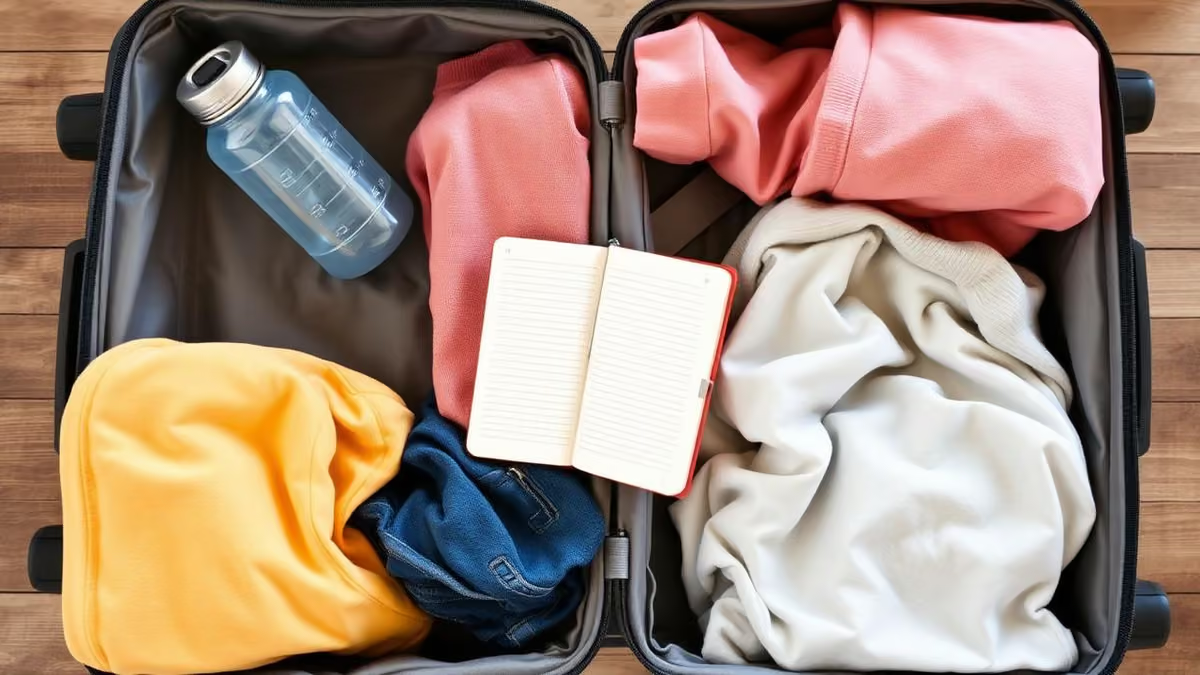
- Pack a Basic Medical Kit: Include essentials like pain relievers, anti-diarrhea medication, antiseptic wipes, bandages, insect repellent, sunscreen, rehydration salts, and any personal prescription medications.
- Research Destination-Specific Risks: Understand the prevalent infectious diseases, environmental hazards, and local medical facilities at your destination.
- Stay Informed About Travel Advisories: Check government travel advisories for safety and health warnings.
- Sleep Hygiene: Maintain good sleep hygiene even before your trip. This includes a consistent sleep schedule, a dark and quiet sleep environment, and avoiding heavy meals, caffeine, and alcohol close to bedtime.
- Hydration Strategy: Carry a reusable water bottle and refill it whenever possible. Be mindful of safe water sources at your destination.
- Healthy Eating Habits: Prioritize nutrient-dense foods. If unsure about local food hygiene, opt for hot, thoroughly cooked meals. Consume fruits that you can peel yourself.
- Mindful Movement: Incorporate physical activity into your daily exploration. Walk instead of taking public transport when feasible, or use hotel fitness facilities.
- Stress Management Techniques: Practice relaxation techniques such as deep breathing, meditation, or progressive muscle relaxation regularly to build resilience against travel stressors.
- Sun Protection: Always use broad-spectrum sunscreen with an SPF of 30 or higher, wear protective clothing, and seek shade, especially between 10 AM and 4 PM.
- Insect Bite Prevention: Use insect repellent containing DEET, picaridin, or oil of lemon eucalyptus. Sleep under a mosquito net if in areas with mosquito-borne diseases. Wear long sleeves and pants during dusk and dawn.
Frequently asked questions
Q1: How can I best prepare my immune system for international travel?
A: The most critical steps include ensuring all routine and travel-specific vaccinations are up-to-date, ideally 4-6 weeks before departure, as recommended by the CDC or WHO. Maintaining good hygiene, especially frequent handwashing, is paramount. Prioritize adequate sleep (7-9 hours per night) and stay well-hydrated, as both are crucial for immune function. Some individuals also consider taking a probiotic supplement a few days before and during their trip to support gut health.
Q2: What are effective strategies for minimizing jet lag when crossing multiple time zones?
A: To minimize jet lag, start adjusting your sleep schedule by an hour or two towards your destination's time zone a few days before you leave. Upon arrival, strategically expose yourself to natural light during the day and avoid bright lights before your new bedtime to help reset your circadian rhythm. Stay well-hydrated, limit alcohol and excessive caffeine, especially around bedtime. Some travelers find short-term melatonin use helpful, but consult a clinician first for appropriate dosage and timing.
Q3: How can I ensure food and water safety in destinations with different hygiene standards?
A: The key principle is "boil it, cook it, peel it, or forget it." Drink only bottled water with an intact seal, or water that has been boiled or purified. Avoid ice made from tap water. Stick to well-cooked foods served hot, and avoid raw or undercooked meats, fish, and unpeeled fruits and vegetables. Be cautious with street food unless you can observe its preparation and it's cooked fresh and served hot.
Q4: What should I pack in a basic medical kit for travel?
A: A basic travel medical kit should include any personal prescription medications (with a copy of your prescription), over-the-counter pain relievers (e.g., ibuprofen, acetaminophen), anti-diarrhea medication, antiseptic wipes or solution, bandages, adhesive tape, antibiotic ointment, insect repellent, sunscreen, rehydration salts, and any necessary allergy medications. Consider including an oral thermometer and hand sanitizer.
Q5: How can I manage stress and maintain mental well-being during a trip?
A: Planning ahead for major logistics can reduce anxiety, but also build in flexibility for unexpected changes. Practice mindfulness or meditation techniques, even for short periods, to stay grounded. Stay connected with loved ones back home if it brings comfort. Incorporate light physical activity, like walking to explore your destination, as exercise is a known stress reducer. Ensure you are getting enough sleep and managing your hydration and diet, as these also profoundly impact mood.
Key takeaways
- Proactive Planning: Consult your clinician for vaccinations and a health check-up well before your trip. Pack a comprehensive medical kit tailored to your needs.
- Immune Resilience: Prioritize hand hygiene, adequate sleep, and hydration. Consider probiotics to support gut health.
- Mindful Eating: Research local food safety, opt for safe water sources, and balance adventurous eating with nutrient-dense choices.
- Jet Lag Mitigation: Gradually adjust your sleep schedule, strategically use light exposure, and manage hydration, caffeine, and alcohol.
- Physical Activity: Stay mobile during transit with movement breaks and incorporate walking and stretching into your daily itinerary.
- Mental Well-being: Manage stress through planning flexibility, mindfulness, staying connected, and regular movement.
- Awareness: Be vigilant for warning signs of illness and know when to seek professional medical help.
Implementing these evidence-based strategies can significantly enhance your travel experience, allowing you to return home refreshed and healthy.
Disclaimer: The information provided in this article is for general informational purposes only and does not constitute medical advice. Always consult with a qualified healthcare professional before making any decisions about your health or medical care, especially when planning international travel or if you have pre-existing health conditions.
Related reading
Keep exploring this topic with our related, evidence-reviewed guides:
- Healthy Hydration Habits: Evidence-Based Guide — Thirst, urine color, and climate are better guides than a rigid ounce count. Water, herbal tea, and water-rich foods all contribut…
- Stress Reduction Techniques: Evidence-Based Guide — Discover effective, evidence-based stress reduction techniques to improve your mental well-being and navigate life's challenges wi…
- Understanding Inflammation and Health — Inflammation is a vital immune response, but chronic inflammation can significantly impact overall health. Understanding its mecha…
- Magnesium Sources Naturally: Evidence-Based Guide — Discover how to naturally boost your magnesium intake through diet for better health. Learn about the best food sources and their …
- The Role of Hobbies in Health: Evidence-Based Guide — Discover how engaging in hobbies can significantly enhance your physical and mental well-being, fostering a balanced and healthier…
- Hormones and Daily Wellness: Evidence-Based Guide — Hormones are chemical messengers that profoundly influence nearly every aspect of our daily well-being, from energy levels and moo…
Sources
- Centers for Disease Control and Prevention (CDC)
- World Health Organization (WHO)
- National Institutes of Health (NIH)
- American Heart Association (AHA)
- National Health Service (NHS)
- Cochrane Database of Systematic Reviews
- Mayo Clinic
- Journal of Travel Medicine
- Sleep journal
- JAMA Internal Medicine
Sources
Evidence & citations
- Every claim in this health & wellness guide is backed by primary data — browse the global health and wellness statistics in our sourced statistics library.
- Writing about this topic? Researchers, journalists and educators can cite our health and wellness articles with ready-made APA, MLA and Chicago references.
My notes on this one
The short version of 7 minutes of reading — what stuck with me while writing “Travel Wellness Strategies: Evidence-Based Guide”, what the sources back up, and what I'd actually do about it.
What I'd take away
01 · Symptoms and warning signs
Digestive Upset: Diarrhea, nausea, vomiting, abdominal cramps, or constipation are common travel-related issues. Persistent or severe symptoms, especially if accompanied by fever or blood in stool…
02 · Treatment and management options
Managing health proactively during travel involves a combination of preventive strategies and ready-to-use remedies for common issues.
03 · Prioritize Immune System Support
Adequate Sleep: Aim for 7-9 hours of quality sleep per night. Sleep deprivation can significantly impair immune function. Prioritize sleep even when your schedule is packed.
04 · Navigate Dietary Challenges Smartly
Fiber Intake: Travel can sometimes lead to constipation. Ensure adequate fiber intake from fruits, vegetables, and whole grains to keep your digestive system regular.
05 · Manage Stress and Mental Well-being
Plan Ahead (but stay flexible): Having a general itinerary and understanding logistics can reduce anxiety. Building in buffer time and being prepared for unexpected changes fosters a more relaxed mindset.
What the sources I read actually say
Some travelers find short-term melatonin use helpful, but consult a clinician first for appropriate dosage and timing.
Mayo Clinic — Patient Care & Health Information
If you only do one thing this week
- Limit Screen Time — Excessive screen time, especially before bed, can disrupt sleep and heighten anxiety.
- Adequate Sleep — Aim for 7-9 hours of quality sleep per night. Sleep deprivation can significantly impair immune function. Prioritize sleep even when your schedule is packed.
- A: The most critical steps include ensuring all routine and travel-specific vaccinations are up-to-date, ideally 4-6 weeks before departure, as recommended by the CDC or WHO.
- Prioritize adequate sleep (7-9 hours per night) and stay well-hydrated, as both are crucial for immune function.
Pick the one that fits your week. None of this replaces advice from a clinician who can actually examine you.
Questions I kept coming back to
How can I best prepare my immune system for international travel?+
The most critical steps include ensuring all routine and travel-specific vaccinations are up-to-date, ideally 4-6 weeks before departure, as recommended by the CDC or WHO. Maintaining good hygiene, especially frequent handwashing, is paramount. Prioritize adequate sleep (7-9 hours per night) and stay well-hydrated, as both are crucial for immune function…
What are effective strategies for minimizing jet lag when crossing multiple time zones?+
To minimize jet lag, start adjusting your sleep schedule by an hour or two towards your destination's time zone a few days before you leave. Upon arrival, strategically expose yourself to natural light during the day and avoid bright lights before your new bedtime to help reset your circadian rhythm. Stay well-hydrated, limit alcohol and excessive caffeine, especially around bedtime…
How can I ensure food and water safety in destinations with different hygiene standards?+
The key principle is "boil it, cook it, peel it, or forget it." Drink only bottled water with an intact seal, or water that has been boiled or purified. Avoid ice made from tap water. Stick to well-cooked foods served hot, and avoid raw or undercooked meats, fish, and unpeeled fruits and vegetables. Be cautious with street food unless you can observe its preparation and it's cooked fresh and served hot.
What should I pack in a basic medical kit for travel?+
A basic travel medical kit should include any personal prescription medications (with a copy of your prescription), over-the-counter pain relievers (e.g., ibuprofen, acetaminophen), anti-diarrhea medication, antiseptic wipes or solution, bandages, adhesive tape, antibiotic ointment, insect repellent, sunscreen, rehydration salts, and any necessary allergy medications…
How can I manage stress and maintain mental well-being during a trip?+
Planning ahead for major logistics can reduce anxiety, but also build in flexibility for unexpected changes. Practice mindfulness or meditation techniques, even for short periods, to stay grounded. Stay connected with loved ones back home if it brings comfort. Incorporate light physical activity, like walking to explore your destination, as exercise is a known stress reducer…
Was this article helpful?
Be the first to rate this article.
Written by
FaizRuh
I write Health Hub Pro on my own — no clinical licence, no anonymous review panel. Just the published guidance, read carefully and explained plainly.
More about me →How this page was checked
Every claim above is checked against the sources listed at the bottom of this article — WHO, CDC, NIH, NHS, Cochrane and major clinical guidelines. Drafting is AI-assisted; the editing, fact-checking and final wording are mine. It's information, not medical advice. Spotted an error? Tell me and I'll fix it.
Last checked on