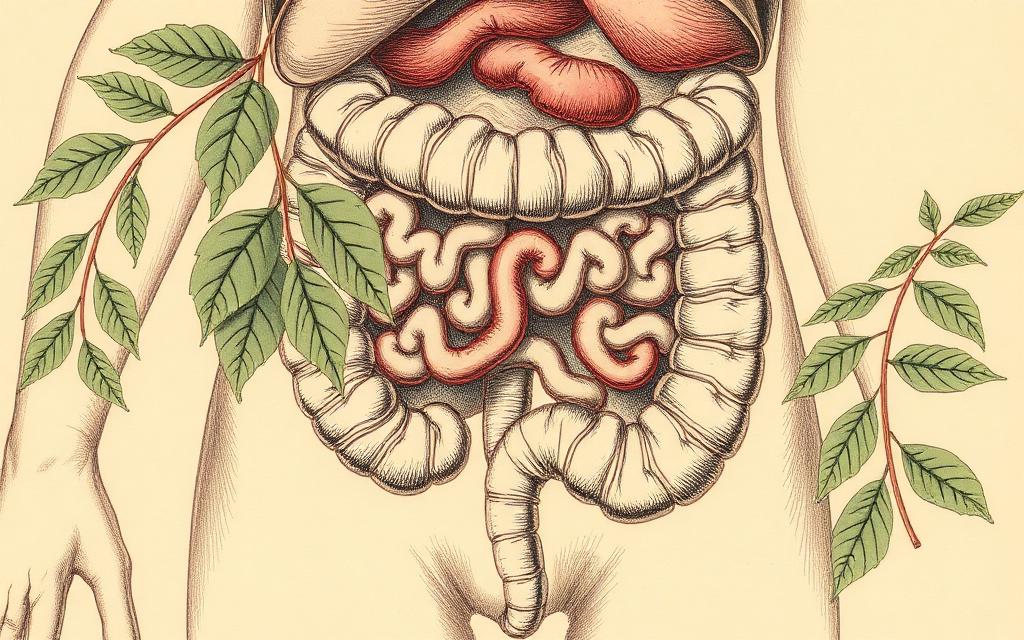
Understanding Inflammation and Health
Inflammation is a vital immune response, but chronic inflammation can significantly impact overall health. Understanding its mechanisms and managing it properly is key to wellness.

For informational purposes only. This article is educational and is not a substitute for professional medical advice, diagnosis, or treatment. Always consult a qualified healthcare provider about anything affecting your health. Read full disclaimer.
Introduction
Inflammation is a fundamental biological process, an essential component of the body's innate immune response. It serves as a protective mechanism, initiated by the immune system to remove harmful stimuli, including pathogens, irritants, and damaged cells, and to initiate the healing process. While often associated with pain and swelling, acute inflammation is a critical, self-limiting biological response vital for recovery and defense.
This comprehensive guide delves into the intricate nature of inflammation, distinguishing between its beneficial acute form and the potentially detrimental chronic state. We will explore its underlying causes, recognize its varied symptoms, and outline evidence-based strategies for its management and prevention. Understanding inflammation is crucial, as chronic inflammation is increasingly recognized as a significant factor in the development and progression of numerous non-communicable diseases.
What causes it (evidence-based)
Inflammation is a complex physiological response mediated by the immune system. Its causes can broadly be categorized into acute and chronic triggers.
Acute Inflammation Triggers
Acute inflammation is a rapid and short-lived response, typically resolving within minutes to a few days. It is a localized process designed to protect and heal. Common triggers include:
- Infections: Bacterial, viral, fungal, or parasitic invasions prompt an inflammatory response to isolate and eliminate the causative agents. For example, a bacterial infection in a wound triggers the influx of neutrophils to destroy the bacteria.
- Tissue Injury: Physical trauma such as cuts, burns, sprains, or fractures immediately initiates inflammation to clear debris, prevent infection, and prepare the site for repair.
- Exposure to Irritants: Chemical irritants (e.g., strong acids or bases), allergens (e.g., pollen causing allergic rhinitis), or foreign bodies (e.g., a splinter) can provoke an acute inflammatory reaction.
The acute inflammatory response involves vasodilation (widening of blood vessels), increased vascular permeability (allowing fluid and immune cells to leak into tissues), and the migration of white blood cells (leukocytes), primarily neutrophils, to the site of injury or infection. These processes collectively lead to the classical signs of inflammation: redness (rubor), heat (calor), swelling (tumor), and pain (dolor), often accompanied by loss of function (functio laesa). (Source: National Institutes of Health - NIH)
Chronic Inflammation Triggers
Chronic inflammation is a prolonged response, persisting for weeks, months, or even years. Unlike acute inflammation, it often involves a continuous, low-grade immune activation that can lead to tissue damage and loss of function. The mechanisms are complex and involve persistent activation of immune cells, release of inflammatory mediators, and attempted tissue repair that can lead to fibrosis. (Source: World Health Organization - WHO)
Key factors contributing to chronic inflammation include:
- Persistent Infections: Unresolved acute infections or chronic microbial presence can sustain an inflammatory response. Examples include hepatitis C virus leading to chronic liver inflammation, or Helicobacter pylori causing chronic gastritis.
- Autoimmune Diseases: In these conditions, the immune system mistakenly attacks healthy cells or tissues in the body. Examples include rheumatoid arthritis (attacking joints), lupus (affecting multiple organs), and inflammatory bowel disease (ulcerative colitis and Crohn's disease, affecting the gastrointestinal tract). Genetic predispositions and environmental factors are thought to play a role.
- Long-term Exposure to Irritants: Continuous exposure to environmental toxins such as air pollution, industrial chemicals, or tobacco smoke can trigger chronic inflammatory pathways in the lungs and beyond. Asbestos exposure, for instance, can lead to chronic lung inflammation and fibrosis.
- Metabolic Dysregulation:
- Obesity: Adipose tissue, particularly visceral fat, is not merely a storage site but an active endocrine organ that secretes pro-inflammatory molecules (adipokines) like TNF-alpha and IL-6. This systemic low-grade inflammation is a significant contributor to insulin resistance and type 2 diabetes. (Source: Centers for Disease Control and Prevention - CDC)
- Unhealthy Diet: Diets rich in refined carbohydrates, unhealthy fats (e.g., trans fats, excessive omega-6 fatty acids relative to omega-3), and processed foods can promote systemic inflammation. These dietary components can alter gut microbiota, increase oxidative stress, and activate inflammatory signaling pathways.
- Dysbiosis (Imbalance of Gut Microbiota): An altered composition of the gut microbiome can disrupt the integrity of the intestinal barrier, leading to increased permeability (often referred to as "leaky gut"). This allows bacterial components to enter the bloodstream, triggering systemic inflammation.
- Chronic Stress: Prolonged psychological stress can activate the sympathetic nervous system and the hypothalamic-pituitary-adrenal (HPA) axis, leading to sustained release of stress hormones like cortisol. While acute cortisol release can suppress inflammation, chronic elevation can lead to glucocorticoid resistance and prolonged pro-inflammatory responses.
- Lack of Physical Activity: Sedentary lifestyles are associated with higher levels of inflammatory markers such as C-reactive protein (CRP) and IL-6. Regular physical activity has anti-inflammatory effects through various mechanisms, including influencing adipokine production and immune cell function.
- Sleep Deprivation: Insufficient or poor-quality sleep can disrupt circadian rhythms and immune regulation, leading to increased levels of pro-inflammatory cytokines. (Source: Mayo Clinic)
Chronic inflammation is characterized by a shift in immune cell populations, with macrophages, lymphocytes, and plasma cells becoming predominant. This sustained presence of immune cells and their mediators drives continuous tissue injury and attempts at repair, often culminating in organ damage and dysfunction.
Symptoms and warning signs
Recognizing the symptoms and warning signs of inflammation is crucial for timely intervention. While acute inflammation presents with hallmark local signs, chronic inflammation often manifests more subtly and systemically.
Symptoms of Acute Inflammation
These are generally localized and occur rapidly:
- Redness (Rubor): Caused by increased blood flow to the injured or infected area.
- Heat (Calor): Also due to increased local blood flow.
- Swelling (Tumor): Resulting from fluid and immune cell accumulation in the tissue (edema).
- Pain (Dolor): Due to the stimulation of nerve endings by inflammatory mediators and tissue pressure.
- Loss of Function (Functio Laesa): Impairment of movement or activity in the affected part. Examples include the pain and swelling of a sprained ankle, the redness and warmth of an infected cut, or the allergic reaction causing hives.
Warning Signs and Symptoms of Chronic Inflammation
Chronic inflammation often presents with less obvious, systemic symptoms that can be vague and overlap with many other conditions. These symptoms can persist for extended periods and may worsen over time. It's important to note that these symptoms can also be indicative of other health issues, so medical evaluation is key.
- Persistent Fatigue: Feeling unusually tired despite adequate rest, which can be debilitating.
- Generalized Body Pain: Aches and stiffness in muscles and joints without clear injury, often migratory.
- Digestive Issues: Chronic constipation, diarrhea, abdominal pain, or bloating, especially if associated with conditions like inflammatory bowel disease.
- Skin Problems: Unexplained rashes, eczema, psoriasis, or persistent skin redness.
- Unexplained Weight Changes: Difficulty losing weight, or unintentional weight loss, sometimes linked to metabolic changes or underlying chronic conditions.
- Frequent Infections: A compromised immune response due to chronic inflammation can paradoxically lead to increased susceptibility to infections.
- Mood Disorders: Persistent feelings of anxiety, depression, or brain fog, which some research suggests can be linked to neuroinflammation.
- Sleep Disturbances: Difficulty falling or staying asleep, or non-restorative sleep.
- Elevated Inflammatory Markers (on blood tests): While not a symptom, clinicians may identify elevated C-reactive protein (CRP), erythrocyte sedimentation rate (ESR), or other cytokine levels in routine blood work, indicating systemic inflammation. These are laboratory findings and not perceived symptoms by the individual. (Source: American Heart Association - AHA)
It is crucial to understand that these symptoms are non-specific and can indicate a variety of health conditions. Therefore, self-diagnosis of chronic inflammation based solely on these symptoms is not advisable. A clinician's assessment, including a detailed history, physical examination, and potentially laboratory tests, is necessary for an accurate diagnosis and appropriate management plan.
When to see a clinician
While minor, acute inflammation (like a sprained ankle or a small cut) can often be managed at home, certain situations warrant seeking professional medical advice. Prompt evaluation is particularly important for symptoms suggestive of chronic inflammation or if acute inflammation becomes severe or persistent.
You should consult a clinician if you experience any of the following:
- Severe or Rapidly Worsening Acute Inflammation: If an acutely inflamed area (e.g., a cut or bite) becomes significantly more painful, swollen, red, hot, or develops pus, or if you develop a fever. This could indicate a spreading infection.
- Signs of Systemic Infection: Fever, chills, body aches, or widespread rash accompanying local inflammation.
- Persistent or Unexplained Pain: If you have ongoing joint pain, muscle aches, or widespread body pain that doesn't resolve with rest or home remedies.
- Chronic Fatigue: Persistent and debilitating tiredness that affects your daily life, not relieved by sleep.
- Unexplained Digestive Issues: Ongoing abdominal pain, bloating, diarrhea, or constipation, especially if accompanied by blood in stool, unintentional weight loss, or persistent nausea/vomiting.
- New or Worsening Skin Conditions: Persistent rashes, redness, or skin lesions that don't respond to typical treatments.
- Suspected Autoimmune Disease: If you have a family history of autoimmune conditions and develop symptoms like joint pain, fatigue, skin changes, or recurrent fevers.
- Neurological Symptoms: Persistent brain fog, memory issues, chronic headaches, or changes in mood that are unexplained.
- Unintentional Weight Changes: Significant weight gain or loss without changes in diet or exercise.
- Concerns about Chronic Disease Risk: If you have risk factors for heart disease, diabetes, or other chronic conditions and are concerned about inflammation.
- Generalized Malaise or Feeling Unwell: If you generally feel unwell for an extended period without a clear cause.
A clinician can help determine the underlying cause of your symptoms, differentiate between acute and chronic inflammatory processes, and recommend appropriate diagnostic tests (such as blood tests for inflammatory markers like C-reactive protein (CRP), erythrocyte sedimentation rate (ESR), or specific autoantibodies) or imaging studies. Early diagnosis and management are crucial to prevent the progression of inflammatory conditions and mitigate their potential long-term health consequences. (Source: National Health Service - NHS)
Disclaimer: This information is not medical advice. Always consult a qualified healthcare professional for diagnosis and treatment of any health condition.
Treatment and management options
The treatment and management of inflammation depend on whether it is acute or chronic, and its underlying cause. The primary goals are to alleviate symptoms, address the root cause, and prevent long-term complications.
Managing Acute Inflammation
Acute inflammation is often a self-limiting process, but interventions can help manage pain and assist healing.
- Rest: Immobilizing the injured area can prevent further damage and promote healing.
- Ice (Cold Therapy): Applying ice packs can reduce swelling, pain, and blood flow to the area, particularly effective immediately after an acute injury.
- Compression: Bandages or wraps can help reduce swelling.
- Elevation: Raising the injured body part above the heart can help minimize swelling.
- Over-the-Counter (OTC) Medications:
- Nonsteroidal Anti-inflammatory Drugs (NSAIDs): Medications like ibuprofen or naproxen can reduce pain, fever, and inflammation by inhibiting enzymes involved in prostaglandin synthesis.
- Acetaminophen: Primarily a pain reliever and fever reducer, with less direct anti-inflammatory action.
- Antibiotics: If an acute inflammation is due to a bacterial infection, a clinician may prescribe antibiotics.
Managing Chronic Inflammation
Management of chronic inflammation typically involves a multi-faceted approach, often focusing on addressing underlying causes and adopting lifestyle modifications.
1. Identifying and Treating the Root Cause:
- Managing Autoimmune Diseases: Immunomodulatory drugs, corticosteroids, and biologics are often prescribed to suppress the immune system and reduce inflammation in conditions like rheumatoid arthritis, lupus, or inflammatory bowel disease. (Source: Mayo Clinic)
- Treating Chronic Infections: Prolonged antibiotic, antiviral, or antifungal therapies may be necessary for persistent infections.
- Addressing Environmental Irritants: Avoiding or minimizing exposure to pollutants, allergens, or occupational irritants.
- Weight Management: For individuals with obesity, weight loss through diet and exercise is a crucial intervention to reduce adipose-derived inflammatory mediators.
2. Pharmacological Interventions:
- NSAIDs: Can be used for chronic pain and inflammation, but long-term use can carry risks (e.g., gastrointestinal issues, cardiovascular effects).
- Corticosteroids: Powerful anti-inflammatory and immunosuppressive agents (e.g., prednisone) used for severe inflammation, but often for short durations due to significant side effects with prolonged use.
- Disease-Modifying Anti-Rheumatic Drugs (DMARDs): Used in autoimmune diseases to slow disease progression and reduce inflammation (e.g., methotrexate, sulfasalazine).
- Biologic Agents: Targeted therapies that block specific inflammatory cytokines or immune cells (e.g., TNF-alpha inhibitors) are used for severe autoimmune and inflammatory conditions.
- Other Immunosuppressants: Medications that broadly suppress the immune system.
3. Lifestyle Modifications (Pillar of Chronic Inflammation Management):
- Anti-inflammatory Diet:
- Increase intake of: Fruits, vegetables, whole grains, lean protein, healthy fats (omega-3 fatty acids from fatty fish like salmon, flaxseeds, walnuts), and plant-based foods.
- Limit intake of: Processed foods, refined carbohydrates (white bread, sugary drinks), unhealthy fats (trans fats, excessive saturated fats), and red meat.
- Consider sources of antioxidants: Found in colorful fruits and vegetables, which can neutralize free radicals and reduce oxidative stress, a driver of inflammation.
- The Mediterranean diet is often cited as an excellent example of an anti-inflammatory eating pattern. (Source: American Heart Association - AHA)
- Regular Physical Activity: Moderate-intensity exercise (e.g., brisk walking, swimming) can lower inflammatory markers and improve immune function. However, excessive or intense exercise without adequate recovery can sometimes be pro-inflammatory. (Source: Centers for Disease Control and Prevention - CDC)
- Stress Management: Chronic stress can exacerbate inflammation. Techniques such as meditation, yoga, mindfulness, deep breathing exercises, and adequate leisure time can be beneficial. (Source: National Institutes of Health - NIH)
- Adequate Sleep: Aim for 7-9 hours of quality sleep per night. Poor sleep can increase inflammatory cytokines.
- Avoid Tobacco and Limit Alcohol: Smoking is a major pro-inflammatory factor and should be avoided entirely. Excessive alcohol consumption also promotes inflammation.
- Maintain a Healthy Body Weight: Excess adipose tissue, especially abdominal fat, is a significant source of inflammatory molecules. Weight loss can substantially reduce systemic inflammation.
4. Complementary and Alternative Approaches: While not typically first-line treatments, some complementary therapies may be used in conjunction with conventional medicine under clinical guidance:
- Acupuncture: May help reduce pain and inflammation in certain conditions.
- Herbal Remedies: Certain herbs (e.g., turmeric, ginger) have anti-inflammatory properties, but should be used cautiously and discussed with a clinician, especially if taking other medications.
- Massage Therapy: Can help reduce muscle tension and pain.
It is critical to work closely with a healthcare team to develop an individualized treatment plan. Self-treating chronic inflammation without professional guidance can be ineffective and potentially harmful.
Prevention and daily habits
Preventing chronic inflammation is largely about adopting a lifestyle that supports overall health and minimizes triggers that promote inflammation. Daily habits play a significant role in modulating the body's inflammatory response.
Dietary Choices
- Embrace an Anti-inflammatory Diet: This is one of the most powerful tools.
- Focus on Whole Foods: Prioritize fruits, vegetables, whole grains (oats, quinoa, brown rice), and legumes. These are rich in fiber, antioxidants, and phytochemicals that fight inflammation.
- Healthy Fats: Incorporate sources of omega-3 fatty acids, such as fatty fish (salmon, mackerel, sardines), flaxseeds, chia seeds, and walnuts. Use olive oil as a primary cooking fat. These fats have potent anti-inflammatory properties.
- Lean Proteins: Choose poultry, fish, beans, and lentils over processed and excessive red meats, which can be pro-inflammatory.
- Herbs and Spices: Many herbs and spices, like turmeric (curcumin), ginger, garlic, and cinnamon, possess anti-inflammatory compounds.
- Limit Inflammatory Foods: Reduce consumption of processed foods, refined carbohydrates (sugary drinks, white bread, pastries), trans fats, and excessive saturated fats found in highly processed snacks and fast food. These can fuel chronic inflammation.
- Limit Alcohol: Moderate alcohol consumption (one drink per day for women, two for men) might be acceptable for some, but excessive intake is pro-inflammatory and detrimental to overall health. (Source: World Health Organization - WHO)
Regular Physical Activity
- Aim for Consistency: Engage in at least 150 minutes of moderate-intensity aerobic exercise or 75 minutes of vigorous-intensity aerobic exercise per week, combined with muscle-strengthening activities on 2 or more days a week.
- Benefits: Regular exercise helps reduce inflammatory markers, improves insulin sensitivity, supports healthy weight management, and enhances immune function. Exercise also leads to the release of myokines, which have anti-inflammatory effects. (Source: American Heart Association - AHA)
Maintain a Healthy Weight
- Body Fat and Inflammation: Excess adipose tissue, particularly around the abdomen, is metabolically active and releases pro-inflammatory cytokines.
- Strategies: A combination of a balanced diet and regular physical activity is key to achieving and maintaining a healthy body mass index (BMI).
Stress Management
- Impact of Chronic Stress: Persistent psychological stress can elevate stress hormones, which can lead to prolonged systemic inflammation.
- Effective Techniques: Incorporate daily stress-reducing practices such as:
- Mindfulness and meditation
- Yoga or Tai Chi
- Deep breathing exercises
- Spending time in nature
- Engaging in hobbies
- Ensuring adequate social connection and support. (Source: National Institutes of Health - NIH)
Adequate Sleep
- Sleep and Immune Function: Insufficient or poor-quality sleep disrupts circadian rhythms and can increase inflammatory markers.
- Recommendations: Aim for 7-9 hours of quality sleep per night. Establish a consistent sleep schedule, create a conducive sleep environment, and avoid caffeine and electronic screens before bedtime.
Avoid Smoking
- Tobacco's Inflammatory Effect: Smoking is a major trigger of systemic inflammation and is linked to numerous chronic diseases. Quitting smoking is one of the most impactful steps to reduce inflammatory burden.
Gut Health
- Microbiome Connection: A healthy gut microbiome is linked to a balanced immune system and reduced inflammation.
- Promote Gut Health: Consume probiotic-rich foods (e.g., yogurt, kefir, fermented vegetables) and prebiotic fibers (e.g., onions, garlic, bananas, oats) to support beneficial gut bacteria.
By consistently integrating these daily habits into one's lifestyle, individuals can significantly reduce their risk of chronic inflammation and its associated health complications, promoting long-term well-being.
Frequently asked questions
What is the difference between acute and chronic inflammation?
Acute inflammation is the body's immediate, short-term response to injury or infection, characterized by rapid onset, localized redness, swelling, heat, and pain, and typically resolves within a few days. It's a beneficial process for healing. Chronic inflammation, however, is a prolonged and persistent immune response that can last for months or years. It's often low-grade, can be systemic (affecting the entire body), and contributes to tissue damage and various chronic diseases rather than promoting healing in the long term.
Can diet really impact chronic inflammation?
Yes, diet plays a significant role in modulating chronic inflammation. An "anti-inflammatory diet," rich in fruits, vegetables, whole grains, healthy fats (especially omega-3s), and lean proteins, provides antioxidants and compounds that help reduce inflammation. Conversely, a diet high in processed foods, refined sugars, unhealthy fats, and excessive red meat can promote systemic inflammation. Adopting a Mediterranean-style eating pattern is often recommended.
What are some common conditions linked to chronic inflammation?
Chronic inflammation is implicated in a wide range of chronic diseases. These include cardiovascular diseases (like atherosclerosis, heart attack, stroke), metabolic disorders (such as type 2 diabetes and obesity), autoimmune diseases (e.g., rheumatoid arthritis, lupus, inflammatory bowel disease), certain cancers, neurodegenerative diseases (like Alzheimer's and Parkinson's), and chronic joint pain conditions.
How can I tell if I have chronic inflammation?
Symptoms of chronic inflammation can be vague and non-specific, often including persistent fatigue, generalized body aches, digestive issues, skin problems, or brain fog. While these symptoms can suggest chronic inflammation, they are not definitive. A clinician can perform blood tests to check for inflammatory markers like C-reactive protein (CRP) or erythrocyte sedimentation rate (ESR), which, when elevated, can indicate systemic inflammation. A proper diagnosis requires a medical professional.
Are there specific supplements that can help with inflammation?
While some supplements, such as omega-3 fatty acids (fish oil), curcumin (from turmeric), and ginger, have demonstrated anti-inflammatory properties in research, it is crucial to exercise caution. The effectiveness and safety of supplements can vary, and they may interact with medications. It is always recommended to consult with a clinician or registered dietitian before starting any new supplement regimen, as a balanced diet is generally the most effective and safest approach to managing inflammation through nutrition.
Key takeaways
- Inflammation is a Dual-Edged Sword: Acute inflammation is a vital, protective component of the immune system for healing and defense. Chronic inflammation is a prolonged, detrimental state linked to numerous chronic diseases.
- Root Causes Vary: Acute inflammation is typically triggered by immediate injury or infection. Chronic inflammation can stem from persistent infections, autoimmune disorders, long-term exposure to irritants, and lifestyle factors like obesity, poor diet, and chronic stress.
- Symptoms Differ: Acute inflammation presents with classic local signs (redness, swelling, heat, pain). Chronic inflammation often manifests as vague, systemic symptoms (fatigue, generalized pain, digestive issues, mood changes).
- Early Clinical Consultation is Key: Seek medical advice for severe acute inflammation, persistent or unexplained symptoms, or if you suspect chronic inflammation to ensure proper diagnosis and treatment.
- Lifestyle is Paramount for Management and Prevention:
- Diet: An anti-inflammatory diet rich in fruits, vegetables, whole grains, and healthy fats, while limiting processed foods, sugars, and unhealthy fats, is crucial.
- Exercise: Regular physical activity helps reduce inflammatory markers.
- Weight Management: Maintaining a healthy body weight reduces adipose-derived inflammatory mediators.
- Stress Management: Techniques like mindfulness, yoga, and adequate leisure time can mitigate stress-induced inflammation.
- Sleep: Prioritizing 7-9 hours of quality sleep supports immune regulation.
- Avoidance: Quitting smoking and limiting alcohol intake are critical steps to reduce inflammatory burden.
- Treatment is Individualized: Management depends on the type and cause of inflammation, ranging from OTC medications for acute issues to specific pharmacotherapies for chronic and autoimmune conditions. Lifestyle modifications are foundational for both prevention and managing chronic inflammation.
Sources
- World Health Organization (WHO)
- Centers for Disease Control and Prevention (CDC)
- National Institutes of Health (NIH)
- American Heart Association (AHA)
- National Health Service (NHS)
- Cochrane Library
- Mayo Clinic
Related reading
- Breathing Techniques for Wellness — Discover how simple breathing techniques can significantly enhance your well-being, reduce stress, and improve focus. Le…
- Gut Health and Disease Prevention — A healthy gut is crucial for overall well-being, playing a pivotal role in immune function, nutrient absorption, and the…
- Coping With Grief and Loss — Grief is a natural response to loss, and understanding its complexities is crucial for healing. This article explores he…
- Understanding Chronic Fatigue — Persistent fatigue can signal sleep debt, nutrient gaps, thyroid issues, or ME/CFS. Persistent symptoms deserve medical …
- Hydrotherapy and Wellness — Discover the therapeutic benefits of hydrotherapy, using water for pain relief, muscle relaxation, and overall wellness.…
Written by
Health Hub Pro Editorial
Health writer at Health Hub Pro, focused on evidence-based, Sharia-conscious wellness.
View author profile →