Kettlebell Basics for Everyday Strength
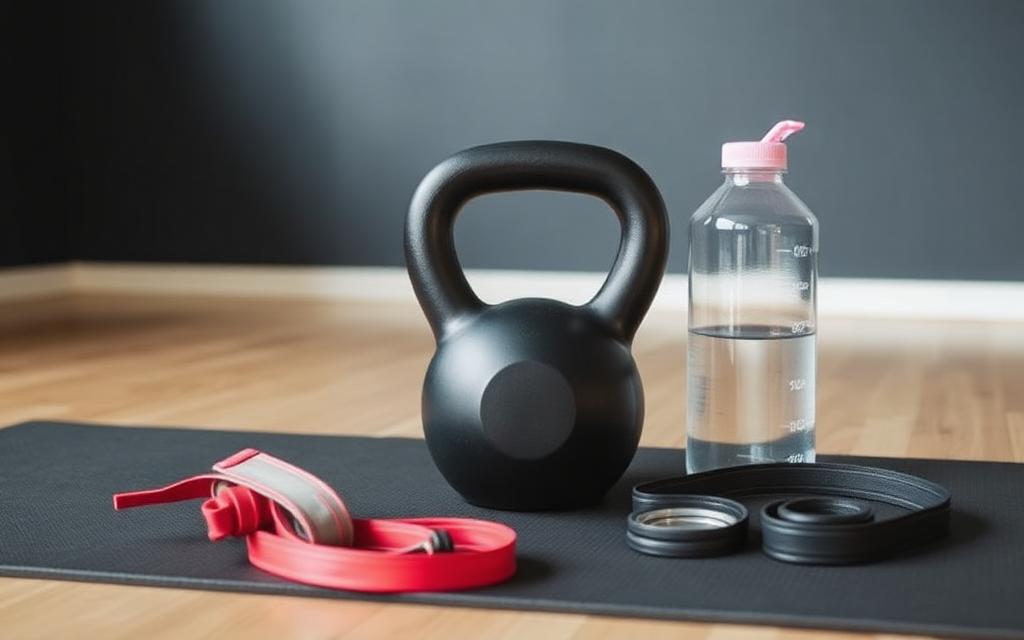
Kettlebells build power, grip, and posterior-chain strength. Learn the swing, goblet squat, and Turkish get-up with correct form.
For informational purposes only. This article is educational and is not a substitute for professional medical advice, diagnosis, or treatment. Always consult a qualified healthcare provider about anything affecting your health. Read full disclaimer.
Introduction
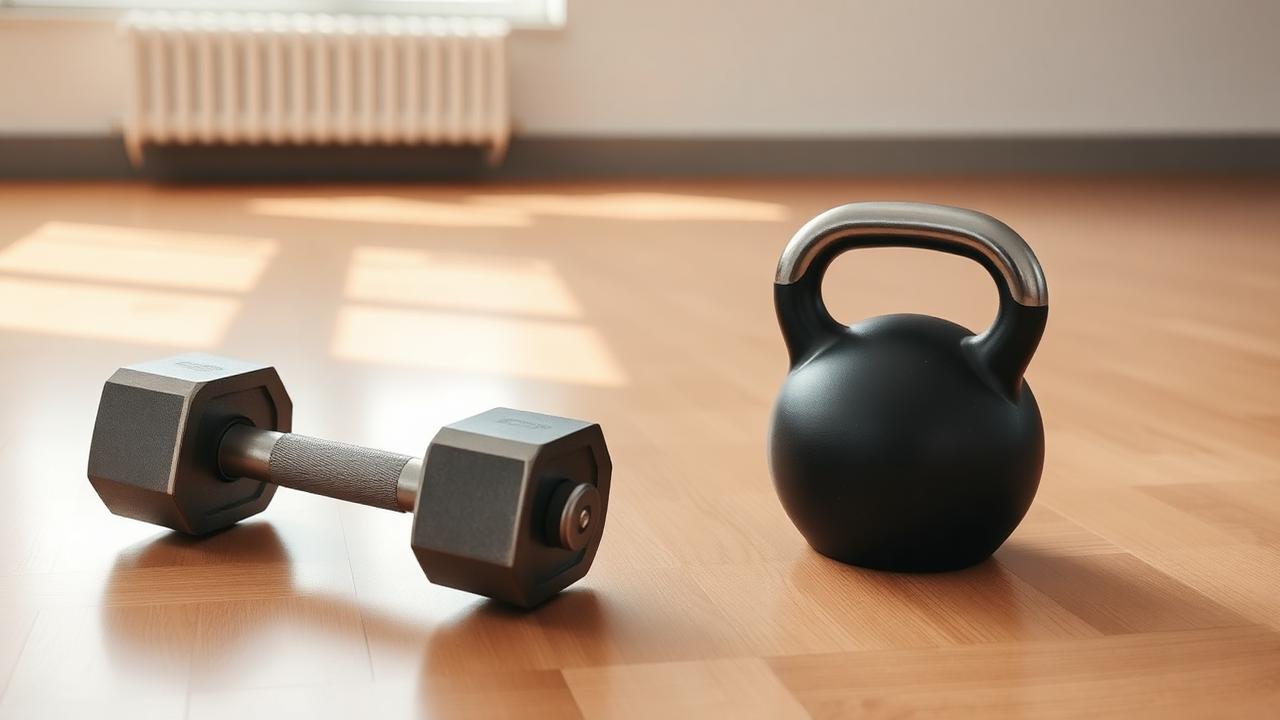
Kettlebells are a versatile strength training tool, recognizable by their cast-iron ball with a handle. Originating in Russia, they have gained widespread popularity for their ability to enhance various aspects of physical fitness. Kettlebell training differs from traditional dumbbell or barbell exercises due to its unique weight distribution and the ballistic nature of many of its movements. This characteristic allows for dynamic, full-body workouts that can improve power, grip strength, and the strength of the posterior chain—the muscles along the back of the body, including the glutes, hamstrings, and lower back.
Proper form is paramount when swinging a kettlebell, performing goblet squats, or executing a Turkish get-up. Incorrect technique can lead to injury, while correct execution maximizes benefits and ensures safety. This guide will explore the foundational principles of kettlebell training, focusing on evidence-based practices and what to discuss with a qualified fitness professional.
What causes it (evidence-based)
The benefits derived from kettlebell training stem from several biomechanical and physiological principles. Unlike static resistance training, many kettlebell exercises, particularly the kettlebell swing, involve ballistic movements. These movements require rapid acceleration and deceleration, engaging muscles through a greater range of motion and at higher velocities.
- Power Development: Kettlebell swings, for example, are effective in developing power, defined as the ability to exert maximum force in the shortest possible time. This is achieved through the coordinated effort of the hips and glutes, which act as primary movers in generating momentum. Research indicates that ballistic resistance training, such as kettlebell swings, can significantly improve explosive power, which translates to better performance in sports and daily activities requiring quick, forceful movements like jumping or lifting (American Council on Exercise).
- Grip Strength Enhancement: The unique handle design and the dynamic nature of kettlebell exercises inherently challenge grip strength. Maintaining control of a moving kettlebell necessitates continuous engagement of the forearm and hand muscles. Stronger grip is associated with various health benefits, including improved overall strength and reduced risk of certain health conditions (National Institutes of Health).
- Posterior Chain Strengthening: Many core kettlebell exercises, especially the swing and deadlift variations, heavily recruit the muscles of the posterior chain. These muscles are crucial for posture, spinal stability, and powerful movements. Strengthening the posterior chain can help prevent lower back pain and improve athletic performance (Mayo Clinic).
- Cardiovascular Benefits: The continuous, dynamic nature of kettlebell workouts, particularly when performed in circuits or with minimal rest, can elevate heart rate and improve cardiovascular endurance. This makes kettlebell training an efficient way to achieve both strength and cardiovascular fitness benefits simultaneously (American Heart Association).
- Core Stability: Exercises like the Turkish get-up significantly challenge core stability, requiring coordinated effort from the abdominal and back muscles to maintain balance and control throughout the movement (Cochrane Library).
Symptoms and warning signs
While kettlebell training offers numerous benefits, improper form or excessive loading can lead to injury. Recognizing warning signs is crucial for preventing progression to more severe issues.
Common areas susceptible to injury during kettlebell training include the lower back, shoulders, and wrists, often due to inadequate warm-up, poor technique, or attempting weights that are too heavy.
- Sharp, sudden pain: Any sharp, sudden pain during an exercise, particularly in the lower back, shoulders, or joints, is an immediate warning sign to stop the exercise. This could indicate muscle strain, ligament sprain, or other acute injury.
- Persistent dull ache: A persistent dull ache that develops after a workout and lasts for more than a couple of days, especially if it worsens with specific movements, may signify overtraining or repetitive stress injury.
- Joint instability or clicking: If a joint feels unstable, "gives way," or produces persistent clicking or grinding sounds with pain, it could indicate cartilage damage or ligament issues.
- Numbness or tingling: Numbness, tingling, or weakness in an arm or leg could suggest nerve compression, especially if accompanied by back or neck pain.
- Swelling or bruising: Visible swelling or bruising around a joint or muscle area after a workout could indicate significant tissue damage.
- Loss of range of motion: A noticeable decrease in the ability to move a joint fully without pain after training.
- Difficulty with daily activities: If pain or discomfort from training interferes with simple daily tasks like bending, lifting, or reaching, it's a sign that something is amiss.
These signs are indicators that the body is under undue stress or has sustained an injury. Ignoring them can lead to chronic pain, prolonged recovery, and more severe health complications.
When to see a clinician
It is important to understand that consistent movement and strength training can support overall health. However, certain symptoms or pre-existing conditions warrant professional medical advice before initiating or continuing any exercise program, including kettlebell training. This is not medical advice.
Consult a licensed clinician if you experience any of the following:
- Persistent pain: If you experience any of the warning signs described above, especially if pain persists for more than a few days, worsens, or does not improve with rest and basic self-care.
- Acute injury: If you believe you have sustained an acute injury, such as a muscle tear, severe sprain, or joint dislocation, during or after a kettlebell workout.
- Pre-existing medical conditions: Individuals with a history of heart conditions, high blood pressure, diabetes, orthopedic issues (e.g., severe arthritis, previous joint surgeries, chronic back pain), neurological disorders, or any other significant health concern should seek clearance from their clinician before starting any new exercise regimen. Your clinician can advise on appropriate modifications or contraindications.
- Pregnancy or postpartum: Pregnant women or individuals in the postpartum period should consult their obstetrician or a specialized physical therapist regarding appropriate exercise modifications and safety precautions.
- Unexplained symptoms: If you develop new, unexplained symptoms such as dizziness, shortness of breath, chest pain, or severe fatigue during or after exercise.
- Medication use: If you are taking prescription medications, especially those that affect heart rate, blood pressure, or balance, as these can influence your exercise capacity and safety.
A clinician can provide a thorough evaluation, diagnose any underlying issues, and offer personalized recommendations for safe and effective exercise. They may recommend physical therapy or other interventions to address injuries or optimize your readiness for physical activity.
Treatment and management options
Managing injuries or symptoms related to kettlebell training often involves a multi-pronged approach, focusing on rest, pain management, rehabilitation, and technique correction. This information is for general knowledge and is not a substitute for professional medical advice.
- Rest and activity modification: For acute injuries or persistent pain, the initial step is often to rest the affected area. This may involve temporarily stopping kettlebell training or modifying exercises to avoid aggravating the injury. Gradual reintroduction of activity is key, often under the guidance of a physical therapist.
- Pain management:
- Cold and heat therapy: Applying ice to acute injuries can help reduce swelling and inflammation, while heat therapy can be beneficial for muscle soreness and stiffness in subacute or chronic stages (Mayo Clinic).
- Over-the-counter medications: Non-steroidal anti-inflammatory drugs (NSAIDs) like ibuprofen or naproxen can help manage pain and inflammation, but should be used as directed and in consultation with a clinician, especially for prolonged use.
- Physical therapy: A physical therapist can assess the injury, provide targeted exercises to strengthen weakened muscles, improve flexibility, and re-educate movement patterns. They can also offer guidance on proper kettlebell technique to prevent recurrence.
- Technique correction: Often, injuries arise from improper form. Working with a certified kettlebell instructor or coach can help identify and correct technical flaws. This may involve:
- Starting with lighter weights: Focussing on mastering movement patterns before increasing resistance.
- Videotaping workouts: Reviewing technique can help identify errors that are difficult to feel in the moment.
- Performing foundational exercises: Reinforcing basic movements like hip hinges and squats without weight before progressing to kettlebells.
- Progressive overload management: Gradually increasing weight, repetitions, or workout intensity to allow the body to adapt without being overstressed. Avoiding rapid increases in volume or intensity is crucial.
- Strength and conditioning: A well-rounded strength and conditioning program that includes exercises for overall strength, flexibility, and mobility can support kettlebell training and reduce injury risk. This could include core strengthening, hip mobility drills, and upper back stability exercises.
- Nutrition and hydration: Adequate nutrition supports tissue repair and recovery. Proper hydration is also essential for muscle function and overall health.
- Sleep: Sufficient sleep is critical for muscle recovery and hormonal balance, aiding in the healing process (National Institutes of Health).
Prevention and daily habits
Preventing injuries and maximizing the benefits of kettlebell training relies on a commitment to proper technique, gradual progression, and holistic health habits.
- Master foundational movements: Before attempting complex kettlebell exercises like the swing or Turkish get-up, ensure proficiency in basic movement patterns. This includes the hip hinge (like picking something up off the floor while keeping the back straight), bodyweight squats, and planks. These foundational movements build the necessary strength and mobility (American Council on Exercise).
- Start with appropriate weight: Begin with a lighter kettlebell to learn the movement patterns without excessive strain. It is generally recommended for men to start with an 8kg or 12kg kettlebell and women with a 4kg or 8kg kettlebell for ballistics like the swing, adjusting based on individual strength and fitness levels. Prioritize form over weight (National Strength and Conditioning Association).
- Prioritize proper form:
- Kettlebell Swing: This is a hip-dominant movement, not a squat or an arm lift. Focus on a powerful hip hinge, driving the kettlebell forward using glute and hamstring power. Maintain a neutral spine throughout.
- Goblet Squat: Keep the kettlebell held to your chest, elbows tucked in. Squat down by pushing your hips back and knees out, keeping your chest up and a neutral spine.
- Turkish Get-Up: This complex movement requires sequential steps from lying to standing and back down. Each step should be controlled and deliberate, focusing on core stability and conscious movement.
- Warm-up thoroughly: A dynamic warm-up before each session prepares muscles and joints for activity. This might include light cardio, joint rotations, and mobility drills specific to the exercises planned.
- Cool-down and stretch: A cool-down with static stretches after your workout can help improve flexibility and aid in muscle recovery.
- Listen to your body: Pay attention to pain signals. Distinguish between muscle fatigue and pain. Do not push through sharp or persistent pain.
- Progress gradually: Avoid increasing weight or training volume too quickly. Adhere to the principle of progressive overload, but do so incrementally.
- Ensure adequate recovery: Allow sufficient rest days between intense training sessions. Proper sleep and nutrition are vital for muscle repair and adaptation.
- Maintain overall physical fitness: Incorporate a balanced fitness routine that includes cardiovascular exercise, flexibility work, and other strength training modalities to support overall physical resilience.
- Seek qualified instruction: Consider working with a certified kettlebell instructor, especially when learning new movements. Professional guidance can significantly improve technique and reduce injury risk.
Frequently asked questions
What are the main benefits of kettlebell training?
Kettlebell training is known for developing power, enhancing grip strength, and strengthening the posterior chain muscles (glutes, hamstrings, lower back). It also provides cardiovascular benefits and improves core stability. Many exercises are full-body, making workouts efficient (American Council on Exercise).
How often should I train with kettlebells?
The frequency of kettlebell training depends on your fitness level, specific goals, and the intensity of your workouts. For beginners, 2-3 sessions per week on non-consecutive days are often recommended to allow for adequate recovery. More experienced individuals might train more frequently, but ensuring proper recovery is crucial to prevent overtraining (Mayo Clinic).
Which kettlebell weight should a beginner start with?
For learning fundamental movements like the swing, it is generally recommended for adult men to start with an 8kg (18lb) or 12kg (26lb) kettlebell, and adult women to start with a 4kg (9lb) or 8kg (18lb) kettlebell. The focus should be on mastering form before increasing weight. For exercises like the Turkish Get-Up, starting with a very light weight or even just a shoe on your fist is advisable (National Strength and Conditioning Association).
Is kettlebell training suitable for older adults?
Kettlebell training can be highly beneficial for older adults, helping to maintain strength, power, balance, and bone density. However, exercises should be modified to suit individual capabilities, and medical clearance from a clinician is essential, especially for those with pre-existing conditions. Starting with lighter weights and focusing on form and controlled movements is particularly important (National Institutes of Health).
How does kettlebell training differ from traditional weightlifting?
Kettlebell training often involves ballistic and dynamic movements, such as swings, which differ from the more linear, controlled movements typically associated with dumbbells or barbells in traditional strength training. The off-center mass of the kettlebell also challenges stability and engages stabilizer muscles more intensely. While both improve strength, kettlebells emphasize power, endurance, and functional movements more directly (American Council on Exercise).
Key takeaways
- Kettlebells are a versatile tool for enhancing power, grip strength, and posterior chain development.
- Proper form is crucial for safety and effectiveness; prioritize technique over heavy weight.
- Common foundational exercises include the swing, goblet squat, and Turkish get-up.
- Pay attention to warning signs like persistent pain, swelling, or instability, and consult a clinician if they arise.
- Preventative measures include starting with appropriate weight, thorough warm-ups, gradual progression, and adequate recovery.
- This content is for informational purposes only and is not medical advice. Always consult a qualified clinician for personalized health guidance.
Sources
- American Council on Exercise (ACE)
- American Heart Association (AHA)
- Cochrane Library
- Mayo Clinic
- National Institutes of Health (NIH)
- National Strength and Conditioning Association (NSCA)
Related reading
- Functional Fitness Basics — Functional fitness trains your body for everyday movements, improving strength, balance, and flexibility for a healthier…
- Bodyweight Training at Home — Discover the incredible benefits of bodyweight training, a versatile and effective way to build strength, improve endura…
- Beginner Strength Training Guide — Embark on your strength training journey with this comprehensive beginner's guide, covering essential principles, effect…
- Kidney Health Basics — Learn the fundamentals of kidney health, including their vital functions, common risk factors for kidney disease, and ac…
- Building a Wellness Support System — Discover how to build a robust wellness support system that encompasses social connections, professional guidance, and s…
Written by
Health Hub Pro Editorial
Health writer at Health Hub Pro, focused on evidence-based, Sharia-conscious wellness.
View author profile →Medically reviewed by
Dr. A. Rahman, MD
Board-certified in Internal Medicine
Last reviewed on