Litter Box Health: What Your Cat's Habits Reveal
A practical, evidence-informed guide to litter box problems — what matters, what works, common mistakes, and when to consult a professional.
For informational purposes only. This article is educational and is not a substitute for professional medical advice, diagnosis, or treatment. Always consult a qualified healthcare provider about anything affecting your health. Read full disclaimer.
Litter Box Health: What Your Cat's Habits Reveal
(Not medical or veterinary advice — consult a qualified clinician or veterinarian for personal guidance.)
Introduction
The humble litter box is more than just a convenience for your feline companion; it serves as a critical indicator of their overall health and well-being. Changes in a cat's litter box habits – whether related to frequency, quantity, consistency of waste, or elimination location – can be subtle yet significant signs of underlying issues, ranging from behavioral concerns to serious medical conditions. Understanding what constitutes normal litter box behavior and recognizing deviations from this norm is a fundamental aspect of responsible cat care. This article will explore the importance of observing your cat's litter box routine, highlight key principles for maintaining a healthy litter box environment, discuss practical daily habits for caregivers, identify common pitfalls, and guide you on when to seek professional veterinary assistance.
Why this matters
A cat's litter box habits offer a window into their internal health. Many common feline ailments manifest with urinary or gastrointestinal symptoms that directly impact litter box use. For instance, frequent trips to the litter box with little to no urine passed could signal a urinary tract obstruction, a life-threatening emergency, especially in male cats. Similarly, changes in stool consistency, such as diarrhea or constipation, can indicate digestive disturbances, dietary intolerances, or parasitic infections. Beyond physical health, inappropriate elimination (urinating or defecating outside the litter box) is a leading reason why cats are relinquished to shelters. This behavior is often a cry for help, stemming from stress, anxiety, territorial disputes, or an aversion to the litter box itself due to cleanliness issues, location, or type of litter. By paying close attention to these signals, caregivers can proactively address potential problems, ensuring timely intervention and promoting a better quality of life for their cats. Furthermore, a well-maintained and appropriate litter box setup contributes significantly to a cat's comfort, security, and overall environmental enrichment, which are crucial for preventing stress-related health and behavioral problems.
Key principles (evidence-informed)
Establishing and maintaining optimal litter box health relies on several evidence-informed principles that address a cat's natural instincts and physiological needs.
- Number of Litter Boxes: A commonly cited guideline is to have one litter box per cat, plus one additional box. For example, two cats should ideally have three litter boxes. This principle, supported by veterinary behaviorists, helps reduce competition, provides choices, and ensures a clean option is always available, which is particularly important in multi-cat households.
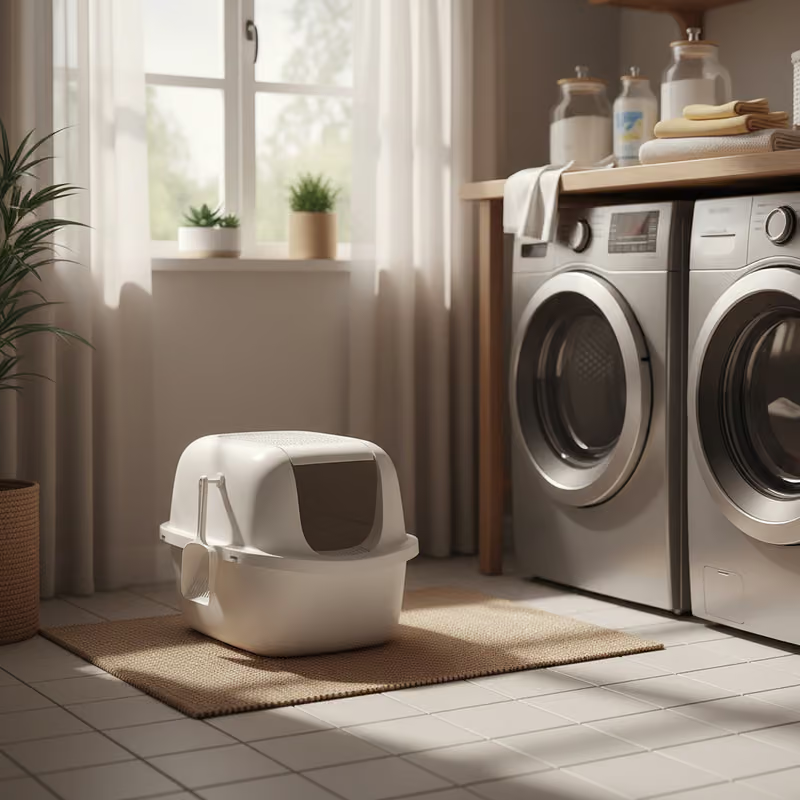
- Size and Type of Litter Box: Cats prefer spacious litter boxes that allow them to turn around comfortably and dig. Covered litter boxes, while appealing to some caregivers for odor control, can trap odors inside and make some cats feel confined or insecure, potentially leading to aversion. Open litter boxes are generally preferred. For older cats or those with mobility issues, low-sided boxes are essential to allow easy entry and exit.
- Litter Type and Depth: Unscented, fine-grained, clumping clay litter is often recommended as it mimics a cat's natural substrate preference and allows for easy removal of waste. Scented litters, deodorizers, and unusual textures can be off-putting to a cat's sensitive olfactory and tactile senses. The depth of the litter should be adequate for digging and covering waste, typically around 3-4 inches (7-10 cm).
- Location: Litter boxes should be placed in quiet, private, and easily accessible areas where the cat feels safe and undisturbed. Avoid high-traffic areas, loud appliances, or locations near food and water bowls. Multiple locations can be beneficial, especially in multi-level homes, to ensure convenience and reduce perceived competition.
- Cleanliness: Regular cleaning is paramount. Scooping at least once, and ideally twice, daily is crucial for hygiene and to prevent odor buildup, which can deter cats from using the box. The entire litter box should be emptied, washed with mild, unscented soap and water, and refilled with fresh litter periodically (e.g., weekly or bi-weekly, depending on usage and litter type). Avoid harsh chemicals or strong-smelling cleaners.
(Sources: American Veterinary Medical Association (AVMA), Cornell Feline Health Center, Ohio State University College of Veterinary Medicine)
Practical daily habits
Implementing consistent daily habits can significantly contribute to your cat's litter box health and overall well-being.
- Daily Scooping: This is perhaps the most critical daily habit. Scoop solid waste and urine clumps at least once a day, and ideally twice. This prevents odor buildup, reduces bacterial growth, and ensures a clean surface for your cat.
- Monitor Litter Box Use: Pay attention to how often your cat uses the litter box, how long they spend there, and the quantity and consistency of what they eliminate. Any significant change from their normal routine warrants observation. Note if they are straining, vocalizing, or spending an unusually long time in the box.
- Observe Waste: Take a moment to look at the urine clumps and stool. Urine should be a healthy yellow color, and clumps should be firm and of a consistent size (relative to normal urination). Stool should be well-formed, brown, and not too hard or too soft. Diarrhea, constipation, blood, or mucus in the stool are red flags.
- Maintain Litter Depth: After scooping, check if the litter depth is still adequate (3-4 inches). Top up with fresh litter as needed to maintain the preferred depth.
- Replenish Litter: As litter is removed during scooping, the overall volume decreases. Regularly replenish with fresh litter to maintain the optimal depth and freshness.
- Check Box Location and Accessibility: Periodically ensure that the litter boxes are still in quiet, private, and easily accessible locations. If there are changes in the home (e.g., new furniture, a new pet, or a change in your cat's mobility), reassess the location.
- Keep Water and Food Separate: Always ensure litter boxes are located well away from food and water bowls to maintain hygiene and prevent contamination or aversion.
These simple daily checks and maintenance routines allow for early detection of potential issues, whether they are medical or behavioral, and help ensure your cat's comfort and compliance with litter box use.
Common mistakes to avoid
Caregivers, often with the best intentions, can sometimes make mistakes regarding litter box management that lead to problems for their cats. Avoiding these common pitfalls is crucial for maintaining a healthy environment.
- Insufficient Number of Litter Boxes: As mentioned, the "number of cats + one" rule is essential. Providing too few boxes, especially in multi-cat households, can lead to competition, stress, and inappropriate elimination.
- Infrequent Cleaning: This is arguably the most common mistake. Cats are fastidious creatures and will often avoid a dirty litter box. Failure to scoop daily (or twice daily) and perform regular deep cleaning will almost certainly result in your cat seeking alternative, often undesirable, places to eliminate.
- Using Scented Litter or Deodorizers: While intended to mask odors for human caregivers, strong scents in litter or added deodorizers can be highly offensive to a cat's sensitive nose. Many cats will develop an aversion to scented products, leading them to avoid the litter box. Unscented, plain litter is generally preferred.
- Inappropriate Box Size or Type: A box that is too small, too difficult to enter (high sides for an elderly cat), or covered (making a cat feel trapped or enhancing odors) can deter use. Always choose large, open-top boxes unless there's a specific reason for a low-sided or covered one (and even then, monitor carefully).
- Poor Location Choices: Placing the litter box in a high-traffic area, next to a noisy appliance (like a washing machine), near their food and water, or in a location that feels insecure (e.g., a dark basement corner without easy escape routes) can make a cat feel vulnerable and lead to avoidance.
- Sudden Changes in Litter Type: Cats are creatures of habit. Abruptly changing the type, brand, or texture of litter can be very unsettling. If a change is necessary, do so gradually by mixing the new litter with the old over several days or weeks.
- Punishing Inappropriate Elimination: Never punish a cat for eliminating outside the litter box. This approach is counterproductive; it teaches the cat to fear the caregiver and simply makes them more secretive about their elimination habits, exacerbating the problem rather than solving it. Inappropriate elimination is almost always a sign of an underlying issue – medical, behavioral, or environmental – that needs to be identified and addressed.
- Assuming it's "Behavioral" without Vet Check: A crucial mistake is to assume any change in litter box habits or inappropriate elimination is purely behavioral without first ruling out medical causes. Many serious health conditions present with litter box problems. A veterinary check-up is always the first step.
When to see a professional
Recognizing when a litter box issue warrants professional veterinary attention is critical for your cat's health and safety. Always err on the side of caution.
Seek immediate veterinary care if you observe:
- Straining to Urinate or Defecate: Especially in male cats, straining to urinate with little or no urine production can indicate a life-threatening urinary obstruction. This is an emergency.
- Frequent, Unsuccessful Trips to the Litter Box: Repeatedly visiting the litter box without producing urine or stool, or producing only small amounts, can also signal an obstruction or severe discomfort.
- Vocalization or Pain During Elimination: Crying out, whimpering, or showing signs of discomfort (e.g., hunched posture, agitation) while in or around the litter box.
- Blood in Urine or Stool: Any visible blood is a serious concern, whether it's red streaks in stool or a pink/red tint to urine.
- Complete Absence of Urination or Defecation for 24+ Hours: This is an emergency and can quickly lead to severe complications.
- Excessive Thirst and Urination (Polyuria/Polydipsia): While not directly a litter box habit change, a sudden increase in urine volume means more frequent litter box use and can indicate kidney disease, diabetes, or hyperthyroidism.
Schedule a veterinary appointment if you observe:
- Inappropriate Urination or Defecation: If your cat suddenly starts eliminating outside the litter box, even if they are otherwise acting normally. While it could be behavioral, a medical cause must be ruled out first.
- Changes in Urine or Stool Consistency: Persistent diarrhea (watery, loose stools) or constipation (hard, dry stools, or straining with little production) lasting more than 24-48 hours.
- Foul-Smelling Urine or Stool: An unusually strong or offensive odor could indicate infection or digestive upset.
- Changes in Urination Frequency: Urinating much more or much less often than usual, without other immediate emergency signs.
- Changes in Appetite, Activity Level, or Other Behaviors: If litter box changes are accompanied by other signs of illness (lethargy, vomiting, weight loss), it points strongly to an underlying medical issue.
- Sudden Aversion to Litter Box: Your cat suddenly refuses to use any of the litter boxes, even if they are clean and appropriate.
A veterinarian can perform a thorough physical examination, potentially including urine analysis, blood tests, fecal analysis, or imaging (X-rays, ultrasound) to diagnose the underlying cause of the changes and recommend appropriate treatment. Early intervention is key to successful outcomes.
Frequently asked questions
My cat suddenly started urinating outside the litter box. What should I do first?
The very first step is to schedule an appointment with your veterinarian. Inappropriate urination is frequently a symptom of an underlying medical condition, such as a urinary tract infection, bladder stones, or kidney disease. It is crucial to rule out medical causes before considering behavioral factors. Once medical issues are excluded, you can then assess environmental and behavioral reasons.
How often should I scoop the litter box?
It is recommended to scoop the litter box at least once daily, and ideally twice daily. Cats are very particular about cleanliness, and a dirty litter box is a common reason for them to seek other places to eliminate. Regular scooping helps to control odors and maintains a hygienic environment, making the litter box more appealing for your cat.
What kind of litter is best for my cat?
Most veterinarians and behaviorists recommend using an unscented, fine-grained, clumping clay litter. This type of litter generally appeals to cats because its texture is soft on their paws and it mimics natural soil. Unscented litter is preferred as strong fragrances can be off-putting to a cat's sensitive sense of smell, leading to litter box aversion.
How many litter boxes do I need for my cats?
A general guideline, often referred to as the "N+1 rule," suggests having one litter box per cat, plus one additional box. For example, if you have two cats, you should ideally provide three litter boxes. This helps to minimize competition, offers options, and ensures that a clean box is usually available, which is particularly important in multi-cat households to prevent stress.
My cat is an older cat and struggles to get into the litter box. What can I do?
For older cats or those with mobility issues (e.g., arthritis), consider providing litter boxes with low sides that allow for easier entry and exit. You can find specifically designed senior litter boxes, or even use a shallow storage bin. Ensure the litter box is placed in an easily accessible location, avoiding stairs or difficult-to-reach spots, to reduce physical strain and encourage use.
Key takeaways
- Litter Box as a Health Indicator: A cat's litter box habits provide vital insights into their physical and emotional well-being.
- Observe and Monitor: Daily observation of your cat's litter box use (frequency, duration, posture) and the characteristics of their waste (quantity, color, consistency) is crucial for early detection of issues.
- "N+1" Rule: Provide at least one litter box per cat plus one additional box, ensuring ample, clean options.
- Cleanliness is Paramount: Scoop at least once daily, and perform regular deep cleaning of the litter box with mild, unscented soap.
- Choose Wisely: Opt for large, open-top litter boxes and unscented, fine-grained, clumping litter.
- Strategic Placement: Place litter boxes in quiet, private, easily accessible locations, away from food and water bowls.
- Veterinary First: Always consult a veterinarian for any significant changes in litter box habits or inappropriate elimination, as these are often signs of underlying medical conditions. Do not assume it's behavioral without a professional medical check-up.
- Avoid Punishment: Never punish your cat for inappropriate elimination; instead, focus on identifying and addressing the root cause.
Related reading
Keep exploring this topic with our related, evidence-reviewed guides:
- Guinea Pig and Hamster Care: Common Health Problems to Watch — A practical, evidence-informed guide to guinea pig health — what matters, what works, common mistakes, and when to consult a profe…
- Recognizing Illness in Cats: Behavior Changes That Matter — A practical, evidence-informed guide to sick cat signs — what matters, what works, common mistakes, and when to consult a professi…
- Cat Nutrition: Why Cats Are Obligate Carnivores and What to Feed — A practical, evidence-informed guide to cat nutrition — what matters, what works, common mistakes, and when to consult a professio…
- Cat Hydration and Kidney Health: Preventing Urinary Problems — A practical, evidence-informed guide to cat hydration — what matters, what works, common mistakes, and when to consult a professio…
- Stray and Community Animal Health: Feeding, Vaccination, and Ethics — A practical, evidence-informed guide to stray animal care — what matters, what works, common mistakes, and when to consult a profe…
- Puppy First Year Health Checklist: Vaccines, Growth, and Socialization — A practical, evidence-informed guide to puppy health — what matters, what works, common mistakes, and when to consult a profession…
Sources
- American Veterinary Medical Association (AVMA)
- Cornell University College of Veterinary Medicine - Cornell Feline Health Center
- The Ohio State University College of Veterinary Medicine - Indoor Cat Initiative
- World Small Animal Veterinary Association (WSAVA)
- Mayo Clinic (for general health communication principles)
Sources
Evidence & citations
- Every claim in this animal health guide is backed by primary data — browse the zoonotic and one-health statistics in our sourced statistics library.
- Writing about this topic? Researchers, journalists and educators can cite our animal health guidance with ready-made APA, MLA and Chicago references.
My notes on this one
The short version of 11 minutes of reading — what stuck with me while writing “Litter Box Health: What Your Cat's Habits Reveal”, what the sources back up, and what I'd actually do about it.
What I'd take away
01 · Why this matters
This behavior is often a cry for help, stemming from stress, anxiety, territorial disputes, or an aversion to the litter box itself due to cleanliness issues, location, or type of litter.
02 · Key principles
Establishing and maintaining optimal litter box health relies on several evidence-informed principles that address a cat's natural instincts and physiological needs.
03 · Practical daily habits
These simple daily checks and maintenance routines allow for early detection of potential issues, whether they are medical or behavioral, and help ensure your cat's comfort and compliance with litter box use.
04 · Common mistakes to avoid
Insufficient Number of Litter Boxes: As mentioned, the "number of cats + one" rule is essential. Providing too few boxes, especially in multi-cat households, can lead to competition, stress…
What the sources I read actually say
Inappropriate urination is frequently a symptom of an underlying medical condition, such as a urinary tract infection, bladder stones, or kidney disease.
Centers for Disease Control and Prevention
If you only do one thing this week
- Keep Water and Food Separate — Always ensure litter boxes are located well away from food and water bowls to maintain hygiene and prevent contamination or aversion.
Pick the one that fits your week. None of this replaces advice from a clinician who can actually examine you.
Questions I kept coming back to
My cat suddenly started urinating outside the litter box. What should I do first?+
The very first step is to schedule an appointment with your veterinarian. Inappropriate urination is frequently a symptom of an underlying medical condition, such as a urinary tract infection, bladder stones, or kidney disease. It is crucial to rule out medical causes before considering behavioral factors. Once medical issues are excluded, you can then assess environmental and behavioral reasons.
How often should I scoop the litter box?+
It is recommended to scoop the litter box at least once daily, and ideally twice daily. Cats are very particular about cleanliness, and a dirty litter box is a common reason for them to seek other places to eliminate. Regular scooping helps to control odors and maintains a hygienic environment, making the litter box more appealing for your cat.
What kind of litter is best for my cat?+
Most veterinarians and behaviorists recommend using an unscented, fine-grained, clumping clay litter. This type of litter generally appeals to cats because its texture is soft on their paws and it mimics natural soil. Unscented litter is preferred as strong fragrances can be off-putting to a cat's sensitive sense of smell, leading to litter box aversion.
How many litter boxes do I need for my cats?+
A general guideline, often referred to as the "N+1 rule," suggests having one litter box per cat, plus one additional box. For example, if you have two cats, you should ideally provide three litter boxes. This helps to minimize competition, offers options, and ensures that a clean box is usually available, which is particularly important in multi-cat households to prevent stress.
My cat is an older cat and struggles to get into the litter box. What can I do?+
For older cats or those with mobility issues (e.g., arthritis), consider providing litter boxes with low sides that allow for easier entry and exit. You can find specifically designed senior litter boxes, or even use a shallow storage bin. Ensure the litter box is placed in an easily accessible location, avoiding stairs or difficult-to-reach spots, to reduce physical strain and encourage use.
Was this article helpful?
Be the first to rate this article.
Written by
FaizRuh
I write Health Hub Pro on my own — no clinical licence, no anonymous review panel. Just the published guidance, read carefully and explained plainly.
More about me →How this page was checked
Every claim above is checked against the sources listed at the bottom of this article — WHO, CDC, NIH, NHS, Cochrane and major clinical guidelines. Drafting is AI-assisted; the editing, fact-checking and final wording are mine. It's information, not medical advice. Spotted an error? Tell me and I'll fix it.
Last checked on